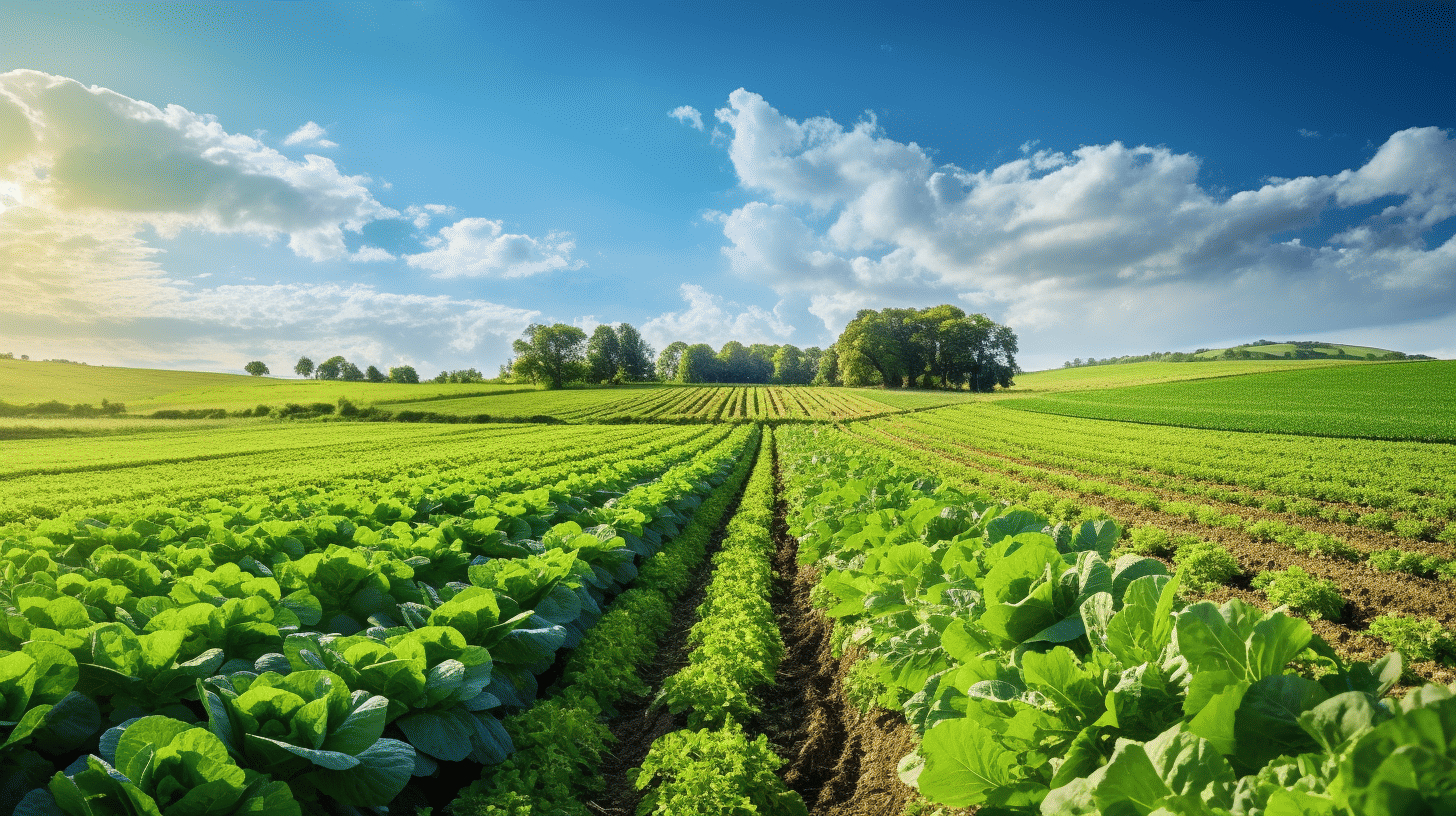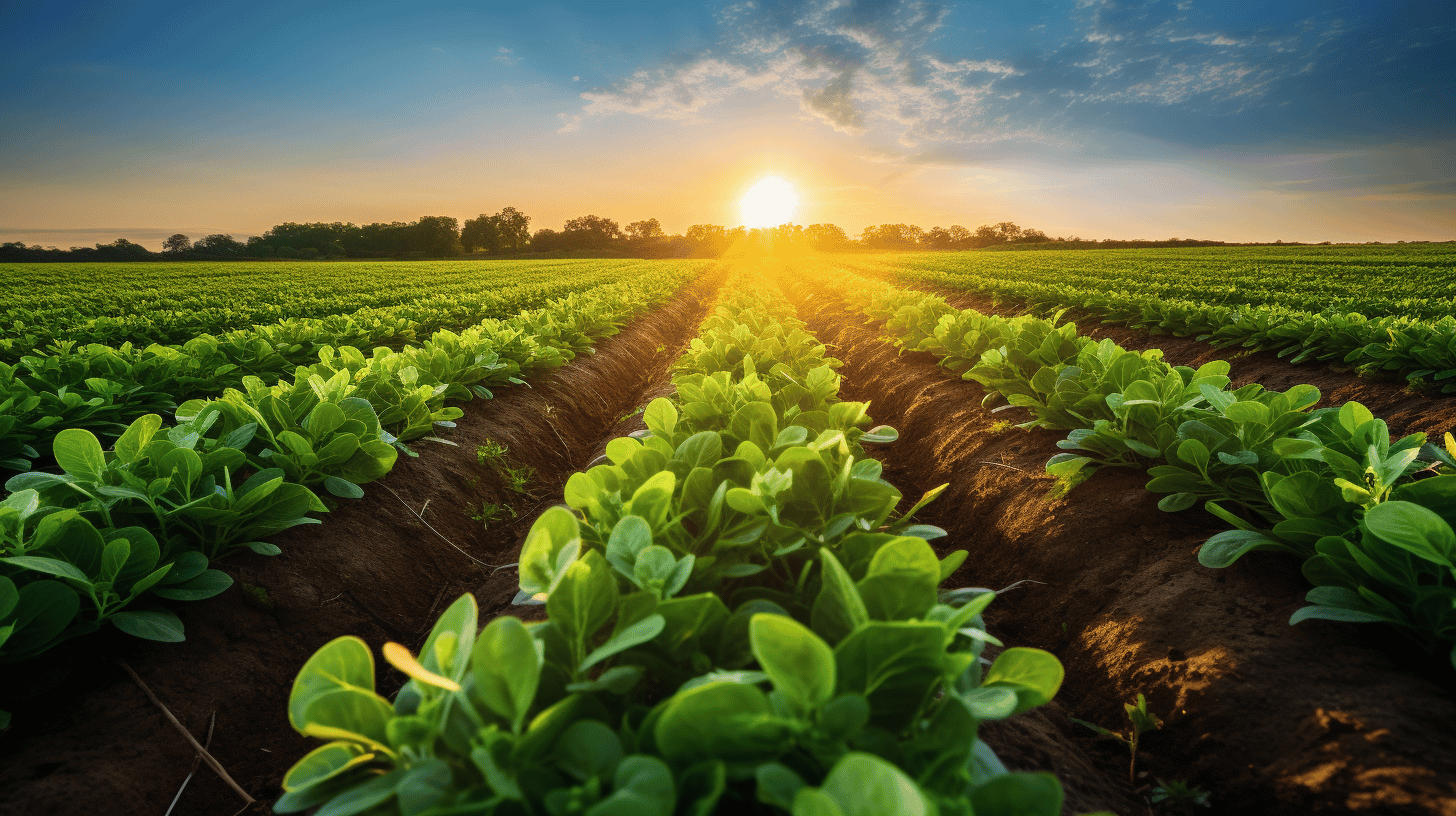
Regenerative agriculture is a sustainable farming practice gaining popularity worldwide. As farmers seek methods that protect the environment while producing high-quality crops, one approach has emerged as a game-changer: no-till farming. This innovative method involves minimizing or eliminating the traditional plowing or tilling of the soil before planting. Instead, farmers leave the soil undisturbed and plant directly into the residue of the previous crop.
No-till farming offers several key benefits that make it an attractive option for farmers looking to achieve sustainability and improve their yields. By examining these advantages, we can better understand why this practice has gained momentum in recent years. Let’s explore the advantages of no-till farming in regenerative agriculture.
Advantages of No-Till Farming
Advantages of No-Till Farming
No-till farming is an agricultural practice that offers several significant advantages for farmers and the environment. By minimizing soil disturbance and leaving crop residues undisturbed, no-till farming can lead to cost savings, reduced soil erosion, improved soil health, reduced greenhouse gas emissions, and even carbon sequestration. Let’s take a closer look at these benefits:
Cost Savings
One of the primary advantages of no-till farming is the potential for cost savings. By eliminating the need for intensive tillage, farmers can reduce labor and machinery costs. According to studies, no-till farming can save farms approximately $72 per acre in labor and machinery costs[1]. These savings can be significant for farmers, especially in the long run, and can contribute to greater financial stability.
Reduced Soil Erosion
Soil erosion is a prevalent issue in traditional farming practices, but no-till farming offers a promising solution. By minimizing soil disturbance, no-till farming reduces the risk of soil erosion caused by wind and water. Studies have shown that no-till farming can reduce sediment losses by an impressive 99 percent[1]. This reduction in sediment loss helps to preserve valuable topsoil, which is vital for sustaining crop productivity and maintaining soil fertility.
Soil Health Improvement
No-till farming has been shown to have a positive impact on soil health. By leaving crop residues on the surface and limiting soil disturbance, no-till farming promotes greater organic matter accumulation. This, in turn, leads to improved soil structure, increased water retention, and enhanced nutrient cycling. Healthy soil is essential for the long-term sustainability of agriculture, and no-till farming plays a vital role in promoting soil health.
Reduced Greenhouse Gas Emissions
Traditional agricultural practices, such as frequent tillage, can contribute to greenhouse gas emissions, particularly carbon dioxide (CO2) release from soil organic matter. In contrast, no-till farming helps to reduce greenhouse gas emissions. By preserving crop residues on the soil surface, no-till farming creates an environment that favors carbon sequestration and reduces soil carbon loss[5]. This not only helps mitigate climate change but also contributes to improved soil fertility and productivity.
Promotes Carbon Sequestration
No-till farming is recognized as an effective strategy for carbon sequestration. Carbon sequestration refers to the capture and storage of carbon dioxide from the atmosphere. The practice of no-till farming allows for the buildup of soil organic carbon over time, enhancing carbon sequestration potential. This is particularly important in the fight against climate change, as increased soil organic carbon levels can help offset CO2 emissions from other sources.
In conclusion, no-till farming offers numerous advantages for farmers and the environment. From cost savings to improved soil health and reduced greenhouse gas emissions, adopting no-till practices can lead to a more sustainable and resilient agricultural system. By promoting soil conservation and carbon sequestration, no-till farming is paving the way for a greener and more productive future.
No-Till Farming in Agriculture and Its Popularity
No-till farming is a farming practice that has been gaining popularity in recent years. It involves growing crops without disturbing the soil through tilling, which is the traditional method of preparing the soil for planting. Instead, farmers leave the soil undisturbed and plant crops directly into the residue of the previous crop.
The Benefits of No-Till Farming
No-till farming offers a range of benefits for both farmers and the environment. Here are some key advantages:
- Improved Soil Health: By leaving the soil undisturbed, no-till farming helps to preserve the structure and fertility of the soil. The organic matter in the soil is retained, promoting healthier and more productive soil for future crops.
- Reduced Erosion: One of the main benefits of no-till farming is its ability to reduce soil erosion. When soil is tilled, it becomes more susceptible to water and wind erosion. By minimizing soil disturbance, no-till farming helps to protect the topsoil and prevent erosion.
- Water Conservation: No-till farming also helps to conserve water. The residue from the previous crop acts as a protective layer, reducing evaporation and improving water infiltration into the soil. This can be especially beneficial in areas with limited water resources.
- Carbon Sequestration: No-till farming has the potential to sequester carbon dioxide from the atmosphere and store it in the soil. When organic matter is left on the surface of the soil, it decomposes slowly, releasing less carbon dioxide. This can help to mitigate climate change by reducing greenhouse gas emissions.
Popularity of No-Till Farming
In recent years, the popularity of no-till farming has been steadily increasing. Farmers are recognizing the numerous benefits that this practice offers, and they are adopting it on their fields. Here are a few reasons why no-till farming has gained traction:
- Financial Savings: No-till farming can lead to significant cost savings for farmers. By eliminating the need for tillage equipment and reducing labor and fuel costs, farmers can save money on their operations. Additionally, healthy soil that is nurtured through no-till practices is more resistant to droughts, pests, and diseases, resulting in higher crop yields.
- Time Efficiency: No-till farming requires less time and labor compared to conventional tillage methods. Instead of spending time preparing the soil, farmers can focus on other important tasks such as planting, managing pests, and monitoring crop health. This allows them to be more efficient and productive.
- Environmental Stewardship: No-till farming aligns with the principles of sustainable agriculture and environmental stewardship. By reducing erosion, conserving water, and sequestering carbon, farmers who practice no-till are actively contributing to the preservation of the environment and the long-term sustainability of agriculture.
No-till farming has proven to be a viable and sustainable alternative to conventional tillage methods. Its benefits for soil health, water conservation, and carbon sequestration make it an attractive option for farmers looking to improve both their farming practices and the environment. With the increasing popularity and success of no-till farming, we can expect to see more acres devoted to this method in the future.
Total no-till acres reported in 2017 was 104 million acres, which is about 8 million acres higher than what was reported in the 2012 AgCensus.
Economic Impact of No-Till Farming
No-till farming has emerged as a sustainable agricultural practice with a multitude of benefits. Beyond its environmental advantages, such as soil conservation and reduced water runoff, no-till farming also has a significant economic impact. A study conducted by North Carolina State University revealed some compelling findings that demonstrate the financial advantages of adopting this method.
According to the study, no-till farming brings about substantial economic benefits that extend beyond the immediate savings in fuel usage. Let’s delve into some of the key findings:
- Reduced production costs: No-till farming has been shown to lead to lower production costs for farmers. By minimizing or eliminating the need for tillage machinery, farmers can save on equipment costs, maintenance, and fuel expenses. As a result, their overall production expenses are significantly reduced.
- Increased crop yields: Contrary to a common misconception, no-till farming does not necessarily result in reduced yields. In fact, a study found that while no-till farming may slightly reduce yields by an average of 5.1% across all crop categories and locations, the differences were not statistically significant. This means that farmers can achieve comparable yields while benefiting from the economic advantages of no-till farming.
- Improved soil health and productivity: One of the fundamental benefits of no-till farming is its positive impact on soil health. By leaving crop residues on the soil surface, no-till farming helps to enhance soil organic matter, increase nutrient availability, and promote beneficial microbial activity. This improved soil health translates into higher productivity and potentially higher profits for farmers.
- Savings in labor requirements: No-till farming can also result in significant labor savings for farmers. Since there is no need for extensive tillage operations, less time and effort are required for field preparation. This allows farmers to reallocate their labor resources to other critical farm tasks, potentially increasing overall efficiency and reducing labor costs.
It’s worth noting that the economic impact of no-till farming can vary depending on several factors, such as soil type, climate, crop rotation, and farm management practices. However, the overall evidence suggests that no-till farming can be a financially prudent choice for farmers, offering long-term economic benefits alongside its environmental advantages.
In conclusion, no-till farming offers not only ecological benefits but also significant economic advantages. By reducing production costs, potentially increasing yields, and improving soil health and productivity, farmers stand to gain financially from adopting this sustainable agricultural practice. With these findings in mind, it is clear that no-till farming can play a critical role in promoting both environmental sustainability and economic viability in the agricultural sector.
No-Till Farming in Regenerative Agriculture
Regenerative agriculture is a holistic approach to farming that aims to enhance soil health, promote biodiversity, and reduce the use of synthetic inputs. Within the realm of regenerative agriculture, no-till farming is gaining traction as an effective practice that brings numerous benefits to both farmers and the environment.
What is No-Till Farming?
No-till farming, also known as zero-tillage or conservation tillage, is a technique where farmers avoid the traditional practice of plowing or tilling the soil before planting crops. Instead, they leave the soil undisturbed, maintaining its natural structure and composition. This method involves planting seeds directly into the previous crop residue or cover crops without disturbing the soil.
Benefits of No-Till Farming in Regenerative Agriculture
No-till farming holds several advantages over conventional tillage practices when it comes to regenerative agriculture:
- Improved Soil Health: By avoiding tilling, no-till farming helps to preserve soil structure, prevent erosion, and enhance water infiltration. The undisturbed soil acts as a protective shield, reducing nutrient loss and promoting the growth of beneficial soil organisms.
- Increased Carbon Sequestration: No-till farming plays a crucial role in mitigating climate change by sequestering carbon dioxide from the atmosphere. When plant residues are left on the surface, they act as a natural carbon sink, trapping carbon and storing it in the soil for extended periods.
- Enhanced Water Efficiency: The preservation of soil structure in no-till systems allows for better water absorption and retention. This means that crops are more resilient during drought periods, as the soil retains moisture for longer periods.
- Reduced Energy Consumption: Traditional tillage practices require significant amounts of fuel and machinery, contributing to greenhouse gas emissions. No-till farming reduces energy consumption since farmers do not need to perform intensive soil preparation and can utilize less machinery.
- Profitability for Farmers: While transitioning to no-till farming may require initial investment and adjustments in management practices, studies have shown that it can be profitable in the long run. With fewer inputs required, such as fuel and labor, farmers can reduce production costs and increase their overall profitability.
As regenerative agriculture gains recognition for its ability to enhance ecosystem services and economic viability, no-till farming emerges as a key practice within this framework. By embracing no-till farming methods, farmers can contribute to the restoration of soil health, mitigate climate change, and improve their own bottom line.
To learn more about the principles and practices of regenerative agriculture, check out the comprehensive guide on Regenerative Agriculture.
Conclusion
In conclusion, no-till farming in regenerative agriculture offers numerous benefits for farmers, the environment, and the overall sustainability of our food systems. By minimizing soil disturbance and promoting organic matter retention, no-till farming helps to enhance soil health, reduce erosion, and mitigate greenhouse gas emissions. Additionally, the practice encourages carbon sequestration, aiding in the fight against climate change.
Embracing no-till farming techniques not only provides cost-saving opportunities for farmers but also contributes to the long-term viability of agricultural systems. With its growing popularity and proven economic and environmental advantages, it’s clear that no-till farming is a crucial component of regenerative agriculture practices.
If you want to learn more about regenerative agriculture and how it can transform our food systems, visit the Regenerative Agriculture Wiki. Our platform offers comprehensive insights, guides, and resources, tailored to meet the interests of farmers, environmentalists, food enthusiasts, and anyone curious about sustainable living. Join us in fostering a future where agriculture and ecology thrive in harmony.
Frequently Asked Questions
- What is no-till farming?
No-till farming is an agricultural practice that involves planting crops without disturbing or tilling the soil. Instead of traditional plowing, farmers use specialized equipment to sow seeds directly into the untilled soil.
- What are the benefits of no-till farming in regenerative agriculture?
No-till farming in regenerative agriculture offers several benefits, including improved soil health and fertility, reduced soil erosion, increased water infiltration, enhanced biodiversity, carbon sequestration, and conservation of soil structure and nutrients.
- Does no-till farming require additional equipment or tools?
Yes, no-till farming may require specialized equipment like no-till planters or seed drills to correctly sow seeds into untilled soil. However, over time, these equipment costs may be offset by decreased fuel and labor expenses associated with traditional plowing methods.
- Are there any challenges or drawbacks to adopting no-till farming?
While no-till farming offers numerous benefits, it does come with challenges. Some of the challenges include managing weeds without traditional plowing, adjusting seeding techniques, potential reliance on herbicides, and adapting to local soil and climate conditions.
- Can no-till farming be implemented in all types of agriculture?
No-till farming can be implemented in various types of agriculture, including row crops, grains, fruits, vegetables, and even pasture management. However, it is important to assess soil conditions, crop requirements, and adapt the methods accordingly.