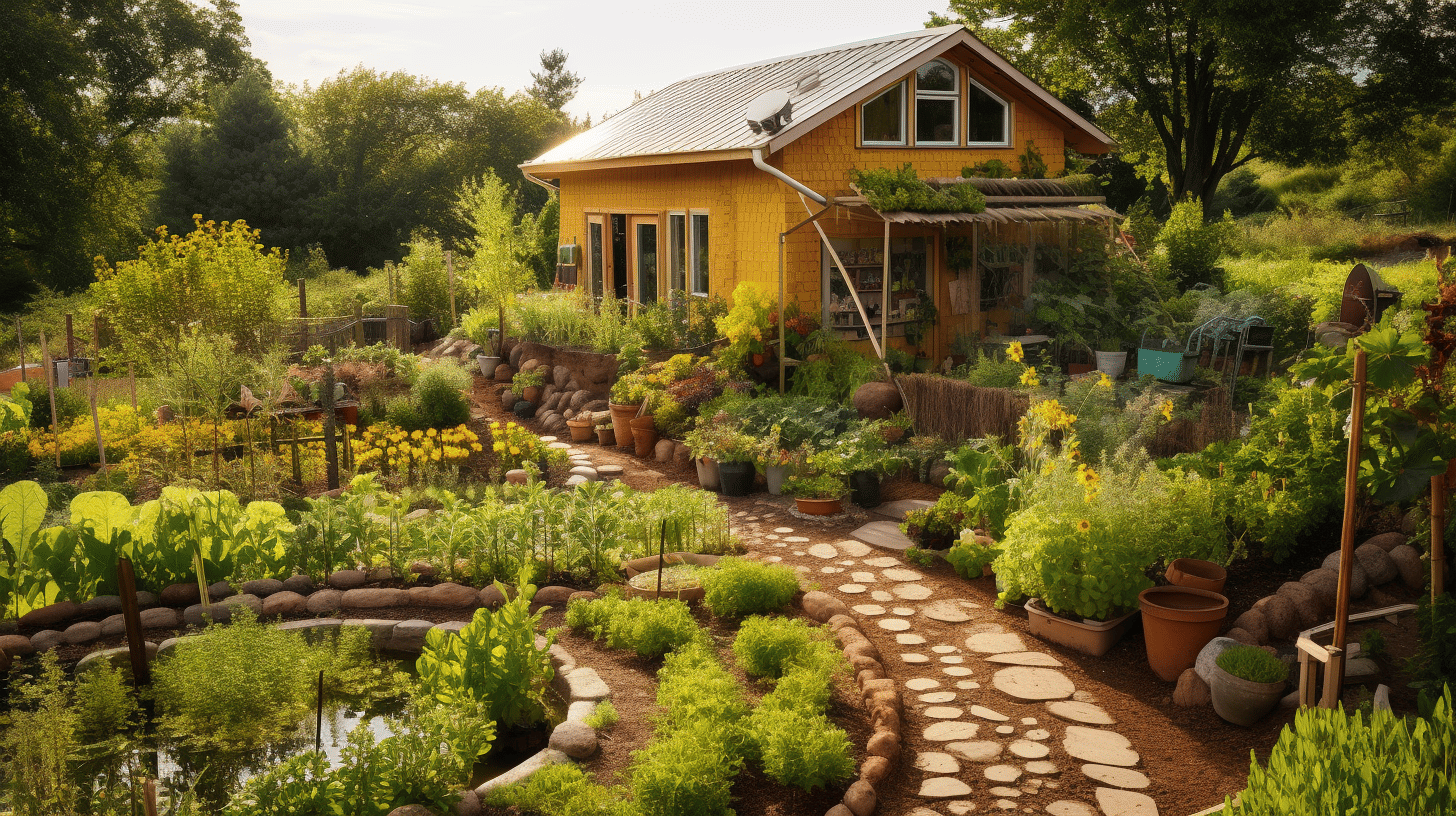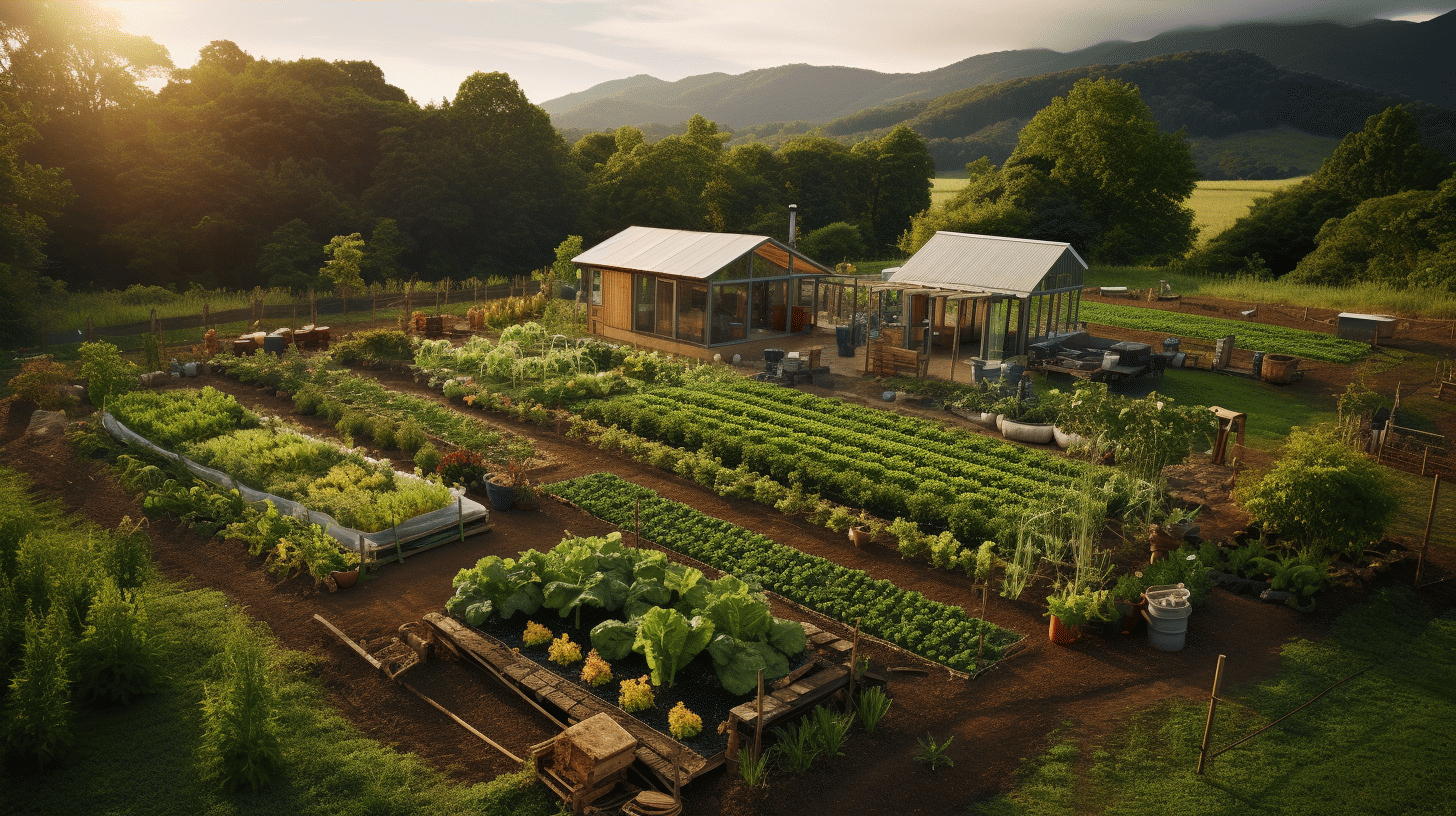
Permaculture is a holistic approach to farming that aims to create sustainable and self-sufficient agricultural systems. By mimicking the patterns and functions found in natural ecosystems, permaculture seeks to maximize productivity while minimizing environmental impact. This innovative approach has gained significant attention in recent years for its potential to transform traditional farming practices and address the challenges of modern agriculture.
Permaculture combines observation, innovation, and ecological principles to cultivate resilient and regenerative systems. From creating healthy soil to promoting biodiversity, permaculture encompasses a wide range of techniques and practices. By integrating plants, animals, and landscapes, permaculture strives to create harmonious relationships within ecosystems and harness natural processes to meet our food and resource needs.
In this article, we will explore the science of permaculture, its impact on farming, and its crucial role in mitigating climate change. We will delve into the benefits of permaculture, discuss the latest trends and statistics, and analyze how permaculture can address the challenges posed by climate change. So let’s dive in and uncover the fascinating world of permaculture, a novel approach that holds immense promise for the future of farming.
Understanding Permaculture
Permaculture, an approach to land management and settlement design that mimics natural ecosystems, has gained popularity for its sustainable and regenerative practices. In permaculture, the focus is not just on individual elements but on the interconnections and relationships between them. By observing and learning from nature, permaculturists design systems that are efficient, productive, and harmonious with the environment.
Mimicking Natural Ecosystems
Permaculture draws inspiration from the intricate workings of natural ecosystems, which have evolved over millions of years to be self-sustaining and resilient. By understanding these ecosystems, permaculturists can replicate their patterns and processes, creating regenerative systems that work in harmony with nature.
In a natural ecosystem, each element serves multiple functions and interacts with other elements to create a balanced and self-regulating system. This holistic approach is at the core of permaculture design. Rather than relying on harmful chemicals or unsustainable practices, permaculturists seek to create self-sustaining and mutually beneficial relationships between plants, animals, humans, and the land.
Principles and Techniques
Permaculture is guided by a set of principles and techniques that help create functional and sustainable systems. These principles, developed by Bill Mollison and David Holmgren, provide a framework for designing and implementing permaculture projects. Some key principles include:
- Observe and interact: Before designing a system, permaculturists spend time observing the land, its patterns, and its resources. By understanding the natural environment, they can make informed decisions and design resilient systems.
- Capture and store energy: Permaculture aims to use renewable resources and maximize energy efficiency. Techniques like capturing rainwater, using solar energy, and creating windbreaks help harness and store energy for various purposes.
- Obtain a yield: Permaculturists strive to create systems that provide a variety of yields, including food, fuel, fiber, and medicine. By selecting the right combination of plants and animals and using appropriate techniques, they can create productive systems that meet their needs.
- Use and value renewable resources: Permaculture emphasizes the use of renewable resources instead of depleting non-renewable ones. This includes incorporating renewable energy sources, using organic materials for compost and mulch, and promoting biodiversity.
These are just a few examples of the principles and techniques that permaculturists employ. Each design is unique and customized to the specific site and needs of the people involved.
In conclusion, permaculture offers a holistic and sustainable approach to land management and settlement design. By mimicking natural ecosystems and applying permaculture principles and techniques, individuals can create regenerative systems that benefit both people and the environment.
Permaculture’s Impact on Farming
When it comes to sustainable farming practices, permaculture has gained significant attention in recent years. This holistic approach to agriculture aims to create self-sufficient and regenerative systems that work in harmony with nature. But what exactly is the impact of permaculture on farming? Let’s delve deeper into some key areas where permaculture shines: profitability, productivity, and reduced environmental impact.
Profitability
One might assume that a farming system focused on sustainability and diversity might not be as profitable as conventional farming methods. However, permaculture has proven that this is not the case. In fact, permaculture farms have the potential to be highly profitable while maintaining ethical and ecological integrity.
Here are a few reasons why permaculture can enhance profitability:
- Diverse income streams: Permaculture farms often incorporate a wide range of crops, animals, and value-added products. This diversity allows farmers to tap into multiple income streams, reducing the dependency on a single product and increasing financial stability.
- Efficient resource utilization: Permaculture principles emphasize smart resource allocation and efficient use of inputs. By utilizing natural systems, minimizing waste, and maximizing yields, farmers can optimize their resources and reduce costs, ultimately leading to increased profitability.
Productivity
In addition to profitability, permaculture plays a crucial role in enhancing farm productivity. By embracing principles such as observation, design, and integration, permaculture farmers can create highly productive ecosystems that require less input and intervention. Here’s how permaculture practices boost productivity:
- Companion planting: Permaculture promotes a diverse mix of plants that work together synergistically. Certain plants can attract beneficial insects, repel pests, or improve soil fertility. This natural approach to pest management and soil health leads to healthier crops and higher yields.
- Stacking and layering: Permaculture emphasizes maximizing vertical space by growing plants at different heights. This technique, known as stacking and layering, allows farmers to cultivate a greater variety of crops in the same area, significantly increasing yield potential.
Reduced Environmental Impact
One of the most significant advantages of permaculture is its minimal environmental impact. By working in harmony with nature, permaculture farmers can reduce the use of synthetic inputs, conserve water, and promote biodiversity. Here’s how permaculture practices contribute to a healthier planet:
- Regenerative soil practices: Permaculture places a strong emphasis on soil health and regeneration. By using techniques like cover cropping, composting, and mulching, permaculture farmers can improve soil structure, retain moisture, and enhance nutrient cycling. This not only supports healthy plant growth but also contributes to carbon sequestration and reduced erosion.
- Water conservation: Permaculture design incorporates strategies for water catchment, storage, and efficient use. Techniques like swales, rainwater harvesting, and drip irrigation help conserve water resources and prevent soil erosion.
In conclusion, permaculture’s positive impact on farming is evident in its profitability, productivity, and reduced environmental impact. By adopting permaculture principles and practices, farmers can create sustainable and resilient systems that benefit both their livelihoods and the planet.
Additional Information:
Permaculture farms can be more productive and have a lower environmental impact compared to conventional farms[1].
Spaces that may seem disorganized in permaculture can actually be profitable[2].
[1] Permaculture Farms are More Productive and Sustainable
Shift to Permaculture: Trends and Statistics
There has been a noticeable shift towards permaculture in recent years, as more individuals and organizations recognize the importance of sustainable agricultural practices. This article will explore some key trends and statistics that shed light on this growing movement.
Increasing Organic Production
One significant trend in the shift to permaculture is the increasing focus on organic production. According to recent data, 28% of farms are planning to increase their level of organic production. This shows a strong inclination towards sustainable farming methods that prioritize soil health, biodiversity, and the absence of chemical inputs.
Organic farming offers numerous benefits over conventional methods. It reduces the use of synthetic pesticides and fertilizers, which can harm ecosystems and human health. Additionally, organic practices promote the natural fertility of soils and the conservation of water resources. This shift towards organic production aligns with the principles of permaculture, which emphasizes sustainable and regenerative practices.
Gender Disparity
While the shift to permaculture is gaining momentum, there is still a noticeable gender disparity within the movement. According to the provided statistics, 65% of farmers practicing permaculture are male. This gender imbalance highlights the need for increased representation and empowerment of women in sustainable agriculture.
Efforts are being made to address this disparity by promoting gender equality and inclusivity within the permaculture community. Organizations and initiatives are working towards providing equal opportunities and resources to women farmers, enabling them to actively participate in and benefit from the shift to permaculture.
Agriculture and Water Usage
Agriculture is a significant consumer of freshwater resources, and unsustainable farming practices can strain water supplies. According to the statistics provided, agriculture consumes about 69% of the planet’s fresh water. This highlights the urgent need for sustainable agricultural practices, such as permaculture, to minimize water usage and promote water conservation.
Permaculture principles advocate for water-conscious strategies such as rainwater harvesting, graywater recycling, and the use of water-efficient irrigation techniques. By implementing these practices, farmers can significantly reduce their water footprint and contribute to the overall conservation of freshwater resources.
In conclusion, the shift to permaculture is a growing trend that is driven by the increasing focus on organic production, the need for gender equality within the movement, and the urgency to address water consumption in agriculture. Embracing permaculture principles not only promotes environmental sustainability but also supports the long-term viability and resilience of our food systems.
Impact of Climate Change on Agriculture and the Role of Permaculture
Climate change has emerged as a pressing issue in recent years, with far-reaching implications for every sector. One sector that is particularly vulnerable to the impacts of climate change is agriculture. As temperatures rise, extreme weather events become more frequent, and precipitation patterns change, farmers face numerous challenges in maintaining their yields and productivity.
Unusable Agricultural Land
One of the most significant impacts of climate change on agriculture is the loss of usable agricultural land. It is estimated that one-third of the world’s agricultural land has become unusable due to the effects of climate change. Rising temperatures, prolonged droughts, and increased soil erosion have rendered once fertile land barren and infertile. This loss of agricultural land has severe implications for global food security, as it reduces the overall capacity to produce enough food to meet the growing demand.
Food Production and Greenhouse Gas Emissions
Food production is not only impacted by climate change but also contributes to its acceleration. It is surprising to know that the food industry accounts for over a quarter of global greenhouse gas emissions. These emissions primarily come from land use changes, deforestation, methane emissions from livestock, and energy-intensive agricultural practices. The increasing demand for food, coupled with unsustainable farming methods, exacerbates the already alarming levels of greenhouse gas emissions.
Role of Regenerative Agriculture and Permaculture
In the face of these challenges, regenerative agriculture and permaculture have emerged as promising solutions that can mitigate the impacts of climate change on food production. Regenerative agriculture emphasizes the holistic management of agricultural systems by restoring soil health, enhancing biodiversity, and increasing water retention. By implementing regenerative practices, farmers can help sequester carbon, improve soil quality, and enhance the resilience of their crops.
Permaculture, on the other hand, goes beyond sustainable agricultural practices and focuses on designing agriculturally productive systems that mimic natural ecosystems. By working in harmony with the environment, permaculture techniques promote biodiversity, water conservation, and soil regeneration. Permaculture principles can be applied in various agricultural settings, from small-scale gardens to large farms, making it a versatile approach to combating the effects of climate change.
Both regenerative agriculture and permaculture offer promising ways to reduce production risks while maintaining yields and promoting environmental sustainability. By adopting these practices, farmers can not only mitigate the impacts of climate change but also enhance their resilience to future challenges. It is crucial that policymakers, agricultural institutions, and farmers worldwide recognize the potential of these approaches and work towards their widespread adoption.
In summary, climate change poses a significant threat to agriculture, impacting the availability and quality of usable agricultural land. However, through the implementation of regenerative agriculture and permaculture practices, farmers can build resilient farming systems that combat climate change while ensuring food security and environmental sustainability. The role of these practices in addressing the challenges posed by climate change in agriculture cannot be overstated. Let’s harness the power of regenerative agriculture and permaculture to create a more sustainable and resilient future for our food systems.
Conclusion
In conclusion, permaculture has emerged as a powerful tool for transforming farming practices and fostering sustainable agriculture. By mimicking natural ecosystems and employing principles and techniques rooted in ecological design, permaculture offers a multitude of benefits to farmers, the environment, and society as a whole.
The impact of permaculture on farming is threefold. It enhances profitability by promoting diverse and interconnected systems that minimize input costs and maximize yields. It boosts productivity by utilizing regenerative practices that improve soil health and nutrient cycling, resulting in higher crop yields over time. And perhaps most importantly, it reduces environmental impact by prioritizing conservation, biodiversity, and stewardship of natural resources.
The shift towards permaculture is gaining momentum, with increasing organic production, the recognition of gender disparity in agriculture, and the growing awareness of the need to address water usage in farming. Permaculture provides a holistic approach that addresses these challenges by promoting sustainable farming practices and empowering farmers to adapt to a changing climate.
Speaking of climate change, the impact of this phenomenon on agriculture is undeniable. Unusable agricultural land, escalating greenhouse gas emissions, and the need for resilient farming systems are pressing issues that permaculture can help address. By embracing regenerative agriculture practices and incorporating permaculture principles, farmers can mitigate climate change effects and create agricultural systems that are both ecologically sound and financially viable.
In conclusion, permaculture holds immense promise for revolutionizing the way we farm. Its ability to restore ecosystems, enhance food security, and mitigate the effects of climate change makes it a vital tool for creating a sustainable future. By incorporating permaculture into their practices, farmers can contribute to the preservation of our planet’s resources while reaping the benefits of regenerative agriculture.
To discover more about permaculture and its role in regenerative agriculture, visit Regenerative Agriculture Wiki. Explore our extensive content and join us in fostering a future where agriculture and ecology thrive in harmony.
Frequently Asked Questions
- What is permaculture?
Permaculture is a design system that mimics natural ecosystems to create sustainable and self-sufficient agricultural systems. It focuses on principles such as observation, diversity, and efficient resource utilization.
- How does permaculture impact farming?
Permaculture improves farming practices by promoting regenerative techniques that enhance soil health, conserve water, and reduce reliance on synthetic inputs. It also encourages biodiversity, increases resilience to climate change, and supports local ecosystems.
- What are the main principles of permaculture in farming?
The main principles of permaculture in farming include: designing for multiple functions, integrating diverse elements, using natural patterns, minimizing waste, promoting renewable resources, and supporting beneficial relationships between plants, animals, and humans.
- What are some common permaculture techniques used in farming?
Common permaculture techniques in farming include companion planting, keyline design, food forests, swales and ponds for water management, composting, and mulching. These techniques help create sustainable and productive farming systems.
- How can farmers incorporate permaculture principles into their existing practices?
Farmers can incorporate permaculture principles by adopting techniques such as agroforestry, cover cropping, rotational grazing, water harvesting, and using organic and natural pest management methods. They can also seek permaculture training and guidance from experts.