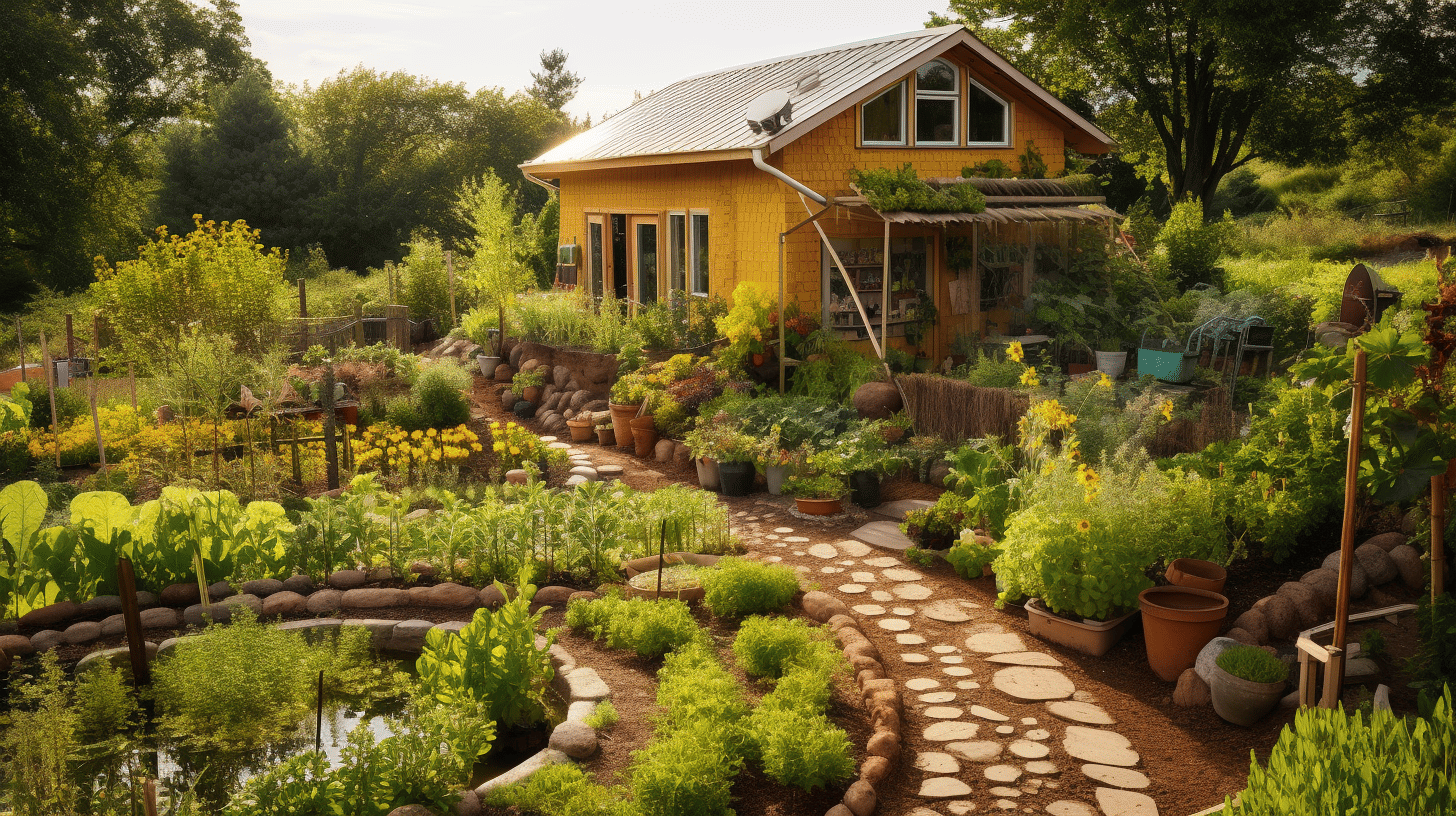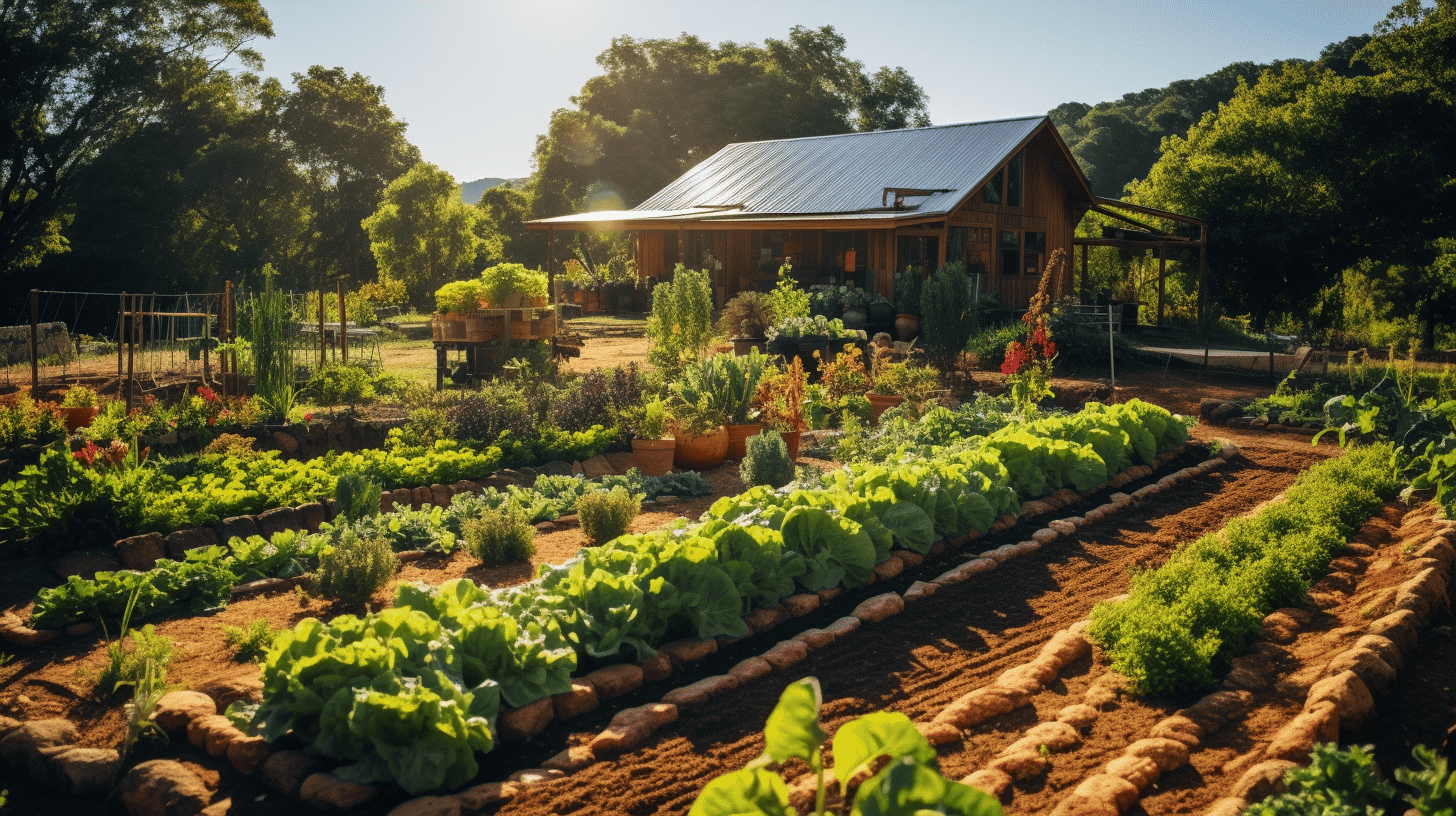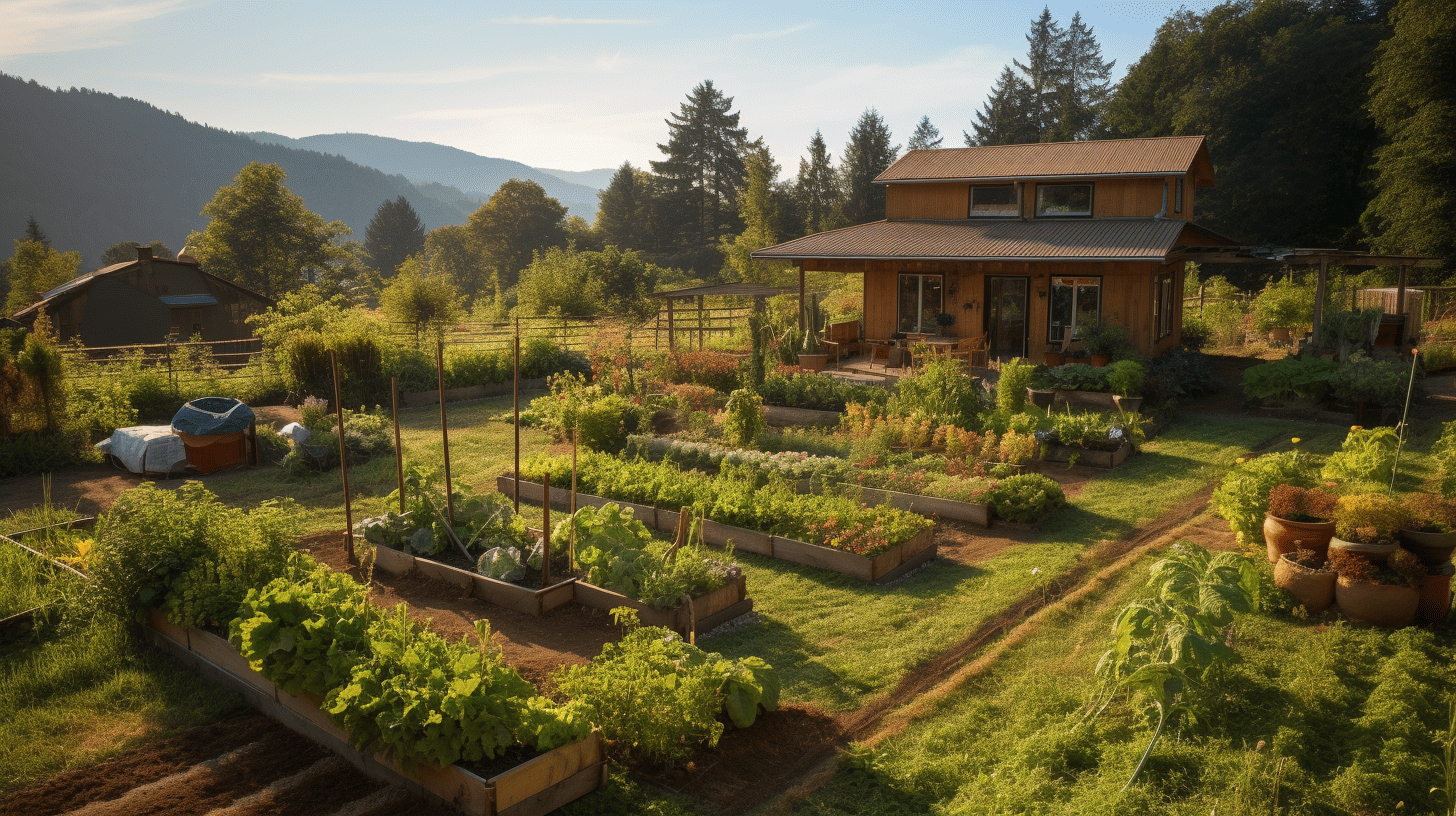
Welcome to the world of permaculture design, where sustainable farming practices meet ecological harmony. Whether you’re a seasoned farmer looking to enhance your agricultural methods or someone interested in sustainable living, permaculture design offers a refreshing approach to farming that promotes resilience, resourcefulness, and environmental stewardship.
Permaculture design is a holistic and regenerative approach that integrates ecological principles, design thinking, and sustainable farming practices. It focuses on creating food systems that mimic natural ecosystems, aiming to maximize biodiversity, minimize waste, and promote self-sufficiency. This method goes beyond sustainable agriculture; it’s a way of life that encourages us to live in harmony with nature, rather than exploiting it.
In this section, we will explore the essence of permaculture design, how it differs from conventional farming methods, and how it can benefit sustainable farmers like you. So, let’s dive in and discover the beauty of permaculture design together.
What is Permaculture?
Permaculture is a holistic design system that aims to create sustainable and self-sufficient ecosystems. It originated in the 1970s as a response to concerns about the environmental impact of conventional agricultural practices and a desire to find more harmonious ways to interact with nature.
At its core, permaculture is about mimicking the patterns and processes found in nature to create resilient and regenerative systems. By observing and learning from natural ecosystems, permaculture practitioners strive to design human settlements, agriculture, and landscapes that are not only sustainable but also beneficial for the environment and society.
Principles of Permaculture
Permaculture is guided by a set of principles that help practitioners make design decisions and create systems that work in harmony with nature. These principles include:
- Observation and Interaction: Before taking action, it is important to carefully observe and interact with the system we wish to design or change. This allows us to gain valuable insights and understand its intricacies.
- Catch and Store Energy: Permaculture emphasizes the efficient use and storage of energy, whether it comes from the sun, wind, water, or other sources. This helps reduce reliance on non-renewable energy and creates more resilient systems.
- Obtain a Yield: Permaculture seeks to create systems that are productive and provide tangible benefits. It encourages the cultivation of diverse crops and the use of multi-functional elements that serve multiple purposes.
- Apply Self-Regulation and Accept Feedback: Just like natural ecosystems, permaculture systems should be designed to regulate themselves and adapt to feedback. This means creating feedback loops and incorporating mechanisms for self-regulation.
- Use and Value Renewable Resources and Services: Permaculture emphasizes the importance of using renewable resources and services that nature provides. This includes harnessing solar and wind energy, relying on natural processes for nutrient cycling, and maximizing the use of renewable materials.
- Produce No Waste: Permaculture seeks to minimize waste and make use of all resources in a closed-loop system. This can be achieved by composting organic materials, reusing or repurposing waste, and designing systems that minimize the need for external inputs.
- Design from Patterns to Details: Permaculture encourages taking a holistic approach to design, starting with broad patterns and then gradually refining the details. This allows for a more integrated and harmonious design.
- Integrate Rather Than Segregate: Permaculture emphasizes the importance of integration and interconnectedness in design. By integrating different elements and functions, we can create more diverse and resilient systems.
- Use Small and Slow Solutions: Permaculture emphasizes the value of small-scale, gradual changes over large-scale interventions. This allows for better observation and adaptation, and reduces the risk of unintended consequences.
- Use Edges and Value the Marginal: Permaculture recognizes the importance of edges, where different ecosystems or elements meet. These edge zones often have increased diversity and productivity and can be harnessed in design for various purposes.
By following these principles, permaculture offers a framework for creating sustainable, regenerative, and productive systems that benefit both people and the planet.
Learn more about permaculture and its principles here.
Principles of Permaculture Design
Permaculture is a design system that aims to create sustainable and regenerative landscapes and systems. By following a set of principles, permaculturists strive to mimic the patterns and relationships found in nature to create harmonious and productive environments. In this section, we will explore the guiding principles of permaculture design and their importance in creating resilient and thriving systems.
Observation and Interaction
One of the fundamental principles of permaculture design is the emphasis on observation and interaction. Before implementing any design, it is essential to spend time observing the land and its existing structures and dynamics. By understanding the natural patterns and processes at work, we can make more informed decisions in designing our systems.
- Observation helps us identify the unique characteristics of the site, including the climate, soil composition, and existing flora and fauna.
- Interacting with the landscape allows us to develop a deeper understanding of its needs, potential challenges, and opportunities for improvement.
Catch and Store Energy
In permaculture, the concept of “catch and store energy” refers to harnessing and utilizing resources efficiently. By capturing and storing energy in various forms, we can reduce waste and create more resilient systems.
- This principle includes techniques such as rainwater harvesting, solar power generation, and composting, which allow us to harvest and store energy from natural sources.
- By maximizing the use of renewable resources, we can minimize our reliance on non-renewable sources and reduce our ecological footprint.
Obtain a Yield
Another essential principle of permaculture design is the focus on obtaining a yield. This principle emphasizes the importance of designing systems that provide tangible benefits and outputs.
- Permaculture systems should aim to provide multiple yields, such as food, medicine, fuel, and habitat for wildlife.
- By designing for yields, we can create productive landscapes that provide for human needs while also supporting ecological health.
Apply Self-regulation and Accept Feedback
Self-regulation and feedback are critical components of a successful permaculture design. By designing systems that can regulate themselves and learning from feedback, we can adapt and improve over time.
- Self-regulation involves designing systems that can self-maintain and adapt to changing conditions.
- Feedback loops, such as monitoring and observation, allow us to learn from the system’s response and make necessary adjustments.
Use and Value Renewable Resources and Services
Permaculture design encourages the use and appreciation of renewable resources and services. By recognizing and valuing nature’s contributions, we can create resilient and regenerative systems.
- Renewable resources include sunlight, wind, water, and biological resources, which can be utilized without depleting them.
- Valuing ecosystem services, such as pollination, pest control, and nutrient cycling, helps create a more holistic and sustainable approach to design.
Produce No Waste
The principle of “produce no waste” emphasizes the importance of resource efficiency and waste reduction in permaculture design.
- By implementing strategies such as composting, recycling, and upcycling, we can minimize waste and create closed-loop systems.
- This principle encourages us to view waste as a potential resource and find creative ways to repurpose and recycle materials.
Design from Patterns to Details
In permaculture design, patterns found in nature serve as a guide for creating functional and harmonious systems. By observing and understanding these patterns, we can design more effective and resilient landscapes.
- Patterns such as spirals, fractals, and branching structures can be applied to garden layout, water management, and other design elements.
- This principle encourages us to think holistically and consider the interconnectedness of various elements in the design process.
Integrate Rather than Segregate
Permaculture emphasizes the importance of integration and synergy among different elements within a system. By connecting and integrating various components, we can create more productive and resilient designs.
- Integration involves designing systems where different elements can interact and support each other.
- By integrating elements such as plants, animals, and structures, we can create mutually beneficial relationships and enhance overall system functioning.
Use Small and Slow Solutions
Permaculture design emphasizes the use of small and slow solutions rather than relying on large-scale interventions. This approach allows for more careful observation and adaptation over time.
- Small and slow solutions are more manageable, affordable, and easier to implement and maintain.
- This principle encourages us to start small, learn from our experiences, and gradually scale up as we gain more knowledge and confidence.
Use and Value Diversity
Diversity is a key principle in permaculture design, both in terms of species and functions. By promoting diversity, we can enhance ecosystem resilience and productivity.
- In permaculture systems, diverse plant species, crop rotations, and mixed-species plantings help reduce pests and diseases and improve soil fertility.
- Valuing diversity extends to cultural diversity, community involvement, and the inclusion of different perspectives in the design process.
Use Edges and Value the Marginal
Edges are areas where two different ecosystems or elements meet, creating unique opportunities for growth and diversity. In permaculture design, edges are seen as valuable and productive zones.
- Edges provide a favorable environment for a greater variety of species and interactions.
- By maximizing the use of edges in our designs, we can increase the overall productivity and resilience of our systems.
Creatively Use and Respond to Change
The final principle of permaculture design encourages us to be adaptable and creative in response to change. In a rapidly changing world, designing for resilience and flexibility is crucial.
- We must recognize that change is inevitable and strive to design systems that can adapt and evolve.
- Creatively responding to change involves embracing new ideas, technologies, and approaches that can improve the sustainability and effectiveness of our designs.
Incorporating these principles into permaculture design helps create landscapes and systems that are not only productive and sustainable but also biodiverse, resilient, and regenerative.
Benefits of Permaculture Design for Sustainable Farmers
Permaculture design is gaining popularity among sustainable farmers due to its numerous benefits. By implementing regenerative agriculture practices and focusing on enhancing soil fertility, conserving water resources, promoting biodiversity conservation, reducing dependency on external inputs, and increasing resilience to climate change, permaculture offers a holistic approach to farming that is both environmentally friendly and economically viable.
Regenerative Agriculture Practices
One of the key benefits of permaculture design for sustainable farmers is the adoption of regenerative agriculture practices. This approach emphasizes the use of natural systems and ecological principles to create healthy and productive farming systems. By employing techniques such as agroforestry, cover cropping, and rotational grazing, permaculture farmers enhance soil health, increase carbon sequestration, and improve biodiversity on their farms.
Enhanced Soil Fertility
A major focus of permaculture design is on building and maintaining healthy soils. Sustainable farmers practicing permaculture employ various methods to enhance soil fertility, such as composting, vermiculture, and crop rotation. These practices help to improve soil structure, increase water retention, and promote nutrient cycling, resulting in healthier plants and higher crop yields.
Conservation of Water Resources
Water scarcity is a pressing issue in many agricultural regions. Permaculture design offers effective solutions for conserving water resources on farms. By implementing techniques like rainwater harvesting, contouring landscapes, and utilizing efficient irrigation systems, sustainable farmers can reduce water waste and ensure that their crops receive optimal hydration. This approach not only preserves precious water resources but also mitigates the impact of drought conditions.
Biodiversity Conservation
Permaculture design places a strong emphasis on preserving and promoting biodiversity on farms. By creating diverse ecosystems with a mix of plants, trees, and animals, sustainable farmers help to maintain ecological balance and support beneficial organisms like pollinators and natural predators. This biodiversity conservation approach not only enhances farming practices but also contributes to the overall health and resilience of the surrounding environment.
Reduced Dependency on External Inputs
One of the advantages of permaculture design is its ability to reduce farmers’ dependence on external inputs such as synthetic fertilizers and pesticides. By employing organic farming methods, such as companion planting, biological pest control, and nutrient cycling, permaculture farmers can minimize the use of chemical inputs. This not only reduces environmental pollution but also saves costs for farmers, making their operations more sustainable and economically viable.
Increased Resilience to Climate Change
Climate change poses significant challenges to agriculture, including extreme weather events and changing rainfall patterns. Permaculture design helps farmers build resilience to these challenges by creating diverse and resilient farming systems. By implementing strategies like agroforestry, soil conservation, and water management practices, permaculture farmers can better adapt to and mitigate the impacts of climate change. This enhanced resilience ensures the long-term sustainability and success of their farming operations.
In conclusion, permaculture design offers a range of benefits for sustainable farmers, including regenerative agriculture practices, enhanced soil fertility, conservation of water resources, biodiversity conservation, reduced dependency on external inputs, and increased resilience to climate change. By adopting permaculture principles and practices, farmers can cultivate healthy and productive farms while minimizing their environmental impact.
Implementing Permaculture Design on Farms
Permaculture design is an innovative and sustainable approach to farming that focuses on creating self-sufficient and regenerative ecosystems capable of providing for both human needs and the needs of the environment. By implementing permaculture principles, farmers can minimize waste, conserve water, build healthy soil, and maximize biodiversity. Let’s dive into some key strategies for implementing permaculture design on farms.
Site Analysis and Assessment
Before implementing permaculture design on a farm, it’s crucial to conduct a thorough site analysis and assessment. This helps farmers understand the unique characteristics of their land and identify its strengths and limitations. A site analysis typically includes studying the climate, topography, soil composition, water sources, and existing flora and fauna. Armed with this information, farmers can make informed decisions about what permaculture strategies will work best for their specific site.
Zoning and Sector Planning
Effective zoning and sector planning are essential components of permaculture design on farms. Zoning involves dividing the farm into distinct areas based on their function and resource requirements. This allows farmers to strategically allocate resources and create efficient systems. For example, areas with high resource needs, such as vegetable gardens, may be located closer to the farmhouse for easy access to water and compost. On the other hand, low-resource areas, like orchards, may be placed further away.
Sector planning, on the other hand, involves identifying and managing natural forces and elements, such as wind, sun, water, and wildlife. By understanding how these factors interact with the site, farmers can optimize their design and create more resilient systems.
Water Management Systems
Water is a precious resource on any farm, and permaculture design emphasizes the importance of water conservation and management. Implementing water catchment systems, such as rainwater harvesting techniques and swales, can help capture and store rainwater effectively. This water can then be used to irrigate crops, feed livestock, and support other farm activities. Additionally, implementing water-efficient irrigation methods, like drip irrigation, can further minimize water waste.
Food Forests and Agroforestry
Food forests and agroforestry systems are a key aspect of permaculture design on farms. These systems mimic natural forests and incorporate a diverse range of edible plants and trees. By planting a variety of species with different growth habits and root depths, farmers can optimize space, improve nutrient cycling, and create habitats for beneficial insects and wildlife. Food forests and agroforestry systems also offer long-term benefits, as they require less maintenance and provide a steady supply of food for humans and animals.
Soil Building Techniques
Healthy soil is the foundation of any productive farm, and permaculture design focuses on building and maintaining soil health through natural methods. Farmers can implement strategies like cover cropping, composting, and mulching to improve soil structure, nutrient content, and moisture retention. Additionally, incorporating livestock, such as chickens and pigs, into the system can help with soil fertility by providing natural fertilizer through their manure.
Companion Planting and Polycultures
Companion planting and polycultures are planting techniques used in permaculture design to maximize biodiversity and support healthy plant growth. Companion planting involves strategically placing plants together that have mutually beneficial relationships. For example, planting nitrogen-fixing legumes alongside heavy feeders can enhance soil fertility.
Polycultures, on the other hand, involve growing multiple crops together in the same space. This technique helps reduce pest and disease pressure, increase yields, and promote ecological balance. The diverse mix of plant species also supports beneficial insects and pollinators.
Integrated Pest Management
In permaculture design, farmers aim to manage pests and diseases in a holistic and natural way. Integrated Pest Management (IPM) involves using a combination of strategies to control pests, including biological controls, cultural practices, and mechanical techniques. By focusing on prevention rather than relying on chemical pesticides, farmers can minimize environmental harm and maintain a healthy balance within the ecosystem.
Animal Integration and Rotational Grazing
Integrating animals into the farming system is another key aspect of permaculture design. Animals, such as chickens, ducks, and goats, can provide valuable services like pest control, soil aeration, and nutrient cycling. Rotational grazing, where animals are moved systematically between grazing areas, helps prevent overgrazing, improves soil health, and promotes diverse plant growth.
Seed Saving and Crop Diversity
Preserving crop diversity and saving seeds is an essential part of permaculture design. By saving and replanting seeds from diverse, open-pollinated plant varieties, farmers can maintain genetic diversity and adaptability in their crops. This practice also reduces dependence on commercial seed companies and promotes food sovereignty.
Implementing permaculture design on farms offers numerous benefits for both farmers and the environment. By incorporating site analysis, zoning, water management, agroforestry, soil building techniques, companion planting, integrated pest management, animal integration, and seed saving, farmers can create resilient and sustainable farming systems. Through these practices, farmers can work in harmony with nature, enhance biodiversity, conserve resources, and produce abundant and nutritious food for generations to come.
Permaculture Design Case Studies
Permaculture design offers us a sustainable approach to creating harmonious and resilient ecosystems that meet our needs while working in harmony with nature. It is a holistic system that considers the interactions between elements and seeks to create regenerative and productive landscapes. In this section, we will explore some fascinating permaculture design case studies that demonstrate the power and effectiveness of this approach in various contexts.
Example 1: Urban Permaculture Garden
One inspiring permaculture design case study is the creation of an urban permaculture garden in the heart of a bustling city. This project transformed a small, neglected backyard into a thriving oasis of productivity and beauty. Here are some key features of this urban permaculture garden:
- Vertical Gardening: Due to limited space, the permaculture designer implemented vertical gardening techniques, such as trellises and hanging baskets, to maximize growing areas and use space efficiently.
- Companion Planting: The principles of permaculture guided the selection of plant species. The garden features companion planting to enhance biodiversity and optimize natural pest control.
- Rainwater Harvesting: To address water scarcity, rainwater harvesting systems were integrated into the garden design. This ensured that precious rainwater was captured and stored for irrigation purposes, reducing reliance on municipal water sources.
- Urban Wildlife Habitat: The garden was intentionally designed to attract and support urban wildlife, such as birds, bees, and butterflies. Native plants were incorporated to provide food and shelter and create a biodiverse ecosystem within the city.
- Community Engagement: The garden not only provided an abundance of fresh produce for the owner but also served as a space for community engagement and education. Workshops and tours were organized to share permaculture principles and inspire others to create their own sustainable gardens.
Example 2: Regenerative Farming
In the realm of agriculture, permaculture design has proven to be a game-changer. Regenerative farming practices prioritize soil health and aim to increase overall ecosystem resilience. Let’s take a look at a permaculture-based regenerative farming case study:
- Agroforestry Systems: The farm integrated diverse agroforestry systems, combining food crops, livestock, and trees. This approach mimics natural forest ecosystems and increases overall productivity by optimizing nutrient cycling and providing habitat for beneficial organisms.
- Keyline Design: Keyline design principles were employed to manage water effectively. Contour lines and swales were created to capture and store rainwater, preventing erosion and creating microclimates that enabled the cultivation of a wide range of crops.
- Crop Rotation and Cover Cropping: To enhance soil fertility and reduce pest pressure, crop rotation and cover cropping techniques were implemented. This prevented the buildup of pest populations and enriched the soil through the incorporation of green manures and nitrogen-fixing legumes.
- Livestock Integration: Animals played a crucial role on the farm. Grazing systems were implemented to mimic natural herbivore behavior, ensuring optimal nutrient distribution across the land. Livestock manure was also utilized to improve soil fertility and plant health.
- Farm-to-Table Model: The farm operated on a farm-to-table model, selling its produce directly to local consumers. This minimized transportation and packaging impacts while fostering a sense of community and connection between producers and consumers.
These permaculture design case studies demonstrate the practical application and effectiveness of permaculture principles in both urban and agricultural settings. By embracing the wisdom of nature, we can create self-sustaining systems that not only provide for our needs but also enrich the environment around us. Whether it’s transforming backyards or revolutionizing farming practices, permaculture design offers a path towards a more sustainable and resilient future.
Resources for Further Learning
If you’re interested in diving deeper into the world of permaculture and sustainable farming, there are several resources available to help expand your knowledge. Whether you’re looking for educational institutions, research organizations, or sustainable farming networks, the following sources can provide valuable information and opportunities for learning:
Permaculture Institute
One reputable institution that offers comprehensive courses and certifications in permaculture is the Permaculture Institute. Founded by renowned permaculturist Bill Mollison, this institute has been at the forefront of permaculture education for over four decades. They offer a range of programs, from introductory workshops to advanced design courses, that cover topics like sustainable agriculture, water management, and regenerative landscape design.
Permaculture Research Institute
Another notable organization in the permaculture realm is the Permaculture Research Institute. With a focus on research, education, and practical application, this institute aims to promote regenerative farming practices and ecological design. They offer online courses, publications, and resources that delve into various aspects of permaculture, including soil health, food forests, and natural building techniques.
Regenerative Agriculture Resources
For those specifically interested in regenerative agriculture, there are numerous resources available to explore. One trusted source is the Regeneration International website, which serves as a hub for regenerative agriculture practices and information. It features articles, case studies, and resources related to regenerative farming, soil health, and agroforestry.
Sustainable Farming Organizations
If you’re looking to connect with like-minded individuals and organizations in the sustainable farming community, joining or exploring sustainable farming networks can be immensely valuable. One such network is Community Supported Agriculture (CSA) farms. CSA farms connect consumers directly with local farmers, allowing them to receive fresh produce and support sustainable farming practices. Additionally, organizations like the National Sustainable Agriculture Coalition advocate for sustainable agricultural policies and provide resources for farmers and consumers alike.
By exploring these resources, you can deepen your understanding of permaculture, regenerative agriculture, and sustainable farming practices. Whether you’re a beginner or an experienced practitioner, these organizations and networks offer a wealth of knowledge and opportunities for further learning.
Conclusion
In conclusion, permaculture design offers sustainable farmers a holistic and regenerative approach to farming that aligns with the principles of regenerative agriculture. By implementing permaculture principles, farmers can enhance soil fertility, conserve water resources, promote biodiversity, reduce dependency on external inputs, and increase resilience to climate change.
Implementing permaculture design on farms involves various strategies, including site analysis, zoning and sector planning, water management systems, food forests, soil building techniques, companion planting, integrated pest management, animal integration, and seed saving.
To delve deeper into permaculture design and its implementation, there are several resources available. The Permaculture Institute and Permaculture Research Institute offer valuable insights and courses. Additionally, regenerative agriculture resources and sustainable farming organizations can provide further guidance and support.
At Regenerative Agriculture Wiki, we are committed to providing extensive content on permaculture and other regenerative practices. Our platform aims to educate and inspire individuals and communities to adopt sustainable farming practices, contributing to a future where agriculture and ecology thrive in harmony.
Visit our website to explore our comprehensive guides, tips, and insights on regenerative agriculture. Join us in fostering a more sustainable and regenerative future. Together, we can make a positive impact on the environment and contribute to global food security.

Frequently Asked Questions
- What is permaculture design?
Permaculture design is a sustainable and regenerative approach to agriculture that integrates natural ecosystem patterns and principles to create self-sustaining and productive agricultural systems.
- How can permaculture design benefit sustainable farmers?
Permaculture design offers sustainable farmers a holistic and ecological approach to farming that enhances soil health, biodiversity, water conservation, and overall farm resilience. It also reduces the reliance on external inputs and supports long-term sustainability and profitability.
- What are some key principles of permaculture design for sustainable farmers?
Some key principles of permaculture design for sustainable farmers include observing and working with natural patterns, practicing biodiversity and polyculture, implementing water-wise strategies, adopting natural pest control methods, and emphasizing soil regeneration and conservation.
- Can permaculture design be applied to different types of farms?
Yes, permaculture design can be applied to a wide range of farms, including small-scale organic farms, community-supported agriculture (CSA) farms, urban farms, and large-scale commercial farms. The principles and techniques can be adapted to suit the specific needs and constraints of each farm.
- Where can farmers learn more about permaculture design?
Farmers interested in learning more about permaculture design can attend workshops, courses, and seminars offered by permaculture organizations, join online forums and communities, read books and articles on the subject, and visit permaculture farms to gain hands-on experience.