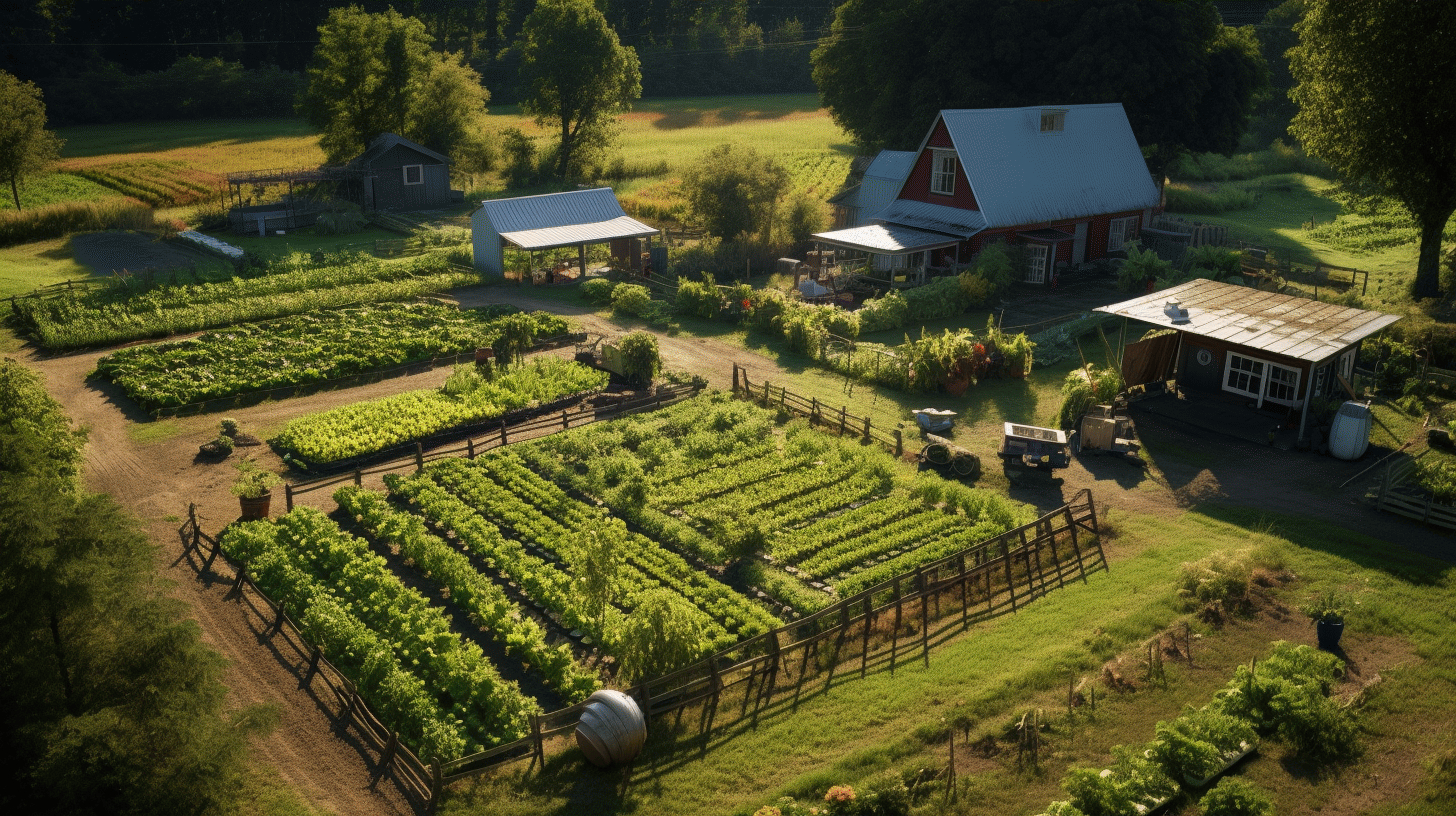
Sustainable farming practices are not just a buzzword, but a crucial aspect of our global food system. As the world population continues to grow and the effects of climate change become more apparent, it is becoming increasingly important to prioritize sustainability in our agricultural practices.
In this article, we will delve into the inspiring success stories of farmers who have embraced sustainable farming methods and achieved remarkable transformations on their farms. These stories serve as a testament to the power of sustainable farming in preserving ecosystems, producing healthier produce, and mitigating the impacts of climate change.
Through their innovative approaches and dedication to sustainable practices, these farmers are not only ensuring the longevity of their farms but also contributing to a more sustainable and resilient future for all of us.
So let’s explore these inspiring stories and celebrate the accomplishments of these farmers who have embraced sustainability and witnessed the positive impacts it can have on their farms and the environment.
The Importance of Sustainable Farming
Sustainable farming is not just a passing trend; it’s a crucial practice that has a profound impact on our environment, health, and the future of our planet. By implementing sustainable methods, farmers can contribute to the preservation of ecosystems, produce healthier crops, and play a valuable role in mitigating climate change.
Preservation of Ecosystems
One of the primary benefits of sustainable farming is the preservation of local ecosystems. Traditional farming practices often involve the use of harmful pesticides, herbicides, and synthetic fertilizers that can have adverse effects on the environment. These chemicals can seep into the soil, contaminate water sources, and harm local wildlife. By opting for sustainable farming methods, farmers can minimize the use of these harmful substances, thereby reducing the negative impact on ecosystems.
Sustainable farming practices also prioritize soil health. By implementing techniques such as crop rotation, cover cropping, and the use of organic fertilizers, farmers can improve soil quality and biodiversity. Healthy soil is not only more resilient but also supports the growth of beneficial organisms such as earthworms and beneficial bacteria. This, in turn, promotes a balanced ecosystem and helps maintain the overall health of the surrounding environment.
Healthier Produce
Not only does sustainable farming benefit the environment, but it also yields healthier produce that benefits consumers. Crops grown sustainably tend to be richer in nutrients compared to conventionally grown crops. This is because sustainable methods focus on improving soil fertility and maximizing nutrient uptake by plants. In contrast, conventional farming methods often deplete the soil of essential nutrients, resulting in crops with lower nutritional content.
Furthermore, sustainable farming practices avoid the use of synthetic chemicals in crop production. This reduces the risk of pesticide residues on fruits and vegetables, creating a safer and healthier food supply. By consuming sustainably grown produce, individuals can promote their well-being and support a more sustainable and ethical agricultural system.
Climate Change Mitigation
Sustainable farming practices also play a critical role in mitigating climate change. Agriculture is a significant contributor to greenhouse gas emissions, mainly through the use of synthetic fertilizers, livestock production, and the conversion of natural habitats for cropland. Sustainable farming methods, on the other hand, can help reduce these emissions and promote carbon sequestration.
By adopting practices like agroforestry, conservation tillage, and proper management of livestock waste, farmers can minimize greenhouse gas emissions associated with farming. These methods encourage carbon capture in the soil and promote the growth of trees and other plants that absorb and store CO2 from the atmosphere. Additionally, sustainable farming practices reduce the need for synthetic fertilizers, which are energy-intensive to produce and release nitrous oxide, a potent greenhouse gas.
Incorporating sustainable farming practices on a larger scale can make a significant impact on combating climate change and building a more resilient agricultural system.
In conclusion,
Sustainable farming is not just an ethical choice; it is a crucial step towards a more sustainable and environmentally friendly future. By preserving ecosystems, producing healthier crops, and mitigating climate change, sustainable farming practices have far-reaching benefits for both the environment and our well-being. Embracing these practices can help us build a better world for future generations.
Inspiring Stories of Transformation
Are you ready to be inspired? In this article, we will delve into the incredible stories of farmers who have experienced remarkable transformations through sustainable farming methods. Each story focuses on a specific farm or farmer who has reaped the benefits of embracing sustainable practices. These heartwarming tales will not only showcase the power of sustainable agriculture but also highlight the positive impact it has on the environment, community, and the farmers themselves. So, sit back, relax, and prepare to be amazed by these remarkable stories of transformation.
Story 1: Farm Name
Meet Farmer’s Name, a dedicated farmer who has been working the land for as long as they can remember. Like many traditional farmers, Farmer’s Name initially relied on conventional farming methods, using synthetic pesticides and fertilizers to maximize yields. However, after experiencing firsthand the harmful effects these practices had on the environment and their own health, Farmer’s Name decided it was time for a change.
They started exploring sustainable farming techniques, such as organic farming, regenerative agriculture, and permaculture. Through trial and error, Farmer’s Name discovered a new way of farming that aligned with their values and had a profound impact on their farm’s productivity and sustainability.
With the implementation of sustainable practices, Farm Name saw:
- Increased soil health and fertility: By adopting regenerative agriculture techniques, such as cover cropping and crop rotation, Farmer’s Name was able to improve the overall health and fertility of their soil. This not only resulted in higher yields but also reduced the need for chemical fertilizers.
- Improved biodiversity: Farmer’s Name embraced practices that promoted biodiversity on their farm, such as planting hedgerows and creating habitat for beneficial insects and wildlife. As a result, the farm became a thriving ecosystem, with natural predators keeping pests in check and pollinators ensuring bountiful harvests.
- Enhanced water management: Sustainable farming practices helped Farmer’s Name optimize water usage by reducing water runoff and improving water retention in the soil. This not only conserved water resources but also minimized soil erosion and nutrient runoff, resulting in cleaner water bodies nearby.
- Stronger community ties: Farmer’s Name’s commitment to sustainable farming practices didn’t go unnoticed by their community. By prioritizing local markets and engaging in community-supported agriculture programs, they not only provided fresh and healthy produce to their neighbors but also strengthened the bond between farmers and consumers.
Story 2: Farm Name
Farmer’s Name from Farm Name is another remarkable example of a farmer who experienced a life-changing transformation through sustainable farming. Like many farmers, they faced numerous challenges such as soil degradation, pest infestations, and declining yields. Determined to turn their farm around, Farmer’s Name decided to explore sustainable alternatives.
By adopting sustainable practices such as conservation tillage, integrated pest management, and agroforestry, Farmer’s Name witnessed a remarkable turnaround on their farm, including:
- Restored soil health: By minimizing disturbance to the soil through conservation tillage, Farmer’s Name was able to restore soil structure, improve water infiltration, and increase organic matter content. This resulted in improved fertility and the ability to retain nutrients for healthier crops.
- Natural pest control: Farmer’s Name’s shift to integrated pest management allowed them to take a more ecosystem-based approach to pest control. By encouraging beneficial insects and implementing trap crops, they effectively managed pest populations without relying on harmful chemical pesticides.
- Increased farm resiliency: Through the implementation of agroforestry practices, Farmer’s Name saw enhanced farm resiliency. By integrating trees into their farming system, they created windbreaks, improved microclimates, and diversified their income through agroforestry products such as timber, fruits, and nuts.
- Significant cost savings: Sustainable farming methods not only benefited the environment but also Farmer’s Name’s bottom line. By reducing their reliance on synthetic inputs and optimizing resource use, they experienced significant cost savings in the long run.
Story 3: Farmer’s Name
Farmer’s Name is a shining example of how sustainable farming can lead to a transformative journey. Faced with mounting challenges such as soil erosion and declining yields, they decided it was time to make a positive change for their farm’s future.
Through the adoption of sustainable practices such as soil conservation, agroecology, and precision farming, Farmer’s Name witnessed incredible improvements, including:
- Preserved soil quality: Farmer’s Name’s focus on soil conservation techniques, like contour plowing and terracing, helped reduce soil erosion and preserve soil quality. This led to better water retention, improved nutrient cycling, and ultimately, healthier and more productive crops.
- Enhanced resource efficiency: With the implementation of precision farming techniques, Farmer’s Name was able to optimize resource use by precisely managing inputs like water, fertilizers, and pesticides. This not only reduced waste but also minimized the environmental impact of their farming practices.
- Diversified income streams: Farmer’s Name embraced agroecology principles by diversifying their farm enterprise. By incorporating livestock, aquaculture, or other sustainable practices like agrotourism, they generated additional income streams, thus increasing their farm’s profitability and resilience.
- Improved crop quality: Through sustainable farming practices, Farmer’s Name was able to produce high-quality crops that commanded a premium price in the market. By prioritizing quality over quantity, they built a strong reputation and customer loyalty.
These inspiring stories of transformation highlight the incredible potential of sustainable farming methods to create positive change in the world. They demonstrate that by embracing sustainable practices, farmers can not only improve their own livelihoods but also play a vital role in safeguarding the environment for future generations.
Stay tuned for the upcoming sections, where we will explore the science behind sustainable agriculture and the actionable steps that farmers and aspiring agriculturalists can take to embark on their own transformative journey.
The Role of Innovation in Sustainable Farming
Innovation plays a crucial role in the success of sustainable farming. From employing advanced technologies and new farming techniques to engaging in collaboration and knowledge sharing, farmers are continuously finding better ways to farm sustainably.
Use of Advanced Technology
Farmers are benefiting from the integration of advanced technology into their farming practices. By utilizing cutting-edge tools and equipment, they are able to maximize productivity while minimizing negative environmental impacts. Here are a few examples of how advanced technology is being used in sustainable farming:
- Precision Agriculture – This approach involves the use of GPS technology, satellite imagery, and sensors to collect data on soil conditions, crop health, and weather patterns. By analyzing this data, farmers can make informed decisions about where to apply resources such as water, fertilizers, and pesticides, reducing waste and optimizing yields.
- Vertical Farming – Vertical farming systems utilize advanced hydroponic or aeroponic techniques to grow crops in vertically stacked layers. This vertical arrangement maximizes the use of space and resources, allowing farmers to produce more food with less land, water, and energy. Additionally, vertical farming reduces the need for synthetic pesticides and herbicides, leading to healthier and more sustainable crops.
- Robotics and Automation – Automated systems, such as robotic harvesters, can efficiently perform repetitive tasks with precision. This reduces the need for manual labor and ensures consistent quality throughout the farming process. By minimizing human intervention, farmers can also minimize their environmental footprint.
Experimenting with New Farming Techniques
To achieve sustainable farming practices, farmers are constantly experimenting with new techniques that promote ecological balance, resource efficiency, and long-term productivity. These innovative farming methods help reduce reliance on synthetic inputs and preserve soil health. Some notable examples include:
- Agroforestry – Agroforestry involves the integration of trees or shrubs with crops or livestock on the same piece of land. This system provides various environmental and economic benefits, such as increasing biodiversity, enhancing soil fertility, and providing additional sources of income through timber or fruit production.
- Regenerative Agriculture – Regenerative agriculture focuses on rebuilding and replenishing soil health by reducing soil erosion, improving soil structure, and increasing organic matter content. Techniques like cover cropping, crop rotation, and minimal tillage help restore soil health and enhance its ability to retain water, improve nutrient cycling, and sequester carbon.
- Aquaponics – Aquaponics combines aquaculture (fish farming) and hydroponics (growing plants in water) to create a symbiotic relationship between fish and plants. The fish waste provides nutrients for the plants, while the plants filter and clean the water for the fish. This closed-loop system minimizes water usage, eliminates the need for synthetic fertilizers, and produces both fish and vegetables in a sustainable manner.
Collaboration and Knowledge Sharing
Farmers are increasingly recognizing the value of collaboration and knowledge-sharing in driving sustainable farming practices. By working together, they can exchange ideas, experiences, and best practices that lead to improved farming techniques. This collaboration can take many forms:
- Farmer Networks and Associations – Farmers can join local or regional networks or associations that facilitate communication and knowledge exchange among their peers. These networks provide a platform for farmers to share their experiences, learn from each other, and collectively address challenges related to sustainable farming.
- Field Days and Workshops – Organizing field days and workshops allows farmers to gather and learn from experts, researchers, and fellow farmers. These events provide an opportunity to showcase innovative farming practices, conduct demonstrations, and share insights on sustainable techniques that can benefit the entire farming community.
- Online Platforms and Forums – The advent of online platforms and forums enables farmers from around the world to connect and share information easily. These platforms foster discussions, facilitate the exchange of ideas, and provide a space for farmers to seek advice, share success stories, and collaborate on finding solutions to common challenges.
By embracing innovation and exploring new approaches to sustainable farming, farmers are at the forefront of building a more sustainable and resilient future for agriculture. Through the use of advanced technology, experimentation with new techniques, and collaboration with fellow farmers, they are driving positive change in the industry and making significant strides towards a more sustainable and productive food system.
Conclusion
In conclusion, sustainable farming is not only crucial for preserving ecosystems but also for producing healthier and more nutritious food while mitigating the effects of climate change. The inspiring success stories of farmers who have embraced sustainable practices serve as powerful examples of the positive impact that can be achieved through regenerative agriculture.
At Regenerative Agriculture Wiki, we are dedicated to providing comprehensive resources and information to individuals and communities interested in sustainable farming. Our platform offers a wealth of knowledge on soil health, holistic management, permaculture, and agroecology. Whether you are a seasoned farmer, an environmentalist, a food enthusiast, or simply curious about sustainable living, our blog is here to guide and inspire you. Join us in fostering a future where agriculture and ecology thrive in harmony.
Discover the potential of regenerative agriculture and start making a difference today. Visit Regenerative Agriculture Wiki to access our enlightening and engaging content. Together, let’s create a sustainable and resilient future for our planet and ensure global food security.
(Possible Contextual Product Link: If you’re looking for practical guidance on sustainable farming practices, consider checking out our comprehensive guide on “Getting Started with Regenerative Agriculture: A Step-by-Step Approach.” It provides actionable tips and insights that can help you embark on your sustainable farming journey. Check it out here)
Frequently Asked Questions
- What is sustainable farming?
Sustainable farming refers to agricultural practices that aim to maintain soil health, conserve natural resources, minimize environmental impact, and ensure long-term viability of farming operations. It focuses on techniques such as organic farming, crop rotation, water conservation, and use of renewable energy sources.
- Why is sustainable farming important?
Sustainable farming is important because it promotes environmental stewardship, reduces reliance on harmful chemicals, preserves biodiversity, enhances soil fertility, and produces healthier food. It also helps address climate change and ensures the longevity of agriculture for future generations.
- Can you provide examples of successful sustainable farming projects?
Yes, there are numerous successful sustainable farming projects around the world. Some examples include the La Granja Integral Sustainable Farm in Costa Rica, Polyface Farm in Virginia, USA, and the Singing Frogs Farm in California, USA. These farms have implemented innovative practices and achieved remarkable ecological and economic outcomes.
- How can sustainable farming contribute to local economies?
Sustainable farming can contribute to local economies by creating job opportunities, supporting small-scale farmers, fostering local markets and food systems, attracting ecotourism, and reducing import dependence. It also promotes rural development and enhances food security.
- Is transitioning to sustainable farming practices challenging?
Transitioning to sustainable farming practices can be challenging due to various factors such as lack of knowledge, initial investment costs, resistance to change, and market demand. However, with proper support, training, and awareness, farmers can overcome these challenges and reap the long-term benefits of sustainable agriculture.