Water is a precious resource that plays a vital role in agriculture. Farmers rely on water to irrigate crops, nourish livestock, and sustain their livelihoods. However, with increasing water scarcity and the environmental impact of excessive water usage, it has become essential for farmers to maximize their water conservation efforts. This article will provide valuable tips and insights for farmers on efficient water management practices, emerging technologies, government support, and educational resources to help them in their water conservation journey.
In this article, we will explore the necessity of water conservation in agriculture, discuss efficient water management practices that farmers can adopt, highlight emerging technologies that aid in water conservation, delve into government policies and support, and provide educational resources and tools for farmers to enhance their water conservation efforts. By implementing these strategies and tapping into available resources, farmers can minimize water wastage, improve sustainability, and contribute to a more responsible and resilient agricultural sector.
Now, let’s dive into the importance of water conservation in agriculture and the impacts of overuse.
The Necessity of Water Conservation in Agriculture
Introduction
Water conservation is a pressing issue in agriculture that requires immediate attention. With the ever-increasing global population and the rising demand for food, it is crucial for farmers to understand the importance of conserving water resources. In this article, we will delve into the significance of water conservation in agriculture and explore the impacts of its overuse.
Understanding the Importance
Water plays a vital role in agriculture, serving as a lifeline for crops and livestock. Its availability and proper management directly affect the productivity and sustainability of farming systems. Here are a few key reasons why water conservation is of utmost importance:
- Resource Scarcity: Water is a finite resource, and with growing population needs, its availability for agricultural purposes is diminishing. By conserving water, farmers can ensure its future availability and meet the increasing demand for food.
- Environmental Impact: Excessive water usage in agriculture can deplete natural water sources, such as rivers, lakes, and groundwater. This not only disrupts ecosystems but also leads to soil erosion and reduced water quality. Conserving water helps maintain a healthy environment and preserves aquatic life.
- Economic Sustainability: Water scarcity can significantly impact the agricultural economy. By adopting water conservation practices, farmers can reduce operational costs, improve efficiency, and mitigate the financial risks associated with water scarcity.
- Climate Change Adaptation: Climate change is altering rainfall patterns and increasing the frequency of droughts. Water conservation measures provide resilience against changing climatic conditions, allowing farmers to adapt their practices and ensure a stable food supply.
Impacts of Overuse
Unfortunately, the overuse of water in agriculture has grave consequences that extend beyond the farmlands. Here are some major impacts of water wastage in farming:
- Depletion of Water Sources: Excessive irrigation and inefficient water management practices lead to the depletion of water sources. This can result in lowered groundwater levels, drying up of wells, and reduced water availability for other sectors like households and industries.
- Soil Degradation: Over-irrigation can cause waterlogging and salinization of soils, making them less fertile and unsuitable for cultivation. This not only reduces crop yields but also damages the long-term productivity of the land.
- Energy Consumption: Pumping and distributing water for agricultural use require significant energy inputs. Overuse of water in farming escalates energy consumption, contributing to carbon emissions and exacerbating climate change.
- Biodiversity Loss: Excessive water withdrawal from rivers and streams can disrupt freshwater ecosystems, causing the loss of aquatic flora and fauna. This, in turn, affects the overall ecological balance and biodiversity of the region.
It is evident that water conservation plays a critical role in ensuring the sustainability and resilience of agricultural systems. By adopting efficient irrigation techniques, implementing water-saving technologies, and practicing responsible water management, farmers can make a significant impact on preserving this invaluable resource.
In the following sections, we will explore specific water conservation practices, technological advancements, and policy reforms that can help revolutionize water management in agriculture. Stay tuned!
Efficient Water Management Practices
Water is a precious resource, and efficient water management practices are crucial for sustainable agriculture. By implementing smart strategies, farmers can minimize water waste and maximize crop production. In this article, we will explore different methods farmers can apply to manage water efficiently.
Crop Selection
One of the first steps towards efficient water management is selecting the right crops for a specific region or climate. Some crops are naturally more drought-tolerant and require less water than others. By choosing drought-resistant varieties, farmers can reduce the amount of water needed for irrigation. Additionally, rotating crops and diversifying the farm’s produce can contribute to water conservation.
Use of Mulch
Mulching is another effective technique that can help farmers conserve water in their fields. By covering the soil with a layer of organic material, such as straw or wood chips, mulch helps retain moisture and prevents evaporation. It acts as a barrier between the soil and the sun, reducing water loss through evaporation. Mulching not only conserves water but also improves soil health and reduces weed growth.
Irrigation Techniques
Appropriate irrigation techniques play a vital role in efficient water management. Instead of relying solely on traditional overhead sprinklers, farmers can employ more precise methods such as drip irrigation or micro-sprinklers. These techniques deliver water directly to the plants’ roots, minimizing evaporation and runoff. They ensure that water is distributed evenly and efficiently, reducing water waste while providing plants with the necessary moisture.
Rainwater Harvesting
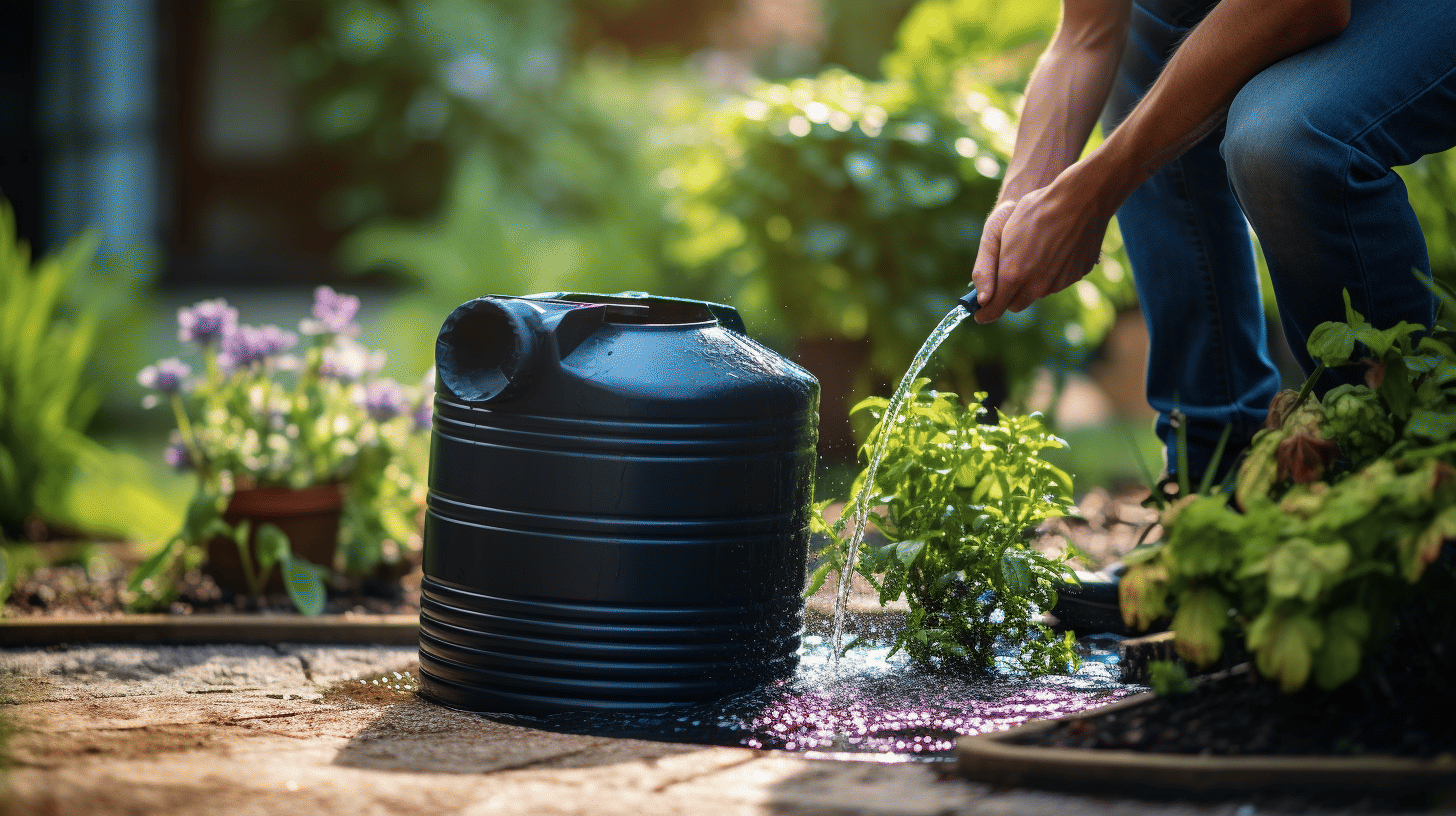
Rainwater harvesting is an excellent way to optimize water usage on the farm. By collecting and storing rainwater during the wet season, farmers can utilize this free resource during dry spells. Installing rain barrels, cisterns, or even simple catchment systems can help capture rainwater and make it available for irrigation purposes. This practice not only reduces reliance on groundwater and other water sources but also helps mitigate the effects of drought.
Managing Soil Health
Maintaining healthy soil is essential for efficient water management. Soil with proper organic matter content and a well-structured composition can retain moisture more effectively. Farmers can improve soil health by incorporating organic matter through cover cropping, composting, and using natural fertilizers. This not only enhances water retention but also promotes overall soil fertility, leading to healthier, more resilient crops.
By implementing these efficient water management practices, farmers can significantly reduce water waste while improving crop yield and protecting the environment. It is crucial for the agricultural community to adopt these strategies to ensure a sustainable and water-conscious future. Let’s strive towards responsible water management in our farming practices for the benefit of both our farms and our planet.
Emerging Technologies in Water Conservation
Soil Moisture Sensors: Enhancing Precision in Irrigation
One of the key challenges in water conservation is ensuring efficient irrigation practices. Traditionally, water has been applied uniformly to agricultural fields without taking into account the actual moisture needs of the soil. This approach often leads to wastage and inefficient water usage.
However, with the advent of soil moisture sensors, farmers can now have a more precise understanding of the moisture content within the soil. These sensors are strategically placed in the ground and provide real-time data on soil moisture levels, allowing farmers to make informed decisions regarding irrigation.
Here are a few notable benefits of using soil moisture sensors in irrigation practices:
- Optimized Water Usage: By taking into account the actual moisture needs of the soil, farmers can avoid overwatering and underwatering. This optimization leads to significant water savings.
- Improved Crop Yield: Soil moisture sensors help farmers provide the right amount of water at the right time. This precise irrigation can result in improved crop yield and quality.
- Prevention of Water Stress: Soil moisture sensors alert farmers when the soil is too dry or too wet. By addressing these issues promptly, farmers can prevent water stress in plants and enhance overall crop health.
Soil moisture sensors offer a data-driven approach to irrigation that maximizes water conservation efforts. By using these sensors, farmers can achieve optimal water usage and ensure sustainable agricultural practices.
To learn more about the benefits of soil moisture sensors and their impact on water conservation, check out this resource.
Incorporating soil moisture sensors into irrigation systems is just one example of how emerging technologies are transforming water conservation in agriculture. By leveraging innovative solutions, farmers can make significant strides in reducing water usage and maintaining a sustainable future for our planet. Next, let’s explore another exciting technology in this field – weather monitoring systems.
Government Policies and Support in Water Conservation
Water conservation is a pressing issue globally, and governments around the world are implementing policies and providing support to encourage sustainable water usage. This is especially crucial in the agricultural sector, where irrigation and farming practices can have a significant impact on water resources. In this section, we will explore the various government initiatives that aim to promote water conservation practices among farmers.
Government Incentives
Governments recognize the importance of incentivizing farmers to adopt water-saving techniques and technologies. To support farmers in their water conservation efforts, governments offer a range of incentives, such as:
- Financial Support: Many governments provide financial assistance, grants, or subsidies to farmers who implement water-efficient irrigation systems or invest in water-saving technologies. These incentives help offset the initial costs associated with adopting these practices, making it more financially viable for farmers to make the switch.
- Tax Breaks: Some countries offer tax breaks or deductions to farmers who implement water conservation practices. This encourages farmers to prioritize water efficiency in their farming operations while also providing them with a financial incentive.
- Water Pricing: Governments may implement tiered water pricing systems, where higher prices are charged for excessive water usage. This approach aims to discourage wasteful water practices by making it more expensive for farmers to use excessive amounts of water. Additionally, water pricing strategies can help fund water infrastructure projects and incentivize water conservation.
Support Programs
Government support programs provide farmers with the knowledge, resources, and technical expertise necessary to implement water conservation practices effectively. These programs often include:
- Training Workshops: Governments organize workshops and training sessions to educate farmers on best practices for water conservation. These sessions cover topics such as efficient irrigation techniques, soil moisture management, and water-saving technologies. By equipping farmers with the necessary knowledge, governments empower them to make informed decisions and implement sustainable irrigation practices.
- Research and Development: Governments invest in research and development initiatives focused on water-saving technologies and farming practices. Through these programs, scientists and agricultural experts work closely with farmers to develop innovative solutions that can reduce water consumption while maintaining or even increasing crop productivity. This partnership between researchers and farmers fosters a collaborative approach to water conservation, ensuring that the tools and techniques developed are practical and relevant to real-world farming operations.
Regulations
In addition to incentives and support programs, governments also enforce regulations to manage water resources effectively. These regulations may include:
- Water Allocation: Governments establish schemes to regulate the allocation of water resources, particularly in regions where water scarcity is a concern. By carefully managing water distribution, governments can ensure that water is used efficiently and sustainably across different sectors, including agriculture.
- Water Usage Limits: Governments set water usage limits to prevent excessive water consumption by farmers. This helps conserve water resources and promotes responsible water usage within the agricultural sector.
In conclusion, government policies and support play a crucial role in promoting water conservation practices among farmers. Through incentives, support programs, and regulations, governments encourage the adoption of water-saving techniques and technologies, driving sustainable water usage in agriculture. By working hand in hand with farmers, governments can create a more resilient and sustainable agricultural sector while safeguarding precious water resources for future generations.
Educational Resources and Tools for Water Conservation
Water conservation is a pressing issue in today’s world, with the need to manage our water resources efficiently and sustainably. Thankfully, there are numerous educational resources and tools available to help individuals and communities learn about water conservation and implement effective strategies. Whether you’re a farmer looking for techniques to conserve water or a concerned citizen interested in reducing your water footprint, these resources can provide valuable insights and guidance.
Websites
The internet is a treasure trove of information, and there are several websites dedicated to water conservation that can serve as valuable educational resources. Some notable ones include:
- WaterSense: A program by the United States Environmental Protection Agency (EPA) that promotes water-efficient products and practices for both residential and commercial use. Their website provides tips, resources, and a directory of WaterSense-labeled products for easy water conservation.
- Alliance for Water Efficiency: A non-profit organization that focuses on promoting water efficiency through advocacy, education, and outreach. Their website contains a wide range of resources, including case studies, reports, and best practices, covering various aspects of water conservation.
- Smart Watering Month: An initiative by the Irrigation Association to raise awareness about efficient outdoor water use. Their website offers resources to help homeowners, landscapers, and irrigation professionals optimize their water usage in outdoor settings.
Books
Books are a fantastic source of in-depth knowledge and guidance when it comes to water conservation. Some recommended titles include:
- “Water: The Epic Struggle for Wealth, Power, and Civilization” by Steven Solomon: This book delves into the history and importance of water, exploring how civilizations have risen and fallen based on their ability to manage this vital resource. It offers valuable insights into the challenges we face today and the solutions we can adopt for a more water-conscious future.
- “The Water-Wise Home: How to Conserve, Capture, and Reuse Water in Your Home and Landscape” by Laura Allen: In this practical guide, Allen provides tips and techniques for conserving water in both indoor and outdoor settings. Covering topics such as rainwater harvesting, graywater systems, and water-efficient appliances, this book empowers readers to make a significant impact on their water usage.
Training Programs
For those looking for a more hands-on approach, training programs can offer valuable practical skills and knowledge. Some notable options include:
- WaterSense Certified Professional (WSCP): This certification program, offered by the EPA’s WaterSense program, trains professionals in water-efficient techniques, products, and practices. WSCPs are equipped to provide expertise in water-efficient landscaping, irrigation systems, and water management.
- American Rainwater Catchment Systems Association (ARCSA): ARCSA offers training and certification programs focused on rainwater harvesting, stormwater management, and sustainable water practices. These programs cover everything from design and installation to maintenance and regulatory compliance.
By utilizing these educational resources and tools, individuals and communities can make informed decisions and take practical actions to conserve water. From websites with valuable information to books that offer in-depth insights, and training programs that provide hands-on learning, the options are plentiful for those looking to become water conservation advocates. Let’s start making a positive impact on our planet’s most precious resource!
Conclusion
In conclusion, water conservation is crucial for sustainable and efficient agriculture. By implementing efficient water management practices and embracing emerging technologies, farmers can minimize water waste and maximize crop production. Government policies and support also play a significant role in incentivizing and regulating water conservation efforts. Furthermore, there are various educational resources and tools available to farmers to enhance their understanding and implementation of water conservation techniques.
At Regenerative Agriculture Wiki, we are committed to providing comprehensive content on regenerative agriculture, including water conservation practices. Our platform offers a wealth of information, insights, and guides to help farmers and individuals interested in sustainable farming practices. Join us in fostering a future where agriculture and ecology thrive in harmony by exploring our content and learning more about the potential of regenerative agriculture.
Frequently Asked Questions
- Why is water conservation important for farmers?
Water conservation is important for farmers because it helps to sustainably manage water resources, minimize water wastage, optimize irrigation practices, improve crop yield and quality, and reduce the negative environmental impact of agriculture.
- What are some practical water conservation tips for farmers?
Some practical water conservation tips for farmers include: using drip irrigation systems, employing efficient irrigation scheduling, practicing soil moisture monitoring, implementing mulching techniques, adopting water-efficient crops, and utilizing rainwater harvesting methods.
- How can farmers reduce water waste on their farms?
Farmers can reduce water waste on their farms by properly maintaining irrigation systems, fixing leaks and broken pipes, avoiding over-irrigation, implementing precision agriculture techniques, improving water storage and distribution systems, and using modern water-saving technologies.
- Are there any government programs or incentives available to support water conservation efforts by farmers?
Yes, many governments provide programs and incentives to support water conservation efforts by farmers. These may include grants for implementing water-saving technologies, subsidies for adopting efficient irrigation systems, and educational resources to help farmers learn about best practices in water conservation.
- What are the long-term benefits of water conservation for farmers?
The long-term benefits of water conservation for farmers include reduced water bills and operating costs, increased farm profitability, improved drought resilience, enhanced reputation as a sustainable and environmentally conscious farmer, and contributing to the overall conservation of water resources for future generations.