Water is a precious resource that is essential for all living beings, and its conservation is of utmost importance, especially in the field of farming. Sustainable farming practices aim to minimize the environmental impact of agriculture while ensuring long-term productivity and profitability. One crucial aspect of sustainable farming is water conservation.
In this article, we will explore some effective techniques for water conservation in sustainable farming. We will delve into the importance of water conservation in farming, discuss various techniques that can be employed, and examine the potential impacts of sustainable water conservation. Additionally, we will address the challenges faced in implementing these techniques and the role that government and non-profit organizations play in promoting water conservation in agriculture.
By incorporating these water conservation practices, farmers can not only optimize water usage but also contribute to the health of ecosystems, improve their economic viability, and create a positive social impact. So, let’s dive in and explore the world of sustainable water conservation in farming and its far-reaching benefits.
The Importance of Water Conservation in Farming
Water Scarcity and Agriculture
In today’s world, water scarcity is a growing concern that affects numerous sectors, with agriculture being one of the most vulnerable. As the global population continues to rise, the demand for food is increasing exponentially. This puts immense pressure on farmers to produce more crops, which in turn requires significant amounts of water.
Unfortunately, water scarcity is a reality in many regions around the world. Climate change, irregular rainfall patterns, and overuse of water resources are all contributing factors. The consequences of water scarcity in agriculture can be severe, including reduced crop yields, increased production costs, and even the abandonment of farmland.
To mitigate these challenges, water conservation practices have become more critical than ever. By managing water resources efficiently, farmers can enhance their resilience to water scarcity and ensure the sustainability of agricultural production for generations to come.
Sustainable Farming and Healthy Ecosystems
Water conservation in farming is closely linked to the concept of sustainable agriculture. Sustainable farming practices aim to minimize the negative environmental impact of agriculture while maximizing productivity and long-term viability. By conserving water, farmers not only support their own livelihoods but also contribute to the health of ecosystems and the overall wellbeing of the planet.
Here are some key reasons why water conservation is vital for sustainable farming and healthy ecosystems:
- Preserving soil health: Adequate water management helps maintain soil moisture levels, preventing soil degradation and erosion. This, in turn, promotes nutrient retention and supports optimal plant growth.
- Protecting biodiversity: Water availability plays a crucial role in supporting diverse ecosystems and habitats. By conserving water, farmers can safeguard aquatic habitats and preserve biodiversity within and beyond their farmland.
- Reducing chemical runoff: Water conservation practices, such as precision irrigation techniques, can minimize the need for excessive fertilizers and pesticides. This reduces the risk of chemical runoff and subsequent water pollution, benefiting both human and environmental health.
- Enhancing water quality: By using water more efficiently, farmers can help maintain water quality in streams, rivers, and underground aquifers. This is particularly important for communities that rely on these water sources for drinking water and other essential needs.
- Adapting to climate change: Water-conserving practices enable farmers to adapt to changing climatic conditions, such as prolonged dry spells or erratic rainfall. Implementing techniques like drip irrigation, rainwater harvesting, and proper irrigation scheduling can help mitigate the effects of climate change on agricultural productivity.
Water is a finite resource, and its conservation in farming is essential for the sustainability of agriculture and the wellbeing of our planet. By implementing water-saving technologies and adopting sustainable practices, farmers can contribute to a more resilient and water-efficient agricultural sector, ensuring food security for generations to come.
Techniques for Water Conservation
Water is a valuable resource that is essential for all forms of life. With increasing concerns about water scarcity and the environmental impact of excessive water usage, it is crucial to adopt techniques for water conservation. In this article, we will explore five effective techniques that can help individuals, farmers, and communities conserve water sustainably.
Rainwater Harvesting
Did you know? Rainwater harvesting is an age-old technique that dates back to ancient civilizations.
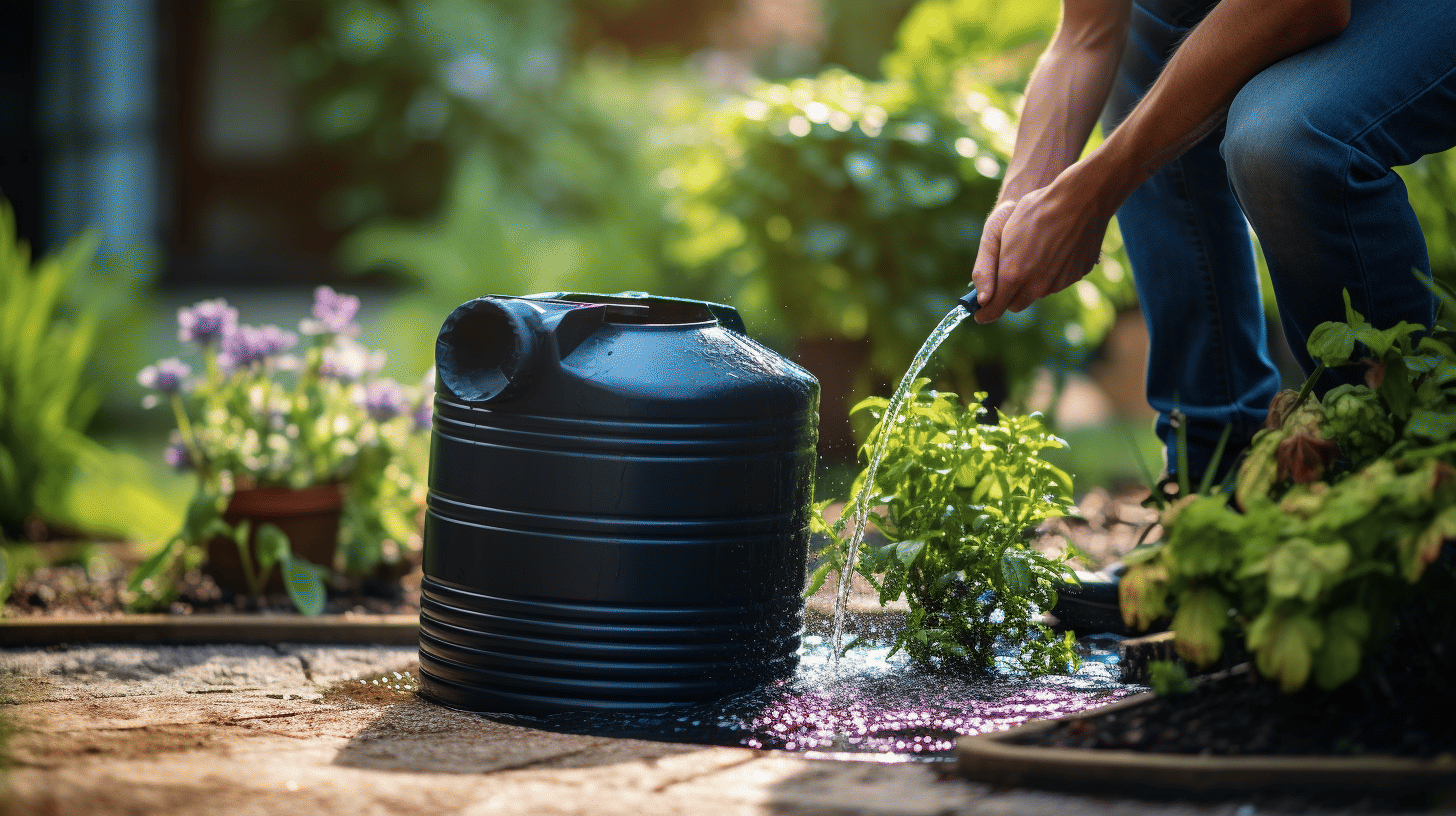
Rainwater harvesting is a simple yet effective method to collect and store rainwater for later use. Instead of allowing rainwater to runoff, it can be collected from rooftops, paved surfaces, or through underground storage tanks. This stored rainwater can then be used for various purposes, such as irrigation, domestic use, or even replenishing groundwater.
Benefits of rainwater harvesting include:
- Reducing dependence on freshwater sources
- Minimizing stormwater runoff and potential flooding
- Conserving groundwater reserves
By utilizing rainwater for non-potable purposes like watering plants or cleaning, we can significantly reduce the strain on freshwater sources and ensure the sustainable use of this precious resource.
Drip Irrigation
Did you know? Drip irrigation is up to 90% more efficient than traditional irrigation methods.
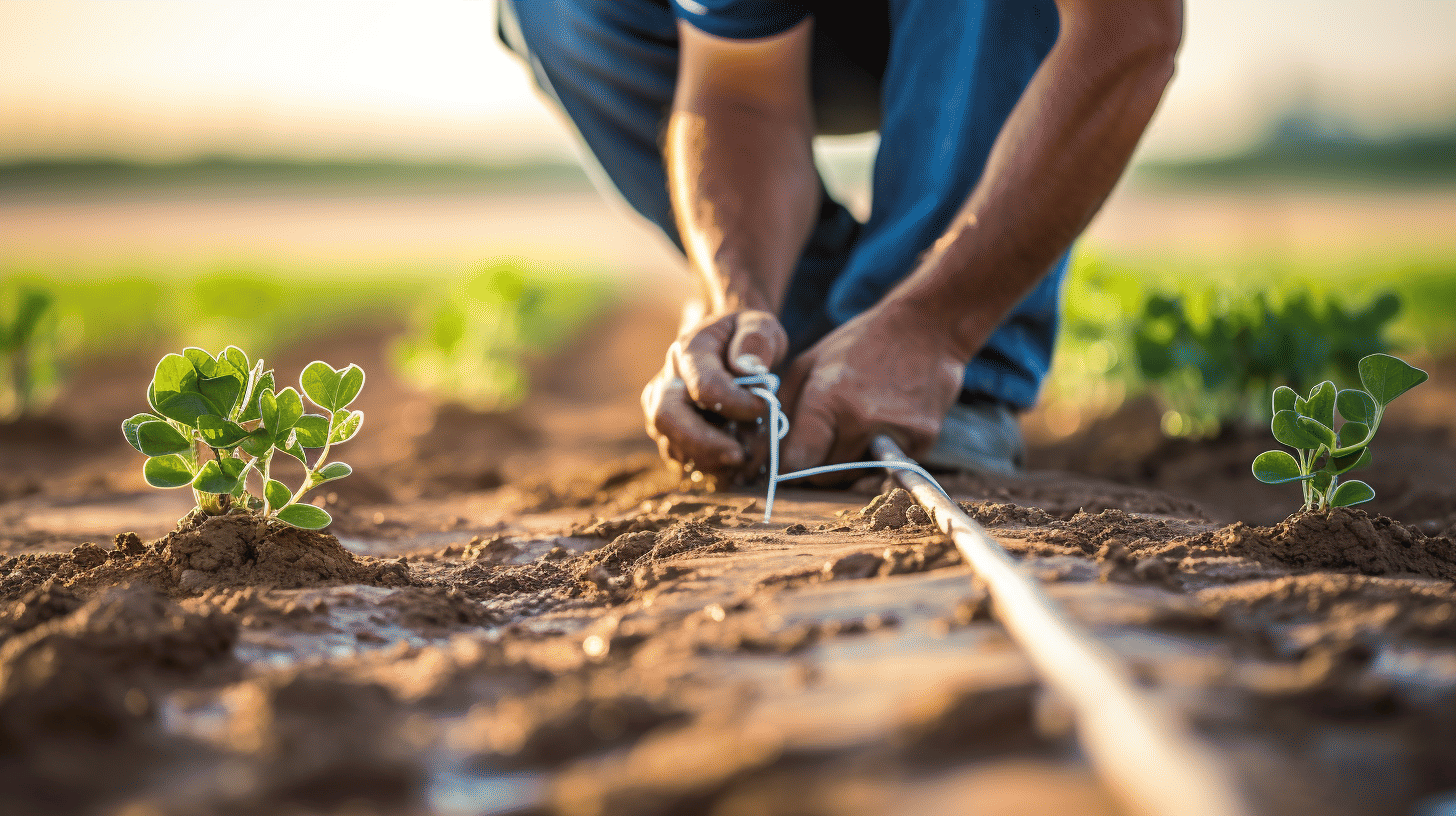
Drip irrigation is a water-efficient technique that delivers water directly to the plant roots, minimizing wastage and ensuring optimal water usage. Unlike conventional sprinkler irrigation, drip irrigation systems use low-pressure pipes and emitters to provide a slow and steady drip of water to plants.
Benefits of drip irrigation include:
- Significant water savings compared to traditional irrigation methods
- Enhanced plant health and reduced weed growth
- Improved nutrient absorption and reduced fertilizer leaching
Drip irrigation is particularly beneficial for gardens, lawns, and agricultural fields, where water conservation is of utmost importance.
Mulching
Did you know? Mulching helps retain moisture in the soil and suppresses weed growth.
Mulching involves covering the soil around plants with a layer of organic or inorganic materials, such as wood chips, straw, or plastic film. This protective layer acts as a barrier, preventing water evaporation from the soil surface and reducing weed growth.
Benefits of mulching include:
- Retaining soil moisture, reducing the frequency of irrigation
- Moderating soil temperature and preventing erosion
- Providing a nutrient-rich environment for plant roots
By mulching our gardens and landscapes, we can conserve water, promote healthy plant growth, and improve the overall resilience of our ecosystems.
Cover Crops
Did you know? Cover crops are also known as “green manure” as they are grown primarily for soil improvement.
Cover crops are crops that are specifically grown to cover and protect the soil during periods when it would otherwise lie fallow. These crops help minimize water loss through evaporation, reduce soil erosion, and improve soil fertility.
Benefits of cover crops include:
- Water conservation through reduced evaporation and erosion
- Enhanced soil structure, organic matter content, and nutrient availability
- Weed suppression and natural pest control
By incorporating cover crops into agricultural practices, farmers can not only conserve water but also improve the overall health and productivity of their soil.
Water-efficient Crop Selection
Did you know? Certain crops require less water compared to others.
Choosing water-efficient crops can have a significant impact on water conservation in agricultural settings. By selecting crop varieties that are well-adapted to local climate conditions and require less water, farmers can reduce their water usage without compromising yields.
Considerations for water-efficient crop selection:
- Native or drought-tolerant crop varieties
- Crop rotation and diversification
- Adoption of climate-smart agricultural practices
By prioritizing water-efficient crop selection, farmers can play a crucial role in conserving water resources and ensuring food security in a water-constrained world.
In conclusion, by adopting techniques such as rainwater harvesting, drip irrigation, mulching, cover crops, and water-efficient crop selection, individuals and communities can make a significant impact on water conservation efforts. These techniques not only help in preserving water resources but also contribute to a more sustainable and resilient future. Let’s work together to protect and conserve this precious resource for generations to come.
Potential Impact of Sustainable Water Conservation
Water is a precious resource that is essential for all living beings on our planet. However, with the increasing global population and the effects of climate change, water scarcity has become a pressing issue. One way to address this problem is through sustainable water conservation practices. Implementing these practices can have a significant impact on the environment, the economy, and society as a whole.
Environmental Impact
By practicing sustainable water conservation, we can minimize the negative impact on the environment and protect our natural resources. Here are some key environmental benefits of sustainable water conservation:
- Preserving Ecosystems: Conserving water helps maintain the ecological balance of rivers, lakes, wetlands, and other natural habitats. Sustainable water practices contribute to the preservation of wildlife and plant species that depend on these habitats for survival.
- Reducing Energy Consumption: Freshwater extraction, treatment, and distribution require a significant amount of energy. By conserving water, we reduce the need for excessive energy consumption, which, in turn, helps lower greenhouse gas emissions and mitigates climate change.
- Protecting Water Quality: Water scarcity can lead to the depletion of groundwater reserves, forcing communities to rely on polluted water sources. Sustainable water conservation practices ensure that available water sources are protected and that water is treated and used efficiently, reducing the risk of water pollution.
- Mitigating Drought: Drought is a natural disaster that affects ecosystems and human activities. Sustainable water conservation measures, such as rainwater harvesting and efficient irrigation systems, can help mitigate the impact of drought by preserving water for essential needs.
Economic Impact
Sustainable water conservation practices not only benefit the environment but also have a positive impact on the economy. Here are some economic advantages of adopting sustainable water conservation:
- Reduced Water Costs: Conserving water means using less of it, which directly translates into lower water bills for households, businesses, and industries. By implementing water-saving techniques, such as rainwater collection systems and water-efficient appliances, individuals and organizations can significantly reduce their water expenses.
- Increased Agricultural Productivity: Agriculture accounts for a significant portion of global water consumption. By adopting sustainable irrigation methods, such as drip irrigation and precision farming, farmers can optimize water use, resulting in higher crop yields and reduced water wastage. This leads to increased agricultural productivity and economic benefits for farmers and the entire food supply chain.
- Job Creation: The shift towards sustainable water conservation practices creates new opportunities for job creation. The development and installation of water-saving technologies, as well as the planning and implementation of water management programs, require skilled professionals who contribute to economic growth and employment.
Social Impact
Sustainable water conservation practices have numerous social benefits that positively impact communities and society as a whole. Here are some social advantages of sustainable water conservation:
- Improved Access to Clean Water: By conserving water, we ensure that there is enough water available for everyone’s basic needs. Sustainable water practices help alleviate water scarcity issues, especially in regions where access to clean water is limited, promoting public health and well-being.
- Community Engagement: Sustainable water conservation initiatives often involve community engagement and educational programs. These initiatives raise awareness about the importance of water conservation and empower individuals to take action, fostering a sense of collective responsibility and environmental stewardship.
- Resilience to Water-related Challenges: Implementing sustainable water conservation measures helps communities become more resilient to water-related challenges, such as droughts and water supply disruptions. By developing water-efficient infrastructure and adopting conservation practices, communities can better withstand and adapt to changing water availability patterns.
In conclusion, sustainable water conservation practices have the potential to make a significant impact on the environment, the economy, and society as a whole. By adopting these practices, we can preserve natural resources, reduce water costs, create employment opportunities, improve access to clean water, and build resilient communities. Implementing sustainable water conservation is not only a responsible choice but also a necessary step towards ensuring a sustainable future for generations to come.
Challenges in Implementing Water Conservation Techniques
Water conservation is a critical component of sustainable living and a key solution to addressing global water scarcity. However, there are several challenges that hinder the successful implementation of water conservation techniques. From financial constraints to lack of knowledge and cultural barriers, these obstacles often impede progress in achieving water conservation goals. It is essential to understand and overcome these challenges to ensure the effective implementation of water conservation practices.
Financial Constraints
One of the primary challenges in implementing water conservation techniques is the financial constraints faced by individuals, communities, and even governments. The upfront costs associated with installing water-saving devices and infrastructure can be significant, making it difficult for many people to invest in such measures. Additionally, ongoing maintenance and operational expenses can further strain limited budgets. As a result, the lack of financial resources often becomes a roadblock to widespread adoption of water conservation techniques.
To address this challenge, governments and organizations can consider implementing financial incentives such as rebates or tax credits to encourage individuals and businesses to invest in water conservation. These incentives can help reduce the initial cost burden and make water-saving devices and technologies more accessible to a wider range of people.
Lack of Knowledge and Skills
Another significant obstacle to the successful implementation of water conservation techniques is the lack of knowledge and skills among individuals. Many people are unaware of the various water-saving strategies and technologies available or do not have the necessary skills to implement them effectively. This lack of awareness and expertise hinders the adoption of water conservation practices at both the individual and community levels.
To address this challenge, educational campaigns and outreach programs can play a crucial role in raising awareness about water conservation techniques. Providing information about simple measures such as fixing leaky faucets, using efficient irrigation methods, and collecting rainwater can empower individuals to make a difference. Additionally, offering training programs to improve skills and knowledge in water conservation can further support the implementation of sustainable water practices.
Cultural Barriers
Cultural barriers can also pose challenges in implementing water conservation techniques, particularly in areas where certain traditional practices or beliefs conflict with water-saving measures. Cultural norms and customs may prioritize water use for rituals or traditional practices, leading to resistance in adopting water conservation practices.
To overcome these cultural barriers, it is crucial to engage with local communities and understand their cultural perspectives on water usage. By collaborating with community leaders and actively involving them in the decision-making process, it becomes possible to find a balance between cultural traditions and sustainable water conservation practices. Promoting dialogue and fostering a sense of ownership within the community can help bridge the gap between cultural values and water conservation goals.
In conclusion, while water conservation is vital for sustainable living, various challenges must be overcome to ensure its successful implementation. By addressing financial constraints, providing education and skills training, and working collaboratively to overcome cultural barriers, we can overcome these obstacles and pave the way for a more water-efficient future.
Learn more about water conservation techniques and how they can help address global water scarcity.
Role of Government and Non Profit Organizations in Promoting Water Conservation
Introduction
When it comes to promoting water conservation, the role of both government and non-profit organizations is critical. Governments have the power to enact legislation and implement policies that encourage responsible water usage, while non-profit organizations play a vital role in raising awareness, providing education, and actively engaging communities in water conservation efforts. Together, these entities can work hand in hand to tackle the pressing issue of water scarcity and create a sustainable future for generations to come.
Government Initiatives
Governments around the world have recognized the importance of water conservation and have implemented various initiatives to promote responsible water usage. These initiatives can range from incentives and regulations to proactively managing water resources. Some ways in which governments can contribute to water conservation include:
- Legislation and Regulation: Governments can enact laws and regulations that incentivize water conservation practices, such as implementing water-efficiency standards for appliances, enforcing water metering, and imposing fines for excessive water usage.
- Infrastructure Investment: Governments can invest in modernizing and improving water infrastructure to reduce water leaks and losses, as well as to provide access to clean drinking water for all communities.
- Water Pricing: Governments can use water pricing strategies, such as tiered pricing or water budgets, to encourage individuals and businesses to be mindful of their water consumption and promote conservation.
- Water Management: Governments can establish effective water management strategies, including watershed management, water allocation plans, and drought contingency plans, to ensure the equitable and sustainable use of water resources.
Non-Profit Organizations and Community Engagement
Non-profit organizations play a crucial role in promoting water conservation by raising awareness, providing education, and actively engaging communities. These organizations work tirelessly to empower individuals and communities to take action to conserve water. Some ways in which non-profit organizations contribute to water conservation efforts include:
- Education and Outreach: Non-profit organizations provide educational programs, workshops, and resources to educate individuals and communities about the importance of water conservation. They raise awareness about water scarcity, the impact of human activities on the environment, and practical tips for reducing water consumption.
- Community Engagement: Non-profit organizations actively engage communities through campaigns, events, and grassroots initiatives. They encourage community participation in water conservation efforts through community gardens, rainwater harvesting projects, and water-saving challenges.
- Partnerships and Collaboration: Non-profit organizations collaborate with businesses, schools, government agencies, and other stakeholders to leverage resources, share best practices, and implement collective initiatives to conserve water. These partnerships help to amplify the impact of water conservation efforts.
- Advocacy and Policy Influence: Non-profit organizations advocate for policies and regulations that promote water conservation at local, regional, and national levels. They raise their voices to ensure that water conservation remains a priority on the political agenda.
Conclusion
The role of both government and non-profit organizations in promoting water conservation cannot be overstated. While governments have the power to enact legislation and implement policies, non-profit organizations provide education, raise awareness, and actively engage communities in conservation efforts. Together, they can create a comprehensive approach to tackle water scarcity and ensure a sustainable future for our planet. By working in tandem, government and non-profit organizations can make a significant impact in preserving this vital resource for generations to come.
Conclusion
In conclusion, water conservation plays a vital role in sustainable farming practices. By implementing techniques such as rainwater harvesting, drip irrigation, mulching, and using cover crops, farmers can significantly reduce water usage and promote healthier ecosystems.
The potential impact of sustainable water conservation extends beyond the environment, with economic benefits and social implications as well. However, implementing these techniques can sometimes be challenging due to financial constraints, lack of knowledge and skills, and cultural barriers.
To address these challenges, the government and non-profit organizations play a crucial role in promoting water conservation in farming. Their support and initiatives facilitate access to resources, education, and funding, which are essential for widespread adoption of these practices.
At Regenerative Agriculture Wiki, we are committed to providing comprehensive content and resources to inspire and educate individuals and communities about the benefits of regenerative agriculture. Join us in fostering a future where agriculture and ecology thrive in harmony.
To explore more about regenerative agriculture and sustainable farming practices, visit our website here.
Frequently Asked Questions
- What are some effective techniques for water conservation in sustainable farming?
Some effective techniques for water conservation in sustainable farming include: 1. Drip irrigation systems, 2. Mulching, 3. Rainwater harvesting, 4. Crop rotation, and 5. Precision watering techniques.
- Why is water conservation important in sustainable farming?
Water conservation is crucial in sustainable farming because it helps preserve natural resources, reduces water usage and waste, protects aquatic ecosystems, and promotes long-term agricultural productivity in the face of water scarcity.
- How does drip irrigation system help in water conservation?
Drip irrigation system delivers water directly to the roots of plants, minimizing evaporation and reducing water loss. This efficient irrigation method helps conserve water by providing targeted hydration to crops and minimizing water runoff.
- What is the role of mulching in water conservation?
Mulching helps retain soil moisture by reducing evaporation, suppressing weed growth, and preventing soil erosion. It acts as a protective layer that keeps the soil cool and moist, thereby reducing the need for excessive watering.
- What is precision watering in sustainable farming?
Precision watering involves utilizing advanced technologies like soil moisture sensors, weather stations, and automated irrigation systems to deliver the right amount of water at the right time, based on the specific needs of each crop. This approach reduces water wastage and optimizes irrigation efficiency.