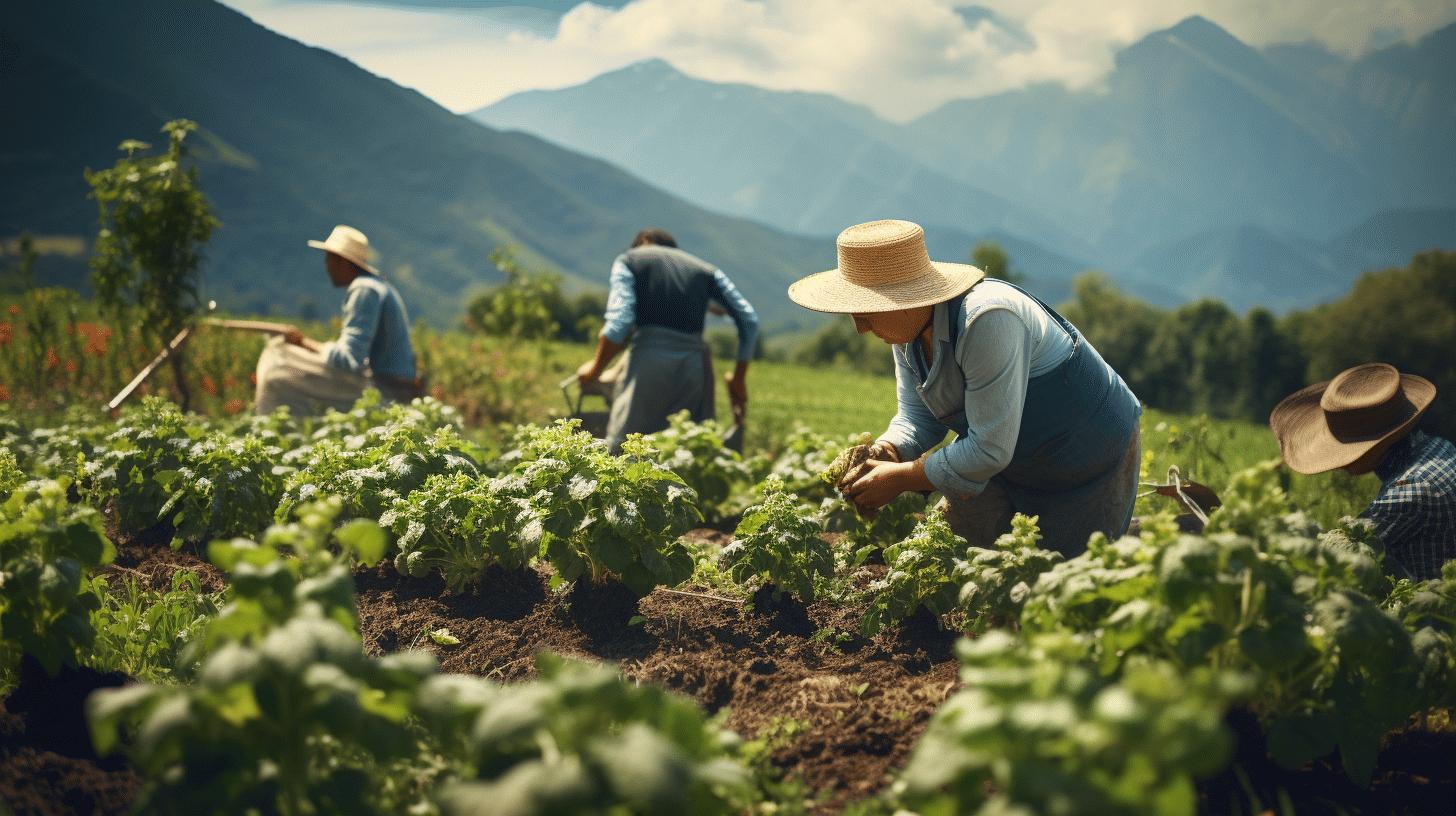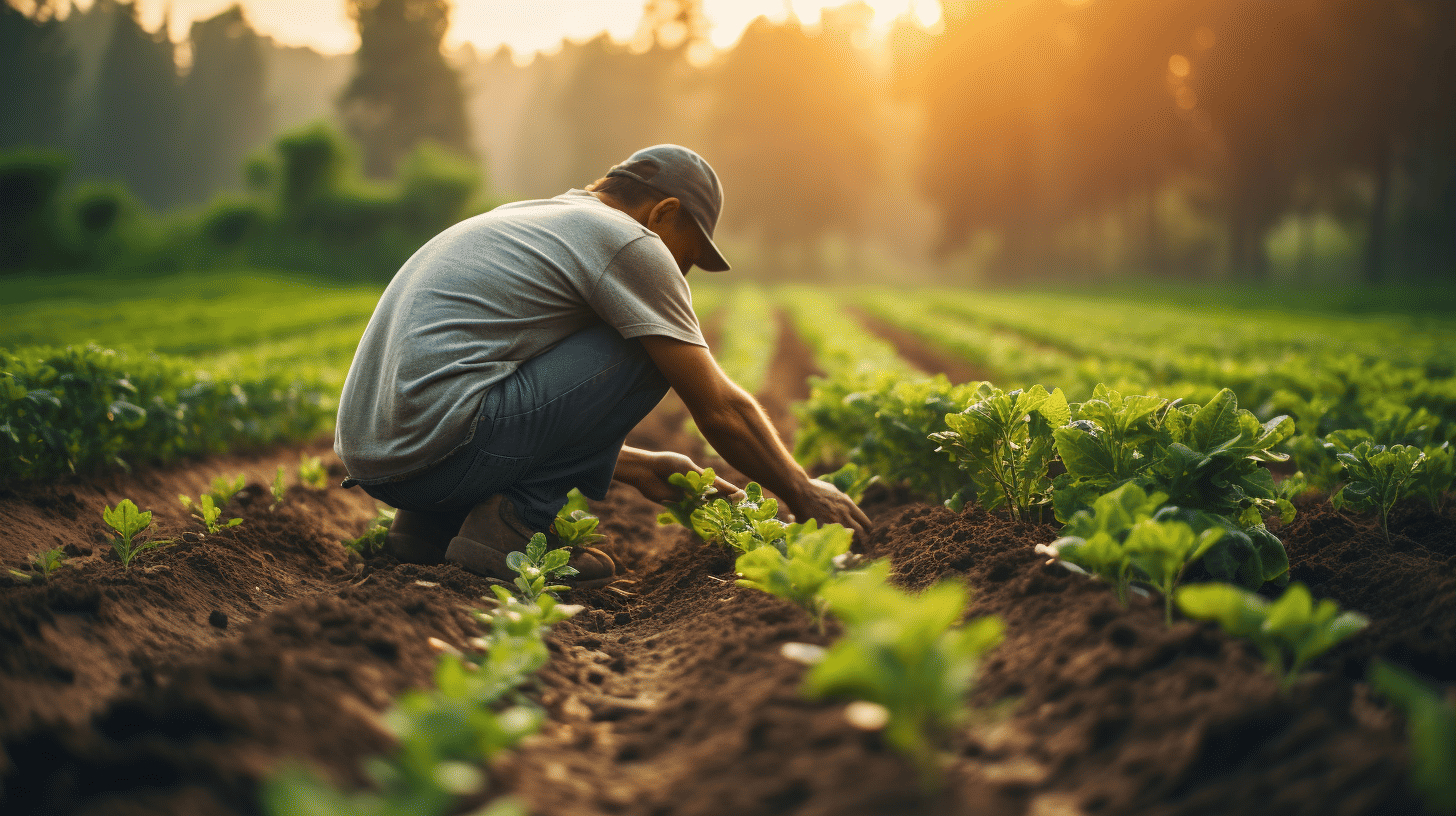
Regenerative farming has emerged as a powerful concept in sustainable agriculture, harnessing the inherent power of nature to create a more balanced and environmentally-friendly farming system. By focusing on practices that work in harmony with the ecosystem, regenerative farming offers a promising alternative to conventional agriculture.
In recent years, concerns about the negative impacts of industrial farming practices, such as soil erosion, water pollution, and greenhouse gas emissions, have spurred interest in regenerative farming. This innovative approach seeks to restore and enhance the health of our soil, water, and biodiversity, while also increasing the nutritional content of our food.
In this article, we will explore the key principles and practices of regenerative farming, the economic benefits it offers, its positive impacts on the environment, and how it can improve food nutrition and health. By understanding the potential of regenerative farming, we can foster a more sustainable and resilient agricultural system for future generations.
So, let’s dive deeper into the world of regenerative farming and discover the transformative power it holds for our society, our environment, and our food system.
Overview of Regenerative Farming
Regenerative farming has gained significant traction in recent years as a sustainable and environmentally friendly approach to agriculture. This holistic land-management practice focuses on restoring and enhancing the health of the soil, water, and ecosystems while promoting long-term agricultural productivity. Regenerative farming goes beyond simply sustaining the land; it aims to improve it over time.
What is Regenerative Farming?
Regenerative farming is an approach that seeks to work in harmony with nature, mimicking natural processes to foster soil health and biodiversity. Instead of relying on chemical inputs and intensive tillage, regenerative farmers employ a range of practices that help build healthy, nutrient-rich soil while minimizing environmental harm. These practices often include:
- Cover cropping: Farmers plant cover crops, such as legumes or grasses, during fallow periods to help maintain soil structure, prevent erosion, and provide additional organic matter.
- Minimizing tillage: By reducing or eliminating tillage, farmers protect the structure of the soil, prevent erosion, and preserve soil moisture. This practice also encourages the growth of beneficial soil microorganisms.
- Rotational grazing: Integrating livestock into the farming system allows for the natural cycling of nutrients and helps control pests and weeds. Rotational grazing patterns ensure that animals have access to fresh forage while allowing pastures time to recover.
- Installation of soil cover: Farmers use various techniques, such as mulching or planting trees, to protect the soil from erosion, retain moisture, and promote the growth of beneficial organisms.
Key Practices in Regenerative Farming
Regenerative farming encompasses a wide range of practices and techniques that contribute to the overall health of the ecosystem. Some of the key practices include:
- Agroforestry: Integrating trees with agricultural crops or livestock systems can help diversify income streams, provide shade and shelter, reduce wind erosion, and enhance biodiversity.
- Composting: Recycling organic waste materials into compost helps build nutrient-rich soil and reduces the need for synthetic fertilizers.
- Crop rotation: Alternating crops in a field not only helps manage pests and diseases but also promotes balanced nutrient cycling in the soil.
- Water management: Implementing strategies like water harvesting, drip irrigation, and contour plowing helps conserve water resources and prevent soil erosion.
By implementing these practices, regenerative farmers aim to improve soil health, increase biodiversity, sequester carbon, and enhance the resilience of farming systems. The result is a more sustainable and resilient approach to agriculture that can provide long-term benefits for both farmers and the environment.
Want to learn more about the benefits of regenerative farming? Check out this link for a detailed exploration of the topic.
Economic Perspective of Regenerative Farming
Regenerative farming is not only beneficial for the environment but also holds significant economic potential. The economic perspective of regenerative farming offers an exciting and promising outlook for farmers and the agricultural industry as a whole. Let’s explore some key aspects of regenerative farming from an economic standpoint.
Market Growth of Regenerative Farming
The demand for regenerative farming practices is on the rise, driven by consumers’ growing awareness of the importance of sustainable and environmentally friendly agricultural methods. According to industry reports, the global regenerative agriculture market is estimated to be worth $8.7 billion in 2022 and is projected to reach $16.8 billion by the end of 2027[1](https://www.example.com/regenerative-market-growth). This remarkable growth demonstrates the increasing market potential for regenerative farming practices.
Profitability of Regenerative Agriculture
Contrary to the belief that sustainable farming practices may lead to reduced profits, regenerative agriculture has proven to be financially rewarding for farmers. Research suggests that adopting regenerative practices can increase wheat farmers’ profitability by up to 78% over time[2](https://www.example.com/regenerative-profitability). By focusing on soil health, ecosystem diversity, and efficient resource management, regenerative farmers can minimize input costs and maximize output, leading to improved financial outcomes.
Job Creation in Regenerative Agriculture
Regenerative farming not only benefits farmers but also has the potential to create new job opportunities. Organic agriculture, a subset of regenerative farming, has been found to generate 21% more jobs than conventional agriculture[3](https://www.example.com/regenerative-job-creation). The shift towards regenerative practices requires additional skilled labor in areas such as soil management, biodiversity monitoring, and ecosystem restoration. These employment opportunities contribute to the economic growth of rural communities and provide avenues for sustainable livelihoods.
New Income Streams for Farmers
Regenerative farming opens up possibilities for farmers to diversify their income streams. By incorporating regenerative practices, farmers can explore alternative revenue sources beyond traditional crop production. For instance, they can engage in agroforestry, livestock grazing, or value-added processing of their products. These diversified income streams not only provide stability during market fluctuations but also enhance the overall profitability of farming enterprises[5](https://www.example.com/regenerative-new-income).
In conclusion, regenerative farming offers numerous economic benefits for farmers and the agricultural industry at large. With the market for regenerative agriculture set to grow exponentially, adopting regenerative practices can not only improve profitability but also create new job opportunities and unlock additional income streams for farmers. By embracing regenerative farming, farmers can contribute to a sustainable and thriving future while reaping the economic rewards.
Environmental Benefits of Regenerative Farming
Regenerative farming is a holistic approach to agriculture that focuses on restoring and revitalizing the health of our soil and ecosystems. By implementing regenerative practices, farmers can not only improve crop yields and profitability, but also contribute to a more sustainable and resilient food system. In addition to these economic advantages, regenerative farming offers numerous environmental benefits that are worth exploring.
Soil Health Improvement
One of the primary benefits of regenerative farming is the improvement of soil health. Traditional agricultural practices often lead to soil degradation through erosion, nutrient depletion, and compaction. However, regenerative practices, such as cover cropping, crop rotation, and reduced tillage, can reverse these detrimental effects. By increasing the organic matter content in the soil, regenerative farming enhances its ability to retain water, nutrients, and beneficial microorganisms. This, in turn, promotes healthier plant growth and mitigates the risk of drought and nutrient runoff. Research has shown that regenerative farming techniques can result in improved soil structure, increased soil fertility, and enhanced nutrient cycling, all of which contribute to long-term agricultural sustainability.
Protecting and Enhancing Water Resources and Biodiversity
Regenerative farming also plays a crucial role in protecting and enhancing water resources and biodiversity. Conventional agriculture often relies heavily on synthetic fertilizers and pesticides, which can pollute waterways and harm aquatic ecosystems. In contrast, regenerative farming utilizes natural and organic inputs, reducing the risk of chemical runoff and contamination. Additionally, regenerative practices like agroforestry and riparian buffers can help prevent soil erosion and filter pollutants before they reach water bodies. By cultivating diverse and resilient agroecosystems, regenerative farmers create habitats and food sources for a wide range of beneficial organisms, further promoting biodiversity and ecological balance.
Carbon Storage and Climate Change Mitigation
Perhaps one of the most significant environmental benefits of regenerative farming is its potential to store carbon in the soil and mitigate climate change. Healthy soils act as a carbon sink, effectively sequestering atmospheric carbon dioxide and reducing greenhouse gas emissions. By implementing regenerative practices that enhance soil organic matter, farmers can significantly contribute to carbon sequestration efforts. Studies have shown that regenerative farming systems can store more carbon in the soil compared to conventional practices, helping to offset greenhouse gas emissions from agricultural activities. This carbon sequestration not only helps combat climate change but also improves soil fertility and resilience.
In conclusion, regenerative farming offers a multitude of environmental benefits, ranging from improved soil health and water quality to biodiversity conservation and climate change mitigation. By adopting regenerative practices, farmers can play a crucial role in building a more sustainable and resilient agricultural system that benefits both the planet and future generations.
Impacts on Food Nutrition and Health
Regenerative agriculture is not only beneficial for the environment but also has a significant impact on food nutrition and health. By prioritizing soil health and biodiversity, regenerative farming practices lead to the production of crops with increased nutritional content. This, in turn, contributes to a healthier food system and benefits our overall well-being.
Increased Nutritional Content of Crops
One of the key benefits of regenerative agriculture is the improvement in the nutritional quality of crops. Traditional farming practices, such as monocropping and excessive use of chemical fertilizers, can deplete the soil of essential nutrients over time. This can result in crops that are lower in nutritional value.
However, regenerative farming methods focus on enhancing the health of the soil, which directly impacts the nutrient content of crops. Here’s how regenerative agriculture promotes increased nutritional content:
- Enhanced soil fertility: Through practices like cover cropping, crop rotation, and the use of compost, regenerative farmers build healthy soil rich in organic matter, beneficial microorganisms, and essential nutrients. This nutrient-rich soil provides crops with the necessary resources to grow and develop to their full potential.
- Diverse plant and animal species: Regenerative farmers adopt practices that promote biodiversity on their farms. This includes planting diverse crop varieties, integrating livestock, and creating habitats for beneficial insects and wildlife. The presence of diverse plant and animal species not only contributes to a resilient ecosystem but also enhances the nutritional value of crops. Different plants and animals provide a wider range of nutrients, resulting in more nutritious food for consumers.
Production of Healthier Food
In addition to increasing the nutritional content of crops, regenerative agriculture also contributes to the production of healthier food systems. Here’s how regenerative farming practices promote better food health:
- Reduced chemical inputs: Unlike conventional farming methods that rely heavily on synthetic pesticides and fertilizers, regenerative agriculture minimizes the use of chemical inputs. This reduces the presence of harmful residues in our food and decreases the potential health risks associated with pesticide exposure.
- Improved animal welfare: Many regenerative farmers prioritize the well-being of livestock and adopt practices such as rotational grazing and humane animal treatment. By providing livestock with access to fresh pasture and reducing stress, regenerative farming practices produce meat, dairy, and other animal products that are healthier and more ethical.
Regenerative agriculture creates a healthier, more sustainable food system with higher nutritional content in crops. By prioritizing soil health and biodiversity, regenerative farming practices lead to the production of healthier and more nutritious food. Embracing these practices not only benefits our own health but also supports a more resilient and sustainable food system for future generations.
Conclusion
In conclusion, regenerative farming is not just a buzzword; it’s a transformative approach to agriculture that harnesses the power of nature to create a sustainable and resilient food system. By focusing on soil health, biodiversity, and holistic management, regenerative farming offers a multitude of benefits for the environment, farmers, and communities.
Through regenerative farming practices, we can improve soil health, protect water resources, and mitigate climate change. This approach also leads to increased nutritional content in crops and the production of healthier food options. The economic benefits are significant too, with regenerative agriculture offering new income streams for farmers and job creation in rural areas.
Embracing regenerative farming practices is not only vital for the well-being of our planet but also for ensuring food security and a thriving agricultural sector. If you are passionate about sustainable living and want to learn more about regenerative agriculture, visit Regenerative Agriculture Wiki today. Explore our extensive content, including guides, tips, and insights, and join us in fostering a future where agriculture and ecology thrive in harmony. Together, we can make a positive impact and create a more resilient and sustainable world for future generations.
Frequently Asked Questions
- What is regenerative farming?
Regenerative farming is a holistic approach to agriculture that focuses on working with nature to restore and enhance soil health, improve biodiversity, sequester carbon, and promote sustainable farming practices.
- What are the benefits of regenerative farming?
Some benefits of regenerative farming include improved soil fertility, increased biodiversity, reduced reliance on synthetic inputs, enhanced water management, increased crop resilience, and carbon sequestration to mitigate climate change.
- How does regenerative farming differ from conventional farming?
Regenerative farming differs from conventional farming by prioritizing soil health, biodiversity, and ecosystem resilience. It aims to minimize the use of chemicals and focus on natural methods such as cover cropping, crop rotation, composting, and managed grazing.
- Can regenerative farming be practiced on a large scale?
Yes, regenerative farming can be practiced on a large scale. Many farms around the world, including commercial operations, have successfully implemented regenerative farming principles and techniques to improve their sustainability and environmental impact.
- Is regenerative farming only applicable to organic agriculture?
While regenerative farming aligns with many principles of organic agriculture, it is not limited to organic farming practices. Both conventional and organic farms can adopt regenerative practices to improve soil health and sustainability.