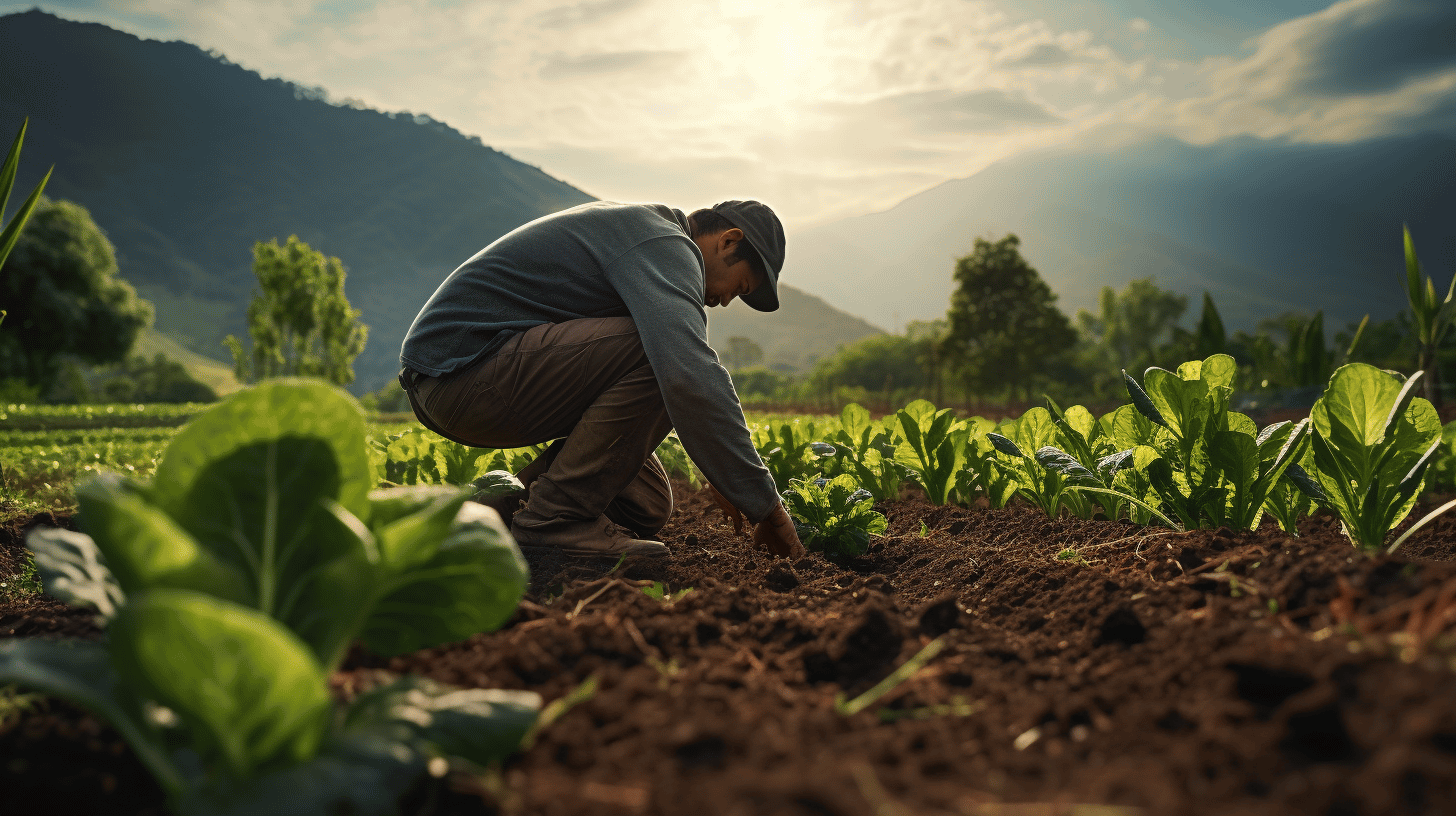
Are you a farmer looking to adopt sustainable practices for your farm? Are you interested in maximizing your productivity while promoting environmental stewardship? If so, mastering holistic management might be the key to achieving your goals.
Holistic management is a comprehensive approach that emphasizes the interconnectedness of land, animals, and people. This management philosophy focuses on creating balanced ecosystems that support healthy soil, abundant biodiversity, and optimal productivity. By implementing holistic management strategies, farmers can not only improve the health of their land but also enhance the resiliency of their farms in the face of climate change.
In this article, we will explore the essential concepts of holistic management and delve into the key practices that sustainable farmers can adopt. We will also discuss the influence of holistic management on soil health and productivity and its role in mitigating the impacts of climate change. Additionally, we will examine the implementation of holistic management and explore other sustainable farming practices that complement this approach.
If you’re ready to take your farm to the next level of sustainability and productivity, join us as we dive into the world of holistic management. Together, we’ll explore the strategies and practices that can transform your farm into a thriving and resilient ecosystem. Let’s get started!
Understanding Holistic Management
Holistic Management is a decision-making framework that plays a crucial role in sustainable farming practices. It considers not only the economic aspect of farming but also the social and environmental aspects. By taking a holistic approach to farming, farmers can create a balance that benefits both their land and their communities. This section will explore the role of Holistic Management in sustainable farming and its implementation in various systems.
Role in Sustainable Farming
Holistic Management offers a comprehensive approach that goes beyond traditional farming methods. It considers the interconnectedness of all aspects of farming, including the land, animals, people, and finances. By viewing the farm as a whole system, farmers can make decisions that promote long-term sustainability and regenerative practices.
Here are some key roles of Holistic Management in sustainable farming:
- Regenerating Soil Health: Holistic Management recognizes that healthy soil is the foundation of a sustainable farm. By implementing practices that increase organic matter and microbial activity, farmers can improve soil fertility and structure. This leads to increased water and nutrient holding capacity, reduced erosion, and enhanced biodiversity.
- Improving Biodiversity: Holistic Management encourages farmers to create diverse habitats that support a variety of plant and animal species. This not only enhances ecosystem resilience but also promotes natural pest control and pollination. By fostering biodiversity, farmers can reduce their reliance on synthetic inputs and create a more balanced and resilient farm ecosystem.
- Enhancing Water Management: Holistic Management emphasizes effective water management techniques such as rainwater harvesting, water conservation, and irrigation strategies. By implementing these practices, farmers can reduce water waste, improve water quality, and mitigate the risk of drought.
- Creating Economic Resilience: Holistic Management acknowledges that financial stability is crucial for sustainable farming. By considering the social and environmental impacts of their decisions, farmers can develop profitable enterprises that align with their values and the needs of their community. This allows them to build economic resilience and reduce their dependence on external inputs.
Implementation on Various Systems
Holistic Management is not limited to traditional farming systems. It can be applied in various contexts, including household management and land management. Here are some examples of how Holistic Management can be implemented:
- Household Management: Holistic Management principles can be applied to household decision-making as well. By considering the needs and goals of all family members, decisions can be made that promote holistic well-being. This includes factors such as financial planning, time management, and personal development.
- Land Management: Holistic Management can also be applied to land management, including grazing systems, cropping practices, and land restoration projects. By considering the impact of these practices on soil health, biodiversity, and water resources, farmers can implement regenerative techniques that promote long-term sustainability.
In conclusion, Holistic Management is a powerful tool for sustainable farming. By considering the interconnectedness of the social, environmental, and economic aspects of farming, farmers can make decisions that promote holistic well-being and long-term sustainability. Whether applied to traditional farming systems or household management, Holistic Management offers a framework that benefits both the land and the community it supports.
Additional Information:
- Holistic Management increases organic matter by up to 300%, boosting soil health.
- Holistic Management can be applied to various systems like household management and land management.
Key Practices of Holistic Management
Holistic management is an approach to land management that aims to maximize the health and productivity of ecosystems while also considering the economic and social aspects of the land. It involves implementing various practices that work together to create a balanced and sustainable system.
High-intensity Rotation of Animals
One of the key practices of holistic management is high-intensity rotation of animals. This practice involves moving livestock frequently and intensively across the land, simulating the natural movement patterns of wild herbivores. By doing so, several benefits can be observed:
- Improved grassland and soil quality: Grazing animals have a positive impact on grassland and soil health. They help rejuvenate the soil by trampling and incorporating organic matter into the ground, promoting nutrient cycling and increasing soil fertility.
- Increased productivity: High-intensity rotation allows grass to recover more fully between grazing sessions, resulting in healthier and more productive pastures. This, in turn, leads to increased forage availability for livestock and improved animal performance.
- Enhanced biodiversity: Grazing animals play a crucial role in shaping ecosystems. The movement of livestock in a high-intensity rotation system creates habitat heterogeneity, which encourages the growth of diverse plant species and supports a variety of wildlife.
High-density/Low-frequency Rotational Grazing
Another important practice in holistic management is high-density/low-frequency rotational grazing. This approach involves concentrating livestock in small areas for a limited period, followed by a longer resting period. Here are some benefits of high-density/low-frequency rotational grazing:
- Enhanced forage utilization: With high-density grazing, animals intensively consume forage in a specific area. By concentrating grazing, it ensures that forage is effectively utilized and minimizes wastage.
- Effective weed control: Grazing at high densities can help control weed populations by selectively grazing on certain plant species. This reduces competition for resources and encourages the growth of desired forage plants.
- Reduced parasite load: By moving livestock frequently and intensively, high-density grazing helps break the parasite life cycle. This reduces the overall parasite load on the animals and improves their overall health.
Cover Crop Mixtures
Utilizing cover crop mixtures is another crucial practice in holistic management. Cover crops are planted during fallow periods or after cash crops to protect and improve the soil. Here’s why using cover crop mixtures is beneficial:
- Soil erosion control: Cover crops act as a protective layer, reducing soil erosion caused by wind and water. Their extensive root systems hold the soil in place, preventing it from being washed away or blown off.
- Organic matter addition: Cover crops add organic matter to the soil when they decompose. This enhances soil structure, nutrient content, and water-holding capacity, leading to improved overall soil health.
- Nutrient cycling and retention: Cover crop mixtures help capture and recycle nutrients from deeper soil layers, ultimately making them available for subsequent crops. This reduces the need for synthetic fertilizers and promotes a more sustainable approach to nutrient management.
Grazing Cattle on Crop and Hay Land
Grazing cattle on crop and hay land is another practice that complements holistic management principles. Integrating livestock into crop and hay production systems offers several advantages:
- Nutrient cycling: Grazing animals return nutrients to the soil through their manure, which can help reduce the need for synthetic fertilizers. This enhances soil fertility and nutrient cycling within the system.
- Weed and pest control: Livestock grazing can help manage weeds and control pests, reducing the reliance on herbicides and insecticides. Animals can selectively graze on weed species and insect larvae, reducing their populations naturally.
- Diversified income streams: Combining crop production with livestock grazing offers farmers multiple income streams. They can sell both crops and livestock, creating a more resilient and financially stable operation.
By implementing these key practices of holistic management, land managers can create a more sustainable and productive agricultural system that benefits both the environment and the people who depend on the land.
Influence of Holistic Management on Soil and Productivity
Holistic Management is a comprehensive approach to land management that takes into account the interconnectedness of soil health, biodiversity, and productive outcomes. By implementing holistic practices, land managers can not only improve soil fertility but also enhance biodiversity, leading to increased productivity. This section will explore how Holistic Management influences soil health and productivity.
Improvement of Soil Fertility
One of the key benefits of Holistic Management is its ability to improve soil fertility. By using holistic practices, land managers can promote the following:
- Increased organic matter: Holistic Management emphasizes the use of cover crops, rotational grazing, and composting, which all contribute to the build-up of organic matter in the soil. This organic matter enhances soil structure, water-holding capacity, and nutrient availability.
- Enhanced soil microbial activity: A healthy soil microbiome is crucial for nutrient cycling and soil health. Holistic Management practices, such as minimizing chemical inputs and promoting diverse plant species, create a favorable environment for beneficial microbes to thrive. This, in turn, improves nutrient availability to plants.
- Reduced soil erosion: Soil erosion is a significant concern in agriculture, as it leads to nutrient loss and degradation of soil structure. Holistic Management techniques, such as implementing contour plowing, terracing, and windbreaks, help to reduce soil erosion and retain valuable topsoil.
- Improved water infiltration: Holistic Management practices promote the development of soil structure, which enhances water infiltration. This reduces runoff and helps to replenish groundwater resources.
Enhancement of Biodiversity
In addition to improving soil fertility, Holistic Management also plays a vital role in enhancing biodiversity on managed lands. Here are some ways in which Holistic Management practices benefit biodiversity:
- Increased habitat diversity: Holistic Management emphasizes the creation and preservation of diverse habitats, such as hedgerows, ponds, and grasslands. These habitats provide shelter, food, and breeding grounds for a wide range of plant and animal species.
- Promotion of native species: Holistic Management encourages the planting of native plant species, which are well-adapted to the local environment. Native plants provide essential habitat and food sources for native wildlife, thereby promoting biodiversity.
- Reduced use of pesticides: By adopting ecological pest management strategies, Holistic Management minimizes the dependence on chemical pesticides. This reduces the negative impact on beneficial insects, birds, and other wildlife.
- Conservation of threatened species: Through habitat restoration and conservation efforts, Holistic Management contributes to the protection of endangered or threatened plant and animal species. This proactive approach helps to maintain biodiversity in the long term.
In conclusion, Holistic Management has a significant positive impact on soil fertility and productivity while also enhancing biodiversity. By utilizing practices that promote organic matter, soil microbial activity, reduced erosion, and improved water infiltration, land managers can create a fertile and resilient soil ecosystem. Furthermore, by focusing on habitat diversity, native species promotion, pesticide reduction, and conservation, Holistic Management fosters a thriving and diverse ecosystem.
Holistic Management and Climate Change
Introduction
Holistic management is an approach that focuses on managing ecosystems in a holistic and sustainable manner. It takes into account the interconnectedness of various elements within an ecosystem, including soil health, biodiversity, and climate patterns. While holistic management may not provide a direct solution to carbon emissions and climate change, it plays a vital role in enhancing soil health and fertility, which can indirectly contribute to mitigating climate change impacts.
Enhancing Soil Health and Fertility
One of the significant benefits of holistic management is its ability to improve soil health and fertility. By implementing holistic practices such as rotational grazing, cover cropping, and composting, land managers can enhance the soil’s ability to absorb and store carbon, reduce erosion, and increase water-holding capacity. These practices promote the growth of beneficial soil microbes, which further enhance nutrient availability for plants and contribute to soil carbon sequestration.
Regenerative Agriculture and Carbon Sequestration
An essential component of holistic management is regenerative agriculture, which focuses on building healthy soils to support long-term productivity and ecological function. Through regenerative practices like agroforestry, organic farming methods, and diverse crop rotations, farmers can reduce reliance on synthetic fertilizers and pesticides while creating conditions that favor carbon sequestration. Carbon sequestration refers to the long-term storage of atmospheric carbon dioxide in plants, soils, and other organic matter, effectively reducing greenhouse gas levels.
Increased Resilience to Climate Change
Holistic management also contributes to increasing the resilience of ecosystems and agricultural systems to climate change impacts. By building healthy, fertile soils, plants become more resistant to pest and disease pressures. Additionally, diverse crop rotations and agroforestry practices enhance biodiversity, creating more resilient ecosystems that can better adapt to changing climatic conditions. These practices also promote water infiltration and retention, reducing the risk of drought and water scarcity, which are expected to become more common with climate change.
Conclusion
While holistic management alone cannot solve the complex issue of climate change and carbon emissions, it plays a crucial role in enhancing soil health, fertility, and resilience to climate change impacts. By implementing regenerative agricultural practices and focusing on ecosystem health, holistic management contributes indirectly to mitigating climate change effects and building sustainable agricultural systems. It offers a holistic approach that considers the interconnectedness of various factors, making it a valuable tool for land managers and farmers in the face of climate change challenges.
Implementing Holistic Management
Role of Centralized Data and Information System
In the world of agriculture, implementing sustainable practices is crucial for the long-term viability of farms and the environment. Holistic Management, a holistic approach to farm management, has gained popularity due to its focus on ecological regeneration and optimizing resource utilization. One key factor that plays a vital role in successful implementation is the presence of a centralized data and information system.
A centralized data and information system serves as a powerful tool for farmers and land managers to gather, analyze, and disseminate key data related to their farming practices. It allows for the integration of various data sources, such as weather patterns, soil health, crop yields, and livestock management. With this centralized system in place, farmers can make informed decisions based on real-time information, leading to improved sustainability outcomes.
Here are some of the benefits of a centralized data and information system in the context of implementing Holistic Management:
- Data-driven decision making: By having access to comprehensive and up-to-date data, farmers can make informed decisions about their farming practices. This data includes information about soil health, nutrient levels, weather conditions, and market trends. Armed with this knowledge, farmers can optimize resource allocation, mitigate risks, and maximize productivity.
- Tracking and monitoring: A centralized data and information system allows farmers to track and monitor various aspects of their farming operations. This can include monitoring soil moisture levels, tracking livestock movements, or analyzing crop growth patterns. By closely monitoring these variables, farmers can identify potential issues early on and take necessary corrective actions to prevent long-term damage.
- Collaboration and knowledge sharing: A centralized system enables farmers to collaborate and share knowledge within their communities. By pooling resources and sharing best practices, farmers can collectively work towards implementing sustainable farming methods. This collaboration can help overcome challenges and accelerate the adoption of Holistic Management at a broader scale.
In summary, a centralized data and information system plays a crucial role in the successful implementation of Holistic Management. It empowers farmers with comprehensive data, enables data-driven decision making, facilitates tracking and monitoring, and encourages collaboration and knowledge sharing. By leveraging the benefits of this technology, farmers can take substantial steps toward building sustainable and resilient farming systems.
Obstacles and Solutions
While a centralized data and information system holds immense potential for implementing Holistic Management, there are certain obstacles that farmers and land managers may face. Overcoming these challenges is essential to ensure widespread adoption of sustainable practices. Let’s explore some of the common obstacles and their possible solutions:
- Economic factors: The initial investment required for implementing a centralized data and information system can be a barrier for some farmers. Moreover, ongoing maintenance costs and the need for training and technical support can also pose financial challenges.
- Availability of information: In some regions, especially in remote areas, access to reliable and timely information can be limited. This can hinder the implementation of Holistic Management practices that heavily rely on data-driven decision making.
Solution: Government programs, grants, and subsidies can help alleviate the financial burden associated with adopting a centralized system. These initiatives can provide funding for infrastructure setup, technical assistance, and capacity building. Additionally, collaborations with research institutions and agricultural extension services can provide access to expertise and resources at a reduced cost.
Solution: Developing partnerships between private, public, and nonprofit organizations can help bridge the information gap. By leveraging technology solutions like satellite imagery, wireless sensors, and mobile applications, farmers can access and contribute to a shared pool of information. Such collaborations can also enable the development of localized knowledge repositories and training programs tailored to the specific needs of farmers in different regions.
By addressing these obstacles and implementing appropriate solutions, farmers can overcome barriers to adopting Holistic Management. A collaborative approach, supported by government programs and technological advancements, can pave the way for sustainable agricultural practices that prioritize ecological regeneration and long-term productivity.
Introduction to Other Sustainable Farming Practices
Sustainable farming practices have become more important than ever as we face the challenges of climate change and environmental degradation. While organic farming has gained significant attention, there are other sustainable farming practices that deserve recognition for their positive impact on the environment and food systems. In this article, we will explore some of these practices and how they contribute to a more sustainable future.
Regenerative Farming Practices
One notable sustainable farming practice gaining traction is regenerative farming. This approach focuses on restoring the health and vitality of the soil, increasing biodiversity, and utilizing perennials and livestock. By employing regenerative farming techniques, farmers aim to not only produce high-quality crops but also actively regenerate and improve the resources they rely on.
Key aspects of regenerative farming include:
- Soil health improvement: Regenerative farmers prioritize soil health by implementing practices such as cover cropping, crop rotation, and minimal tillage. These practices enhance soil fertility, retain moisture, and prevent erosion.
- Biodiversity enhancement: Regenerative farmers embrace the power of biodiversity to create resilient agroecosystems. They incorporate diverse crops, intercropping, and the integration of livestock to mimic natural ecosystems.
- Carbon sequestration: With its focus on soil health, regenerative farming plays a crucial role in facilitating carbon sequestration. By storing carbon in the soil through practices like cover cropping and reduced tillage, regenerative farming helps mitigate climate change.
Climate-Smart Agriculture
Another concept that has gained importance in sustainable farming is climate-smart agriculture. Climate-smart agriculture refers to practices that safeguard food security, enhance climate resilience, and mitigate greenhouse gas emissions. This approach recognizes the interdependence between agriculture, climate change, and sustainable development.
Key features of climate-smart agriculture are:
- Adaptation to climate change: Climate-smart agricultural practices focus on building resilient farming systems that can withstand the impacts of climate change. This includes utilizing drought-tolerant crops, implementing precision irrigation, and adopting resilient farming techniques tailored to specific regions.
- Mitigation of greenhouse gas emissions: By reducing greenhouse gas emissions from agricultural activities, climate-smart agriculture contributes to climate change mitigation. Techniques such as improved nutrient management, utilization of renewable energy, and agroforestry are key in achieving this goal.
- Enhancement of food security: Climate-smart agriculture aims to enhance food security by ensuring sustainable food production while adapting to changing climate conditions. By implementing sustainable farming practices, farmers can increase productivity while maintaining ecosystem health and preserving natural resources.
While organic farming continues to be popular, it is important to recognize and promote other sustainable farming practices like regenerative farming and climate-smart agriculture. By diversifying our approaches, we can collectively work towards a more sustainable and resilient future for our food systems.
Conclusion
In conclusion, mastering holistic management is essential for sustainable farmers who are committed to fostering regenerative agriculture practices. By understanding the role of holistic management in sustainable farming and implementing key practices such as high-intensity rotation of animals and cover crop mixtures, farmers can enhance soil fertility, biodiversity, and overall productivity. Moreover, holistic management offers solutions to address challenges posed by climate change through its adaptive and resilient approach.
To further delve into regenerative agriculture and explore comprehensive guides and insights, visit Regenerative Agriculture Wiki. Discover the potential of regenerative agriculture and join us in fostering a future where agriculture and ecology thrive in harmony.
Frequently Asked Questions
- What is holistic management in farming?
Holistic management is an approach to farming that considers the ecological, social, and economic aspects of the farm as interconnected systems. It focuses on regenerative practices, sustainability, and long-term profitability.
- Why is holistic management important in sustainable farming?
Holistic management helps farmers make informed decisions that promote ecosystem health, biodiversity, and overall sustainability. It enables farmers to plan and implement practices that restore soil health, conserve water, reduce pollution, and enhance natural resource management.
- What are some key strategies for mastering holistic management?
Some key strategies for mastering holistic management in sustainable farming include goal setting, holistic decision making, planned grazing, soil health improvement, water conservation, agroforestry, and fostering community partnerships.
- How can holistic management benefit farmers financially?
Holistic management can benefit farmers financially by optimizing resource use, reducing input costs, improving soil fertility, increasing crop yields, diversifying income streams through innovative practices, and accessing premium markets that value sustainability.
- Where can I learn more about holistic management for sustainable farming?
There are various resources available to learn more about holistic management for sustainable farming. You can explore books, attend workshops and conferences, join farming communities and organizations, and access online courses and webinars tailored to holistic farm management.