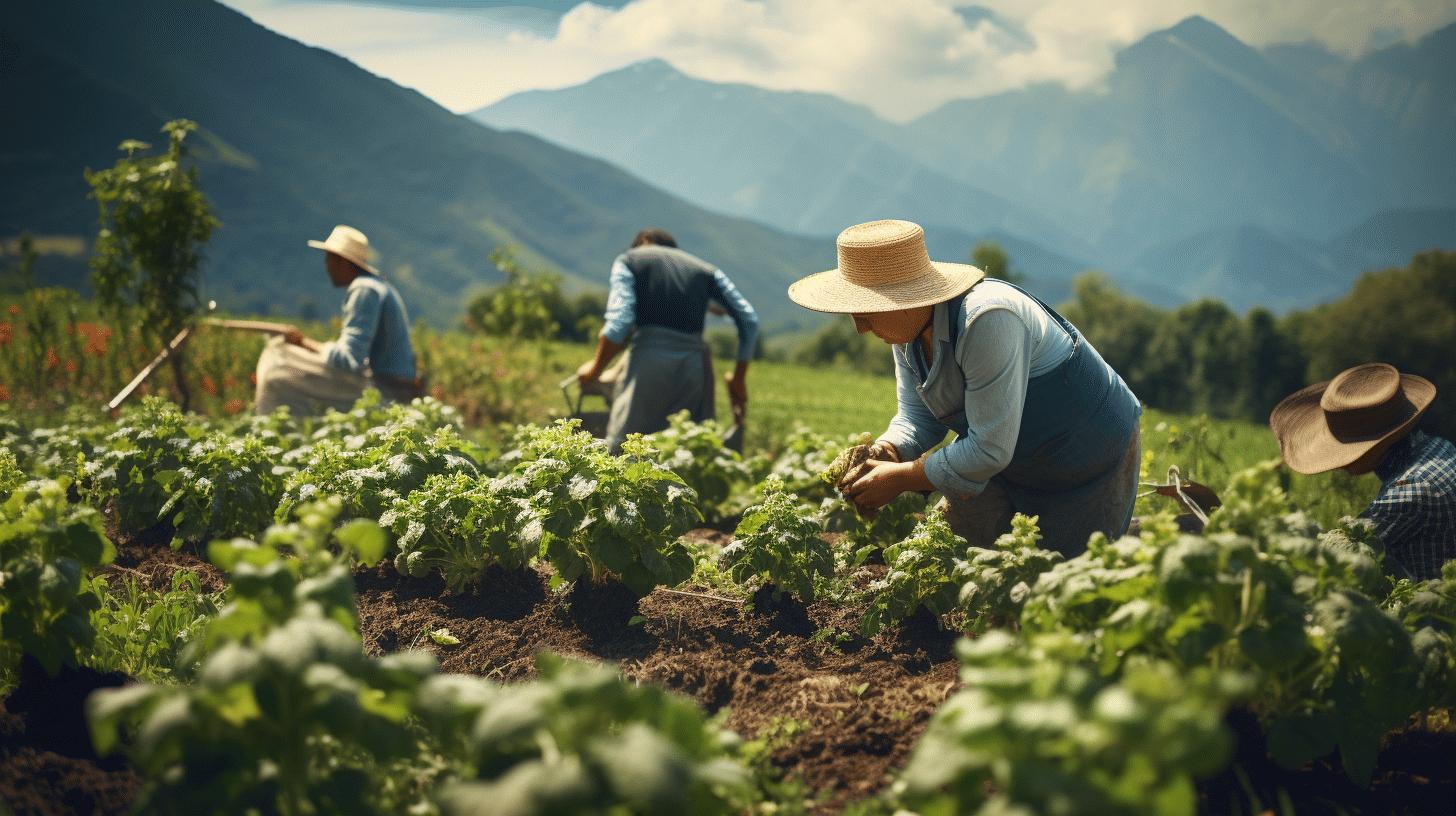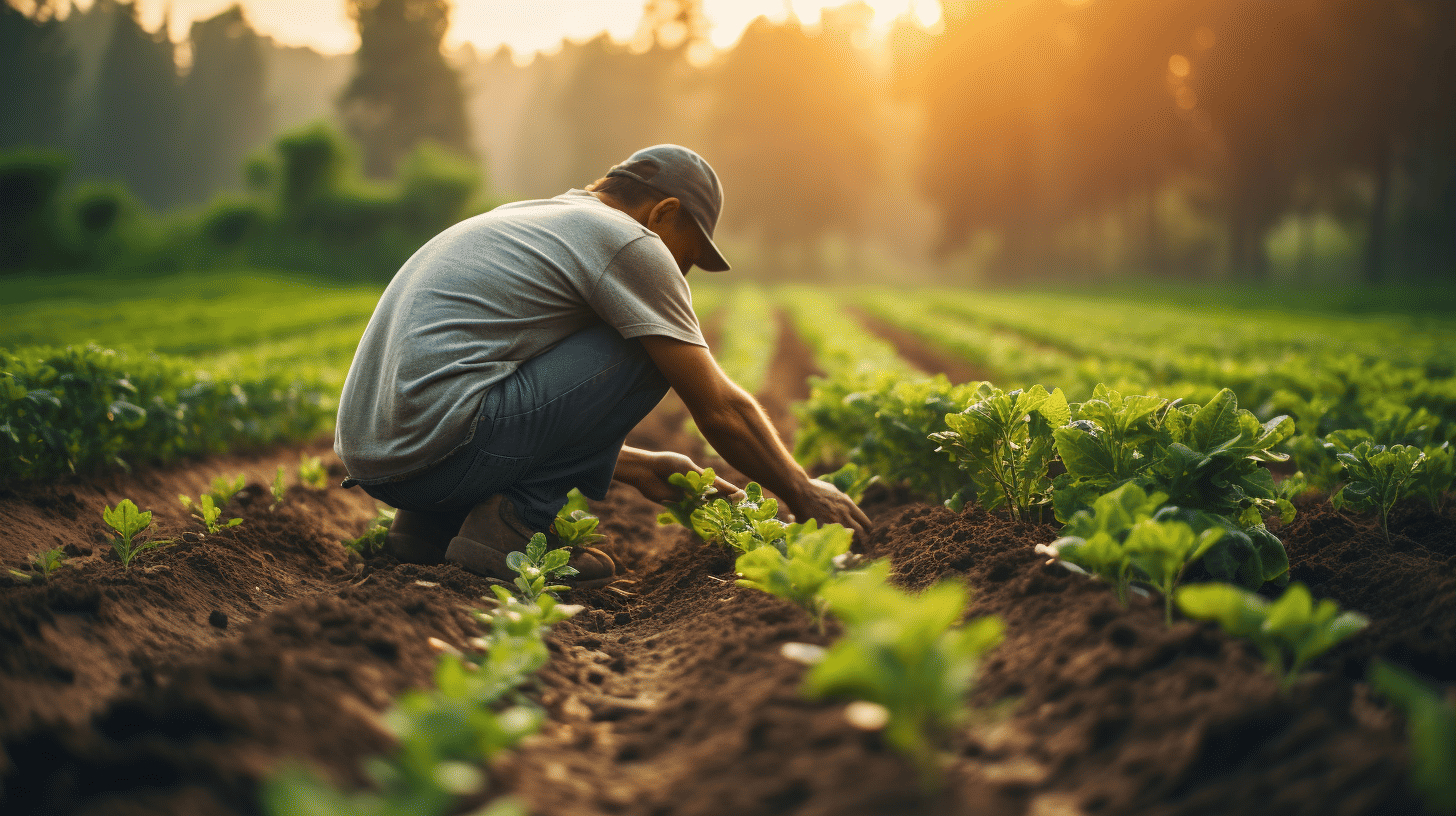
When it comes to sustainable farming practices, one of the most crucial aspects that farmers need to focus on is building healthy soils. Soil health is the foundation of successful agriculture, as it directly impacts crop productivity, environmental sustainability, and the overall health of our planet.
In this article, we will explore the importance of soil health, various soil management practices that contribute to its improvement, and the benefits that healthy soils bring to both farmers and the environment. We will also delve into techniques for enhancing soil health, reducing the need for chemical inputs, and ultimately, achieving long-term sustainability in agriculture.
So, whether you are a seasoned farmer looking to optimize your soil management practices or someone interested in sustainable farming methods, this article will provide you with essential tips and insights on building healthy soils. Let’s dig in and discover how healthy soils pave the way for a more sustainable future in agriculture.
Importance of Soil Health
Soil health is often overlooked, but it plays a critical role in maintaining the overall well-being of our planet. Healthy soil is vital for sustaining plant growth, supporting biodiversity, and ensuring food security for future generations. Understanding the importance of soil health is essential for addressing global challenges such as climate change, food scarcity, and environmental degradation.
Definition of Soil Health
To truly appreciate the significance of soil health, we must first understand what it entails. Soil health refers to the capacity of soil to function as a vital living ecosystem, supporting plant growth, microbial activity, nutrient cycling, and water filtration. It is not merely the absence of harmful substances or contaminants, but rather the presence of a well-balanced and thriving soil system.
A healthy soil ecosystem is characterized by:
- Good soil structure that allows for proper water infiltration and root development.
- Sufficient nutrient content and availability to support plant growth.
- Beneficial microbial communities that aid in nutrient cycling and disease suppression.
- Adequate organic matter content, which improves soil fertility and moisture retention.
Global Soil Degradation
Sadly, the state of soil health worldwide is a cause for concern. A third of the soil on Earth has already degraded, with potential future topsoil depletion becoming a real threat. Factors contributing to global soil degradation include:
- Intensive agriculture practices: The use of synthetic fertilizers, pesticides, and heavy machinery can lead to soil compaction, erosion, and depletion of beneficial microbial populations.
- Deforestation: Clearing land for agriculture and urbanization contributes to soil erosion, loss of organic matter, and disruption of natural soil ecosystems.
- Industrial activities: Pollution from industrial processes can contaminate soil, rendering it unsuitable for agriculture and threatening groundwater quality.
- Climate change: Rising temperatures, increased drought, and extreme weather events can exacerbate soil erosion and reduce soil moisture, negatively impacting plant growth.
Impact of Soil Degradation
The consequences of soil degradation are far-reaching and affect various aspects of our lives and the environment. Some key impacts of soil degradation include:
- Loss of agricultural productivity: Degraded soils result in reduced crop yields, which can have devastating consequences for farmers and food security on a global scale.
- Carbon loss and climate change: Soils store large amounts of carbon, but unsustainable agricultural practices contribute to carbon loss. It is estimated that 50-70% of carbon loss in soils is due to these practices, leading to increased greenhouse gas emissions and climate change.
- Biodiversity loss: Soils are home to 25% of global biodiversity. Soil degradation threatens the habitats of countless organisms, impacting ecosystem services such as nutrient cycling, pollination, and natural pest control.
- Economic losses: Soil degradation may lead to $23 trillion in global losses by 2050, primarily through reduced agricultural productivity and increased costs for soil remediation and restoration.
- Environmental impact: Soil degradation contributes to water pollution, as eroded soil particles and contaminants can enter water bodies, affecting water quality and aquatic ecosystems.
The gravity of soil degradation is evident not only on a global scale but also at regional levels. For instance, the European Union’s soil health dashboard reveals that 61% of EU soils are in an unhealthy state. Similarly, in countries like India, soil degradation poses a significant challenge that contributes to debt and poverty.
Understanding the importance of soil health is the first step towards implementing sustainable practices that can mitigate soil degradation and ensure the well-being of our planet and future generations. By adopting regenerative agricultural practices, conserving land resources, and prioritizing soil health, we can contribute to a more sustainable and resilient environment.
Soil Management Practices
When it comes to sustainable agriculture, soil management practices play a crucial role in maintaining soil health and productivity. By implementing effective strategies, farmers can improve soil structure, promote nutrient cycling, and minimize erosion. In this article, we will explore some key soil management practices that are widely adopted in modern farming.
Organic Farming Practices
Organic farming practices are gaining popularity due to their focus on sustainable and environmentally friendly approaches. These practices prioritize the health of the soil and aim to minimize the use of synthetic fertilizers and pesticides. By adhering to organic farming principles, farmers can:
- Enhance soil biodiversity by supporting beneficial organisms such as earthworms and beneficial bacteria.
- Reduce soil erosion by promoting the growth of vegetation through crop rotations and cover cropping.
- Improve soil fertility through the use of organic matter, such as compost and manure, which provide essential nutrients to the soil.
Cover Cropping
Cover cropping involves planting specific crops during fallow periods or alongside cash crops. These cover crops serve multiple purposes, benefiting the soil in various ways. Some advantages of cover cropping include:
- Preventing soil erosion by covering the soil surface and reducing the impact of rainfall.
- Adding organic matter to the soil when cover crops are incorporated into the soil.
- Fixing nitrogen from the atmosphere, enriching the soil with this essential nutrient.
- Breaking pest and disease cycles by disrupting their lifecycle through the use of different plant species.
Crop Rotation
Crop rotation is a practice that involves alternating the types of crops grown in a specific area over time. This strategy offers several benefits for soil health and helps manage pests and diseases. Key advantages of crop rotation include:
- Balancing nutrient uptake and reduction of nutrient depletion by alternating nutrient-demanding crops with nitrogen-fixing legumes.
- Disrupting pest and disease cycles by interrupting their food source and preferred habitat.
- Managing weeds by rotating crops that have different weed pressure, leading to a reduction in weed populations.
- Improving soil structure and water-holding capacity by varying the root architectures and organic matter input from different crops.
Reduced Tillage
Traditionally, tillage has been used to prepare the soil for planting by mechanically disrupting its structure. However, reduced tillage practices aim to minimize soil disturbance and preserve soil health. Some benefits of reduced tillage include:
- Preventing soil erosion and compaction by leaving crop residues on the soil surface.
- Preserving soil organic matter and moisture, which contribute to soil fertility and water availability for plant growth.
- Enhancing soil structure by allowing beneficial soil organisms to thrive, such as earthworms and mycorrhizal fungi.
- Reducing fuel and labor costs associated with intensive tillage operations.
Optimized Nutrient Applications
Efficient nutrient management is vital for sustainable soil fertility and crop productivity. Optimized nutrient applications involve carefully assessing the nutrient requirements of crops and applying fertilizers accordingly. Some advantages of optimized nutrient applications include:
- Minimizing nutrient runoff and leaching, which can contribute to water pollution.
- Maximizing nutrient use efficiency by matching the timing and rate of nutrient application with the crop’s growth stages.
- Reducing the risk of nutrient imbalances, which can lead to crop nutrient deficiencies or toxicities.
- Improving overall soil health by avoiding nutrient excesses that can harm soil biology.
By implementing these soil management practices, farmers can enhance soil health, mitigate environmental impacts, and ensure sustainable agricultural practices for future generations. So, whether it’s through organic farming practices, cover cropping, crop rotation, reduced tillage, or optimized nutrient applications, prioritizing soil management is key to a thriving and resilient agricultural system.
Benefits of Healthy Soils
When it comes to agriculture and environmental sustainability, healthy soils play a crucial role in providing numerous benefits. Not only do they support increased crop productivity, but they also have a positive impact on the environment and contribute to carbon sequestration. Let’s explore these benefits in more detail:
Crop Productivity
One of the primary advantages of healthy soils is their ability to enhance crop productivity. When soil health is optimized, it creates an ideal environment for plants to thrive and reach their full potential. Here are some ways in which healthy soils contribute to increased crop yields:
- Nutrient availability: Healthy soils are rich in essential nutrients like nitrogen, phosphorus, and potassium, which are vital for plant growth. These nutrients are made available to plants through the soil’s organic matter, resulting in healthier and more productive crops.
- Water holding capacity: Healthy soils have good water holding capacity, allowing them to retain moisture for longer periods. This is particularly beneficial during dry spells or drought conditions, as it ensures that plants have adequate access to water, reducing the risk of wilting and stunted growth.
- Improved root development: Healthy soils provide an optimal environment for root growth. With well-structured soils that are rich in organic matter, plant roots can penetrate deep into the soil, accessing water and nutrients more efficiently. This leads to stronger root systems and healthier plants.
Environmental Impact
Healthy soils not only benefit crop production, but they also contribute to a more sustainable environment. By implementing sustainable soil management practices, farmers and landowners can reduce the negative impacts of agriculture on the ecosystem. Here’s how healthy soils positively impact the environment:
- Reduced erosion: Healthy soils have a strong structure that helps prevent erosion. When soil is healthy, it can better withstand the forces of wind and water, preventing valuable topsoil from being washed or blown away. This leads to better soil retention and reduces sedimentation in water bodies, protecting water quality.
- Enhanced biodiversity: Healthy soils support a diverse community of microorganisms, insects, and other organisms. This biodiversity is crucial for maintaining a balanced ecosystem and supporting the natural processes that contribute to soil fertility and nutrient cycling.
Carbon Sequestration
In addition to supporting crop productivity and preserving the environment, healthy soils also play a role in mitigating climate change. Healthy soils act as a significant carbon sink, helping to reduce the amount of carbon dioxide in the atmosphere. Here’s how this process, known as carbon sequestration, occurs:
- Increased organic matter: Healthy soils have higher levels of organic matter, which consists of decomposed plant and animal material. This organic matter stores carbon within the soil, preventing it from being released into the atmosphere as carbon dioxide, a potent greenhouse gas.
- Long-term carbon storage: When soil organic matter is properly managed through practices like cover cropping and reduced tillage, the stored carbon can remain in the soil for extended periods. This helps to mitigate climate change by reducing greenhouse gas emissions and offsetting the carbon footprint of agricultural activities.
In conclusion, healthy soils offer a wide range of benefits, from supporting increased crop productivity and preserving the environment to contributing to carbon sequestration. By implementing sustainable soil management practices, we can optimize soil health and ensure a more sustainable future for agriculture and the planet as a whole.
Practices for Improving Soil Health
Healthy soil is the foundation of a successful garden or farm. It’s the key to growing vibrant plants and producing high-quality crops. However, soil health is not something that happens automatically. It requires deliberate practices and strategies to nurture and improve the soil over time. In this article, we will explore four essential practices for improving soil health: minimizing soil disturbance, maximizing soil cover, maximizing biodiversity, and incorporating organic and inorganic amendments.
Minimize Soil Disturbance
When it comes to soil health, less is often more. Minimizing soil disturbance is crucial to maintaining soil structure and microbial activity. Here’s why:
- Soil structure: Disturbing the soil through excessive tilling or plowing can break up soil aggregates and destroy the natural networks that allow for water infiltration and root growth.
- Microbial activity: Healthy soil contains a thriving community of beneficial microbes that play a vital role in nutrient cycling and disease suppression. Excessive soil disturbance can disrupt their habitat and negatively impact soil fertility.
To minimize soil disturbance, gardeners and farmers can adopt practices such as:
- Reduced tillage: Limiting the use of mechanical tillage and opting for minimal disturbance methods like no-till or strip-till systems.
- Cover cropping: Planting cover crops during the off-season helps protect the soil from erosion and compaction while also increasing organic matter content.
Maximize Soil Cover
Soil erosion is a significant threat in many agricultural systems, but it can be mitigated by maximizing soil cover. Here’s how this practice benefits soil health:
- Erosion prevention: A layer of plant residue or cover crops on the soil surface acts as a protective blanket, preventing erosion caused by wind and water.
- Water infiltration: By covering the soil, you reduce the impact of heavy rainfall, allowing water to infiltrate slowly rather than running off the surface. This helps replenish groundwater and reduces the risk of flooding.
To maximize soil cover, you can:
- Mulch: Apply organic materials like straw, wood chips, or compost to cover the soil surface around plants or across a whole garden bed. This helps retain moisture, suppress weeds, and protect the soil.
- Plant cover crops: Sow cover crops that grow rapidly and provide a dense cover to the soil, protecting it from erosion during fallow periods.
Maximize Biodiversity
Promoting biodiversity in the soil is essential for soil health. A diverse community of organisms helps maintain soil fertility and resilience. Here’s why biodiversity matters:
- Nutrient cycling: Different organisms, such as earthworms, bacteria, and fungi, contribute to the breakdown of organic matter and the release of nutrients that can be readily absorbed by plants.
- Disease suppression: A diverse soil ecosystem can help suppress soil-borne diseases by promoting beneficial microorganisms that compete with harmful pathogens.
- Improved soil structure: Soil-dwelling organisms like earthworms create tunnels and burrows, improving soil structure, water infiltration, and root penetration.
To maximize biodiversity in the soil, you can:
- Use crop rotation: Rotate different crops with different nutrient requirements to prevent the build-up of pests and diseases and promote diverse microbial communities.
- Avoid excessive pesticide use: Minimize the use of synthetic pesticides that can harm beneficial organisms in the soil.
Incorporate Organic and Inorganic Amendments
Enriching the nutrient content of the soil is crucial for promoting healthy plant growth. Organic and inorganic amendments can provide the necessary nutrients and improve soil fertility. Here’s how:
- Organic amendments: Adding organic matter like compost, manure, or cover crops increases soil organic carbon, improves soil structure, and enhances nutrient-holding capacity.
- Inorganic amendments: Supplementing the soil with mineral fertilizers can provide essential macronutrients and micronutrients that may be deficient in the soil.
When incorporating amendments, it’s important to:
- Test the soil: Conduct regular soil testing to determine nutrient levels and pH, helping you make informed decisions on the type and amount of amendments to add.
- Follow recommended rates: Over-applying amendments can lead to nutrient imbalances or environmental pollution, so it’s important to follow recommended application rates.
By following these practices, gardeners and farmers can enhance soil health, leading to improved plant growth, increased crop yields, and a more sustainable and resilient agricultural system. Remember, taking care of the soil is an investment in the future of your garden or farm.
Reducing the Need for Chemical Inputs
In today’s agricultural practices, reducing the need for chemical inputs is becoming increasingly important. Farmers and growers are realizing the negative impacts of excessive chemical usage on soil health, ecosystem biodiversity, and human health. By adopting sustainable soil management practices, we can minimize our reliance on costly chemical inputs while promoting long-term soil health and productivity. These practices focus on enhancing soil fertility, improving nutrient cycling, and promoting beneficial soil organisms.
Understanding Soil Management Practices
Implementing effective soil management practices is a key step towards reducing the need for chemical inputs. By understanding the soil’s composition, structure, and nutrient availability, farmers can tailor their management techniques accordingly. Some essential soil management practices include:
- Regular soil testing: Conducting soil tests can help determine the nutrient content and pH levels of the soil, providing valuable insights for nutrient management strategies.
- Nutrient management planning: Developing precise nutrient management plans based on soil test results can optimize fertilizer use, preventing over-application and subsequent leaching into water bodies.
- Crop rotation: Rotating different crops in a specific sequence helps break pest cycles, improve overall soil health, and maintain nutrient balance.
Benefits of Organic Fertilizers
Organic fertilizers, derived from natural sources such as compost, manure, and plant residues, are valuable alternatives to synthetic fertilizers. They offer several benefits for soil health:
- Adding organic matter: Organic fertilizers increase the organic matter content in the soil, enhancing its structure, moisture-holding capacity, and nutrient-retaining ability.
- Microbial activity: Organic fertilizers support the growth and activity of beneficial soil microorganisms, such as bacteria and fungi, which contribute to nutrient cycling and disease suppression.
- Slow-release of nutrients: Unlike synthetic fertilizers, organic fertilizers release nutrients slowly over time, ensuring a steady supply for plants and minimizing nutrient loss through leaching.
Reduced Tillage and Soil Compaction
Excessive tillage and soil compaction can degrade soil structure, negatively impacting its physical and biological properties. Implementing reduced tillage practices and minimizing soil compaction can have significant benefits:
- Preservation of soil structure: Reduced tillage practices, such as minimal till or no-till systems, protect the soil’s natural structure, allowing for better water infiltration, root development, and air exchange.
- Erosion prevention: By reducing soil disturbance, erosion risks from wind and water are minimized, preserving valuable topsoil and preventing nutrient loss.
- Enhanced water holding capacity: Compacted soils have reduced porosity, leading to poor water infiltration and drainage. Reducing soil compaction improves water-holding capacity, ensuring plants have access to water during dry periods.
Cover Cropping
Cover cropping, the practice of growing specific crops between main cash crops, offers numerous benefits for soil health:
- Erosion control: Cover crops provide ground cover, reducing soil erosion caused by wind and water.
- Weed suppression: Certain cover crops can outcompete weeds, reducing the need for herbicides and promoting a healthier ecosystem.
- Nutrient cycling: Cover crops capture nutrients from the soil and make them available to subsequent cash crops, improving nutrient cycling efficiency and reducing fertilizer needs.
In conclusion, by adopting sustainable soil management practices, such as using organic fertilizers, implementing reduced tillage methods, and incorporating cover cropping, farmers and growers can reduce their reliance on chemical inputs. These practices not only promote soil health and productivity but also contribute to a more sustainable and environmentally friendly agricultural system.
Conclusion
In conclusion, building healthy soils is an essential component of sustainable farming practices. By prioritizing soil health and implementing regenerative agricultural techniques, farmers can not only increase crop productivity but also contribute to positive environmental outcomes.
Through organic farming practices, cover cropping, crop rotation, reduced tillage, and optimized nutrient applications, farmers can improve soil structure, enhance nutrient availability, and promote beneficial soil microorganisms. These practices help to minimize soil degradation and erosion, while also supporting biodiversity and carbon sequestration.
By reducing the need for chemical inputs and embracing organic fertilizers, farmers can reduce environmental pollution and promote the long-term health of their soil. Practices such as reduced tillage and soil compaction management, as well as cover cropping, play a crucial role in reducing soil erosion and improving soil moisture retention.
Incorporating these practices into farming systems not only benefits the environment but also provides financial benefits to farmers. Healthy soils have been shown to increase crop yields, reduce the need for costly inputs, and improve the overall resilience of agricultural systems.
At Regenerative Agriculture Wiki, we are dedicated to providing comprehensive resources and information on regenerative farming practices. Through our platform, farmers, environmentalists, and curious individuals can learn more about the potential of regenerative agriculture and take part in fostering a future where agriculture and ecology thrive in harmony.
Join us in embracing regenerative agriculture and contribute to a sustainable and thriving food system. Together, we can make a positive impact on the environment while ensuring food security for future generations.
Explore more about regenerative agriculture on our website and take the first step towards a sustainable future.
Frequently Asked Questions
- Why is building healthy soils important for sustainable farmers?
Building healthy soils is important for sustainable farmers because it improves soil fertility, enhances crop productivity, retains water, reduces erosion, promotes biodiversity, and reduces the need for synthetic fertilizers and pesticides.
- What are some essential tips for building healthy soils?
Some essential tips for building healthy soils include: 1. Adding organic matter such as compost and cover crops, 2. Avoiding excessive tillage, 3. Rotating crops, 4. Using organic fertilizers and amendments, and 5. Implementing soil conservation practices.
- How does adding organic matter improve soil health?
Adding organic matter to the soil improves its structure, water holding capacity, and nutrient content. It supports beneficial soil organisms, enhances soil aggregation, and increases the soil’s ability to store carbon.
- What are the benefits of crop rotation for soil health?
Crop rotation helps break pest and disease cycles, reduces nutrient depletion, promotes biodiversity, improves soil structure, and enhances nutrient availability. It also reduces the risk of erosion and enhances long-term soil health.
- Do sustainable farmers need to use synthetic fertilizers and pesticides?
No, sustainable farmers aim to minimize or eliminate the use of synthetic fertilizers and pesticides. They rely on organic fertilizers, natural pest management techniques, and building healthy soils to maintain the health and productivity of their farms.