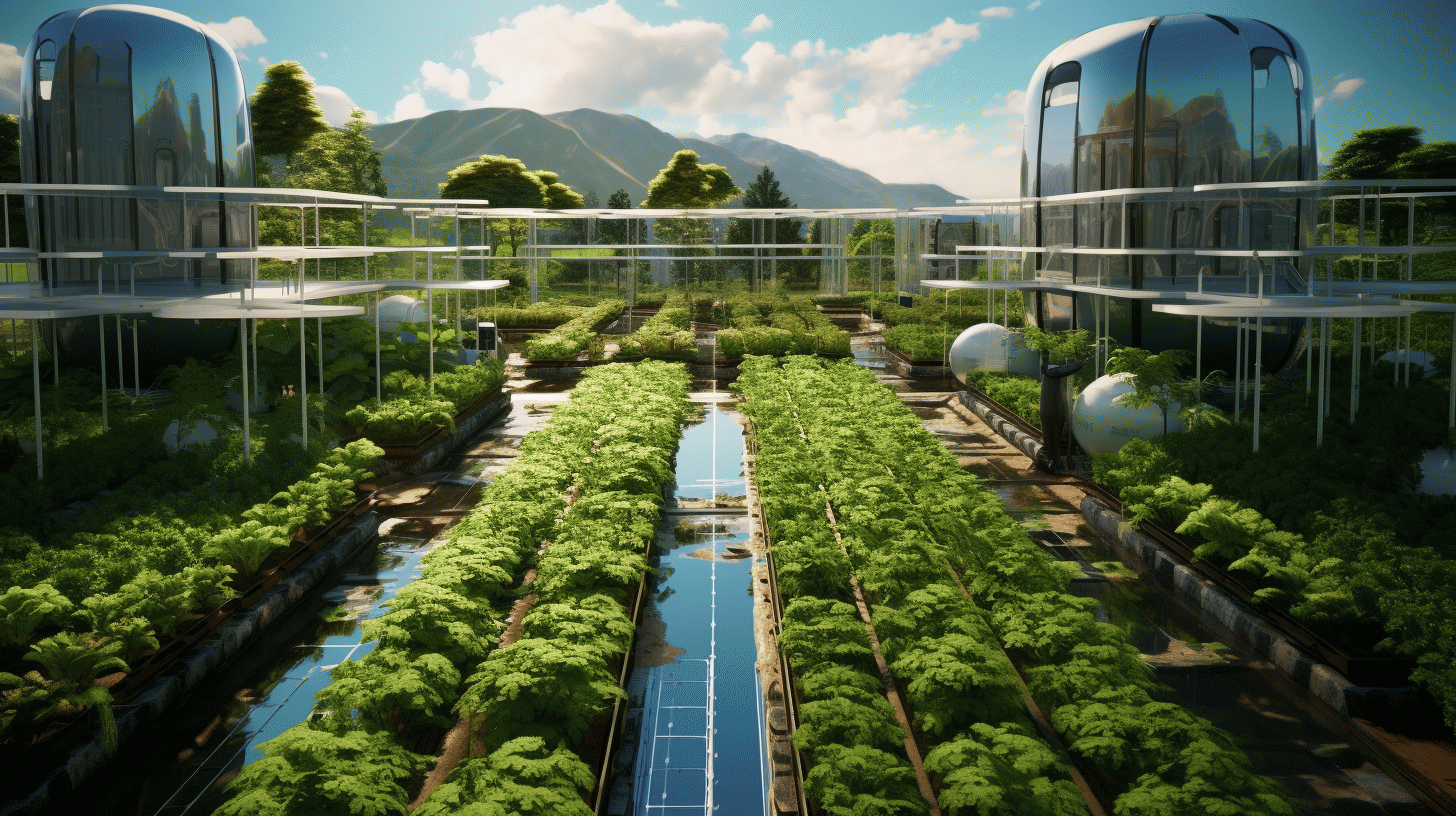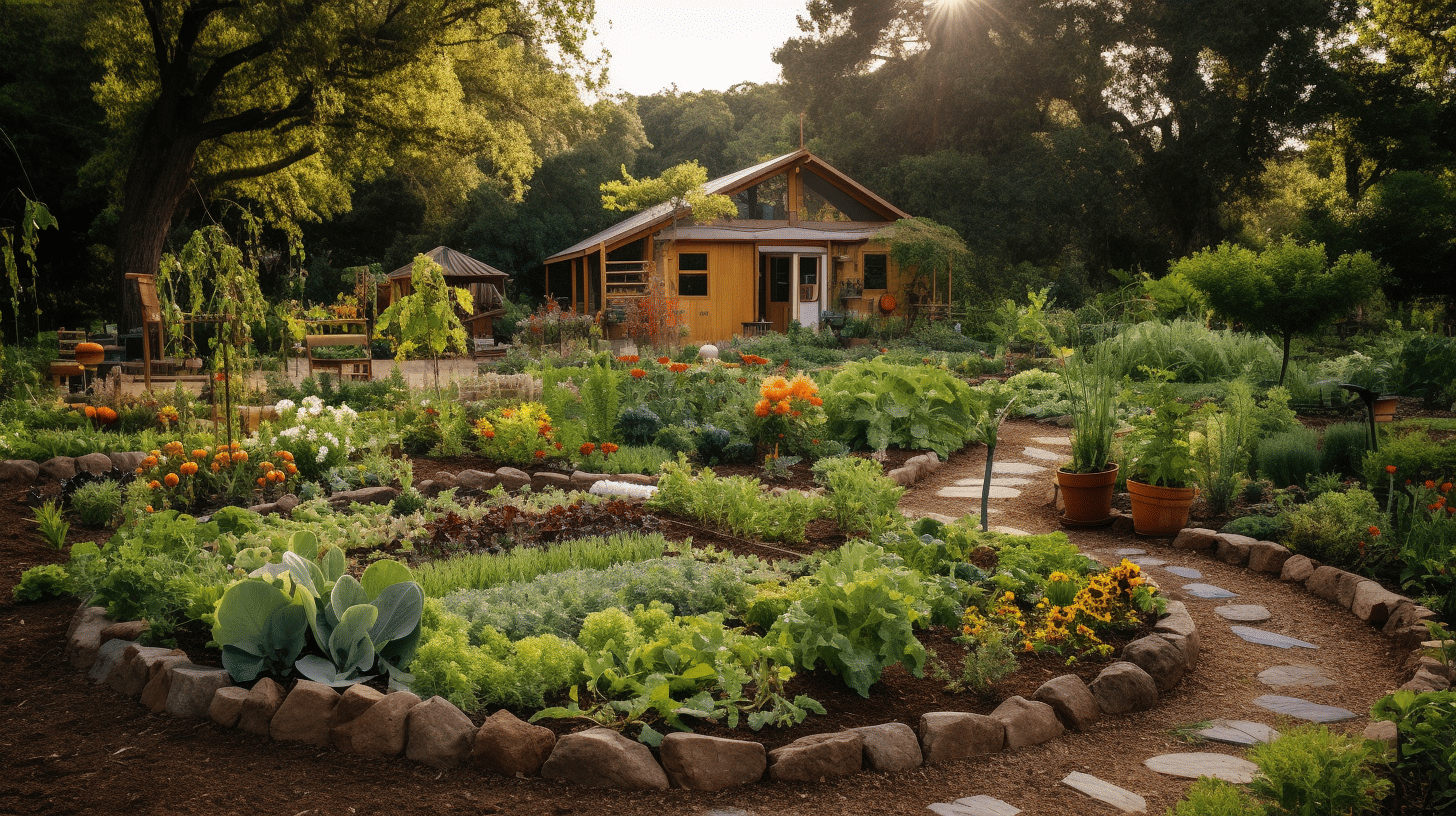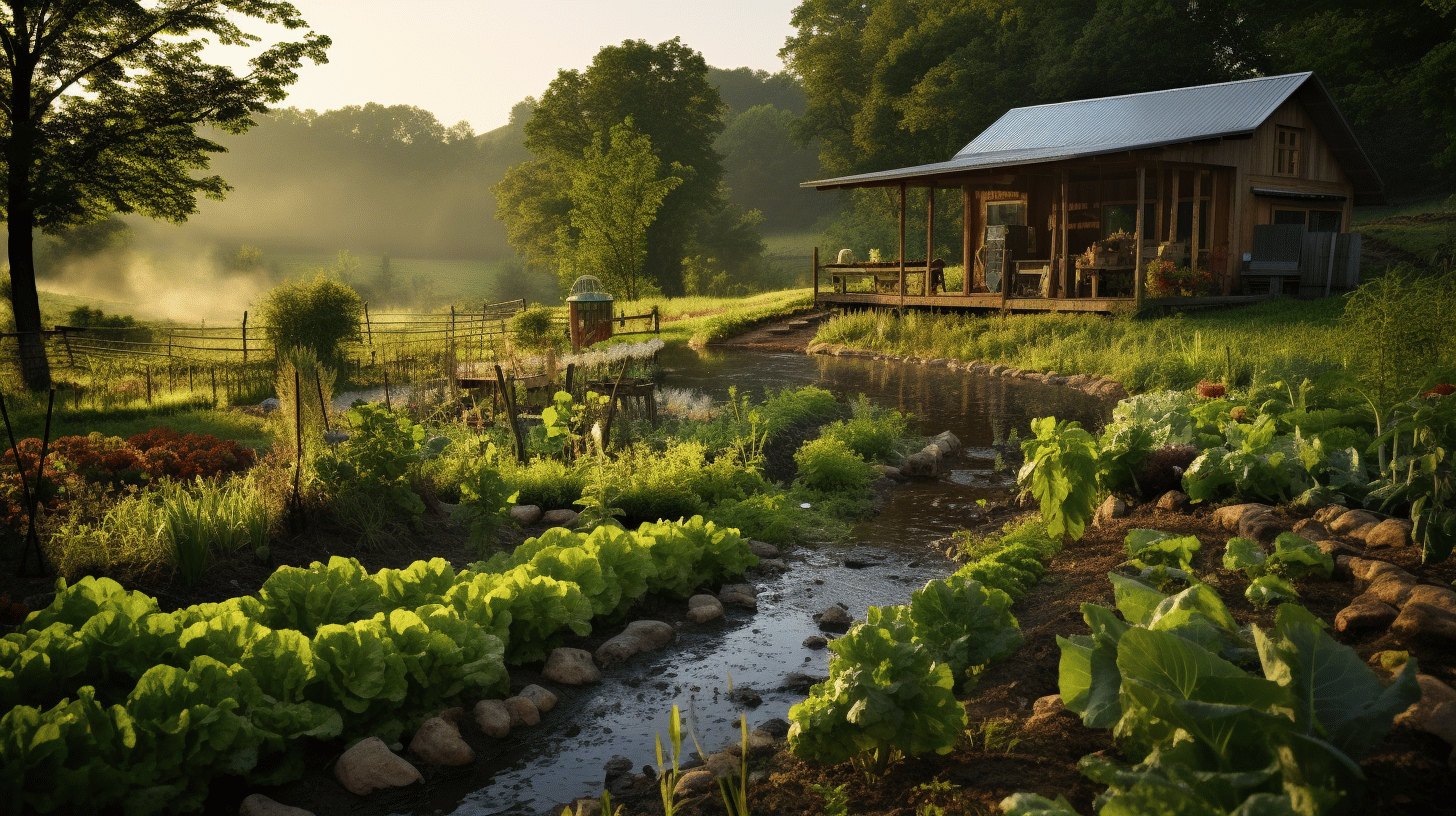
Permaculture for Sustainable Farmers: Designing Productive Polycultures
Whether you are a seasoned farmer or someone who is just starting to delve into sustainable agriculture, permaculture and polycultures are two concepts that you should definitely pay attention to. In this article, we will explore the world of permaculture and how its principles can be applied to design productive and resilient polyculture gardens.
Permaculture, a term coined in the 1970s by Bill Mollison and David Holmgren, combines the words “permanent” and “agriculture.” It is an approach to farming that aims to create sustainable and self-sufficient systems that mimic the patterns and relationships found in nature. By observing the natural world carefully, permaculture provides a framework for designing landscapes that are not only productive but also regenerative.
Polycultures, on the other hand, refer to the practice of growing multiple plant species together in a single plot of land. In contrast to monoculture farming, where a single crop dominates a large area, polycultures promote biodiversity and ecological resilience. By diversifying plant species within a single garden, polyculture farmers aim to create thriving ecosystems that harness the power of interplanting, companion planting, and natural pest control mechanisms.
In the upcoming sections, we will delve deeper into the definitions of permaculture and polycultures, explore effective permaculture techniques and practices, and understand the role of polycultures within the broader permaculture framework. We will also discuss the importance of observing and replicating natural ecosystems in permaculture design and provide strategies for implementing permaculture principles in your own polyculture gardens.
So, if you’re ready to dive into the world of permaculture and discover how it can transform your farming practices, let’s get started on this exciting journey!
Understanding Permaculture and Polycultures
Permaculture and polycultures are two concepts that go hand in hand when it comes to sustainable, regenerative farming practices. In this section, we will delve into a detailed understanding of both terms and explore their significance in the realm of agriculture.
Definition of Permaculture
Permaculture is a holistic approach to farming that focuses on creating sustainable and self-sufficient ecosystems. It is based on the principles of observation, mimicking natural patterns, and optimizing the use of available resources. The goal of permaculture is to design agricultural systems that are not only productive but also environmentally friendly.
Definition of Polycultures
Polycultures, on the other hand, are planting systems that involve growing multiple plant species on the same plot of land. Unlike monocultures, where only one crop is grown, polycultures mimic natural ecosystems by promoting biodiversity and enhancing the overall health of the soil. In a polyculture, each plant serves a purpose, whether it’s fixing nitrogen, deterring pests, or providing ground cover to prevent erosion.
Polycultures are two or more useful plants grown on the same plot, usually at the same time, mimicking natural ecosystems.
Permaculture techniques and practices
Permaculture encompasses a wide range of techniques and practices that aim to create sustainable farming systems. Some of the key techniques used in permaculture include:
- Zone design: Permaculture farms are often designed in zones based on the frequency of human intervention required. Zone 1, located closest to the living space, consists of high-maintenance plants and crops that require frequent attention. Zones further away from the living space have progressively lower maintenance requirements.
- Use of perennial species: Permaculture farmers emphasize the use of perennial plants that live for multiple seasons. Perennials help to build soil fertility, prevent soil erosion, and provide long-term yields.
- Companion planting: Companion planting is a practice where plants with complementary characteristics are grown together to enhance overall growth and pest control. For example, planting tomatoes with basil can repel pests and improve tomato growth.
The role of polycultures in permaculture
Polycultures play a vital role in permaculture farming practices. By growing multiple plant species together, polycultures help to:
- Increase biodiversity: Polycultures promote biodiversity by creating habitats for a variety of beneficial insects, birds, and microorganisms. This enhances the overall resilience and stability of the ecosystem.
- Enhance pest control and disease resistance: Different plants in a polyculture can help deter pests or attract beneficial insects that prey on pests. This reduces the need for chemical pesticides and promotes a natural balance within the ecosystem.
- Improve soil health: Polycultures contribute to the improvement of soil health by enhancing nutrient cycling and preventing soil erosion. Each plant species plays a unique role in providing organic matter, fixing nitrogen, or improving soil structure.
In conclusion, permaculture and polycultures form an integral part of sustainable agriculture. By implementing permaculture principles and incorporating polycultures, farmers can create resilient, productive, and environmentally-friendly farming systems that benefit both humans and the planet.
The Natural Capital™ Plant Database: A Tool for Permaculture Farmers
Overview
For permaculture farmers, the Natural Capital™ Plant Database is a valuable resource that offers a wealth of information and tools to enhance their sustainable farming practices. With over 2800 plants in its extensive database, this tool provides access to a diverse range of plant species, each with its own unique characteristics and benefits.
Developed with the specific needs of permaculture farmers in mind, the Natural Capital™ Plant Database goes beyond a simple list of plants. It offers detailed information on each species, including growth habits, climatic requirements, soil preferences, and potential uses. This comprehensive data empowers farmers to make informed decisions when selecting plants for their permaculture systems.
But the Natural Capital™ Plant Database doesn’t stop at plant descriptions. It goes a step further by providing valuable design tools that aid in permaculture planning and implementation. These tools include:
- Companion Planting Guide: Discover which plants thrive together and can support each other’s growth through mutual benefits such as pest control and nutrient cycling.
- Succession Planting Planner: Optimize your planting schedule by planning for crop rotation and staggered harvests, ensuring a continuous supply of fresh produce throughout the growing season.
- Polyculture Design Tool: Create diverse and resilient planting schemes by designing interrelated plant communities that mimic natural ecosystems, maximizing the use of space and resources.
- Guild Builder: Explore the concept of plant guilds, which are carefully selected groups of plants that work synergistically to create a self-sustaining mini ecosystem. The Guild Builder tool helps permaculture farmers create and visualize these guilds for improved farm productivity.
Usage of the database by permaculture farmers
The Natural Capital™ Plant Database has seen tremendous usage by permaculture farmers, with over 7000 active users in October 2021. This indicates the growing popularity and relevance of permaculture techniques in modern agriculture.
By accessing the database, permaculture farmers are able to:
- Make informed plant choices: With detailed plant descriptions and specifications, farmers can select species that are best suited to their specific climate, soil type, and desired function within their permaculture system.
- Design resilient and diverse systems: The design tools provided by the Natural Capital™ Plant Database empower farmers to create permaculture systems that are not only productive but also regenerative and sustainable. By integrating companion plants, succession planting, and guilds, farmers can harness the power of ecological relationships to improve the overall health and resilience of their farm ecosystems.
- Optimize resource utilization: With the database’s extensive plant information and design tools, permaculture farmers can maximize the use of available resources, such as space, water, and nutrients. This leads to higher yields, reduced waste, and increased efficiency in resource utilization.
- Promote biodiversity and habitat creation: By selecting a wide range of plant species and designing diverse planting schemes, permaculture farmers contribute to the conservation of biodiversity and the creation of habitat for beneficial insects, birds, and other wildlife. This fosters a more balanced and resilient ecosystem on their farms.
In conclusion, the Natural Capital™ Plant Database is an invaluable tool for permaculture farmers. It provides a comprehensive plant resource with detailed information and design tools that enable farmers to make informed choices, design resilient systems, optimize resource utilization, and promote biodiversity. With its user-friendly interface and growing community of users, this database is revolutionizing the way permaculture is practiced and contributing to the advancement of sustainable agriculture.
Importance of Observation and Replication of Natural Ecosystems
Observation and replication of natural ecosystems are key to efficient permaculture design, maximizing diversity with polycultures. By studying and imitating the way nature functions, permaculturists can create sustainable and productive systems that mimic the resilience and productivity of natural ecosystems.
Permaculture design principles
Permaculture, a combination of “permanent” and “agriculture,” is an approach to designing sustainable human settlements that are ecologically harmonious and economically viable. It is guided by a set of ethics and principles that emphasize observation, replication, and integration with the natural environment.
These are some of the permaculture design principles that showcase the importance of observation and replication of natural ecosystems:
- Observe and interact: By spending time observing and understanding the natural systems in a particular location, permaculture designers can make informed decisions about what plants, animals, and elements to incorporate into their design.
- Use edges and value the marginal: Natural ecosystems are filled with edges and transitions, such as the edge between a forest and a meadow or the transition zone between a river and a wetland. Permaculture designs replicate and maximize these edges, recognizing that they are often the most productive and diverse areas.
- Obtain a yield: Permaculture systems are created with the objective of producing useful outputs, whether it’s food, energy, or other resources. By observing and replicating natural ecosystems, permaculturists can design productive landscapes that provide a wide range of yields.
- Apply self-regulation and accept feedback: Natural ecosystems are self-regulating, with feedback loops that help maintain balance and resilience. By observing and replicating these feedback mechanisms, permaculture designs can also become self-regulating, reducing the need for external inputs and interventions.
Maximizing diversity with polycultures
One of the key benefits of observing and replicating natural ecosystems is the ability to maximize diversity through the use of polycultures. Polycultures are a mix of different plant species that are grown together, mimicking the diversity found in natural ecosystems. This approach offers several advantages:
- Enhanced resilience: Natural ecosystems are resilient because they are composed of a diverse array of species. This diversity helps mitigate the impact of pests, diseases, and environmental fluctuations. By replicating this diversity in permaculture designs through polycultures, the system becomes more resilient and less susceptible to disruptions.
- Increased productivity: Polycultures can result in higher overall productivity compared to monocultures, where only one crop is grown. The different plant species in a polyculture often have complementary characteristics, allowing them to occupy different niches and efficiently utilize available resources such as sunlight, water, and nutrients.
- Improved soil health: Growing a diverse range of plant species in a polyculture helps enhance soil health. Each plant has its unique set of root structures and exudates, which contribute to improved soil structure, nutrient cycling, and microbial activity. This, in turn, leads to healthier plants and increased productivity over time.
In conclusion, observation and replication of natural ecosystems play a crucial role in designing sustainable and productive permaculture systems. By studying nature’s patterns and processes, permaculturists can harness the power of diversity and create resilient, self-regulating landscapes that thrive with minimal human intervention.
Strategies for Permaculture Design
Permaculture design is a holistic approach that aims to establish sustainable and self-sufficient ecosystems. By mimicking patterns found in nature, permaculture creates systems that are not only productive but also ecologically balanced. In this article, we will explore two key strategies for permaculture design: creating plant guilds and companion planting, and integrating principles of permaculture design for efficient polyculture gardens.
Creating plant guilds and companion planting
In permaculture, creating plant guilds and practicing companion planting are essential techniques for establishing mutually beneficial relationships among different plants. By carefully selecting plant species that support and complement each other, permaculturists can create resilient and productive ecosystems. Here’s what you need to know:
- Plant guilds: A plant guild is a group of plants that work together to meet each other’s needs and optimize overall productivity. Each plant in the guild plays a unique role, which may include providing shade, fixing nitrogen, attracting beneficial insects, or repelling pests. When designing a plant guild, consider the specific needs and characteristics of each plant to ensure compatibility and maximize benefits.
- Companion planting: Companion planting involves strategically planting different species together to enhance growth and pest control. Certain plants emit natural chemicals that repel pests or attract beneficial insects, making them ideal companions for nearby crops. For example, planting marigolds alongside tomatoes can help deter harmful nematodes, while growing basil near tomatoes can improve their flavor and repel pests like aphids.
Remember: in permaculture, diversity is key. By creating plant guilds and practicing companion planting, you can foster resilience and natural balance within your garden, reducing the need for synthetic inputs and promoting a healthier ecosystem.
Integration of principles of permaculture design for efficient polyculture gardens
Efficiency and productivity are key goals of permaculture design. By integrating the principles of permaculture into the design of polyculture gardens, permaculturists can achieve high yields and minimize inputs. Here are some principles to consider:
- Stacking functions: Stacking functions entails maximizing the use of each element within a system. For example, a fruit tree not only provides delicious fruit but also creates shade, offers habitat for beneficial insects, and can serve as a trellis for climbing plants. By identifying multiple functions for each element, you can make the most of limited space and resources.
- Zoning: Zoning involves organizing elements in a design based on their frequency of use or need for attention. By placing frequently accessed elements closer to your living areas and less demanding elements further away, you can optimize efficiency in maintenance and reduce unnecessary energy expenditure.
- Polyculture planting: Rather than relying solely on monocultures, permaculture emphasizes the benefits of diverse plantings. Polyculture gardens, which combine a variety of plant species, offer numerous advantages including pest and disease management, improved soil fertility, and decreased vulnerability to extreme weather events. By carefully selecting complementary plants and utilizing overlapping growing seasons, you can create a more resilient and bountiful garden.
By integrating these key principles of permaculture design, you can create highly efficient and productive polyculture gardens that require fewer external inputs and have a positive impact on the environment.
In conclusion, creating plant guilds and companion planting, as well as integrating the principles of permaculture design, are crucial strategies for successful permaculture gardens. By implementing these strategies, gardeners can not only achieve higher yields but also promote ecological balance and sustainability. So why not take a step towards a more regenerative and harmonious approach to gardening? Your garden—and the planet—will thank you for it!
Research and Data on Permaculture and Polyculture
Permaculture and polyculture are increasingly popular methods of sustainable agriculture that aim to create harmonious ecosystems and maximize productivity. While these practices have been around for decades, there is still much to learn and discover about their effectiveness and potential benefits. In this section, we will explore the current research efforts and the need for more data in the field of permaculture and polyculture.
Current research efforts
Researchers, scientists, and organizations around the world are actively studying permaculture and polyculture to understand their ecological and economic impacts. They are investigating various aspects, including crop diversity, soil health, pest management, and resource efficiency. These research efforts aim to provide evidence-based insights and practical guidelines for farmers and gardeners interested in adopting these sustainable practices.
Some notable research initiatives include:
- The Permaculture Research Institute: This organization conducts field trials and experiments to explore the effectiveness of permaculture techniques in different climatic conditions and landscapes. They also collaborate with other research institutions to gather data and share their findings with the wider community.
- The Rodale Institute: Known for their pioneering work in organic farming, the Rodale Institute also conducts research on polyculture systems. Their trials examine the benefits of growing diverse crops together, such as improved soil fertility, increased nutrient cycling, and reduced pest pressure.
- Universities and academic institutions: Many universities have established research programs dedicated to permaculture and polyculture. These initiatives involve interdisciplinary collaborations between agronomists, ecologists, economists, and sociologists to study the ecological, social, and economic dimensions of these practices.
The need for more data
While there is a growing body of research on permaculture, the availability of data on polyculture systems is relatively limited. Polyculture involves the cultivation of multiple plant species together, creating mutually beneficial relationships that enhance overall productivity and resilience. However, the intricate dynamics of polycultures make it challenging to draw definitive conclusions without sufficient data.
It is essential to gather more data on polycultures to better understand their potential and optimize their design and management. This data can help answer important questions, such as:
- How does the selection and arrangement of species influence the productivity and stability of polyculture systems?
- What are the long-term effects of polyculture on soil health and biodiversity?
- Can polyculture systems provide sustainable solutions for pest and disease management, reducing the need for synthetic inputs?
To address the scarcity of data, organizations are actively working on building comprehensive data sets to accompany their research. By collecting and analyzing data from diverse polyculture systems, they aim to better quantify the benefits and challenges associated with these practices. This data will not only contribute to scientific knowledge but also equip farmers and gardeners with evidence-based recommendations for implementing successful polyculture systems.
In conclusion, while research on permaculture has made significant strides, there is still a need for more data on polyculture systems. Ongoing research efforts and collaborations among organizations and academic institutions play a crucial role in expanding our understanding of these sustainable agricultural practices. With continued research and data collection, we can unlock the full potential of permaculture and polyculture, promoting a more sustainable and resilient future for agriculture.
Benefits of Permaculture
Permaculture, a sustainable and holistic approach to land management, offers a multitude of benefits across various land uses. From promoting sustainable farming practices to enhancing biodiversity, permaculture has a positive impact on both the environment and communities.
Varied Land Uses
Permaculture is not limited to just food production. Its principles can be applied to a wide range of land uses, including homes, communities, and landscaping. This versatile approach allows individuals and communities to create sustainable and resilient systems that work harmoniously with nature.
In a permaculture-designed home, for example, energy-efficient designs and renewable energy sources can be incorporated to reduce environmental impact. Rainwater harvesting systems and greywater recycling can also be implemented, reducing water consumption and promoting water conservation.
When it comes to communities, permaculture fosters resilience and self-sufficiency. By adopting permaculture practices, communities can create local food systems, reducing dependency on external sources and enhancing food security. Community gardens and cooperatives can also bring people together, fostering a greater sense of connection and communal support.
Sustainable Farming Practices
One of the core aspects of permaculture is sustainable farming practices. Traditional agriculture methods often deplete soil nutrients, require excessive water usage, and rely on harmful chemicals. Permaculture, on the other hand, emphasizes regenerative techniques that nourish the soil and promote long-term productivity.
Polyculture gardening, a key component of permaculture, involves designing plant combinations that create mutually beneficial relationships. By diversifying plantings and incorporating companion planting techniques, permaculture systems naturally control pests, reduce the need for synthetic pesticides, and create a healthy, balanced ecosystem.
Enhanced Biodiversity
Permaculture gardens and landscapes are known for their vibrant biodiversity. By creating habitats and ecosystems that mimic the natural environment, permaculture fosters biodiversity and supports a wide range of plant and animal species.
In permaculture systems, diverse plantings attract beneficial insects, birds, and other wildlife, helping to maintain a natural balance and control pests without relying on harmful chemicals. This not only contributes to a healthier environment but also enhances the overall resilience and stability of the ecosystem.
The enhanced biodiversity in permaculture landscapes also offers educational opportunities for individuals and communities. It provides a chance to learn about the interconnectedness of ecosystems and the importance of preserving and protecting biodiversity for the well-being of all living beings.
In conclusion, permaculture offers numerous benefits across varied land uses. From creating sustainable homes and communities to promoting regenerative agriculture and enhancing biodiversity, permaculture is a powerful tool for building resilient and harmonious systems that work in harmony with nature. Embracing permaculture principles can lead to a more sustainable and flourishing future.
Conclusion
In conclusion, permaculture and polycultures offer tremendous benefits for sustainable farmers and anyone interested in regenerative agriculture. By implementing permaculture techniques and incorporating diverse polycultures, farmers can create productive and resilient ecosystems that mimic the efficiency and diversity of natural ecosystems.
Through the use of tools like the Natural Capital™ Plant Database, permaculture farmers can access valuable information to aid in the design and implementation of their polyculture gardens. This database serves as a reliable resource for selecting appropriate plant species and understanding their interactions.
The observation and replication of natural ecosystems form the backbone of permaculture design principles. By closely studying and understanding how nature functions, farmers can maximize diversity, enhance soil health, and promote sustainable agricultural practices.
Strategies such as creating plant guilds and practicing companion planting further contribute to the success of permaculture gardens. By integrating permaculture design principles, farmers can create efficient and thriving ecosystems that work in harmony with nature.
While there is ongoing research on permaculture and polycultures, more data is needed to fully understand their potential and refine farming practices. Continued research efforts will contribute to the widespread adoption of regenerative agriculture practices and further enhance our understanding of their benefits.
Overall, permaculture and polycultures offer varied land uses, sustainable farming practices, and enhanced biodiversity. By embracing these techniques, we can work towards a future where agriculture and ecology thrive together. Visit the Regenerative Agriculture Wiki to explore more about the potential of regenerative agriculture and join us in fostering a sustainable and greener world.
Visit Regenerative Agriculture Wiki to delve into the extensive content available on regenerative agriculture and learn more about sustainable farming practices.
Frequently Asked Questions
- What is permaculture and how does it relate to sustainable farming?
Permaculture is an approach to designing sustainable systems that mimic natural ecosystems. It aims to create regenerative and self-sustaining agricultural systems by integrating elements such as plants, animals, water, and soil. By applying permaculture principles, sustainable farmers can minimize ecological impact, maximize productivity, and enhance biodiversity.
- What are polycultures and why are they important in permaculture farming?
Polycultures refer to the practice of growing multiple species of plants together in a single area. In permaculture farming, polycultures are important as they mimic natural ecosystems and provide numerous benefits. They help reduce pest and disease pressures, enhance soil fertility, reduce the need for synthetic inputs, and increase overall resilience and productivity of the farm.
- How do I design a productive polyculture for my permaculture farm?
Designing a productive polyculture involves careful planning and consideration of various factors. Start by understanding the needs and characteristics of the plants you want to grow, ensuring they are mutually beneficial and compatible. Consider factors such as sunlight, water requirements, nutrient needs, and timing of different plants. Experimentation and observation are key to refining and improving your polyculture design over time.
- What are some examples of productive polycultures for permaculture farms?
There are several examples of productive polycultures that can be implemented on permaculture farms. Some common examples include the Three Sisters combination of corn, beans, and squash, guild planting with fruit trees, companion planting of herbs and vegetables, and integrating livestock grazing with forage crops.
- Are there any challenges or considerations when implementing polycultures in permaculture farming?
Implementing polycultures in permaculture farming requires careful planning and management. Some challenges include competition for resources among plants, potential weed management issues, and balancing the needs of different plant species. It’s important to constantly observe and adjust your polyculture system to ensure optimal productivity and ecological balance.