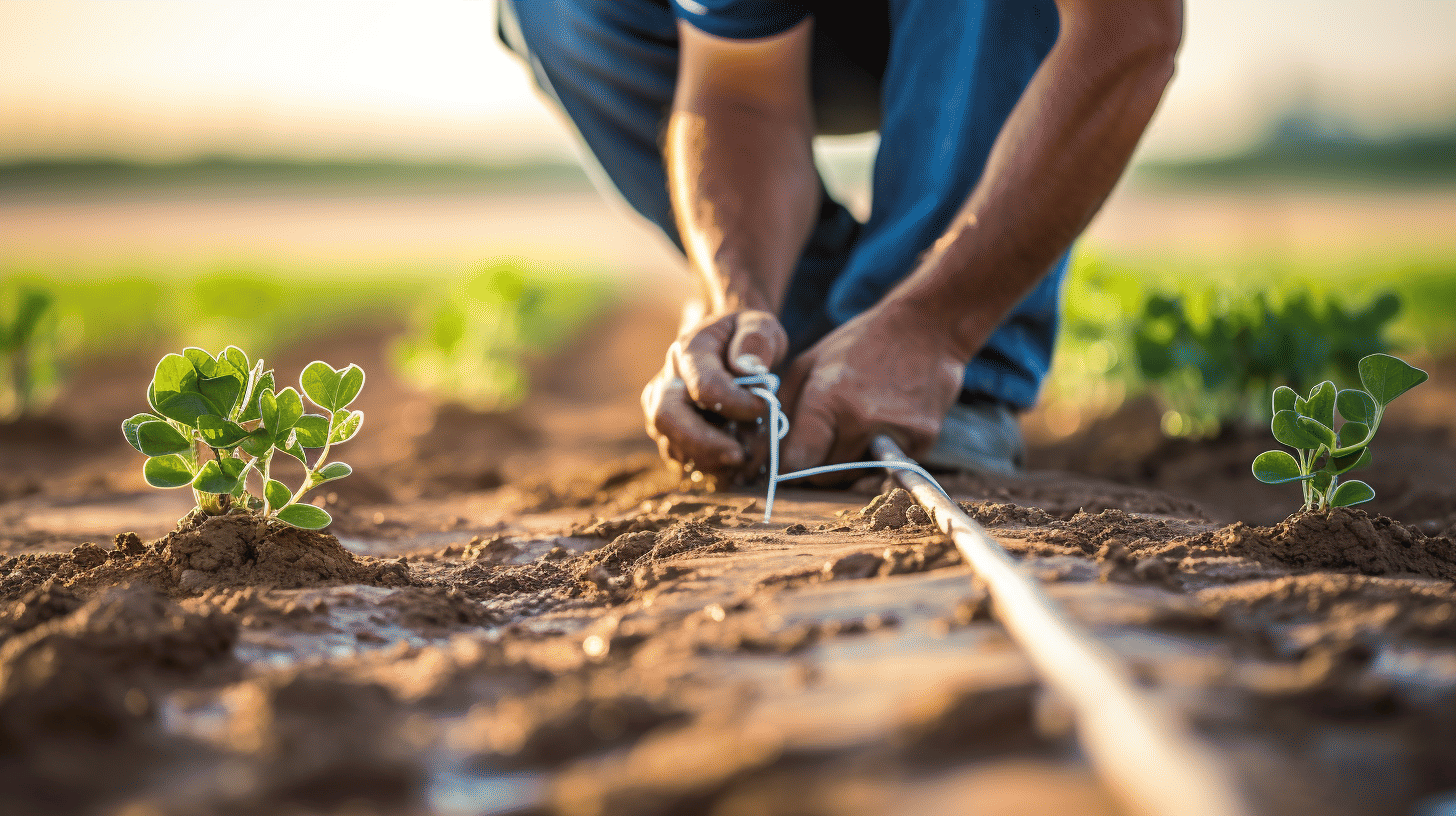
In regenerative agriculture, monitoring soil moisture levels is crucial for maintaining the health and productivity of the land. By understanding how much water is present in the soil, farmers can make informed decisions about irrigation, allowing them to optimize water usage and enhance plant growth.
This article will explore the importance of soil moisture monitoring in regenerative agriculture, the different types of monitoring tools available, factors to consider when choosing these tools, and best practices for effective monitoring. Additionally, we will delve into case studies and research that highlight the benefits of soil moisture monitoring.
Whether you are a seasoned farmer or someone new to regenerative agriculture, this article will provide valuable insights into the tools and techniques for monitoring soil moisture. So let’s dive in and discover the essential tools that can help you achieve success in your agricultural practices!
Importance of Soil Moisture Monitoring in Regenerative Agriculture
Soil moisture monitoring is a crucial aspect of regenerative agriculture practices. By keeping a close eye on the moisture levels in the soil, farmers can optimize water management and enhance plant growth. This not only benefits the crops but also contributes to the overall sustainability and health of the ecosystem. Let’s delve deeper into why soil moisture monitoring is so important in regenerative agriculture.
Optimal Water Management
One of the primary reasons why soil moisture monitoring is vital in regenerative agriculture is to ensure optimal water management. By monitoring the moisture levels in the soil, farmers can determine when and how much water is needed for their crops. This allows them to water the plants precisely when necessary, minimizing water waste and ensuring that the plants receive the right amount of moisture.
Effective water management has several benefits, including:
- Water Conservation: By monitoring soil moisture, farmers can prevent overwatering of plants, reducing water usage and conserving this precious resource.
- Reduced Runoff: Overwatering can lead to excess water runoff, which carries away valuable nutrients and can cause soil erosion. Soil moisture monitoring helps farmers apply water only when needed, minimizing runoff.
- Improved Nutrient Uptake: Proper water management ensures that plants can effectively absorb nutrients from the soil. When soil moisture is at an optimal level, plant roots can access the necessary nutrients for healthy growth.
Enhanced Plant Growth
Soil moisture monitoring plays a significant role in enhancing plant growth and productivity. By maintaining the right balance of moisture in the soil, farmers can create an environment where plants can thrive. Here’s how soil moisture monitoring contributes to enhanced plant growth:
- Prevents Stress: Insufficient moisture in the soil can lead to plant stress, affecting their growth and productivity. By monitoring soil moisture levels, farmers can take timely action to ensure that plants do not suffer from moisture-related stress.
- Promotes Root Development: Proper moisture levels in the soil encourage healthy root development. When soil moisture is accurately monitored and maintained, roots can penetrate the soil more effectively, resulting in stronger and healthier plants.
- Optimizes Nutrient Uptake: Soil moisture influences nutrient availability to plants. When moisture levels are balanced, it allows for better nutrient uptake, ensuring that plants have access to the necessary elements for their growth and development.
In conclusion, effective soil moisture monitoring is crucial for regenerative agriculture practices. By optimizing water management and enhancing plant growth, farmers can cultivate healthier crops while promoting sustainability and eco-friendly practices. Soil moisture monitoring is a valuable tool in a farmer’s arsenal that enables them to make informed decisions and ensure the success of their regenerative agriculture endeavors.
Types of Soil Moisture Monitoring Tools
Soil moisture monitoring is a crucial aspect of agriculture and environmental management. Understanding the moisture levels in the soil can help farmers optimize irrigation, prevent water wastage, and improve crop health. Fortunately, there are various tools available that can provide accurate and real-time data on soil moisture content. Let’s explore some of the most common types of soil moisture monitoring tools:
Tensiometers
Tensiometers are widely used to measure soil moisture tension. These tools consist of a ceramic cup that is filled with water and buried in the ground. A vacuum gauge is attached to the cup, which measures the suction pressure required to pull water from the soil. By monitoring the tension, farmers can determine the soil moisture availability for plant roots.
Soil Moisture Sensors
Soil moisture sensors are highly reliable and provide real-time data on soil moisture content. These sensors can be either capacitance-based or resistive-based. Capacitance sensors measure moisture content by analyzing changes in electrical conductivity, while resistive sensors measure the electrical resistance caused by moisture in the soil. These sensors are easy to install, low maintenance, and can be connected to automatic irrigation systems for efficient water management.
Time Domain Reflectometry (TDR)
Time Domain Reflectometry (TDR) is a technique that measures soil moisture by using electromagnetic waves. TDR sensors send short pulses of electric current into the soil and measure the time it takes for the waves to travel through the soil and back to the sensor. This time measurement is directly related to the soil’s moisture content. TDR sensors provide accurate and precise measurements, making them popular in research and professional applications.
Neutron Probe
The neutron probe is another tool used to measure soil moisture. It works by measuring the number of hydrogen atoms in the soil, as hydrogen is present in both water molecules and organic matter. By shooting fast neutrons into the soil and measuring the number of slower-moving neutrons that are reflected back, the neutron probe can determine the soil moisture content. Neutron probes are highly accurate but require trained personnel to operate and interpret the data accurately.
Gravimetric Method
The gravimetric method is a traditional and accurate way to measure soil moisture content. It involves weighing soil samples before and after drying them in an oven to determine the water content. While this method provides precise results, it is time-consuming and suitable for laboratory settings or research purposes rather than continuous monitoring in the field.
IR Thermometers
IR thermometers are primarily used to measure soil temperature, but they can indirectly indicate soil moisture levels as well. These thermometers measure the infrared radiation emitted by the soil, which is influenced by its moisture content. Although not as accurate as other methods, IR thermometers can provide a quick estimate of relative soil moisture levels.
In summary, different types of soil moisture monitoring tools offer distinct benefits and are suitable for different applications. It’s essential to choose the right tool based on accuracy, cost, ease of use, and specific monitoring needs. Whether it’s capacitive sensors for real-time data or neutron probes for highly accurate measurements, the right soil moisture monitoring tool can help optimize irrigation practices and improve overall crop health.
Factors to Consider When Choosing Soil Moisture Monitoring Tools
Imagine this scenario: You’ve invested valuable time, effort, and resources into your garden or farm. You’ve carefully selected the right crops, prepared the soil, and now it’s time to ensure the best possible growing environment. One crucial element in achieving optimal crop growth is soil moisture. Monitoring the moisture levels in your soil is vital for efficient irrigation and water management. However, with so many soil moisture monitoring tools on the market, how do you choose the right one for your specific needs?
To help you navigate this important decision, here are four key factors to consider when selecting soil moisture monitoring tools:
Soil Type
Different soils have varying moisture retention capacities. The ability of your soil to hold water will influence your irrigation strategies and ultimately affect your crop’s health and yield. When choosing a soil moisture monitoring tool, it is important to consider the type of soil you are working with:
- Sandy soil tends to drain water quickly, necessitating more frequent irrigation.
- Clay soil retains water for longer periods, requiring less frequent watering sessions.
Understanding your soil type and its characteristics will help you select a tool that provides accurate readings and suits your soil’s specific needs.
Crop Type
Just as different soils have varying moisture retention capacities, different crops have diverse water requirements. You need to choose a soil moisture monitoring tool that aligns with the specific water needs of your crops. For example:
- Some crops, like lettuce or celery, thrive in moist soil and require consistent levels of moisture.
- Other crops, such as tomatoes or peppers, prefer drier conditions, and excessive soil moisture can lead to disease or poor fruit quality.
Considering the water needs of your crops will ensure that you select a tool capable of providing accurate readings that align with your specific crop’s requirements.
Budget
Budget is always a significant consideration when making any purchasing decision, and selecting a soil moisture monitoring tool is no exception. The cost of these tools can vary significantly, so it is essential to determine your budget beforehand. Keep in mind that while some tools may have a higher upfront cost, they may offer additional features or long-term benefits, such as wireless connectivity or data logging capabilities.
It’s important to strike a balance between your budget and the features and functionality that are essential for monitoring soil moisture effectively.
Data Accuracy
When it comes to monitoring soil moisture, accurate and reliable data is key. The data provided by the soil moisture monitoring tool will inform your irrigation decisions and help you avoid over or under-watering your crops. Here are a few things to consider regarding data accuracy:
- Look for tools that have been tested and validated for accuracy.
- Consider the measurement range and resolution of the tool.
- Pay attention to the frequency of data collection and the reliability of the tool’s sensors.
By selecting a tool that provides precise and trustworthy measurements, you will have the information you need to make informed decisions about irrigation and water management.
Remember, choosing the right soil moisture monitoring tool is essential for optimal crop health, water conservation, and maximizing your agricultural yield. Consider the factors mentioned above and select a tool that aligns with the unique characteristics of your soil, crop type, budget, and data accuracy requirements. Happy gardening, and may your crops flourish!
Best Practices for Soil Moisture Monitoring
Soil moisture monitoring is an essential aspect of maintaining healthy and thriving plants. Understanding how much moisture is present in the soil allows us to make informed decisions about irrigation and water management. However, to ensure accurate and reliable data, it is important to follow best practices for sensor placement, calibration, and data interpretation.
Proper Sensor Placement
Placing soil moisture sensors at appropriate depths is crucial for capturing accurate readings. Different plants have varying root depths, and the sensors should be positioned accordingly. Here are some guidelines to follow:
- Root Zone Considerations: Determine the root depth of your plants and place the sensors at various depths within the root zone. This will provide a comprehensive understanding of moisture distribution.
- Avoid Surface Interference: Ensure that the sensors are not affected by surface water or other factors that may skew the readings. Place the sensors away from irrigation sprays or rainwater runoff.
- Consistent Spacing: Maintain consistent spacing between the sensors to ensure representative data. Avoid placing them too close together or too far apart, as it may compromise the accuracy.
Remember, proper sensor placement is crucial for collecting reliable soil moisture data. By strategically positioning the sensors, you can gain valuable insights into moisture levels and make informed decisions regarding irrigation.
Calibration
Regular calibration of soil moisture sensors is essential to maintain accuracy and consistency in the data collected. Over time, factors such as soil compaction, biofouling, and mineral buildup can affect the performance of the sensors. Here are a few key considerations for calibration:
- Follow Manufacturer Recommendations: Adhere to the calibration guidelines provided by the manufacturer of your soil moisture sensors. They will provide specific instructions on how often to calibrate and the recommended calibration methods.
- Compare Sensor Readings: Periodically compare the sensor readings with manual soil moisture measurements taken at different depths. This will help identify any discrepancies and allow you to adjust the calibration accordingly.
- Document Calibration Dates: Keep a record of all calibration dates and any adjustments made. This documentation will help ensure consistency in your monitoring practices and allow you to track any changes in sensor performance over time.
Regular calibration ensures that your soil moisture sensors provide accurate and reliable data, enabling you to make informed decisions regarding irrigation timing and water management.
Data Interpretation
Interpreting soil moisture data involves more than just looking at the numbers. It requires considering other factors that can influence plant water needs and irrigation decisions. Here are some key points to keep in mind when interpreting soil moisture data:
- Weather Conditions: Take into account the current and forecasted weather conditions. High temperatures, strong winds, or prolonged dry spells can increase evaporation rates and plant water needs.
- Plant Requirements: Understand the specific water requirements of your plants. Different species have varying sensitivity to soil moisture levels, and their water needs may differ throughout different growth stages.
- Monitoring Trends: Look for patterns and trends in your soil moisture data over time. This will help you identify any long-term changes in moisture levels and adjust your irrigation practices accordingly.
- Consider Site-Specific Factors: Factors such as soil type, slope, and drainage patterns can significantly impact moisture distribution in your garden or field. Consider these site-specific factors when interpreting your soil moisture data.
By taking these additional factors into account, you can make more informed decisions about irrigation scheduling and ensure optimal plant health and water conservation.
Remember, following best practices for soil moisture monitoring, including proper sensor placement, regular calibration, and thoughtful data interpretation, will help you make informed decisions about watering your plants and conserve water resources effectively.
Case Studies and Research
When it comes to understanding a particular topic or gaining insights into specific areas, case studies and research play a crucial role. They provide us with valuable real-world examples and in-depth analysis that can shape our understanding and decision-making. Whether you’re a student, a professional, or someone simply interested in expanding your knowledge, exploring case studies and research can be a rewarding endeavor.
Why are case studies and research important?
Case studies and research help us delve deeper into a subject and gain a comprehensive understanding by:
- Real-life applications: Case studies showcase real-world scenarios, allowing us to see how theories and concepts are applied in practice. They provide context and help us connect the dots between theory and real-life situations.
- In-depth analysis: Research studies are designed to explore a specific research question in detail. They provide thorough analysis, data, and evidence to support or challenge existing theories or hypotheses.
- New insights and innovations: Case studies and research often uncover new insights, trends, and innovative approaches. They can introduce groundbreaking ideas that contribute to the advancement of knowledge and industries.
- Learning from successes and failures: Examining case studies and research not only allows us to learn from successful examples but also from failures. We can identify mistakes, analyze what went wrong, and avoid repeating them in our own endeavors.
Where can you find case studies and research?
Luckily, there are various sources where you can find case studies and research related to your area of interest. Some common sources include:
- Academic journals: Scholars and researchers often publish their findings in peer-reviewed academic journals. These journals are trustworthy sources that provide rigorous research studies and case studies conducted by experts in the field.
- Industry publications: Industry-specific magazines, journals, and websites often feature case studies that highlight successful practices or innovative approaches within a particular sector. These sources provide practical insights and examples applicable to a specific industry.
- Conference proceedings: When researchers present their work at conferences, the proceedings often contain a wealth of case studies and research papers. These conference papers offer the latest research in various fields and are a valuable resource for staying updated on recent findings.
- Online databases: Online databases such as Google Scholar, JSTOR, and ResearchGate collect and organize research papers, case studies, and academic articles. These platforms allow you to search for specific topics or keywords and access a wide range of scholarly resources.
Remember that while case studies and research can provide valuable information, it’s important to critically evaluate the sources and consider the credibility and relevance of the findings.
In conclusion, case studies and research are invaluable tools for expanding our knowledge, gaining insights, and making informed decisions. They offer real-world examples, in-depth analysis, and new perspectives, contributing to the advancement of various fields. So go ahead, explore the world of case studies and research, and unlock a wealth of knowledge waiting to be discovered.
Conclusion
Soil moisture monitoring is an essential aspect of regenerative agriculture. By regularly assessing the moisture levels in the soil, farmers and practitioners can optimize water management and enhance plant growth. With the help of various tools such as tensiometers, soil moisture sensors, and time domain reflectometry, accurate and timely data can be gathered to make informed decisions. Factors like soil type, crop type, budget, and data accuracy should be considered when choosing the right soil moisture monitoring tools. Additionally, proper sensor placement, calibration, and data interpretation are key best practices to ensure accurate results.
In conclusion, investing in soil moisture monitoring tools is crucial for successful regenerative farming practices. By maintaining optimal soil moisture levels, farmers can promote healthy plant growth, conserve water resources, and ultimately contribute to a more sustainable and resilient agricultural system.
At Regenerative Agriculture Wiki, we understand the importance of soil moisture monitoring in regenerative agriculture. Check out our comprehensive guides and resources to learn more about this topic and explore other aspects of sustainable farming practices. Together, let’s create a future where agriculture and ecology thrive in harmony.
Explore more about regenerative agriculture on our platform.
Frequently Asked Questions
- What are the essential tools for monitoring soil moisture in regenerative agriculture?
The essential tools for monitoring soil moisture in regenerative agriculture are: 1. Soil moisture sensors, 2. Tensiometers, 3. Time domain reflectometers (TDR), 4. Neutron probes, and 5. Soil moisture meters.
- How do soil moisture sensors work?
Soil moisture sensors measure the volumetric water content in the soil. They are inserted into the ground and use different methods like capacitance, resistance or frequency domain techniques to estimate the amount of water present in the soil.
- What are tensiometers and how are they used?
Tensiometers are devices used to measure soil water tension or suction. They consist of a porous ceramic cup connected to a pressure gauge. Tensiometers are placed in the soil and measure the tension required to extract water from the soil, reflecting the soil moisture status.
- What is a Time Domain Reflectometer (TDR) and how does it monitor soil moisture?
A Time Domain Reflectometer (TDR) is an instrument that measures the dielectric property of soil. It sends an electrical pulse through the soil and measures the time it takes for the pulse to bounce back. This data is then used to estimate soil moisture content.
- Are neutron probes still used for soil moisture monitoring?
Neutron probes were traditionally used for soil moisture monitoring, but they are less commonly used nowadays due to their high cost and technical expertise required. However, they are still used in some research and specialized applications.