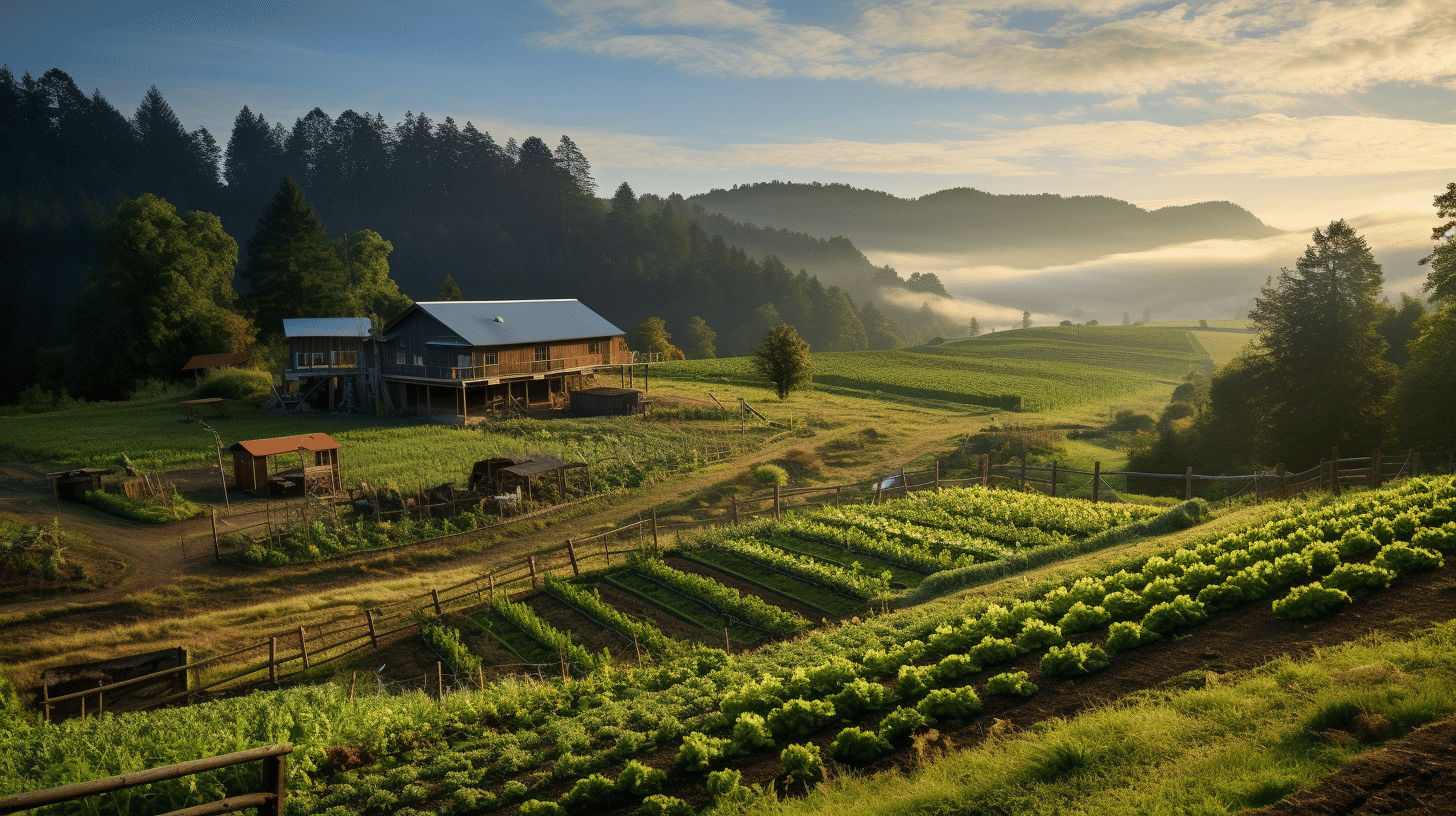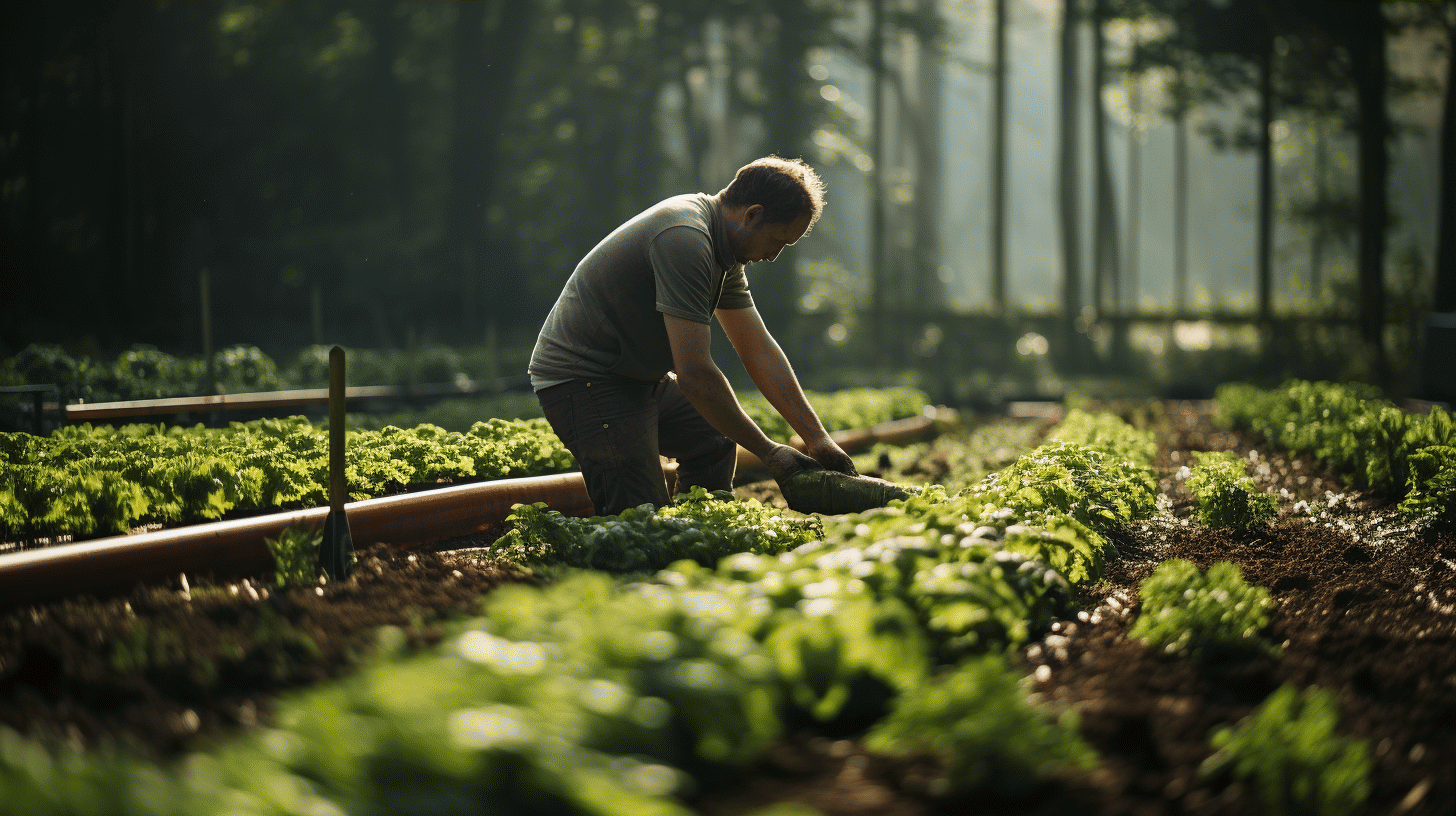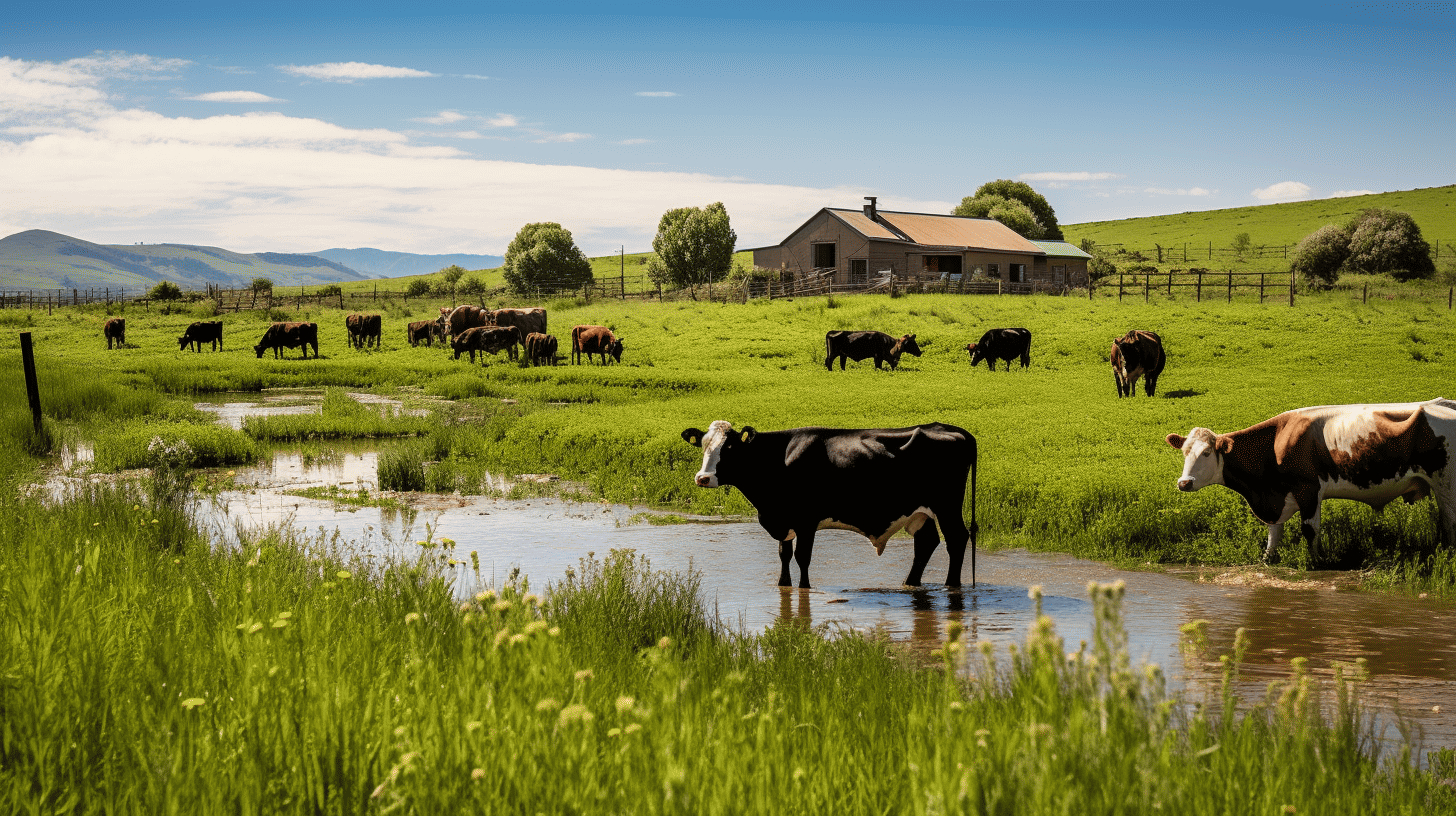
Regenerative farming is gaining traction as a sustainable and environmentally friendly approach to agriculture. This holistic farming method focuses on restoring and improving the health of the soil, enhancing biodiversity, and promoting long-term ecological balance. By implementing regenerative practices, farmers can not only increase the fertility of their land but also mitigate the negative impacts of conventional farming techniques.
One crucial element in the successful adoption of regenerative farming is the integration of livestock into the system. Livestock play a significant role in nutrient cycling, pest and weed control, and the promotion of overall ecosystem health. By strategically incorporating animals into the farming system, farmers can harness the benefits of livestock to further enhance the sustainability and productivity of their land.
In this article, we will delve into the concept of regenerative farming, exploring the role of livestock in this approach, and discuss the importance of integrating animals into the system. We will also highlight the benefits of this integration and explore some of the challenges farmers may face and the corresponding solutions. Throughout the article, we will draw insights from prominent examples of successful integration to illustrate the real-world application of this holistic approach.
So, let’s explore the concept of regenerative farming and discover how the strategic integration of livestock can transform agricultural practices for the better.
Concept of Regenerative Farming
Regenerative farming is an innovative approach to agriculture that goes beyond traditional farming practices. It is a method that emphasizes the importance of restoring and enhancing the health of the soil, while also promoting biodiversity and sustainable farming practices. This concept is gaining traction worldwide as farmers and researchers recognize the many benefits it offers.
Definition and Historical Context
But what exactly is regenerative farming? Regenerative farming can be defined as a holistic system of farming that aims to regenerate and revitalize the soil, rather than deplete it. This approach focuses on improving soil health, increasing carbon sequestration, and promoting biodiversity.
Although the concept of regenerative farming may seem like a recent development, it actually has deep historical roots. Many traditional farming practices, such as crop rotation and cover cropping, can be considered regenerative in nature. These practices have been used for centuries to maintain soil health and maximize crop yields.
However, with the advancement of modern industrial agriculture, many of these regenerative practices were abandoned in favor of chemical-based fertilizers, pesticides, and intensive tilling. This led to a decline in soil health, degradation of ecosystems, and an overreliance on external inputs.
Importance of Regenerative Farming
Regenerative farming offers a wide range of benefits, not only for farmers but also for the environment and society as a whole. Here are some of the key reasons why regenerative farming is gaining popularity:
- Improved Soil Health: Regenerative farming focuses on enhancing the biological activity of the soil, which leads to improved nutrient cycling, water retention, and overall soil fertility. Healthy soil is the foundation for productive and sustainable farming.
- Enhanced Biodiversity: By promoting diverse ecosystems on farms, regenerative farming encourages the presence of beneficial insects, birds, and other wildlife. This helps to maintain a natural balance and reduce the need for chemical pesticides.
- Carbon Sequestration and Climate Change Mitigation: The emphasis on soil health in regenerative farming practices leads to increased carbon sequestration in the soil. This helps to mitigate climate change by removing carbon dioxide from the atmosphere and storing it in the soil.
- Water Conservation: Regenerative farming practices, such as cover cropping and reduced tillage, help to improve water infiltration and reduce erosion. This leads to more efficient water use and better management of water resources.
- Resilience to Climate Change: Regenerative farming enhances the resilience of agricultural systems to climate change. By improving soil health and biodiversity, farmers are better equipped to adapt to extreme weather events and changing climatic conditions.
In conclusion, regenerative farming is an exciting and promising approach to agriculture that offers numerous benefits. By focusing on soil health, biodiversity, and sustainability, regenerative farmers are leading the way towards a more resilient and environmentally-friendly future.
Role of Livestock in Regenerative Farming
When it comes to regenerative farming, the role of livestock is of utmost importance. Livestock, including cattle, sheep, and goats, play a vital role in enhancing soil health, managing pests and weeds, and promoting biodiversity on the farm. Let’s dive deeper into these three key aspects and understand how livestock contribute to the regenerative farming process.
Nutrient Cycling and Soil Health
Livestock are natural recyclers, and their presence on a farm facilitates the efficient cycling of nutrients. How does this work? Well, let’s break it down:
- Grazing: Livestock graze on grass and vegetation, naturally trimming and fertilizing the land in the process. Their constant movement helps distribute nutrients from their droppings more evenly, enriching the soil.
- Manure: Livestock manure is a valuable source of organic matter and essential nutrients. When properly managed, it can be used as a natural fertilizer, replenishing the soil with nitrogen, phosphorus, and potassium. This nutrient-rich manure improves soil structure, water-holding capacity, and overall fertility.
By allowing livestock to graze and utilizing their manure, farmers can harness the power of nutrient cycling and significantly improve soil health on their regenerative farms.
Disruption of Pest and Weed Cycles
Livestock can also play a role in disrupting pest and weed cycles on a farm. Here’s how:
- Eating Weeds: Some livestock, like chickens and pigs, have a knack for devouring weeds. They can be released to roam and forage in areas overrun by invasive plant species. The natural grazing of these animals helps to control weed populations and prevent them from taking over the fields.
- Pest Control: Insects and pests can wreak havoc on crops, leading to significant yield losses. Livestock, particularly poultry, can contribute to pest control by feasting on harmful insects. For example, chickens can devour crop-damaging pests such as caterpillars and beetles, reducing the need for chemical interventions.
By utilizing livestock as natural pest and weed controllers, regenerative farmers can reduce their reliance on synthetic pesticides and herbicides, minimizing their environmental impact and creating a more sustainable farming system.
Promotion of Biodiversity
Maintaining biodiversity is crucial for the health and resilience of any ecosystem, including agricultural landscapes. Livestock can help in promoting biodiversity in the following ways:
- Dung Beetles: Livestock dung provides a food source for dung beetles, which help break down manure and improve nutrient cycling. These beetles also aerate and improve soil structure as they burrow, benefiting plant growth.
- Habitat Creation: Livestock grazing can create diverse grassland habitats, providing shelter for various plant and animal species. Their movement patterns and grazing preferences influence the distribution of vegetation types, thereby enhancing biodiversity.
- Species Interactions: Livestock can interact positively with other wildlife, such as birds and pollinators. For instance, cattle grazing can create open habitats that attract ground-nesting birds, while flowering pastures can support pollinator populations.
By integrating livestock into regenerative farming systems, farmers can foster biodiversity, support wildlife habitats, and create a more ecologically balanced environment.
In conclusion, livestock play a crucial role in regenerative farming by contributing to nutrient cycling, pest and weed control, and biodiversity promotion. Their presence on the farm can help improve soil health, reduce the use of synthetic inputs, and create a more resilient and sustainable agricultural system.
The Holistic Approach to Integrating Livestock
Importance of Livestock Integration
Integrating livestock into farming systems can bring about numerous benefits, not only for the ecosystem but also for the farmers themselves. While it may seem challenging to seamlessly incorporate animals into agricultural practices, there is a pressing need for implementing effective and sustainable integration strategies. The holistic approach to livestock integration recognizes the interdependence of plants, animals, and the environment, leading to a more resilient and productive farm.
Livestock integration offers several advantages that contribute to the overall sustainability of farming operations. Here are some key reasons why it is essential:
- Improved soil fertility: The presence of livestock can enhance soil health and fertility through various mechanisms. Animal manure, when properly managed, acts as a natural fertilizer, enriching the soil with essential nutrients. Additionally, the nitrogen-fixing capabilities of leguminous forage plants, often grazed by livestock, further enhance soil fertility.
- Enhanced pest and weed control: Livestock, such as chickens and ducks, play a vital role in managing pests and weeds. They naturally control insect populations by feeding on harmful pests like grubs, worms, and insects. Moreover, their movement and foraging activities disrupt weed growth, reducing the need for chemical herbicides.
- Diversified income streams: Integrating livestock can provide farmers with additional sources of income. Livestock farming opens up opportunities for selling animal products such as meat, eggs, milk, and wool. This diversification of income helps farmers withstand market fluctuations and economic uncertainties.
- Optimized resource utilization: Livestock integration promotes better use of resources within the farm system. By utilizing agricultural by-products and crop residues as feed, livestock contribute to reducing waste and maximizing resource efficiency. This approach helps optimize land and water utilization, leading to a more sustainable use of natural resources.
- Disease and pest management: The presence of livestock can aid in disease and pest management. For example, poultry can help control ticks and insects that transmit diseases to both animals and humans. Introducing certain livestock species can also disrupt the life cycles of pests, reducing their populations and ultimately minimizing the need for chemical interventions.
It is crucial to note that successful livestock integration requires implementing effective management practices. Farmers need to carefully plan and monitor animal grazing, waste management, and overall animal health. By embracing a holistic approach to livestock integration, farmers can foster a symbiotic relationship between animals, crops, and the environment, resulting in a more sustainable and resilient farming system.
Benefits of Integrating Livestock into Regenerative Farming
Introducing livestock into regenerative farming practices can bring a multitude of benefits to farmers, the environment, and the overall sustainability of agriculture. By combining livestock with regenerative farming techniques, farmers can enhance agronomic sustainability, increase farm profitability, and improve ecosystem services. Let’s explore these benefits in more detail:
Enhanced Agronomic Sustainability
When livestock are integrated into regenerative farming systems, they contribute to the overall health and fertility of the soil. Here’s how:
- Nutrient Cycling: Livestock provide a valuable source of organic matter through their manure, which contains essential nutrients like nitrogen, phosphorus, and potassium. This manure can be used as a natural fertilizer, replacing synthetic inputs and reducing the reliance on chemical fertilizers.
- Improved Soil Structure: Livestock grazing helps break up compacted soils, allowing for better water infiltration and root penetration. This results in improved soil structure, increased soil moisture retention, and reduced erosion.
- Weed and Pest Control: Livestock grazing can help manage weeds and control pests naturally, reducing the need for herbicides and insecticides. For example, certain livestock species, such as chickens or ducks, can forage for insects and weed seeds, keeping them under control.
Increased Farm Profitability
Integrating livestock into regenerative farming practices can also lead to increased farm profitability. Here’s how:
- Diversified Income: Livestock farming can provide an additional income stream for farmers. Selling meat, eggs, milk, or other livestock products can generate revenue and improve the financial stability of the farm.
- Reduced Input Costs: By utilizing livestock for pest control and nutrient cycling, farmers can reduce their reliance on costly inputs such as chemical fertilizers and pesticides. This can help lower production costs and increase profit margins.
- Value-Added Products: Livestock can offer opportunities for value-added products such as organic or grass-fed meat, free-range eggs, or specialty dairy products. These products often command higher prices in the marketplace, leading to increased profitability.
Improved Ecosystem Services
Integrating livestock into regenerative farming systems can have positive impacts on the environment and enhance ecosystem services. Here’s how:
- Biodiversity Conservation: Livestock grazing can help maintain diverse plant communities by preventing the dominance of certain plant species. This, in turn, supports habitat for a wide range of beneficial insects, birds, and other wildlife.
- Carbon Sequestration: Properly managed livestock grazing can promote the growth of perennial grasses and plants with deep root systems. These plants can sequester carbon from the atmosphere, helping mitigate climate change.
- Water Management: Well-managed grazing can also have positive effects on water quality and quantity. Livestock grazing can help control invasive plant species that can degrade water quality in streams and rivers. Additionally, diverse plant cover resulting from livestock integration can improve water infiltration and reduce runoff.
In conclusion, integrating livestock into regenerative farming can bring numerous benefits to sustainable agriculture. It enhances agronomic sustainability, increases farm profitability, and improves ecosystem services. By harnessing the synergies between livestock and regenerative practices, farmers can create more resilient and profitable farming systems while preserving the environment for future generations.
Challenges and Solutions
As the global population continues to rise, the demand for animal products, such as meat, milk, and eggs, is increasing at an unprecedented rate. Meeting this demand presents several challenges for livestock producers. Fortunately, innovative solutions and practices are being developed to overcome these obstacles. In this section, we will explore some of the major challenges faced by livestock producers and the solutions that are being implemented.
Identifying Suitable Livestock Species
One of the primary challenges for livestock producers is selecting the right species of animals for their operations. Factors such as climate, available resources, market demand, and production systems all play a role in determining which livestock species will thrive in a particular region. Here are some considerations for identifying suitable livestock species:
- Climate compatibility: Different livestock species have varying levels of tolerance to heat, cold, humidity, and other environmental conditions. It is crucial to select animals that can adapt and perform well in the given climatic conditions.
- Resource utilization: Livestock systems must efficiently use available resources such as land, water, and feed. Some livestock species are more efficient at converting feed into meat or milk, while others are better at utilizing marginal lands.
- Market demand: The market demand for different livestock products can significantly influence the profitability of a livestock operation. Understanding consumer preferences and market trends is essential when choosing livestock species.
Livestock producers are overcoming these challenges by adopting innovative approaches. They are exploring alternative livestock species that have a smaller environmental footprint, higher heat tolerance, and better resource utilization. Genetic selection and breeding programs are also being implemented to develop animals with desirable traits.
Designing Appropriate Grazing Systems
Livestock grazing is a common practice in many regions around the world. However, designing appropriate grazing systems can be a challenging task. Grazing systems must strike a balance between optimizing forage production, maintaining animal health and welfare, and preserving environmental sustainability. Here are some key considerations for designing grazing systems:
- Forage availability: Grazing systems must provide an adequate supply of high-quality forage to meet the nutritional needs of livestock. Proper pasture management practices, such as rotational grazing, can help ensure continuous forage availability.
- Animal behavior: Understanding the behavior of livestock species is essential for designing grazing systems that promote natural grazing patterns and minimize overgrazing. Providing sufficient space and implementing strategic fencing can help guide animal movement and prevent overutilization of specific areas.
- Environmental impact: Grazing systems should aim to minimize soil erosion, water contamination, and damage to sensitive ecosystems. Proper pasture rotation, effective manure management, and implementation of buffer zones can help mitigate these environmental impacts.
To address these challenges in grazing systems, livestock producers are adopting advanced technologies such as remote sensing and GPS tracking to improve pasture management. They are also implementing regenerative grazing practices that promote soil health and biodiversity.
Managing Livestock Health and Welfare
Livestock health and welfare are fundamental aspects of livestock production. However, managing the health and welfare of animals can be a complex and challenging task. Livestock producers face various issues, including disease outbreaks, stress-related conditions, and ethical concerns. Here are some key considerations for managing livestock health and welfare:
- Disease prevention and control: Livestock producers must employ effective biosecurity measures to prevent the introduction and spread of diseases within their herds or flocks. Vaccination programs, quarantine protocols, and regular veterinary inspections are crucial for disease management.
- Animal housing and handling: Providing appropriate housing facilities and handling techniques that meet the physiological and behavioral needs of animals is essential for ensuring their welfare. Livestock producers must consider factors such as space requirements, ventilation, temperature control, and access to clean water and feed.
- Ethical considerations: Society’s expectations regarding animal welfare are evolving, and livestock producers must address these concerns. They are implementing practices that prioritize animal comfort, minimize stress, and promote humane handling and slaughter methods.
Livestock producers are implementing innovative solutions to manage livestock health and welfare effectively. They are investing in research and development to improve disease detection and prevention methods. They are also adopting alternative housing systems, such as free-range or organic production, to meet consumer demands for ethically raised animals.
Addressing Potential Conflicts with Crop Production
In regions where crop agriculture and livestock production are both prevalent, conflicts can arise regarding land use, resource competition, and environmental impacts. It is crucial to find solutions that balance the needs of both sectors and promote sustainable coexistence. Here are some approaches to address potential conflicts:
- Integrated systems: Implementing integrated crop-livestock systems, where crops and livestock are managed synergistically, can help enhance the overall productivity and profitability of agricultural operations. Livestock can utilize crop residues and by-products as feed, while their manure can be used as fertilizer for crops.
- Efficient resource management: By optimizing resource use through practices such as precision agriculture, water management, and nutrient recycling, conflicts between crop and livestock production can be minimized. Efficient resource management reduces resource competition and the environmental footprint of both sectors.
- Collaboration and communication: Encouraging dialogue and collaboration between crop farmers and livestock producers can foster mutual understanding and lead to the development of joint strategies that benefit both sectors. Sharing knowledge, expertise, and resources can help address potential conflicts effectively.
Livestock producers and crop farmers are recognizing the benefits of collaboration and are increasingly implementing integrated systems. Through joint research projects, knowledge sharing platforms, and policy advocacy, they are working towards sustainable and mutually beneficial solutions.
In conclusion, despite the challenges that livestock producers face, innovative solutions and practices are being developed to overcome them. By identifying suitable livestock species, designing appropriate grazing systems, managing livestock health and welfare, and addressing potential conflicts with crop production, livestock producers can ensure sustainable and profitable operations.
Prominent Examples of Successful Integration
Inspiring Holistic Farm Models
When it comes to successful integration within the agricultural industry, there are several shining examples that showcase the power of holistic farm models. These innovative approaches to farming demonstrate how the integration of various components can lead to increased efficiency, sustainability, and profitability. Let’s take a closer look at some inspiring examples:
Polyface Farms
One of the most well-known examples of a holistic farm model is Polyface Farms, located in Virginia, USA. Founded by Joel Salatin, Polyface Farms practices regenerative agriculture and embodies the principles of permaculture. This farm integrates livestock, crops, and pasture rotations, creating a self-sufficient ecosystem that mimics natural systems.
Key Features:
- Diverse production: Polyface Farms raises chickens, cows, pigs, and rabbits, each playing a specific role in the farm’s ecosystem.
- Rotational grazing: Livestock is moved frequently to different pasture areas, allowing for natural fertilization and preventing overgrazing.
- Composting: The farm uses animal waste and plant materials to create nutrient-rich compost, which is then used to enhance soil fertility.
- Efficient land use: Polyface Farms maximizes land productivity by utilizing every inch of available space for various farming activities.
According to a case study carried out by the University of Virginia, Polyface Farms has witnessed significant improvements in soil health, animal welfare, and overall farm profitability. This success story underscores the effectiveness of an integrated approach to farming.
Singing Frogs Farm
Another notable example of successful integration can be found at Singing Frogs Farm, based in Sebastopol, California. This award-winning farm specializes in organic vegetable production and has gained recognition for its sustainable practices and high-quality produce.
Key Features:
- No-till farming: Singing Frogs Farm minimizes soil disturbance by avoiding tilling, which helps preserve soil structure and promote soil health.
- Intensive planting: The farm implements high-density planting techniques, maximizing yield per square foot of land.
- Biodiversity: Singing Frogs Farm encourages biodiversity on their land, incorporating cover crops, hedgerows, and beneficial insect habitats, which helps control pests and improve overall farm resilience.
- Soil management: The farm uses organic compost, compost tea, and other soil amendments to enhance soil fertility and nutrient availability.
According to a study conducted by the Regenerative Agriculture Foundation, Singing Frogs Farm has experienced remarkable increases in soil organic matter, water retention, and crop productivity through their integrated farming methods. This serves as a testament to the positive outcomes that can be achieved through holistic farming practices.
Holistic farm models like Polyface Farms and Singing Frogs Farm demonstrate that integrating various elements of agriculture can yield impressive results. By adopting a holistic approach, farmers can enhance productivity, conserve natural resources, and contribute to a more sustainable food system. These examples serve as an inspiration for farmers worldwide, showing that successful integration is not only possible but also essential for the future of agriculture.
Conclusion
In conclusion, integrating livestock into regenerative farming practices offers a holistic approach that can lead to numerous benefits for both the farm and the environment. By utilizing livestock in a strategic and sustainable manner, farmers can effectively enhance soil health, disrupt pest and weed cycles, promote biodiversity, and improve overall farm profitability. However, it’s important to acknowledge the challenges associated with livestock integration and develop appropriate strategies to address them. Through the implementation of suitable grazing systems, identification of suitable livestock species, and meticulous management of livestock health and welfare, farmers can successfully integrate livestock into their regenerative farming practices.
Overall, the integration of livestock into regenerative farming represents a promising avenue for enhancing agronomic sustainability, increasing farm profitability, and improving ecosystem services. By adopting these practices, farmers contribute to a future where agriculture and ecology thrive in harmony, ensuring a more sustainable and resilient food system for generations to come.
At Regenerative Agriculture Wiki, we are passionate about promoting regenerative farming practices and providing comprehensive resources for farmers, environmentalists, and individuals interested in sustainable living. Explore our platform for enlightening articles, guides, and tips on regenerative agriculture. Join us in fostering a future where agriculture nurtures the environment and contributes to global food security.
Discover the potential of regenerative agriculture with Regenerative Agriculture Wiki
Frequently Asked Questions
- What is regenerative farming?
Regenerative farming is an approach to agriculture that focuses on restoring and improving the health of the soil, biodiversity, and overall ecosystem. It aims to create sustainable and resilient farming systems.
- How can livestock be integrated into regenerative farming?
Livestock can be integrated into regenerative farming by utilizing rotational grazing systems, where animals are moved between different pastures to allow for rest and regeneration. Their manure also contributes to nutrient cycling and soil health.
- What are the benefits of integrating livestock into regenerative farming?
Integrating livestock into regenerative farming can have several benefits, including improved soil fertility, increased organic matter content, enhanced biodiversity, and reduced reliance on synthetic fertilizers and pesticides.
- What are some common livestock species used in regenerative farming?
Common livestock species used in regenerative farming include cattle, sheep, goats, and poultry. Each species has its own unique benefits and can be managed in a way that supports regenerative practices.
- Are there any challenges associated with integrating livestock into regenerative farming?
Yes, there can be challenges in terms of managing animal impact on pastureland, addressing potential conflicts with wildlife, and ensuring proper animal welfare. However, with proper management and planning, these challenges can be mitigated.