In today’s world, where climate change and water scarcity are increasingly pressing issues, finding sustainable solutions for agriculture is crucial. Farmers and agricultural experts are constantly exploring innovative techniques to adapt to changing conditions and ensure the long-term resilience of our food systems. One such approach is permaculture, which offers a holistic framework for creating regenerative and drought-resistant farming systems.
Permaculture is a design system that integrates ecological principles and sustainable practices to create productive and resilient landscapes. By mimicking natural ecosystems, permaculture aims to maximize biodiversity, conserve water, and enhance soil health, all while producing abundant yields. By implementing permaculture techniques, farmers can minimize their reliance on irrigation and cultivate crops that are more tolerant to limited water availability.
In this article, we will explore various permaculture practices that can be employed to make farming more drought-resistant. We will look at restorative agriculture techniques, permaculture practices such as thick mulches and companion planting, and the use of agroecology to cultivate drought-resistant crop varieties. Additionally, we will delve into indigenous farming practices in drought-affected areas and the creation of resilient and self-sustaining agricultural ecosystems through permaculture.
Whether you are a farmer seeking sustainable methods or an enthusiast curious about regenerative agriculture, this article will provide valuable insights into permaculture techniques for drought-resistant farming. Let’s dive in and discover how permaculture can help us cultivate a greener and more resilient future for agriculture.
Restorative Agriculture Techniques for Drought-Resistant Farming
Drought-resistant farming has become a crucial practice in many regions around the world, as climate change continues to impact agricultural productivity. Farmers are facing increasingly unpredictable weather patterns and prolonged periods of drought, which can devastate crops and livestock. In the face of these challenges, restorative agriculture techniques offer a promising solution to enhance drought resilience in farming.
Re-vegetation
One of the key restorative agriculture techniques that can contribute to drought-resistant farming is re-vegetation. This process involves restoring or establishing plant cover on degraded or barren land, which helps to improve soil health, conserve water, and provide a habitat for beneficial organisms.
By re-vegetating the land, farmers can benefit from the following:
- Reduced soil erosion: Vegetation acts as a natural barrier against soil erosion caused by wind and water. The roots of plants hold the soil together, preventing it from being washed away or blown off during drought periods.
- Enhanced soil moisture retention: Plants play a crucial role in retaining moisture in the soil. Their roots create channels for water infiltration, allowing the soil to absorb and retain water, making it more resilient to drought conditions.
- Improved biodiversity: Re-vegetating the land promotes biodiversity by providing habitat for insects, birds, and other wildlife. These organisms contribute to the overall health of the ecosystem and can assist in natural pest control.
- Carbon sequestration: Restoring vegetation helps to capture and store carbon dioxide from the atmosphere, contributing to climate change mitigation efforts. This can also have a positive impact on the overall health and fertility of the soil.
Use of Drought-Resistant Species
In addition to re-vegetation, the use of drought-resistant species is another vital aspect of drought-resistant farming. These species have adapted to thrive in arid conditions and require less water compared to conventional crop varieties. By incorporating these species into their farming practices, farmers can reduce their dependency on water and achieve greater resilience during drought periods.
Here are some key benefits of using drought-resistant species:
- Water efficiency: Drought-resistant species have evolved to minimize water loss through their leaf structure and root systems. They have mechanisms such as deep root systems or waxy leaf coatings, which allow them to conserve water and require less irrigation.
- Reduced input costs: As drought-resistant species are adapted to arid conditions, they often require fewer inputs, such as fertilizers and pesticides. This can lead to cost savings for farmers, making their operations more financially sustainable.
- Crop diversity: Incorporating drought-resistant species diversifies the range of crops grown on the farm. This not only improves food security but also reduces the risk of total crop failure during drought periods.
- Preserving genetic diversity: By cultivating drought-resistant species, farmers contribute to the preservation of genetic diversity within the agricultural sector. This is important for long-term food security and resilience in the face of changing climate conditions.
Restorative agriculture techniques, such as re-vegetation and the use of drought-resistant species, play a significant role in building drought resilience in farming. By implementing these techniques, farmers can enhance the health of their soil, conserve water, and reduce their vulnerability to drought conditions. In the face of a changing climate, these techniques offer a path towards sustainable and resilient agriculture.
Permaculture Practices for Drought-Resistant Farming
In the face of increasing drought conditions worldwide, farmers and communities are seeking innovative solutions to adapt and thrive. Permaculture, a sustainable farming approach rooted in ecological principles, offers a range of practices that can help make agriculture more resilient to water scarcity.
Adopting permaculture techniques can revolutionize the way we approach farming. From conserving water to promoting soil health, these practices not only mitigate the impact of drought but also contribute to the overall sustainability of our food systems. Here are some permaculture practices worth exploring:
Thick Mulches
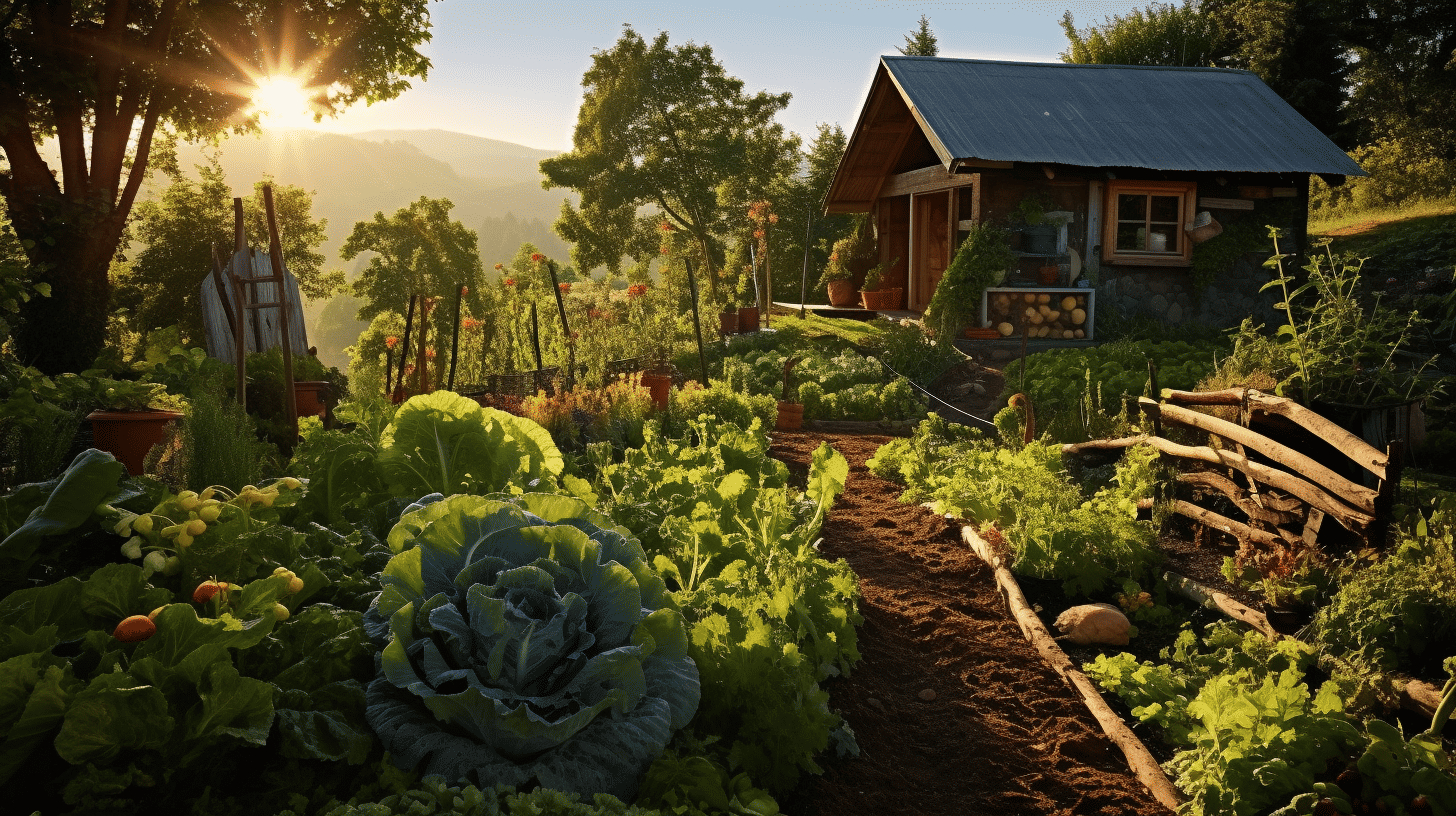
One effective way to conserve moisture in the soil is through the strategic use of thick mulches. These organic materials, such as straw, wood chips, or leaf litter, create a protective layer on top of the soil, reducing evaporation and retaining moisture. By using thick mulches around plants and in garden beds, farmers can significantly reduce their water consumption and enhance the health of their crops.
Closed-Canopy Planting
Closed-canopy planting is another technique that can help mitigate the effects of drought. By densely planting crops and using companion plants that provide shade, farmers can create a microclimate that retains moisture and reduces evaporation. This practice mimics the structure of a natural forest and encourages a diverse and resilient ecosystem that can withstand water scarcity.
Perennial Plants
Integrating perennial plants into agricultural systems can be a game-changer when it comes to water resilience. Unlike annual crops, which require regular watering throughout their lifecycle, perennials have the ability to establish deep root systems that access water deep in the soil. Incorporating a mix of perennial crops, trees, and shrubs in farming landscapes helps create a more water-efficient and drought-resistant ecosystem.
Swales
Swales are contour trenches or ditches that capture and channel rainwater on sloped landscapes. By directing rainwater to where it is needed most, swales help replenish groundwater, prevent erosion, and nourish plants. These landscape features are particularly effective in arid regions where water scarcity is a challenge. Implementing swales in permaculture designs enhances water availability and supports the cultivation of water-wise crops.
Drip Irrigation
Drip irrigation, also known as micro-irrigation, is a precise and efficient way to deliver water directly to plant roots. This method minimizes water wastage through evaporation and runoff, making it ideal for dry and water-scarce environments. With drip irrigation, farmers can provide the right amount of water to each plant, conserving water while ensuring successful crop growth.
Hügelkultur
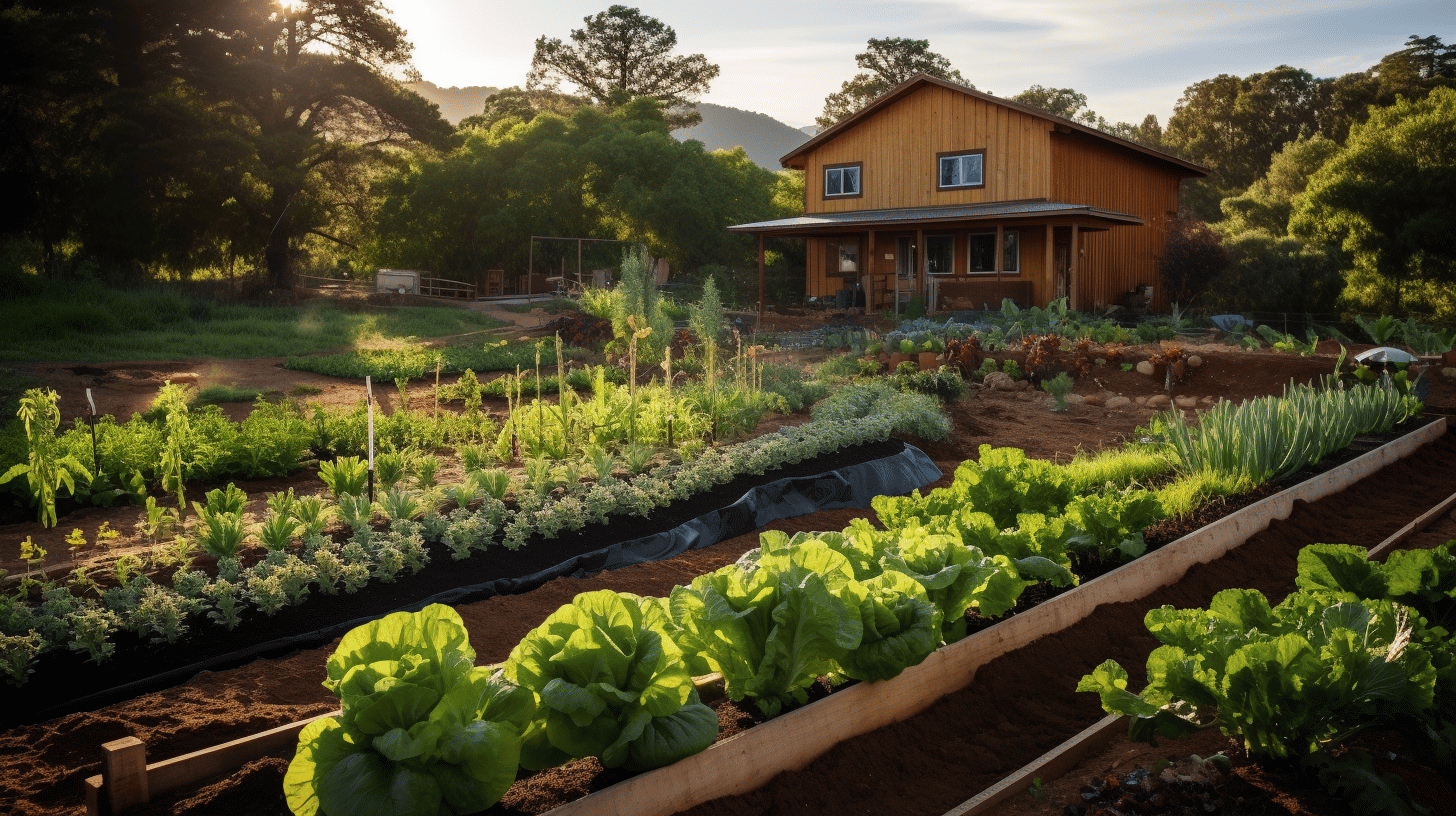
Hügelkultur is a permaculture technique that involves creating raised beds by layering organic materials like logs, branches, and compost. This method is not only a great way to improve soil fertility but also helps retain moisture in the soil. As the organic materials break down over time, they release nutrients and hold water, providing a valuable resource during periods of drought.
Companion Planting
Companion planting involves strategically pairing plants that have mutually beneficial relationships. By interplanting species that complement each other, farmers can optimize space, maximize yields, and reduce water consumption. For example, planting drought-tolerant crops alongside moisture-loving plants helps create a more balanced microclimate that conserves water and increases overall resilience.
Food Forests
Food forests, also known as forest gardens or agroforestry systems, mimic the structure and functions of natural forests. These diverse and layered ecosystems utilize different plants at various heights to create a self-sustaining and water-efficient farming system. By incorporating a mix of fruit trees, shrubs, herbaceous plants, and groundcovers, food forests provide multiple benefits, including increased water retention and reduced irrigation needs.
‘No-Till’ Methods
Traditional agricultural practices like tilling can disrupt soil structure and lead to increased water evaporation. ‘No-till’ methods, on the other hand, minimize soil disturbance by leaving the ground undisturbed between crop cycles. By conserving soil moisture and promoting the growth of beneficial microorganisms, ‘no-till’ farming supports healthier and more resilient soils, making them better equipped to cope with drought conditions.
Zones
In permaculture design, the concept of zones helps farmers strategically plan their landscapes based on water needs and accessibility. By grouping plants with similar water requirements closer to water sources and placing drought-tolerant plants in more distant zones, farmers can efficiently manage water resources and reduce the impact of drought. This zoning approach optimizes water usage and promotes sustainable farming practices.
As the evidence suggests, integrating permaculture practices into farming systems has the potential to revolutionize our approach to agriculture in the face of drought. By implementing techniques such as thick mulches, closed-canopy planting, and companion planting, farmers can conserve water, promote soil health, and build resilience in their fields. It’s time to embrace these innovative practices and prepare our food systems for a future with increasingly unpredictable climate conditions.
Agroecology for Drought-Resistant Farming
Agroecology is a sustainable agricultural approach that promotes practices to mitigate the effects of drought on farming. By implementing agroecological principles, farmers can cultivate drought-resistant crop varieties and adopt farming systems that require less irrigation. Through thoughtful planning and innovation, agroecology offers solutions to the challenges posed by water scarcity, ensuring the resilience and longevity of agricultural practices.
Drought-Resistant Crop Varieties
One of the key strategies employed in agroecology is the cultivation of drought-resistant crop varieties. These varieties have been specially bred or selected for their ability to withstand periods of water scarcity. They possess traits such as deep root systems or enhanced water-use efficiency, enabling them to thrive even in arid or semi-arid conditions.
Farmers who embrace agroecology can choose from a wide range of drought-resistant crop varieties, including:
- Drought-Tolerant Maize: These varieties have been developed to efficiently use water and maintain productivity, even under limited rainfall.
- Drought-Resistant Legumes: Leguminous crops like cowpeas and pigeon peas have shown remarkable resilience in drought-prone areas, thanks to their ability to fix nitrogen and tolerate dry spells.
- Water-Efficient Rice: Scientists have developed rice varieties that require less water for growth, ensuring sustainable rice production in water-stressed regions.
By integrating these drought-resistant crop varieties into their farming systems, farmers reduce their reliance on irrigation and the volatility associated with water availability. Moreover, these crops contribute to biodiversity conservation, carbon sequestration, and increased soil health, enhancing the overall sustainability of agricultural practices.
Farming Systems Requiring less Irrigation
Agroecology also promotes farming systems that require less irrigation, reducing the strain on water resources and increasing the resilience of agriculture in drought-prone regions. By adopting these innovative systems, farmers can optimize water use and achieve sustainable yields. Some of these systems include:
- Agroforestry: In agroforestry systems, trees and crops are grown together, creating mutually beneficial interactions. Trees provide shade and windbreaks, reducing crop water requirements and enhancing moisture retention in the soil.
- Conservation Agriculture: Conservation agriculture practices, such as minimum tillage and soil cover, help retain soil moisture and minimize water loss due to evaporation. This system improves soil health, reduces erosion, and conserves water resources.
- Drip Irrigation: Drip irrigation delivers water directly to the roots of plants, minimizing water losses through evaporation and runoff. This precise irrigation technique maximizes water-use efficiency and reduces overall water consumption.
By adopting these agroecological farming systems, farmers not only adapt to water scarcity but also contribute to the sustainability of their ecosystems. These practices enhance soil moisture retention, increase biodiversity, and minimize the impacts of drought on agricultural productivity.
In conclusion, agroecology offers a promising pathway towards drought-resistant farming. By promoting the cultivation of drought-resistant crop varieties and adopting farming systems that require less irrigation, agroecology empowers farmers to cope with the challenges posed by water scarcity. This sustainable approach not only increases agricultural resilience but also contributes to the long-term well-being of our planet and future generations.
Indigenous Farming Practices in Drought-Affected Areas
The Resilience of Indigenous Farming Practices
Droughts can be devastating for farmers and communities, but indigenous farming practices have long shown their resilience in these challenging conditions. Indigenous communities have developed unique methods and strategies to adapt to their environment and sustain their agricultural practices even during times of extreme water scarcity. These practices are rooted in centuries of knowledge and are crucial for ensuring food security and preserving cultural heritage.
Indigenous farming practices prioritize sustainability, resource management, and community cooperation. Despite their effectiveness, these practices are often overlooked or undervalued in modern agriculture systems. However, as the world faces increasing challenges from climate change and unpredictable weather patterns, there is growing recognition of the value of indigenous knowledge in mitigating the impact of droughts on farming communities.
Key Features of Indigenous Farming Practices
Indigenous farming practices are characterized by their deep connection to the land and environment, as well as their holistic approach to agriculture. Here are some key features of these practices:
- Crop Diversity: Indigenous farmers understand the importance of planting a wide range of crops that are well-suited to their local conditions. This diversification helps mitigate the risks associated with droughts by increasing the chances of having a successful harvest even if certain crops fail.
- Water Conservation: Water scarcity is a significant challenge during droughts, and indigenous farmers have developed innovative strategies to conserve and manage water resources. These practices include rainwater harvesting, building small-scale irrigation systems, and using traditional knowledge to optimize irrigation techniques.
- Soil Health and Fertility: Indigenous farmers prioritize soil health and fertility through techniques such as crop rotation, intercropping, and the use of organic fertilizers. By maintaining healthy soils, they can enhance the resilience of their crops and mitigate the impact of drought.
- Traditional Knowledge and Seed Saving: Indigenous farming practices are deeply rooted in traditional knowledge passed down through generations. This includes knowledge of local climate patterns, traditional planting techniques, and seed saving. By preserving and utilizing traditional seeds, indigenous farmers can adapt to changing conditions and maintain crop biodiversity.
The Importance of Supporting Indigenous Farming Practices
Supporting and promoting indigenous farming practices in drought-affected areas can have numerous benefits, including:
- Food Security: Indigenous farming practices focus on sustainable food production, which is crucial for ensuring food security in times of drought. By diversifying crops and utilizing traditional knowledge, indigenous farmers can maintain a steady supply of food even during challenging climatic conditions.
- Preservation of Biodiversity: Indigenous farming practices prioritize crop diversity, leading to the preservation of traditional and locally-adapted varieties. This helps protect biodiversity and ensures access to a wide range of genetic resources that can contribute to crop resilience and adaptation.
- Climate Change Mitigation: Indigenous farming practices often incorporate climate-resilient techniques that can help mitigate the effects of climate change. By promoting these practices, we can contribute to reducing greenhouse gas emissions and building more sustainable agricultural systems.
- Cultural Heritage Preservation: Indigenous farming practices are deeply intertwined with cultural traditions and customs. Supporting these practices not only helps preserve cultural heritage but also promotes social cohesion and community resilience.
In conclusion, indigenous farming practices have proven themselves to be resilient and sustainable in drought-affected areas. By recognizing the value of traditional knowledge and supporting these practices, we can foster a more resilient, diverse, and sustainable agricultural system that benefits both people and the environment.
Resilient and Self-Sustaining Agricultural Ecosystems through Permaculture
Permaculture offers a powerful approach to creating resilient and self-sustaining agricultural ecosystems, particularly in areas affected by drought. By implementing a range of techniques and practices, farmers can enhance the natural resilience of their land, reduce water consumption, and promote the health and productivity of their crops. Let’s delve into some of the key permaculture strategies that contribute to developing such thriving ecosystems.
Carbon Sequestration
One essential aspect of permaculture is the promotion of carbon sequestration. This process involves capturing atmospheric carbon dioxide and storing it in the soil, where it can enhance soil fertility and moisture retention. Through the use of cover crops, such as legumes, and the careful management of organic matter, farmers can increase carbon levels in their soil and simultaneously mitigate climate change.
Rainwater Harvesting
With water scarcity being a prevalent challenge in drought-affected areas, permaculture emphasizes the value of rainwater harvesting. By implementing various techniques like collecting rainwater from rooftops, redirecting runoff into swales, and using contour planting, farmers can efficiently capture and store rainwater for later use. This approach not only conserves precious water resources but also reduces erosion and promotes healthier soil.
Swales
Swales are another powerful tool in permaculture design for drought-resistant farming. These are shallow channels or trenches that are strategically placed on contour across the landscape. By slowing down the flow of water and allowing it to infiltrate the soil, swales help to recharge groundwater, prevent runoff, and improve moisture retention in the land. Additionally, they create ideal environments for planting trees and other water-loving plants.
Contour Planting
Contour planting is closely linked to the concept of swales and involves planting along the contour lines of the land. By aligning crops, trees, or shrubs perpendicular to the natural slope, this technique helps to slow down water movement, reduce erosion, and maximize moisture absorption by the soil. Contour planting also enhances the effectiveness of irrigation and contributes to overall water conservation.
Intelligent Landscape Design
Permaculture encourages farmers to design their agricultural landscapes intelligently, considering factors such as microclimates, wind patterns, and natural water flows. By carefully observing these elements, farmers can create more resilient ecosystems that optimize natural resources and minimize the impact of drought. Intelligent landscape design includes the strategic placement of trees, shrubs, and structures to provide shade, windbreaks, and microclimate moderation.
Innovative Water Management Strategies
Permaculture involves the exploration and implementation of innovative water management techniques to address drought challenges. These may include the use of graywater systems to recycle and reuse water, the integration of aquaponics or hydroponics systems to maximize water efficiency, and the adoption of drip irrigation methods that deliver water directly to plant roots, minimizing water loss through evaporation.
Soil Conservation
Healthy and fertile soil is vital for sustainable agriculture in arid regions. Permaculture approaches soil conservation through the use of techniques like composting, mulching, and cover cropping. These practices enrich the soil, enhance its structure and water-holding capacity, and create a favorable environment for beneficial microorganisms that support plant growth even in challenging conditions.
Earthwork Water Sinks
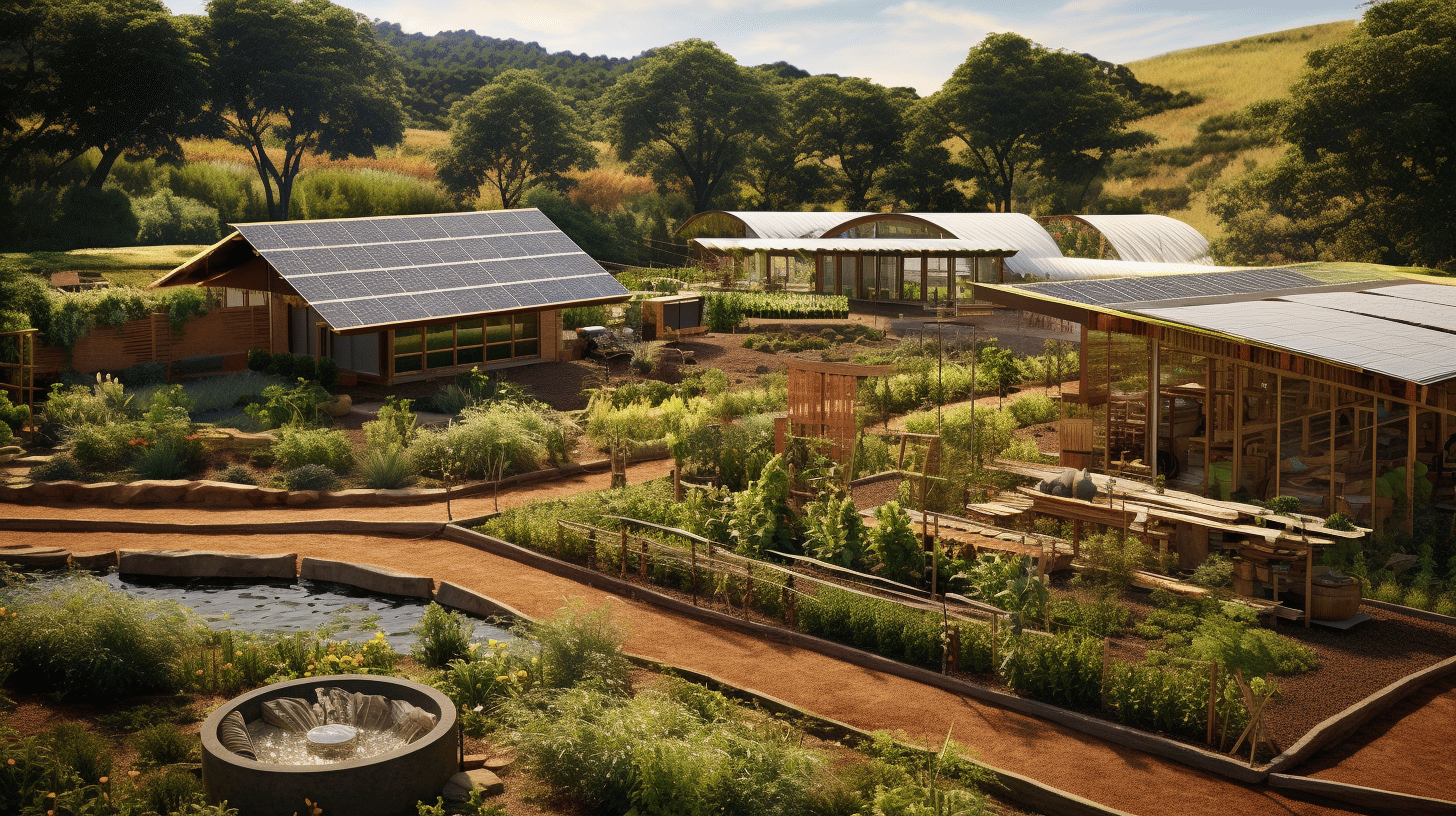
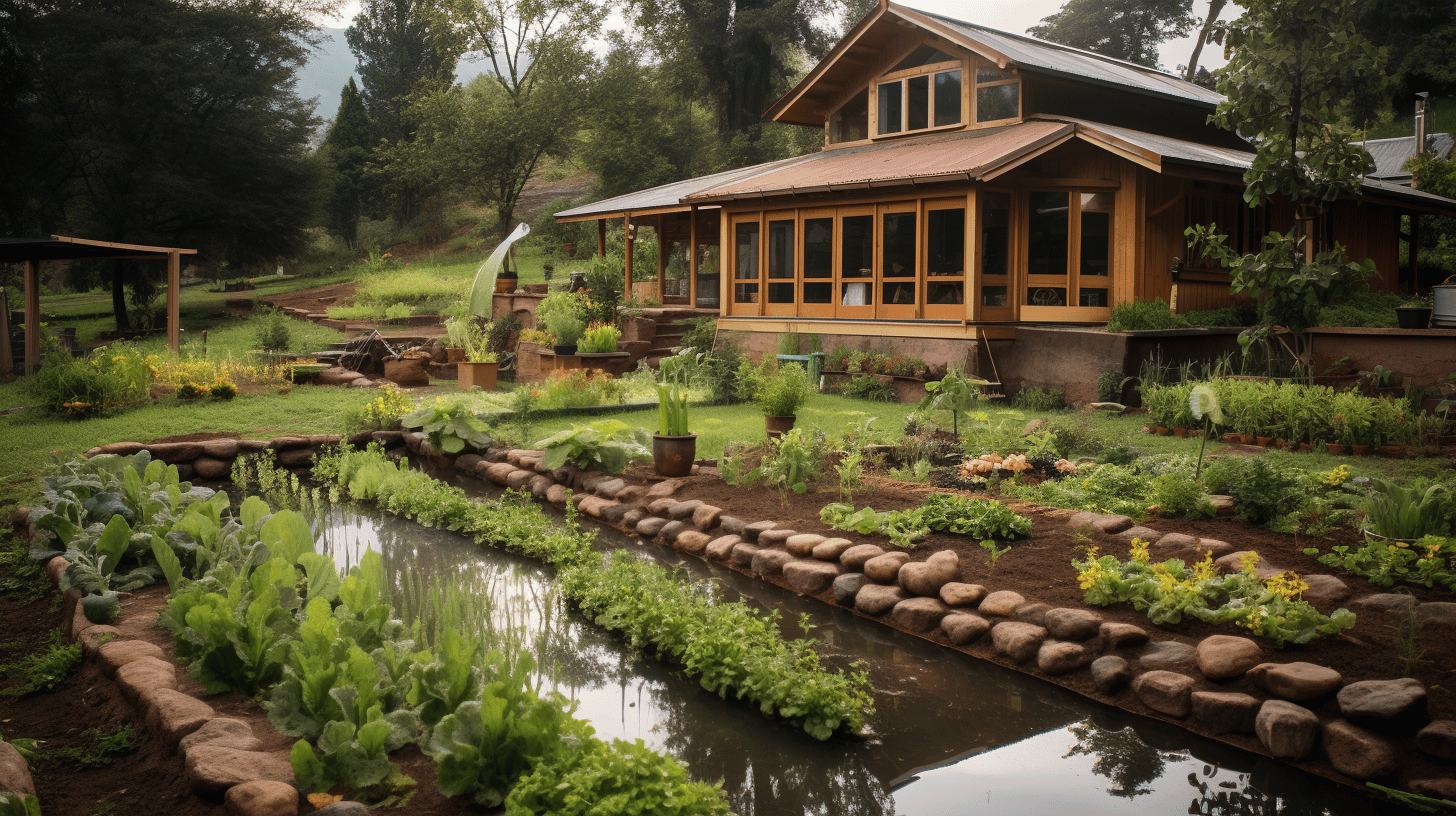
Permaculture often involves the creation of earthwork water sinks, such as ponds or swales, to capture and store water on the landscape. These features help to replenish groundwater, retain moisture in the soil, and provide habitats for wildlife. Earthwork water sinks can also be designed to incorporate floating gardens or aquaculture systems, further diversifying the agricultural opportunities within a permaculture ecosystem.
By adopting these permaculture principles and practices, farmers can develop resilient and self-sustaining agricultural ecosystems that are better equipped to withstand drought conditions. These strategies not only conserve water but also enhance soil health, maximize productivity, and promote biodiversity. Through the implementation of permaculture, farming communities can cultivate thriving landscapes that are well-adapted to the challenges of a changing climate.
Frequently Asked Questions
- What are some permaculture techniques for drought-resistant farming?
Some permaculture techniques for drought-resistant farming include water catchment systems, swales and berms, mulching, companion planting, drip irrigation, and using drought-tolerant plant species.
- How do water catchment systems help in drought-resistant farming?
Water catchment systems collect and store rainwater for later use, reducing dependency on external water sources during dry periods. They can be simple rain barrels or more complex systems like cisterns or underground tanks.
- What is the concept behind using swales and berms in drought-resistant farming?
Swales and berms are landscape features that help capture and retain rainwater. They are designed to slow down water runoff, allowing it to infiltrate the soil and recharge groundwater, making it available to plants for a longer time.
- How does mulching help in drought-resistant farming?
Mulching involves covering the soil around plants with organic materials like straw, leaves, wood chips, or compost. This protects the soil from moisture evaporation, moderates soil temperature, and improves water retention, thus reducing water needs.
- What is companion planting, and how does it aid in drought-resistant farming?
Companion planting involves strategically planting compatible crops together. Some plant combinations help improve water efficiency, such as growing deep-rooted plants with shallow-rooted ones, reducing competition for water resources.