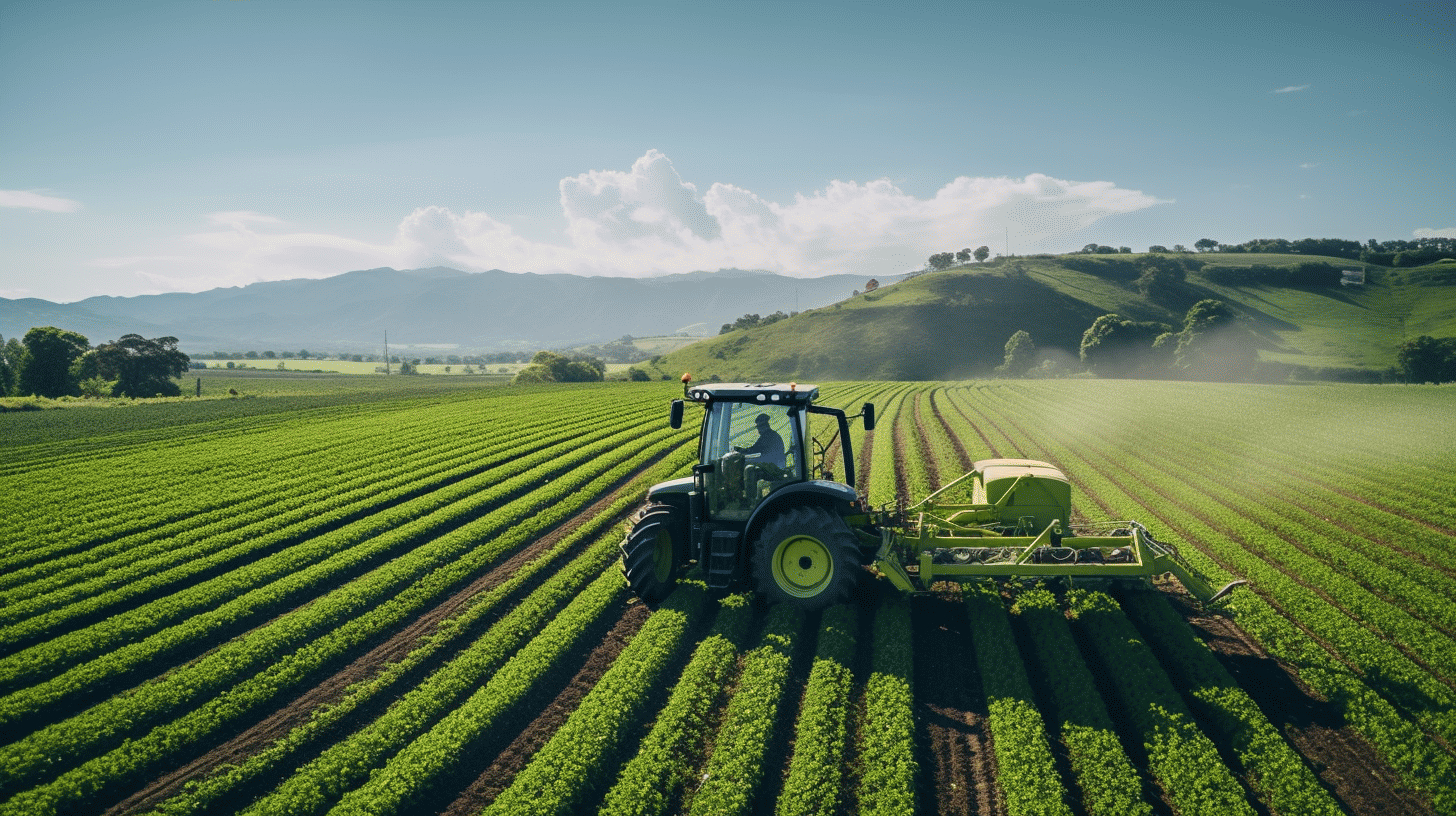
Regenerative farming practices have gained significant attention in recent years as farmers and researchers recognize their potential to improve soil health and contribute to a more sustainable agricultural system. These innovative strategies prioritize the health of the soil, focusing on restoring its natural fertility and biodiversity. By implementing regenerative farming techniques, farmers can enhance their crop yield, support ecosystem services, and mitigate the impacts of climate change.
In this article, we will explore the benefits of regenerative farming, delve into the principles and practices involved, and discuss the environmental impacts of adopting these methods. Whether you’re a farmer looking to optimize your agricultural practices or an environmentally conscious consumer interested in supporting sustainable farming, this article will provide you with valuable insights into regenerative farming practices and their significance in improving soil health.
In the sections that follow, we will examine the following key aspects of regenerative farming:
- Benefits of Regenerative Farming: We will explore how regenerative farming can improve soil health, increase nutrient density in crops, enhance overall crop yield, and contribute to carbon sequestration.
- Principles and Practices of Regenerative Farming: We will delve into the core principles behind regenerative farming, including the relationships between soil, water, crops, and people. Additionally, we will discuss the reduction of chemical inputs, promotion of biodiversity, erosion minimization, and the increase in organic matter as crucial practices in regenerative farming.
- Regenerative Agriculture and Environmental Impact: We will examine the positive environmental impacts of regenerative farming, including carbon sequestration, climate change mitigation, and biodiversity conservation.
Through this comprehensive exploration, we aim to shed light on the importance of regenerative farming practices and their potential to transform our agricultural system for the better. So let’s dive in and uncover the potential of regenerative farming to improve soil health and promote a sustainable future!
Benefits of Regenerative Farming
Regenerative farming is gaining recognition as a sustainable and environmentally conscious approach to agriculture. By focusing on regenerating the health of the soil, regenerative farming practices offer numerous benefits that positively impact both the environment and the quality of the food produced. Let’s explore some of the key benefits of regenerative farming.
Improved Soil Health
One of the primary advantages of regenerative farming is the improvement in soil health. The implementation of regenerative practices, such as cover cropping and crop rotation, leads to higher organic matter content in the soil. This increase in organic matter enhances the soil’s water-holding capacity, nutrient availability, and overall fertility. Not only does this result in healthier plants, but it also contributes to the long-term sustainability of the land.
Increased Nutrient Density
Food grown on regenerative farms has been found to have higher nutrient density compared to conventionally grown crops. Studies have shown that regenerative agriculture practices result in crops that contain more essential minerals like magnesium, calcium, potassium, and zinc, as well as higher levels of vitamins. This means that consumers can enjoy more nutritious and wholesome produce, contributing to their overall health and well-being.
Enhanced Crop Yield
Contrary to popular belief, regenerative farming techniques can actually increase crop yields. By implementing practices such as agroforestry and polyculture, which involve the cultivation of a diverse range of crops and integrating trees within fields, regenerative farmers create ecosystems that are conducive to robust plant growth. This diversity not only reduces pest and disease pressure but also improves the soil structure and nutrient availability, ultimately leading to higher crop yields.
Carbon Sequestration
Regenerative farming practices also play a significant role in carbon sequestration. By sequestering carbon from the atmosphere and storing it in the soil, regenerative agriculture acts as a powerful tool in mitigating climate change. Farms practicing regenerative agriculture have been found to have higher levels of soil carbon, contributing to the reduction of greenhouse gas emissions. This carbon sequestration not only helps offset agricultural production emissions but also improves the overall climate resilience of the farming systems.
In a nutshell, regenerative farming offers a multitude of benefits that promote sustainable and resilient agriculture. From improved soil health to increased nutrient density and enhanced crop yields, these practices pave the way for a more environmentally friendly and healthier food production system. Embracing regenerative farming is not only good for the planet but also for the well-being of both farmers and consumers alike.
Principles and Practices of Regenerative Farming
Regenerative farming is an approach to agriculture that focuses on the interconnected relationship between soil, water, crops, and people. It seeks to not only sustain the land but also restore and improve its health and vitality. By adopting regenerative practices, farmers can create a balanced ecosystem that benefits both the environment and the community.
Soil-Water-Crop-People Relationship
One of the core principles of regenerative farming is the recognition of the intricate relationship between soil, water, crops, and people. This approach acknowledges that healthy, vibrant soil is essential for the growth of nutritious crops, which in turn nourish and sustain people. By nurturing the soil, farmers can unlock its potential to retain water, enhance nutrient availability, and support the growth of diverse plant species.
Reduction of Chemical Inputs
Regenerative agriculture practices prioritize minimizing chemical inputs such as synthetic fertilizers and pesticides. Instead, farmers utilize natural and organic methods, such as composting and cover cropping, to enhance soil fertility and combat pests and diseases. By reducing reliance on chemicals, farmers can mitigate potential harm to the environment, promote long-term soil health, and protect beneficial insects and wildlife.
Promoting Biodiversity
Encouraging biodiversity is another key aspect of regenerative farming. By cultivating diverse plant species and creating habitat corridors, farmers can attract beneficial insects and wildlife, such as pollinators and natural predators of pests. This helps to maintain a balanced ecosystem and reduce the need for chemical interventions. Additionally, biodiversity enhances resilience to climate change and strengthens the overall health of the farm.
Erosion Minimization
Regenerative practices aim to minimize soil erosion, a major environmental issue in traditional agriculture. By implementing techniques such as contour plowing, terracing, and maintaining ground cover, farmers can prevent valuable topsoil from being washed away by wind or water. This not only preserves the fertility of the land but also minimizes the negative impact on nearby water bodies and ecosystems.
Increase in Organic Matter
One of the measurable benefits of regenerative farming is the increase in organic matter in the soil. Organic matter serves as a storehouse for nutrients, improves soil structure, and enhances water-holding capacity. By incorporating practices like cover cropping and crop rotation, farmers can boost the organic matter content, leading to improved soil fertility, increased water infiltration, and reduced nutrient runoff.
In essence, regenerative farming represents a holistic approach that tackles various challenges faced by modern agriculture. It emphasizes the importance of nurturing the soil, reducing chemical inputs, promoting biodiversity, minimizing erosion, and increasing organic matter. By implementing these practices, farmers can not only restore degraded land but also enhance the overall resilience and sustainability of their farms.
Regenerative Agriculture and Environmental Impact
Regenerative agriculture is gaining momentum as a sustainable and environmentally friendly farming practice. It not only has economic benefits for growers but also plays a vital role in mitigating climate change and conserving biodiversity. By implementing regenerative practices, farmers can make a positive impact on soil health, carbon sequestration, and ecosystem resilience.
Carbon Sequestration
One of the key environmental benefits of regenerative agriculture is its ability to sequester carbon in the soil. Through photosynthesis, plants absorb carbon dioxide from the atmosphere and convert it into organic matter. This organic matter is then stored in the soil, locking carbon away for the long term. Studies have shown that adopting regenerative farming practices can significantly increase carbon sequestration rates, helping to offset greenhouse gas emissions and combat climate change.
Climate Change Mitigation
Regenerative agriculture is a powerful tool in the fight against climate change. By building organic matter in the soil, regenerative practices enhance soil health and increase its capacity to store water. This improves resilience to extreme weather events such as droughts and floods, which are becoming more frequent and severe due to climate change. Additionally, regenerative practices like cover cropping, nutrient management, and no-till farming reduce the need for synthetic fertilizers and pesticides, further minimizing greenhouse gas emissions.
Biodiversity Conservation
Regenerative agriculture is not just about improving soil health; it also aims to restore and enhance biodiversity on farms. By adopting practices like agroforestry, crop rotation, and the use of cover crops, farmers create diverse habitats that attract beneficial insects, birds, and other wildlife. These thriving ecosystems help control pests naturally and promote the pollination of crops. Increased biodiversity also improves soil fertility and resilience, reducing the reliance on synthetic inputs and supporting long-term sustainability.
In conclusion, regenerative agriculture is a holistic approach that brings together environmental, economic, and social benefits. By implementing regenerative practices, farmers can contribute to carbon sequestration, climate change mitigation, and biodiversity conservation. This sustainable and accessible farming method holds tremendous potential in addressing pressing environmental challenges and ensuring a healthier future for both farmers and the planet.
Conclusion
In conclusion, regenerative farming practices offer a multitude of benefits for both farmers and the environment. By adopting sustainable and regenerative practices, such as improving soil health, reducing chemical inputs, promoting biodiversity, and minimizing erosion, farmers can enhance crop yield, increase nutrient density, and contribute to carbon sequestration.
Regenerative agriculture not only supports the health and well-being of the soil, water, crops, and people, but also plays a vital role in mitigating climate change and conserving biodiversity. It is a holistic approach that fosters a future where agriculture and ecology thrive in harmony.
As you embark on your journey towards regenerative agriculture, the Regenerative Agriculture Wiki is here to guide and support you. Our specialized platform offers extensive content on various aspects of regenerative farming, including soil health, holistic management, permaculture, and agroecology. With our insights, tips, and comprehensive guides, you can explore the potential of regenerative agriculture and contribute to a more sustainable future.
Visit Regenerative Agriculture Wiki today to discover the transformative power of regenerative farming practices!
Monetize: “As you embark on your journey towards regenerative agriculture, the Regenerative Agriculture Wiki offers a wide range of resources and tools to support your transition. Explore our carefully curated selection of regenerative farming products, from organic fertilizers to innovative soil testing kits, that can help you optimize your farming practices and maximize your results. Take the first step towards sustainable and regenerative farming with our recommended products.”
Remember, the future lies in our hands, and together, we can create a world where agriculture and ecology thrive in harmony. Join us in fostering a regenerative future today!
Frequently Asked Questions
- What is regenerative farming?
Regenerative farming is a holistic approach to agriculture that focuses on restoring and improving the health of the soil. It involves minimizing soil disturbance, promoting biodiversity, using cover crops, and integrating livestock to build organic matter and enhance soil fertility.
- What are the benefits of regenerative farming?
Regenerative farming offers numerous benefits, including improved soil health, increased crop yields, enhanced nutrient content in produce, reduced erosion and water pollution, increased carbon sequestration, and improved resilience to climate change.
- What are some key strategies used in regenerative farming practices?
Some key strategies used in regenerative farming practices include cover cropping, crop rotation, minimal tillage or no-till farming, composting, agroforestry, utilizing manure and organic fertilizers, and implementing water conservation techniques.
- Is regenerative farming applicable to all types of agriculture?
Yes, regenerative farming can be applied to various types of agriculture, including both large-scale conventional farms and small-scale organic farms. The principles and practices of regenerative farming can be tailored to suit different farming systems and environments.
- How does regenerative farming contribute to environmental sustainability?
Regenerative farming practices contribute to environmental sustainability by improving soil health, reducing the need for synthetic fertilizers and pesticides, sequestering carbon from the atmosphere, promoting biodiversity, conserving water, and minimizing soil erosion and nutrient runoff.