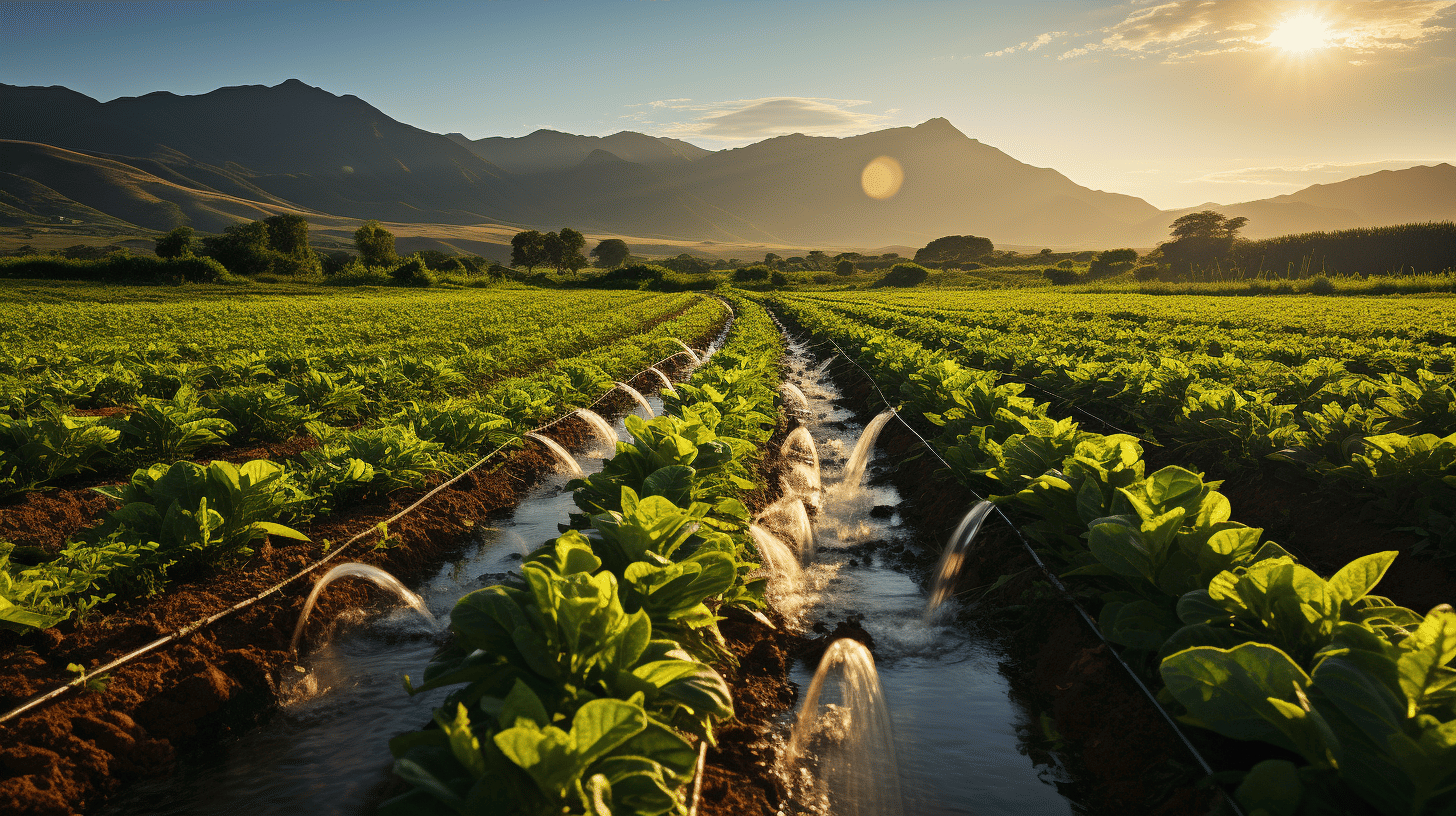
Water management is a critical aspect of agriculture that often goes overlooked. Whether you’re a small-scale farmer or managing large agricultural operations, understanding the importance of effective water management practices can make a significant difference to your farm’s success. By optimizing irrigation techniques, conserving water resources, and implementing innovative technologies, farmers can achieve higher crop yields, minimize water contamination, and contribute to the overall sustainability of their operations.
In this article, we will explore the top 10 common water management mistakes to avoid on your farm. We’ll discuss the importance of water management in agriculture and highlight the best management practices (BMPs) that can help you optimize your water usage. Additionally, we’ll delve into the role of water management in addressing global water scarcity, adapting to climate change, and the latest research and innovations in the field.
Whether you’re a seasoned farmer or just starting in the agricultural industry, this article will provide valuable insights and practical tips to enhance your water management practices. So, let’s dive right in and discover how you can make the most of your water resources while ensuring the long-term sustainability and productivity of your farm.
Importance of Water Management in Agriculture
Water management plays a vital role in agriculture, ensuring the sustainable use of water resources and the overall success of farming operations. Efficient water management practices not only benefit farmers but also have a positive impact on the environment and the global food supply. In this section, we will explore three key reasons why water management is crucial in agriculture.
Efficiency and Uniformity of Irrigation
Good water management practices in agriculture can increase the efficiency and uniformity of irrigation. By carefully managing water usage, farmers can optimize the distribution of water to crops, ensuring that each plant receives the right amount of water at the right time. This helps to minimize water waste and maximize crop growth and productivity.
Proper water management techniques, such as drip irrigation and precision watering systems, allow farmers to deliver water directly to the roots of plants, reducing evaporation and runoff. This targeted approach not only conserves water but also improves the absorption of nutrients by the crops, leading to healthier and more vigorous growth.
In addition, implementing water-saving technologies like soil moisture sensors and weather-based irrigation scheduling helps farmers make more informed decisions about when and how much water to apply. By utilizing these tools, farmers can optimize their irrigation practices, resulting in water savings and improved crop yields.
Reduced Water Contamination
Proper water management can help reduce contamination of water resources. In agriculture, fertilizers, pesticides, and other chemicals are commonly used to enhance crop growth and control pests. However, when applied incorrectly or in excessive amounts, these substances can leach into groundwater or nearby water bodies, leading to water pollution.
By implementing effective water management practices, such as utilizing precision application techniques and following recommended application rates, farmers can minimize the risks of water contamination. These practices ensure that fertilizers and pesticides are used efficiently and effectively, reducing the likelihood of them reaching water sources and causing harm to the environment and human health.
Improved Crop Yields and Quality
Effective water management practices in farming can improve crop yields and enhance overall crop quality. Proper and timely irrigation promotes healthy plant growth, as it provides crops with the necessary moisture they need to thrive. When crops receive adequate water, they are less stressed and more resilient to pests, diseases, and adverse weather conditions.
Furthermore, water management plays a crucial role in optimizing nutrient uptake by the plants. When water is supplied in the right quantities and at the right times, crops can absorb essential nutrients efficiently, resulting in improved yield potential and higher-quality produce.
By implementing efficient irrigation systems, monitoring soil moisture levels, and adopting water-saving techniques, farmers can ensure that their crops receive the optimal amount of water, leading to increased productivity and better crop quality.
In conclusion, water management is of utmost importance in agriculture due to its significant impact on irrigation efficiency, water contamination reduction, and crop yield and quality improvement. By implementing appropriate water management techniques, farmers can contribute to the sustainability of water resources, protect the environment, and secure a reliable and abundant food supply.
Best Management Practices (BMPs) for Agricultural Water Users
Site-Specific Management
When it comes to managing water in agriculture, site-specific management practices play a vital role. These practices focus on understanding the unique characteristics of the farm and tailoring irrigation strategies accordingly. Here are some site-specific management BMPs:
- Soil moisture monitoring: Regular monitoring of soil moisture levels helps farmers determine when and how much water should be applied to crops. This information can prevent over- or under-irrigation, leading to more efficient water use and improved crop yield.
- Crop selection and rotation: Choosing crops that are well-suited to the local climate and soil conditions can reduce water demand. Additionally, practicing crop rotation can help improve soil health and water retention, reducing the need for excessive irrigation.
- Water scheduling: Developing a water schedule based on crop water requirements and weather conditions can prevent unnecessary water wastage. By irrigating at the right time and in the right amounts, farmers can optimize water use and minimize runoff.
Educational Practices
Educational practices are an essential component of BMPs for agricultural water users. Providing farmers with knowledge and training ensures that they have the necessary skills to implement water-saving techniques effectively. Here are some educational BMPs:
- Training programs: Conducting training programs and workshops for farmers can help disseminate information about water-saving techniques and sustainable farming practices. These programs can educate farmers on topics such as efficient irrigation methods, crop water requirements, and water conservation strategies.
- Information sharing: Establishing platforms for information sharing among farmers, such as farmer networks or online forums, can facilitate the exchange of best practices and lessons learned. This collective knowledge can lead to widespread adoption of water-saving techniques across the agricultural community.
Technological Practices
Advancements in technology have made it possible to implement innovative practices that optimize water use in agriculture. Technological practices can help farmers monitor water use, automate irrigation systems, and reduce water waste. Here are some technological BMPs:
- Precision irrigation systems: Precision irrigation systems, such as drip irrigation or micro sprinklers, help deliver water directly to the root zone of plants, reducing water evaporation and runoff. These systems can be controlled remotely, allowing farmers to adjust irrigation schedules based on real-time data.
- Remote sensing and data analysis: Using remote sensing technologies, such as aerial imagery or satellite data, farmers can gather information about crop health and water stress. By analyzing this data, they can make informed decisions about irrigation practices and detect potential water-related issues early on.
- Smart water management platforms: Smart water management platforms integrate various technological tools, including sensors, weather forecasts, and data analytics, to optimize irrigation practices. These platforms provide real-time data and insights, enabling farmers to make data-driven decisions and improve water use efficiency.
Implementing BMPs for agricultural water users is a win-win situation. Not only do these practices lead to more sustainable water use, but they also benefit farmers by reducing costs and improving crop yield. By adopting site-specific management, educational, and technological practices, agricultural water users can contribute to water conservation efforts while maintaining productivity in their farms. Let’s strive towards a future where water is used wisely in agriculture, ensuring a sustainable and fruitful environment for all.
Improving Irrigation Infrastructure
Introduction:
When it comes to sustainable agriculture, it’s crucial to prioritize water efficiency. Upgrading irrigation infrastructure is one such way to make a positive impact. By adopting microirrigation techniques and efficient pumping plants, farmers can significantly reduce water wastage and enhance their crop productivity. Let’s explore these two key components of improving irrigation infrastructure and how they contribute to water conservation in agriculture.
Microirrigation: Small Changes, Big Savings
Microirrigation, also known as drip irrigation, is a precise and efficient method of delivering water directly to the plant’s root zone. Unlike conventional flood irrigation, where water is applied over the entire field surface, microirrigation provides targeted water application, resulting in several key benefits:
- Water Savings: Microirrigation systems significantly reduce water consumption compared to traditional irrigation methods. With precise water delivery, only the necessary amount of water is applied, minimizing evaporation and deep percolation losses. This water-saving technique is especially beneficial in regions facing water scarcity or drought conditions.
- Improved Crop Health: By directly watering the plant’s root zone, microirrigation ensures that plants receive an adequate and consistent water supply. This promotes healthier root development and efficient nutrient uptake, leading to improved crop growth and higher yields.
- Weed and Disease Reduction: Since water is delivered directly to the plants, there is minimal water contact with the soil surface, reducing the growth of weeds. Additionally, foliar diseases caused by overhead irrigation, such as fungal diseases, are significantly minimized with microirrigation. This reduces the need for herbicides and fungicides, resulting in cost savings and a more environmentally friendly approach to farming.
- Flexibility and Precision: Microirrigation systems offer farmers greater flexibility in managing their irrigation schedules. With adjustable emitters and timers, water application can be customized based on specific crop requirements, soil moisture levels, and weather conditions. This precision allows farmers to optimize water usage and maximize crop productivity.
Efficient Pumping Plants: Maximizing Irrigation Efficiency
Efficient pumping plants play a crucial role in ensuring the sustainable utilization of water resources in agriculture. These plants are designed to deliver water effectively, minimize energy consumption, and reduce operational costs. Here are some key advantages of upgrading to efficient pumping plants:
- Energy Efficiency: Efficiency is a prime consideration when selecting pumping plants. Efficient pumps are designed to minimize energy losses, resulting in lower electricity bills. Upgrading to energy-efficient pumping plants can significantly reduce the overall energy consumption of the irrigation system.
- Improved Water Distribution: Efficient pumping plants ensure consistent water pressure across the irrigation system. This leads to uniform water distribution, preventing overwatering or under-watering in different parts of the field. By maintaining optimal water balance, farmers can maintain crop health and avoid water stress.
- Reduced Maintenance Costs: Modern pumping plants are built with advanced technology, requiring minimal maintenance and repairs. Their robust design and improved durability ensure long-lasting performance, reducing the need for frequent servicing. This results in cost savings for farmers and less downtime for irrigation operations.
- Integration with Automation: Efficient pumping plants can be integrated into automated irrigation systems, allowing for precise control and monitoring. By using sensors and remote monitoring devices, farmers can monitor soil moisture levels, weather conditions, and water flow rates. This data-driven approach optimizes water usage and reduces the risk of overwatering or wasting resources.
Conclusion:
Improving irrigation infrastructure, through the adoption of microirrigation techniques and efficient pumping plants, offers a range of benefits for sustainable agriculture. These upgrades result in significant water savings, improved crop health, and optimized resource allocation. By prioritizing water efficiency, farmers can contribute to a more sustainable future while maintaining their productivity and profitability.
Practices for Efficient Water Use
Water is a precious resource that we should strive to use efficiently in our daily lives. This not only helps to conserve water for future generations but also has a positive impact on the environment. In the realm of agriculture, implementing practices that optimize water use can contribute significantly to sustainable farming and increased crop productivity. Let’s explore some key practices that can help farmers and gardeners make the most of this valuable resource.
Conservation Tillage
Conservation tillage is a farming technique that involves minimizing or eliminating the traditional method of tilling the soil before planting. Instead, farmers leave the soil undisturbed or make minimal soil disturbances. This practice offers several benefits in terms of water conservation:
- Reduced soil erosion: By leaving crop residues or cover crops on the soil surface, conservation tillage helps protect the soil from erosion caused by wind or water. This, in turn, prevents the loss of topsoil and the depletion of valuable nutrients.
- Improved water infiltration: Conservation tillage keeps the soil structure intact, allowing water to infiltrate more effectively. This reduces surface runoff and increases water retention within the soil, making it available to plants for a longer period.
- Enhanced organic matter content: The presence of crop residues or cover crops in conservation tillage systems contributes to the accumulation of organic matter in the soil. This improves soil structure, promotes root development, and enhances water-holding capacity.
Cover Cropping
Cover cropping involves growing specific plant species, known as cover crops, during the periods when the main crop is not actively growing. These cover crops benefit water use efficiency in the following ways:
- Reduced evaporation: Cover crops act as a protective layer on the soil surface, shielding it from direct sunlight and reducing the rate of evaporation. This minimizes water loss and helps maintain soil moisture levels.
- Increased soil organic matter: Cover crop residues, when incorporated into the soil, contribute to the formation of organic matter, improving soil structure and water-holding capacity. This, in turn, supports healthy root growth and efficient water uptake by crops.
- Weed suppression: The dense growth of cover crops helps suppress weed growth, reducing competition for water and nutrients. This enables the main crop to access water resources more efficiently.
Mulching
Mulching involves covering the soil surface with a layer of organic or inorganic material, such as straw, wood chips, or plastic films. This practice offers numerous benefits for efficient water use:
- Reduced evaporation: Mulch acts as a protective barrier, reducing direct exposure of the soil to sunlight and wind. This limits water loss through evaporation and helps maintain soil moisture levels.
- Temperature regulation: Mulch moderates soil temperature fluctuations, which is particularly beneficial during hot weather. By keeping the soil cooler, it helps reduce water requirements for crop irrigation.
- Weed suppression: Like cover crops, mulch helps suppress weed growth, reducing competition for water resources. This allows the main crop to access water more effectively.
Improving Soil Quality
Improving soil quality is a fundamental practice that contributes to efficient water use. By enhancing the overall health and structure of the soil, farmers can optimize water availability for their crops. Some key strategies for improving soil quality include:
- Adding organic matter: Incorporating compost, manure, or other organic materials into the soil improves its water-holding capacity, enhances nutrient availability, and promotes beneficial microbial activity.
- Reducing compaction: Compacted soil restricts root growth and water infiltration, leading to inefficient water use. Implementing practices such as regular soil aeration or avoiding excessive machinery traffic can help alleviate compaction.
- Balancing soil pH and nutrients: Conducting soil tests and applying appropriate amendments can optimize nutrient availability and pH levels, creating an environment conducive to efficient water uptake by plants.
These practices, when implemented in combination, contribute to efficient water use by enhancing soil water retention, improving root access to water, and minimizing water loss through evaporation and runoff. By adopting these sustainable farming techniques, farmers and gardeners can play a significant role in conserving water resources while achieving optimal crop productivity.
Smart Irrigation Technologies
Smart irrigation technologies have revolutionized the way farmers manage water resources and optimize crop yield. With the help of advanced tools and techniques, such as soil moisture sensors and advanced scheduling systems, farmers can now ensure that their crops receive the perfect amount of water at the right time. This not only leads to significant water savings but also improves the overall quality of the crops. In this article, we will delve into the details of these two smart irrigation technologies: soil moisture sensors and advanced scheduling techniques.
Soil Moisture Sensors
Soil moisture sensors play a crucial role in efficient water management for agriculture. These sensors are designed to measure the moisture content in the soil and provide real-time data to the farmers. By monitoring the soil moisture levels accurately, farmers can determine the exact amount of water needed by their crops. Here’s why soil moisture sensors are a game-changer:
- Precision Irrigation: Soil moisture sensors allow farmers to apply water precisely where it is needed. By avoiding overwatering or underwatering, farmers can save water while ensuring that the plants receive the optimal moisture levels for their growth.
- Water Conservation: With the help of soil moisture sensors, farmers can avoid unnecessary irrigation, reducing water waste significantly. This not only conserves water resources but also lowers irrigation costs for farmers.
- Plant Health Monitoring: Soil moisture sensors can detect the early signs of water stress in plants. By providing timely information about soil moisture levels, farmers can take proactive measures to prevent yield loss caused by drought or waterlogging.
- Efficient Fertilizer Application: Soil moisture sensors can also help optimize fertilizer application. By understanding the moisture status of the soil, farmers can ensure that nutrients are applied only when necessary, leading to efficient fertilizer use and reducing the risk of nutrient leaching.
Advanced Scheduling Techniques
In addition to soil moisture sensors, advanced scheduling techniques also play a vital role in smart irrigation. These techniques rely on weather data, crop evapotranspiration rates, and soil characteristics to determine the most suitable time for irrigation. Here’s how advanced scheduling techniques can benefit farmers:
- Optimized Irrigation Timing: Advanced scheduling techniques take into account various factors that influence water requirements, such as weather conditions and plant growth stage. By scheduling irrigation at the right time, farmers can avoid water loss due to evaporation and ensure that crops receive water when they need it the most.
- Water Resource Management: By combining weather data and crop water requirements, advanced scheduling techniques help farmers make informed decisions about water allocation. This ensures the efficient use of water resources and minimizes the risk of water scarcity.
- Increased Crop Yield: Properly timed irrigation based on advanced scheduling techniques can improve crop yield significantly. By providing plants with water at critical growth stages, farmers can optimize their yield potential and overall crop quality.
In conclusion, smart irrigation technologies, such as soil moisture sensors and advanced scheduling techniques, offer immense benefits to farmers in terms of water management and crop optimization. By utilizing these technologies, farmers can save water, conserve resources, and enhance their crop yields. The integration of these smart irrigation technologies is undoubtedly a step towards sustainable agriculture practices and ensuring food security for the future.
The Role of Water Management in Addressing Global Water Scarcity
Water scarcity is an increasingly pressing issue worldwide, with the demand for water surpassing its availability in many regions. In order to address this challenge, effective water management strategies are essential. These strategies not only help in conserving water resources but also contribute to sustainable agricultural practices, climate resilience, and environmental sustainability. Let’s explore three key areas where water management plays a pivotal role in addressing global water scarcity.
Sustainable and Productive Agro-Food Sectors
Efficient water use in agriculture is crucial for sustainable and productive agro-food sectors, especially in the face of water scarcity concerns. By adopting sustainable agricultural practices and employing water-saving techniques, farmers can significantly reduce their water consumption while maintaining or even improving crop yields. Some of these techniques include:
- Drip irrigation: This method delivers water directly to the plant roots, minimizing evaporation and ensuring that water is used efficiently.
- Precision farming: By using advanced technologies, such as sensors and satellite imagery, farmers can precisely monitor and manage water usage, applying the right amount of water at the right time and in the right place.
- Crop selection and rotation: Choosing drought-tolerant crops and rotating crops based on their water requirements can optimize water use and minimize wastage.
Climate Resilience and Environmental Sustainability
Water management also plays a vital role in promoting climate resilience and environmental sustainability, particularly in the context of agriculture. As climate change leads to more frequent and intense droughts, floods, and extreme weather events, farmers need strategies to adapt and mitigate the impacts. One such strategy is drainage water recycling, which involves capturing and treating excess water from irrigation or rainfall runoff for later reuse. This practice not only reduces the dependency on freshwater sources but also helps in managing waterlogged areas and preventing soil erosion. Through drainage water recycling, farmers can enhance their resilience to climate-related challenges while minimizing the environmental impact of their agricultural activities.
Promoting Water Use Efficiency
Promoting agricultural water use efficiency is a fundamental approach to addressing water scarcity and increasing food production. By optimizing irrigation techniques, farmers can achieve higher water use efficiency and reduce water wastage. Some effective measures include:
- Irrigation scheduling: Following a well-planned irrigation schedule based on crop water requirements, soil moisture levels, and weather conditions helps prevent over-irrigation and water runoff.
- Soil moisture monitoring: Using soil moisture sensors or other monitoring methods, farmers can accurately determine when irrigation is necessary, avoiding unnecessary water usage.
- Improved water application methods: Upgrading irrigation systems to more efficient methods, such as sprinklers or micro-irrigation, can help minimize water losses due to evaporation and runoff.
In conclusion, water management plays a crucial role in addressing global water scarcity. By adopting sustainable agricultural practices, promoting climate resilience, and optimizing water use efficiency, we can make significant strides towards managing our water resources effectively. Implementing these strategies not only ensures water availability for future generations but also contributes to a more sustainable and food-secure world.
Adapting to Water Scarcity and Climate Change
As the world faces the challenges of water scarcity and climate change, it is crucial for farmers to adapt their practices to ensure sustainable agriculture. Investing in improved irrigation systems and exploring alternative water sources can be instrumental in mitigating the impacts of these environmental issues. Let’s dive deeper into these two strategies that can help farmers navigate the challenges ahead.
Improved Irrigation Systems
Efficient irrigation systems play a significant role in water conservation and increasing crop productivity. By adopting improved irrigation techniques, farmers can optimize water usage, reduce water waste, and improve the overall efficiency of irrigation practices. Here are some benefits of investing in improved irrigation systems:
- Water Efficiency: Modern irrigation systems, such as drip irrigation or precision sprinklers, deliver water directly to the plant’s root zone, minimizing evaporation and reducing water loss. This targeted approach ensures that plants receive the necessary moisture while using water resources effectively.
- Automated Control: Advanced irrigation systems often come equipped with sensors and controllers that monitor soil moisture levels, weather conditions, and crop water requirements. This data-driven approach allows farmers to optimize irrigation schedules, avoiding overwatering and maximizing water-use efficiency.
- Precision Application: Improved irrigation systems enable farmers to apply water and nutrients precisely where they are needed, minimizing runoff and leaching. This targeted application not only conserves water but also reduces fertilizer and chemical inputs, promoting environmentally friendly farming practices.
By incorporating these modern irrigation technologies, farmers can adapt to water scarcity challenges, enhance crop yields, and maintain sustainable farming practices.
Alternative Water Sources
Exploring alternative water sources is another crucial step in adapting to water scarcity and climate change. With traditional water sources becoming increasingly unreliable, farmers need to consider alternative options to ensure a consistent water supply. Here are some alternative water sources that farmers can tap into:
- Rainwater Harvesting: Capturing and storing rainwater can provide a valuable water source during dry periods. Farmers can install rainwater collection systems, such as rooftop rainwater tanks or catchment ponds, to collect and store rainwater runoff for future use in irrigation.
- Wastewater Reuse: Treating and reusing wastewater can be an effective strategy to supplement irrigation water. By implementing proper treatment methods, farmers can utilize treated wastewater for non-potable uses, such as irrigation, reducing pressure on freshwater resources.
- Desalination: In coastal areas where freshwater resources are limited, desalination can be a viable solution. Desalination plants remove salt and other impurities from seawater, making it suitable for irrigation. Though desalination can be energy-intensive and costly, advancements in technology are making it a more feasible and sustainable option.
By utilizing alternative water sources, farmers can reduce their dependence on traditional water supplies, ensuring a stable water source for their agricultural activities.
Investing in improved irrigation systems and exploring alternative water sources are vital steps for farmers to adapt to water scarcity and climate change challenges. By embracing these strategies, farmers can enhance water-use efficiency, maintain sustainable farming practices, and secure a reliable water supply for their crops. Let’s join hands in building a resilient agricultural sector that can thrive amid changing environmental conditions.
Research and Innovation in Water Management
Water is a precious resource, and the management of this resource is of utmost importance. With the growing global population and increasing pressure on water supplies, it has become crucial to find innovative solutions to ensure sustainable water management.
Continued research and innovation in irrigation technology and water management practices drive improvements in agricultural water use efficiency and sustainability. These advancements not only help in conserving water but also improve crop productivity and reduce the environmental impact of agriculture. Let’s explore some key areas where research and innovation have made significant contributions to water management:
Smart Irrigation Systems
One of the most notable advancements in water management is the development of smart irrigation systems. These systems utilize data-driven technologies and sensors to optimize water usage in agricultural fields. They monitor soil moisture levels, weather conditions, and crop water needs to deliver the right amount of water at the right time. Benefits of smart irrigation systems include:
- Precise water application, reducing water wastage
- Improved crop yield and quality
- Reduced energy requirements for pumping water
Drought-Tolerant Crop Varieties
Another area of research and innovation in water management focuses on developing drought-tolerant crop varieties. These crops are genetically modified to withstand prolonged periods of water scarcity without compromising their yield. By utilizing these varieties, farmers can achieve better water efficiency and minimize water stress on their crops. Key advantages of drought-tolerant crop varieties include:
- Reduced water requirement for crop growth
- Increased resilience to changing climate conditions
- Enhanced food security in water-limited regions
Water Reuse and Recycling
Water reuse and recycling have gained significant attention in recent years as effective strategies for water management. Through various treatment processes, wastewater can be purified and reused for irrigation, industrial processes, and even potable purposes. Some key benefits of water reuse and recycling are:
- Conservation of freshwater resources
- Reduced strain on existing water sources
- Enhanced water security in water-stressed regions
Data Analytics and Precision Farming
Advancements in data analytics and precision farming techniques have revolutionized water management practices. By combining real-time data, satellite imagery, and machine learning algorithms, farmers can make informed decisions about irrigation scheduling and optimize water usage. The advantages of data analytics and precision farming include:
- Improved water use efficiency through targeted irrigation
- Enhanced crop monitoring and disease detection
- Minimized environmental impact through reduced chemical usage
As the demand for water continues to rise, research and innovation in water management play a crucial role in achieving sustainable development. By embracing these advancements and implementing them on a broader scale, we can ensure that water resources are utilized efficiently while mitigating the challenges posed by water scarcity.
Conclusion
In conclusion, effective water management is crucial for the success and sustainability of agricultural practices. By avoiding common mistakes and implementing best management practices, farmers can optimize water use, improve crop yields, and protect water resources. The use of smart irrigation technologies and the adaptation to water scarcity and climate change are also essential in ensuring the long-term viability of agriculture.
At Regenerative Agriculture Wiki, we are committed to promoting sustainable and regenerative farming practices. Our platform offers a wealth of information on regenerative agriculture, including comprehensive guides, tips, and insights. Explore our website to discover the potential of regenerative agriculture and join us in fostering a future where agriculture and ecology thrive in harmony.
smart irrigation technologies
Frequently Asked Questions
- What are some common water management mistakes on farms?
Some common water management mistakes on farms include over-irrigation, poor scheduling, inadequate drainage, lack of soil moisture monitoring, using outdated irrigation systems, not optimizing crop spacing, failing to capture and store rainwater, and neglecting water quality testing.
- How can over-irrigation be detrimental to farm water management?
Over-irrigation leads to excessive water usage, leaching of nutrients from the soil, increased water runoff, and wasted energy. It can also cause waterlogging, which may result in decreased crop production, root diseases, and poor soil health.
- Why is it important to monitor soil moisture for efficient water management?
Monitoring soil moisture helps farmers determine when and how much water is needed for irrigation. It prevents overwatering or underwatering, promotes optimal plant growth, saves water, reduces energy costs, and avoids water stress on crops.
- What are the benefits of capturing and storing rainwater on farms?
Capturing and storing rainwater on farms helps supplement irrigation needs, reduces reliance on freshwater sources, mitigates runoff and erosion, prevents water contamination, and provides a sustainable water source during dry periods.
- How can farmers ensure water quality in their irrigation practices?
Farmers can ensure water quality in their irrigation practices by regularly testing water sources for contaminants, implementing filtration or purification systems if necessary, and practicing responsible use of fertilizers and pesticides to prevent water pollution.