Water is an essential resource that we rely on for our everyday needs, from cooking and cleaning to staying hydrated. However, with increasing population and climate change, the availability of clean and fresh water is becoming a concerning issue. That’s why it’s more important than ever before to optimize our water usage and practice water conservation.
In this article, we will explore various water conservation hacks that can help you make a difference in your daily life. Whether it’s fixing leaks, using water-efficient appliances, or implementing simple habits, every small step towards water conservation counts. So let’s dive in and discover how we can all play a part in preserving this precious resource for future generations.
Importance of Water Conservation
Water conservation is a pressing issue that affects us all. With the ever-increasing demands on our water resources, it is crucial that we take steps to preserve and protect this precious commodity. Not only does water conservation help to alleviate water scarcity, but it also plays a vital role in promoting environmental sustainability and reducing our ecological footprint.
The Need for Water Conservation
- Growing Population: As the global population continues to expand, the demand for water grows. Increased water usage for domestic, agricultural, and industrial purposes puts a strain on our freshwater sources.
- Water Scarcity: Many regions around the world already face water scarcity. Climate change, droughts, and inefficient water management exacerbate this issue, leaving communities vulnerable to water shortages and impacting ecosystems.
- Environmental Impact: Conserving water is essential for preserving the health of our ecosystems. Adequate water flow in rivers and streams is crucial for supporting aquatic life, while groundwater recharge ensures the availability of water resources in the long term.
- Energy Efficiency: Water conservation is closely linked to energy efficiency. Treating, pumping, and heating water require significant amounts of energy. By reducing water consumption, we can also lower energy consumption and decrease carbon emissions.
Benefits of Water Conservation
- Sustainability: By conserving water, we contribute to the long-term sustainability of our freshwater sources. This ensures that future generations will have access to clean and safe water.
- Cost Savings: Water conservation can lead to significant cost savings for individuals, businesses, and communities. By reducing water usage, we can lower water bills and decrease expenses associated with water infrastructure and treatment.
- Preserving Ecosystems: Conserving water helps maintain healthy ecosystems, benefiting plant and animal species that rely on water for their survival. By protecting habitats, we safeguard biodiversity and contribute to the overall balance of nature.
- Mitigating Climate Change: Water conservation plays a role in mitigating the effects of climate change. Through efficient water use, we can reduce carbon emissions associated with water treatment and transportation.
Tips for Water Conservation
- Fix Leaks: Repairing leaks in faucets, pipes, and toilets can save a significant amount of water. Check for leaks regularly and promptly address any issues.
- Upgrade Fixtures: Install water-efficient fixtures and appliances such as low-flow toilets, showerheads, and faucets. These can drastically reduce water usage without compromising performance.
- Collect Rainwater: Set up rain barrels to collect and store rainwater for gardening and irrigation purposes. This reduces the need for treated water for outdoor use.
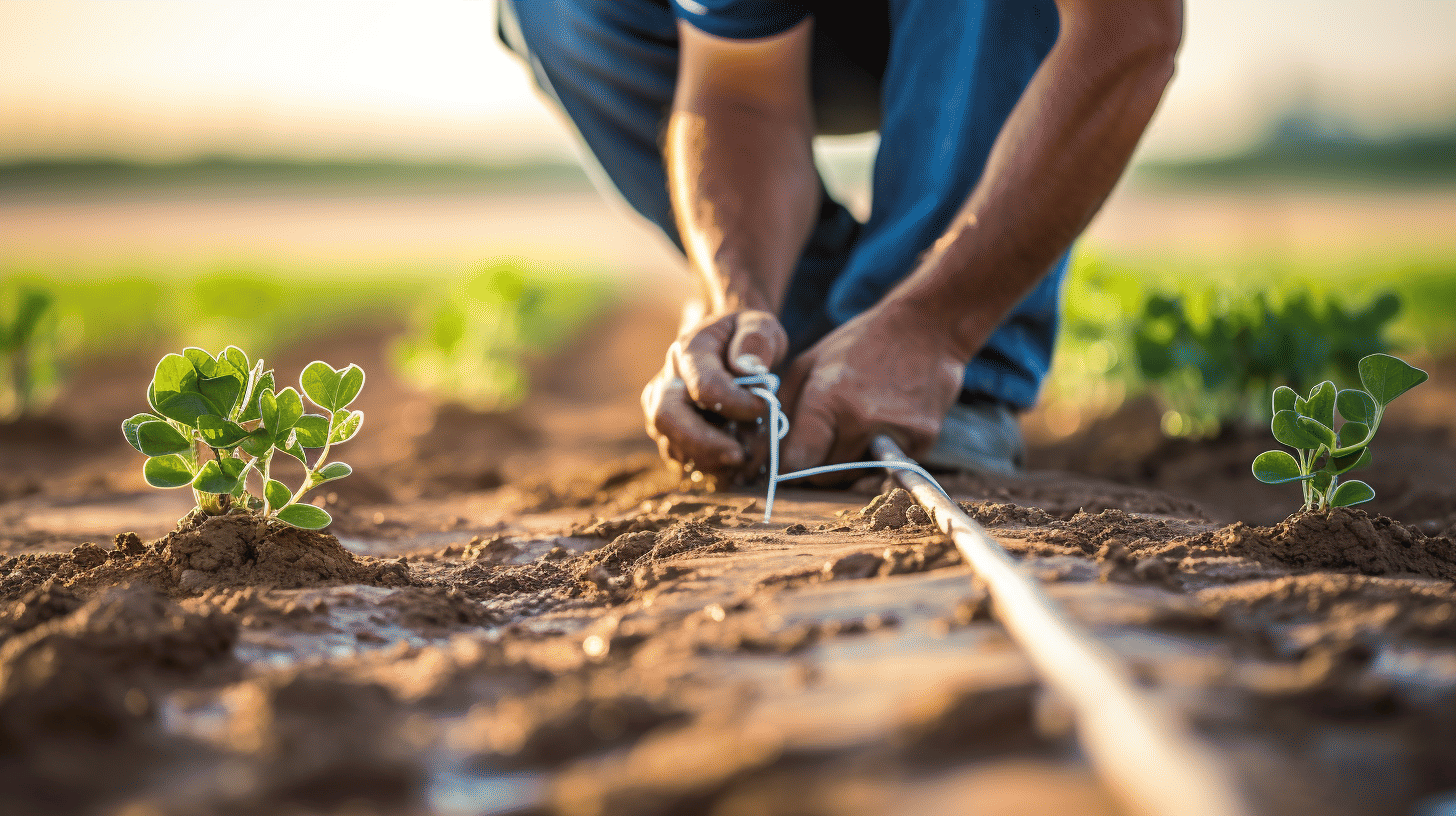
- Watering Practices: Water your plants and lawn during the early morning or late evening to minimize evaporation. Avoid overwatering and consider using drip irrigation systems or watering cans instead of sprinklers.
- Reclaimed Water: Where available, utilize reclaimed or recycled water for irrigation and other non-potable uses. This helps conserve freshwater resources.
- Educate and Spread Awareness: Raise awareness about the importance of water conservation in your community. Encourage others to adopt water-saving practices and share information on social media and local forums.
Water conservation is everyone’s responsibility. By implementing mindful water usage habits and advocating for change, we can make a significant difference in preserving our water resources for a sustainable future. Let’s take action now and secure a water-abundant world for generations to come.
Indoor Water Conservation
Water conservation is a critical issue that demands our attention. Every small step we take towards conserving water can make a significant impact on our planet’s future. One area where we can focus our efforts is indoor water conservation. By adopting water-saving practices inside our homes, we can reduce our water usage and contribute to a more sustainable future.
Fixing Leaks
One of the most common culprits of water waste in our homes is leaks. A dripping faucet or a running toilet may not seem like a big deal at first, but over time, they can waste a significant amount of water. Detecting and addressing leaks promptly is an essential step in indoor water conservation.
Here are some steps you can take to fix leaks in your home:
- Inspect your faucets, toilets, and pipes for any signs of leakage.
- Replace worn-out washers, gaskets, or seals to prevent leaks.
- Tighten any loose connections in your plumbing system.
- Consider installing a leak detection device that can alert you when a leak occurs.
Remember, every drop counts when it comes to water conservation. By taking the time to address leaks, you can save hundreds, if not thousands, of gallons of water each year.
Using Water-Efficient Appliances
Another effective way to conserve water indoors is by using water-efficient appliances. These appliances are designed to use less water without compromising their functionality. By upgrading to water-efficient models, you can make a significant impact on your water consumption.
Here are some examples of water-efficient appliances:
| Appliance | Water-saving Features |
|---|---|
| Low-flow showerheads | Restrict water flow without sacrificing the shower experience. |
| High-efficiency toilets | Use less water per flush while still maintaining the same flushing power. |
| Front-loading washing machines | Use less water compared to traditional top-loading washing machines. |
| Dishwashers | Feature different wash cycles that use varying amounts of water and energy. |
By replacing old appliances with water-efficient models, you can reduce your water consumption and also save on your utility bills. It’s a win-win situation for both your wallet and the environment.
Taking Shorter Showers
Taking shorter showers is another simple, yet effective, way to conserve water indoors. Showers can account for a large portion of our daily water usage, so making a conscious effort to reduce shower time can significantly contribute to water conservation.
Here are a few tips for taking shorter showers:
- Set a timer to keep track of your shower time.
- Consider installing a low-flow showerhead to reduce water usage while still enjoying a satisfying shower experience.
- Turn off the water while lathering or shampooing your hair.
- Look for ways to relax and unwind outside of the shower, so you spend less time in the bathroom.
By adopting these practices, you can save gallons of water every time you take a shower, making a positive impact on our water resources.
Remember, indoor water conservation starts with small, everyday actions. By fixing leaks, using water-efficient appliances, and taking shorter showers, you can make a significant difference in preserving our precious water resources. Let’s all do our part in creating a more sustainable future.
Outdoor Water Conservation
People all over the world are becoming more aware of the need to conserve water, especially when it comes to outdoor use. With increasing concerns about drought and water scarcity, it’s important to adopt practices that promote water conservation in our outdoor spaces. In this article, we will explore three effective ways to conserve water outdoors: watering efficiently, collecting rainwater, and using drought-tolerant plants.
Watering Efficiently
One of the most practical ways to conserve water outdoors is by watering your plants and lawn efficiently. By using water wisely and avoiding wastage, you can significantly reduce your outdoor water consumption. Here are a few tips to help you water your outdoor spaces efficiently:
- Water in the morning or evening: Watering your plants during the cooler parts of the day, such as early morning or late evening, helps minimize evaporation and allows the water to penetrate deeply into the soil, benefiting the root systems of your plants.
- Use drip irrigation or soaker hoses: These methods of watering deliver water directly to the roots of plants, reducing evaporation and minimizing runoff. Compared to traditional sprinklers, drip irrigation and soaker hoses can be up to 50% more efficient in water distribution.
- Mulch your garden beds: Applying a layer of mulch around your plants helps retain moisture in the soil, reducing the need for frequent watering. Mulch also helps suppress weeds, which can compete with your plants for water and nutrients.
Remember, it’s essential to water your plants deeply but less frequently, encouraging stronger roots that can withstand periods of drought. By practicing these efficient watering techniques, you can conserve water while still keeping your outdoor spaces green and healthy.
Collecting Rainwater
Rainwater harvesting is another effective method of conserving water outdoors. Instead of relying solely on tap water to irrigate your garden or wash your car, consider collecting rainwater for these purposes. Here’s how you can get started with rainwater harvesting:
- Install a rain barrel: Place a rain barrel under a downspout to capture rainwater from your roof. This collected water can then be used for various outdoor purposes, such as watering plants or washing outdoor equipment.
- Use a rain chain or rainwater diverters: In addition to rain barrels, you can also explore other rainwater collection systems. Rain chains or rainwater diverters guide the flow of rainwater from your roof to a designated collection area, minimizing runoff and allowing you to capture more water.
Collecting and utilizing rainwater not only reduces your dependence on the municipal water supply but also helps prevent stormwater runoff, which can carry pollutants into natural water bodies. By harnessing the power of rain, you can make a significant contribution to water conservation efforts.
Using Drought-Tolerant Plants
Another effective strategy for outdoor water conservation is to incorporate drought-tolerant plants in your landscapes. These types of plants are adapted to thrive in arid conditions and require less water compared to traditional garden varieties. By selecting drought-tolerant plants, you can create beautiful outdoor spaces while minimizing water usage. Here are some characteristics of drought-tolerant plants:
- Deep root systems: Drought-tolerant plants often have deep root systems that can access groundwater more effectively, allowing them to survive with less frequent watering.
- Fleshy leaves or succulence: Plants with fleshy or succulent leaves store water, enabling them to withstand drought and remain vibrant even in dry conditions.
- Silvery, waxy, or hairy foliage: These plant characteristics help reduce water loss through evaporation and make them better equipped to handle water scarcity.
Some examples of drought-tolerant plants include lavender, yucca, agave, and sedum. By incorporating these resilient plants into your garden, you can create a beautiful and sustainable outdoor space that requires less water.
In conclusion, outdoor water conservation is crucial for a sustainable future. By watering efficiently, collecting rainwater, and using drought-tolerant plants, you can minimize your environmental impact while still enjoying vibrant and thriving outdoor spaces. Let’s all play our part in conserving water and preserving our precious natural resources.
Conservation in Daily Activities
There are many ways that we can make a positive impact on the environment through our daily activities. While it may seem like the small things we do don’t matter much in the grand scheme of things, every small action adds up to make a significant difference. In this article, we will explore some simple yet effective ways to conserve water in our daily activities.
Turning Off Faucets
One of the easiest ways to conserve water is simply by turning off the faucet when it’s not in use. Many of us have a habit of leaving the tap running while we brush our teeth, shave, or wash our face. Just by being conscious of this habit and making an effort to turn off the faucet when we don’t need the water, we can save a substantial amount of water each day.
Additionally, we can make use of faucet aerators, which are small devices that attach to the end of the faucet. These aerators mix air with the water, reducing the amount of water that flows out while maintaining the same water pressure. By using faucet aerators, we can further reduce the amount of water we use without sacrificing our comfort or convenience.
Reusing Water
Another way to conserve water is by reusing it whenever possible. For example, instead of immediately pouring out water left in a glass or bottle, we can use it to water our plants or clean household items. This simple practice can help us reduce the amount of water that goes to waste and promote a more sustainable lifestyle.
Greywater, which is wastewater generated from activities like washing dishes or doing laundry, can also be reused for non-potable purposes such as watering plants or flushing toilets. By implementing greywater recycling systems in our homes, we can optimize water usage and minimize wastage.
Using Dishwasher and Washing Machine Efficiently
When it comes to using appliances like the dishwasher and washing machine, there are a few strategies we can employ to conserve water. Here are a few tips:
- Only run the dishwasher and washing machine when there is a full load. Running these appliances with half loads wastes both water and energy.
- Opt for shorter wash cycles whenever possible. Most modern appliances have energy-saving modes or quick wash options that use less water and are just as effective.
- Consider investing in energy-efficient appliances. Look for models that have high Energy Star ratings, as these appliances are designed to use less water while still providing optimal performance.
Incorporating these practices into our daily routines can help us become more mindful of our water usage and contribute to a more sustainable future. By being conscious of our actions and implementing simple conservation strategies, we can all play a part in preserving this precious resource.
For more tips on water conservation and sustainable living, check out our comprehensive guide.
Conservation Promoting Devices and Technologies
In today’s world, where environmental concerns are at the forefront of our minds, it’s crucial that we find innovative ways to conserve resources. One area where we can make a significant impact is through the use of conservation promoting devices and technologies. By incorporating these devices into our daily lives, we can help reduce waste and promote a more sustainable future. In this article, we will explore three such devices: low-flow showerheads, dual-flush toilets, and smart irrigation systems.
Low-Flow Showerheads
When it comes to water conservation in the bathroom, low-flow showerheads are a game-changer. These devices are designed to reduce the amount of water used during a shower while maintaining a high-pressure flow. Instead of the standard showerhead that uses around 2.5 gallons per minute (GPM), low-flow showerheads typically use 2 GPM or less. This seemingly small difference can lead to significant water savings over time.
But how exactly do low-flow showerheads achieve this? By using innovative technology such as flow restrictors and aerators, these devices mix air with water, creating a satisfying shower experience while using less water. This means you can enjoy a refreshing shower while also knowing that you’re doing your part to conserve water.
Benefits of Low-Flow Showerheads:
- Reduced water consumption without sacrificing water pressure
- Lower water bills
- Conservation of natural resources
Dual-Flush Toilets
When it comes to water usage in the home, toilets are one of the biggest culprits. On average, older toilets use around 3.5 to 7 gallons of water per flush. This is where dual-flush toilets come into play. These innovative devices offer two flushing options: a full flush for solid waste and a reduced flush for liquid waste. By providing these options, dual-flush toilets allow you to use only the amount of water necessary for each type of waste, leading to significant water savings.
The full flush option typically uses around 1.6 gallons of water, while the reduced flush option uses approximately 0.8 gallons. This means that with every flush, you have the power to conserve precious water resources. Over time, the cumulative impact of using a dual-flush toilet can add up to substantial savings, not only for your wallet but also for the environment.
Benefits of Dual-Flush Toilets:
- Reduced water usage per flush
- Lower water bills
- Conservation of water resources
Smart Irrigation Systems
Watering our lawns and gardens is a necessary task, but it can also be a significant source of water waste. This is where smart irrigation systems come in handy. These technologically advanced devices use sensors and weather data to optimize watering schedules, ensuring that plants receive the right amount of water when they need it most. By automatically adjusting watering times and amounts, smart irrigation systems help eliminate overwatering and reduce water waste.
One of the key features of smart irrigation systems is the ability to connect to weather stations or access real-time weather data online. This allows the system to adjust watering schedules based on factors such as rainfall, humidity, and temperature. Some systems even have soil moisture sensors that determine the moisture levels in the soil, ensuring that watering is only done when necessary.
Benefits of Smart Irrigation Systems:
- Water efficiency through optimized watering schedules
- Reduction in water waste and overwatering
- Conservation of water resources
By incorporating low-flow showerheads, dual-flush toilets, and smart irrigation systems into our daily lives, we can make a significant impact on water conservation. These devices and technologies not only help reduce water waste but also contribute to lower water bills and the conservation of precious natural resources. It’s time to embrace these innovations and pave the way for a more sustainable future.
Educating and Raising Awareness
The key to educating and raising awareness about a particular topic is to engage your audience in a friendly and conversational manner. By adopting an approachable tone, you can effectively communicate your message and capture the attention of your readers. Whether you’re discussing a social issue, a health concern, or an environmental problem, here are some strategies to consider:
- Tell a Story: People love stories, and storytelling is a powerful tool for educating and raising awareness. Share real-life anecdotes or personal experiences that illustrate the importance of the topic at hand. By weaving a narrative, you make the information relatable and memorable.
- Break It Down: Complex concepts or statistics can be overwhelming for some readers. To ensure your message is accessible to a wide audience, break down the information into bite-sized pieces. Use simple language and provide clear explanations to help your readers understand the topic more easily.
- Use Visuals: Images, infographics, and videos can make your content more visually appealing and engaging. Visuals have the power to convey information quickly and effectively. They can also evoke emotions and leave a lasting impact on your audience. Incorporate relevant visuals to support your message and enhance the overall reading experience.
- Leverage Social Media: Social media platforms are powerful tools for reaching and engaging with a large audience. Utilize platforms like Facebook, Twitter, Instagram, and LinkedIn to share your content and start conversations. Encourage comments and discussions to foster a sense of community and encourage further exploration of the topic.
- Collaborate with Experts: If possible, collaborate with experts or professionals in the field you’re addressing. Their expertise and insights can help enhance the credibility of your content and provide a deeper understanding of the topic. Interview them or quote their opinions to further validate your message.
- Share Actionable Steps: Empower your readers by offering practical advice or actionable steps they can take to contribute to the cause. Whether it’s signing a petition, volunteering, or making lifestyle changes, providing concrete actions helps your audience feel empowered and involved.
Remember, the goal is to educate and raise awareness, so be sure to reinforce your message throughout the article. By employing these strategies, you can captivate your readers, inspire them to take action, and make a positive impact in the world.
Conclusion
In conclusion, water conservation is a vital practice that we can all incorporate into our daily lives to protect this valuable resource. By implementing the various tips and techniques discussed in this article, we can optimize water usage both indoors and outdoors, and make a positive impact on the environment. From fixing leaks and using water-efficient appliances to collecting rainwater and using drought-tolerant plants, there are numerous ways to conserve water and promote sustainability.
Additionally, the use of conservation promoting devices and technologies such as low-flow showerheads, dual-flush toilets, and smart irrigation systems can further enhance our efforts in water conservation. Educating ourselves and raising awareness about the importance of water conservation is also crucial in inspiring others to take action.
At Regenerative Agriculture Wiki, we are committed to providing valuable insights and resources on sustainable practices, including water conservation, to help individuals and communities foster a future where agriculture and ecology thrive in harmony. Join us in exploring our extensive content on regenerative agriculture and making a difference in our world.
Explore our platform to discover the potential of regenerative agriculture and contribute to global food security while nurturing the environment. Together, we can create a sustainable future for generations to come.
Frequently Asked Questions
- Why is water conservation important?
Water conservation is important to preserve this precious resource for future generations, reduce water scarcity, protect ecosystems, and save money on water bills.
- What are some easy water conservation hacks?
Some easy hacks to conserve water include fixing leaks, taking shorter showers, turning off the faucet while brushing teeth, collecting rainwater for plants, and using a dishwasher or washing machine only when fully loaded.
- Are there any specific techniques to optimize water usage in the garden?
Yes, some techniques to optimize water usage in the garden include using drip irrigation systems, mulching to reduce evaporation, watering plants early in the morning or late in the evening, and selecting drought-tolerant plant species.
- How can I conserve water in the kitchen?
To conserve water in the kitchen, you can wash fruits and vegetables in a basin instead of under running water, reuse cooking water for plants, and only run the dishwasher when it’s fully loaded.
- What are some long-term water conservation strategies?
Some long-term water conservation strategies include installing low-flow fixtures, harvesting and storing rainwater, xeriscaping (using low-water landscaping techniques), and educating others about the importance of water conservation.