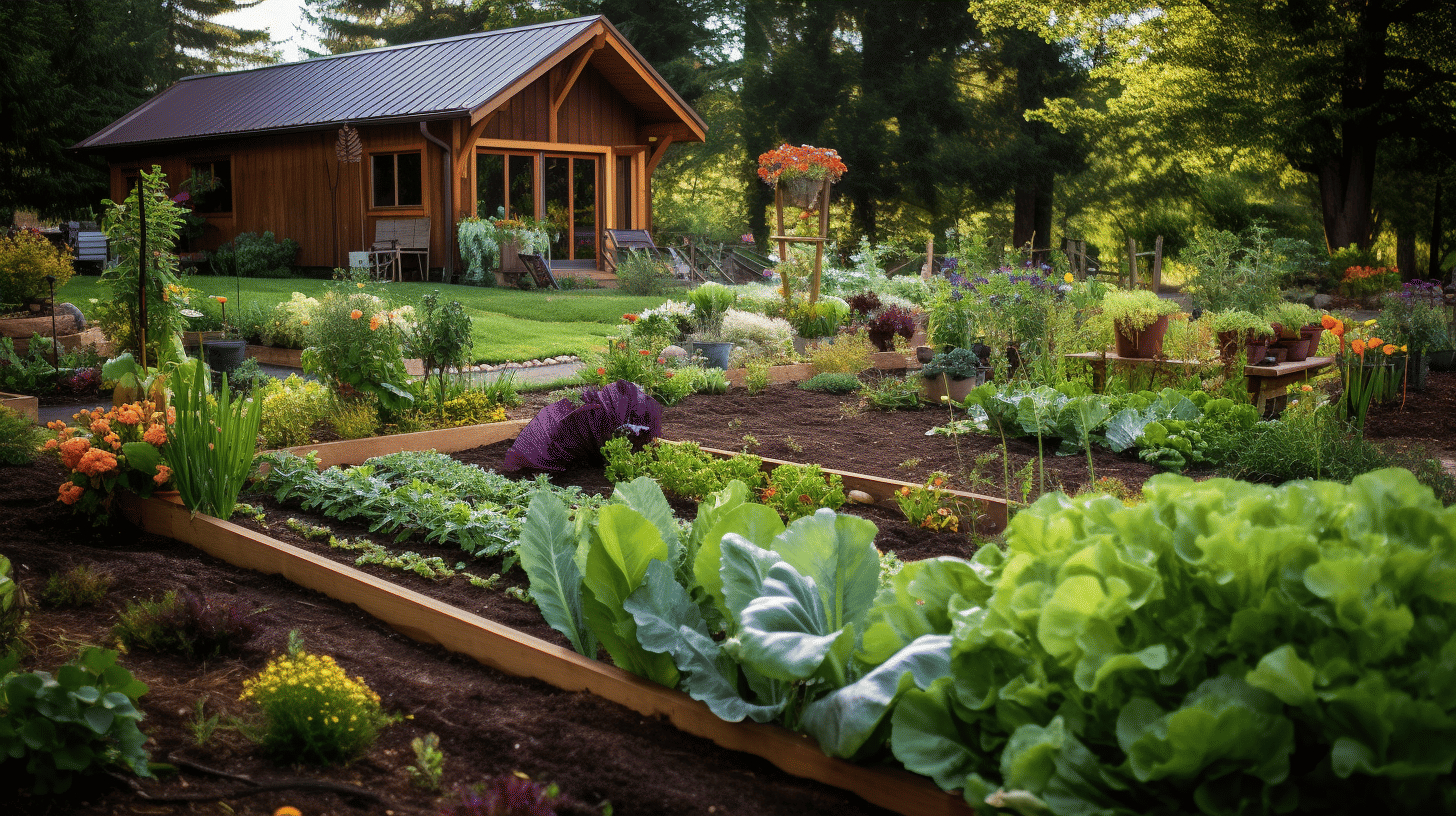
In the world of sustainable farming, permaculture strategies play a vital role in maintaining a healthy and productive ecosystem. One significant aspect of permaculture is weed control, which aims to minimize the presence of unwanted plants without relying on harmful chemicals or damaging the environment. By implementing effective weed control techniques, farmers can cultivate a thriving farm while preserving the natural balance of their land.
When it comes to weed control in permaculture, the focus shifts from eradication to management. Rather than viewing weeds as a nuisance, permaculturists recognize the potential benefits that these plants can offer. By understanding the role of weeds in permaculture and employing organic weed control methods, farmers can create a sustainable agricultural system that works in harmony with nature.
Throughout this article, we will explore various permaculture strategies for weed control and delve into the benefits they bring. From improving soil quality to promoting biodiversity and reducing pollution, organic weed control techniques offer a host of advantages that go beyond keeping weeds at bay. Join us as we delve deeper into this fascinating and ecologically sound approach to weed management in sustainable farming.
Benefits of Weeds in Permaculture
With their ability to thrive in any environment, weeds are often seen as a nuisance in traditional gardening practices. However, in permaculture, these resilient plants can actually play a vital role in improving soil quality and recycling organic matter. In this section, we will explore two key benefits of weeds in permaculture: improving soil quality and recycling organic matter.
Improving Soil Quality
Weeds have a remarkable ability to add biomass and nutrients to the soil, making them valuable allies in permaculture systems. Here’s how they contribute to the overall health of the soil:
- Increased organic matter: Weeds, with their rapid growth and high biomass production, contribute substantial amounts of organic matter to the soil. As they decompose, they break down into valuable nutrients that nourish the surrounding plants. This organic matter also improves the soil’s structure, water retention, and aeration, leading to healthier and more productive crops.
- Dynamic accumulator of nutrients: Certain weed species, such as comfrey and nettle, are known as “dynamic accumulators.” These plants have deep-rooted systems that draw up minerals and nutrients from the subsoil, effectively creating nutrient-rich pockets in the soil. This vertical distribution of nutrients benefits shallow-rooted plants nearby, providing them with access to a broader range of essential elements.
Recycling Organic Matter
In permaculture, recycling organic matter is a fundamental principle, and weeds can contribute to this process in various ways:
- Composting: Weeds can be collected and added to compost piles, creating a valuable source of organic matter for the garden. Including weeds in the compost helps to break them down, neutralize weed seeds, and ultimately transforms them into nutrient-rich compost. When the compost is added back to the soil, it replenishes the organic matter, improving its fertility and structure.
- Mulching: Another way to recycle organic matter is by using weeds as mulch. By layering weeds on the surface of the soil, they create a protective barrier that suppresses weed growth, conserves soil moisture, and enhances nutrient cycling. As the weeds break down over time, they continuously release nutrients into the soil, benefiting the plants growing underneath.
By capitalizing on the benefits of weeds in permaculture, gardeners can harness their resilience and transform them into valuable allies. Incorporating these plants into the design and management of a permaculture system can lead to improved soil quality, increased organic matter, and a more sustainable and productive garden.
Additional Info:
- Weeds can improve soil quality by adding biomass and nutrients.
- Composting weeds recycles organic matter and returns nutrients to the soil.
Organic Mulching for Weed Suppression
We all know that weeds can be a persistent and frustrating problem in our gardens. They compete with our beloved plants for nutrients, water, and sunlight, hindering their growth and overall health. While there are various methods available for weed control, organic mulching has emerged as a popular and eco-friendly solution. By using organic materials to create a protective layer over the soil, mulching effectively suppresses weed growth and offers numerous other benefits for your garden.
Mulching with Organic Materials
One of the most common and effective approaches to organic mulching is using natural materials such as straw or leaves. These materials act as a physical barrier, preventing weed seeds from germinating and establishing themselves in the soil. By blocking sunlight from reaching the weed seeds, organic mulching disrupts their growth cycle and significantly reduces their numbers.
In addition to weed suppression, mulching with organic materials offers several other advantages:
- Moisture retention: The mulch layer helps to retain moisture in the soil, reducing the need for frequent watering and conserving water resources.
- Temperature moderation: Organic mulch acts as insulation, regulating soil temperature and protecting plant roots from extreme hot or cold conditions.
- Nutrient enrichment: As the mulch breaks down over time, it adds valuable organic matter to the soil, improving its nutrient content and enhancing overall soil health.
- Erosion prevention: The mulch layer acts as a shield, preventing soil erosion caused by heavy rainfall or wind.
Chop ‘n Drop Method
Another interesting organic mulching technique is the “chop ‘n drop” method. This method involves cutting down weeds and leaving them as mulch directly on the soil surface. It may sound counterintuitive to use weeds as mulch, but this approach can actually be quite effective in suppressing weed growth. Here’s how it works:
- Identify the weeds in your garden.
- Using a garden tool like pruning shears or a weed eater, cut the weeds at or slightly below ground level.
- Leave the cut weeds in place, allowing them to form a natural mulch layer around your plants.
By using the chop ‘n drop method, you not only suppress weed growth but also nourish your soil with the nutrient-rich organic matter from the weeds. Plus, this approach requires minimal effort and is a great way to recycle the “waste” from your garden.
Lasagna-Layering
If you’re looking for a more comprehensive and long-lasting weed control solution, lasagna-layering might be the answer. This method involves creating layers of organic materials, such as cardboard, wool, straw, or even newspaper, to smother weeds and prevent their growth. Here’s how to implement lasagna-layering in your garden:
- Lay a thick layer of cardboard or newspaper on the soil surface in the desired area.
- Wet the cardboard or newspaper to help it stay in place.
- Add a layer of organic material like straw, leaves, compost, or wool on top of the cardboard or newspaper.
- Repeat the process, creating alternating layers of cardboard or newspaper and organic material until you reach the desired thickness.
The layered organic materials serve as a weed barrier, preventing sunlight from reaching the soil and inhibiting weed germination. The cardboard or newspaper also decomposes over time, enriching the soil and improving its structure.
In conclusion, organic mulching is an effective and environmentally-friendly method for weed suppression in your garden. Whether you choose to mulch with organic materials like straw or leaves, try the chop ‘n drop method, or experiment with lasagna-layering, you can enjoy a weed-free garden while promoting soil health and conservation. So why not give organic mulching a try and see the positive impact it can have on your garden?
Selective Weeding and Other Permaculture Techniques
Permaculture is a holistic approach to gardening and farming that focuses on creating sustainable, self-sufficient systems. One of the key principles of permaculture is selective weeding. Rather than completely removing all weeds from a garden or field, permaculture practitioners understand the valuable roles that some weeds can play in the ecosystem.
Selective Weeding
Selective weeding involves identifying and removing the weeds that are detrimental to the growth and health of desired plants, while allowing beneficial weeds to thrive. Here are a few reasons why selective weeding can be more beneficial than completely removing all weeds:
- Ecological balance: Certain weeds, such as nitrogen-fixing plants like clover, help improve soil fertility by extracting and storing nitrogen from the air. Removing these weeds can disrupt the symbiotic relationships between plants and microorganisms in the soil.
- Minimizing soil disturbance: Constantly tilling the soil to remove all weeds can lead to soil erosion and disrupt the delicate balance of organisms that live in the soil. Selective weeding minimizes soil disturbance, allowing beneficial microbes to flourish.
- Biodiversity: Weeds can provide habitat and food for beneficial insects, birds, and other animals. By selectively weeding, you can maintain a diverse ecosystem that supports natural pest control.
Intercropping and Companion Planting
In addition to selective weeding, intercropping and companion planting are two techniques commonly used in permaculture to suppress weeds:
- Intercropping: Intercropping involves growing different crops together in the same space. By carefully selecting plant combinations, you can create a mutually beneficial environment where plants help to suppress weeds. For example, tall plants can provide shade and suppress weed growth around shorter plants.
- Companion planting: Companion planting involves planting specific plants next to each other to benefit one or both plants. Some companionship combinations can help deter or repel weeds, reducing the need for extensive weeding. For instance, planting marigolds near vegetable crops can help keep away certain pests and weeds.
Crop Rotation
Crop rotation is another effective permaculture technique for weed control. By rotating the crops grown in a particular area, you disrupt the life cycle of weeds that are specific to certain crops. This reduces the buildup of weed seeds and helps keep weed populations in check.
Utilizing Weeds as Ground Covers
Rather than viewing weeds as nuisances to be eradicated, permaculturists often embrace them as valuable ground covers. By allowing certain weeds to fill in bare spots, they can serve as natural mulch, protecting the soil from erosion and reducing weed growth.
To sum up, permaculture takes a selective approach to weeding and utilizes a range of techniques to manage weed growth. By understanding the roles that weeds can play in the ecosystem and employing strategies like intercropping, companion planting, crop rotation, and utilizing weeds as ground covers, permaculturists can create thriving, sustainable systems that minimize the need for excessive weeding and promote the overall health of the garden or farm.
Environmental Benefits of Organic Weed Control
Organic weed control is not only beneficial for the health of plants and crops but also has significant positive impacts on the environment. By avoiding harmful chemicals, promoting biodiversity, and preserving wildlife, organic weed control methods offer a sustainable and eco-friendly way to manage weed growth. Let’s take a closer look at each of these environmental benefits.
Avoiding Harmful Chemicals
One of the primary advantages of organic weed control is the avoidance of harmful chemicals. Traditional weed control methods rely on herbicides that can have detrimental effects on the environment. These chemical-based herbicides not only kill weeds but can also harm beneficial insects, birds, and even contaminate soil and water sources. By choosing organic weed control methods, gardeners and farmers can minimize their reliance on these potentially hazardous chemicals, reducing the risk of negative impacts on both human health and the environment.
Promoting Biodiversity
Organic weed control, particularly in the context of permaculture gardening, plays a crucial role in promoting biodiversity. Instead of relying on chemical weed killers, permaculture emphasizes the use of natural methods that work in harmony with the environment. By implementing techniques like mulching, hand weeding, crop rotation, and cover cropping, gardeners and farmers can create diverse and resilient ecosystems. This, in turn, attracts a wide range of beneficial insects and pollinators, leading to a healthier and more balanced environment.
Preserving Wildlife
In addition to promoting biodiversity, organic weed control also helps preserve wildlife habitats. Chemical herbicides not only kill unwanted weeds but can also harm or kill beneficial organisms, disrupting the delicate balance of ecosystems. Organic weed control methods, on the other hand, are less harmful to wildlife and provide a safer environment for animals to thrive. By using natural weed control techniques, gardeners and farmers can support the habitats of birds, bees, butterflies, and other creatures, contributing to the overall health of local ecosystems.
As awareness of the importance of environmental sustainability grows, so does the adoption of organic weed control methods. By avoiding harmful chemicals, promoting biodiversity, and preserving wildlife, organic weed control offers an eco-friendly alternative that benefits both plants and the environment as a whole. Whether in small gardens or large agricultural fields, choosing organic weed control is a conscious decision to protect and nurture the natural world around us.
Soil Management for Effective Weed Control
Weeds can be a significant nuisance in any garden or agricultural setting. They compete with crops for nutrients, sunlight, and water, and can quickly take over if not properly managed. However, with the right soil management techniques, you can effectively control the growth of weeds and create a healthy and productive growing environment. In this article, we will explore two effective soil management practices for weed control: slow, spread, and sink water management and the use of no-dig raised beds.
Slow, Spread, and Sink Water Management
One of the key factors that contribute to weed growth is the availability of water. Weeds thrive in moist conditions, and by managing water effectively, you can significantly reduce weed growth. Slow, spread, and sink water management is a technique that focuses on maximizing water absorption into the soil, minimizing surface runoff, and ensuring that water reaches the roots of your plants. This technique can help maintain soil moisture levels without creating favorable conditions for weed germination and growth.
Here are some tips to implement slow, spread, and sink water management:
- Mulch: Applying a layer of organic mulch such as straw, wood chips, or compost around your plants helps retain moisture in the soil, reducing the need for frequent watering and creating a less favorable environment for weed growth.
- Drip irrigation: Using drip irrigation systems or soaker hoses delivers water directly to the root zone of plants, minimizing water loss through evaporation and reducing the likelihood of weed seeds germinating.
- Keyline design: Keyline design is a technique that involves shaping the land to encourage water to move slowly and evenly across the landscape. By contouring the land, you can maximize water infiltration and reduce erosion, creating a more efficient use of water while minimizing weed growth.
No-Dig Raised Beds
Another effective soil management practice for weed control is the use of no-dig raised beds. Raised beds offer several benefits, including improved drainage, increased soil fertility, and reduced weed growth. In a no-dig approach, the soil is not tilled or disturbed, which helps preserve the soil structure and the beneficial organisms that reside within it.
Here are some reasons why no-dig raised beds are effective for weed control:
- Organic matter: By adding layers of organic matter, such as compost or straw, to your raised beds, you create a nutrient-rich environment that promotes plant growth while suppressing weed growth. The thick layer acts as a barrier, preventing sunlight from reaching weed seeds and hindering their germination.
- Plant spacing: When using raised beds, you can practice intensive planting, with plants spaced close together. This leaves little room for weeds to establish themselves and compete with your crops for resources.
- Root competition: As the root systems of your plants grow and spread in a raised bed, they naturally compete with any weed roots that try to establish themselves, further reducing weed growth.
In summary, proper soil management is key for effective weed control in permaculture. By implementing techniques such as slow, spread, and sink water management and utilizing no-dig raised beds, you can create a thriving and weed-free environment for your plants. Remember to mulch, use drip irrigation, and consider keyline design to optimize water usage. Additionally, consider implementing no-dig raised beds and practicing intensive planting for optimal weed control. Let’s create a garden that thrives while minimizing the impact of weeds!
Economic Benefits and Sustainability
Higher Crop Yields
When it comes to agriculture, one of the primary goals is to maximize crop yields. This not only ensures a sufficient food supply but also contributes to economic growth and stability. One of the ways that sustainable farming practices can boost crop yields is through effective weed control.
For instance, by implementing permaculture techniques, farmers can reduce weed growth and competition for nutrients, leading to healthier crops. This, in turn, results in higher yields and greater profitability. Additionally, practices like crop rotation and cover cropping help improve soil fertility, allowing crops to thrive and produce abundant harvests.
Reducing Pollution
Sustainable farming methods also play a crucial role in mitigating pollution and minimizing its harmful effects on the environment. Traditional farming practices often involve the use of synthetic pesticides and fertilizers, which can contaminate soil, water, and air.
Permaculture, on the other hand, emphasizes the use of organic and natural inputs, reducing pollution caused by chemical runoff. By adopting these practices, farmers can protect local ecosystems and safeguard the health of surrounding communities.
Organic Pest Control
Another aspect of sustainable agriculture that contributes to economic benefits and environmental preservation is organic pest control. Instead of relying solely on pesticides, sustainable farmers embrace natural methods to manage pests while minimizing the negative impact on the ecosystem.
Polyculture and companion planting are two effective techniques used in organic pest management. By growing a diverse range of crops together or incorporating pest-repellent plants in the vicinity, farmers can naturally deter pests and reduce the need for chemical interventions. This not only helps maintain a healthy balance in the ecosystem but also saves costs on expensive pesticides.
In conclusion, embracing sustainable farming practices not only benefits the environment but also has significant economic advantages. By harnessing techniques like effective weed control, reducing pollution through permaculture, and adopting organic pest control methods, farmers can achieve higher crop yields, reduce costs, and contribute to a more sustainable and profitable agricultural system.
Using Weeds Intentionally
In the world of permaculture, where every resource is valued and utilized, even weeds can find a purpose. Instead of seeing them as an annoying nuisance, permaculturists are harnessing the power of weeds to benefit their sustainable farming practices. By understanding the characteristics and potential of different weed species, they can intentionally incorporate them into their systems in various ways. So, let’s explore how weeds can be used intentionally in permaculture.
Managing Invasive Weeds
Invasive weeds can quickly overtake valuable garden space and compete with desired crops, leading to reduced yields. However, permaculturists have come up with creative solutions to manage these weeds effectively:
- Chickweed, often considered a weed due to its aggressive growth, is a rich source of nutrients and can be used as a nutritious green mulch or added to compost piles.
- Dandelions, with their deep taproots, draw up minerals from deep in the soil. They can be chopped and left as a nutrient-rich mulch or incorporated into compost.
- Japanese Knotweed, known for its tenacity, can be utilized by planting it on the edges of a property to create a natural windbreak or as a source of biomass for mulching and composting.
By creatively incorporating these invasive weeds into the permaculture system, practitioners can turn a potential problem into a valuable resource.
Intentional Use of Weeds
Permaculturists take a closer look at the characteristics of different weed species and evaluate whether they have potential benefits. By intentionally allowing some weeds to grow, they can harness their unique qualities:
- Nettles, often considered a weed due to their stinging nature, are rich in nutrients, including iron and magnesium. They can be harvested and used to make nutrient-rich teas or added to compost to enhance its fertility.
- Purslane, a succulent weed with a high omega-3 fatty acid content, can be utilized for culinary purposes. Its leaves can be added to salads, stir-fries, or smoothies, providing a nutritious boost to meals.
- Clover, often considered a weed in lawns, is a nitrogen-fixing plant that adds fertility to the soil. It can be interplanted with crops to enhance nitrogen levels and improve overall soil health.
These intentional uses of weeds not only reduce the need for external inputs but also maximize the efficiency of resources within the permaculture system.
No longer viewed as invaders to be eradicated, weeds are now valued for their potential contributions to the permaculture garden. By observing their characteristics, permaculturists find ways to incorporate them strategically, turning them into allies rather than adversaries. It’s another example of the innovative thinking and resourcefulness that permaculture brings to sustainable farming practices.
Harnessing the power of weeds in permaculture requires a deep understanding of their qualities and potential benefits. By intentionally using and managing weeds, permaculturists can enhance the overall health and productivity of their systems while reducing the need for external inputs. This approach exemplifies the ingenuity and sustainability principles at the core of permaculture philosophy.
Frequently Asked Questions
- What is permaculture?
Permaculture is a system of agricultural and social design principles that aims to create sustainable, self-sufficient ecosystems by working with, rather than against, natural processes.
- Why is weed control important in sustainable farming?
Weed control is important in sustainable farming because weeds compete with crops for resources such as sunlight, water, and nutrients. Effective weed control ensures better crop yield, reduces pest and disease issues, and promotes overall farm health.
- What are some permaculture strategies for weed control?
Some permaculture strategies for weed control include mulching, cover cropping, crop rotation, companion planting, and manual weed removal. These methods help suppress weed growth while improving soil health and biodiversity.
- How does mulching help with weed control?
Mulching helps with weed control by adding a layer of organic materials, such as straw or wood chips, to the soil surface. This layer prevents weed germination and growth by blocking sunlight and conserving soil moisture.
- Can companion planting help control weeds?
Yes, companion planting can help control weeds by pairing plants that have mutually beneficial relationships. For example, planting marigolds among vegetable crops can help repel certain pests and suppress weed growth.