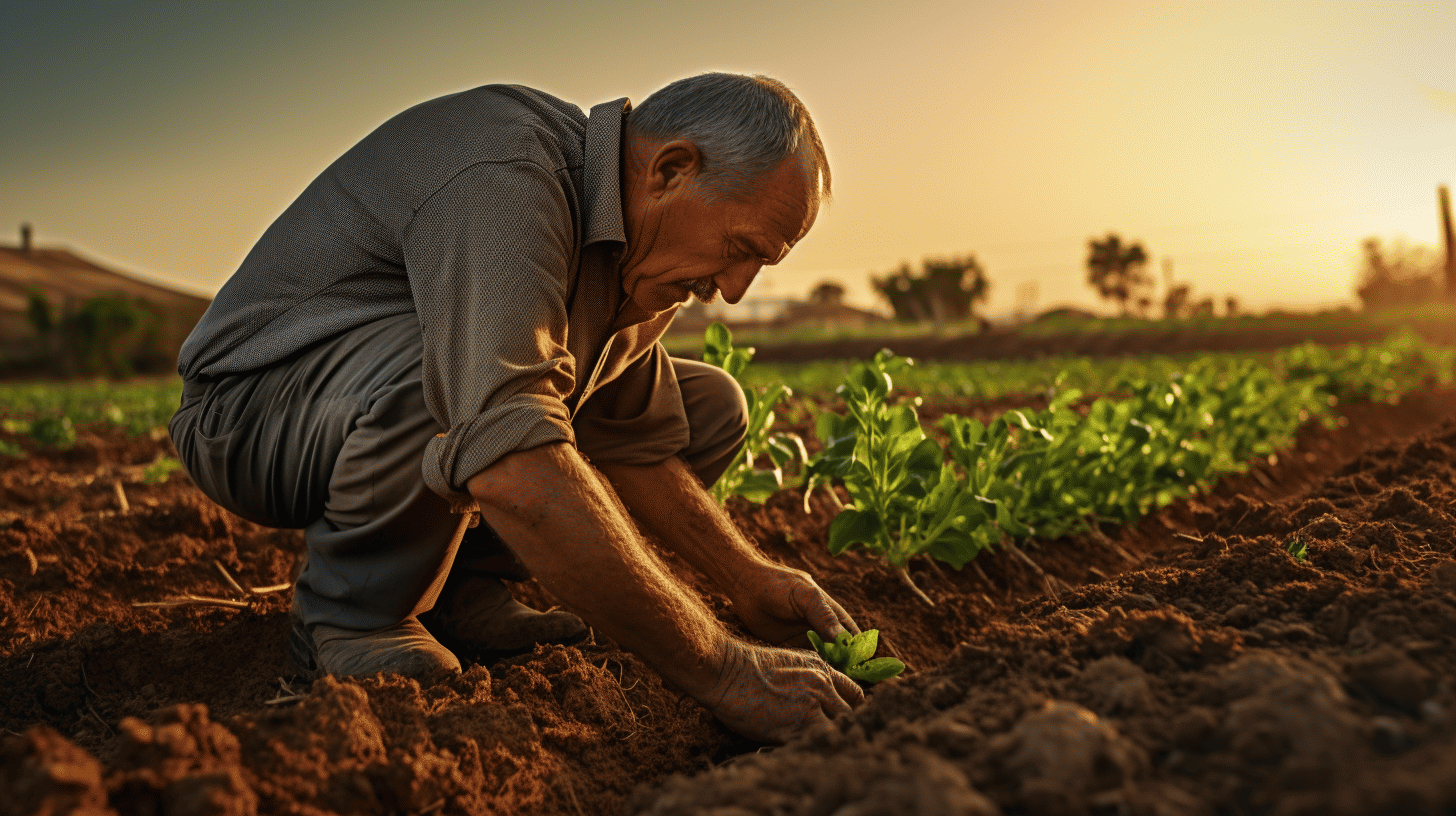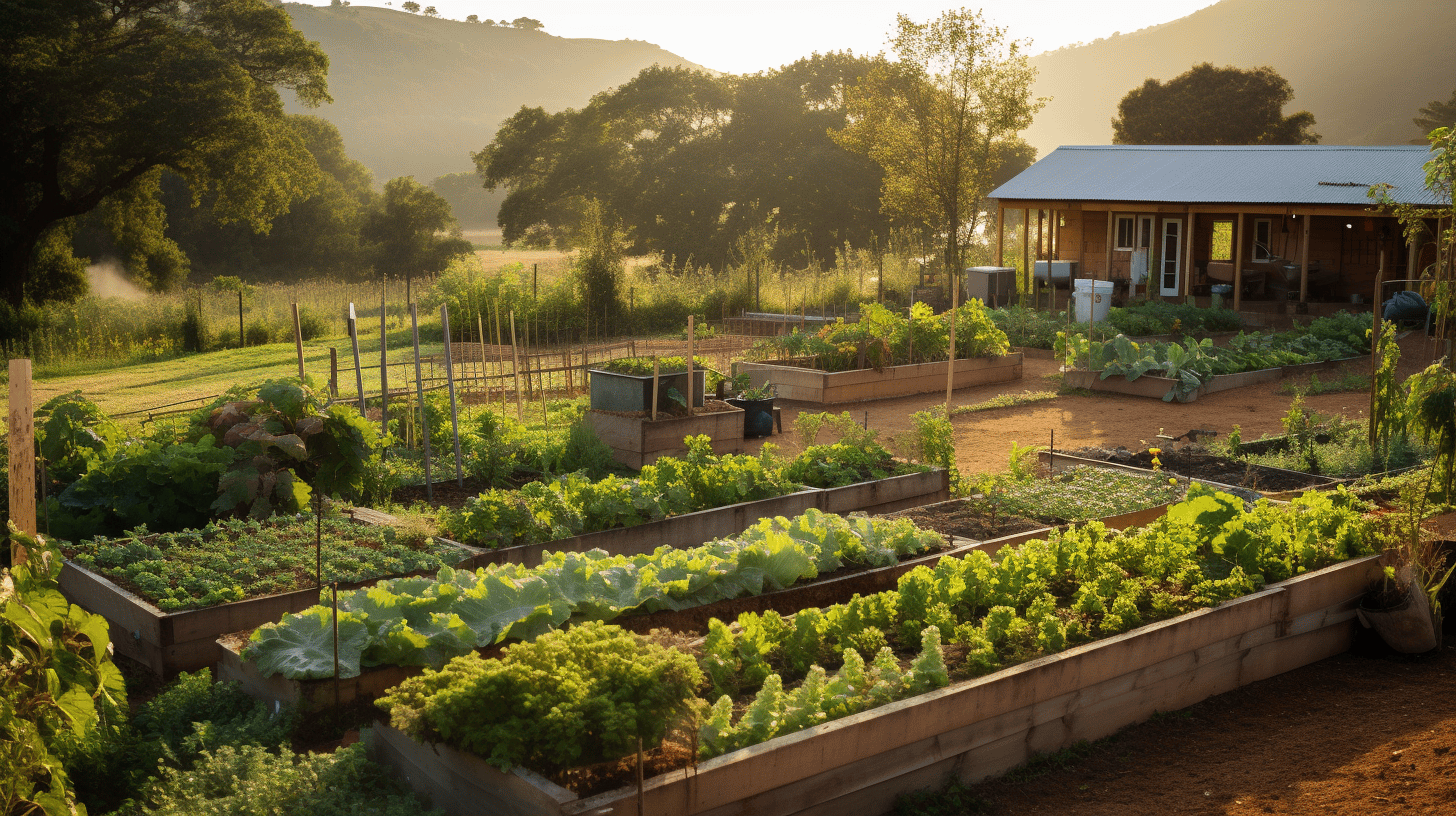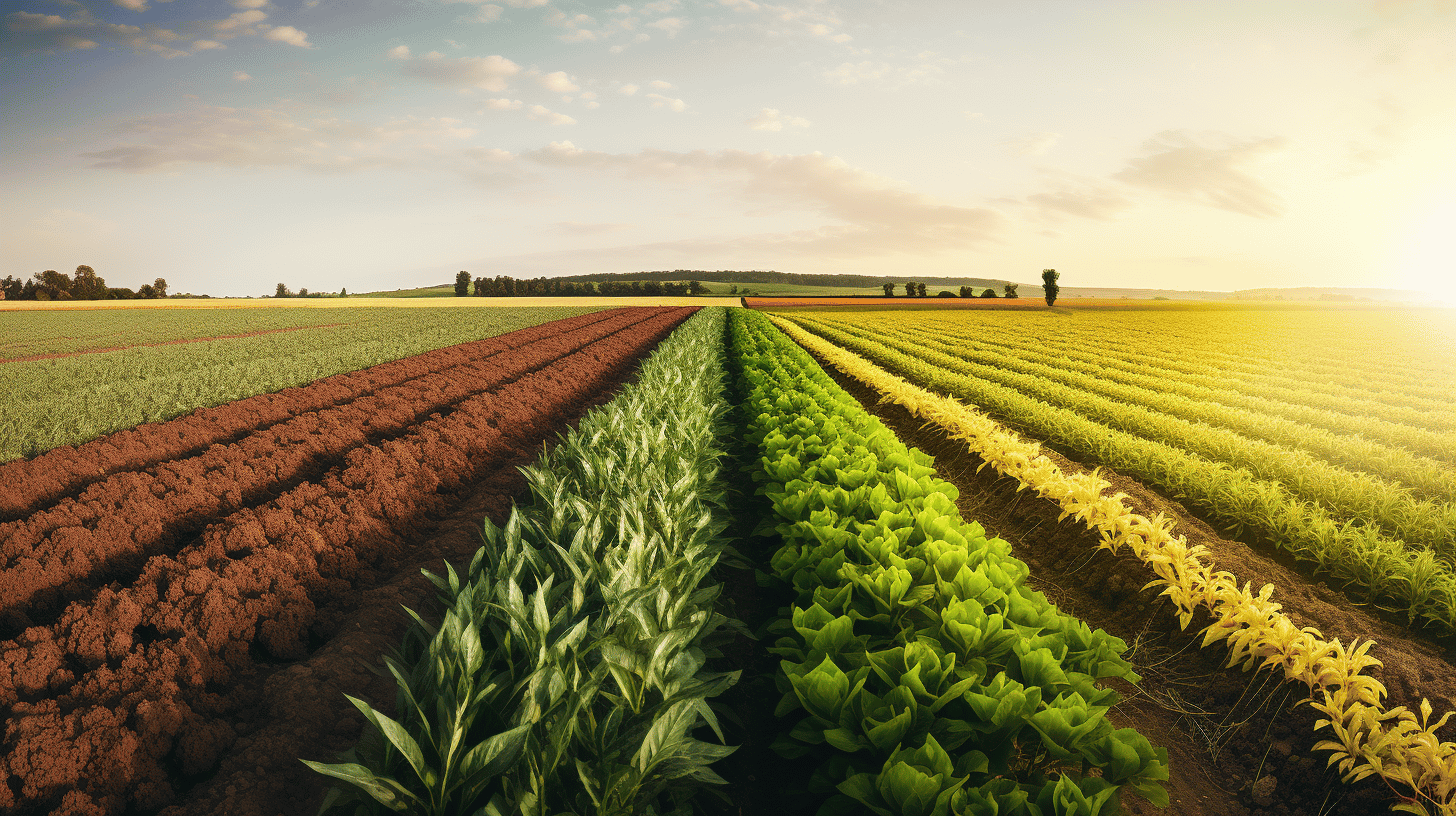
Regenerative farming is a forward-thinking approach to agriculture that goes beyond sustainability, aiming to rebuild and restore ecosystems while producing food. It represents a promising solution to address the current environmental and social challenges facing our agricultural systems. By implementing regenerative practices, farmers can enhance soil health, increase biodiversity, and mitigate the impacts of climate change.
In this article, we will explore the first steps to implementing regenerative farming practices. We will delve into the principles and benefits of regenerative farming, discuss practical strategies for transitioning from conventional practices, and provide insight into the tools and resources available to support farmers along the way. Additionally, we will examine the challenges that farmers may encounter during the transition and explore the positive impact regenerative farming can have on both farm productivity and the environment.
Whether you’re a seasoned farmer looking to make more sustainable choices or a novice interested in learning about regenerative farming, this article will provide you with valuable information and resources to help you embark on your regenerative farming journey. So let’s dive in and discover how to take the first steps towards implementing regenerative farming practices.
Understanding Regenerative Farming
Regenerative farming is a holistic approach to agriculture that focuses on restoring and rejuvenating the health of the land, rather than just sustaining it. It goes beyond conventional and organic farming methods by prioritizing the regeneration of soil health, biodiversity, and ecosystem resilience.
Defining Regenerative Farming
Regenerative farming can be defined as a set of practices that aim to enhance the natural processes that occur within agroecosystems. It involves working with nature rather than against it, promoting a symbiotic relationship between crops, livestock, soil organisms, and the surrounding environment.
Key principles of regenerative farming include:
- Soil health: Regenerative farmers prioritize building and maintaining healthy soils as the foundation for sustainable agriculture. They focus on increasing organic matter content, enhancing soil structure, and fostering beneficial soil microorganisms.
- Biodiversity: Regenerative farming practices promote the diversification of plant and animal species on the farm. By encouraging a wide range of organisms, farmers can create a balanced ecosystem that is more resilient to pests and diseases.
- Water management: Regenerative farmers implement strategies to improve water conservation and reduce erosion on their land. Techniques such as contour plowing, cover cropping, and water-efficient irrigation systems help to conserve this precious resource.
- Carbon sequestration: One of the distinguishing features of regenerative farming is its emphasis on carbon sequestration. By adopting practices like agroforestry, cover cropping, and rotational grazing, farmers can capture and store atmospheric carbon in the soil, mitigating climate change.
How Regenerative Farming is Different from Organic Farming
While both regenerative farming and organic farming prioritize sustainable practices, there are some notable differences between the two:
- Approach: Regenerative farming goes beyond the absence of synthetic inputs and focuses on the active restoration of ecosystems. Organic farming, on the other hand, is primarily concerned with avoiding the use of synthetic chemicals.
- Scope: Regenerative farming encompasses a wide range of practices that aim to enhance overall ecosystem health. Organic farming primarily focuses on the use of organic inputs and techniques that minimize harm to the environment.
- Emphasis on soil health: Regenerative farming places a strong emphasis on building healthy soil as the foundation for sustainable agriculture. Organic farming also values soil health but may not prioritize it to the same extent.
Benefits of Regenerative Farming
Regenerative farming offers a multitude of benefits for farmers, consumers, and the environment. These include:
- Improved soil fertility: By focusing on enhancing organic matter and soil structure, regenerative farming helps to build fertile soils that are more resilient to erosion and nutrient depletion.
- Increased biodiversity: Regenerative farming practices create habitats that support a diverse range of organisms, including beneficial insects, birds, and soil microorganisms. This leads to improved pest management and pollination.
- Water conservation: Regenerative farming techniques such as cover cropping and reduced tillage help to prevent soil erosion and retain moisture in the soil, ultimately reducing water consumption.
- Climate change mitigation: The emphasis on carbon sequestration in regenerative farming helps to mitigate climate change by storing atmospheric carbon in the soil, thus reducing greenhouse gas emissions.
In conclusion, regenerative farming represents a shift towards a more sustainable and resilient agricultural system. By focusing on the health of the soil, biodiversity, and ecosystem functioning, regenerative farmers are paving the way for a more environmentally friendly and sustainable future in agriculture.
Practical Steps to Implement Regenerative Farming
As the world grapples with the consequences of climate change and the urgent need for sustainable agriculture practices, regenerative farming has emerged as a powerful solution. Regenerative farming not only aims to enhance soil health and biodiversity but also works towards mitigating climate change by sequestering carbon from the atmosphere. If you’re considering transitioning from conventional farming to regenerative practices, here are some practical steps to help you get started:
Assessing Current Agricultural Practices
Before embarking on your regenerative farming journey, it’s crucial to assess your current agricultural practices. By evaluating factors like soil health, water usage, pesticide and fertilizer usage, and crop rotation patterns, you can gain valuable insights into areas that need improvement. This assessment will serve as a foundation for developing a clear strategy and targets for your transition.
Developing a Clear Strategy and Targets
Once you have assessed your current agricultural practices, it’s time to develop a clear strategy and set targets for your regenerative farming journey. This strategy should outline your long-term goals, as well as short-term targets that are achievable and measurable. Consider factors such as improving soil health, reducing chemical inputs, enhancing biodiversity, and increasing carbon sequestration. Having a well-defined strategy will help guide your decision-making process and keep you focused on your regenerative farming goals.
Transitioning from Conventional to Regenerative Practice
Transitioning from conventional farming to regenerative practices is a gradual process that requires careful planning and implementation. Here are some steps to guide you through this transition:
- Start with cover crops: Introduce cover crops to your fields during fallow periods. Cover crops help prevent erosion, improve soil structure, increase organic matter, and suppress weeds. Select cover crops that are suitable for your specific region and crop rotation plan.
- Integrate crop rotation: Adopting a diverse crop rotation plan can have significant benefits for soil health and pest management. Rotate crops to break pest and disease cycles, improve nutrient cycling, and reduce chemical inputs.
- Minimize tillage: Reduced tillage or no-till practices help preserve soil structure and organic matter, minimize erosion, and enhance water infiltration. Gradually implement reduced tillage practices to give your soil time to adjust to the changes.
- Manage livestock: Integrate livestock into your farming system by incorporating rotational grazing or agroforestry practices. Livestock play a vital role in nutrient cycling, diversifying income streams, and improving overall farm resilience.
Managing and Maintaining Soil Health
Soil health is at the core of regenerative farming practices. Maintaining and enhancing soil health is an ongoing process that requires attention and care. Here are some key practices to keep your soil healthy:
- Organic matter management: Focus on increasing organic matter content in your soil through practices like cover cropping, crop residue retention, and compost applications. Organic matter acts as a food source for beneficial soil organisms, improves water holding capacity, and enhances nutrient availability.
- Nutrient management: Optimize nutrient management by conducting regular soil tests. This will help you understand the nutrient levels in your soil and make informed decisions about fertilizer applications. Consider incorporating organic fertilizers or use precision agriculture techniques to minimize nutrient losses.
- Water management: Implement water management practices like irrigation scheduling and conservation measures to ensure efficient water use. Proper water management will not only support plant growth but also reduce water runoff and erosion.
Adopting techniques like Cover Crops and Crop Rotation
In addition to the practices mentioned above, integrating cover crops and crop rotation techniques can bring numerous benefits to your regenerative farming system. Here’s why these techniques are essential:
- Cover crops: Planting cover crops between cash crops or during fallow periods helps improve soil health, prevent erosion, suppress weeds, and provide habitat for beneficial insects and microorganisms.
- Crop rotation: Rotating crops reduces the risk of pest and disease outbreaks, improves nutrient cycling, optimizes resource utilization, and enhances soil fertility. Consider incorporating leguminous crops into your rotation to fix nitrogen naturally.
By following these practical steps and gradually implementing regenerative farming practices, you can make a significant contribution to building a more sustainable and resilient agricultural system. Embrace the opportunity to join the regenerative farming movement and be part of the positive change our planet urgently needs.
Internal Link: To learn more about the benefits of cover crops and crop rotation, check out our comprehensive guide on Cover Crops and Crop Rotation in Regenerative Farming.
Tools and Resources for Regenerative Farming
Regenerative farming is gaining traction as an environmentally sustainable and economically viable approach to agriculture. Farmers are increasingly recognizing the long-term benefits of regenerative practices, such as improving soil health, conserving water, and reducing the need for external inputs.
For those interested in adopting regenerative farming techniques, there are various tools and resources available to help them navigate this journey. Whether you’re a novice or an experienced farmer looking to enhance your practices, here are some valuable resources to consider:
Educational Materials and Training
- Books: A great way to start your regenerative farming journey is by diving into educational books. These resources provide in-depth knowledge and practical insights from experts in the field. Titles like “The Soil Will Save Us” by Kristin Ohlson and “Dirt to Soil” by Gabe Brown offer valuable perspectives on regenerative agriculture.
- Online Courses: Online courses can be a convenient way to upskill and learn new farming techniques from the comfort of your own home. Platforms like Coursera, Udemy, and Farm Commons offer a range of courses on regenerative farming. These courses cover topics such as soil health, agroforestry, and sustainable grazing.
- Webinars and Workshops: Attending webinars and workshops hosted by industry experts and organizations is an effective way to stay updated on the latest developments in regenerative farming. These events often provide practical tips, case studies, and opportunities to connect with like-minded individuals.
Regeneration International and Similar Resources
Regeneration International is a global network dedicated to promoting and advocating for regenerative agriculture. They offer a plethora of resources and tools to support farmers in their transition to regenerative practices. Some of the resources they provide include:
- Research and Reports: Regeneration International conducts research and publishes reports on the benefits of regenerative agriculture. These resources provide evidence-based insights on the environmental and economic advantages of adopting regenerative practices.
- Policy Advocacy: The organization also engages in policy advocacy to promote regenerative farming at the local, national, and international levels. Their efforts aim to create a supportive policy environment for farmers, encouraging the adoption of regenerative practices.
- Regeneration Hub: Regeneration International’s Regeneration Hub is an online community platform that enables farmers, researchers, and advocates to connect and collaborate. This hub offers a wealth of resources, including articles, videos, and discussion forums.
Technical Assistance and Peer Networks
- Extension Services: Many agriculture extension services provide technical assistance and advice to farmers interested in transitioning to regenerative practices. These services, often affiliated with universities or government agencies, offer expert guidance on various aspects of regenerative farming, such as soil management and crop rotation.
- Farmer Networks: Joining farmer networks and associations can provide valuable opportunities to connect with like-minded individuals and learn from their experiences. These networks often organize field days, farm tours, and knowledge-sharing events. Local farm bureaus or sustainable agriculture associations can help farmers find such networks in their area.
By leveraging these tools and resources, farmers can gain the knowledge, skills, and support they need to embark on their regenerative farming journey. Remember, regenerative farming is a continuous learning process, and staying connected to the broader regenerative agriculture community can provide ongoing inspiration and guidance.
Challenges in Implementing Regenerative Farming
Regenerative farming is an innovative and holistic approach that aims to restore soil health, increase biodiversity, and promote sustainable agricultural practices. While it offers numerous environmental and economic benefits, there are several challenges that farmers face when implementing regenerative farming methods. In this section, we will explore some of these challenges and discuss the potential solutions.
Financial Investment
Implementing regenerative farming practices often requires a significant financial investment upfront. Transitioning from conventional farming methods to regenerative practices may involve purchasing new equipment, investing in soil testing and monitoring tools, and acquiring specialized knowledge and expertise. Considering that many farmers operate on tight budgets, this financial burden can be a major obstacle.
However, it’s important to note that the long-term benefits of regenerative farming can outweigh the initial costs. By focusing on soil health and reducing reliance on synthetic inputs, farmers can potentially lower their input costs over time. Additionally, regenerative farming practices can improve crop yields, leading to increased profitability in the long run.
To address the financial challenges associated with adopting regenerative farming, some potential solutions include:
- Government support: Governments at various levels can provide financial incentives, grants, or subsidies to farmers who are transitioning to regenerative farming practices. This support can help offset the initial costs and encourage more farmers to adopt sustainable methods.
- Collaborative funding: Farmers can explore strategies such as cooperative financing or crowdfunding campaigns to pool resources and share the financial burden of transitioning to regenerative farming. By coming together as a community, farmers can provide each other with the necessary financial support and resources.
Market Forces and Government Policies
Another challenge in implementing regenerative farming practices lies in navigating market forces and government policies that may not always align with sustainable agriculture. Some key challenges in this regard include:
- Limited market demand: Despite increasing consumer interest in sustainable and organic products, the demand for regenerative farming practices may still be limited. This can make it challenging for farmers to find profitable markets for their regeneratively produced goods.
- Policy barriers: Existing agricultural policies and regulations are often designed to support conventional farming practices, making it difficult for regenerative farmers to access necessary resources, funding, or market opportunities.
To address these challenges, it is crucial to increase awareness and educate consumers about the environmental and health benefits of regenerative farming. This can help create a demand for sustainably produced products and push policymakers to establish supportive regulations that incentivize regenerative practices.
Educational and Cultural Barriers
Education and cultural barriers also pose challenges in implementing regenerative farming. Many farmers may have limited knowledge or access to information about regenerative practices, making it difficult for them to adopt new methods. Additionally, deeply ingrained cultural practices and traditions in the agricultural community can be resistant to change.
To overcome these barriers, it is essential to invest in farmer education and extension services that provide training and resources on regenerative farming techniques. This can include workshops, field days, and farmer-to-farmer mentoring programs. By building a supportive community and fostering knowledge sharing, farmers can overcome educational and cultural barriers to implement regenerative farming successfully.
In conclusion, while regenerative farming offers several benefits, there are also challenges that farmers face when transitioning to sustainable agricultural practices. By addressing financial barriers, advocating for supportive policies, and investing in education, we can create a more sustainable and regenerative future for our food and farming systems.
Regenerative farming and climate change
Climate change is one of the most pressing issues of our time, and its effects are becoming increasingly apparent. Rising temperatures, extreme weather events, and shrinking biodiversity are just a few examples of the consequences we are already witnessing. In the battle against climate change, regenerative farming has emerged as a promising solution. By focusing on restoring and revitalizing the health of the land, regenerative farming not only helps to mitigate climate change but also builds resilience in the face of its impacts.
Carbon Sequestration
One of the key ways in which regenerative farming addresses climate change is through carbon sequestration. Carbon dioxide (CO2) is a major greenhouse gas responsible for trapping heat in the atmosphere and contributing to global warming. Regenerative farming practices, such as cover cropping, crop rotation, and minimal tillage, help to increase soil organic matter and promote the capture and storage of carbon in the soil.
Here is an overview of how regenerative farming practices enhance carbon sequestration:
- Cover cropping: Planting cover crops, like legumes or grasses, during periods when the main cash crops are not growing helps to protect the soil from erosion, suppress weeds, and promote the addition of organic matter. These cover crops capture atmospheric carbon through photosynthesis and transfer it into the soil when they decompose.
- Crop rotation: Rotating crops on a regular basis helps to break pest and disease cycles, improve soil nutrient availability, and enhance soil health. This practice increases biodiversity, stimulates microbial activity, and enhances carbon sequestration in the soil.
- Minimal tillage: Unlike conventional farming methods that involve intensive plowing and tilling, regenerative farming minimizes the disturbance of the soil structure. By reducing tillage, carbon stored in the soil remains undisturbed and is less likely to be released into the atmosphere.
Reducing Greenhouse Gas Emissions
In addition to carbon sequestration, regenerative farming also contributes to addressing climate change by reducing greenhouse gas emissions. The conventional agricultural practices used in industrial farming, such as synthetic fertilizer use, overgrazing, and excessive pesticide application, are major sources of greenhouse gas emissions. In contrast, regenerative farming relies on natural processes and focuses on sustainability.
Here are examples of how regenerative farming reduces greenhouse gas emissions:
- Organic farming: By avoiding the use of synthetic fertilizers and pesticides, organic farming minimizes the release of nitrous oxide (N2O) and methane (CH4), both potent greenhouse gases. Organic practices also encourage the use of natural soil amendments, such as compost and manure, which improve soil health and fertility.
- Livestock management: Regenerative farming practices like rotational grazing and managed intensive grazing can reduce methane emissions from livestock. These practices mimic the natural movement of grazing animals, allowing for the regeneration of grasslands, nutrient cycling, and carbon sequestration in the soil.
Adaptation to Climate Change
As the impacts of climate change become more pronounced, it is crucial to build resilience in our agricultural systems. Regenerative farming offers solutions that help farmers adapt to changing climatic conditions, ensuring the long-term productivity and viability of their operations.
Here are some ways regenerative farming supports adaptation to climate change:
- Water management: Practices such as agroforestry, contour plowing, and water harvesting help to improve water infiltration, reduce runoff, and promote soil moisture retention. These strategies enhance the capacity of farms to withstand droughts, floods, and other extreme weather events associated with climate change.
- Biodiversity conservation: Regenerative farming fosters biodiversity by creating habitats for beneficial insects, birds, and other wildlife. By promoting ecological balance, farms become more resilient to pest outbreaks, diseases, and other disturbances, reducing the reliance on chemical inputs.
In conclusion, regenerative farming is a powerful tool in the fight against climate change. By sequestering carbon, reducing greenhouse gas emissions, and supporting adaptation to climate change, regenerative farming offers a sustainable and holistic approach to agriculture. As we face the challenges of a changing climate, embracing regenerative farming practices becomes more critical than ever. Let us work towards a future where agriculture not only feeds us but also nurtures the health of our planet.
Success Stories and Impact of Regenerative Farming
Regenerative farming practices have been gaining traction in recent years as more farmers realize the positive impact they can have on both the environment and their bottom line. By focusing on soil health, biodiversity, and ecosystem services, regenerative farming is not only sustainable but can also lead to increased productivity and profitability for farmers. Let’s explore some success stories and the impact of regenerative farming in various aspects.
Improving Farm Productivity and Profitability
One of the undeniable benefits of regenerative farming is its ability to enhance farm productivity and profitability. By adopting practices such as cover cropping, crop rotation, and minimal tillage, farmers can create healthier soil ecosystems that are better equipped to support plant growth. This, in turn, leads to higher crop yields and reduced reliance on synthetic fertilizers and pesticides.
Research has shown that regenerative farming practices can significantly increase crop yields compared to conventional farming methods. For example, a study conducted by the Rodale Institute, a renowned institute for organic and regenerative agriculture, found that organic regenerative farming systems consistently outperformed conventional systems in terms of crop yields while reducing input costs.
In addition to higher crop yields, regenerative farming can also reduce production costs for farmers. By promoting natural soil fertility and reducing the need for chemical inputs, farmers can cut down on expenses associated with synthetic inputs. This can lead to savings and increased profitability in the long run.
Revitalizing Local Economies
Regenerative farming has the potential to revitalize local economies by creating jobs and fostering community connections. By adopting regenerative practices, farmers are often able to diversify their operations and tap into new market opportunities. For example, many regenerative farmers engage in direct-to-consumer sales through farmers’ markets, community-supported agriculture (CSA) programs, and farm-to-table partnerships.
These direct marketing channels not only provide farmers with higher profit margins but also connect them directly with consumers. This fosters a sense of community and allows consumers to have a closer relationship with the food they eat. Additionally, farmers who adopt regenerative practices often employ more labor-intensive methods, creating job opportunities within their local communities.
Biodiversity and Ecosystem Services
Regenerative farming practices prioritize biodiversity, which leads to the restoration and enhancement of ecosystem services. By creating diverse habitats and incorporating practices such as agroforestry and wildlife corridors, regenerative farmers can support a wide range of plant and animal species on their farms.
The presence of diverse flora and fauna helps to enhance pollination, pest control, and nutrient cycling within the farming ecosystem. This reduces farmers’ reliance on chemical inputs and promotes a more balanced and resilient agricultural system.
Moreover, regenerative farming practices can contribute to climate change mitigation by sequestering carbon dioxide in the soil. Healthy soils act as a carbon sink, effectively removing greenhouse gases from the atmosphere and storing them underground.
In conclusion, regenerative farming practices have shown remarkable success stories and a significant impact on farm productivity, profitability, local economies, and the environment. By adopting these practices, farmers can not only improve their own livelihoods but also contribute to a more sustainable and resilient agricultural system for future generations.
Conclusion
In conclusion, implementing regenerative farming practices is a crucial step towards creating a resilient and sustainable agricultural system. By focusing on soil health, biodiversity, and holistic management, regenerative farming offers a multitude of benefits for both farmers and the environment.
Through the careful assessment of current agricultural practices, development of clear strategies and targets, and the adoption of techniques such as cover crops and crop rotation, farmers can transition from conventional farming methods to regenerative practices.
The journey towards regenerative farming may not be without challenges, including financial investment, market forces, and educational barriers. However, there are numerous tools and resources available to support farmers in their transition, such as educational materials, training programs, and technical assistance.
By embracing regenerative farming, farmers can contribute to climate change mitigation by sequestering carbon in the soil and reducing greenhouse gas emissions. Additionally, these practices enhance the adaptability of farms to climate change impacts, ensuring long-term sustainability.
The success stories and impact of regenerative farming are inspiring, with improved farm productivity, revitalized local economies, and the preservation of biodiversity and ecosystem services being just a few of the outcomes.
At Regenerative Agriculture Wiki, we are committed to providing comprehensive content and resources to educate and inspire individuals and communities in adopting regenerative farming practices. Join us in fostering a future where agriculture and ecology thrive in harmony.
Visit Regenerative Agriculture Wiki to explore more about regenerative farming and discover its potential. Together, let’s create a more sustainable and resilient world through regenerative agriculture.
Frequently Asked Questions
- What is regenerative farming?
Regenerative farming is an approach to agriculture that focuses on restoring and revitalizing the health of the soil, enhancing biodiversity, and improving ecosystem services. It aims to create a sustainable and resilient farming system.
- Why is regenerative farming important?
Regenerative farming is important because it helps improve soil health, promotes carbon sequestration, increases water retention capacity, reduces chemical usage, enhances biodiversity, and creates a more sustainable and resilient farming system.
- What are some key practices of regenerative farming?
Some key practices of regenerative farming include cover cropping, crop rotation, conservation tillage, composting, agroforestry, managed grazing, and the use of organic fertilizers and biological pest control methods.
- How can I implement regenerative farming practices?
To implement regenerative farming practices, start by assessing your current farming practices and soil health. Develop a plan that includes practices such as cover cropping, crop rotation, and reduced chemical inputs. Experiment, learn, and adapt as you observe the changes in your soil and ecosystem.
- Are there any financial benefits of implementing regenerative farming practices?
Yes, implementing regenerative farming practices can lead to several financial benefits such as reduced input costs, improved crop yields, increased soil fertility, higher market demand for sustainable produce, and potential support from government programs or grants.