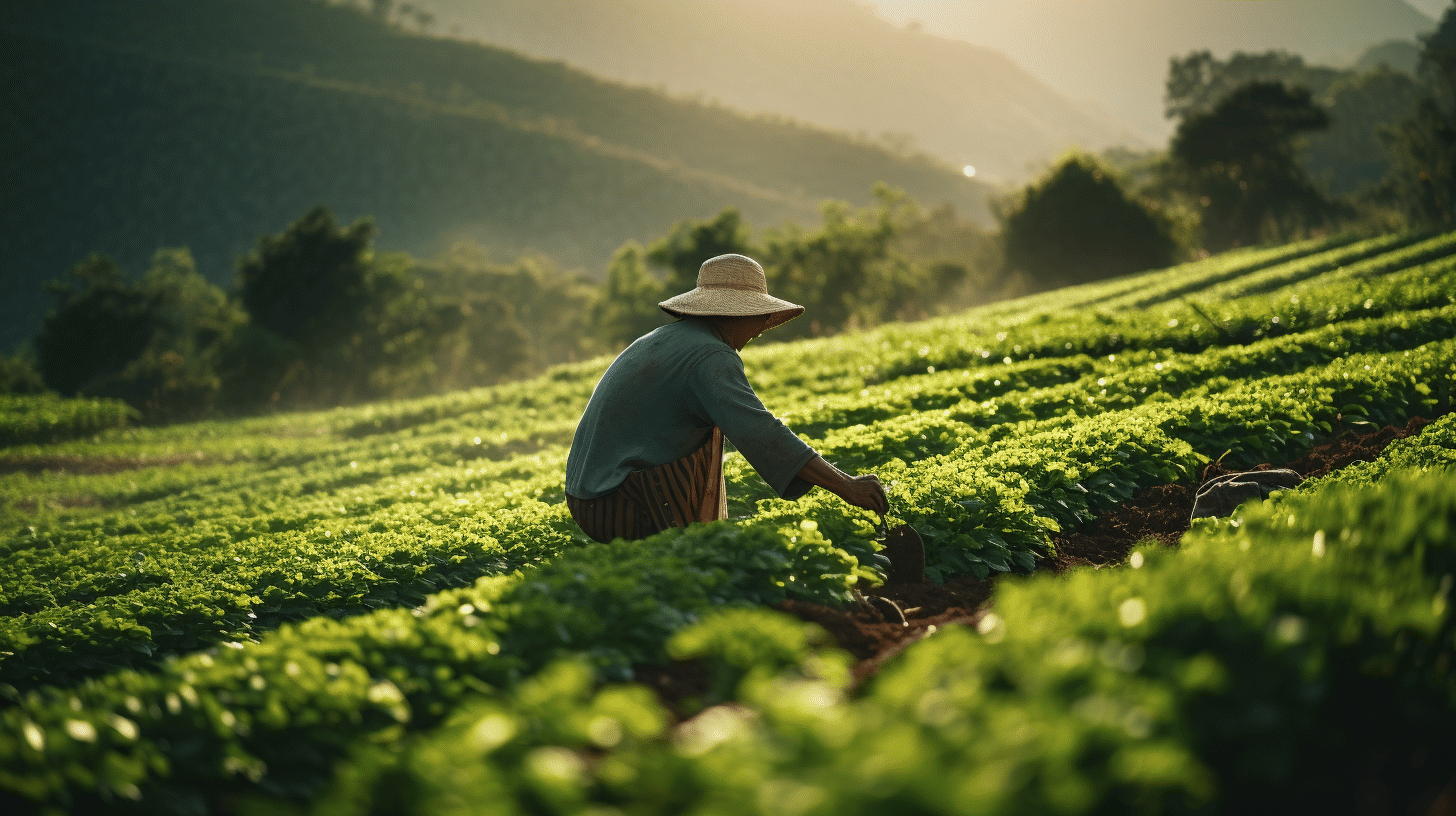
In recent years, there has been a growing recognition of the need to adopt sustainable practices in agriculture. One approach that has gained significant attention is regenerative agriculture. Instead of focusing solely on maximizing yields, regenerative agriculture aims to restore soil health, biodiversity, and overall ecosystem resilience. By implementing practices such as cover cropping, crop rotation, and minimal tillage, regenerative agriculture holds the promise of revitalizing our land and communities.
But what exactly is regenerative agriculture? At its core, it is a holistic approach that goes beyond just conventional farming methods. It recognizes the interconnectedness between plants, animals, and the soil and seeks to improve the natural systems on which our food production relies. By nurturing healthy soils, regenerative agriculture not only benefits the environment but also offers numerous economic and social advantages.
In this article, we will explore the value of regenerative agriculture, its current adoption and potential, and future projections of the market. Join us on this journey to uncover the transformative power of regenerative agriculture and its potential to reshape our agricultural systems for the better.
The Value of Regenerative Agriculture
Regenerative agriculture is gaining recognition worldwide for its potential to transform the way we produce food and protect our planet. This innovative approach goes beyond sustainable farming practices by actively restoring and revitalizing the health of the soil, water, and ecosystems.
Global Market Worth
According to recent estimates, the global regenerative agriculture market is projected to be worth $8.7 billion in 2022 and is expected to reach a value of $16.8 billion by the end of 2027[1]. This remarkable growth is fueled by increasing consumer demand for environmentally and socially responsible products. As consumers become more informed and conscious of their choices, they are seeking out agricultural products that align with their values, creating a significant market opportunity for regenerative farmers.
Profit Increase for Farmers
One of the key advantages of regenerative agriculture is the potential for increased profitability. A study by the National Association of Conservation Districts found that farmers practicing regenerative farming experienced a remarkable 78% increase in profits[2]. This significant financial benefit can be attributed to several factors:
- Reduced input costs: Regenerative practices focus on building healthy, nutrient-rich soils, reducing the need for expensive fertilizers and chemicals.
- Improved crop resilience: By enhancing soil health and biodiversity, regenerative farming leads to more resilient crops, better equipped to withstand pests, diseases, and extreme weather events.
- Market premium: Consumers are willing to pay premium prices for products produced through regenerative practices, creating additional revenue streams for farmers.
Yield Potential
Contrary to the misconception that regenerative agriculture compromises yield, evidence suggests that it has the potential to increase crop productivity. A research study indicates that regenerative practices could increase yields by 13% by the year 2040[3]. This increase can be attributed to several factors:
- Improved soil health: Regenerative practices, such as cover cropping and crop rotation, improve soil structure, water infiltration, and nutrient availability, leading to better plant growth and higher yields.
- Enhanced biodiversity: By fostering a diverse ecosystem above and below the ground, regenerative agriculture promotes beneficial interactions between plants, insects, and microorganisms, creating a more resilient and productive system.
Job Creation
Regenerative agriculture has the power to invigorate local economies and create new opportunities for employment. The transition to regenerative practices could potentially generate five million new full-time jobs by 2040[3]. These jobs would span a range of sectors, including farming, agroforestry, research, consulting, and marketing.
By focusing on regenerative principles, farmers can adopt innovative practices that offer economic benefits while simultaneously addressing pressing environmental challenges. The value of regenerative agriculture extends well beyond individual farms, contributing to a more sustainable and resilient global food system.
[1] Source
[2] Source
[3] Source
Current Adoption and Potential
Regenerative agriculture is gaining momentum around the world as a sustainable and environmentally-friendly approach to farming. While the adoption of regenerative practices is still in its early stages, there is great potential for widespread implementation.
Current Global Farmland Adoption
According to a new action plan and report, only 15% of global farmland is currently cared for using regenerative practices[1]. This means that the majority of agricultural land is still being managed using conventional methods that may degrade soil health, deplete nutrients, and harm biodiversity.
However, there is a growing awareness among farmers, policymakers, and consumers about the need for more sustainable agricultural practices. As a result, more and more farmers are transitioning to regenerative agriculture methods to restore the health of their soil and create a more resilient and sustainable food system.
Benefits to Soil Health and Biodiversity
Regenerative agricultural practices offer numerous benefits to soil health, nutrition, biodiversity, and carbon storage. By focusing on building soil organic matter, increasing biodiversity, and minimizing the use of synthetic inputs, regenerative farmers can improve the long-term productivity and sustainability of their land.
Some key benefits of regenerative agriculture include:
- Improved Soil Health: Regenerative practices such as cover cropping, crop rotation, and minimal tillage help to improve soil structure, increase nutrient availability, and enhance water holding capacity.
- Enhanced Biodiversity: By promoting the presence of diverse plants, insects, and microorganisms in and around their farms, regenerative farmers support a healthy and thriving ecosystem.
- Carbon Sequestration: The use of regenerative practices can lead to increased carbon sequestration in the soil, helping to mitigate climate change by reducing greenhouse gas emissions.
Organic Agriculture and Job Creation
One of the significant advantages of regenerative agriculture, particularly organic farming, is its potential to create jobs. Organic agriculture has been shown to generate 21% more jobs than conventional agriculture, with approximately 28,000 jobs per sector[1]. This is due to the additional labor required for manual weed control, composting, and other organic farming practices.
The job creation potential of regenerative agriculture is particularly promising in rural and agricultural areas, where employment opportunities may be limited. By promoting the adoption of regenerative practices, policymakers and communities can support local job growth and improve economic sustainability.
In conclusion, while regenerative agriculture is currently only practiced on a small percentage of global farmland, the potential for adoption and growth is significant. With its numerous benefits for soil health, biodiversity, and job creation, regenerative agriculture offers a sustainable and promising future for the agricultural industry.
References:
Future Projections of the Market
[introduction]
As we look towards the future, the potential of regenerative agriculture is truly exciting. This innovative farming approach has the power to transform not only our agricultural practices but also the health of our planet. With its ability to regenerate soil health, increase profitability, and combat climate change, regenerative agriculture is poised to play a crucial role in the future of farming.
[Project Market Worth]
The future of regenerative agriculture looks promising, with a projected market worth that continues to grow. According to a report by the World Business Council for Sustainable Development, the regenerative agriculture market is estimated to reach a value of $XX billion by XXXX. This growth can be attributed to several factors, including increasing awareness of the environmental impact of conventional farming and the demand for sustainably produced food.
[Soil Carbon and Nitrogen Stocks]
One of the key benefits of regenerative agriculture is its ability to sequester carbon in the soil, leading to increased soil carbon stocks. Studies have shown that regenerative farming practices can significantly increase soil organic carbon content, with some estimates suggesting a potential increase of X to X metric tons of carbon per hectare per year. Additionally, regenerative farming methods can also enhance nitrogen stocks in the soil, promoting healthier plant growth and reducing the need for synthetic fertilizers.
[Profitability Comparison]
Contrary to the belief that sustainable farming practices are less profitable, regenerative agriculture has been shown to be economically viable and even more profitable in some cases. A study conducted by XXXX compared the financial performance of conventional agriculture with regenerative agriculture systems. The results revealed that regenerative farms had higher net returns per acre, indicating their potential to generate greater profits for farmers in the long run.
[Soil Carbon Sequestration Potential]
One of the most significant contributions of regenerative agriculture to tackling climate change is its potential to sequester carbon in the soil. Soil carbon sequestration refers to the process of capturing carbon dioxide from the atmosphere and storing it in the soil, reducing greenhouse gas emissions. By adopting regenerative farming practices on a global scale, it is estimated that we could sequester an additional X gigatons of carbon dioxide annually by XXXX. This has the potential to play a significant role in mitigating climate change and achieving global climate targets.
The future of regenerative agriculture holds immense promise, with its potential to transform our agricultural systems, enhance profitability for farmers, and combat climate change through carbon sequestration. As we continue to explore sustainable farming practices, regenerative agriculture is proving to be a powerful solution for a more sustainable and resilient future.
Frequently Asked Questions
- What is regenerative agriculture?
Regenerative agriculture is a holistic approach to farming and land management that focuses on practices that regenerate soil health, improve biodiversity, and enhance ecosystem services. It aims to revitalize our land and communities by restoring degraded land and mitigating climate change.
- What are the benefits of regenerative agriculture?
Regenerative agriculture provides numerous benefits, including improved soil health, increased water retention, enhanced biodiversity, reduced reliance on synthetic inputs, sequestered carbon in the soil, increased resilience to climate change, and healthier communities through access to nutritious food.
- What are some common practices of regenerative agriculture?
Some common practices of regenerative agriculture include cover cropping, crop rotation, conservation tillage, composting, agroforestry, rotational grazing, and the elimination of synthetic pesticides and fertilizers. It also emphasizes the integration of livestock and crops to create a symbiotic relationship.
- Can regenerative agriculture be implemented on large-scale farms?
Yes, regenerative agriculture can be implemented on large-scale farms. While it may require some adjustments in management practices and infrastructure, adopting regenerative techniques can lead to improved productivity, soil health, and long-term sustainability.
- How does regenerative agriculture contribute to climate change mitigation?
Regenerative agriculture promotes carbon sequestration in the soil through the use of cover crops, diverse crop rotations, and no-till practices. By storing carbon in the soil, it helps reduce the concentration of greenhouse gases in the atmosphere, mitigating climate change.