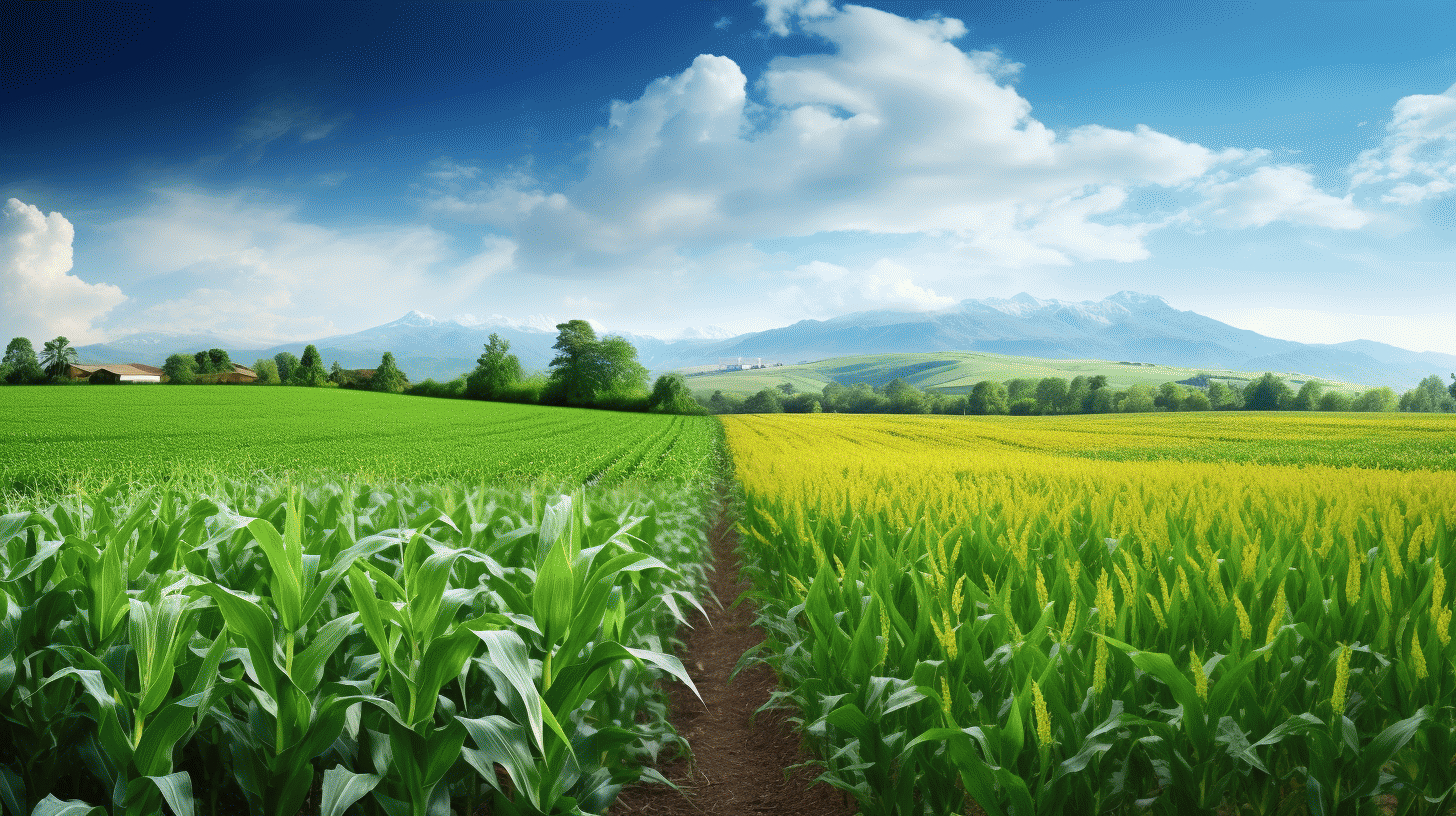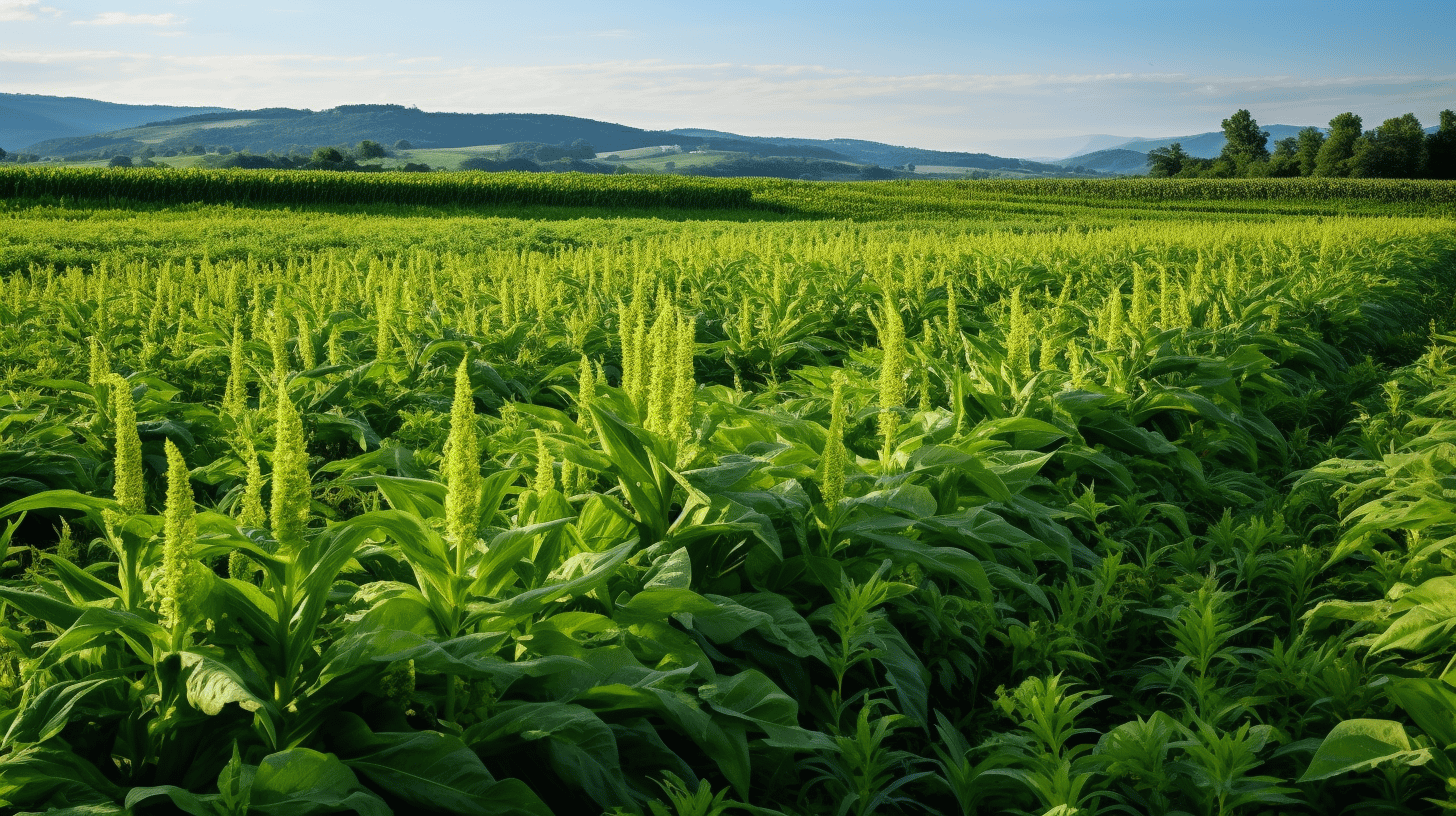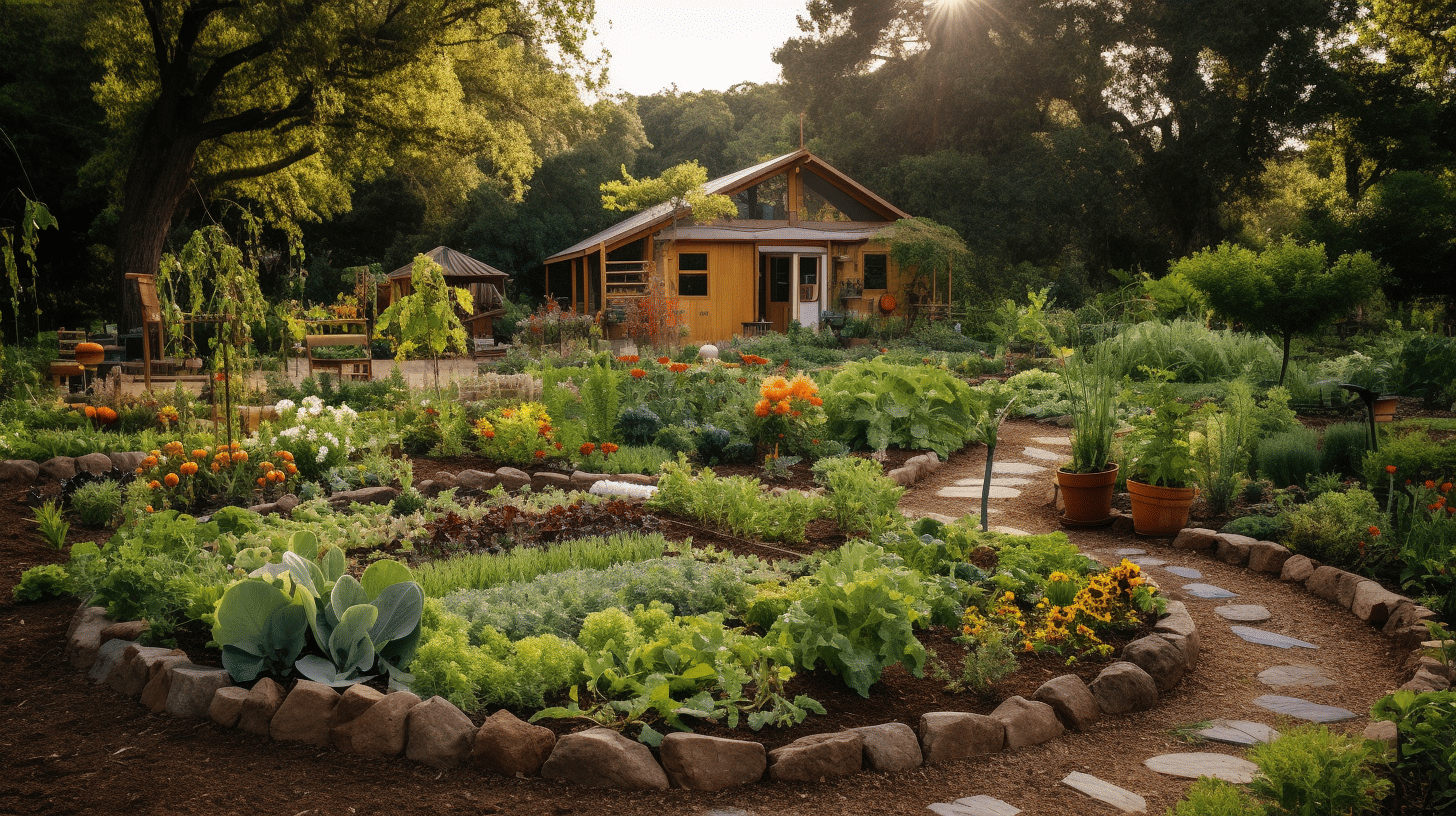
Permaculture is gaining recognition as a sustainable and regenerative approach to gardening and agriculture. This innovative design system embraces the principles of natural ecosystems to create harmonious and productive spaces. One of the core tenets of permaculture is the use of multifunctional polyculture systems, which go beyond traditional mono-cropping and instead embrace a diversity of plants and species.
In this article, we will explore the art of permaculture and delve into the design principles and key components of multifunctional polyculture systems. We will also highlight the benefits of these systems, including enhanced biodiversity, increased soil fertility, and natural pest control. Furthermore, we will discuss how permaculture can be implemented in different climates, from arid deserts to tropical rainforests and temperate zones.
Join us on this journey of discovery as we explore successful examples of multifunctional polyculture systems and provide valuable resources for further learning. Whether you are an aspiring permaculturist, a seasoned gardener, or simply curious about sustainable living, this article will inspire and inform you about the art of permaculture and its potential to transform the way we interact with the natural world. Let’s get started!
What is Permaculture?
Permaculture is not just a gardening technique, but a holistic approach to designing sustainable systems that work in harmony with nature. It is an innovative way of thinking and living, encompassing principles and practices that can be applied to many aspects of our lives, from agriculture to architecture to community building.
So, what exactly is permaculture? At its core, permaculture is a combination of two words: “permanent” and “agriculture” or “culture.” But it goes beyond just sustainable farming practices. Permaculture is about creating a regenerative and self-sustaining ecosystem that mimics the patterns and relationships found in nature.
Permaculture takes inspiration from the diversity and resilience of natural ecosystems, using these principles to guide the design of human settlements. By observing, analyzing, and integrating natural patterns and processes, permaculture seeks to create systems that work with nature, rather than against it.
To gain a deeper understanding of permaculture, let’s take a look at some key principles and concepts that form the foundation of this approach:
- Earth Care: This principle emphasizes the importance of valuing and nurturing the Earth’s ecosystems. It involves sustainable land management techniques, such as using mulch to conserve water, planting food forests to increase biodiversity, and implementing composting systems to minimize waste.
- People Care: Permaculture recognizes the value and well-being of individuals and communities. It emphasizes the need for fair and equitable systems that provide for basic needs, promote social justice, and foster strong relationships within communities.
- Fair Share: This principle encourages us to live in a way that ensures resources are shared equitably among all living beings. It involves practicing sustainable consumption, reducing waste, and promoting collaboration and cooperation with others.
Permaculture offers a different way of thinking about how we interact with our environment. It challenges traditional methods of agriculture and resource management by embracing diversity, resilience, and cooperation. By implementing permaculture principles, we can create thriving and regenerative systems that benefit both the planet and its inhabitants.
Want to learn more about the principles and practices of permaculture? Check out this comprehensive guide to permaculture for a deeper dive into this fascinating subject.
Benefits of Multifunctional Polyculture Systems
Imagine a farm that is not only productive, but also teeming with life. A farm where plants, animals, and insects work together in perfect harmony to create a thriving ecosystem. This is the beauty of a multifunctional polyculture system.
Enhanced Biodiversity
In a multifunctional polyculture system, a wide variety of crops are grown together, creating a diverse and vibrant ecosystem. This diversity of plants attracts a plethora of beneficial insects, birds, and small mammals, which help to control pests and pollinate the crops. The presence of these beneficial organisms not only improves the overall health of the farm, but also reduces the need for harmful pesticides and chemical fertilizers.
Did you know? A study conducted by the University of California found that farms using polyculture systems had up to 50% more bee species visiting their crops compared to monoculture farms[1]. This increased biodiversity not only benefits the crops, but also contributes to the conservation of pollinators, which are essential for global food production.
Increased Soil Fertility
One of the key advantages of multifunctional polyculture systems is their ability to improve soil fertility naturally. Unlike monoculture farms, where the same crop is grown year after year, polyculture systems involve the cultivation of a variety of plants. This diversity helps to break up compacted soil, promote nutrient cycling, and increase organic matter content.
Fun fact: legumes, such as peas and beans, are commonly used in polyculture systems because they have the unique ability to fix nitrogen from the air into a form that plants can use. This natural nitrogen fixation reduces the need for synthetic fertilizers and helps to replenish the soil with essential nutrients[2].
Natural Pest Control
Pests can wreak havoc on crops, causing significant damage and yield losses. However, in a multifunctional polyculture system, natural pest control mechanisms are at play. By creating a diverse ecosystem, with a variety of plants, predators, and beneficial insects are attracted to the farm. These natural enemies of pests help to keep populations in check, reducing the need for chemical pesticides.
A study published in the Proceedings of the National Academy of Sciences found that farms incorporating polyculture systems experienced a 78% reduction in pest damage compared to monoculture farms[3]. This is a testament to the effectiveness of using nature’s own defenses to protect crops.
In conclusion, multifunctional polyculture systems offer a range of benefits that not only improve farm productivity but also promote sustainability and environmental stewardship. By enhancing biodiversity, increasing soil fertility, and utilizing natural pest control mechanisms, these systems provide a holistic approach to farming that is beneficial for both the farmer and the planet.
[1] University of California: Multifunctional Polyculture Systems Boost Crop Yields And Benefit Bees
[2] The Guardian: Natural nitrogen fixation reduces the need for synthetic fertilisers
[3] Proceedings of the National Academy of Sciences: Pest control and pollination cost–benefit analysis of hedgerow restoration in a simplified agricultural landscape
Design Principles for Multifunctional Polyculture Systems
Gardening enthusiasts and sustainable agriculture advocates are always on the lookout for innovative ways to optimize their growing spaces. One such approach gaining traction is the use of multifunctional polyculture systems. These systems involve planting different crops together to create a harmonious and productive ecosystem. To ensure the success of these systems, there are a few design principles that gardeners should keep in mind. In this article, we will explore three key principles: companion planting, succession planting, and layering and stacking.
Companion Planting
Companion planting is the practice of strategically pairing plants that have a mutually beneficial relationship. By planting compatible crops together, gardeners can improve soil health, repel pests, maximize space, and enhance overall productivity. Here are some key points to consider when implementing companion planting in a multifunctional polyculture system:
- Diversity is key: Aim for a diverse mix of plants with different heights, root depths, and growth patterns. This helps create a balanced ecosystem and reduces the risk of pests and diseases spreading.
- Promote pollination: Include flowering plants and herbs to attract pollinators such as bees and butterflies. These beneficial insects play a crucial role in fertilizing plants and increasing yield.
- Natural pest control: Some plants naturally repel pests or attract predatory insects that feed on pests. Take advantage of these natural defenses by interplanting pest-repellent crops among susceptible plants.
Succession Planting
Succession planting is the art of scheduling crop plantings in a way that ensures a continuous harvest throughout the growing season. By carefully planning the timing of seed sowing and transplanting, gardeners can optimize space and maximize productivity. Here’s how to make the most of succession planting:
- Crop rotation: Rotate crops to prevent the buildup of pests and diseases. This practice helps maintain soil fertility and reduces the need for chemical interventions.
- Staggered planting: Instead of planting a large crop all at once, stagger the planting dates. This ensures a steady supply of fresh produce and prevents a glut of vegetables all at once.
- Quick-growing crops: Intersperse quick-growing crops between slow-growing ones to make the most efficient use of space. For example, radishes and lettuce can be planted between rows of tomatoes or peppers.
Layering and Stacking
In a multifunctional polyculture system, layering and stacking involve creating vertical growing spaces to maximize the use of limited land. By utilizing different levels and combining plants with different growth habits, gardeners can significantly increase yield per square meter. Consider the following tips for effective layering and stacking:
- Vines and trellises: Train vining plants to grow vertically along trellises or supports, thus freeing up valuable ground space. Beans, cucumbers, and gourds are excellent candidates for vertical growth.
- Tall plants as shade: Strategically position taller plants to provide shade for shorter, more sun-sensitive crops. For example, towering sunflowers can offer shade to delicate lettuce leaves.
- Understory plants: Plant shade-tolerant crops beneath larger plants to take advantage of the available light. For instance, leafy greens like spinach and kale can thrive under taller tomatoes or corn.
By incorporating these design principles, gardeners can create efficient and productive multifunctional polyculture systems. From companion planting to succession planting and layering and stacking, these techniques offer a holistic approach to cultivating a thriving and sustainable garden. So why not give it a try and experience the benefits of these innovative gardening practices firsthand?
Key Components of a Multifunctional Polyculture System
Introduction
In the world of sustainable agriculture, farmers and gardeners are constantly seeking innovative and efficient ways to maximize productivity while minimizing environmental impact. One such approach gaining popularity is the implementation of multifunctional polyculture systems. These systems involve the cultivation of diverse plant species in a synergistic manner, creating a self-sustaining ecosystem that can provide an array of benefits. In this article, we will explore three key components of a multifunctional polyculture system: food forests, hugelkultur beds, and keyhole gardens. Let’s dive in!
Food Forests
A food forest is a beautiful and productive way to mimic a natural forest ecosystem. It consists of layers of plants, from tall canopy trees to herbaceous groundcovers, which work together to create a sustainable and biodiverse system. Here are some key features and benefits of food forests:
- Vertical layering: Food forests utilize vertical space effectively, with tall trees providing shade and support for climbing plants, while the understory layers fill in the spaces between.
- Biodiversity: By planting a variety of species, food forests attract a diverse range of beneficial insects, birds, and other wildlife, promoting a healthy ecosystem.
- Sustainable food production: Food forests yield an abundance of edible crops throughout the year, providing a sustainable source of fresh fruits, herbs, nuts, and vegetables for the community.
- Improved soil health: With their diverse root systems and organic matter accumulation, food forests help build fertile soil, reduce erosion, and retain water more efficiently.
Hugelkultur Beds
Hugelkultur beds are another essential component of a multifunctional polyculture system. This traditional German gardening technique involves the creation of raised planting beds using logs and organic matter. Let’s explore the benefits of hugelkultur beds:
- Increased fertility: As the organic matter decomposes, it releases nutrients into the soil, nourishing plant roots and improving overall fertility.
- Water retention: Hugelkultur beds act like sponges, absorbing and storing water. This allows plants to access moisture during dry spells, reducing the need for irrigation.
- Carbon sequestration: By utilizing woody debris as the base of the beds, hugelkultur promotes carbon sequestration, helping to mitigate climate change.
- Extended growing season: As the decomposing matter generates heat, hugelkultur beds can provide a warm microclimate, lengthening the growing season and enabling the cultivation of heat-loving plants.
Keyhole Gardens
Keyhole gardens are small, circular plots with a distinct design that maximizes space and efficiency. They typically consist of a central composting tower, which acts as the heart of the garden. Here’s why keyhole gardens are a valuable component of a multifunctional polyculture system:
- Efficient use of resources: Keyhole gardens require less water, space, and fertilizers compared to traditional gardens. The composting tower provides a continuous source of nutrients, reducing the need for chemical fertilizers.
- Accessibility and convenience: The design of keyhole gardens allows for easy access to plants from all sides, minimizing the need for excessive bending or reaching.
- Composting benefits: The central composting tower enables the recycling of kitchen scraps and other organic waste, turning them into nutrient-rich compost right in the garden.
- Disease and pest control: Keyhole gardens can be designed to incorporate companion planting and pest-repelling plants, reducing the risk of disease and pest infestations.
In conclusion, a multifunctional polyculture system that incorporates food forests, hugelkultur beds, and keyhole gardens offers a myriad of benefits to farmers and gardeners. By harnessing the power of biodiversity, efficient resource utilization, and ecological principles, these components create sustainable and resilient ecosystems that provide abundant yields of food and contribute to a healthier planet. So why not embrace this innovative approach and reap the rewards of a multifunctional polyculture system in your own garden or farm?
Implementing Permaculture in Different Climates
Permaculture is a sustainable and holistic approach to designing and managing agricultural systems. Its principles can be adapted to various climates, making it a versatile solution for farmers and gardeners around the world. In this article, we will explore the implementation of permaculture in three distinct climate types: arid and desert climates, tropical climates, and temperate climates.
Arid and Desert Climates
Arid and desert climates are characterized by low rainfall and high temperatures, posing unique challenges for agriculture. However, permaculture principles can be effectively applied in these harsh environments to create thriving ecosystems. Here are some key considerations for implementing permaculture in arid and desert climates:
- Water conservation: In regions where water is scarce, capturing and conserving water becomes critically important. Implementing water catchment systems, such as rain barrels and swales, can help store and distribute water efficiently.
- Drought-tolerant crops: Selecting varieties of crops that are well-adapted to arid conditions is essential. Drought-tolerant species like cacti, succulents, and certain varieties of fruit trees can thrive with minimal water.
- Mulching: Mulching is a technique that involves covering the soil with a layer of organic material like straw or wood chips. This helps retain moisture, suppresses weeds, and improves soil fertility, making it especially valuable in arid climates.
Tropical Climates
Tropical climates are characterized by high temperatures and abundant rainfall, offering fertile grounds for diverse and productive ecosystems. To implement permaculture in tropical regions, consider the following strategies:
- Agroforestry: Planting a variety of trees in a mixed system can mimic the biodiversity found in natural forests. By combining food crops, nitrogen-fixing trees, and support species, agroforestry provides a sustainable and productive approach to agriculture in tropical climates.
- Companion planting: Companion planting involves growing different plants together that have beneficial relationships. For example, planting legumes alongside fruit trees can enhance nitrogen fixation in the soil, benefiting the overall ecosystem.
- Vertical gardening: Embrace the abundance of space and sunlight in tropical regions by utilizing vertical gardening techniques. Planting climbing plants, such as beans or passionfruit, on trellises or using hanging baskets can optimize space and maximize yield.
Temperate Climates
Temperate climates experience distinct seasons, with moderate rainfall and temperatures. Successful implementation of permaculture in temperate regions requires careful planning to ensure year-round productivity. Consider the following strategies:
- Crop rotation: Rotating crops annually can help break pest and disease cycles, improve soil health, and maximize productivity. By strategically planning crop sequences and incorporating legumes for nitrogen fixation, farmers can maintain a sustainable and resilient ecosystem.
- Season extension: To overcome the limitations of shorter growing seasons, season extension techniques like greenhouses, cold frames, and row covers can be utilized. These structures help protect crops from frost and provide a longer growing period.
- Intercropping: Intercropping is the practice of growing different crops in close proximity to maximize space and resources. Selecting complementary plant species, such as mixing shallow-rooted and deep-rooted crops, can optimize nutrient uptake and enhance overall productivity.
In conclusion, permaculture principles can be adapted to different climate types, allowing farmers and gardeners to create sustainable and productive systems. By implementing techniques tailored to arid and desert climates, tropical climates, and temperate climates, individuals can harness the power of permaculture to cultivate thriving ecosystems that benefit both people and the environment.
Successful Examples of Multifunctional Polyculture Systems
Multifunctional polyculture systems have gained popularity in recent years due to their numerous benefits for both farmers and the environment. These systems involve growing multiple crops or raising different types of livestock together in a complementary manner. Not only do they maximize the use of land and resources, but they also promote biodiversity and resilience to climate change.
One of the most successful examples of a multifunctional polyculture system is the Huanglongbing (HLB) Control Program in Florida, United States[1]. This program aims to combat the devastating effects of HLB, a disease that affects citrus trees. Instead of relying solely on chemical treatments, the program encourages farmers to implement a diverse range of citrus varieties and other compatible crops in their orchards. By diversifying the planting layout, farmers can reduce the spread and severity of the disease while maintaining a fruitful harvest.
Another successful example is the Three Sisters Farming System used by indigenous communities in North America for centuries[2]. This agricultural practice involves growing corn, beans, and squash together. Each crop benefits the others in various ways:
- Corn provides a trellis for beans to climb, improving their access to sunlight.
- Beans fix nitrogen in the soil, benefiting the corn and squash.
- Squash acts as a natural ground cover, suppressing weeds and preventing soil erosion.
The cooperation among the three crops creates a mutually beneficial ecosystem that maximizes productivity and minimizes the need for synthetic inputs.
The Sustainable Farming Systems Program in Costa Rica is another prime example of a successful multifunctional polyculture system[3]. This program encourages farmers to adopt a combination of crops, including coffee, fruits, vegetables, and timber, in their agricultural plots. By diversifying their income sources, farmers are better protected against market volatility and climate-related risks. Additionally, the program promotes sustainable practices such as agroforestry, which enhances soil fertility and provides habitat for wildlife.
These three examples illustrate the power and potential of multifunctional polyculture systems in improving agricultural sustainability. By embracing biodiversity and intercropping practices, farmers can achieve multiple benefits while reducing their reliance on chemical inputs. These systems not only promote ecological resilience but also provide economic stability for farmers.
“Multifunctional polyculture systems, such as the HLB Control Program in Florida, the Three Sisters Farming System, and the Sustainable Farming Systems Program in Costa Rica, showcase the potential of diversified agricultural practices. By harnessing the power of biodiversity, farmers can achieve sustainable and resilient food production systems.”
Resources for Further Learning
For those interested in delving deeper into the world of permaculture and multifunctional polyculture systems, there are several valuable resources available. Whether you are a beginner looking to gain a foundational understanding or an experienced permaculturist seeking further inspiration and knowledge, these resources can provide you with the information you need to take your journey to the next level.
- Permaculture Research Institute: The Permaculture Research Institute (PRI) is a worldwide organization dedicated to promoting permaculture as a sustainable design system. Their website offers a wealth of information, including articles, videos, and courses, covering various aspects of permaculture. You can find resources on permaculture ethics and principles, design techniques, and case studies from around the world. The PRI also offers online courses for those who want a more structured learning experience.
- Permaculture Association: The Permaculture Association is a UK-based organization that supports the permaculture movement. Their website provides a range of resources for both beginners and experienced practitioners. You can explore their extensive library of articles and publications, which cover topics such as permaculture design, gardening techniques, and community-building. The association also organizes events and workshops, giving you the opportunity to connect with fellow permaculturists and learn from experts in the field.
- Regenerative Agriculture Network: The Regenerative Agriculture Network is a global network of farmers, researchers, and educators working towards regenerating the Earth’s ecosystems through sustainable agriculture practices. While not exclusively focused on permaculture, their resources often overlap with permaculture principles. You can access webinars, articles, case studies, and research papers that explore regenerative farming techniques, including polyculture systems. Their resources cover a wide range of topics, including soil health, crop diversity, and holistic land management.
Remember, learning about permaculture is not just limited to online resources. Connecting with local permaculture groups, attending workshops and courses, and visiting permaculture farms and gardens can provide you with valuable hands-on experience and insights. Permaculture is an ever-evolving field, and by continuously learning and sharing knowledge, we can foster a more sustainable and resilient future.
“The only limit to your garden is at the boundaries of your imagination.” – Toby Hemenway
Frequently Asked Questions
- What is permaculture?
Permaculture is a design philosophy and methodology that aims to create sustainable and self-sufficient ecosystems by mimicking natural patterns and processes.
- What are multifunctional polyculture systems?
Multifunctional polyculture systems are diverse agricultural systems that incorporate a variety of plants and organisms, allowing for multiple yields and ecological benefits.
- How can permaculture benefit the environment?
Permaculture promotes environmental benefits such as soil regeneration, water conservation, biodiversity enhancement, carbon sequestration, and reducing dependence on external inputs.
- What are some key principles of permaculture design?
Some key principles of permaculture design include observation, integration, diversity, resilience, and using minimal energy inputs.
- Is permaculture suitable for small-scale farming?
Yes, permaculture is particularly well-suited for small-scale farming as it maximizes productivity in limited spaces and encourages sustainable practices without relying on expensive equipment or chemicals.