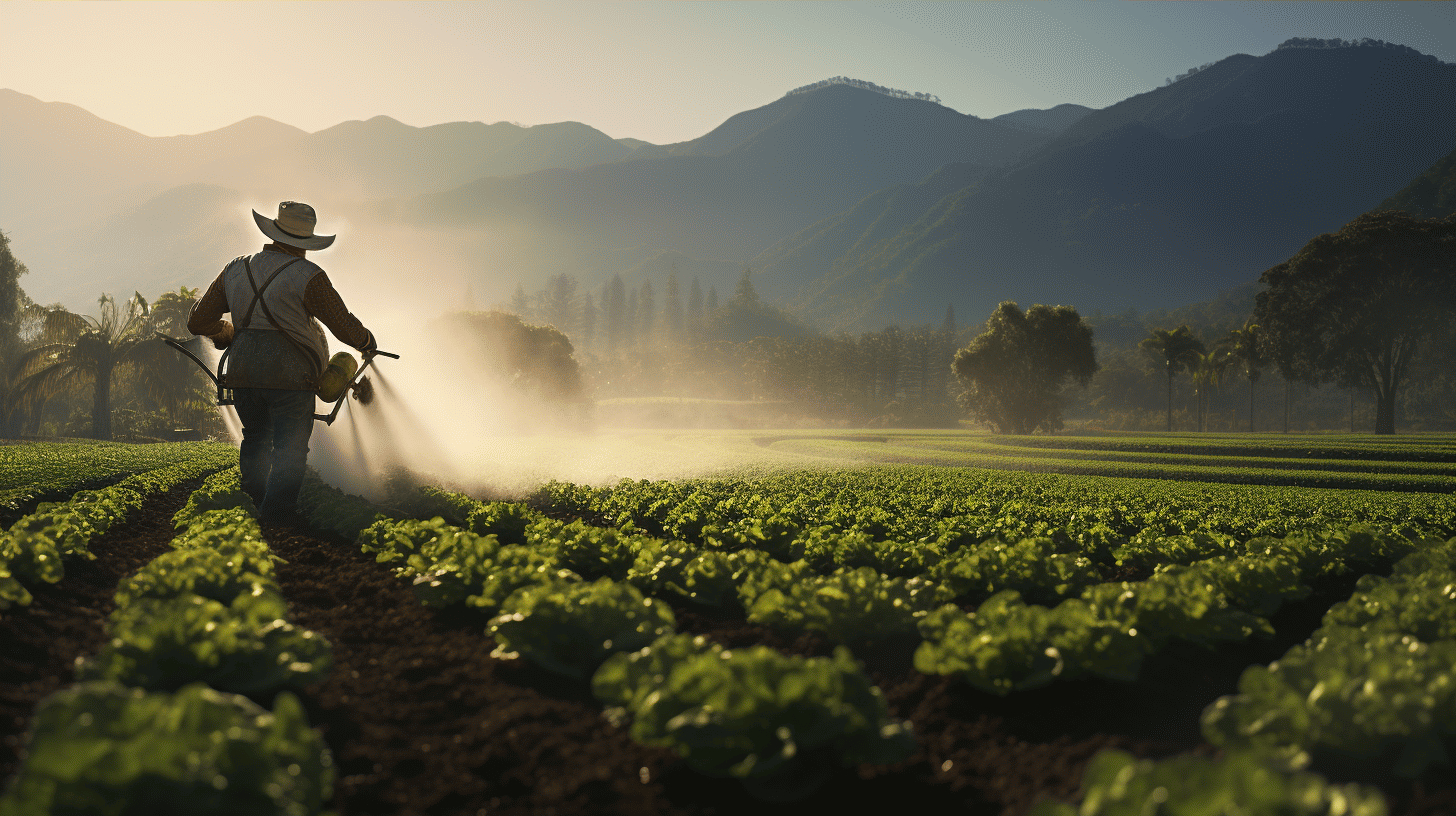
When it comes to sustainable farming, one of the most critical aspects is soil health. Healthy soil provides a solid foundation for growing crops and plays a vital role in maintaining a resilient ecosystem. However, many farmers face challenges in maintaining and improving soil health due to various factors such as erosion, nutrient depletion, and compaction.
This article aims to provide strategies and techniques that farmers can employ to enhance and sustain soil health. By adopting these practices, farmers can not only improve their crop yields but also contribute to environmental conservation and long-term agricultural sustainability.
In the following sections, we will explore different aspects of soil health management, including:
- Understanding the importance of soil health and the factors that influence it.
- Implementing soil management practices like cover cropping, crop rotation, and conservation tillage.
- Exploring the benefits of composting and organic matter in soil health enhancement.
- Nurturing nutrient-rich soils through proper soil testing, balanced fertilization, and the use of organic amendments.
- Optimizing water management techniques and water conservation practices.
- Employing natural pest control methods such as beneficial insects and integrated pest management.
- Promoting biodiversity through planting native species and habitat creation.
- Highlighting educational resources available for farmers interested in sustainable farming practices.
So, if you’re a farmer looking to improve soil health and achieve sustainable agricultural practices, read on to discover effective strategies that can revolutionize your farming methods. Let’s dive into the world of soil health management and unlock the potential of your farmland!
Understanding Soil Health
Soil health is a crucial aspect of agriculture and gardening that often goes overlooked. Many people think of soil merely as dirt, but it is actually a vibrant and living ecosystem. Just like our own health, the health of the soil directly impacts the well-being of plants and the quality of the food we grow. Now, let’s dive deeper into the importance of soil health and the factors that can affect it.
Importance of Soil Health
Maintaining healthy soil is essential for sustainable agriculture and the long-term productivity of our land. Here are a few key reasons why soil health matters:
- Nutrient Availability: Healthy soil provides a rich and diverse array of nutrients that plants need to thrive. It acts as a reservoir, holding essential elements like nitrogen, phosphorus, and potassium, which are released slowly over time. This ensures that plants have a constant supply of nutrients to support their growth.
- Water Retention: Healthy soil has excellent water-holding capacity. It can absorb and retain moisture, which is essential during dry spells or periods of drought. Adequate water retention allows plants to access the water they need, reducing the risk of dehydration and supporting their overall health.
- Root Development: Soil health directly impacts root development. Healthy soil consists of a well-structured, crumbly texture that promotes root penetration and growth. Strong and extensive root systems are better equipped to absorb nutrients and water, leading to healthier and more resilient plants.
- Pest and Disease Suppression: Healthy soil is also a natural defense against pests and diseases. A balanced and fertile soil ecosystem supports beneficial microorganisms that can outcompete harmful pathogens, minimizing the need for chemical pesticides and reducing crop damage.
- Carbon Sequestration: Soil plays a significant role in the carbon cycle. Healthy soil can store substantial amounts of carbon, helping to mitigate climate change by reducing greenhouse gas emissions. Carbon-rich soils also enhance soil fertility and structure, promoting overall soil health.
Factors Affecting Soil Health
Several factors can influence the health of the soil. Understanding these factors allows farmers and gardeners to make informed decisions and take appropriate actions to improve soil health. Here are some key factors to consider:
- Soil Structure: The physical structure of the soil plays a critical role in its health. Soil should ideally have a well-structured texture that allows for good water drainage and root penetration. Compacted soil, on the other hand, restricts air circulation, water movement, and root growth, leading to poor plant development.
- Soil pH: Soil pH refers to its acidity or alkalinity levels. Different plants have specific pH requirements for optimal growth. Some prefer acidic soils, while others thrive in alkaline conditions. Testing soil pH regularly and adjusting it as needed ensures that plants can access and absorb nutrients effectively.
- Organic Matter: The presence of organic matter in the soil is vital for its health. Organic matter helps improve soil structure, moisture retention, and nutrient availability. It also feeds beneficial soil organisms, supporting a thriving soil ecosystem.
- Soil Erosion: Soil erosion, caused by factors like wind and water, can significantly degrade soil health. It strips away the topsoil layer, which contains essential nutrients and organic matter. Implementing erosion prevention methods, such as using cover crops and proper land management practices, helps protect soil from erosion.
Remember, maintaining soil health is an ongoing process that requires regular monitoring and care. By paying attention to these factors and implementing appropriate measures, we can ensure the productivity and sustainability of our land for generations to come.
Soil Management Practices
When it comes to maintaining healthy and productive soil, implementing effective soil management practices is essential. By adopting these practices, farmers and gardeners can improve soil fertility, enhance water infiltration, reduce erosion, and support overall ecosystem health. Let’s explore three key soil management practices: cover cropping, crop rotation, and conservation tillage.
Cover Cropping
Cover cropping is a technique that involves planting specific crops, known as cover crops, between main crop seasons or during fallow periods. These cover crops serve several purposes:
- Soil protection: Cover crops help prevent soil erosion by covering the soil surface and acting as a physical barrier against wind and water.
- Weed suppression: Cover crops can compete with weeds for nutrients, sunlight, and space, reducing the need for herbicides.
- Nutrient cycling: Some cover crops, such as legumes, have the ability to fix atmospheric nitrogen into the soil, improving soil fertility and reducing the need for synthetic fertilizers.
- Increased organic matter: When cover crops decompose, they contribute organic matter to the soil, improving its structure and water-holding capacity.
Crop Rotation
Crop rotation is the practice of systematically changing the type of crops grown in a specific area over time. By rotating crops, farmers can:
- Manage pests: Different crops attract different pests and diseases. By rotating crops, farmers can break pest and disease cycles, reducing the need for chemical pesticides.
- Enhance soil health: Different crops have different nutrient requirements. By rotating crops, farmers can prevent nutrient depletion and enhance soil fertility.
- Reduce weed pressure: Crop rotation disrupts weed cycles, making it harder for weeds to establish and reducing the need for herbicides.
Crop rotation strategies can vary depending on factors such as climate, soil type, and the market demand for specific crops. Farmers carefully plan their crop sequences to optimize yields and minimize negative impacts.
Conservation Tillage
Conservation tillage refers to the practice of minimizing soil disturbance during the preparation and planting of crops. Unlike conventional tillage, which involves extensive plowing and cultivation, conservation tillage aims to:
- Preserve soil structure: By reducing soil disturbance, conservation tillage helps maintain soil aggregates and organic matter, which contribute to soil structure and water infiltration capacity.
- Minimize erosion: By leaving crop residues on the soil surface, conservation tillage acts as a protective blanket, reducing the impact of wind and water erosion.
- Save energy and reduce costs: Conventional tillage requires significant machinery and fuel usage. Conservation tillage reduces these costs and benefits the environment by minimizing greenhouse gas emissions.
Farmers can adopt different conservation tillage practices, including no-till, strip-till, and reduced tillage, depending on their specific needs and soil conditions.
Incorporating cover cropping, crop rotation, and conservation tillage into soil management practices can lead to healthier soils, increased crop yields, and more sustainable agricultural systems. By implementing these techniques, farmers and gardeners can nurture their soils while minimizing negative impacts on the environment. So let’s embrace these practices and pave the way for a greener and more productive future.
Composting and Organic Matter
Composting is a natural and sustainable way to recycle organic waste and transform it into nutrient-rich soil. It involves the decomposition of organic matter like food scraps, yard waste, and other biodegradable materials. By harnessing the power of nature, composting offers numerous benefits for both the environment and gardeners. In this section, we will explore the benefits of composting and the different methods you can use to create your own compost.
Benefits of Composting
Composting offers a range of benefits that make it an attractive option for those looking to reduce waste and improve soil health. Here are some key advantages of composting:
- Reduces waste: Composting diverts organic waste from landfills, where it would otherwise produce harmful greenhouse gases. By composting, you can significantly reduce your carbon footprint.
- Improves soil quality: Compost adds essential nutrients to the soil, improving its structure and fertility. It enhances soil moisture retention, reduces erosion, and increases the nutrient-holding capacity of the soil, resulting in healthier plants.
- Enhances plant growth: The nutrients present in compost, such as nitrogen, phosphorus, and potassium, help plants grow stronger and produce more abundant yields. Compost acts as a slow-release fertilizer, providing a steady supply of nutrients to plants over an extended period.
- Suppresses diseases and pests: Compost contains beneficial microorganisms and fungi that can suppress harmful pathogens, pests, and diseases. These natural defenses can reduce the need for chemical pesticides and herbicides.
- Saves money: By creating your own compost, you can save money on commercial fertilizers and soil amendments. Additionally, composting reduces waste management costs for municipalities and households.
Methods of Composting
There are several methods of composting, each offering different advantages and suiting different situations. Here are a few common methods:
- Backyard composting: This method involves creating a compost pile or bin in your backyard. It requires a mix of green (nitrogen-rich) and brown (carbon-rich) materials, regular turning or aerating, and maintaining the right moisture levels. Backyard composting is an excellent option for households and small-scale gardeners.
- Vermicomposting: Vermicomposting uses worms, usually red wigglers, to break down organic waste. The worms consume the waste, digest it, and produce nutrient-rich castings known as vermicompost. This method is ideal for those with limited space, such as apartment dwellers, as it can be done indoors with special worm bins.
- Trench or pit composting: This method involves digging a trench or pit to bury organic waste. Over time, the waste decomposes and enriches the soil. Trench composting is useful for disposing of large amounts of organic waste and improving the soil in specific areas of your garden.
- Compost tumblers or bins: Compost tumblers or bins provide a convenient and efficient way to compost. They allow for easy turning and mixing of the compost, ensuring proper aeration and decomposition. Compost tumblers are particularly suitable for urban environments where space is limited and aesthetics are a concern.
Remember, regardless of the method you choose, successful composting requires the right balance of green and brown materials, adequate moisture, proper aeration, and patience. With time and dedication, you’ll be rewarded with nutrient-rich compost that will nourish your plants and contribute to a healthier planet.
Want to delve deeper into the world of composting? Check out our article on The Basics of Composting for a comprehensive guide on getting started with composting at home.
Nutrient Management
Soil Testing
When it comes to effective nutrient management, soil testing is a crucial step in understanding the nutrient composition and overall health of the soil. By analyzing the soil, farmers and gardeners can gain valuable insights into the specific nutrients that may be lacking or excessive, allowing them to make informed decisions on how to optimize their fertilization practices. Soil testing provides a solid foundation for implementing a targeted approach to nutrient management, resulting in increased crop productivity and overall sustainability.
Some key benefits of soil testing include:
- Accurate nutrient recommendations: Soil tests provide specific recommendations for the types and amounts of fertilizers needed to address nutrient deficiencies. This precision helps avoid over-application of fertilizers, which can be wasteful, costly, and potentially harmful to the environment.
- Cost-effective approach: By pinpointing specific nutrient deficiencies, soil testing allows farmers to tailor their fertilization practices, optimizing nutrient availability for plant uptake. This targeted approach ensures that fertilizers are applied only where needed, saving money on unnecessary applications.
- Environmental stewardship: By using soil testing to guide nutrient management decisions, farmers can reduce the risk of nutrient runoff and leaching, both of which can contribute to water pollution. This environmentally conscious approach helps protect water sources and supports sustainable farming practices.
To get started with soil testing, farmers and gardeners can take the following steps:
- Collect soil samples: Use a soil probe or shovel to collect multiple, representative samples from different areas of the field or garden. Take samples at the appropriate soil depth for the specific crop or plants being grown.
- Prepare samples: Mix the collected soil samples together in a clean container, removing any debris or plant material. Allow the soil to dry naturally, then transfer a portion of the sample to a soil testing bag or container.
- Submit samples to a reputable laboratory: Contact a local agricultural extension office or a certified soil testing laboratory to inquire about their soil testing services. Follow their instructions for submitting the soil samples and any accompanying paperwork or fees.
- Interpret the results: Once the soil test results are received, carefully review the recommendations provided by the laboratory. These recommendations will guide the application of fertilizers to address specific nutrient deficiencies.
Balanced Fertilization
Achieving a balanced nutrient profile is essential for promoting healthy plant growth and maximizing crop yields. Balanced fertilization involves providing plants with the optimal amounts of essential nutrients in the correct ratio. This approach ensures that plants have access to all the nutrients they need for optimal growth and development, minimizing nutrient deficiencies or excesses that can hinder productivity.
Some key considerations for implementing balanced fertilization practices include:
- Understanding nutrient requirements: Different crops have varying nutrient requirements, so it is crucial to understand the specific nutrient needs of the plants being grown. This information can be obtained from crop-specific fertilizer guidelines or by consulting agronomists or agricultural extension professionals.
- Choosing the right fertilizer: Select fertilizers that contain the essential nutrients required by the crops. These nutrients typically include nitrogen (N), phosphorus (P), and potassium (K), along with secondary and micronutrients. Consider the appropriate nutrient ratios for the specific stage of plant growth, as different nutrients play different roles during different plant development stages.
- Applying fertilizers correctly: Proper application techniques help ensure that nutrients are effectively delivered to plants. This includes considering the timing and method of application, such as broadcasting, side-dressing, or fertigation. Following recommended application rates and avoiding excessive use of fertilizers is crucial to prevent nutrient imbalances or environmental harm.
- Monitoring and adjusting: Regular monitoring of plant health and nutrient levels can help identify any imbalances or deficiencies. Periodic soil testing and plant tissue analysis can provide valuable insights into nutrient status, enabling adjustments to fertilization practices as needed.
Implementing balanced fertilization practices requires ongoing monitoring and adjustment throughout the growing season. By maintaining a balanced nutrient profile, farmers and gardeners can optimize plant health, improve crop yields, and promote long-term soil fertility.
Use of Organic Amendments
In addition to traditional fertilizers, the use of organic amendments can play a vital role in nutrient management. Organic amendments, such as compost, manure, and cover crops, offer numerous benefits that contribute to overall soil health and nutrient availability.
Here are some advantages of incorporating organic amendments into nutrient management practices:
- Improved soil structure: Organic amendments can enhance soil structure and improve its water-holding capacity, drainage, and aeration. This positively affects root development and nutrient uptake.
- Slow release of nutrients: Organic amendments release nutrients gradually over time, providing a steady supply of nutrients for plant uptake. This slow-release mechanism helps reduce the risk of nutrient leaching and ensures that plants have access to nutrients when needed.
- Increase in organic matter: Organic amendments boost organic matter content in the soil, which improves soil fertility, water-holding capacity, and nutrient-holding capacity. Increased organic matter also supports beneficial soil microorganisms that aid in nutrient cycling and plant nutrient uptake.
- Suppression of diseases and pests: Some organic amendments possess natural disease-suppressing and pest-repellent properties, contributing to the overall health and resilience of plants.
When using organic amendments, it is essential to consider factors such as the type and quality of the amendment, application rates, and timing. Local agricultural extension offices or organic farming experts can provide guidance on the most suitable organic amendments for specific crops and growing conditions.
By incorporating soil testing, balanced fertilization, and the use of organic amendments into nutrient management practices, farmers and gardeners can promote optimal plant growth, reduce environmental impacts, and build long-term soil fertility.
Water Management
Water management is a crucial aspect of maintaining a sustainable environment and ensuring the efficient use of water resources. Whether it’s for agricultural purposes, residential consumption, or industrial needs, effective water management techniques play a vital role in preserving this precious resource for future generations.
Irrigation Techniques
Drip Irrigation: A Game-Changer in Water Efficiency
One of the most efficient irrigation techniques is drip irrigation. Unlike traditional irrigation systems, which spray water over a large area, drip irrigation delivers water directly to the roots of plants, minimizing water loss through evaporation. Here’s why drip irrigation is a game-changer:
- Precision water delivery: Drip irrigation allows for precise water application, ensuring that plants get the appropriate amount of water without wastage.
- Reduced water usage: By delivering water directly to the roots, drip irrigation can reduce water usage by up to 50% compared to overhead sprinklers.
- Improved plant health: By maintaining consistent soil moisture, drip irrigation minimizes stress on plants and reduces the risk of diseases caused by overwatering or underwatering.
- Weed control: Drip irrigation targets water delivery to the plant’s root zone, reducing the likelihood of weeds sprouting in unplanted areas.
With these benefits, it’s no wonder that drip irrigation has become increasingly popular among farmers and gardeners alike.
Water Conservation Practices
Rainwater Harvesting: Harnessing Nature’s Gift
Rainwater harvesting is an effective water conservation practice that involves collecting and storing rainwater for later use. This technique offers several advantages:
- Sustainable water source: By utilizing rainwater, we can reduce our reliance on freshwater sources, such as rivers and groundwater reserves.
- Cost-effective: Rainwater is free, making it a cost-effective alternative to using treated or potable water for non-potable purposes like watering gardens or cleaning.
- Stormwater management: By capturing rainwater, we can mitigate the risks of flooding and erosion caused by excessive runoff during heavy rainfall events.
- Landscape irrigation: Rainwater can be used for watering plants, reducing the strain on municipal water supplies during dry seasons.
Implementing rainwater harvesting systems, such as rain barrels or cisterns, not only benefits individual homeowners but also contributes to the overall conservation of water resources in the community.
Greywater Recycling: Maximizing Water Use Efficiency
Another water conservation practice gaining popularity is greywater recycling. Greywater refers to wastewater generated from activities like bathing, laundry, and dishwashing, which can be treated and reused for non-drinking purposes. Here’s why greywater recycling is a smart choice:
- Water conservation: Instead of sending greywater to the sewer system, recycling it reduces the strain on freshwater supplies and minimizes the need for additional water extraction.
- Landscape irrigation: Treated greywater can be used for irrigation, allowing homeowners to maintain lush landscapes while reducing reliance on potable water.
- Cost savings: By reusing greywater, households can save money on their water bills, especially in areas where fresh water is scarce and expensive.
- Environmental benefits: Diverting greywater from the sewer system reduces the energy and chemicals required for wastewater treatment, benefiting the environment.
By implementing greywater recycling systems, individuals can make a significant impact on water conservation efforts while enjoying the benefits of reduced water bills and a greener landscape.
In conclusion, effective water management practices such as drip irrigation, rainwater harvesting, and greywater recycling are essential for sustainable water use. By adopting these techniques, individuals, communities, and industries can contribute to the preservation of our valuable water resources for a better future.
Natural Pest Control
Picture this: you’ve spent hours carefully tending to your garden, nurturing your plants, and watching them thrive. But suddenly, unwanted pests swoop in and threaten to undo all your hard work. It’s a gardener’s worst nightmare. But fear not! There is a solution that doesn’t involve harmful pesticides or chemicals. Enter natural pest control.
Beneficial Insects
When it comes to combatting pests in your garden, sometimes the best defense is a good offense. Instead of reaching for pesticides that can harm beneficial insects and disrupt the delicate ecosystem of your garden, why not let nature do the work for you? Introducing beneficial insects, tiny warriors that act as nature’s pest control.
Here are some of the unsung heroes of the insect world that can help keep your garden pest-free:
- Ladybugs: These adorable red and black beetles are voracious eaters of pests like aphids, mealybugs, and mites.
- Praying Mantises: Resembling tiny alien creatures, praying mantises are stealthy predators that feast on a wide range of garden pests, including caterpillars, beetles, and spiders.
- Lacewings: With their delicate, lacy wings, these insects are not only beautiful to look at but also effective predators of aphids, thrips, and whiteflies.
- Ground Beetles: These nocturnal insects patrol the soil, gobbling up slugs, snails, and other garden pests that emerge after dark.
- Hoverflies: Mistaken for bees due to their yellow and black stripes, hoverflies lay their eggs near aphid colonies and their larvae devour those pesky aphids.
By attracting and encouraging these beneficial insects to make themselves at home in your garden, you can establish a natural balance where pests are kept in check, and your plants thrive.
Integrated Pest Management
While beneficial insects are an essential part of natural pest control, it’s also important to have a holistic approach to managing pests. This is where Integrated Pest Management (IPM) comes into play.
IPM is a comprehensive strategy that combines various techniques to control pests while minimizing the use of chemicals. It involves careful observation, identification of pests and their lifecycles, and implementing targeted measures to prevent and manage pests effectively. Some key components of IPM include:
- Cultural Practices: This involves incorporating practices like crop rotation, proper spacing between plants, and regular plant maintenance to create an environment that is less favorable to pests.
- Physical Barriers: Using physical barriers like row covers, netting, and fences can help keep pests away from your plants, preventing damage and reducing the need for chemical interventions.
- Biological Controls: This includes introducing beneficial insects, as mentioned earlier, or using natural predators like nematodes, bacteria, or fungi to combat specific pests.
- Trap Crops: Planting specific crops that act as decoys for pests can divert them away from your valuable plants, reducing the damage they cause.
- Monitoring and Early Intervention: Regularly inspecting your plants for signs of pest infestation, and taking action at the first sign of trouble, can help prevent the problem from escalating.
By implementing an Integrated Pest Management approach, you can create a resilient, naturally balanced garden that thrives without relying on harmful chemicals.
So, the next time pests threaten to wreak havoc on your hard-earned garden, remember the power of natural pest control. Embrace the beauty of beneficial insects and adopt a holistic approach to managing pests, and watch your garden flourish in harmony with nature.
Promoting Biodiversity
The promotion of biodiversity is vital for the health and sustainability of our environment. By preserving and restoring natural habitats, we can support a wide variety of plant and animal species, ensuring the balance of ecosystems for generations to come. In this article, we will explore two effective ways to promote biodiversity: planting native species and creating habitats.
Planting Native Species
One of the most impactful ways to promote biodiversity is by planting native species in our landscapes. Native plants are those that naturally occur in a particular region and have adapted to the local climate and soil conditions over time. Here’s why planting native species is beneficial:
- Adaptability: Native plants are adapted to local environmental conditions, making them more resilient and better equipped to survive and thrive. They require less water, fertilizer, and pesticides compared to non-native species.
- Habitat Creation: Native plants provide essential food and shelter for native wildlife species such as birds, bees, butterflies, and other beneficial insects. By planting native species, we create a welcoming habitat for these creatures to sustain their populations.
- Ecosystem Support: Native plants play a crucial role in supporting the overall health and functioning of ecosystems. They provide erosion control, improve soil health, filter water, and contribute to the cycling of nutrients.
To incorporate native plants into your landscape, consider the following tips:
- Researching Native Species: Consult local gardening resources, native plant nurseries, or online databases to identify native plant species suitable for your area. Look for plants that are well-adapted to your region’s climate, soil type, and sunlight conditions.
- Diverse Plant Selection: Aim for a diversity of native species in your garden. This will create a more resilient and balanced ecosystem by providing a variety of food sources and habitats for different wildlife species.
- Maintenance and Care: Native plants typically require less maintenance than non-native species once established. However, proper care during the establishment phase, including watering, weeding, and mulching, is essential for their long-term success.
Habitat Creation
Another effective way to promote biodiversity is by creating habitats that support a range of plant and animal species. Here are some ideas for habitat creation:
- Pollinator Gardens: Designate an area in your garden specifically for attracting pollinators like bees, butterflies, and hummingbirds. Plant a variety of native flowering plants, including those with different shapes, colors, and blooming seasons, to provide continuous food sources for pollinators.
- Bird Houses and Feeders: Install birdhouses and feeders in your garden to provide nesting sites and supplementary food for birds. Make sure to choose appropriate houses and food that cater to the specific bird species found in your region.
- Water Features: Create a small pond or birdbath to provide a water source for wildlife. Water features not only fulfill the essential hydration needs of animals but also attract amphibians, insects, and other aquatic organisms.
- Rock Piles and Brush Stacks: These provide shelter for small mammals, reptiles, and insects. By incorporating rock piles or brush stacks in your garden, you create hiding spots and nesting opportunities for a diverse array of species.
Remember, promoting biodiversity is not limited to large-scale efforts—every small action counts. By planting native species and creating habitats, we can all contribute to the preservation and enhancement of our natural environments. So let’s roll up our sleeves and make a positive impact on our local ecosystems!
Learn more about the benefits of planting native species and habitat creation here.
Educational Resources for Sustainable Farming
Sustainable farming is gaining traction as more and more people recognize the importance of preserving our natural resources and reducing the negative impact of conventional agricultural practices. Whether you’re a seasoned farmer looking to adopt sustainable methods or a novice hoping to start a sustainable farm from scratch, there are several educational resources available to help you along the way.
USDA-Natural Resources Conservation Service
One of the leading sources of information and support for sustainable farming is the USDA-Natural Resources Conservation Service (NRCS). This agency provides assistance to farmers across the United States in implementing conservation practices that promote sustainable agriculture. Here are some key features of their educational resources:
- Technical Assistance: The NRCS offers personalized technical assistance to farmers, helping them develop sustainable farming practices tailored to their specific needs and circumstances.
- Conservation Stewardship Program: This program provides financial incentives to farmers who actively manage and enhance their conservation efforts on their farms. It encourages the adoption of sustainable practices such as cover cropping, crop rotation, and soil health improvement.
- Conservation Planning: The NRCS helps farmers develop comprehensive conservation plans that address soil erosion, water quality, nutrient management, and wildlife habitat enhancement.
The NRCS is an invaluable resource for farmers looking to learn more about sustainable farming practices. Visit their website to find your local NRCS office and get started on your sustainable farming journey.
Rodale Institute
Another excellent resource for sustainable farming education is the Rodale Institute. For over 70 years, Rodale has been at the forefront of the organic farming movement, conducting scientific research and advocacy work to promote sustainable agriculture. Here’s why Rodale is worth exploring:
- Research Institutes: Rodale operates research farms where they conduct experiments and collect data on organic farming methods. Their research provides valuable insights into organic pest and weed management, soil health improvement, and nutrient cycling.
- Certification Programs: Rodale offers certification programs for farmers interested in organic farming. These programs provide comprehensive training in organic farming practices and help farmers meet the necessary requirements for organic certification.
- Publications and Resources: Rodale publishes a range of educational resources, including books, articles, and online materials, that cover various aspects of sustainable farming. They also host workshops and training events to help farmers learn and network with other like-minded individuals.
The Rodale Institute is a must-visit resource for any farmer interested in sustainable agriculture. Their wealth of research and educational materials can provide valuable guidance and support for your sustainable farming journey.
Sustainable Agriculture Research and Education
The Sustainable Agriculture Research and Education (SARE) program is another valuable resource for farmers seeking educational support for sustainable farming practices. Here’s what makes SARE stand out:
- Funding Opportunities: SARE offers grants to farmers, researchers, and educators who are working to advance sustainable agriculture. These grants can be used to fund projects related to crop production, soil health, pest management, and more.
- Training and Outreach: SARE provides training and outreach activities to help farmers learn about sustainable farming practices and connect with other professionals in the field. They offer workshops, webinars, and publications that cover a wide range of sustainable farming topics.
- Farmer-to-Farmer Network: SARE facilitates a farmer-to-farmer network, where experienced sustainable farmers share their knowledge and expertise with others. This network allows farmers to learn from each other’s successes and challenges, fostering a supportive and collaborative community.
The SARE program is an invaluable resource for farmers looking to learn about the latest sustainable farming practices and connect with other like-minded individuals. Visit their website to explore their resources and find opportunities for funding and training.
In conclusion, these educational resources provide farmers with the knowledge, tools, and support they need to transition to sustainable farming practices. Whether you’re interested in conservation planning, organic farming research, or funding opportunities, these resources can serve as your guide to a more sustainable and environmentally-friendly farming future.
Conclusion
In conclusion, enhancing soil health is a crucial aspect of sustainable farming practices. By understanding the importance of soil health and implementing effective soil management practices, farmers can improve agricultural productivity, protect the environment, and contribute to long-term food security. Additionally, practices such as composting, proper nutrient management, water conservation, natural pest control, and promoting biodiversity further support sustainable farming efforts.
By prioritizing soil health, farmers can:
- Increase crop yields and quality
- Reduce reliance on synthetic inputs and minimize environmental impacts
- Improve water retention and reduce erosion
- Enhance soil fertility and structure
- Mitigate pests and diseases naturally
- Create a resilient agricultural system that can adapt to climate change
To learn more about regenerative agriculture and explore comprehensive guides on sustainable farming practices, visit our platform, Regenerative Agriculture Wiki. We offer a wealth of information on soil health, holistic management, permaculture, and agroecology. Join our community of passionate individuals and contribute to a future where agriculture and ecology thrive in harmony.
Remember, the choices we make in our farming practices today can have a profound impact on the future of our planet and the well-being of generations to come. Let’s work together towards a sustainable and regenerative future.
Discover the potential of regenerative agriculture at Regenerative Agriculture Wiki.
Frequently Asked Questions
- What is soil health and why is it important for sustainable farming?
Soil health refers to the capacity of the soil to function as a living ecosystem that sustains plants, animals, and humans. It is important for sustainable farming as healthy soil promotes higher crop yields, retains water, prevents erosion, and supports beneficial organisms.
- What are some strategies for enhancing soil health in sustainable farming?
Strategies for enhancing soil health in sustainable farming include: using cover crops, practicing crop rotation, applying organic matter/compost, reducing tillage, managing nutrient inputs, and promoting beneficial soil organisms.
- Why is the use of cover crops beneficial for soil health?
Cover crops provide numerous benefits for soil health such as preventing erosion, improving soil structure, increasing organic matter content, suppressing weeds, and enhancing nutrient cycling and availability.
- How does crop rotation contribute to improving soil health?
Crop rotation involves growing different crops in sequence on the same field. It helps reduce disease and pest pressure, enhances soil fertility by optimizing nutrient use, improves soil structure, and minimizes soil erosion.
- What are some organic practices that can improve soil health?
Some organic practices that can improve soil health include applying compost or animal manure, practicing vermiculture (using worms for composting), using organic fertilizers, avoiding synthetic pesticides, and practicing organic weed management.