Permaculture has gained significant attention in recent years as a sustainable approach to farming and land management. It focuses on creating harmonious ecosystems that are in balance with nature, while also providing for human needs. One crucial aspect of permaculture is water management, as water scarcity and climate change continue to threaten agricultural systems worldwide.
In this article, we will explore the strategies and techniques used in permaculture for effective water management. From capturing and storing rainwater to implementing water-wise gardening strategies, we will delve into various methods that help conserve and optimize water resources on a permaculture farm.
Water is an essential resource for any farming operation, and managing it efficiently can lead to improved yields, reduced reliance on external water sources, and enhanced resilience in the face of drought and other challenging conditions. By implementing permaculture water management practices, farmers can create self-sustaining ecosystems that conserve water, support biodiversity, and ultimately contribute to a more sustainable future.
Join us as we delve into the world of permaculture water management, exploring the techniques, benefits, and how they align with the principles of permaculture. Whether you are a farmer looking to adopt more sustainable practices or simply curious about water conservation in agriculture, this article will provide you with valuable insights and inspiration. So, let’s dive in and discover the secrets of permaculture water management!
Overview of Permaculture Water Management
Water conservation is a crucial aspect of permaculture farming, a sustainable agricultural practice that focuses on creating self-sustaining ecosystems. By adopting effective water management techniques, permaculture farmers can minimize water waste, maximize water availability, and maintain a thriving ecosystem on their farms.
Relevance of Water Conservation in Permaculture Farming
Water scarcity is a significant concern in many parts of the world, making water conservation practices even more crucial. Permaculture farming acknowledges the importance of water as a limited and precious resource, and strives to utilize it efficiently. Here are some key reasons why water conservation is essential in permaculture:
- Drought resistance: Permaculture systems are designed to withstand dry periods without relying heavily on external water sources. By conserving water, permaculture farmers can ensure that their farms remain productive even during droughts.
- Ecosystem resilience: Conserving water helps maintain a balanced ecosystem on permaculture farms. Adequate water availability supports the growth of plants, animals, and beneficial microorganisms, fostering a healthy and resilient environment.
- Reduced environmental impact: Practices such as water harvesting, rainwater storage, and using water-efficient irrigation methods reduce the need for extracting water from natural sources. This reduces the strain on local water bodies and helps protect the environment.
Methods for Water Conservation
Permaculture farmers employ various techniques to conserve and manage water effectively. Here are some commonly used methods:
- Mulching: Mulching involves covering the soil surface with a layer of organic material, such as straw or wood chips. This helps retain moisture in the soil by preventing evaporation and suppressing weed growth. Mulching can significantly reduce water loss in permaculture systems.
- Swales and contouring: Swales are shallow ditches or depressions constructed along the contour lines of sloping land. They help capture and infiltrate rainwater, allowing it to slowly percolate into the soil. Contouring, on the other hand, involves shaping the land to follow the natural contours, reducing water runoff.
- Greywater recycling: Permaculture farmers often implement systems to collect and treat greywater from household activities, such as washing dishes and showering. This recycled water can then be used for irrigation, reducing the demand for freshwater sources.
- Keyline design: Keyline design is a land management technique that aims to optimize water distribution on a farm. By implementing patterns of swales and water-holding features along specific contour lines, permaculture farmers can effectively manage water flow and distribution.
These methods, along with others like rainwater harvesting, mulch basins, and drip irrigation, allow permaculture farmers to maximize the use of available water resources. By implementing these water conservation techniques, permaculture farming becomes not only sustainable but also a crucial contributor to overall water conservation efforts.
Extra Information:
Primary conservation methods include storing water in the soil and diverting leftover resources to holding areas. Permaculture conservation methods are especially relevant in regions facing water scarcity.
Capturing and Storing Rainwater
Rainwater is a valuable resource that can be captured and stored for various uses, from irrigation to household chores. In permaculture designs, the focus is on maximizing the use of rainwater by implementing different strategies. Two effective methods for capturing and storing rainwater are through the use of large dams and swales.
Large Dams
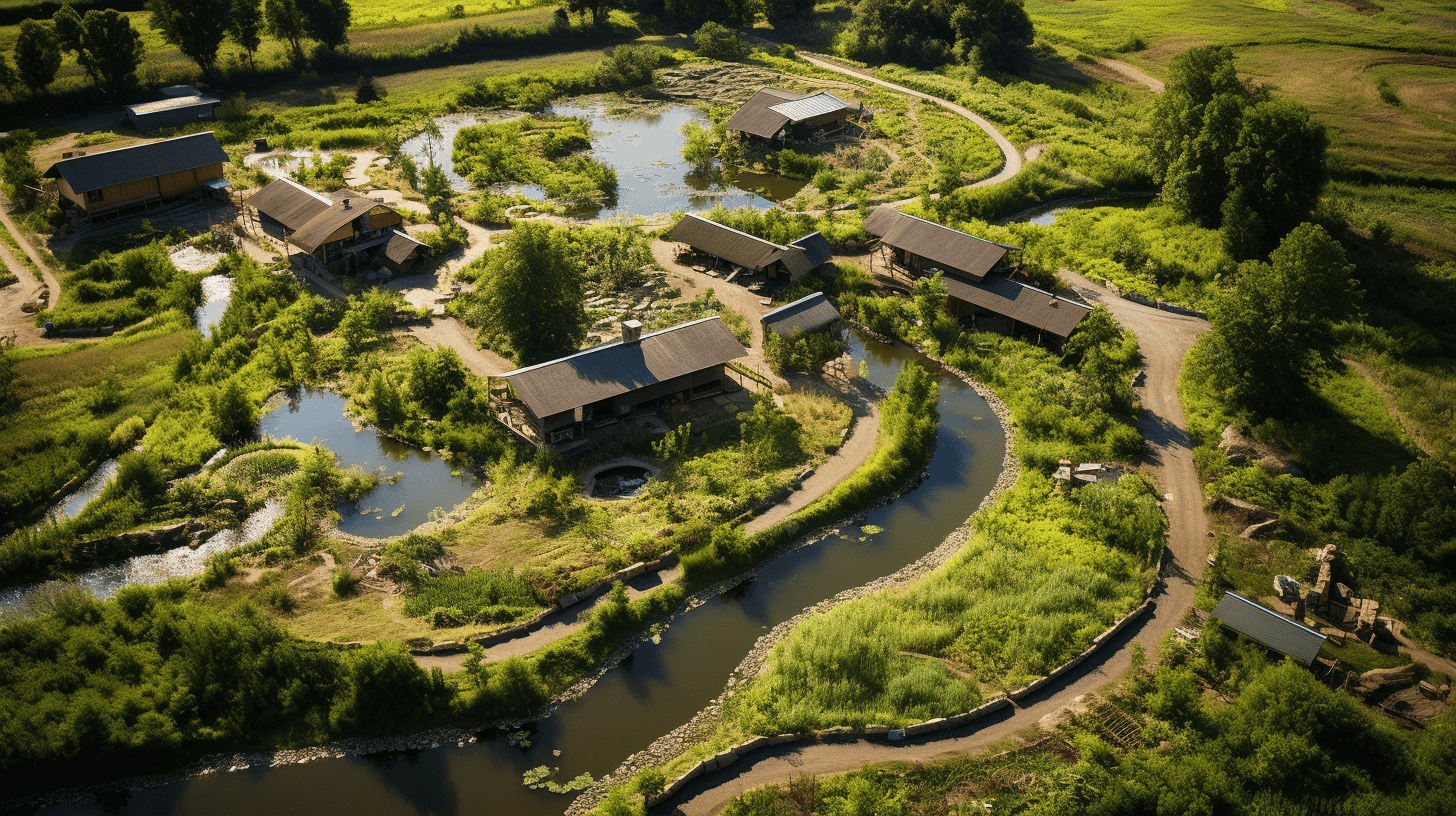
Large dams are an excellent way to capture and store substantial amounts of rainwater. These structures are typically constructed in strategic locations to collect water runoff from hillsides or catchment areas. The collected water is then stored behind the dam, forming a reservoir for later use.
One of the advantages of using large dams is their ability to store vast quantities of water, which can be beneficial during dry spells. This water can be used for irrigation purposes, providing a reliable source of water for crops and gardens. Additionally, large dams can also serve as habitats for aquatic wildlife, further enhancing the ecological value of these structures.
Swales
Swales are another effective method for capturing and storing rainwater. These are shallow trenches built on contour lines, which help to slow down the flow of water and allow it to infiltrate into the soil. The water is collected and absorbed by the surrounding vegetation or directed towards other storage systems.
The key benefit of using swales is their ability to prevent soil erosion and water runoff. By capturing rainwater and allowing it to soak into the ground, swales help to recharge the water table and enhance soil moisture. This is especially valuable in arid regions where every drop of water counts.
In permaculture designs, swales are often integrated into the landscape to maximize their effectiveness. When combined with other water-harvesting techniques such as keyline design and mulching, swales can significantly contribute to water conservation efforts.
Conclusion
Permaculture designs emphasize the importance of capturing and storing rainwater efficiently. Large dams and swales are two strategies commonly used to achieve this goal. Large dams can store substantial amounts of water, providing a reliable source for irrigation and other uses. Swales, on the other hand, help to prevent soil erosion and promote water infiltration, replenishing groundwater and enhancing soil moisture. By incorporating these techniques into permaculture designs, individuals can make the most of rainwater resources and contribute to a more sustainable future.
Water Retention Landscapes: Assessment, Mapping and Site Designs
Water retention landscapes play a crucial role in managing water resources and mitigating the effects of climate change. They are designed to capture and hold water, preventing excessive runoff and allowing it to infiltrate into the ground. This helps to recharge groundwater, promote soil moisture retention, and reduce the risk of flooding. In addition, water retention landscapes can support biodiversity, enhance ecosystem services, and provide recreational opportunities for communities.
Assessing Water Retention Potential
Before designing a water retention landscape, it is essential to assess the site’s water retention potential. This involves evaluating factors such as soil composition, topography, and hydrological conditions. By understanding these characteristics, landscape designers can determine the most effective strategies for capturing and storing water on the site. Some key aspects to consider during the assessment include:
- Soil Infiltration: Assessing the rate at which water can infiltrate into the soil is crucial for determining the capacity of the site to retain water. Different soil types, such as sandy or clayey soils, have varying infiltration rates.
- Surface Water Flow: Understanding how water moves across the landscape is vital for identifying areas prone to runoff and potential erosion. Mapping the flow patterns helps to identify suitable locations for diversions and retention features.
- Topography: The shape and slope of the land influence the movement of water. Mapping the topography of the site allows designers to identify areas where they can create berms, swales, or terraces to slow down water flow and encourage infiltration.
Mapping Water Retention Features
Once the assessment is complete, mapping the water retention features on the site becomes the next step. This helps to visualize the design and ensure that the features are strategically placed to maximize water retention. Some common water retention features include:
- Rain Gardens: These are designed depressions in the landscape that collect and absorb rainwater. They are often planted with native vegetation that can tolerate both wet and dry conditions.
- Ponds and Basins: Constructing ponds or basins in low-lying areas provides a large storage capacity for capturing excess water. They can be designed with varying depths to store water for extended periods.
- Green Roofs: Installing vegetation on rooftops helps to reduce stormwater runoff and allows rainwater to be absorbed by the plants. Green roofs can significantly contribute to overall water retention on the site.
Designing Water Retention Landscapes
Designing water retention landscapes involves integrating various features and strategies to maximize water storage and promote ecological resilience. Some key considerations during the design process include:
- Native Plant Selection: Choosing native plant species that are well-adapted to the local climate and soil conditions is critical for the success of water retention landscapes. Native plants require less maintenance, are more resistant to pests and diseases and promote biodiversity.
- Vegetated Swales and Berms: Incorporating vegetated swales and berms helps to channel and slow down water flow, enhancing infiltration and reducing erosion. The vegetation in these features provides additional water absorption and can create aesthetic appeal.
- Appropriate Sizing: Ensuring that water retention features are properly sized to handle anticipated rainfall events and runoff volumes is crucial. Oversized features may lead to water stagnation, while undersized features may not effectively capture excess water.
By assessing the water retention potential, mapping the features, and designing with ecological principles in mind, water retention landscapes can be successful in managing water resources sustainably and creating resilient ecosystems. These landscapes offer a range of benefits, from mitigating flooding risks to providing habitat for wildlife, demonstrating the importance of incorporating such designs in landscape planning and development.
Integrated Water Management Strategies in Permaculture
Permaculture is a holistic approach to gardening and sustainable living that emphasizes working with natural ecosystems rather than against them. A key aspect of permaculture is the integration of water management strategies that promote water efficiency and conservation.
Integrated water management in permaculture involves utilizing various techniques to capture, store, and distribute water effectively within the landscape. By doing so, permaculturists can maximize water resources and minimize waste. Here are some of the key strategies used in permaculture for efficient water management:
1. Rainwater Harvesting
Rainwater harvesting is a fundamental concept in permaculture. It involves capturing rainwater and using it for various purposes, such as irrigation, drinking water, and household use. Some common rainwater harvesting techniques include:
- Rainwater Tanks: Collecting rainwater from rooftops and storing it in large tanks for later use.
- Swales: Shallow ditches or trenches designed to capture rainwater runoff and allow it to slowly percolate into the ground.
- Rain Gardens: Landscaped areas that collect and store rainwater, allowing it to gradually infiltrate the soil.
2. Greywater Recycling
Greywater recycling involves reusing water from household activities, such as washing dishes and doing laundry, for irrigation purposes. By diverting greywater to gardens or other outdoor areas, permaculturists can reduce the demand on freshwater resources. It’s essential to use eco-friendly and non-toxic cleaning products to ensure the safety of plants and soil.
3. Water-Harvesting Earthworks
Water-harvesting earthworks are landscape features designed to capture and retain water. These features include:
- Swales: Similar to rainwater harvesting swales, these are strategically designed shallow channels that capture and redirect water, allowing it to infiltrate the soil.
- Ponds: Constructed to hold and store water, ponds can serve multiple purposes, including irrigation, wildlife habitat, and aesthetic appeal.
- Keyline Design: This method involves contour plowing and creating furrows along the contour lines of the land, facilitating water movement while minimizing erosion.
4. Drip Irrigation Systems
Drip irrigation is a precise and efficient method of watering plants by delivering water directly to the roots, minimizing evaporation and runoff. By using drip irrigation systems, permaculturists can conserve water and ensure that it reaches the plants’ root zones precisely where it’s needed.
5. Mulching
Mulching is the practice of covering the soil surface with organic materials, such as straw, wood chips, or leaves. By mulching, permaculturists can:
- Retain Moisture: Mulch helps conserve water in the soil by reducing evaporation.
- Suppress Weeds: A layer of mulch helps prevent weed growth, reducing competition for water.
- Improve Soil Health: As the organic mulch breaks down, it enriches the soil with nutrients and improves its water-holding capacity.
Incorporating these integrated water management strategies in permaculture can make a significant difference in conserving water resources, promoting ecological sustainability, and creating thriving landscapes. By working in harmony with nature, permaculturists can create resilient, regenerative systems that benefit both humans and the environment.
Water-Wise Gardening Strategies in Permaculture
Water-wise gardening is an essential aspect of permaculture, as it allows for efficient water use in cultivating crops while minimizing waste. By implementing various strategies, permaculture farmers can ensure that their gardens thrive even in water-scarce conditions. In this section, we will explore some effective water-wise gardening strategies in permaculture.
Drip Irrigation
One popular method for conserving water in permaculture gardens is through the use of drip irrigation systems. This approach involves delivering water directly to the plant’s root zone, minimizing evaporation and ensuring that water reaches where it is needed most. Drip irrigation systems can be customized to suit the specific needs of each crop, allowing for precise water distribution.
- Drip irrigation systems can reduce water usage by up to 50% compared to traditional watering methods.
- By applying water at a slow and steady rate, drip irrigation helps prevent soil erosion and nutrient leaching.
- This method also reduces weed growth, as water is delivered directly to the plants, leaving little moisture available for weeds to thrive.
Mulching
Mulching plays a crucial role in water-wise gardening by preserving soil moisture and minimizing evaporation. By covering the soil surface with a layer of organic materials, such as straw, wood chips, or compost, permaculture practitioners can create a barrier that helps retain water and regulates soil temperature.
- Mulching reduces water loss through evaporation by as much as 70%.
- The layer of mulch helps prevent weed growth, reducing competition for water and nutrients.
- As it breaks down, organic mulch enriches the soil, improving its ability to retain moisture over time.
Climate-adapted Crop Planting
Choosing crops that are well-suited to the local climate is another effective water-wise gardening strategy in permaculture. By selecting drought-tolerant plants and those native to the area, farmers can reduce their water requirements and ensure better overall crop health.
- Native plants are adapted to local conditions and typically require less water once established.
- Drought-tolerant crops have evolved mechanisms to survive with limited water, making them less dependent on irrigation.
- By diversifying crops and incorporating perennial plants, permaculture gardens can develop resilient ecosystems that are more resistant to water scarcity.
Implementing water-wise gardening strategies not only ensures sustainable water use but also promotes healthy and productive permaculture gardens. By using drip irrigation, mulching, and selecting climate-adapted crops, farmers can create efficient and resilient systems that conserve water resources while providing abundant yields.
Remember, the key to successful water-wise gardening lies in understanding the local climate, soil composition, and the specific needs of each crop.
Frequently Asked Questions
- What is permaculture water management?
Permaculture water management refers to the design and implementation of practices that aim to capture, store, and wisely use water resources in a sustainable manner within a permaculture system.
- What are some effective strategies for permaculture water management?
Some effective strategies for permaculture water management include rainwater harvesting, greywater recycling, using swales and contouring to slow down water runoff, mulching to retain soil moisture, and using drip irrigation systems.
- Why is permaculture water management important for sustainable farming?
Permaculture water management is important for sustainable farming because it helps conserve water resources, minimizes soil erosion, enhances soil fertility, improves plant health and yield, and reduces the reliance on external sources of water for agricultural activities.
- What are the benefits of rainwater harvesting in permaculture water management?
Rainwater harvesting in permaculture water management allows for the collection and storage of rainwater, making it available for irrigation purposes. It helps reduce the dependency on external water sources, conserves water, and reduces water bills.
- What is the role of mulching in permaculture water management?
Mulching plays a vital role in permaculture water management as it helps retain soil moisture, prevents water evaporation, suppresses weed growth, regulates soil temperature, and improves soil structure and fertility.