Permaculture for Food Forests: Designing Sustainable Agroforestry Systems
In recent years, there has been a growing movement towards sustainable and regenerative forms of agriculture. Many farmers and gardeners are embracing the concept of food forests, which are designed to mimic the biodiversity and resilience of natural ecosystems. These agroforestry systems combine trees, shrubs, herbs, and other edible plants, creating a self-sustaining and productive landscape.
Agroforestry not only maximizes food production but also offers a range of environmental and social benefits. By incorporating permaculture principles, food forests can contribute to carbon sequestration, mitigate climate change impacts, enhance biodiversity, and improve soil health. Moreover, these systems can be established in both rural and urban areas, making them accessible to a wide range of communities.
In this article, we will delve into the world of food forests, exploring the key concepts of agroforestry and permaculture. We will examine the benefits of incorporating these systems into agricultural practices and discuss the importance of expanding the use of agroforestry in our quest for sustainable agriculture. Along the way, we will highlight empirical evidence and case studies that demonstrate the positive impacts of food forests.
So, whether you are a farmer looking to diversify your production or a concerned individual interested in sustainable food systems, join us as we uncover the fascinating world of permaculture for food forests. Together, we can forge a path towards a more sustainable and resilient future.
Food Forests: An Overview
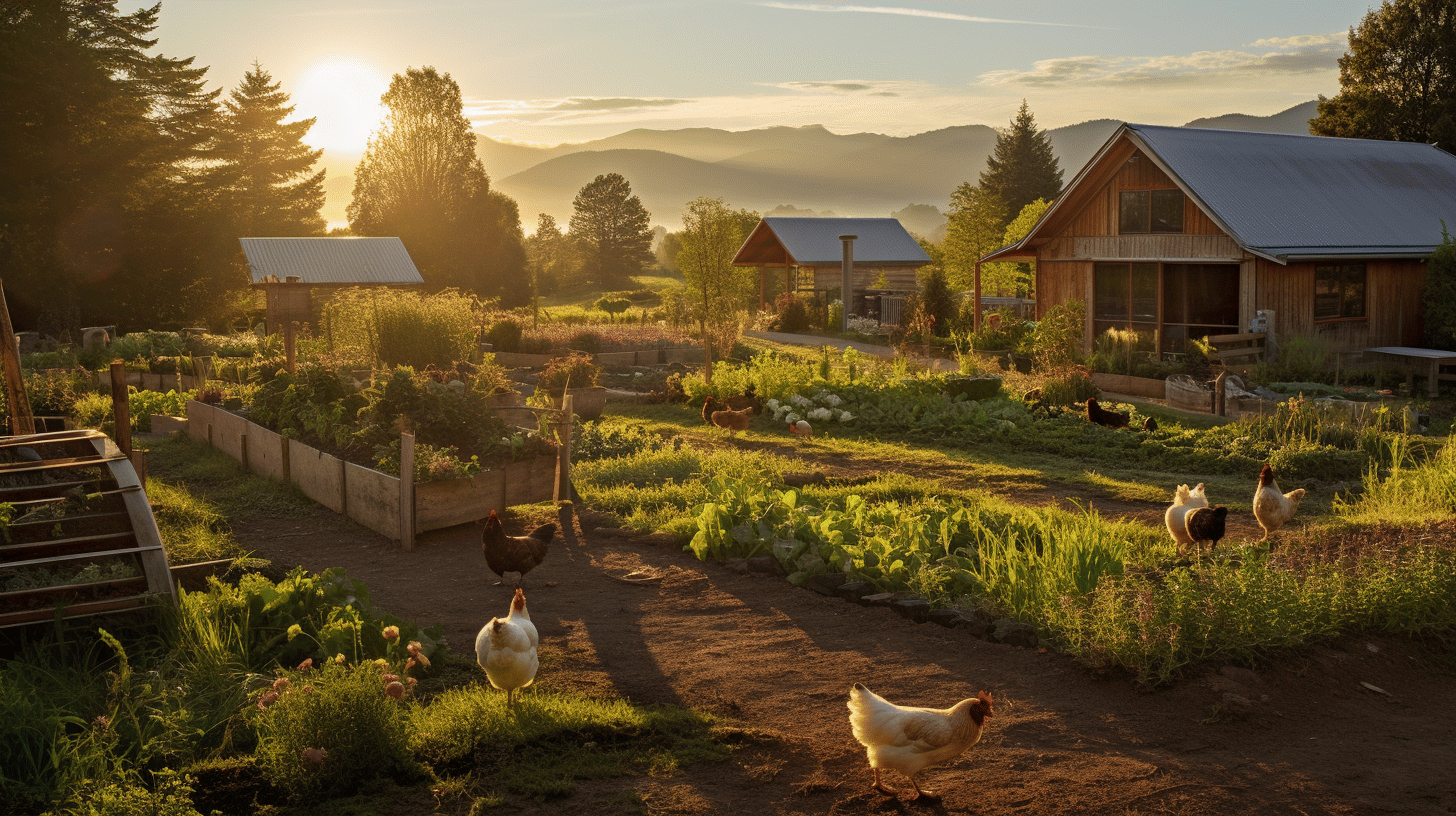
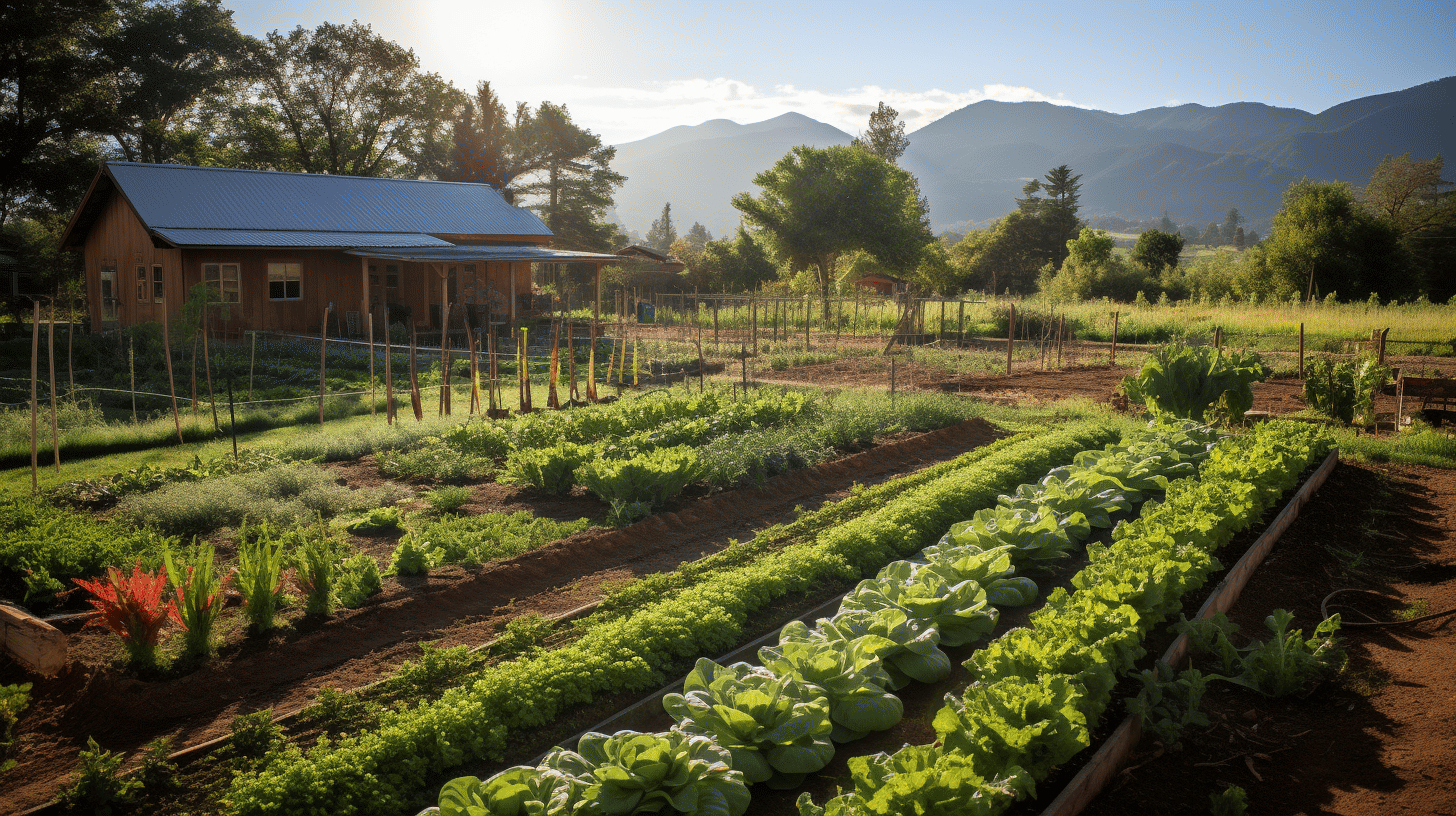
Imagine walking into a forest where every step you take leads to an abundance of fresh, organic fruits, vegetables, and herbs. No, this isn’t a fairytale or a dream – it’s the concept of a food forest. Food forests, also known as forest gardens or edible landscapes, are gaining popularity around the world as a sustainable and holistic approach to growing food. In this article, we will explore the growing movement of food forests and delve into the maintenance effort required to establish and sustain these unique ecosystems.
The Growing Movement of Food Forests
Food forests are not a new concept; they draw inspiration from ancient agricultural practices observed in various cultures. However, in recent years, there has been a resurgence of interest in food forests, particularly as part of urban agriculture initiatives. Here are some key points to consider when it comes to the growing movement of food forests:
- Over 70 food forests have already been established in the United States, and the numbers continue to grow. These forests serve as community gathering spaces, educational resources, and sources of fresh, nutritious food.
- The benefits of food forests extend beyond the availability of nutritious food. They also promote biodiversity, support pollinators, improve soil health, and contribute to overall environmental sustainability.
- Food forests provide an opportunity for individuals, communities, and organizations to reconnect with nature and actively participate in the food production process. This hands-on approach fosters a sense of empowerment, self-sufficiency, and community engagement.
- By mimicking the structure and dynamics of natural forests, food forests can maximize productivity by utilizing vertical space, optimizing nutrient cycling, and fostering symbiotic relationships between plants.
Maintenance Effort and Longevity
One crucial aspect to consider when embarking on a food forest project is the maintenance effort required to establish and sustain these ecosystems. While food forests are designed to be self-sustaining once established, they do require some initial care and ongoing management. Here’s what you need to know about maintenance effort and longevity:
- In the first three years after establishment, food forests require significant maintenance effort to ensure successful growth and development. This includes tasks such as mulching, watering, pruning, and weed control.
- However, the good news is that once food forests pass the initial establishment phase, the maintenance effort drops significantly. Studies have shown that after the first few years, maintenance effort can decrease by up to 70% and then plateaus for at least five years. This means that as the forest ecosystem matures, it becomes more resilient and requires less human intervention.
- Regular monitoring and periodic management activities, such as thinning, harvesting, and replanting, are essential to maintain productivity and prevent competition among plants.
- With proper planning, design, and ongoing care, food forests can persist for decades, providing a sustainable source of food, habitat for wildlife, and a sanctuary for human connection with nature.
In conclusion, food forests have emerged as a fascinating and promising approach to sustainable agriculture. They offer a myriad of benefits, from providing fresh, organic food to supporting biodiversity and environmental stewardship. While setting up and maintaining a food forest requires effort and thoughtful planning, the rewards far outweigh the challenges. So, whether you’re an urban gardener, community organizer, or nature enthusiast, consider exploring the world of food forests and join the growing movement towards a more sustainable future.
Agroforestry and Permaculture
Agroforestry and permaculture are innovative and sustainable approaches to agriculture that are gaining popularity worldwide. These practices integrate trees, crops, and livestock in a harmonious way, creating a productive and resilient ecosystem. By mimicking the patterns and relationships found in natural ecosystems, agroforestry and permaculture offer numerous benefits for farmers, the environment, and society as a whole.
Permaculture Principles
Permaculture is a design system that aims to create sustainable and self-sufficient human settlements. It draws inspiration from nature’s patterns and processes to develop regenerative and resilient systems. Here are some key principles of permaculture:
- Observe and Interact: Before making any changes, it is important to observe and understand the patterns and processes of the land, climate, and community.
- Catch and Store Energy: Utilize renewable energy sources, such as the sun and rainfall, and find ways to store excess energy for later use.
- Obtain a Yield: Ensure that the system provides for the needs of the people and generates surplus productivity.
- Apply Self-regulation and Accept Feedback: Continually monitor and assess the system’s performance, making adjustments based on feedback and observation.
- Use and Value Renewable Resources: Prioritize the use of renewable resources over non-renewable ones whenever possible.
- Produce No Waste: Design systems that minimize waste and ensure that outputs of one element become inputs for another.
- Design from Patterns to Details: Start with the broad patterns and relationships and work down to the specific components and details.
- Integrate Rather Than Segregate: Create beneficial connections and relationships between different elements to enhance the overall productivity and resilience of the system.
- Use Small and Slow Solutions: Gradually implement changes and observe their impacts over time, allowing for adaptive management.
- Use and Value Diversity: Utilize a wide variety of plants, animals, and methods to enhance resilience and reduce vulnerability to pests and diseases.
Lawn to Food Forest Conversion
One popular practice within the realm of permaculture is the conversion of lawns into food forests. Traditional lawns require significant inputs of water, fertilizers, and pesticides, making them ecologically unsustainable. In contrast, food forests are designed to mimic the structure and dynamics of natural forests, resulting in a productive and low-maintenance system. Here are some steps involved in the lawn to food forest conversion process:
- Planning and Design: Evaluate the site, taking into consideration factors such as sunlight, soil conditions, and water availability. Design the food forest layout, including the selection of trees, shrubs, and ground cover plants.
- Sheet Mulching: Cover the entire lawn area with overlapping layers of cardboard, newspaper, or other biodegradable materials. This helps smother the grass and create a weed barrier, while also improving the soil structure.
- Soil Preparation: Add organic matter, such as compost or well-rotted manure, to enrich the soil and provide nutrients for the plants. This step enhances soil fertility and moisture retention.
- Planting: Select a diverse range of trees, shrubs, and other perennial plants that are suitable for your climate and site conditions. Plant them using proper spacing and follow appropriate planting techniques.
- Maintenance and Care: Regularly mulch around the plants to suppress weeds, conserve moisture, and add organic matter to the soil. Provide adequate water, especially during the establishment phase. Prune and harvest plants as needed.
- Succession and Stewardship: Over time, the food forest will mature and develop its own self-regulating ecosystem. Monitor the system, make necessary adjustments, and continue to learn and adapt to its evolving needs.
Food forests offer a multitude of benefits, including increased biodiversity, improved soil health, enhanced water and nutrient cycling, and a sustainable source of fresh and nutritious food. Moreover, they provide opportunities for community engagement, education, and the regeneration of degraded landscapes.
By integrating permaculture principles and converting lawns into food forests, individuals can contribute to a more sustainable and resilient food system while enjoying the many rewards of this innovative approach to agriculture.
Benefits of Agroforestry Systems
Agroforestry systems are gaining recognition worldwide for their numerous benefits to the environment and agriculture. By combining trees with crops or livestock on the same land, agroforestry provides a sustainable and holistic approach to land use. Let’s explore two significant benefits of agroforestry systems: carbon sequestration and climate change mitigation, and enhanced biodiversity and soil health.
Carbon Sequestration and Climate Change Mitigation
One of the key advantages of agroforestry systems is their ability to sequester carbon and contribute to climate change mitigation. According to additional information, agroforestry plays a crucial role in reducing greenhouse gas emissions and slowing down climate change. Here’s how:
- Enhanced carbon storage: Trees in agroforestry systems act as carbon sinks, absorbing and storing carbon dioxide from the atmosphere. They continue to sequester carbon throughout their lifespan, mitigating the impact of greenhouse gases.
- Reduced soil erosion: Agroforestry helps prevent soil erosion, a critical process that releases stored carbon in the form of carbon dioxide. The presence of tree roots stabilizes the soil, protecting it from erosion caused by wind or water runoff.
- Altered microclimate: Trees in agroforestry systems provide shade and shelter, creating a more favorable microclimate. This can buffer crops and livestock from extreme temperatures and reduce the need for irrigation or artificial cooling, resulting in lower energy consumption and greenhouse gas emissions.
By harnessing the power of agroforestry, we can make significant strides towards achieving net-zero emissions by 2050, as emphasized in the additional information. Agroforestry systems are an effective tool in our fight against climate change.
Enhanced Biodiversity and Soil Health
Agroforestry systems promote biodiversity and enhance soil health by fostering diverse ecological interactions. Here’s how agroforestry positively impacts biodiversity and soil:
- Habitat creation: The integration of trees within agricultural landscapes provides new habitats for a wide range of plant and animal species. This leads to increased biodiversity, including beneficial insects, birds, and small mammals that contribute to pest control and pollination.
- Nutrient cycling: Agroforestry systems optimize nutrient cycling by facilitating the cycling of organic matter and nutrients between trees, crops, and livestock. The presence of trees can enhance soil fertility, as their leaf litter and root exudates add organic matter to the soil, improving its structure and nutrient content.
- Erosion control: Tree roots help bind the soil, preventing erosion and maintaining its integrity. This not only preserves valuable topsoil but also enhances soil health by preventing nutrient loss through erosion.
Agroforestry systems provide a conducive environment for diverse organisms to thrive, improving overall ecosystem health and resilience.
In conclusion, agroforestry systems offer a range of benefits, including carbon sequestration and climate change mitigation, as well as enhanced biodiversity and soil health. By adopting agroforestry practices, we can cultivate sustainable and resilient agricultural systems that contribute to the well-being of both humans and the environment.
Importance of Agroforestry Expansion
Agroforestry is gaining recognition worldwide as a promising approach to sustainable land management. Combining agriculture and forestry practices, it offers a host of environmental, social, and economic benefits. The expansion of agroforestry holds immense importance in achieving a more sustainable future.
Goal of Creating New Agroforestry Land
One of the key aspects of agroforestry expansion is the creation of new agroforestry land. Governments and organizations around the world are actively working towards this goal. For instance, in the United States, there is an aim to create 30,000 acres of new agroforestry land[1](#fn1). This ambitious target reflects the growing recognition of agroforestry’s potential to address various environmental challenges and enhance productivity.
Empirical Evidence and Case Studies
Agroforestry practices have been extensively studied and proven effective in diverse contexts. Numerous case studies and empirical evidence support the positive impacts of agroforestry on soil health, biodiversity, climate change mitigation, and rural livelihoods. Let’s take a closer look at some of these studies:
- A study conducted in Kenya found that the integration of trees into agricultural landscapes led to increased crop yields and improved soil fertility[2](#fn2). This not only enhanced food security but also provided additional income through the sale of tree products.
- In Indonesia, an agroforestry project improved the income and livelihoods of local communities, while simultaneously reducing deforestation and protecting critical ecosystems[3](#fn3). The integration of fruit trees, timber trees, and crops created a sustainable and profitable farming system.
- Another study conducted in Brazil showed that agroforestry systems increased carbon sequestration, helping to mitigate climate change[4](#fn4). This demonstrates the potential of agroforestry as a nature-based solution to combat carbon emissions.
These case studies and empirical evidence provide a solid foundation for expanding agroforestry practices globally. By recognizing the benefits and potential of agroforestry, we can move towards a more sustainable and resilient future.
1: Learn more about the US aim to create new agroforestry land.
2: Read about the positive impacts of integrating trees into agricultural landscapes in Kenya.
3: Explore the success of an agroforestry project in Indonesia, benefiting local communities and ecosystems.
4: Discover how agroforestry systems contribute to carbon sequestration and climate change mitigation in Brazil.
Agroforestry and Sustainable Agriculture
Agroforestry is a sustainable agricultural practice that combines the cultivation of trees or woody perennials with crops and/or livestock on the same piece of land. It offers a range of benefits that contribute to the long-term health and productivity of agricultural systems. From increased yields to improved water quality and soil health, agroforestry has the potential to transform the way we approach agriculture.
Diversified Food Production and Increased Yields
One of the primary advantages of agroforestry is its ability to diversify food production and enhance overall yields. By incorporating trees into the farming landscape, farmers can harness a variety of benefits that directly impact crop production. Here’s how:
- Shade and Microclimate Management: Trees provide shade, which helps regulate temperature, moisture, and light levels for crops. This microclimate management is especially beneficial during extreme weather conditions, such as heatwaves or heavy rainfall. It minimizes stress on plants, resulting in higher crop yields.
- Nutrient Cycling: Trees play a crucial role in nutrient cycling within agroforestry systems. They absorb excess nutrients from the soil, preventing them from leaching into waterways and causing pollution. The trees then release these nutrients back into the soil through leaf litter and root exudates, enriching the soil and providing essential nutrients to crops.
- Crop Diversification: Agroforestry allows farmers to diversify crop production by incorporating a variety of tree species and agricultural crops. This diversification not only reduces the risk of crop failure but also improves overall farm income. Different crops have different nutrient requirements, growth rates, and market demand, providing farmers with greater flexibility and economic stability.
Improved Water Quality and Soil Health
Agroforestry systems have a significant positive impact on water quality and soil health. By integrating trees into agricultural landscapes, farmers can enjoy the following benefits:
- Erosion Control: The root systems of trees help bind the soil together, preventing erosion caused by wind and water runoff. This reduces the loss of topsoil, which contains valuable nutrients necessary for plant growth. The result is improved soil structure and fertility, leading to healthier and more productive agricultural lands.
- Water Filtration: Tree roots act as natural filters, trapping sediments and pollutants as water percolates through the soil. This filtration process improves water quality by reducing the levels of harmful substances, such as agricultural chemicals and sediment, before they reach water bodies. It contributes to the preservation of aquatic ecosystems and the overall health of the environment.
- Biodiversity Conservation: Agroforestry systems create diverse habitats that support a wide range of plant and animal species. This promotes biodiversity and ecological balance within agricultural landscapes. By providing habitat for beneficial insects, birds, and microorganisms, agroforestry contributes to natural pest control and reduces the need for synthetic pesticides.
In conclusion, agroforestry is a sustainable agricultural practice that offers numerous benefits for farmers and the environment. From diversified food production and increased crop yields to improved water quality and soil health, agroforestry has the potential to revolutionize modern farming practices. By harnessing the power of trees, we can build resilient and productive agricultural systems that ensure a sustainable future for generations to come.
To learn more about agroforestry and its benefits, visit our website.
Agroforestry Practices and Climate Change
Agroforestry practices have gained considerable attention in recent years due to their potential to mitigate the impacts of climate change. By combining the cultivation of trees, shrubs, crops, and livestock, agroforestry systems offer a sustainable and climate-smart approach to land use. In this section, we will explore two key aspects of agroforestry practices in relation to climate change: the mitigation of climate change impacts on crops and the benefits of combining trees, shrubs, and livestock.
Mitigation of Climate Change Impacts on Crops
Climate change has led to increased temperatures, altered precipitation patterns, and extreme weather events, all of which pose significant challenges to crop production. However, agroforestry systems offer unique advantages in mitigating these impacts:
- Temperature moderation: The presence of trees in agroforestry systems provides shade and helps to regulate temperatures, reducing stress on crops during heatwaves and extreme heat events.
- Water management: Agroforestry systems improve water infiltration and retention in the soil, reducing water runoff and erosion. This enhances the availability of water for crops during dry spells and improves overall water-use efficiency.
- Carbon sequestration: Trees in agroforestry systems play a crucial role in sequestering carbon dioxide from the atmosphere. They act as carbon sinks, helping to mitigate greenhouse gas emissions and reduce the impact of climate change.
Combining Trees, Shrubs, and Livestock
Agroforestry practices involve integrating trees, shrubs, and livestock with traditional crop farming. This approach offers numerous benefits:
- Increased biodiversity: Agroforestry systems promote biodiversity by creating diverse habitats for plants, animals, and insects. The presence of multiple layers of vegetation provides food and shelter for a wide range of species, contributing to a healthier and more resilient ecosystem.
- Enhanced soil fertility: Trees and shrubs in agroforestry systems help improve soil health by adding organic matter, fixing nitrogen, and increasing nutrient cycling. This results in improved soil fertility and reduces the need for chemical fertilizers.
- Livestock integration: The inclusion of livestock in agroforestry systems allows for better nutrient cycling and utilization. Animals graze on grasses and forages, contributing to the overall health and productivity of the system. Livestock can also provide additional income streams for farmers.
In conclusion, agroforestry practices offer effective means of mitigating the impacts of climate change on crops while providing additional benefits such as improved biodiversity, soil fertility, and livestock integration. By adopting agroforestry practices, farmers can contribute to both climate change mitigation and sustainable land management.
Conclusion
In conclusion, permaculture offers a holistic and sustainable approach to designing food forests and agroforestry systems. By incorporating permaculture principles and converting lawns into food forests, farmers and landowners can reap numerous benefits. These agroforestry systems contribute to carbon sequestration, enhance biodiversity, and improve soil health. They also play a crucial role in mitigating the impacts of climate change on crops and promoting diversified food production.
Expanding agroforestry practices is essential for achieving the goal of creating new agroforestry land and fostering sustainable agriculture. Empirical evidence and case studies serve as powerful testimonials to the efficacy of these systems. Through the combination of trees, shrubs, and livestock, agroforestry practices can increase yields, improve water quality, and promote overall soil health.
Regenerative agriculture Wiki is your comprehensive resource for exploring the potential of permaculture and sustainable farming practices. Our engaging content offers insights, tips, and guides to educate and inspire individuals and communities. Together, we can foster a future where agriculture and ecology thrive in harmony. Discover the power of regenerative agriculture at Regenerative Agriculture Wiki.
Frequently Asked Questions
- What is permaculture?
Permaculture is a design concept and philosophy that aims to create sustainable and self-sufficient living systems by observing and mimicking natural ecosystems.
- What is a food forest?
A food forest is a type of agroforestry system that mimics the structure and function of a natural forest, but with edible plants. It is designed to be a low-maintenance and sustainable way of growing food.
- What are the benefits of designing food forests based on permaculture principles?
Designing food forests based on permaculture principles offers many benefits, including enhanced biodiversity, increased food production, improved soil health, reduced water usage, and the creation of resilient and self-regulating ecosystems.
- What are some key design elements of a permaculture food forest?
Key design elements of a permaculture food forest include layering plants to maximize vertical space utilization, integrating a diversity of plant species, creating beneficial plant guilds, incorporating nitrogen-fixing plants, and creating efficient water catchment and storage systems.
- Can anyone design and maintain a permaculture food forest?
Yes, anyone can design and maintain a permaculture food forest. However, it requires some knowledge and understanding of permaculture principles, ecosystem dynamics, and the specific plants suitable for the local climate. It is beneficial to educate yourself or work with experienced permaculturists or experts.