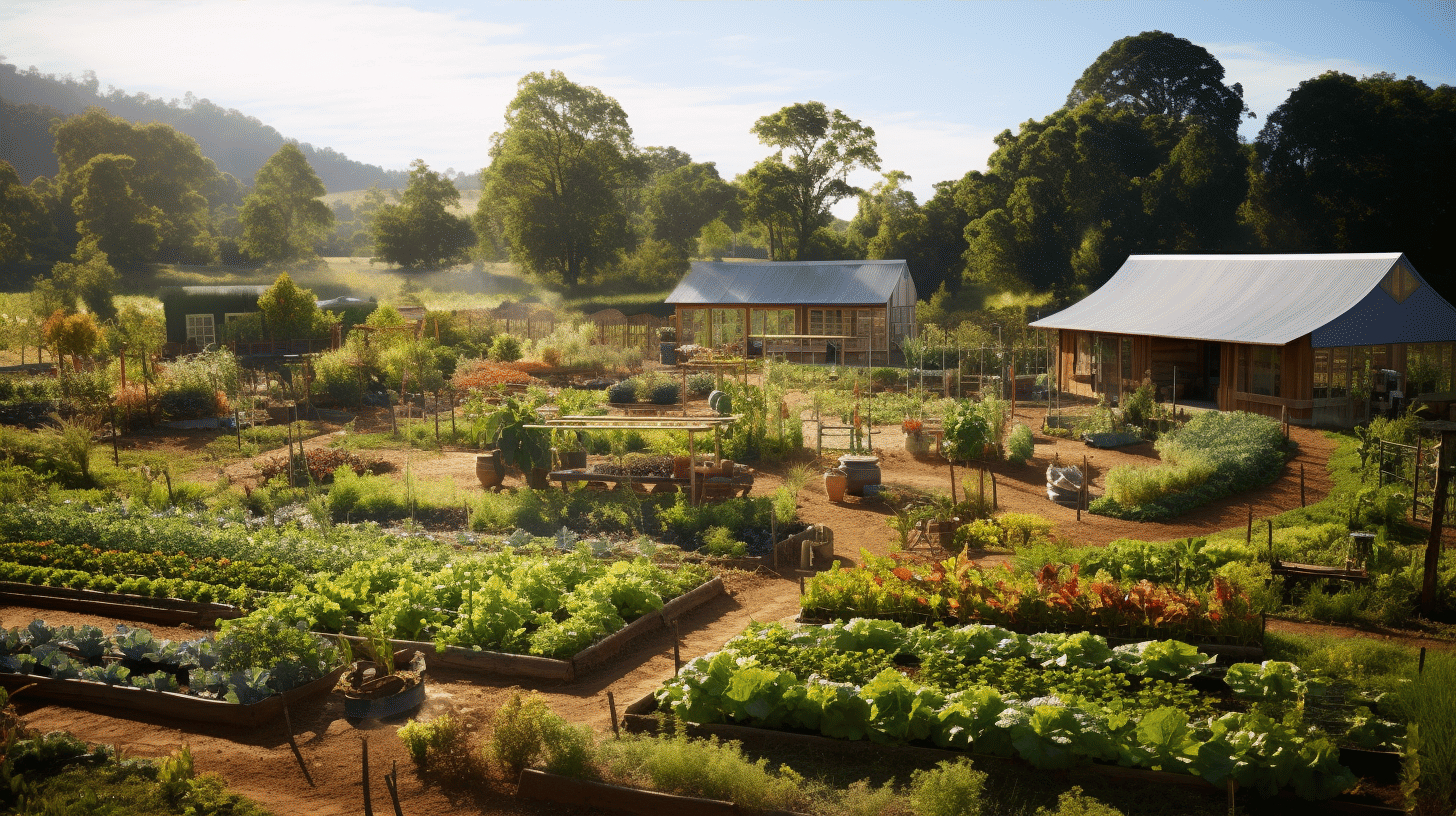
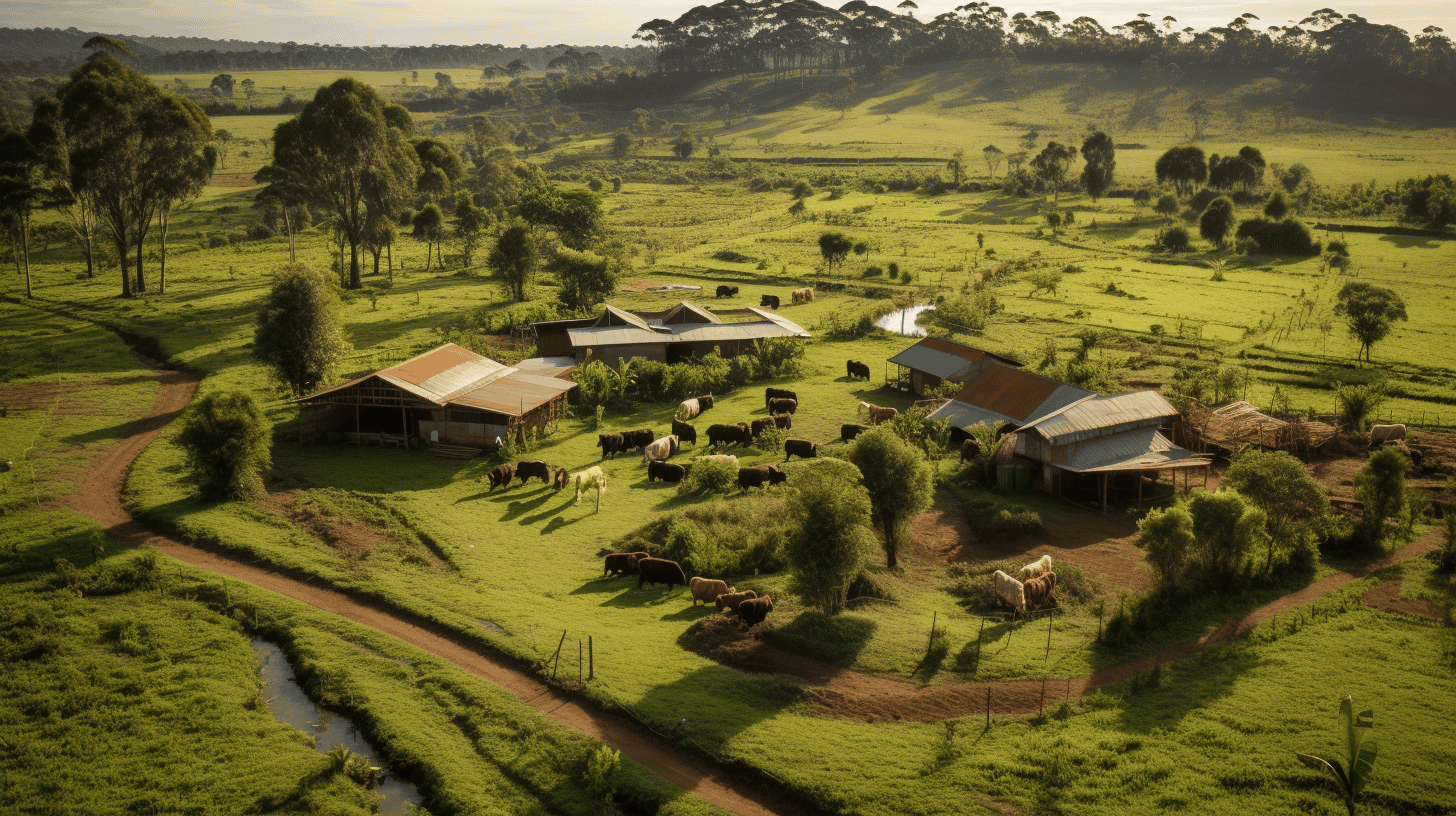
Permaculture has emerged as a powerful approach to sustainable agriculture, providing a holistic and environmentally conscious alternative to conventional farming practices. With its roots in ecological design principles, permaculture aims to create resilient and self-sustaining systems that promote biodiversity, responsible land stewardship, and efficient resource utilization. From small-scale gardens to large-scale farms, the principles of permaculture can be applied everywhere to foster a more sustainable future.
In this article, we will explore the role of permaculture in sustainable agriculture, highlighting its principles, benefits, techniques, and the integration of permaculture with other disciplines such as agroecology. We will delve into the economic and environmental impacts of permaculture, shedding light on its profitability and its potential to contribute to sustainable consumption. Additionally, we will explore the historical background of permaculture, its emergence as a scientific discipline, and its contributions to internationally recognized sustainable agriculture practices.
By the end of this article, readers will have a comprehensive understanding of permaculture’s significance in promoting environmentally friendly and economically viable agricultural systems. Whether you are a farmer, an environmental enthusiast, or simply curious about sustainable practices, this article will serve as a valuable resource to expand your knowledge of permaculture and its role in shaping the future of agriculture. So, let’s dive in and explore the exciting world of permaculture and its impact on sustainable agriculture.
Principles of Permaculture
In the world of agriculture and land stewardship, permaculture has gained significant attention for its sustainable practices and responsible production methods. Permaculture is a design system that aims to create landscapes that mimic the patterns and resilient characteristics found in natural ecosystems. By implementing permaculture principles, farmers and landowners can create thriving, self-sustaining ecosystems that provide abundant yields while regenerating the land.
Sustainable Agriculture
Sustainable agriculture is at the core of permaculture principles. It emphasizes the importance of working with nature rather than against it, promoting organic farming practices that prioritize soil health, biodiversity, and the reduction of synthetic inputs. Here are some key principles of sustainable agriculture within permaculture:
- Regenerative Soil Management: Permaculture recognizes that healthy soil is the foundation of a productive ecosystem. By utilizing techniques such as composting, mulching, and cover cropping, permaculturists improve soil fertility, structure, and water-holding capacity.
- Biodiversity Conservation: Permaculture systems prioritize biodiversity by creating diverse plantings, incorporating native species, and providing habitat for beneficial insects and wildlife. This not only enhances ecosystem resilience but also reduces the reliance on pesticides and promotes natural pest control.
- Water Conservation and Efficient Use: Permaculturists implement strategies like rainwater harvesting, contouring, and swales to effectively capture and store water on their land. By reducing runoff and maximizing water infiltration, these practices not only conserve water but also improve overall water quality.
Responsible Production and Land Stewardship
Permaculture also places great importance on responsible production and land stewardship. It encourages the use of renewable resources, the reduction of waste, and the protection of natural systems. Here are key principles of responsible production within permaculture:
- Energy Efficiency: Permaculture systems focus on minimizing energy inputs and maximizing energy outputs. This includes incorporating energy-efficient technologies, such as passive solar design, renewable energy sources like solar panels or wind turbines, and reducing overall energy consumption through thoughtful design and planning.
- Waste Reduction and Resource Cycling: Permaculturists follow the principle of “waste equals food,” where resources and byproducts from one element of the system are utilized by another. This could include composting organic waste, using greywater for irrigation, and recycling materials whenever possible.
- Community Engagement and Collaboration: Permaculture recognizes the importance of community engagement in creating a sustainable future. It promotes cooperation, shared knowledge, and skill-sharing among individuals and communities. Permaculture practitioners often organize workshops, community gardens, and educational programs to spread awareness and build strong local networks.
By adhering to these permaculture principles, individuals can create productive and sustainable ecosystems that benefit both the land and the communities around them. Whether you’re a farmer, a gardener, or simply passionate about sustainable living, exploring permaculture can offer valuable insights into building a regenerative future.
Want to learn more about the principles of permaculture? Check out the Permaculture Principles website for comprehensive information on how to apply permaculture in your own life.
Benefits of Permaculture
Permaculture is a holistic approach to farming and gardening that focuses on creating sustainable and regenerative systems. By mimicking natural ecosystems, permaculture helps to restore the health of the environment, promote organic practices, enhance biodiversity, and improve soil fertility. Let’s take a closer look at some of the key benefits of permaculture.
Environmental Impact
Permaculture promotes long-term sustainability and regenerative practices that have a positive impact on the environment. By incorporating principles such as water conservation, renewable energy use, and natural pest control, permaculture minimizes the use of synthetic chemicals and reduces pollution. This approach helps to mitigate climate change, protect biodiversity, and preserve ecosystems for future generations.
Organic Practices
Permaculture farms prioritize organic practices, avoiding the use of synthetic fertilizers, pesticides, and genetically modified organisms (GMOs). Instead, they focus on enhancing soil fertility through composting, mulching, and natural nutrient cycling. By relying on organic methods, permaculture helps to protect human health, minimize water pollution, and maintain the integrity and nutritional value of the food produced.
Companion Planting
Companion planting is a fundamental aspect of permaculture that involves planting different crops together to enhance their growth and health. By selecting plants that have mutually beneficial relationships, such as repelling pests, attracting pollinators, or providing shade and support, permaculturists create a more resilient and diverse ecosystem. This practice also helps to maximize space utilization and reduce the need for synthetic interventions, resulting in healthier and more abundant harvests.
Soil Health
Healthy soil is the foundation of any successful agricultural system, and permaculture places great emphasis on fostering soil health. By using techniques like cover cropping, crop rotation, and mulching, permaculture improves soil structure, increases its water-holding capacity, and enhances nutrient availability for plants. In turn, healthy soil leads to higher yields, greater resilience to pests and diseases, and reduced soil erosion.
In summary, permaculture offers a range of benefits, from minimizing environmental impact and promoting organic practices to utilizing companion planting and improving soil health. By adopting permaculture principles, farmers and gardeners can create sustainable and self-sufficient systems that not only provide nutritious food but also contribute to the conservation of our planet.
Additional Information:
- Permaculture promotes long-term sustainability and regenerative practices
- Permaculture farms prioritize organic practices and utilize companion planting
- Permaculture emphasizes soil health, fostering resilient and self-sustaining agricultural systems
Increasing Efficiency and Reducing Waste
In today’s world, where resources are limited and environmental concerns are paramount, finding ways to increase efficiency and reduce waste is crucial. Fortunately, there are innovative approaches and practices that can help us achieve this goal. One such approach is permaculture, which offers a holistic and sustainable solution to farming and food production.
More Food with Fewer Resources
Permaculture is a system of agricultural and social design principles centered around utilizing natural ecosystems and patterns to create productive and sustainable food systems. By working with nature rather than against it, permaculture seeks to maximize efficiency while minimizing waste.
By implementing permaculture techniques, farmers can produce more food using fewer resources. Here are some ways permaculture helps achieve this:
- Polyculture: Permaculture emphasizes the importance of diversity in plantings. By cultivating a variety of crops that support each other, farmers can reduce the need for synthetic fertilizers and pesticides, thus minimizing waste.
- Companion Planting: In permaculture, certain plants are strategically planted together to benefit each other. For example, nitrogen-fixing plants are often paired with nitrogen-demanding crops, creating a mutually beneficial relationship that reduces the need for external inputs.
- Water Conservation: Permaculture techniques focus on effective water management through practices like mulching, swales, and rainwater harvesting. By optimizing water usage and minimizing evaporation, farmers can save water and reduce waste.
- Soil Health: Permaculture methods prioritize soil health, which plays a vital role in plant nutrition and resilience. By utilizing composting, cover crops, and minimal tilling, farmers can improve soil fertility, reduce erosion, and conserve nutrients, thus maximizing crop production.
Small Local Changes with Global Impact
While permaculture primarily benefits individual farmers, it also contributes to small local changes that indirectly influence actions in sustainable agriculture on a broader scale. Here’s how:
- Knowledge Sharing: Permaculture encourages knowledge sharing and community engagement. Farmers who practice permaculture often actively share their experiences and techniques with others, creating a ripple effect that leads to widespread adoption of sustainable farming practices.
- Inspiration for Change: Successful permaculture projects can serve as inspiring examples for others. When farmers see the positive outcomes of sustainable practices, they become more inclined to adopt similar methods themselves, gradually shifting agricultural practices towards greater efficiency and waste reduction.
- Environmental Impact: By safeguarding soil health, reducing chemical inputs, and conserving water resources, permaculture contributes to environmental conservation. These small-scale changes can have a significant impact collectively, as they result in reduced pollution, improved biodiversity, and enhanced ecosystem resilience.
In conclusion, permaculture offers a practical and effective solution to increasing efficiency and reducing waste in agriculture. By employing permaculture techniques, farmers can produce more food using fewer resources, while simultaneously contributing to small local changes that have ripple effects on a global scale. It’s time to embrace these innovative practices and pave the way for a more sustainable food system.
Permaculture Techniques
Permaculture is a holistic approach to sustainable agriculture that focuses on designing and managing ecosystems that mimic natural patterns and processes. By implementing permaculture techniques, farmers can create resilient and productive agricultural systems that benefit both the environment and the community.
Sustainable Agriculture Practices
One of the key principles of permaculture is to work with nature, rather than against it. By utilizing sustainable agriculture practices, farmers can reduce their reliance on harmful chemicals and minimize the negative impact on the environment. Some common sustainable practices used in permaculture include:
- No-till farming: This technique involves leaving the soil undisturbed and covered with organic matter, helping to improve soil structure, nutrient retention, and conserve water.
- Crop rotation: By rotating different crops in the same field, farmers can minimize pest and disease problems, as well as improve soil health by varying nutrient demands.
- Composting: Composting is the process of decomposing organic waste to create nutrient-rich soil amendments. It helps to reduce waste, improve soil fertility, and enhance crop growth.
- Agroforestry: This practice involves integrating trees or shrubs with crops or livestock to create a diverse and productive system. Trees provide shade, habitat for beneficial insects, and can improve soil fertility.
Effective Crop Yields
One of the main goals of permaculture is to maximize crop yields while minimizing inputs. By implementing various strategies, farmers can achieve higher productivity in a sustainable manner. Some effective techniques for increasing crop yields in permaculture include:
- Polyculture: Rather than planting a single crop on a large scale, permaculture emphasizes planting multiple crops together. This helps to increase biodiversity, reduce pests and diseases, and improve overall productivity.
- Companion planting: Certain plants have beneficial relationships when grown together. For example, planting nitrogen-fixing legumes alongside heavy feeders can provide a natural source of nutrients and improve soil fertility.
- Water harvesting: In areas with low rainfall, water harvesting techniques such as building swales, ponds, or rainwater catchment systems can help retain and store water for irrigation during dry periods.
- Mulching: Mulching involves covering the soil with organic materials, such as straw or leaves, to retain moisture, suppress weeds, and improve soil fertility.
Integration of Traditional and Unconventional Practices
Permaculture integrates both traditional agricultural practices that have been passed down through generations and unconventional methods inspired by ecological principles. By combining the best of both worlds, farmers can benefit from the wisdom of traditional practices while embracing innovative approaches. Some examples of traditional and unconventional permaculture techniques include:
- Polyculture gardens: Many traditional indigenous farming systems incorporate polyculture gardens, where different crops are grown together to maximize productivity and provide a diverse range of foods.
- Keyline design: This unconventional technique involves contouring the land to slow down water flow and spread it evenly across the landscape. It helps to reduce erosion, improve soil moisture levels, and increase the availability of water for crops.
- Biodynamic farming: Biodynamic farming is a holistic approach that combines organic farming practices with a focus on the spiritual and energetic aspects of agriculture. It involves using specific preparations and following a strict planting calendar based on celestial rhythms.
In conclusion, permaculture techniques offer a sustainable and innovative approach to agriculture. By implementing practices that work with nature and integrating both traditional and unconventional methods, farmers can improve crop yields, protect the environment, and create resilient and productive systems for the future.
Promoting Biodiversity and Environmental Stewardship
The importance of promoting biodiversity and environmental stewardship cannot be overstated. Our planet is a delicate and interconnected ecosystem, and it is our responsibility to ensure its preservation for future generations. By adopting sustainable practices and creating ecologically rich landscapes, we can make a positive impact on the environment. This section will delve into how permaculture, a holistic approach to land management, promotes biodiversity and minimizes environmental impact.
Ecologically Rich Landscapes
Permaculture, which stands for “permanent agriculture,” aims to create ecologically rich landscapes that mimic the patterns and relationships found in natural ecosystems. These landscapes are designed to be self-sustaining and resilient, providing habitats for a wide variety of plant and animal species.
One of the key principles of permaculture is the use of diverse plantings. By incorporating a wide range of plant species, including native plants, into our landscapes, we can support a diverse ecosystem. This diversity not only promotes biodiversity but also enhances the resilience of the system as a whole.
In addition to diverse plantings, permaculture also focuses on creating habitats for wildlife. Features such as ponds, hedgerows, and bird boxes can attract a wide range of species, creating a balanced and thriving ecosystem. By providing these habitats, we can support pollinators, natural pest control, and the overall health of our environment.
Minimizing Environmental Impact
Permaculture seeks to minimize environmental impacts and create sustainable systems. This approach emphasizes the importance of reducing waste, conserving resources, and utilizing renewable energy sources. By implementing these practices, we can reduce our carbon footprint and contribute to the fight against climate change.
Some of the ways permaculture minimizes environmental impact include:
- Water conservation: Permaculture employs strategies such as rainwater harvesting, swales, and greywater recycling to minimize water usage and promote sustainable water management.
- Organic farming: Permaculture encourages organic farming practices, which eliminate the use of synthetic pesticides and fertilizers that can harm the environment.
- Composting: By composting organic waste, permaculture utilizes natural processes to recycle nutrients back into the soil, reducing the need for chemical fertilizers.
Biodiversity and Resilient Agriculture
Permaculture recognizes the importance of biodiversity in creating resilient agricultural systems. By fostering biodiversity, we can mitigate the risks associated with monoculture and the loss of genetic diversity. Diverse ecosystems are better equipped to handle pest outbreaks, diseases, and other challenges that can harm crops.
In permaculture, agricultural systems are designed to work in harmony with nature, utilizing natural processes and cycles. This approach reduces the need for external inputs and promotes sustainable and regenerative practices. By fostering biodiversity and implementing sustainable agricultural techniques, permaculture can help us build a more resilient and productive food system.
In summary, permaculture provides a holistic approach to promoting biodiversity and environmental stewardship. By creating ecologically rich landscapes, minimizing environmental impact, and embracing resilient agricultural practices, we can work towards a more sustainable future for our planet. Through our collective efforts, we can make a positive impact on the environment and preserve the rich biodiversity that is essential for life on Earth.
Permaculture as a Scientific Discipline
Permaculture, recognized as a scientific discipline, offers a unique and holistic approach to sustainable agriculture and ecological systems. It goes beyond traditional farming methods by embracing ecological principles and functions. By integrating knowledge from various fields, permaculture aims to create sustainable and regenerative systems that work in harmony with nature.
Investigating Ecological Principles
Permaculture delves deep into ecological principles to understand how natural systems work and how we can apply these principles in agricultural practices. It recognizes the interconnectedness of elements in an ecosystem and seeks to create systems that mimic nature’s efficiency. By studying the relationships between plants, animals, soil, water, and energy flow, permaculture practitioners can design resilient and regenerative agricultural systems.
Permaculture embraces the following ecological principles:
- Diversity: By embracing biodiversity, permaculture creates resilient systems that can adapt to environmental changes.
- Holistic Design: Permaculture designs take into account the entire system, considering how each element interacts with others and how they contribute to the overall health and function of the system.
- Energy Efficiency: Permaculture emphasizes the efficient use of energy by optimizing the placement of elements, such as placing sun-loving plants in sunny areas and shade-tolerant plants in shaded areas.
Internationally Recognized Sustainable Agriculture
The principles and practices of permaculture have gained recognition worldwide, making it an internationally recognized form of sustainable agriculture. It offers practical solutions to global challenges such as climate change, soil degradation, and food security. Here are some notable aspects of permaculture’s international recognition:
- Permaculture Design Course (link to Permaculture Design Course): The Permaculture Design Course is a globally recognized training program that equips participants with the knowledge and skills to design and implement permaculture projects.
- Regenerative Agriculture: Permaculture aligns with the principles of regenerative agriculture, which aims to restore and enhance ecosystems through sustainable farming practices.
- Certifications and Associations: There are various permaculture certifications and associations globally that support and promote permaculture practices. These organizations provide resources, networking opportunities, and educational programs to advance permaculture principles.
Permaculture’s international recognition highlights its practicality and effectiveness in addressing ecological and agricultural challenges. With its focus on understanding and emulating natural systems, permaculture offers a promising path towards a sustainable and regenerative future for agriculture.
In conclusion, permaculture, as a scientific discipline, investigates ecological principles and functions to create sustainable and regenerative agricultural systems. Its international recognition and practical applications make it an invaluable approach for addressing global challenges in agriculture and creating a harmonious coexistence with nature.
Economic and Environmental Impacts
Permaculture, with its focus on sustainable and regenerative practices, has been gaining attention for its potential economic and environmental impacts. Researchers have begun exploring the effects of permaculture on food production, profitability, and the overall sustainability of agricultural systems. While the research on specific permaculture impacts is still limited, there is existing evidence from studies on organic agriculture that suggests profitability. Additionally, permaculture’s commitment to sustainable production and consumption aligns with the goals of promoting environmental stewardship and addressing climate change.
Research on Impacts
Although comprehensive studies specifically examining the economic and environmental impacts of permaculture are still relatively scarce, research on related fields such as organic agriculture provides valuable insights. Studies have shown that organic farming methods, which share similarities with permaculture practices, can be economically profitable. For instance, a meta-analysis of organic farming systems in Europe found that these systems had comparable or even higher profitability than conventional farming methods. This suggests that permaculture, with its emphasis on ecological principles and reducing input costs, has the potential to deliver economic benefits to farmers.
Moreover, permaculture’s emphasis on ecological diversity, soil health, and biological pest control can contribute to the long-term sustainability of agricultural systems. By reducing the reliance on synthetic fertilizers and pesticides, permaculture can help protect biodiversity, maintain water quality, and mitigate the negative environmental impacts associated with conventional farming practices.
Profitability and Sustainable Consumption
Beyond financial gains, permaculture also aligns with the principles of sustainable consumption and production. With its emphasis on designing systems that mimic natural ecosystems, permaculture minimizes waste and promotes self-sufficiency. By incorporating principles such as energy efficiency and closed-loop systems, permaculture can reduce resource consumption and promote a more sustainable lifestyle.
In addition, the local and community-oriented nature of permaculture can support small-scale farmers and local economies. As permaculture often involves selling produce directly to consumers through farmers’ markets or community-supported agriculture (CSA), it can provide farmers with a fairer share of the profits and strengthen local food systems.
To sum up, while research specifically on permaculture’s economic and environmental impacts is still limited, existing evidence from studies on organic agriculture suggests its profitability. Furthermore, permaculture’s focus on sustainable production and consumption aligns with the broader goals of promoting environmental stewardship and addressing climate change. By adopting permaculture principles, farmers and consumers alike can contribute to more resilient and sustainable food systems.
History and Integration
Permaculture has a rich history that dates back to the 1970s. It emerged as a response to the environmental challenges faced by modern agricultural practices. The term “permaculture” was coined by Bill Mollison and David Holmgren in the mid-1970s and is a combination of the words “permanent” and “agriculture.” However, permaculture goes beyond just sustainable farming methods; it encompasses a holistic approach to design and living in harmony with nature.
Origins and Growth
The origins of permaculture can be traced back to Australia, where Mollison and Holmgren were inspired by indigenous land management practices and ecological principles. They observed and studied traditional farming systems that were sustainable, low-input, and regenerative in nature. Drawing from these observations, they developed a framework for designing human settlements that mimic the resilience and diversity found in natural ecosystems.
Since its inception, permaculture has gained traction and recognition worldwide. It has found applications in various fields beyond agriculture, including urban planning, architecture, and community development. Permaculture principles have been adopted by individuals, communities, and organizations looking to create sustainable and self-sufficient systems that work in harmony with nature.
Integration with Agroecology
Permaculture and agroecology share common principles and goals, making them closely intertwined. Agroecology is a scientific discipline that studies the ecological processes in agricultural systems and uses those insights to design sustainable and resilient farming practices. Permaculture aligns with agroecological principles by emphasizing the importance of biodiversity, soil health, and ecological balance in food production.
Permaculture can overlap with concepts of agroecology, with both approaches focusing on regenerative agriculture and sustainable land management. They share the goal of creating resilient and productive ecosystems that provide for human needs without degrading the environment. The integration of permaculture and agroecology can lead to innovative and holistic approaches to food production that address both ecological and social challenges.
In conclusion, permaculture has a fascinating history rooted in indigenous land management practices and ecological principles. It has evolved into a framework that extends beyond farming to encompass sustainable design and living. The integration of permaculture with agroecology offers a promising path forward for creating resilient and sustainable food systems.
Permaculture Design and Land Use
Permaculture design is a holistic approach to land use that assembles conceptual, material, and biological components to create sustainable and regenerative systems. It takes into account ecological principles and mimics natural ecosystems, aiming to create harmonious relationships between people, the land, and all living beings that inhabit it.
Holistic Approach to Land Use
Permaculture design goes beyond traditional methods of land use by considering the interconnectedness of all elements within a system. Rather than viewing a piece of land as separate entities, permaculture designers see it as a whole, where each element interacts and supports one another.
This holistic approach to land use means that permaculture design seeks to create systems that work in harmony with nature, rather than against it. By observing and understanding natural patterns and principles, permaculture designers are able to design landscapes that are resilient, productive, and sustainable.
Promoting Sustainable Agriculture
One of the key areas where permaculture design makes a significant impact is in promoting sustainable agriculture practices. With the increasing challenges of climate change, soil degradation, and water scarcity, it is crucial to find innovative and regenerative approaches to agriculture.
Permaculture design offers solutions to these challenges by incorporating practices such as agroforestry, companion planting, biological pest control, and water management techniques like swales and rainwater harvesting. By implementing these techniques, permaculture practitioners are able to create self-sustaining systems that provide high yields while preserving and regenerating the health of the soil and surrounding ecosystems.
Permaculture’s emphasis on biodiversity also contributes to the resilience of agricultural systems. By diversifying crops and incorporating perennial plants, permaculture designs increase species richness and strengthen ecological relationships within the system.
In conclusion, permaculture design plays a vital role in promoting sustainable agriculture practices and tackling soil degradation. By taking a holistic approach to land use and integrating ecological principles, permaculture designers are able to create regenerative systems that support both people and the planet.
Conclusion
In conclusion, permaculture plays a vital role in the development of sustainable agriculture practices. Its principles of responsible production and land stewardship contribute to a more environmentally friendly and efficient approach to farming. By implementing permaculture techniques such as companion planting and soil health management, farmers can reduce their environmental impact and promote biodiversity on their land.
Permaculture is not just a set of practices; it is a scientific discipline that investigates ecological principles and has gained international recognition as a sustainable agriculture approach. It offers economic and environmental benefits, with research showcasing its profitability and potential for sustainable consumption.
The history and integration of permaculture with agroecology demonstrate the evolution of sustainable farming practices over time. Through permaculture design and holistic land use, we can promote sustainable agriculture and create a future where agriculture and ecology thrive in harmony.
At Regenerative Agriculture Wiki, we are committed to sharing information on permaculture and other regenerative farming practices. Join us in exploring the potential of regenerative agriculture and contributing to a more sustainable and resilient food system. Check out our comprehensive guides and insightful articles at Regenerative Agriculture Wiki to learn more.
Frequently Asked Questions
- What is permaculture?
Permaculture is a design system that aims to create sustainable and self-sufficient ecosystems by observing and mimicking patterns found in nature.
- How does permaculture contribute to sustainable agriculture?
Permaculture promotes sustainable agriculture by emphasizing organic farming practices, regenerative farming techniques, soil health improvement, water conservation, and biodiversity conservation.
- What are some key principles of permaculture in relation to agriculture?
Some key principles of permaculture in relation to agriculture include using natural resources efficiently, incorporating companion planting and polycultures, practicing crop rotation, using perennials, and embracing the concept of closed-loop systems.
- How can permaculture benefit small-scale farmers and local communities?
Permaculture can benefit small-scale farmers and local communities by increasing food security, reducing reliance on external inputs, providing a diversified income stream, improving ecological resilience, and fostering community engagement and empowerment.
- Are there any challenges to implementing permaculture in agriculture?
Some challenges to implementing permaculture in agriculture include initial establishment costs, the need for knowledge and skills in ecological design, potential resistance to change traditional farming practices, and limited access to resources and land.