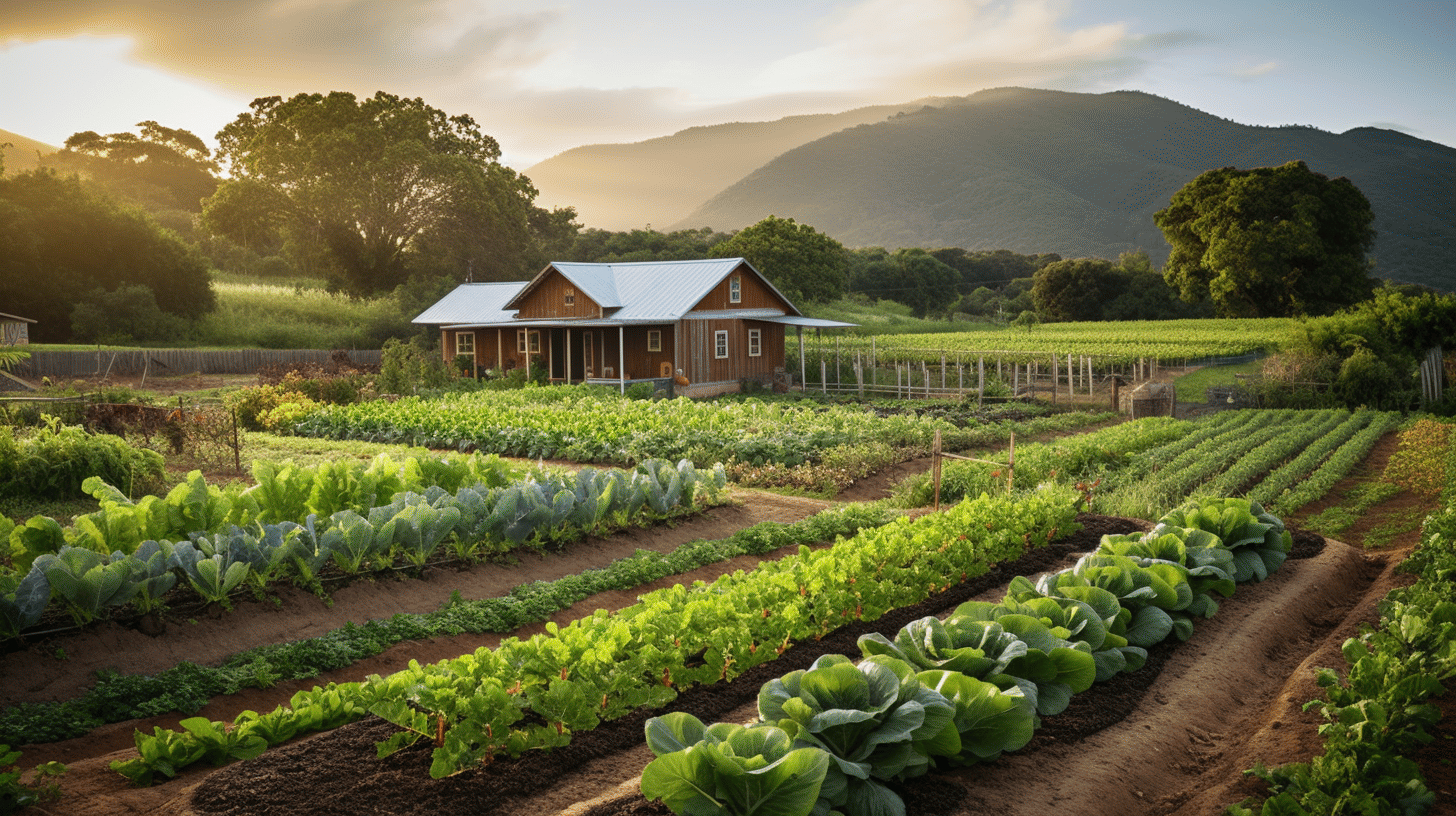
Permaculture, a holistic approach to sustainable agriculture, is gaining increasing recognition as a solution to the environmental challenges we face today. By integrating principles and design techniques that work in harmony with nature, permaculture offers a blueprint for creating thriving, regenerative systems that benefit both people and the planet.
In this article, we will explore the ethics, principles, techniques, and benefits of permaculture agriculture. We will uncover the core values that guide permaculturists, delve into the key principles that underpin their design processes, and explore the practical techniques used to implement permaculture systems. Additionally, we will examine the numerous benefits that permaculture offers, from sustainable food production to improved soil health and water conservation.
Whether you are a seasoned permaculturist, a farmer looking to adopt more sustainable practices, or someone simply curious about sustainable agriculture, this article will provide valuable insights and resources for further exploration.
Let’s dive in and discover the world of permaculture, where ecological stewardship and regenerative practices create a path towards a more sustainable and resilient future.
Ethics of Permaculture
Permaculture, as a holistic approach to sustainable living and cultivation, is founded on three core ethics: Earth Care, People Care, and Fair Share. These ethics serve as guiding principles for practitioners to create regenerative systems that not only benefit the environment but also prioritize the well-being of individuals and promote equitable distribution of resources. Let’s take a closer look at each of these ethics and their significance in permaculture design.
Earth Care
At the heart of permaculture is a deep reverence and respect for the Earth. Practitioners recognize that the health and vitality of our planet are essential for the survival and flourishing of all species, including humans. Earth Care emphasizes the need to work in harmony with nature, rather than against it, in our agricultural practices and daily lives. This includes considerations such as:
- Regenerating soil health by implementing techniques, like composting and mulching, that enhance fertility and biodiversity.
- Conserving water through strategies such as rainwater harvesting and using efficient irrigation methods.
- Prioritizing native plant species and creating diverse ecosystems that support pollinators and other beneficial insects.
By prioritizing Earth Care, permaculturists strive to minimize environmental degradation, restore ecosystems, and foster resilience in the face of climate change.
People Care
Permaculture recognizes that the well-being of individuals and communities is interconnected with the health of the planet. People Care emphasizes the importance of fostering strong and nurturing relationships within our communities and ensuring equitable access to resources and opportunities for all. This includes:
- Creating inclusive spaces that value diversity and promote social justice.
- Prioritizing the physical and mental health of individuals through sustainable food systems and regenerative practices.
- Sharing knowledge and empowering individuals to take an active role in decision-making processes.
By prioritizing People Care, permaculturists aim to build resilient communities that support the flourishing of individuals and promote social and economic justice.
Fair Share
Fair Share focuses on the redistribution and equitable allocation of resources, ensuring that everyone has access to their basic needs and opportunities for growth. This ethic recognizes that the Earth’s resources are limited and should be used thoughtfully and shared fairly. Some key considerations of Fair Share include:
- Implementing systems that promote resource conservation and reduce waste.
- Participating in the sharing economy, where surplus resources are shared with those in need.
- Encouraging collaboration and cooperation in decision-making and resource management.
By embracing Fair Share, permaculturists seek to create a more inclusive and fair society, where resources are distributed in a way that meets the needs of all individuals, both present and future.
In conclusion, the ethics of permaculture provide a foundation for sustainable and regenerative practices that go beyond environmental considerations. Earth Care, People Care, and Fair Share guide permaculture practitioners in designing systems that respect and support the planet, individuals, and communities. By adopting these ethics, we can create a more equitable and sustainable future for all.
Principles of Permaculture Design
Permaculture design is a holistic approach to sustainable living that aims to mimic the patterns and processes found in nature. It offers a set of principles that guide us in creating systems that are not only environmentally friendly but also productive and resilient. Let’s dive into some of the key principles of permaculture design.
Observe and Interact
The first principle of permaculture design is to observe and interact. This involves taking the time to observe our surroundings, paying attention to the patterns, cycles, and interactions that occur in nature. By carefully observing our environment, we can gain valuable insights and knowledge that will inform our design decisions.
Catch and Store Energy
Another important principle is to catch and store energy. In permaculture, energy is considered a valuable resource that should not go to waste. By capturing and storing energy from the sun, wind, or water, we can reduce our reliance on external sources and create self-sustaining systems. This can be achieved through strategies such as installing solar panels, using rainwater harvesting systems, or designing buildings to maximize natural lighting and heat.
Obtain a Yield
A permaculture design should always aim to obtain a yield. This means creating systems that produce food, energy, or other valuable resources. By focusing on productivity, we can ensure that our efforts in designing sustainable systems are rewarded. This principle encourages us to prioritize the creation of abundance and ensure that our designs provide tangible benefits.
Apply Self-regulation and Accept Feedback
Self-regulation and accepting feedback are crucial aspects of permaculture design. By constantly assessing and adjusting our designs based on feedback from the system itself, we can create systems that are in harmony with nature. This principle emphasizes the importance of adaptability and learning from our mistakes.
Use and Value Renewable Resources and Services
Permaculture design places a strong emphasis on the use and value of renewable resources and services. This means utilizing resources that are abundant, renewable, and locally available. By harnessing the power of renewable energy, using organic and regenerative agriculture practices, and prioritizing the use of natural systems, we can reduce our impact on the environment and create more sustainable designs.
Produce no Waste
The principle of producing no waste emphasizes the importance of closing the loop and minimizing waste in our designs. By implementing strategies such as composting, recycling, and reusing materials, we can create systems that are cyclical and waste-free. This principle challenges us to rethink our approach to consumption and waste management.
Design from Patterns to Details
When designing a permaculture system, it is essential to work from patterns to details. By understanding the larger patterns and relationships in our ecosystem, we can create designs that are responsive and harmonious. This principle encourages us to think holistically and consider the interconnectedness of elements within our systems.
Integrate Rather Than Segregate
Integrating rather than segregating is a key principle of permaculture design. By creating connections and synergies between different elements and components, we can enhance the overall functioning of our systems. This principle encourages us to think in terms of relationships and interdependencies, rather than isolating elements.
Use Small and Slow Solutions
Permaculture design emphasizes the use of small and slow solutions. Rather than relying on large-scale interventions, permaculturists advocate for small, incremental changes that are suited to the specific context and conditions. This principle recognizes the value of patience and the importance of observing and adapting over time.
Use and Value Diversity
Diversity is highly valued in permaculture design. By incorporating a wide range of species, varieties, and ecosystems, we can enhance the resilience and stability of our systems. This principle encourages us to embrace diversity in all its forms and recognize the role it plays in creating thriving ecosystems.
Use Edges and Value the Marginal
Permaculture design recognizes the importance of edges and marginal spaces. These transitional areas between different ecosystems are often highly productive and rich in biodiversity. By making use of edges and valuing the marginal, we can create designs that are more productive and ecologically diverse.
Creatively Use and Respond to Change
The final principle of permaculture design is to creatively use and respond to change. Change is a natural and constant part of life, and permaculturists embrace it as an opportunity for growth and adaptation. By fostering creativity and resilience, we can create designs that are responsive and adaptable in the face of change.
These principles serve as a guide to creating regenerative and sustainable designs that align with nature’s wisdom. By applying these principles in our designs, we can create systems that not only benefit the environment but also provide for our needs and nourish our communities.
Permaculture Techniques and Practices
Permaculture is an innovative and sustainable approach to agriculture and design. It combines ecological principles, regenerative practices, and ethical values to create resilient and productive systems. By mimicking natural ecosystems, permaculture aims to provide us with food, energy, and shelter while promoting biodiversity and protecting the environment.
In this section, we will explore some of the key permaculture techniques and practices that can be implemented in your own garden or farm.
Agroforestry
Agroforestry is a permaculture technique that involves growing trees and crops together in a mutually beneficial manner. This approach mimics the structure and function of a forest ecosystem, combining the benefits of trees with agricultural crops or livestock. Benefits of agroforestry include:
- Increased biodiversity: Trees provide habitat for beneficial insects, birds, and other wildlife, creating a more ecologically balanced system.
- Soil improvement: Trees help improve soil fertility by fixing nitrogen, preventing erosion, and providing organic matter through fallen leaves and branches.
- Microclimate regulation: Trees provide shade, windbreaks, and moisture regulation, creating a more favorable environment for plants and animals.
Keyline Design
Keyline Design is a land management technique developed by Australian farmer P.A. Yeomans. It focuses on managing water flow and distribution across landscapes. By measuring and identifying key contour lines, water is directed along these lines to maximize its infiltration and distribution. Key benefits of keyline design include:
- Water conservation: By capturing and distributing water more efficiently, keyline design helps to reduce water waste and increase water availability for plants and animals.
- Soil fertility improvement: Proper water management through keyline design prevents soil erosion and nutrient loss, improving soil health and fertility.
- Increased productivity: By optimizing water distribution, keyline design enhances plant growth, leading to higher yields and improved crop health.
Companion Planting
Companion planting is a technique where different plant species are grown together to maximize their mutual benefits. This practice takes advantage of the natural interactions between plants, such as pest control, nutrient sharing, and microclimate regulation. Benefits of companion planting include:
- Pest management: Certain plant combinations can repel pests or attract beneficial insects, reducing the need for synthetic pesticides.
- Nutrient cycling: Some plant combinations can improve soil fertility by fixing nitrogen or sharing nutrients through their root systems.
- Space utilization: Companion planting allows for efficient use of space, with plants occupying different niches and maximizing productivity.
Sheet Mulching
Sheet mulching, also known as lasagna gardening, is a technique that creates new planting beds by layering organic materials directly on top of existing soil. This method helps suppress weeds, improve soil structure, retain moisture, and provide nutrients as the materials decompose. Benefits of sheet mulching include:
- Weed suppression: The layering of materials acts as a physical barrier, preventing weed germination and growth.
- Soil improvement: As the organic materials break down, they enrich the soil with nutrients and improve its structure.
- Water conservation: The mulch layer helps retain moisture in the soil, reducing the need for frequent irrigation.
Swales
Swales are contour trenches or ditches designed to capture and retain rainwater. They are typically positioned on contour lines to slow down water runoff and facilitate water infiltration into the soil. Benefits of swales include:
- Water harvesting: Swales capture rainwater, allowing it to infiltrate the soil and recharge groundwater reserves.
- Soil erosion prevention: By slowing down water flow, swales help prevent soil erosion and loss of topsoil.
- Increased plant resilience: The water stored in swales provides a consistent source of moisture for plants, reducing their dependence on irrigation.
Hugelkultur
Hugelkultur is a technique that utilizes decaying wood as a foundation for raised garden beds. By burying logs, branches, and other organic materials, hugelkultur helps retain moisture, improve soil fertility, and provide a long-term source of nutrients. Benefits of hugelkultur include:
- Water retention: The decaying wood acts like a sponge, absorbing and storing water for plants to access during dry periods.
- Nutrient cycling: As the organic materials decompose, they release nutrients into the soil, creating a fertile growing environment.
- Extended plant lifespan: The gradual breakdown of the wood provides a continuous source of nutrients, supporting plant growth over an extended period.
Rainwater Harvesting
Rainwater harvesting involves collecting and storing rainwater for later use in gardens, farms, or households. This practice helps reduce reliance on freshwater sources and can be done through various methods such as rain barrels, underground tanks, or swales. Benefits of rainwater harvesting include:
- Water conservation: By collecting rainwater, you can reduce your reliance on municipal water sources, saving both money and resources.
- Drought resilience: Stored rainwater can be used during dry periods to keep plants hydrated and productive.
- Environmental impact reduction: Harvesting rainwater reduces the strain on local water sources, helping to protect aquatic ecosystems.
Remember, permaculture is a holistic approach that requires observation, planning, and creativity. By incorporating these techniques and practices into your gardening or farming endeavors, you can create more sustainable and resilient systems while regenerating the land and supporting biodiversity.
Benefits of Permaculture Agriculture
Permaculture agriculture is an innovative and sustainable approach to food production that offers numerous benefits for both the environment and the communities it serves. By integrating ecological principles into farming practices, permaculture agriculture aims to create self-sustaining and resilient systems that minimize waste and reliance on external inputs. Let’s explore some of the key benefits of practicing permaculture agriculture.
Sustainable Food Production
One of the primary advantages of permaculture agriculture is its ability to produce food in a sustainable and regenerative manner. By mimicking natural ecosystems, permaculture systems leverage biodiversity and ecological processes to create a self-sufficient and balanced food production system. Here’s why permaculture agriculture is considered a sustainable approach to food production:
- Minimizes chemical inputs: Unlike conventional agriculture that relies heavily on synthetic fertilizers and pesticides, permaculture agriculture prioritizes organic and natural methods of pest control and soil fertility. This reduces the negative impact of toxic chemicals on the environment and promotes healthier food production.
- Conserves water: Permaculture design incorporates water conservation techniques such as swales, rainwater harvesting, and efficient irrigation systems. By maximizing water efficiency, permaculture agriculture helps mitigate the effects of water scarcity and reduces the strain on local water resources.
- Promotes biodiversity: Permaculture systems create habitats that support a wide range of plant and animal species, fostering biodiversity and ecological resilience. This not only enhances the overall health of the ecosystem but also improves the pollination of crops and natural pest control.
Improved Soil Health
Maintaining healthy and fertile soil is crucial for sustainable agriculture, and permaculture practices excel in this aspect. Here’s how permaculture agriculture contributes to improved soil health:
- Reduces soil erosion: Through the use of terraces, contour planting, and groundcover, permaculture systems minimize soil erosion caused by wind and water. This helps preserve valuable topsoil and prevents nutrient runoff into nearby water bodies.
- Builds organic matter: Permaculture agriculture emphasizes the use of organic materials, such as compost and mulch, to nourish the soil. These organic additions enhance soil structure, increase water-holding capacity, and promote the growth of beneficial microorganisms.
- Promotes soil regeneration: By employing practices like cover cropping, crop rotation, and agroforestry, permaculture agriculture fosters soil regeneration and reduces the need for external inputs. This leads to long-term soil fertility and a more sustainable farming system.
Water Conservation and Management
Water scarcity is a pressing issue in many regions of the world, and permaculture agriculture offers effective solutions for conserving and managing water resources. Here are some ways permaculture practices contribute to water conservation:
- Harvesting rainwater: Permaculture farms often incorporate systems to capture and store rainwater, such as rain barrels, ponds, and cisterns. This harvested water can then be used for irrigation, reducing the reliance on groundwater or treated municipal water sources.
- Smart irrigation: Permaculture design emphasizes using efficient irrigation techniques that minimize water wastage. Drip irrigation, wicking beds, and swales help direct water precisely where it’s needed, reducing evaporation and runoff.
- Improving water infiltration: Permaculture practices like mulching, contouring, and the use of cover crops help improve water infiltration and retention in the soil. This reduces the need for frequent watering and maximizes the utilization of available water resources.
Biodiversity Conservation
Permaculture agriculture is inherently focused on maintaining and enhancing biodiversity, which is essential for healthy ecosystems. Here’s why permaculture plays a crucial role in conserving biodiversity:
- Promotes native species: Permaculture systems prioritize the use of native and locally adapted plant species, which often provide ideal habitats for local wildlife. This helps to preserve and restore biodiversity by creating ecosystems that support a variety of flora and fauna.
- Creates wildlife corridors: Permaculture farms can serve as important wildlife corridors, providing safe passage and habitat connectivity for animals. This allows for the movement of species between fragmented landscapes, supporting biodiversity conservation efforts on a larger scale.
- Reduces habitat destruction: By minimizing the use of heavy machinery and prioritizing ecological principles, permaculture agriculture reduces habitat destruction compared to conventional agriculture. This helps protect the natural habitats of various species and prevents further biodiversity loss.
Resilient Systems
Permaculture agriculture prioritizes the development of resilient farming systems that can adapt to and withstand environmental changes and challenges. Here’s how permaculture practices contribute to building resilient agricultural systems:
- Diversification of crops: Permaculture encourages the cultivation of a diverse range of crops, both food and non-food, which reduces the risk of crop failure due to pests, diseases, or adverse weather conditions. This diversification also helps increase food security and enhances the resilience of the farm.
- Nature-inspired design: Permaculture design principles are based on observing and replicating patterns and processes found in natural systems. By mimicking nature’s resilience, permaculture creates farming systems that are better equipped to face unexpected challenges and fluctuations.
- Focus on local resources: Permaculture emphasizes using locally available resources and inputs whenever possible. This reduces the dependency on external inputs, such as fossil fuels, synthetic fertilizers, and pesticides, making the farming system more self-reliant and resilient in the face of economic and environmental uncertainties.
In summary, permaculture agriculture provides a multitude of benefits, ranging from sustainable food production and improved soil health to water conservation and biodiversity conservation. By adopting permaculture principles and practices, farmers can contribute to a more ecological and resilient food system, benefiting both the environment and the communities they serve.
Permaculture Examples and Case Studies
Permaculture is a sustainable approach to designing and managing agricultural systems that work in harmony with nature. It aims to mimic natural ecosystems and create self-sustaining, regenerative systems that benefit both the environment and the people who depend on them. While the concept of permaculture may sound intriguing, it can be helpful to explore some real-life examples and case studies to truly understand its potential impact.
1. The Greening of the Desert: Geoff Lawton’s Permaculture Project
Geoff Lawton, a prominent permaculturist, took on the daunting challenge of transforming a barren, desolate landscape into a thriving oasis in the harsh and arid Jordanian desert. In what is now known as “The Greening of the Desert,” Lawton demonstrated how permaculture principles can revive even the most inhospitable environments.
- Lawton used key permaculture techniques such as mulching, swales, and water harvesting to capture and utilize every drop of rainfall in the desert.
- He created microclimates by strategically planting trees and bushes to provide shade, windbreaks, and habitat for beneficial species.
- The result was a flourishing permaculture paradise, with abundant fruit trees, vegetables, and even livestock thriving in the previously barren landscape.
2. Zaytuna Farm: Permaculture Education Center
Zaytuna Farm, located in New South Wales, Australia, serves as a living example of how permaculture can transform not only the land but also the community. The farm, established by Geoff Lawton and permaculture co-founder Bill Mollison, is not only a site for permaculture education but also a flourishing permaculture design in action.
- At Zaytuna Farm, permaculturalists practice diverse food production methods, including polyculture systems, aquaponics, and regenerative agriculture.
- The design incorporates water harvesting techniques, food forests, and multi-layered planting to maximize productivity and enhance ecosystem health.
- The farm acts as a hub for knowledge-sharing, hosting workshops, internships, and permaculture courses for visitors from around the world.
3. Permaculture in Urban Spaces: The Incredible Edible Movement
Permaculture isn’t limited to rural or suburban areas; it can also be applied in urban spaces to foster community resilience, food security, and sustainable living. The Incredible Edible movement, originating in Todmorden, England, is a shining example of permaculture’s potential in urban environments.
- The Incredible Edible movement encourages individuals and communities to transform neglected public spaces into fruitful gardens, filled with edible plants and herbs.
- By planting fruit trees along sidewalks, creating community gardens in public parks, and even growing food in unused spaces like roundabouts, urban areas can become more self-sufficient and greener.
- The movement not only improves food access but also brings communities together, fosters a sense of pride and ownership, and educates people about the importance of sustainable food production.
Conclusion
By exploring these permaculture examples and case studies, it becomes clear that permaculture offers practical and innovative solutions to some of the world’s most pressing challenges. From transforming deserts into abundant ecosystems to building sustainable communities in urban areas, permaculture holds vast potential for creating a more resilient and regenerative future.
Resources for Further Learning
Permaculture is a complex and multifaceted field that requires continuous learning and exploration. Whether you’re a beginner curious about the principles of permaculture or an experienced practitioner looking to expand your knowledge, there are several valuable resources available to help you on your journey. Here are some recommended resources for further learning about permaculture:
Permaculture Principles
One excellent resource for delving into the principles of permaculture is the Permaculture Principles website. Created by David Holmgren, one of the founders of permaculture, this website offers a wealth of information on the core principles and guiding concepts of permaculture. From permaculture ethics to design principles, you’ll find a comprehensive overview that serves as a solid foundation for your permaculture journey.
Permaculture Research Institute
The Permaculture Research Institute (PRI) is another valuable resource for those interested in deepening their understanding of permaculture. The PRI website is home to an extensive collection of articles, research papers, case studies, and videos covering a wide range of topics within permaculture. From sustainable food production to regenerative agriculture and ecological design, the PRI provides a wealth of educational materials backed by research and practical experience.
Permaculture Association
If you’re looking for a community-oriented resource to connect with fellow enthusiasts and gain practical insights, the Permaculture Association is a fantastic platform to explore. The Permaculture Association website offers a directory of permaculture projects, events, courses, and practitioners in your region. You can join local groups, attend workshops, and participate in events to gain hands-on experience and learn directly from experienced permaculturists within your community.
Permaculture Institute
The Permaculture Institute is an organization dedicated to providing quality permaculture education and training. With a focus on professional development and certification, the institute offers various courses and workshops suitable for individuals at different skill levels. They also offer online courses for those who prefer a flexible learning environment. By completing courses through the Permaculture Institute, you can enhance your practical skills and gain internationally recognized certifications in permaculture design.
As you dive deeper into the world of permaculture, these resources can serve as your guides and companions along the way. From foundational knowledge to practical applications and community engagement, each resource offers unique perspectives and opportunities for further learning. Remember, permaculture is a holistic approach to sustainable living, and continuous learning is a key aspect of its implementation. Embrace the journey, stay curious, and utilize these resources to expand your understanding and practice of permaculture.
Conclusion
In conclusion, permaculture ethics provide a comprehensive framework for sustainable agriculture, guiding farmers and land managers towards regenerative practices that prioritize the health of the environment and the well-being of people. With its focus on Earth Care, People Care, and Fair Share, permaculture offers a holistic approach that not only sustains food production but also promotes ecosystem resilience and community development.
By adhering to the principles of permaculture design, such as observing and interacting with the environment, catching and storing energy, and valuing renewable resources and services, farmers can create systems that are self-regulating and waste-free. Techniques like agroforestry, keyline design, and companion planting further enhance the productivity and diversity of permaculture systems.
The benefits of permaculture agriculture are numerous. Sustainable food production, improved soil health, water conservation, biodiversity conservation, and the development of resilient systems are all key outcomes of implementing permaculture practices. By embracing permaculture, farmers can contribute to a more sustainable and regenerative future for agriculture.
If you’re interested in learning more about permaculture, there are valuable resources available. Websites like the Permaculture Research Institute, Permaculture Association, and Permaculture Institute offer further insights and educational opportunities to deepen your understanding of permaculture principles and practices.
At Regenerative Agriculture Wiki, we are passionate about promoting sustainable farming practices and providing comprehensive information on regenerative agriculture. Our platform offers in-depth articles, guides, and resources tailored to various interests, whether you’re an experienced farmer, an environmentalist, or simply curious about sustainable living.
Join us in fostering a future where agriculture and ecology thrive in harmony. Discover the potential of regenerative agriculture and explore the wealth of knowledge available at Regenerative Agriculture Wiki. Together, let’s nurture the environment, promote food security, and create a sustainable future for generations to come.
Frequently Asked Questions
- What are the three ethics of permaculture?
The three ethics of permaculture are: Earth Care, People Care, and Fair Share. These ethics guide the design and implementation of sustainable agricultural systems.
- What does ‘Earth Care’ mean in permaculture ethics?
‘Earth Care’ in permaculture ethics means taking actions that promote the health and well-being of the Earth. It involves practices such as conserving resources, regenerating the soil, and protecting biodiversity.
- What does ‘People Care’ mean in permaculture ethics?
‘People Care’ in permaculture ethics means prioritizing the well-being and empowerment of people. It involves creating inclusive and supportive communities, promoting social justice, and ensuring everyone’s basic needs are met.
- What does ‘Fair Share’ mean in permaculture ethics?
‘Fair Share’ in permaculture ethics means using resources wisely and sharing the surplus with others. It emphasizes equitable distribution of resources and discourages excessive consumption.
- How do permaculture ethics contribute to sustainable agriculture?
Permaculture ethics provide a set of guiding principles that help farmers and gardeners create agricultural systems that are respectful of the environment, beneficial to people, and promote fairness and justice in resource allocation.