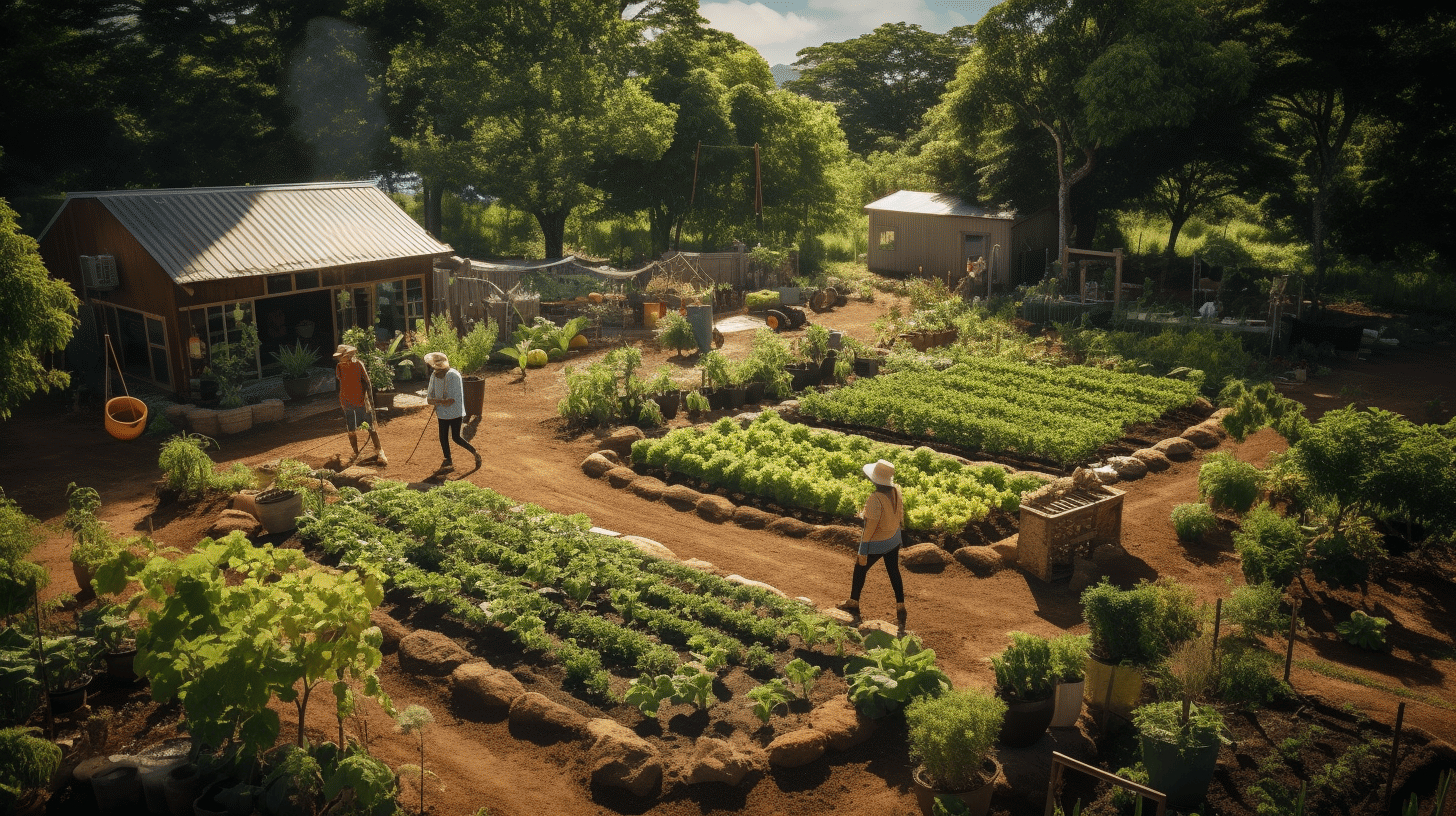
In recent years, there has been a growing realization of the urgent need to transition from conventional agriculture practices to more sustainable and regenerative methods. As the negative impacts of industrial farming become increasingly apparent, farmers and agricultural organizations around the world are embracing regenerative agriculture as a solution for a more sustainable future. Through this approach, farmers are not only revitalizing the health of their land but also reaping significant economic and environmental benefits.
In this article, we will explore inspiring success stories of farmers who have embraced regenerative agriculture practices. We will hear from individuals who have transformed their farms, improved their livelihoods, and created positive impacts on their communities and the environment. This collection of stories serves as a testament to the power and potential of regenerative agriculture in building a more sustainable future.
But what exactly is regenerative agriculture, and why is it gaining so much traction? Before we delve into the farmer success stories, let’s briefly explore the principles and benefits of regenerative agriculture.
Abby Clarke and Jonathan Hayden: A Regenerative Agriculture Success Story
Abby Clarke and Jonathan Hayden are the proud owners of Winter Street Farm, a small but mighty operation that utilizes regenerative agriculture practices to grow sustainably. Their commitment to the environment and their passion for producing high-quality, nutrient-rich food sets them apart in the world of farming.
Regenerative agriculture is a holistic approach to farming that focuses on maintaining and improving the health of the soil, biodiversity, and ecosystems. It goes beyond sustainable agriculture by actively working to restore and rejuvenate the land. Abby and Jonathan have embraced this philosophy and have been reaping the rewards both for their farm and the environment.
The Benefits of Regenerative Agriculture
So what sets regenerative agriculture apart from conventional farming practices? Here are a few key benefits that Abby and Jonathan have experienced firsthand:
- Improved Soil Health: Regenerative agriculture practices, such as cover cropping and crop rotation, help build organic matter in the soil, promoting better nutrient availability and water retention. This translates to healthier plants, increased yields, and reduced soil erosion.
- Enhanced Biodiversity: By incorporating diverse plant species into their farming practices, Abby and Jonathan have created a thriving ecosystem on their farm. This biodiversity attracts beneficial insects, pollinators, and soil microorganisms, which contribute to natural pest control and improved overall farm health.
- Reduced Chemical Inputs: Traditional agriculture heavily relies on synthetic fertilizers and pesticides, which can have detrimental effects on the environment. By adopting regenerative agriculture, Abby and Jonathan have minimized their use of chemical inputs, leading to a healthier farm ecosystem and reduced impact on surrounding habitats.
- Climate Change Mitigation: One of the most notable benefits of regenerative agriculture is its contribution to combating climate change. By sequestering carbon in the soil, regenerative practices help reduce the amount of carbon dioxide in the atmosphere. This helps slow down global warming while also improving soil quality.
Winter Street Farm: A Model for Success
Abby Clarke and Jonathan Hayden have truly become pioneers in the world of regenerative agriculture. Their commitment to sustainable farming practices and their dedication to environmental stewardship have not only improved their own farm but have also served as a model for others in the industry.
Through education and outreach efforts, Abby and Jonathan have shared their knowledge and experiences, inspiring other farmers to adopt regenerative practices. Their success story serves as a testament to the power of regenerative agriculture in creating a more sustainable and resilient food system.
In conclusion, Abby Clarke and Jonathan Hayden have transformed Winter Street Farm into a thriving example of regenerative agriculture in action. Their commitment to improving soil health, enhancing biodiversity, reducing chemical inputs, and mitigating climate change showcases the immense potential of regenerative practices. They are leading the way towards a more sustainable future for farming, proving that small-scale operations can have a significant impact on the health of our planet.
Brown’s Journey: From Hardship to Success in Regenerative Agriculture
Gabe Brown’s experience in regenerative agriculture is nothing short of inspiring. His journey began when he and his wife took over his in-laws’ farm outside Bismarck after their retirement. Little did he know that this decision would lead him down a path of hardship, resilience, and ultimately, incredible success in the field of regenerative agriculture.
In the early days, Brown faced numerous challenges. The farm had been run using conventional farming practices, which had taken a toll on the soil’s health and productivity. Brown could have easily followed the same path, but he realized that there had to be a better way. He believed in the power of nature and its ability to restore and regenerate the land.
With that belief in mind, Brown decided to transition to regenerative agriculture. This holistic approach focuses on building healthy soils, diverse ecosystems, and sustainable farming practices. It’s about working with nature, rather than against it.
Brown implemented a range of regenerative practices on his farm, including cover cropping, crop rotation, and no-till farming. These practices helped restore the soil’s health and fertility, leading to improved yields and reduced input costs. But it wasn’t just about the financial benefits. Brown also noticed a significant improvement in the overall ecosystem on his farm.
One of the key principles of regenerative agriculture is biodiversity. By diversifying his crops and incorporating livestock into his farming system, Brown was able to create a more resilient and sustainable ecosystem. The increased biodiversity brought about various benefits, such as improved nutrient cycling, reduced pest and disease pressure, and enhanced soil structure.
But perhaps the most remarkable aspect of Brown’s journey is the way he has shared his knowledge and experiences with others. Through books, speaking engagements, and workshops, he has become a leading advocate for regenerative agriculture. His passion and dedication to the cause have inspired countless farmers and individuals to embrace this transformative approach.
As Brown continues on his journey, he remains committed to pushing the boundaries of regenerative agriculture. He understands that there is always more to learn and discover, and he encourages others to join him on this path of continuous improvement.
Gabe Brown’s story is a testament to the power of regenerative agriculture and the incredible impact it can have on both the land and the people who embrace it. His journey from hardship to success is a shining example of what is possible when we prioritize the health and vitality of the planet.
“Regenerative agriculture is not just about farming. It’s about working with nature to create a better and more sustainable future.”
Regenerative Agriculture: Benefits and Impact
Regenerative agriculture is gaining attention as a sustainable farming practice that goes beyond conventional methods. This approach aims to restore and enhance the health of our ecosystems, not just maintain them. By adopting regenerative practices, farmers can reap several benefits while positively impacting the environment.
Mitigating Climate Change
One of the significant advantages of regenerative agriculture is its potential to combat climate change. Traditional farming practices contribute to greenhouse gas emissions and soil degradation. On the other hand, regenerative agriculture focuses on building healthy soil, which, in turn, can sequester carbon from the atmosphere. This carbon sequestration helps offset the carbon footprint of farming activities.
The use of cover crops, crop rotation, and reduced tillage are some regenerative practices that can enhance soil health and carbon sequestration. These techniques promote the growth of organic matter and microorganisms in the soil, which not only capture carbon but also improve soil fertility and resilience.
Conserving and Filtering Water
Water scarcity is a growing concern in many regions around the world. Regenerative agriculture offers a solution by conserving and filtering water within agroecosystems. By improving soil structure and increasing organic matter content, regenerative practices enhance the soil’s ability to retain water, reducing the need for irrigation.
Additionally, healthy soil acts as a natural filter, removing contaminants and pollutants from water that passes through it. This filtration process helps protect water bodies from nutrient runoff and potential pollution, benefiting both human and ecological communities.
Supporting Biodiversity
Regenerative agriculture supports the conservation and promotion of biodiversity. Conventional farming practices, such as monocultures and the excessive use of agrochemicals, can disrupt natural ecosystems and harm species diversity. In contrast, regenerative practices aim to mimic nature’s resilience and diversity.
Through practices like agroforestry, hedgerow planting, and crop diversity, regenerative agriculture creates habitats that support pollinators, beneficial insects, and wildlife. These diverse ecosystems contribute to the overall health of the farm and surrounding areas, fostering a balanced and sustainable environment.
Strengthening Resilience
Extreme weather events, such as droughts, floods, and storms, can devastate agricultural systems. Regenerative agriculture offers a solution by strengthening the resilience of farms. By building healthy soil, regenerative practices enhance drought resistance, increase water infiltration rates, and improve soil structure, reducing erosion risks.
Additionally, diversification of crops and planting resilient varieties can minimize the vulnerability of farms to pests and diseases. Through these practices, regenerative agriculture provides a buffer against the impacts of climate change, ensuring the long-term viability and profitability of farming.
In conclusion, regenerative agriculture provides numerous benefits while positively impacting the environment. By mitigating climate change, conserving and filtering water, supporting biodiversity, and strengthening resilience, this approach offers a sustainable and holistic way forward for agriculture. By adopting regenerative practices, farmers can play a crucial role in restoring and enhancing the health of our ecosystems.
Regenerative Agriculture Success Stories
Regenerative agriculture is gaining popularity as farmers and land stewards recognize its potential to restore soil health, increase biodiversity, and mitigate climate change. Many success stories have emerged from around the world, showcasing the positive impact of regenerative practices on both the environment and farming communities. In this section, we will explore some inspiring regenerative agriculture success stories that demonstrate the transformative power of these sustainable practices.
Willeydah
Willeydah, a small-scale farm located in the sunny plains of California, is a shining example of regenerative agriculture in action. Under the guidance of the dedicated farmer, Sarah, Willeydah has transformed from a conventional farm into a thriving ecosystem of interconnected systems.
Key Achievements of Willeydah:
- Transitioned from monoculture farming to diverse crop rotations, promoting soil health and reducing pest outbreaks.
- Implemented cover cropping to reduce soil erosion and improve water retention.
- Utilized natural pest control methods, such as beneficial insects and companion planting, to minimize the use of chemical pesticides.
- Adopted regenerative grazing practices to enhance pasture health and sequester carbon in the soil.
- Engaged with the local community through farm tours and workshops, promoting education and awareness about regenerative agriculture.
Sarah’s commitment to regenerative practices has resulted in increased farm productivity, improved soil fertility, and ecological resilience. Willeydah serves as an inspiration for aspiring regenerative farmers to adopt sustainable techniques that benefit both their operations and the environment.
Walma
A family-owned farm situated in the Netherlands, Walma is another remarkable success story in the realm of regenerative agriculture. The farm, run by the Walma family, has always placed a strong emphasis on sustainability and environmental stewardship. They have implemented regenerative practices to address the challenges faced by conventional agriculture while ensuring the long-term viability of their farm.
Key Achievements of Walma:
- Transitioned to a regenerative grazing system, rotational grazing their livestock to mimic natural grazing patterns.
- Utilized agroforestry techniques, integrating trees and woody perennials into their farmland, enhancing biodiversity and providing additional income streams.
- Adopted precision farming practices, optimizing resource use and reducing waste.
- Implemented water-conscious irrigation methods to minimize water usage and improve water quality.
- Collaborated with local universities and research institutions to share knowledge and conduct cutting-edge research on regenerative farming techniques.
The Walma family’s dedication to regenerative agriculture has not only improved the ecological health of their farm but has also strengthened their connection to their local community. By promoting sustainable practices and knowledge sharing, they are inspiring others to embark on their own regenerative farming journeys.
Border Park Organics
Established in Australia, Border Park Organics is a prime example of regenerative agriculture in the livestock sector. This family-run farm has successfully integrated regenerative practices into their beef production operation, showcasing the positive impacts on both animal welfare and the environment.
Key Achievements of Border Park Organics:
- Transitioned to 100% grass-fed beef production, eliminating the use of grains and hormones.
- Implemented regenerative grazing techniques, such as holistic planned grazing, to improve soil health and sequester carbon.
- Collaborated with scientists and researchers to monitor and document the environmental benefits of their regenerative practices.
- Directly marketed their products to consumers, creating awareness about the environmental and health benefits of regenerative farming.
Border Park Organics has demonstrated that regenerative practices can be successfully integrated into livestock operations, offering a sustainable alternative to conventional livestock farming. By prioritizing animal welfare, soil health, and environmental sustainability, they have set a positive example for others in the agriculture industry.
These regenerative agriculture success stories, among many others, demonstrate the enormous potential for positive change that lies in the adoption of regenerative practices. By implementing sustainable techniques, farmers and land stewards can restore degraded land, build resilient ecosystems, and provide healthy food for future generations.
Corporate Initiatives and Regenerative Agriculture
Corporate Initiatives and Regenerative Agriculture
General Mills: Pioneering Regenerative Agriculture
General Mills, a multinational food company, is paving the way for regenerative agriculture by embracing sustainable practices and investing in the health of our planet. With a commitment to reducing greenhouse gas emissions and promoting soil health, General Mills is not only driving positive change within their own operations but also encouraging their suppliers to adopt regenerative practices. Let’s take a closer look at some of the initiatives General Mills has undertaken to advance regenerative agriculture.
1. Investing in Soil Health: General Mills understands the critical role that healthy soil plays in sustainable agriculture. They have partnered with farmers to implement soil health practices such as cover cropping, crop rotation, and reduced tillage. By focusing on soil health, General Mills aims to enhance biodiversity, improve water quality, and increase carbon sequestration.
2. Farmer Assistance Programs: Recognizing that transitioning to regenerative practices can be a financial challenge for farmers, General Mills has established farmer assistance programs. These programs provide financial support, technical assistance, and training to help farmers adopt regenerative agriculture methods. By supporting farmers through this transition, General Mills is fostering a more sustainable and resilient food system.
3. Supplier Engagement: General Mills understands that their impact extends beyond their own operations. To drive change at scale, they are actively engaging with their suppliers to encourage the adoption of regenerative agriculture practices. By creating partnerships and sharing best practices, General Mills is working to transform their entire supply chain and promote widespread adoption of regenerative principles.
4. Collaboration and Research: General Mills recognizes the importance of collaboration and knowledge-sharing in advancing regenerative agriculture. They actively participate in research projects, collaborate with experts, and share their learnings with the wider agricultural community. By supporting research and innovation, General Mills aims to continuously improve sustainable farming practices and contribute to the evolution of regenerative agriculture as a whole.
General Mills’ commitment to regenerative agriculture is not only beneficial for the environment but also for their business. By embracing sustainability and investing in regenerative practices, General Mills is building resilience in their supply chain, ensuring long-term access to quality ingredients, and meeting the growing consumer demand for sustainable and ethically produced food.
In conclusion, General Mills’ initiatives in regenerative agriculture demonstrate their dedication to creating a more sustainable and regenerative future for agriculture. Through investments in soil health, farmer support programs, supplier engagement, and collaboration, General Mills is driving positive change and inspiring others to follow suit. By prioritizing sustainability, they are not only taking corporate responsibility but also contributing to the well-being of our planet.
Benefits of Regenerative Agriculture
Regenerative agriculture is a farming approach that focuses on restoring and enhancing the health of the soil, rather than depleting it. It goes beyond just sustainable practices and aims to regenerate and revitalize the land. This holistic approach has numerous benefits for both farmers and the environment. Let’s dive into some of the key advantages of regenerative agriculture.
Positive Impact on Farmers
One of the most significant benefits of regenerative agriculture is the positive impact it has on farmers. Here are a few ways in which this approach can transform the lives of those working the land:
- Improved Soil Health: Regenerative agriculture practices, such as cover cropping, crop rotation, and reduced tillage, promote the development of healthy soil. This enriched soil is more resilient to extreme weather events like droughts and floods, reducing the risk of yield loss for farmers.
- Increased Profitability: Healthy soil not only leads to increased crop yields, but it also reduces input costs. By relying less on expensive synthetic fertilizers and pesticides, farmers can save money and improve their bottom line.
- Diversification of Income: Regenerative agriculture often encourages farmers to diversify their operations. By incorporating practices like agroforestry or integrating livestock, farmers can create additional revenue streams, reducing their reliance on a single crop.
- Enhanced Food Safety: By fostering regenerative practices, farmers can produce healthier and safer food. When the soil is rich in organic matter and teeming with beneficial microbes, crops become more resilient to pests and diseases, reducing the need for chemical interventions.
Environmental Benefits
Regenerative agriculture also has a profound impact on the environment, making it a crucial solution for addressing global sustainability challenges. Some of the environmental benefits include:
- Carbon Sequestration: Regenerative practices focus on building organic matter in the soil, which acts as a carbon sink. By sequestering carbon dioxide from the atmosphere into the ground, regenerative agriculture plays a vital role in mitigating climate change.
- Water Conservation: Techniques like cover cropping and reduced tillage help improve soil structure, allowing it to retain more water. This not only helps combat droughts but also reduces water runoff, minimizing the risk of soil erosion and water pollution.
- Biodiversity Preservation: Regenerative agriculture encourages the diversification of crops and habitats on farms. This creates a more resilient ecosystem, attracting beneficial insects and wildlife, and reducing the need for chemical inputs.
To put things into perspective, over 15 million small farmers have already benefited from adopting regenerative agriculture practices. Furthermore, research shows that regenerative agriculture reduces the need for external fertilizers, increases soil organic matter, and has the potential for yield increases of up to 25%.
In conclusion, regenerative agriculture offers a win-win solution for farmers and the environment. By prioritizing soil health and sustainable practices, we can create a resilient and sustainable food system that benefits everyone.
Research and Studies on Regenerative Agriculture
Regenerative agriculture is a topic that has captured the attention of scientists, farmers, and environmentalists alike. It offers a promising approach to farming that not only yields healthy and sustainable food but also helps to restore and regenerate the land. Extensive research and studies have been conducted over the years to understand the impact and effectiveness of regenerative agriculture practices.
Center for Regenerative Agriculture and Resilient Systems
One notable institution contributing to the research and advancement of regenerative agriculture is the Center for Regenerative Agriculture and Resilient Systems (CRAReS). This research center, based at a prominent university, is dedicated to studying and promoting regenerative agricultural practices.
CRAReS conducts rigorous research projects that investigate various aspects of regenerative agriculture, including soil health, carbon sequestration, crop diversity, and ecosystem resilience. Through their studies, they aim to uncover the benefits and potential challenges of adopting regenerative practices on a large scale.
To support their research efforts, CRAReS collaborates with farmers, environmentalists, and other experts in the field. They conduct field trials, monitor agricultural systems, and analyze data to provide evidence-based insights into the effectiveness of regenerative agriculture.
Rodale Institute
Another influential organization in the world of regenerative agriculture research is the Rodale Institute. Known for its commitment to organic farming and regenerative practices, the Rodale Institute has been conducting research for over seven decades.
The institute’s research focuses on studying the impact of regenerative practices on soil health, crop productivity, water quality, and the overall sustainability of agricultural systems. By conducting long-term trials and monitoring their organic experimental farm, the Rodale Institute has been able to generate valuable data and insights into the benefits of regenerative agriculture.
Their research has shown that regenerative practices like cover cropping, crop rotation, and composting can enhance soil fertility, reduce the need for synthetic inputs, and improve water infiltration. These findings provide scientific evidence of the effectiveness of regenerative agriculture in mitigating climate change, improving food security, and fostering ecological balance.
In conclusion, the research and studies on regenerative agriculture conducted by institutions like the Center for Regenerative Agriculture and Resilient Systems and the Rodale Institute provide valuable scientific evidence of the benefits and potential of adopting regenerative practices. These studies shed light on the various aspects of regenerative agriculture and contribute to the growing body of knowledge in this field. As more research emerges, the case for regenerative agriculture becomes stronger, paving the way for a more sustainable and resilient future in agriculture.
Conclusion
In conclusion, the success stories of farmers like Abby Clarke and Jonathan Hayden, as well as Brown’s remarkable journey, serve as powerful testaments to the transformative impact of regenerative agriculture. These individuals have not only witnessed significant improvements in their farm productivity and profitability but have also played a crucial role in mitigating climate change, conserving water resources, supporting biodiversity, and strengthening their communities’ resilience.
Regenerative agriculture has emerged as a beacon of hope for our planet, offering a path towards sustainable food production and environmental stewardship. Through the adoption of holistic management practices and regenerative farming techniques, farmers worldwide are reaping the rewards of healthier soils, increased biodiversity, and enhanced ecosystem services.
At Regenerative Agriculture Wiki, we strive to provide a comprehensive and engaging platform for individuals seeking knowledge and inspiration on sustainable farming practices. Our extensive content on soil health, permaculture, agroecology, and more aims to empower farmers, environmentalists, and food enthusiasts alike to embrace regenerative agriculture and contribute to building a more sustainable future.
Join us in fostering a world where agriculture and ecology thrive in harmony. Explore the potential of regenerative agriculture with Regenerative Agriculture Wiki, and become a catalyst for positive change in the farming community.
Explore Regenerative Agriculture Now
Frequently Asked Questions
- What is regenerative agriculture?
Regenerative agriculture is a farming practice that aims to improve soil health, biodiversity, and ecosystem resilience. It focuses on restoring natural processes, reducing the use of chemicals, and promoting sustainable farming methods.
- How does regenerative agriculture benefit farmers?
Regenerative agriculture offers numerous benefits to farmers such as improved soil fertility, increased crop yields, reduced reliance on synthetic fertilizers and pesticides, lower production costs, and enhanced long-term sustainability and profitability.
- Can regenerative agriculture mitigate climate change?
Yes, regenerative agriculture has a significant role in mitigating climate change. It sequesters carbon dioxide from the atmosphere and stores it in the soil, reducing greenhouse gas emissions. It also promotes water conservation and helps adapt to extreme weather events.
- Are there any success stories of farmers practicing regenerative agriculture?
Yes, there are many success stories of farmers adopting regenerative agriculture practices. These farmers have experienced improved soil health, better crop quality, increased biodiversity, and higher profitability. Many have also seen reduced input costs and less dependency on synthetic inputs.
- How can farmers transition to regenerative agriculture?
Farmers can transition to regenerative agriculture by implementing practices such as cover cropping, crop rotation, agroforestry, conservation tillage, and holistic grazing. It is essential to start with small changes, seek knowledge from experienced farmers, and gradually adopt regenerative practices.