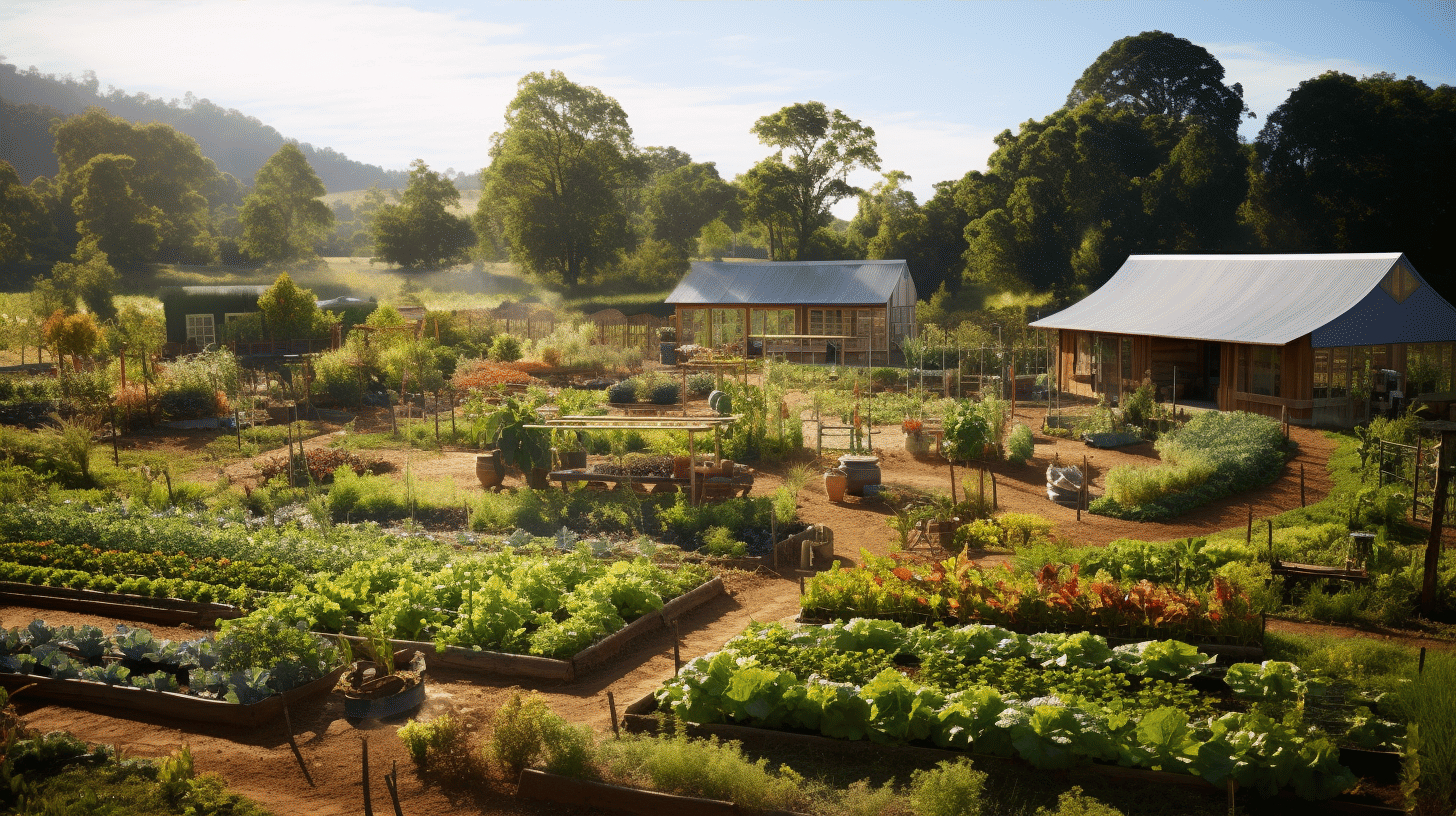
Permaculture design principles offer a holistic and sustainable approach to farming that is gaining traction worldwide. In an era of climate change and ecological degradation, farmers are seeking innovative ways to ensure the resilience and longevity of their agricultural systems. Permaculture provides a framework for designing farms that mimic natural ecosystems, with the aim of creating regenerative and self-sustaining operations.
By integrating ecological principles and observing patterns in nature, permaculture design principles can be applied to any scale of farming, from small-scale urban gardens to vast rural landscapes. This article explores the foundational concepts of permaculture design and demonstrates how they can be effectively implemented in farming practices.
In this article, we will delve into the following topics:
- The universality and core ethics of permaculture design principles
- The key principles of permaculture design, including observation and interaction, catching and storing energy, obtaining a yield, self-regulation and feedback, and maximizing connections
- The application of permaculture design principles in different farming methods and business designs
- The diverse benefits of applying permaculture principles, including enhanced biodiversity and ecological health.
Through case studies, we will also highlight successful examples of farms that have embraced permaculture design principles, showcasing the positive impact they can have on agricultural systems.
By adopting permaculture design principles, farmers can create resilient, regenerative, and sustainable farms that not only produce vibrant and nutritious food but also contribute positively to the environment. So let’s dive in and explore the fascinating world of permaculture and its potential for transforming our farming practices.
What are Permaculture Design Principles?
Permaculture design principles are a set of guidelines that help us create sustainable and regenerative systems that work in harmony with nature. They provide a framework for designing and building resilient landscapes that can meet the needs of both people and the environment. Permaculture principles can be applied to a variety of contexts, from small-scale gardens to large-scale agriculture, urban planning, and even social and economic systems.
Universal Applicability
One of the remarkable aspects of permaculture design principles is their universal applicability. They can be applied to any location, climate, and culture, making them accessible and adaptable for people all around the world. Whether you live in a tropical rainforest, a desert, or a temperate climate, the principles remain relevant and effective.
Diversity
Permaculture design emphasizes the importance of biodiversity and the value of incorporating a wide range of species and elements into a system. By embracing diversity, we can create resilient and self-sustaining ecosystems that can adapt to changing conditions and provide abundance in the long term.
Understanding Permaculture Design
Permaculture design is a holistic approach to creating sustainable systems that mimic the patterns and relationships found in nature. By observing and interacting with natural ecosystems, permaculture practitioners aim to design self-sufficient, regenerative systems that not only benefit humans but also the environment as a whole. This article explores some key principles of permaculture design and how they contribute to a more sustainable future.
Observation and Interaction
At the heart of permaculture design is the principle of observation and interaction. By closely studying natural patterns, permaculturists gain crucial insights into how ecosystems function and thrive. This observation allows them to understand and respect the inherent qualities of different elements within a system, enabling them to work in harmony with nature rather than against it.
Catching and Storing Energy
Another fundamental principle of permaculture design is catching and storing energy. This involves recognizing and harnessing various forms of energy, such as sunlight, rainwater, and wind, to create sustainable systems. By utilizing renewable resources and implementing efficient storage methods, permaculturists can minimize waste and maximize energy use within their designs.
Obtaining a Yield
Permaculture design emphasizes the importance of obtaining a yield from a system. This means that every element within a design should have a purpose and provide some form of benefit. Whether it’s growing food, producing renewable energy, or enhancing biodiversity, obtaining a yield ensures that each component of the system contributes to its overall productivity and resilience.
Self-Regulation and Feedback
Self-regulation and feedback are key principles in permaculture design, ensuring that systems can adapt and evolve over time. By implementing feedback loops and monitoring the performance of a design, permaculturists can make necessary adjustments to optimize efficiency and productivity. This constant feedback allows the system to self-regulate and maintain equilibrium, reducing the need for external interventions.
Maximizing Connections
Maximizing connections is a crucial principle in permaculture design that seeks to create harmonious relationships between different components of a system. By fostering mutually beneficial interactions, such as companion planting or integrating animals into food production systems, permaculturists can enhance the overall resilience and productivity of the design. This interconnectedness maximizes resource utilization and minimizes waste, creating a more sustainable and self-sufficient system.
In conclusion…
Permaculture design is a powerful tool for creating sustainable and resilient systems that mimic the natural world. By observing and interacting with nature, catching and storing energy, obtaining a yield, applying self-regulation and feedback, and maximizing connections, permaculturists can design systems that benefit both humans and the environment. Whether it’s designing productive gardens, regenerative farms, or sustainable communities, permaculture offers a roadmap to a more sustainable and regenerative future.
Application of Permaculture
Permaculture is a holistic approach to land management and design that focuses on creating sustainable and self-sufficient systems. It offers a wide range of applications, from small-scale gardens to large-scale farms. Let’s explore how permaculture principles can be applied across different scales and sectors.
Scalability
One of the beautiful aspects of permaculture is its scalability. Whether you have a tiny backyard garden or a vast farm, the principles and techniques of permaculture can be adapted to suit your needs. Here are a few examples:
- Small-scale gardens: Permaculture principles can be applied to urban gardens or even small balconies. Key concepts like companion planting, natural pest control, and water-wise irrigation techniques can help maximize productivity and create a harmonious ecosystem in limited spaces.
- Medium-sized properties: If you have a larger plot of land, you can take permaculture to the next level. Designing food forests, implementing regenerative agricultural practices, and incorporating animals into the system can enhance sustainability and productivity.
- Large-scale farms: Permaculture principles can be scaled up to meet the demands of commercial farming. By integrating diverse crops, incorporating agroforestry, and utilizing natural pest control methods, permaculture offers a viable alternative to conventional farming practices. It not only promotes ecological health but also reduces reliance on external inputs.
Farming Methods
Permaculture aligns well with various farming methods that prioritize sustainability and environmental stewardship. Here are a few farming methods that are in line with permaculture principles:
- Organic farming: Permaculture and organic farming go hand in hand. Both approaches emphasize the use of natural fertilizers, efficient water management, and biodiversity conservation. By following organic practices, farmers can reduce their environmental footprint and produce healthier and more nutritious food.
- Biodynamic farming: Biodynamic farming takes organic principles a step further by incorporating spiritual and holistic concepts into farming practices. This method emphasizes the integration of livestock, composting, and the use of specific herbal preparations to enhance soil fertility and overall farm resilience. Permaculture principles complement biodynamic farming by providing a comprehensive framework for farm design and management.
- Regenerative farming: Regenerative farming is a rapidly emerging practice that focuses on rebuilding soil health and sequestering carbon. By employing techniques such as cover cropping, crop rotation, and minimal tillage, regenerative farmers can restore degraded land, enhance ecosystem services, and create productive and resilient farms.
Business Design
Permaculture principles extend beyond land management and can be applied to business design as well. By incorporating ethics such as care for the Earth, care for people, and fair distribution of resources, permaculture offers a valuable framework for creating sustainable and profitable businesses. Here are a few ways permaculture principles can be integrated into business design:
- Local and community-oriented: Permaculture encourages the development of local economies and strengthens community ties. Business models that prioritize local sourcing, collaboration with local artisans and farmers, and community engagement can align with permaculture values and contribute to the well-being of both people and the planet.
- Closed-loop systems: Permaculture emphasizes the concept of closing resource loops and minimizing waste. Businesses can adopt strategies like recycling, repurposing, and upcycling to reduce their environmental impact and create a circular economy.
- Regenerative practices: Just as in farming, businesses can embrace regenerative practices to give back to the environment. By setting sustainability goals, minimizing energy consumption, and offsetting carbon emissions, businesses can contribute to a healthier planet while also benefiting their bottom line.
Permaculture principles offer a comprehensive framework for creating sustainable and resilient systems across various scales and sectors. Whether it’s in the garden, on the farm, or in the business world, applying permaculture principles can lead to more sustainable practices, increased productivity, and a healthier planet for future generations.
Benefits of Permaculture Design
Permaculture design offers a range of benefits that promote ecological health, diversity, and sustainability. By following natural principles and patterns found in ecosystems, permaculture aims to create self-sustaining systems that both benefit humans and the environment. Let’s explore two key benefits of permaculture design: diversity and health, and ecological principles.
Diversity and Health
Permaculture design embraces biodiversity and recognizes the importance of diverse ecosystems for optimal health and productivity. Here’s why diversity is a key benefit of permaculture:
- Resilience: Diverse systems are more resilient to changes and disturbances. By incorporating a variety of plants, animals, and microorganisms, permaculture designs can better withstand pests, diseases, and climate fluctuations.
- Food Security: Permaculture design promotes growing a wide range of crops and integrating them into a mutually beneficial ecosystem. This multi-layered approach ensures a more abundant and varied food supply, reducing dependence on monoculture and increasing food security.
- Natural Pest Management: In a diverse system, pest outbreaks are less likely due to the presence of natural predators and the ability of plants to protect each other. By avoiding the use of synthetic chemicals, permaculture design fosters natural pest control mechanisms.
- Enhanced Soil Fertility: Different plants have varied nutrient requirements, root structures, and growth patterns. By diversifying plant species, permaculture design can optimize soil fertility and nutrient cycling, reducing the need for chemical fertilizers.
Ecological Principles
Permaculture design is rooted in ecological principles, drawing inspiration from nature’s patterns and processes. Here are some key ecological principles that benefit permaculture systems:
- Conservation of Resources: Permaculture design aims to reduce waste and resource consumption by utilizing renewable resources, recycling organic matter, and capturing and reusing water through techniques like rainwater harvesting and graywater systems.
- Cyclical Systems: Permaculture systems mimic the cycles found in nature, such as the water cycle, nutrient cycling, and energy flows. By designing closed-loop systems, permaculture maximizes resource efficiency and minimizes environmental impact.
- Regeneration and Restoration: Permaculture design actively works towards regenerating and restoring degraded landscapes and ecosystems. Techniques like agroforestry, keyline design, and soil regeneration practices help revitalize ecosystems and increase their productivity.
- Symbiotic Relationships: Permaculture design promotes creating harmonious relationships between different elements in a system. For example, companion planting encourages mutually beneficial interactions between plants, while integrating livestock into the system provides natural fertilization and weed control.
Permaculture design offers a holistic approach to land management, incorporating ecological principles and diversity to create sustainable and resilient systems. By implementing permaculture practices, we can promote healthy ecosystems, increase food security, and reduce our impact on the environment.
Case Studies
Numerous case studies are available that showcase successful permaculture projects. These real-world examples demonstrate the effectiveness of permaculture principles and practices across various locations and contexts. From small-scale urban gardens to large-scale agricultural operations, permaculture has shown its potential for sustainable and regenerative design.
1. Example One: Urban Permaculture Garden
One inspiring case study is the transformation of a barren urban lot into a thriving permaculture garden. Located in the heart of a bustling city, this project demonstrates how permaculture can be applied in limited spaces to create productive and beautiful ecosystems. Some key features of this urban permaculture garden include:
- Utilization of vertical gardening techniques to maximize space
- Integration of rainwater harvesting systems for irrigation
- Designing with edible plants, medicinal herbs, and ornamental species
- Creation of composting systems for nutrient-rich soil
- Incorporation of bee-friendly habitat and pollinator plants
As a result of implementing these permaculture principles, this urban garden has become a vibrant oasis that contributes to local food production, biodiversity, and community engagement.
Read more about this inspiring urban permaculture garden
2. Example Two: Regenerative Agriculture Farm
Another compelling case study is the application of permaculture principles in a regenerative agriculture farm. This project showcases how permaculture can transform conventional farming practices into sustainable and ecologically sound systems. The farm implements a range of permaculture strategies, including:
- Agroforestry techniques for increased biodiversity and soil health
- Integration of livestock to enhance nutrient cycling and land management
- Use of cover crops and crop rotation for soil fertility and weed control
- Implementation of on-site water management systems such as swales and ponds
- Adoption of regenerative grazing practices to improve pasture health
By embracing permaculture principles, this farm has not only increased its agricultural productivity but has also improved the environmental resilience of the surrounding ecosystem.
Learn more about this innovative regenerative agriculture farm
3. Example Three: Community Permaculture Project
A third noteworthy case study is the establishment of a community permaculture project. This initiative demonstrates how permaculture can bring people together to create sustainable and thriving environments. Some key elements of this community permaculture project include:
- Collective decision-making and participatory design processes
- Sharing of resources and knowledge within the community
- Creation of food forests and community gardens for local food production
- Integration of renewable energy systems for self-sufficiency
- Engagement with schools and educational programs to promote awareness and skills
Through the implementation of permaculture principles at a community level, this project has fostered social cohesion, empowered individuals, and improved the overall well-being of the participants.
Explore the transformative impact of this community permaculture project
These case studies serve as compelling evidence of the wide-ranging benefits and applicability of permaculture. They highlight the potential for permaculture to address contemporary issues such as food security, environmental degradation, and community resilience. By studying these successful examples, individuals and communities can gain valuable insights and inspiration for implementing permaculture principles in their own contexts.
Conclusion
In conclusion, permaculture design principles are a holistic approach to farming that prioritize sustainability, resilience, and environmental stewardship. By observing and interacting with nature, catching and storing energy, obtaining yields, self-regulating and receiving feedback, and maximizing connections, farmers can create thriving ecosystems that mimic the natural world. Permaculture is applicable to farms of all sizes and can be integrated into various farming methods and business designs.
The benefits of implementing permaculture design on farms are diverse and far-reaching. From promoting biodiversity and soil health to reducing reliance on external inputs and increasing overall farm productivity, permaculture offers a multitude of advantages for both the environment and farmers alike.
At Regenerative Agriculture Wiki, we are passionate about promoting regenerative farming practices like permaculture. Explore our platform to discover more in-depth content, tips, case studies, and comprehensive guides on this topic and many more. Let’s work together to create a future where agriculture and ecology thrive in harmony. Join us in fostering sustainable and regenerative farming practices that contribute to global food security. Together, we can make a difference.
Frequently Asked Questions
- What are the key permaculture design principles for resilient sustainable farms?
Some key permaculture design principles for resilient sustainable farms include observation and interaction, multiple functions, diversity, edge effect, and self-regulation.
- Why is observation and interaction important in permaculture design?
Observation and interaction are important in permaculture design as they allow farmers to understand the natural patterns and processes of their farm, while actively engaging with the environment and making informed decisions based on their observations.
- What is the significance of incorporating multiple functions in permaculture design?
Incorporating multiple functions means that each element in a permaculture farm serves more than one purpose. This helps optimize space and resources while promoting efficiency and productivity.
- Why is diversity important in permaculture farming?
Diversity is important in permaculture farming as it ensures the resilience and stability of the farm ecosystem. By having a variety of plant and animal species, it enhances natural pest control, nutrient cycling, and overall ecosystem health.
- What is the edge effect in permaculture design?
The edge effect refers to the areas where different ecosystems meet, such as where forest meets a field. These edge areas are especially productive and rich in biodiversity, making them valuable for permaculture farms.