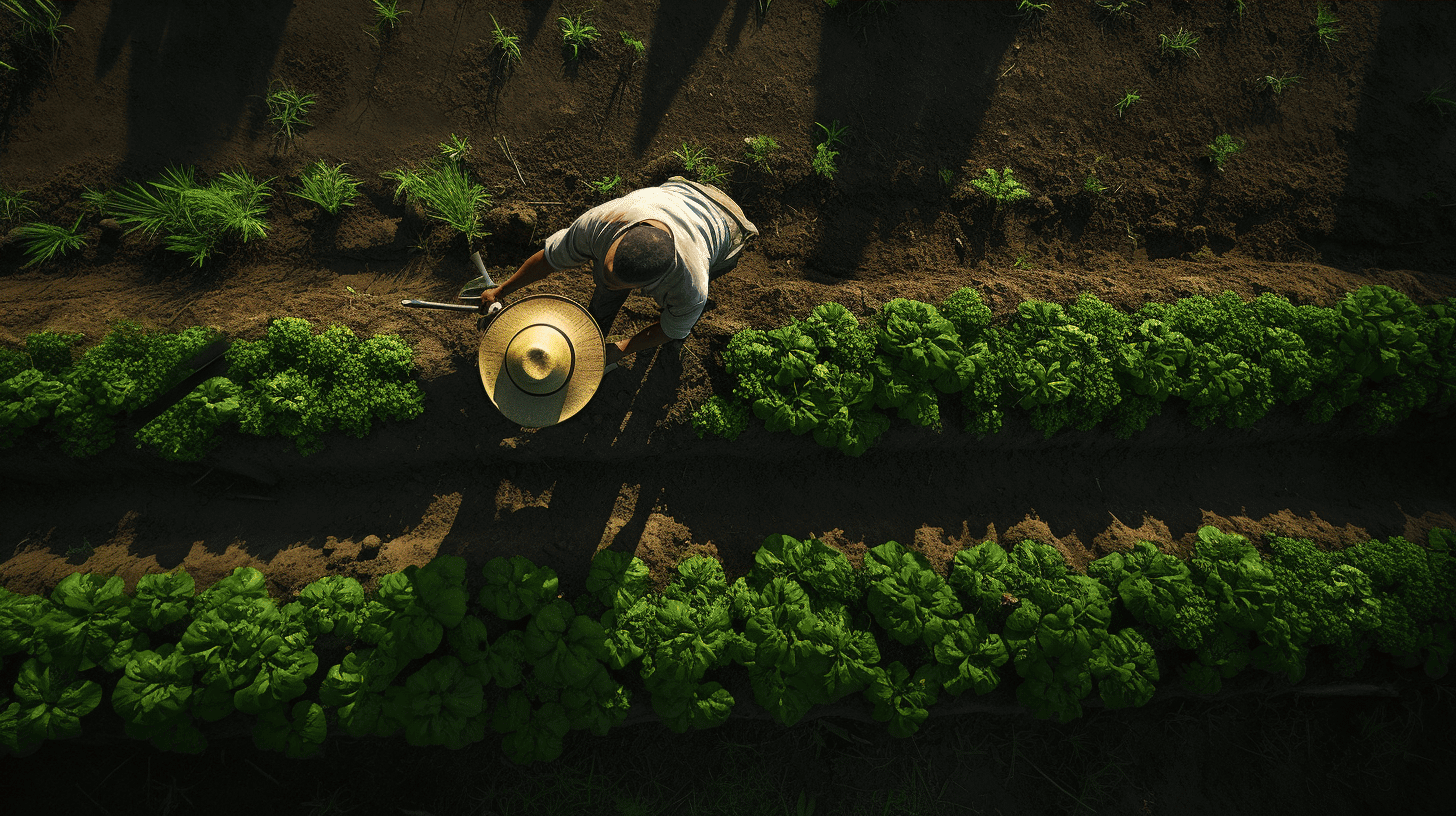
Improving soil health is a critical aspect of sustainable farming practices. By prioritizing the health and quality of their soil, farmers can create a foundation for long-term productivity and environmental stewardship. Healthy soil provides essential nutrients to plants, promotes water filtration and retention, and supports the biodiversity necessary for robust crop growth. In addition, enhancing soil health can reduce reliance on synthetic inputs like fertilizers and pesticides, contributing to both economic and environmental sustainability.
It is important that farmers proactively implement practices that support soil health. This article will explore the key concepts and methods involved in improving soil health and their significance in sustainable farming. We will delve into the indicators of soil health, conservation management techniques, assessment methods, and the soil health gap concept. By understanding these principles, farmers can make informed decisions about implementing soil health practices that are beneficial for their land, crops, and the environment as a whole. So let’s dive in!
Understanding Soil Health
Soil health is crucial for the success of any agricultural operation. Understanding the health of your soil can help you make informed decisions about farming practices and maximize productivity. Healthy soil is not just about fertility; it encompasses a range of factors that contribute to its overall well-being.
Soil Health Indicators
To assess the health of your soil, it’s important to consider various indicators that reflect its condition. Soil health indicators can provide valuable insights into the physical, chemical, and biological properties of the soil. These indicators include:
- Organic matter content: Organic matter is essential for soil fertility and structure. It provides a source of nutrients for plants and improves water holding capacity.
- Soil compaction: Compacted soil limits root growth and restricts water infiltration. Monitoring soil compaction levels is crucial for maintaining optimal soil health.
- Soil pH: Soil pH affects nutrient availability to plants. Different crops thrive under different pH levels, so understanding your soil’s pH is essential for crop selection and management.
- Microbial activity: Soil microbes play a vital role in nutrient cycling and organic matter decomposition. Monitoring microbial activity can indicate the overall biological health of the soil.
These indicators, along with many others, provide a comprehensive picture of soil health and help guide sustainable management practices.
Conservation Management Methods
Conservation management methods are practices aimed at preserving and improving soil health. They involve strategies that minimize soil erosion, enhance soil organic matter, and promote biodiversity. Some commonly used conservation management methods include:
- Cover crops: Planting cover crops between cash crops helps protect the soil from erosion, improves water infiltration, and adds organic matter to the soil.
- No-tillage: Avoiding tilling the soil helps prevent soil erosion, maintains soil structure, and preserves beneficial soil organisms.
- Agro-forestry systems: Integrating trees into agricultural systems can improve soil fertility, provide shade and windbreaks, and enhance biodiversity.
These methods, among others, contribute to building resilient and sustainable agricultural systems while improving soil health.
Soil Health Assessment Methods
Various methods have been developed to assess soil health. These methods provide quantitative measurements and qualitative observations that help evaluate the overall condition of the soil. Some commonly used soil health assessment methods include:
- Soil testing: Soil tests analyze nutrient levels, pH, and other soil properties to provide recommendations for nutrient management.
- Soil respiration: Measuring soil respiration helps assess microbial activity and carbon cycling in the soil.
- Infiltration tests: Infiltration tests measure the rate at which water is absorbed into the soil, providing insights into soil structure and porosity.
By utilizing these assessment methods, farmers and land managers can gain a better understanding of their soil’s health and make informed decisions about management practices.
Soil Health Gap Concept
The Soil Health Gap concept helps estimate the differences in soil health between various management practices. It highlights the potential benefits of adopting conservation management methods and encourages farmers to strive for improved soil health outcomes. By comparing different management scenarios, the Soil Health Gap concept enables farmers to identify areas for improvement and implement strategies to bridge the gap.
Understanding soil health and implementing effective management practices can lead to numerous benefits, including increased crop productivity, enhanced nutrient cycling, and improved water retention. By prioritizing soil health, farmers can build resilient agricultural systems that sustainably support future generations.
Additional Information: The SoilHealthDB includes 42 soil health indicators and 46 background indicators, providing a comprehensive database for assessing soil health. Economic analysis shows the benefits of building soil health, including increased profits and reduced input costs. The SoilHealthDB focuses on four main conservation management methods: cover crops, no-tillage, agro-forestry systems, and nutrient management.
Importance of Soil Health Practices
Soil health is a vital component of sustainable agriculture, playing a critical role in promoting crop productivity, environmental sustainability, and overall farm resilience. Implementing effective soil health practices is key to maintaining and improving the quality of our soils. Here are some compelling reasons why soil health practices are so important:
Effects of Soil Health Practices
Implementing soil health practices has several beneficial effects on agricultural systems. These practices enhance soil fertility, structure, and nutrient cycling, promoting healthier plant growth. They also minimize soil erosion, reduce nutrient runoff, and improve water infiltration and retention. By implementing soil health practices, farmers can:
- Increase crop yields and improve overall productivity.
- Enhance soil organic matter content, leading to improved soil structure and water-holding capacity.
- Reduce the need for synthetic fertilizers, pesticides, and irrigation water, resulting in cost savings and environmental benefits.
- Mitigate climate change by sequestering carbon in the soil, contributing to carbon sequestration efforts.
Adoption and Benefits of Soil Health Systems
The adoption of soil health systems has gained significant attention in recent years due to its proven advantages. Numerous studies and on-farm demonstrations have provided evidence of the benefits associated with implementing soil health practices. These benefits include:
- Improved crop resilience: Healthy soils are better equipped to withstand environmental stressors such as droughts, floods, and extreme temperatures. By implementing soil health practices, farmers can enhance their crops’ resilience, reducing the risk of yield loss and ensuring more consistent yields.
- Ecosystem services: Healthy soils support a wide range of ecosystem services. They facilitate nutrient cycling, support diverse soil microbial communities, and enhance biodiversity. By promoting soil health, farmers contribute to the overall health of the surrounding ecosystem and provide habitats for beneficial insects, birds, and other wildlife.
- Water quality improvement: Soil health practices, such as cover cropping and reduced tillage, help reduce nutrient runoff into nearby water bodies. By minimizing nutrient losses, these practices contribute to improved water quality and protect aquatic ecosystems from pollution.
Resilience and Ecosystem Services
The adoption of soil health practices offers long-term benefits to agricultural systems by improving their resilience and supporting essential ecosystem services. Recent advances in modeling techniques and satellite imagery have enhanced our understanding of the benefits of soil health practices, especially in terms of carbon sequestration and climate change mitigation. These advances enable scientists and policymakers to evaluate and quantify the positive impacts of soil health practices and develop targeted strategies for their implementation.
By investing in soil health practices, farmers can enhance the long-term sustainability and profitability of their operations while contributing to environmental conservation efforts. The adoption of these practices not only improves soil quality and fertility but also promotes resilient agricultural systems and supports vital ecosystem services.
Soil health practices are essential for the future of agriculture, and their adoption must be encouraged and supported through education, outreach, and policy incentives. By prioritizing soil health, we can ensure a sustainable and productive agricultural sector that benefits both farmers and the environment.
Key Soil Health Practices
Healthy soil is the foundation of a thriving agricultural system. By implementing key soil health practices, farmers and land managers can improve soil quality, increase productivity, and support sustainable agriculture. In this section, we will explore some of the essential practices that contribute to soil health and ecosystem resilience.
Increase Organic Matter Inputs
One of the fundamental ways to enhance soil health is by increasing organic matter inputs. Organic matter, such as compost, manure, and cover crops, improves the soil’s structure, fertility, and capacity to hold water. It also provides essential nutrients for plant growth and supports a diverse soil microbial community. By incorporating organic matter into the soil, farmers can:
- Enhance nutrient cycling and availability
- Improve water infiltration and retention
- Reduce soil erosion
- Increase carbon sequestration
Plant Diverse Species
Planting diverse species in agricultural systems is not only beneficial for crop production but also for soil health. Diverse plant species contribute to the following soil health benefits:
- Promotes soil biodiversity: Different plants support a wide range of beneficial organisms, including bacteria, fungi, insects, and worms, which enhance the soil’s nutrient cycling, disease suppression, and overall ecosystem stability.
- Increases soil organic matter: Different plant species have varying root lengths, structures, and compositions. This diversity helps to create channels in the soil, improving aeration and root penetration, and increasing organic matter inputs through root exudates and decomposition.
- Reduces pest and disease pressure: Mixing different crops and implementing crop rotations can help break pest and disease cycles, reducing the need for chemical interventions.
Reduce Pesticide Use
Minimizing the use of pesticides is not only important for human health and environmental protection, but also for preserving soil health. Excessive pesticide use can have significant negative impacts on soil biodiversity and beneficial organisms. By implementing integrated pest management practices and reducing dependence on chemical inputs, farmers can:
- Preserve beneficial soil organisms: Beneficial insects, soil microbes, and earthworms play a vital role in maintaining soil health and fertility. Reducing pesticide use helps protect these beneficial organisms from harm.
- Prevent soil contamination: Pesticide residues can persist in the soil and contaminate water sources, posing risks to both human health and ecosystems. By reducing pesticide use, farmers can minimize these potential hazards.
Manage Nutrients
Proper nutrient management is crucial for optimizing crop production and protecting soil health. Applying the right amount and type of fertilizers, based on soil testing and crop nutrient requirements, helps to:
- Prevent nutrient imbalances: Overapplication of fertilizers can lead to nutrient imbalances in the soil, negatively impacting plant growth and soil health. Balanced nutrient management ensures optimal nutrient availability for plants, promoting healthy growth and reducing the risk of nutrient runoff and leaching.
- Protect water quality: Excessive nutrient runoff from agricultural fields can cause water pollution, leading to algal blooms, oxygen depletion, and other detrimental effects on aquatic ecosystems. By managing nutrients efficiently, farmers can minimize nutrient runoff and protect water quality.
Implement No-Till or Reduced-Till Methods
Tillage practices can disrupt soil structure, accelerate erosion, and deplete organic matter. Implementing no-till or reduced-till methods can help mitigate these issues and improve soil health. By reducing or eliminating tillage, farmers can:
- Preserve soil structure: Tillage breaks up soil aggregates and can lead to compaction. No-till or reduced-till practices help maintain soil structure, creating a more stable environment for plant roots and soil organisms.
- Reduce erosion: Tillage exposes bare soil to the erosive forces of wind and water, increasing the risk of soil erosion. No-till or reduced-till methods protect the soil surface with crop residue, minimizing erosion and promoting soil conservation.
- Conserve moisture: Tillage disrupts the soil’s natural moisture-holding capacity, leading to water loss through evaporation. No-till or reduced-till practices help retain moisture in the soil, reducing irrigation needs and improving drought resilience.
Cover Crop Management
Cover crops play a crucial role in soil health and sustainable agriculture. By integrating cover crops into crop rotations, farmers can experience several benefits, including:
- Enhanced soil organic matter: Cover crops add organic matter to the soil when they decompose, improving soil structure, nutrient cycling, and water-holding capacity.
- Weed suppression: Cover crops compete with weeds for resources, reducing weed infestations and the need for chemical herbicides.
- Erosion control: Cover crops protect the soil surface from erosion by intercepting rainfall, reducing runoff, and promoting soil stability with their root systems.
- Nutrient management: Certain cover crops, such as legumes, can fix nitrogen from the atmosphere and make it available for subsequent cash crops, reducing the need for synthetic fertilizers.
By adopting these key soil health practices, farmers and land managers can create a fertile and resilient soil ecosystem, ensuring the long-term sustainability of agricultural systems.
Benefits of Improving Soil Health
Improving soil health is not only beneficial for plants and agriculture but also has a positive impact on the environment. Healthy soil provides a conducive environment for plant growth and contributes to sustainable agriculture practices. Here are some key benefits of improving soil health:
Improved Soil Water Retention
Healthy soil acts like a sponge, capable of holding large amounts of water. This is crucial for plant growth as it ensures that plants have access to adequate moisture even during dry periods. When soil health is improved, it has better water-holding capacity, reducing the risk of drought stress for plants. This is particularly important in regions that experience water scarcity or erratic rainfall patterns.
Enhanced Carbon Transformations
Maintaining carbon transformations in the soil is essential for mitigating climate change. Healthy soil sequesters carbon dioxide from the atmosphere and stores it in organic matter. This helps in reducing greenhouse gas emissions by regulating the carbon cycle. By improving soil health, we can enhance carbon storage capacity and contribute to efforts in combatting climate change.
Optimized Nutrient Cycles
Maintaining nutrient cycles is crucial for the sustainability of agricultural systems. Healthy soil enhances nutrient availability, uptake, and cycling, ensuring that plants receive a consistent supply of essential nutrients. This leads to increased crop productivity and reduces the need for synthetic fertilizers. Additionally, optimized nutrient cycles reduce the risk of nutrient runoff into water bodies, preventing water pollution.
Healthy Soil Structure
Promoting healthy soil structure is essential for optimal root development and nutrient uptake. When soil health is improved, it becomes well-structured with good aggregation, allowing roots to penetrate easily and access nutrients. This results in healthier plants with stronger root systems. A healthy soil structure also improves water infiltration and reduces soil erosion, supporting long-term soil conservation efforts.
Improving soil health is a holistic approach that not only benefits plant growth but also contributes to environmental sustainability. By enhancing soil water retention, carbon transformations, nutrient cycles, and soil structure, we can achieve more resilient agricultural systems and mitigate the impacts of climate change. Investing in soil health is key to ensuring the long-term productivity and sustainability of our agricultural practices.
Conclusion
In conclusion, improving soil health is a crucial practice for sustainable farmers. By implementing soil health practices, farmers can enhance the productivity and resilience of their land while promoting environmental sustainability. The use of regenerative agriculture techniques such as increasing organic matter inputs, planting diverse species, reducing pesticide use, managing nutrients, implementing no-till or reduced-till methods, and practicing cover crop management can lead to a multitude of benefits.
Improved soil water retention, enhanced carbon transformations, optimized nutrient cycles, and healthy soil structure are just a few of the advantages of improving soil health. These benefits promote healthier plant growth, increase soil fertility, and contribute to overall ecosystem health. Adopting sustainable farming practices not only benefits farmers by improving their yields and reducing costs but also plays a significant role in nurturing the environment and ensuring food security for future generations.
If you’re interested in learning more about regenerative agriculture and exploring in-depth content on soil health and sustainable farming practices, visit Regenerative Agriculture Wiki. Our specialized platform offers a wealth of information, insights, and comprehensive guides tailored to the interests of seasoned farmers, environmentalists, food enthusiasts, and anyone curious about sustainable living. Join us in fostering a future where agriculture and ecology thrive in harmony.
Frequently Asked Questions
- What are some essential practices for improving soil health in sustainable farming?
Some essential practices for improving soil health in sustainable farming include cover cropping, crop rotation, organic matter management, reduced tillage, and avoiding the use of synthetic chemicals.
- Why is improving soil health important for sustainable farmers?
Improving soil health is crucial for sustainable farmers as it enhances nutrient cycling, water filtration, carbon sequestration, and promotes biodiversity. Healthy soil leads to increased crop productivity, reduces the need for chemical inputs, and helps mitigate climate change.
- How can cover cropping improve soil health?
Cover cropping involves growing crops specifically for the purpose of enriching the soil. Cover crops help prevent soil erosion, increase soil organic matter, enhance soil structure, and provide habitat for beneficial organisms.
- What are the benefits of crop rotation for soil health?
Crop rotation helps break pest and disease cycles, improves soil fertility, reduces soil erosion, and enhances nutrient availability. By alternating different crops in a planned sequence, farmers can maintain and improve soil health.
- Why is reduced tillage beneficial for soil health?
Reduced tillage minimizes soil disturbance, thus preserving soil structure, preventing erosion, and reducing nutrient loss. It helps retain soil moisture, promotes earthworm activities, and improves overall soil health.