Regenerative agriculture is revolutionizing the way we approach farming and land management. With its focus on sustainability and ecological restoration, regenerative techniques offer a promising solution to the environmental challenges we face today. By adopting regenerative practices, farmers can not only improve their yields but also contribute to a healthier planet.
In this article, we will delve into the world of regenerative farming and explore its environmental, nutritional, and socio-economic benefits. We will also discuss the potential market growth and adoption rates of these practices. Additionally, we will touch on the costs and investments associated with implementing regenerative techniques.
Whether you’re a farmer, a consumer, or simply someone interested in sustainable agriculture, this article aims to shed light on the importance and impact of regenerative agriculture. So, let’s begin the journey toward a more sustainable and resilient future!
Overview of Regenerative Agriculture
Regenerative agriculture is gaining momentum as a sustainable and environmentally friendly approach to farming. By focusing on soil health, biodiversity, and natural resource conservation, regenerative agriculture aims to not only sustain but also improve the productivity of farmland. With increasing concerns about climate change and the need for sustainable food production, regenerative agriculture offers a promising solution. In this article, we will delve into the growth potential of the regenerative agriculture market and explore its current adoption rates and yield increase potential.
Market Growth and Potential
The regenerative agriculture market is poised for significant growth in the coming years. According to a report, the global regenerative agriculture market is projected to reach a staggering $16.8 billion by 2027, with a compound annual growth rate (CAGR) of 14.0% from 2022. This surge in market size is a testament to the increasing demand for sustainable agricultural practices and the growing recognition of the benefits associated with regenerative agriculture.
Current Adoption and Yield Increase Potential
Regenerative practices are already gaining traction, particularly in North America. It is reported that regenerative techniques are implemented on 63% of farms in this region. This widespread adoption is a result of farmers recognizing the long-term benefits of regenerative practices, such as improved soil fertility, water retention, and natural pest management. By implementing these practices, farmers are not only preserving their land for future generations but also positioning themselves to meet the demands of a more sustainable and ecologically conscious market.
Beyond the environmental benefits, regenerative agriculture also has the potential to increase yields. Studies have shown that implementing regenerative techniques could lead to a 13% increase in yields by 2040. This increase is substantial and highlights the productivity gains that can be achieved through regenerative practices. By prioritizing soil health and biodiversity, farmers can enhance nutrient availability, reduce reliance on synthetic inputs, and mitigate the impacts of climate change-induced extreme weather events.
In conclusion, regenerative agriculture presents an exciting opportunity for the agricultural industry to address the challenges of climate change, biodiversity loss, and sustainable food production. With a booming market and already widespread adoption, the potential for regenerative agriculture to not only sustain but also enhance the productivity of farmland is becoming increasingly evident. As we move towards a more sustainable future, embracing regenerative agriculture practices will undoubtedly play a crucial role in building resilient agricultural systems.
Environmental Benefits of Regenerative Farming
Regenerative farming is not just a passing trend but a powerful practice that can have a positive impact on the environment. By adopting regenerative farming methods, farmers can contribute to reducing greenhouse gas emissions, eliminating the use of harmful synthetic pesticides and fertilizers, and improving soil health and biodiversity. These benefits not only improve the quality of our food but also help combat climate change and preserve ecosystems.
Reduced GHG Emissions
One of the key environmental benefits of regenerative farming is the reduction of greenhouse gas (GHG) emissions. Traditional agricultural practices, such as excessive tilling and the use of synthetic fertilizers, contribute significantly to GHG emissions, particularly carbon dioxide (CO2) and nitrous oxide (N2O).
Through regenerative practices such as cover cropping, rotational grazing, and agroforestry, farmers can sequester carbon in the soil and reduce the release of CO2 into the atmosphere. Studies have shown that regenerative farming practices can help capture and store more carbon in the soil, making it a powerful tool in mitigating climate change.
Elimination of Synthetic Pesticides and Fertilizers
In conventional farming, the use of synthetic pesticides and fertilizers is common practice to control pests and boost crop yields. However, these chemicals can have detrimental effects on the environment, including water pollution, soil degradation, and harm to beneficial insects and wildlife.
Regenerative farming takes a different approach by avoiding the use of synthetic pesticides and fertilizers. Instead, farmers focus on natural pest management techniques, such as crop rotation, biological pest control, and the use of organic fertilizers like compost and manure. By eliminating the use of these harmful chemicals, regenerative farming helps protect the ecosystem and promotes the health of pollinators and other beneficial organisms.
Improved Soil Health and Biodiversity
The health of our soil is vital for food production, water filtration, and carbon sequestration. Unfortunately, conventional farming practices can degrade soil quality over time, leading to erosion, nutrient depletion, and loss of biodiversity.
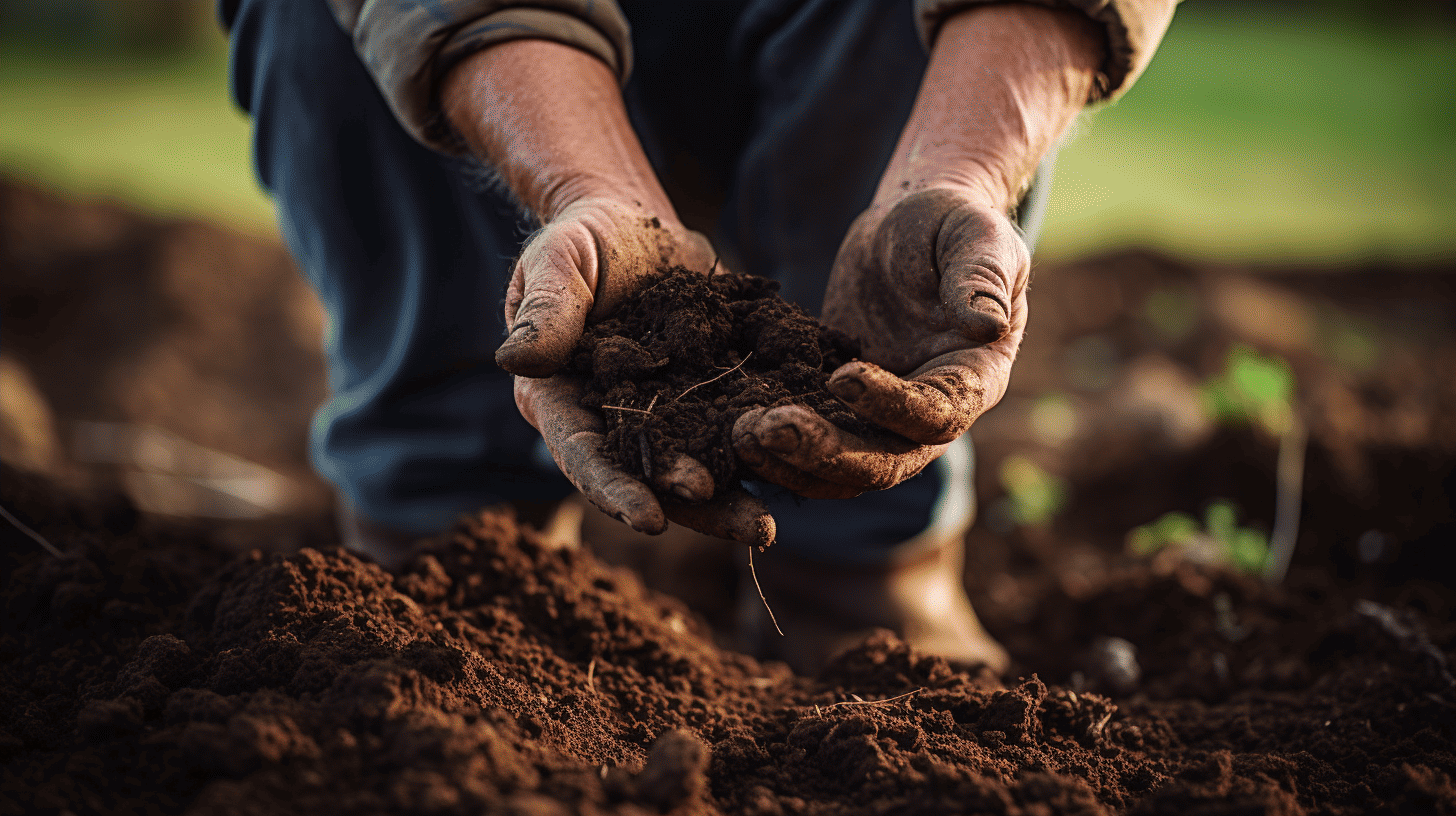
Regenerative farming principles, such as minimal soil disturbance, cover cropping, and the integration of livestock, work to improve soil health and structure. These practices increase soil organic matter, enhance water-holding capacity, and promote beneficial soil microorganisms, thus creating a more resilient and productive agricultural system.
Moreover, regenerative farming promotes biodiversity by providing habitat for native plants and wildlife. The use of diverse crop rotations, hedgerows, and conservation areas encourages the presence of beneficial insects, birds, and other wildlife species. The preservation of biodiversity is critical for maintaining ecosystem balance and resilience.
In conclusion, regenerative farming practices offer significant environmental benefits. By adopting these methods, farmers can help reduce greenhouse gas emissions, protect ecosystems, and improve soil health. Encouraging the widespread adoption of regenerative farming is crucial for building a sustainable and resilient agricultural system that supports both people and the planet.
Nutritional and Socio-economic Benefits
Regenerative Agriculture not only has environmental benefits but also offers significant nutritional and socio-economic advantages. By focusing on soil health and biodiversity, regenerative practices enhance the nutritional content of the food we consume. Additionally, they create new income streams for farmers and stimulate investments in rural economies.
Higher Nutritional Content
One of the key benefits of regenerative agriculture is the higher nutritional content found in the food grown using these practices. Here’s how regenerative agriculture contributes to the nutritional quality of our food:
- Enhanced Soil Health: Regenerative practices, such as cover cropping, crop rotation, and organic fertilization, improve soil fertility and nutrient availability. This results in plants that are more nutrient-dense and have a higher content of vitamins, minerals, and antioxidants. When we consume food that is grown in healthy, nutrient-rich soil, we reap the benefits of these essential nutrients.
- Increased Biodiversity: Regenerative agriculture promotes biodiversity in farming systems. This means that the crops grown are more diverse, leading to a wider variety of nutrients in our diet. Biodiverse farming systems provide a range of micronutrients and phytochemicals that contribute to a balanced and nutritious diet.
Quoting studies on the nutritional benefits of regenerative agriculture, “Increasing the amount of organic matter in the soil, managing nutrient cycles, and reducing chemical inputs can lead to enhanced nutrient content in agricultural products.”
New Income Streams and Rural Economy Investments
Regenerative agriculture not only benefits our health but also supports the economic well-being of farming communities. Here’s how regenerative practices create new income streams and stimulate investments in rural economies:
- Value-added Products: By adopting regenerative practices, farmers can diversify their product offerings. For example, they can produce organic fruits and vegetables, grass-fed beef, or specialty crops. These value-added products often fetch higher prices in the market, allowing farmers to tap into new income streams.
- Marketing Opportunities: With the growing consumer demand for sustainably produced food, farmers practicing regenerative agriculture can market their products as environmentally friendly and socially responsible. This provides them with a competitive edge and access to niche markets that are willing to pay a premium for their products.
- Job Creation: Regenerative agriculture requires skilled labor and employs a more hands-on approach to farming. This creates job opportunities in rural communities and helps revitalize local economies. From farm workers to food processors and distributors, regenerative agriculture contributes to job creation throughout the food system.
Investing in regenerative agriculture not only benefits individual farmers but also has broader socio-economic impacts. According to research, the socio-ecological benefits of regenerative agriculture have an estimated annual economic value of at least €8.5 billion.
In conclusion, regenerative agriculture not only improves the nutritional content of our food but also offers economic opportunities and investments in rural economies. By embracing regenerative practices, we can foster a healthier society and sustainable agricultural systems that benefit both people and the planet.
Cost and Investment of Implementing Regenerative Practices
One of the primary concerns for farmers considering the implementation of regenerative practices is the cost involved. While the long-term benefits of regenerative agriculture are well-documented, it’s important to understand the initial investment required to transition to these sustainable farming techniques. Let’s take a closer look at the cost and investment considerations associated with implementing regenerative practices.
Understanding the Short-term Investment Requirement
Transitioning from conventional farming methods to regenerative practices may require some upfront financial investment. However, it is essential to view these costs as an investment in the long-term sustainability and profitability of the farm. Here are some key factors to consider when assessing the short-term investment requirement for implementing regenerative practices:
- Transition Period: The transition period from conventional to regenerative farming practices may vary depending on the current state of the farm’s soil health and management practices. This transition period involves a shift in farming techniques, which may require additional resources such as cover crops, organic amendments, or specialized equipment.
- Training and Education: Farmers who are new to regenerative practices may need to invest in training and education programs to learn the principles and techniques associated with this approach. By acquiring the necessary knowledge and skills, farmers can effectively implement regenerative practices and maximize their outcomes.
- Infrastructure and Equipment: In some cases, implementing regenerative practices may require farmers to invest in new infrastructure or equipment. For example, setting up regenerative irrigation systems or purchasing specialized equipment for cover cropping may involve additional costs. However, these investments often result in long-term savings and improved farm efficiency.
Assessing the Return on Investment
Beyond the initial costs of implementation, it’s crucial to consider the potential return on investment (ROI) associated with regenerative practices. While ROI will vary depending on factors such as farm size, location, and market conditions, there are several areas where regenerative agriculture can yield financial benefits:
- Input Cost Reduction: By eliminating or reducing the reliance on synthetic pesticides, fertilizers, and herbicides, regenerative farming can significantly reduce input costs over time. This reduction in expenses can have a positive impact on the farm’s profitability.
- Improved Soil Health: Regenerative practices focus on enhancing soil health through practices such as cover cropping, crop rotation, and minimal tillage. These practices can result in increased soil fertility and nutrient availability, leading to healthier, more productive crops.
- Market Demand for Sustainable Products: With the growing consumer demand for sustainably produced food, regenerative farmers are well-positioned to capture premium market prices for their products. By meeting the increasing demand for environmentally friendly and ethically produced food, farmers can tap into new market opportunities and potentially increase their revenue streams.
Long-term Profitability and Sustainability
While the initial investment may seem daunting, it’s important to consider the long-term profitability and sustainability benefits of implementing regenerative practices. By focusing on soil health, biodiversity, and ecosystem resilience, regenerative agriculture can create a foundation for sustainable and profitable farming operations.
Moreover, it’s worth noting that various government programs, grants, and subsidies are available to support farmers in transitioning to regenerative practices. These financial incentives can help offset the initial costs and make the adoption of regenerative agriculture more accessible and economically viable.
In conclusion, while transitioning to regenerative agricultural practices may require an initial investment, the potential long-term benefits far outweigh the costs. The improved soil health, reduced input costs, and market opportunities associated with regenerative farming make it a financially attractive proposition for forward-thinking farmers looking to build a sustainable and profitable future for their operations.
Frequently Asked Questions
- What are regenerative techniques in sustainable farming?
Regenerative techniques in sustainable farming involve practices that aim to restore and improve soil health, biodiversity, and ecosystem functions. These techniques include cover cropping, crop rotation, agroforestry, conservation tillage, composting, and holistic grazing.
- Why are regenerative techniques important for sustainable farming?
Regenerative techniques are important for sustainable farming because they help to improve soil fertility and structure, enhance water retention, reduce erosion and nutrient runoff, promote biodiversity, sequester carbon, and increase overall farm resilience and productivity.
- What are the benefits of implementing regenerative techniques in farming?
Benefits of implementing regenerative techniques in farming include increased soil organic matter, improved nutrient cycling, reduced dependency on synthetic inputs, enhanced crop yields, improved water quality, increased carbon sequestration, and improved overall ecosystem health.
- How can I implement regenerative techniques on my farm?
To implement regenerative techniques on your farm, you can start by minimizing or eliminating chemical inputs, adopting cover cropping and crop rotation practices, implementing conservation tillage, integrating livestock into your system, and using compost and organic matter to improve soil health.
- Are regenerative techniques applicable to all types of farming?
Yes, regenerative techniques are applicable to various types of farming, including organic, conventional, small-scale, and large-scale operations. These techniques can be adapted and implemented based on the specific needs and goals of each farm.