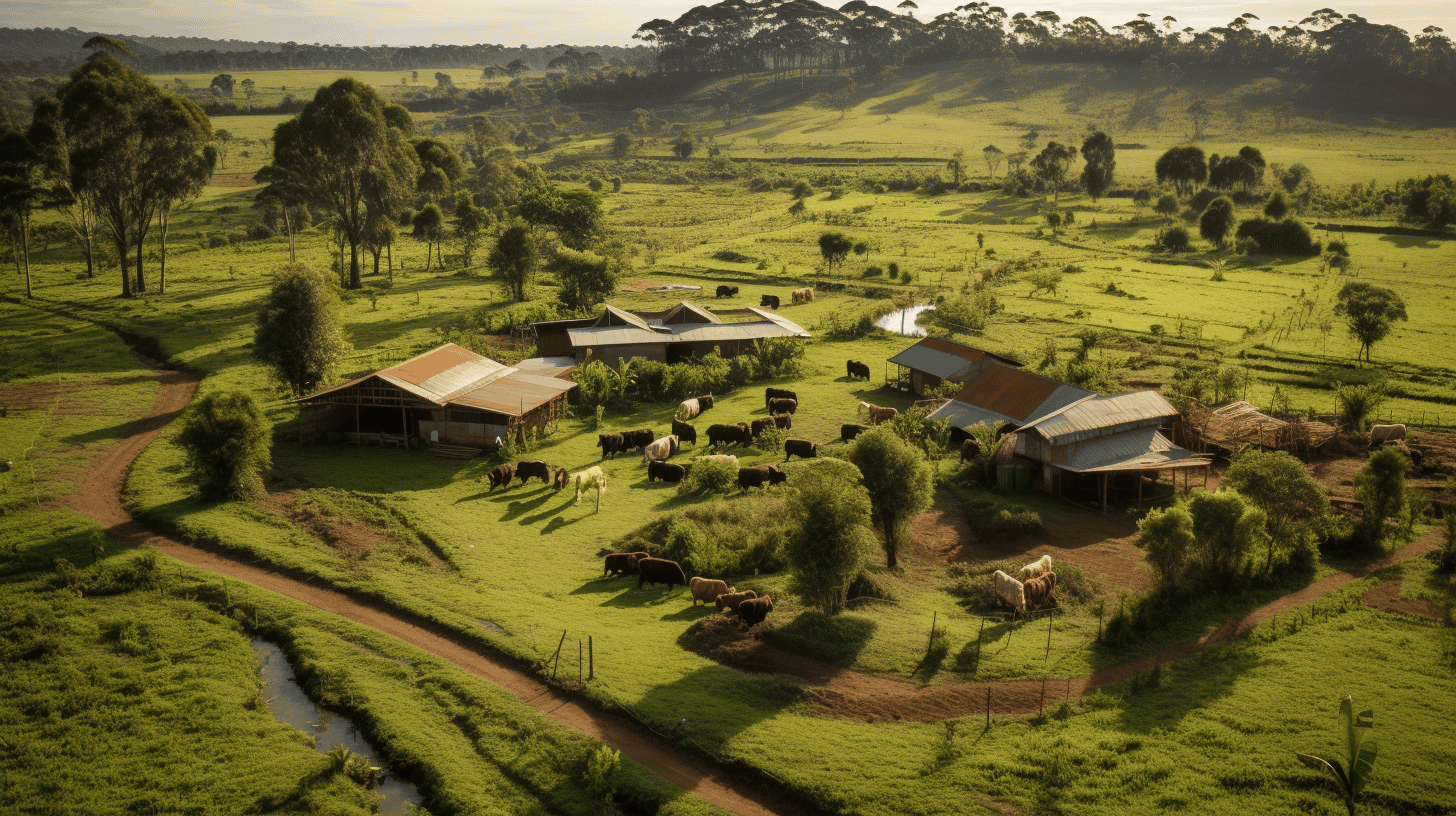
Agriculture has been the backbone of human civilization for centuries, providing us with abundant food, fibers, and raw materials. However, the traditional methods of farming have often taken a toll on the environment, leading to soil degradation, deforestation, and increased greenhouse gas emissions. As we face the challenges of climate change and the need for sustainable practices, innovative approaches to agriculture are gaining traction.
One such approach is agroforestry, a land management system that integrates trees, crops, and livestock on the same piece of land. This practice not only enhances biodiversity but also offers numerous economic and environmental benefits. Another promising technique is silvopasture, which combines trees, forage crops, and livestock grazing to create a sustainable and productive ecosystem.
In this article, we will delve into the advancements in agroforestry and silvopasture, exploring their potential to transform agriculture and contribute to a greener and more sustainable future. We will examine the key findings related to the adoption of agroforestry and discuss the significance of increased adoption rates in realizing these innovative practices. Additionally, we will highlight the inherent benefits of adopting silvopasture, including environmental, climate, and economic advantages.
By understanding and embracing these agroforestry and silvopasture practices, farmers can contribute to a more resilient and sustainable food production system, while also mitigating the impacts of climate change. Let us now embark on this journey of exploration, discovering the potential of these transformative agricultural techniques.
Understanding Agroforestry – An Overview
Agroforestry is a sustainable land management practice that combines the cultivation of trees or shrubs with agricultural crops or livestock. In this article, we will delve into the world of agroforestry and explore its benefits and applications.
Agroforestry is not a new concept; it has been practiced by indigenous cultures for centuries. However, in recent years, it has gained attention as an effective and environmentally-friendly approach to agriculture.
The Principles of Agroforestry
At its core, agroforestry seeks to mimic natural ecosystems by integrating trees, crops, and livestock. This combination brings several benefits, including:
- Enhanced Biodiversity: Agroforestry systems create diverse habitats that support a wide range of plant and animal species.
- Improved Soil Health: The roots of trees and shrubs in agroforestry systems help improve soil structure, prevent erosion, and increase organic matter content.
- Climate Change Mitigation: Trees in agroforestry systems sequester carbon dioxide, a major greenhouse gas, helping to mitigate climate change.
- Increased Resilience: Agroforestry systems are more resistant to extreme weather events and pests, thanks to the diversity and complexity they offer.
Types of Agroforestry Systems
Agroforestry encompasses a wide range of practices, each tailored to specific environmental conditions and desired outcomes. Some common types of agroforestry systems include:
- Silvopasture: This system combines trees, forage crops, and livestock, offering shade for the animals, food for the livestock, and additional income through timber or non-timber products.
- Alley Cropping: In alley cropping, rows of trees or shrubs are planted with wide alleys in between, allowing for the cultivation of crops. This system maximizes land use and protects the crops from wind and sun damage.
- Forest Farming: Forest farming involves growing crops under a forest canopy, utilizing the shade and nutrient-rich soil. It is particularly suitable for growing shade-tolerant crops like mushrooms, ginseng, and some medicinal herbs.
- Windbreaks: Windbreaks are rows of trees planted along the perimeter of agricultural fields to reduce wind speed, protect crops from wind damage, and provide habitat for beneficial insects and birds.
The Benefits of Agroforestry
Agroforestry offers a multitude of benefits, making it an attractive practice for farmers and landowners. Here are some key advantages:
- Improved Yields: Agroforestry systems can increase crop yields by enhancing soil fertility, reducing evaporation, and providing shade.
- Diversified Income: By incorporating trees and livestock into their agricultural operations, farmers can diversify their sources of income, reducing reliance on a single crop.
- Environmental Conservation: Agroforestry promotes biodiversity, protects water resources, and sequesters carbon, contributing to environmental conservation and sustainability.
- Enhanced Livelihoods: Agroforestry systems can provide additional sources of income through the sale of timber, fruits, nuts, or other products derived from trees.
In conclusion, agroforestry is a holistic approach to agriculture that brings together trees, crops, and livestock for a more sustainable and resilient farming system. It offers numerous benefits for farmers, the environment, and local communities. By implementing agroforestry practices, we can cultivate a more sustainable and prosperous future.
Key findings in Agroforestry Adoption
Agroforestry adoption is on the rise, and recent studies have shed light on some key findings regarding this sustainable agricultural practice. These findings not only highlight the rate of adoption but also delve into the farm characteristics and rates of return fueling this trend. Let’s take a closer look at these findings:
Rate of Adoption
One of the significant findings in agroforestry adoption is the rate at which farmers are embracing this practice. According to the study conducted, it was found that 52% of agroforestry adopters reported functional Village Development Committees (VDCs) in their communities. This suggests that the presence of community-based organizations plays a crucial role in promoting and facilitating the adoption of agroforestry techniques.
Additionally, the study found that 20% of farmers who adopted agroforestry under a specific program were included in the research. This indicates that there are various initiatives and programs aimed at encouraging farmers to adopt agroforestry practices, which have contributed to the overall adoption rate.
Farm Characteristics and Rates of Return Fueling Adoption
Farm characteristics and rates of return are essential factors that influence the decision of farmers to adopt agroforestry. The study revealed that Senegal has a higher adoption rate of agroforestry compared to other regions. This can be attributed to the long-term efforts in promoting agroforestry-based soil fertility management in the country.
Furthermore, the study highlighted that farm characteristics and rates of return also play a significant role in agroforestry adoption. Net present values and returns to labor of agroforestry were found to be five times higher than those of alternative (annual) crops. This suggests that farmers are driven to adopt agroforestry practices due to the potential economic benefits and higher returns on investment.
In conclusion, the key findings in agroforestry adoption shed light on the rate at which farmers are adopting this practice, as well as the farm characteristics and rates of return that fuel this adoption. These findings provide valuable insights into the factors driving the adoption of agroforestry and emphasize the potential benefits of this sustainable agricultural technique.
Significance of Adoption Rate in Realizing Agroforestry Innovations
Agroforestry is a sustainable land use system that combines the cultivation of trees with agricultural crops or livestock. It has gained traction in recent years due to its potential to address various environmental and socio-economic challenges. However, the success of agroforestry innovations largely depends on the adoption rate among farmers and landowners.
The Power of Adoption Rate
The adoption rate refers to the percentage of farmers or landowners who have implemented agroforestry practices on their land. It serves as a crucial indicator of the acceptance and integration of agroforestry innovations within a community or region. A high adoption rate signifies that farmers and landowners perceive the benefits of agroforestry and are willing to invest time, effort, and resources into its implementation.
Factors Influencing Adoption Rate
Several factors influence the adoption rate of agroforestry practices. These include:
- Awareness and Education: Adequate knowledge and awareness about agroforestry, its benefits, and successful case studies can motivate farmers and landowners to adopt these practices.
- Financial Incentives: Availability of financial incentives, such as grants, subsidies, and tax benefits, can encourage farmers and landowners to adopt agroforestry, particularly in the initial stages.
- Technical Support: Access to technical support and guidance is crucial in helping farmers overcome any challenges they may encounter during the implementation of agroforestry practices.
- Market Opportunities: The presence of a well-functioning market for agroforestry products, such as timber, fruits, nuts, or medicinal plants, provides economic incentives for farmers to adopt agroforestry practices.
- Social Networks: Strong social networks and communities of practice can play a significant role in fostering the exchange of knowledge, experiences, and best practices related to agroforestry.
Impacts of Adoption Rate
The adoption rate of agroforestry practices has far-reaching implications for both the environment and society. Here are a few notable impacts:
- Environmental Sustainability: Agroforestry practices promote biodiversity, improve soil health, conserve water resources, sequester carbon, and mitigate climate change impacts. High adoption rates can contribute to significant landscape-level improvements in environmental sustainability.
- Rural Livelihoods: Agroforestry can provide diversified income streams for farmers, enhance food security, and foster resilience in the face of climate change. Increased adoption rates can lead to improved rural livelihoods and reduced dependence on unsustainable land use practices.
- Ecosystem Services: Agroforestry systems contribute to the provision of vital ecosystem services, such as pollination, water filtration, and erosion control. Higher adoption rates can amplify the positive impact of these services on local ecosystems and communities.
In conclusion, the adoption rate of agroforestry practices is a critical factor in realizing the full potential of agroforestry innovations. By addressing the factors that influence adoption and recognizing the impacts of high adoption rates, we can accelerate the transition towards sustainable land use systems and contribute to a more resilient and prosperous future.
Transforming Agriculture with Silvopasture
Silvopasture, the practice of integrating trees, forage crops, and livestock, is revolutionizing the agricultural industry. This innovative approach combines the benefits of forestry, agriculture, and animal husbandry to create a sustainable and profitable farming system. By strategically planting trees in grasslands or pasturelands, farmers can improve soil health, enhance biodiversity, increase carbon sequestration, and boost overall farm productivity. Let’s delve deeper into the transformative potential of silvopasture:
Benefits of Silvopasture
- Environmental Sustainability: Silvopasture offers several environmental benefits, including:
- Improved Soil Health: The tree roots help prevent soil erosion and enhance soil structure, reducing nutrient runoff and improving water infiltration.
- Enhanced Biodiversity: The diverse vegetation in silvopasture systems provides habitat for a variety of plant and animal species, promoting biodiversity conservation.
- Reduced Greenhouse Gas Emissions: Trees in silvopasture systems sequester carbon dioxide from the atmosphere, helping combat climate change.
- Enhanced Livestock Welfare: Silvopasture provides numerous advantages for livestock:
- Shelter and Shade: The presence of trees offers shade and shelter for livestock, protecting them from extreme weather conditions and reducing heat stress.
- Forage Benefits: The combination of trees and forage crops provides a diverse and nutritious diet for livestock, improving their health and well-being.
- Improved Animal Behavior: The presence of trees can reduce stress in animals and enhance their natural behaviors, leading to happier and healthier livestock.
- Economic Viability: Silvopasture can be financially advantageous for farmers:
- Increased Farm Productivity: The combination of trees and forage crops can lead to increased forage production, allowing farmers to support a larger number of animals per acre.
- Diversification of Income: Silvopasture systems can generate additional revenue streams through timber production, agroforestry products, or ecotourism opportunities.
- Reduced Input Costs: Silvopasture systems often require fewer inputs like fertilizers and pesticides, leading to cost savings for farmers.
Successful Implementation of Silvopasture
To successfully implement and manage a silvopasture system, farmers should consider the following factors:
- Site Selection: Choosing the right location with suitable soil types, drainage, and access to water is crucial for the success of a silvopasture system.
- Tree Species Selection: Selecting tree species that are compatible with the forage crops and livestock species in the area is essential. The trees should provide shade and nutritional benefits without competing with forage production.
- Grazing Management: Effective grazing management techniques, such as rotational grazing, should be employed to ensure optimal utilization of forage and tree resources while preventing overgrazing.
- Maintenance and Monitoring: Regular monitoring of tree health, pasture condition, and animal welfare is necessary to address any issues promptly and ensure the long-term success of the silvopasture system.
Conclusion
Silvopasture is a transformative agricultural practice that offers a sustainable and profitable alternative to traditional farming systems. By harnessing the synergistic benefits of trees, forage crops, and livestock, farmers can enhance environmental sustainability, improve livestock welfare, and increase economic viability. With the right planning, site selection, and management strategies, silvopasture has the potential to revolutionize the way we approach agriculture, creating a more resilient and sustainable food production system for the future.
Inherent Benefits of Adopting Silvopasture
Silvopasture, the integration of trees, forage, and livestock, offers a range of benefits that make it a sustainable and environmentally friendly farming practice. From preserving water quality to reducing carbon emissions, this innovative approach to agriculture has gained recognition for its positive impact on the environment, climate, and economy. Let’s delve into the inherent benefits of adopting silvopasture and explore why it’s becoming increasingly popular among farmers and ranchers.
Environmental Benefits of Silvopasture
Incorporating silvopasture into agricultural practices brings forth various environmental advantages. Here are a few notable ones:
- Water Quality Protection: By combining trees and forage, silvopasture acts as a natural filter, intercepting sediments and pollutants before they reach water bodies. It helps reduce runoff and the contamination of nearby streams, rivers, and lakes, contributing to improved water quality.
- Soil Erosion Control: The root systems of trees in silvopasture systems help stabilize the soil, preventing erosion caused by wind and water. This helps retain fertile topsoil and maintains the health of the land for long-term agricultural use.
- Improved Nutrient Cycling: Trees play a crucial role in nutrient cycling by absorbing excess nutrients from livestock waste and recycling them back into the soil. This helps maintain nutrient balance, enhances soil fertility, and reduces the need for synthetic fertilizers.
Climate Benefits of Silvopasture
Silvopasture systems also offer significant climate benefits, making them a valuable tool in combating climate change. Let’s explore some of these benefits:
- Methane Emissions Mitigation: Livestock, particularly ruminants like cows, emit methane, a potent greenhouse gas. Silvopasture, with its diverse vegetation, promotes better digestion in livestock, reducing methane emissions. The trees also absorb carbon dioxide (CO2), further offsetting the greenhouse gas emissions from livestock.
- Carbon Sequestration: Trees are excellent carbon sinks, absorbing CO2 from the atmosphere and storing it in their biomass and soils. Integrating trees into grazing areas increases carbon sequestration, helping to mitigate climate change by removing CO2 from the atmosphere.
Economic Benefits of Silvopasture
In addition to the environmental and climate benefits, silvopasture offers economic advantages that make it an attractive option for farmers and ranchers:
- Multiple Sources of Income: Silvopasture creates additional revenue streams for farmers. They can produce timber, as well as marketable non-timber forest products like fruits, nuts, and medicinal herbs. Livestock also benefit from the shade and improved forage, resulting in healthier animals and potentially higher profits from meat and dairy sales.
- Climate Mitigation Incentives: Governments and organizations are increasingly recognizing the climate benefits of silvopasture and providing financial incentives to adopt this practice. Farmers and ranchers may be eligible for grants, subsidies, and carbon offset programs, creating more economic opportunities.
In conclusion, silvopasture offers a wealth of benefits that go beyond traditional farming methods. Its ability to enhance environmental sustainability, combat climate change, and boost economic viability is what sets it apart. As more farmers and ranchers embrace this integrated approach, the cumulative impact of silvopasture on our ecosystems and food systems has the potential to be truly transformative.
Conclusion
In conclusion, the advancements in agroforestry and silvopasture are shaping the future of agriculture. These innovative practices hold tremendous potential in promoting sustainable farming, enhancing biodiversity, mitigating climate change, and improving the overall well-being of farmers and their communities.
By integrating trees, crops, and livestock in agroforestry systems, farmers can enjoy multiple benefits such as increased productivity, improved soil health, and diversified income streams. The adoption of agroforestry is steadily increasing, driven by a combination of economic incentives, farm characteristics, and the desire to implement sustainable practices.
Similarly, silvopasture, which combines trees with pastureland for livestock grazing, offers a range of environmental, climate, and economic advantages. It provides shade for animals, sequesters carbon, reduces soil erosion, and enhances the resilience of agricultural systems in the face of changing climatic conditions. Additionally, silvopasture can contribute to the profitability of farmers by providing timber, non-timber forest products, and additional income through agrotourism or wildlife conservation.
As we continue to explore and advance these regenerative agricultural practices, it becomes increasingly crucial to spread awareness and knowledge. Platforms like Regenerative Agriculture Wiki are dedicated to providing comprehensive guides and insights on regenerative agriculture, including agroforestry and silvopasture. Together, let us embrace these transformative approaches and work towards a future where agriculture and ecology thrive in harmony.
Join us on Regenerative Agriculture Wiki to learn more and be part of the movement towards sustainable farming and a greener planet.
Frequently Asked Questions
- What is agroforestry?
Agroforestry is a land management system that integrates trees, crops, and/or livestock in a sustainable and symbiotic manner. It combines agricultural practices with forestry techniques to create a diverse and resilient farming system.
- What are the benefits of agroforestry?
Agroforestry has numerous benefits, including improved soil health, increased biodiversity, enhanced water conservation, better climate regulation, and economic diversification for farmers. It also helps combat climate change by sequestering carbon dioxide.
- What is silvopasture?
Silvopasture is a type of agroforestry system that involves integrating trees, forage plants, and livestock grazing. It provides shade, shelter, and additional forage for animals while also enhancing soil fertility and sequestering carbon.
- How does agroforestry contribute to sustainable agriculture?
Agroforestry promotes sustainable agriculture by improving ecosystem services, reducing the need for chemical inputs, preventing soil erosion, enhancing water quality, and providing long-term economic stability for farmers.
- What are some examples of agroforestry practices?
Examples of agroforestry practices include alley cropping, where trees or shrubs are cultivated in between rows of crops; windbreaks, which use trees to protect crops from strong winds; and forest farming, which involves growing understory crops beneath a forest canopy.