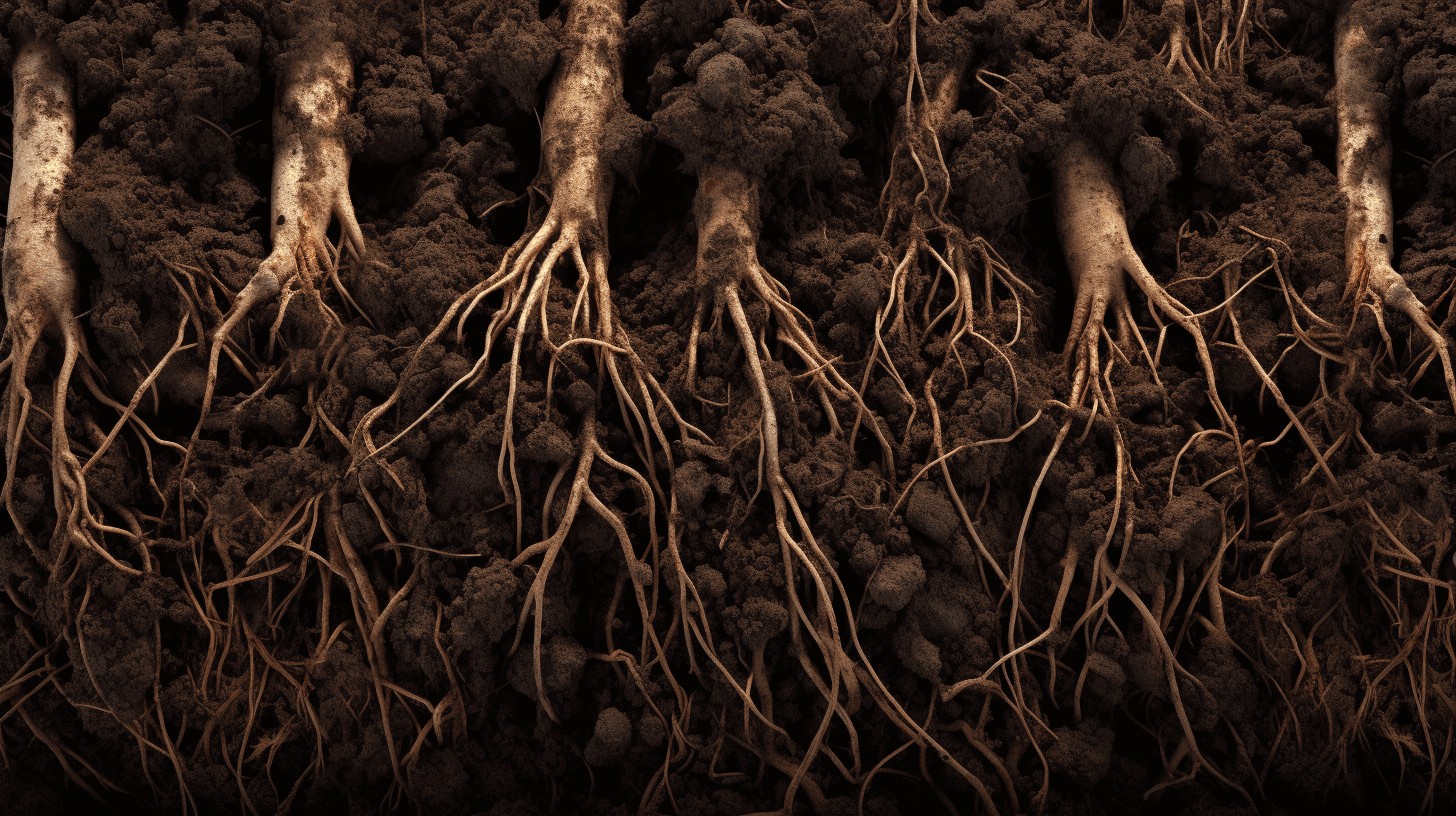
Mycorrhizal fungi have long been recognized as essential players in soil ecosystems, but their potential for sustainable soil management is only just beginning to be fully understood. These incredible fungi form a symbiotic relationship with plants, aiding in nutrient uptake, improving soil structure, and promoting overall plant health. In recent years, there has been a growing interest in harnessing the power of mycorrhizal fungi to enhance agricultural practices and minimize the reliance on chemical inputs.
In this article, we will delve into the various roles that mycorrhizal fungi play in agriculture and how they contribute to sustainable soil management. From promoting plant health and productivity to improving soil fertility and reducing chemical use, these fungi have the potential to revolutionize the way we approach farming and land management.
So, join us as we explore the fascinating world of mycorrhizal fungi and uncover their incredible abilities that make them invaluable allies in the quest for sustainable agriculture. Let’s dig deep into the soil and uncover the hidden magic of mycorrhizal fungi.
Roles of Mycorrhizal Fungi in Agriculture
Mycorrhizal fungi, those beneficial fungi that form symbiotic relationships with plant roots, play vital roles in promoting plant health and enhancing productivity in agriculture. These fascinating organisms have coevolved with plants for millions of years, establishing mutually beneficial relationships that benefit both parties involved.
Let’s take a closer look at some of the key roles that mycorrhizal fungi play in agriculture:
Promotion of Plant Health & Productivity
Mycorrhizal fungi enhance plant growth and overall health by facilitating nutrient uptake. Through their extensive network of hyphae, these fungi are able to explore and extract nutrients from the soil that would otherwise be unavailable to the plants. In return, they receive carbohydrates from the plants, creating a mutually beneficial exchange.
Here are some ways in which mycorrhizal fungi contribute to plant health and productivity:
- Improved nutrient uptake: Mycorrhizal fungi have the ability to access nutrients such as phosphorus, nitrogen, and micronutrients from the soil, unlocking valuable resources for plants.
- Enhanced water absorption: The hyphal network of mycorrhizal fungi extends beyond the plant’s root system, enabling them to absorb water from a wider area. This increased water absorption can be especially beneficial during periods of drought.
- Disease resistance: Mycorrhizal fungi can assist plants in defending against pathogens by forming physical or chemical barriers, stimulating plant defense mechanisms, and competing for resources against harmful microorganisms.
Increasing Biological Activity & Nutrient Availability in Soil
Mycorrhizal fungi have a profound impact on soil health and fertility. By establishing mycorrhizal associations with plant roots, these fungi create a dynamic environment that supports diverse microbial communities and enhances overall soil biological activity.
Benefits of mycorrhizal fungi for soil health include:
- Soil aggregation: The hyphae of mycorrhizal fungi contribute to soil structure and stability, promoting better water retention and aeration properties.
- Enhanced nutrient cycling: Mycorrhizal fungi efficiently decompose organic matter, releasing nutrients into the soil that can be readily taken up by plants.
- Increased carbon sequestration: Mycorrhizal associations can facilitate the capture and storage of carbon in the soil, contributing to climate change mitigation.
Mycoremediation of Contaminated Soils
Mycorrhizal fungi have shown great potential in the remediation of contaminated soils. These remarkable organisms have the ability to break down or sequester various pollutants, including heavy metals, pesticides, and hydrocarbons. By partnering with mycorrhizal fungi, agricultural practices can become more sustainable and environmentally friendly.
Key benefits of mycoremediation include:
- Enhanced degradation of pollutants: Mycorrhizal fungi produce enzymes that can break down toxic compounds, detoxifying the soil.
- Accumulation and sequestration: Some mycorrhizal fungi have the ability to accumulate heavy metals in their tissues, reducing their bioavailability and preventing their uptake by plants.
Pathogen Resistance and Enhanced Carbon Storage
Mycorrhizal associations also contribute to plant defense against pathogens. By establishing mycorrhizal networks, plants receive protection from various diseases and pests. Additionally, mycorrhizal fungi play a significant role in carbon sequestration, effectively storing carbon in the soil and mitigating climate change.
In summary, mycorrhizal fungi are invaluable allies in agriculture. From promoting plant health and productivity to improving soil fertility and remediation, these remarkable organisms have a profound impact on the success and sustainability of agricultural practices. Harnessing the power of mycorrhizal fungi can lead to more resilient, productive, and environmentally conscious farming systems.
Improvement of Soil Health & Stability
Soil health and stability are crucial factors in determining the success of any agricultural or gardening endeavor. A healthy and stable soil provides a solid foundation for plants to grow, thrive, and produce abundant yields. One key element in enhancing soil health and stability is the presence of mycorrhizal fungi.
Enhanced Soil Structure
Mycorrhizal fungi play a vital role in improving soil structure. These beneficial fungi form a symbiotic relationship with plant roots, forming a dense network of hyphae that acts like a natural “glue” to bind soil particles together. This results in several key benefits for the soil:
- Improved soil aggregation: The hyphal network created by mycorrhizal fungi helps to break up compacted soil, allowing for better water infiltration and root penetration.
- Increased porosity: By creating channels within the soil, mycorrhizal fungi increase its porosity, facilitating the exchange of gases and nutrients between the soil and plant roots.
- Reduced erosion: The enhanced soil structure created by mycorrhizal fungi helps to prevent soil erosion, keeping valuable topsoil in place and preventing nutrient runoff.
Increased Soil Fertility
Proper management of arbuscular mycorrhizal fungi is essential for increasing, restoring, and maintaining soil fertility. The symbiotic relationship between these fungi and plant roots is mutually beneficial, as it allows for the exchange of nutrients. The mycorrhizal fungi essentially act as an extension of the plants’ root system, increasing the surface area available for nutrient uptake. This, in turn, leads to:
- Greater nutrient availability: Mycorrhizal fungi help to solubilize and mobilize essential nutrients, such as phosphorus, making them more accessible to plants.
- Enhanced nutrient cycling: The presence of mycorrhizal fungi facilitates the recycling of nutrients within the soil, ensuring a constant supply for plant growth.
- Improved plant resilience: By improving nutrient uptake, mycorrhizal fungi help plants to resist nutrient deficiencies and environmental stresses, leading to healthier and more productive crops.
Improved Nutrient Acquisition and Water Uptake
Mycorrhizal fungi benefit plants by improving their nutrient acquisition and water uptake abilities. These fungi have a unique ability to scavenge nutrients from the soil and transport them directly to plant roots. As a result:
- Plants can access nutrients more efficiently: The mycorrhizal fungi extend their hyphae into the soil, reaching areas that plant roots can’t access, and absorbing nutrients that might otherwise be unavailable.
- Water uptake is enhanced: The hyphal network created by mycorrhizal fungi acts as a conduit for water, helping to transport it from the soil to the plant roots. This can be especially beneficial in dry or arid climates.
In conclusion, the presence of mycorrhizal fungi in the soil can significantly enhance soil health and stability. These fungi help to improve soil structure, increase soil fertility, and enhance nutrient acquisition and water uptake by plants. By recognizing the importance of mycorrhizal fungi and implementing proper management practices, farmers and gardeners can optimize their soil health, leading to more productive and sustainable agricultural practices.
Enhancement of Crop Yields & Reduced Chemical Use
In the quest to optimize crop production, farmers are constantly searching for methods to enhance crop yields while reducing their reliance on chemical fertilizers and pesticides. One promising solution that has gained significant attention is the introduction of mycorrhizal fungi into soil management practices.
Increased Plant Yield
Research has shown that inoculating soil with mycorrhizal fungi can lead to a substantial increase in plant yield. In fact, studies have demonstrated yield gains of up to 40% when plants are grown in mycorrhizal-inoculated soil. This remarkable boost in productivity can have a significant impact on farmers’ profitability and food security.
Improved Plant Quality and Nutrient Uptake
Not only do mycorrhizal fungi enhance crop yields, but they also improve plant quality and nutrient uptake. These beneficial fungi form a symbiotic relationship with plant roots, creating a network of fine fungal threads called hyphae that extend into the soil. This extensive network allows plants to access nutrients and water that would be otherwise unavailable to them.
Mycorrhizal fungi have been found to enhance the uptake of essential elements such as phosphorus, nitrogen, and micronutrients. This increased nutrient availability contributes to healthier, more robust plants that exhibit enhanced resistance to stressors like drought, disease, and insect pests.
Reduced Need for Chemical Fertilizers and Pesticides
One of the most significant benefits of introducing mycorrhizal fungi into soil management practices is the reduced need for chemical fertilizers and pesticides. By improving nutrient uptake, these fungi help plants better utilize the nutrients present in the soil, reducing the reliance on synthetic fertilizers.
Moreover, mycorrhizal fungi have been found to enhance plants’ natural defense mechanisms, making them more resistant to diseases and pests. This enhanced resistance can result in a decreased need for chemical pesticides, creating a more sustainable and environmentally-friendly approach to crop protection.
Incorporating mycorrhizal fungi into soil management practices offers a holistic solution for farmers seeking to optimize crop production while reducing their reliance on chemicals. By increasing plant yield, improving plant quality and nutrient uptake, and reducing the need for chemical fertilizers and pesticides, these beneficial fungi have the potential to revolutionize modern agriculture.
Conclusion
In conclusion, harnessing the power of mycorrhizal fungi in sustainable soil management holds immense potential for revolutionizing agriculture and fostering a more sustainable future. The roles played by mycorrhizal fungi in promoting plant health and productivity, increasing biological activity and nutrient availability in soil, mycoremediation of contaminated soils, and enhancing pathogen resistance and carbon storage cannot be underestimated.
Moreover, the improvement of soil health and stability through enhanced soil structure, increased fertility, and improved nutrient acquisition and water uptake further highlights the significance of mycorrhizal fungi in sustainable farming practices. By incorporating these beneficial fungi into agricultural systems, farmers can experience improved crop yields and reduced reliance on chemical fertilizers and pesticides.
Mycorrhizal fungi act as natural allies in achieving sustainable agriculture, reducing the environmental impact of conventional farming methods, and ensuring the long-term health and productivity of our soils.
As you explore the vast world of regenerative agriculture, be sure to visit Regenerative Agriculture Wiki for comprehensive guides, informative articles, and practical tips. Join us in embracing sustainable farming practices and nurturing the environment for a future where agriculture and ecology thrive in harmony.
Frequently Asked Questions
- What is mycorrhizal fungi and how does it benefit soil management?
Mycorrhizal fungi are a mutually beneficial symbiotic relationship between the fungal hyphae and plant roots. They enhance soil fertility, nutrient uptake, water absorption, and overall plant health. This benefits sustainable soil management by improving plant growth and reducing the need for chemical interventions.
- How do mycorrhizal fungi improve nutrient uptake in plants?
Mycorrhizal fungi have extensive networks of hyphae that extend beyond the reach of plant roots. These hyphae have the ability to collect nutrients from a larger soil volume and deliver them directly to the plant roots, enhancing nutrient absorption efficiency.
- Can mycorrhizal fungi help in soil remediation?
Yes, mycorrhizal fungi have the ability to enhance soil remediation. They can improve the degradation of pollutants and heavy metals in contaminated soils, helping to detoxify and restore the soil’s health over time.
- How can mycorrhizal fungi contribute to water management in soils?
Mycorrhizal fungi form a dense network of hyphae in the soil, which acts as an extension of the plant roots. This network improves soil structure, increases water holding capacity, and reduces water runoff, leading to better water management and conservation.
- Are mycorrhizal fungi compatible with organic farming practices?
Yes, mycorrhizal fungi are compatible with organic farming practices. They promote sustainable and natural soil management by reducing the dependence on synthetic fertilizers and enhancing nutrient availability through organic means.