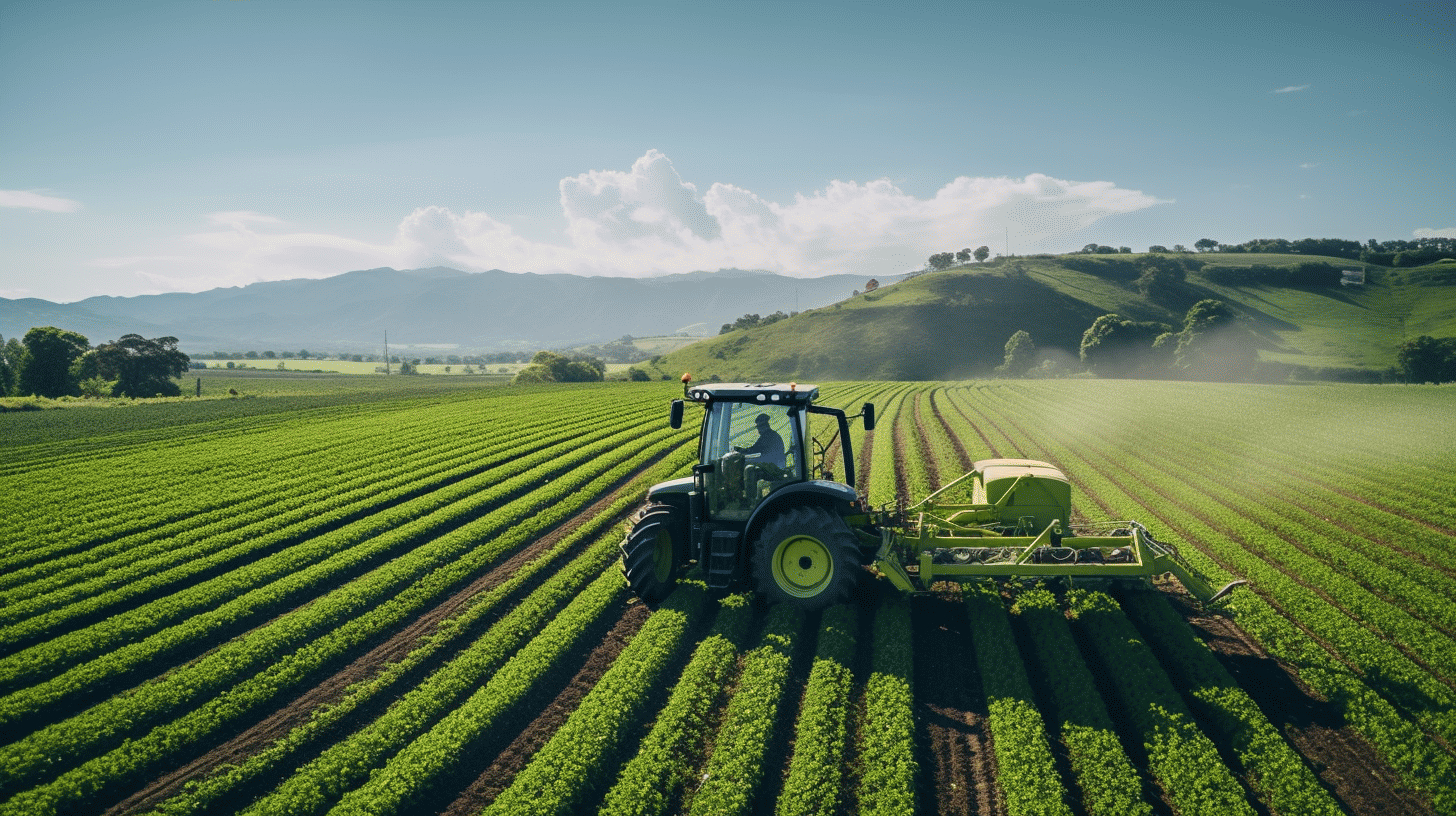
Regenerative farming is an innovative approach to agriculture that goes beyond traditional methods of cultivation. It focuses on restoring and protecting the soil, which is the foundation of sustainable food production. This farming practice is gaining recognition worldwide for its ability to promote soil health, enhance fertility, and mitigate environmental impact.
In this article, we will explore the concept of regenerative farming and its key principles. We will delve into the various methods employed by regenerative farmers, such as cover cropping, crop rotation, reduced tillage, agroforestry, managed grazing, and composting. Additionally, we will discuss the significant role that regenerative farming plays in soil restoration, including improving soil health, enhancing soil fertility, promoting soil microbes, and increasing soil organic matter.
Moreover, we will shed light on the numerous benefits associated with regenerative farming. These benefits include positive environmental impact, financial benefits for farmers, food security, and biodiversity preservation. It is important to acknowledge that, like any farming approach, regenerative farming has its downsides and obstacles, which we will also address in this article.
Join us on this informative journey as we uncover the world of regenerative farming and explore its potential to transform agriculture for a more sustainable and resilient future. So, let’s dig deep into the principles and practices that make regenerative farming a promising solution for restoring and protecting our precious soil.
Defining Regenerative Farming
Regenerative farming is a holistic approach to agriculture that focuses not only on sustaining food production but also on improving the health of the soil, increasing biodiversity, and nurturing ecosystem resilience. This innovative farming practice aims to restore and regenerate degraded land, moving beyond sustainability towards a regenerative and restorative farming system.
Key Points:
- The concept of regenerative farming goes beyond simply minimizing the negative impact on the environment. It seeks to actively restore and enhance the health and vitality of the soil, which is the foundation of sustainable food production.
- Regenerative farming practices include the use of cover crops, crop rotation, composting, agroforestry, and no-till or reduced tillage methods, among others. These techniques work together to improve soil structure, fertility, and microbial activity, driving carbon sequestration and water retention.
- Unlike conventional farming, which often relies on synthetic fertilizers, pesticides, and herbicides, regenerative farming prioritizes organic and natural inputs, reducing chemical pollution and preserving the health of the environment, farmers, and consumers.
- Regenerative farmers prioritize the preservation and enhancement of biodiversity. By creating diverse habitats and incorporating elements such as hedgerows, polycultures, and native vegetation, they attract beneficial insects, birds, and other wildlife that can provide natural pest control and support a healthy ecosystem.
“Regenerative farming is about working with nature, not against it. By adopting practices that focus on soil health, biodiversity, and long-term sustainability, regenerative farmers are leading the way towards a more resilient and regenerative agricultural system.” – Link to the Soil Health page
Regenerative Farming Methods
Regenerative farming methods have gained increasing popularity in recent years due to their numerous environmental and economic benefits. By focusing on soil health, biodiversity, and sustainable practices, regenerative farming offers a promising solution to the challenges faced by conventional agriculture. In this article, we will explore some of the key regenerative farming methods that farmers are adopting to improve the health of their land and promote long-term sustainability.
Cover Cropping
One of the foundational practices of regenerative farming is the use of cover cropping. This involves planting specific crops, such as legumes or grasses, during periods when the main cash crop is not in the ground. These cover crops help to protect the soil from erosion, reduce weed growth, and improve its organic matter content. By capturing and cycling nutrients, cover crops also act as natural fertilizers, reducing the need for synthetic inputs.
Some key benefits of cover cropping include:
- Increasing soil fertility: Cover crops fix atmospheric nitrogen, which can be utilized by subsequent cash crops, reducing the need for synthetic fertilizers.
- Weed suppression: Cover crops compete with weeds for nutrients, sunlight, and space, reducing the need for herbicides.
- Soil erosion prevention: The roots of cover crops bind the soil particles together, preventing erosion by wind and water.
- Improving soil structure: The roots of cover crops create channels for air and water movement in the soil, enhancing its overall structure.
Crop Rotation
Crop rotation is another essential component of regenerative farming practices. Instead of continuously planting the same crop in a field year after year, farmers strategically rotate different crops to break pest and disease cycles, improve soil health, and maintain the overall productivity of the land. Crop rotation offers a range of benefits, including:
- Pest and disease management: Rotating crops reduces the build-up of specific pests and diseases that target particular crops, reducing the reliance on chemical interventions.
- Enhanced nutrient cycling: Different crops have varying nutrient requirements and capabilities, allowing for a more efficient use of nutrients in the soil.
- Weed control: Crop rotation can disrupt the life cycles of weeds, making it harder for them to establish and spread.
- Soil structure improvement: Crops with different root structures contribute to improved soil structure, enhancing water infiltration and root penetration.
Reduced Tillage
Traditional agricultural practices often involve intensive tillage, which can lead to soil degradation, erosion, and loss of organic matter. In contrast, regenerative farmers employ reduced tillage techniques that minimize soil disturbance and preserve its structure, such as:
- No-till or minimum tillage: This approach involves disturbing the soil as little as possible, leaving plant residue from previous crops on the surface to protect and enrich the soil.
- Strip-till: In this method, only certain areas of the field are tilled, while the rest remains untilled, allowing for the benefits of reduced tillage while still preparing the seedbed.
- Conservation tillage: This practice combines reduced tillage with other conservation practices, such as cover cropping and crop rotation, to further enhance soil health.
Reduced tillage offers several advantages, including:
- Soil erosion control: By leaving plant residue on the surface, reduced tillage helps prevent soil erosion by reducing water and wind impact.
- Carbon sequestration: Less tillage means less disruption to the soil, allowing it to store and sequester more carbon, mitigating climate change.
- Time and cost savings: Reduced tillage methods require less equipment and labor, saving farmers time and reducing operational expenses.
- Increased soil biodiversity: Decreased disturbance from tillage promotes the growth of beneficial soil organisms, improving overall soil health.
Agroforestry
Agroforestry is an innovative and sustainable farming practice that integrates trees and shrubs with crops or livestock in the same location. This approach offers numerous ecological advantages, including:
- Enhanced biodiversity: By providing additional habitats and food sources, agroforestry systems support a diverse range of plant and animal species, contributing to ecological balance.
- Nutrient cycling: Trees and shrubs capture and recycle nutrients from deep soil layers, making them available to crops and livestock.
- Improved soil quality: The deep-rooted trees and shrubs in agroforestry systems help break up compacted soil, improve water infiltration, and increase organic matter content.
- Microclimate regulation: Trees provide shade, shelter from wind, and help moderate temperatures, creating a more favorable environment for crops and livestock.
Agroforestry not only improves the environmental sustainability of farming practices but also offers additional income opportunities through the sale of tree products like fruits, nuts, or timber.
Managed Grazing
Managed grazing refers to a method of raising livestock that mimics natural grazing patterns observed in ecosystems. By rotating livestock between different pasture areas, farmers can:
- Promote soil health: Managed grazing ensures that livestock do not overgraze an area, allowing grasses to recover and soil to regenerate.
- Improve nutrient cycling: Grazing animals deposit manure, which acts as a natural fertilizer, returning organic matter and nutrients to the soil.
- Enhance biodiversity: Properly managed grazing can create diverse habitats, supporting a variety of plant and animal species.
Additionally, well-managed grazing systems can help sequester carbon in the soil, further contributing to climate mitigation efforts.
Composting
Composting is a natural process that decomposes organic waste materials—such as crop residues, food scraps, and livestock manure—into a nutrient-rich soil amendment. By regularly composting organic waste, farmers can:
- Improve soil fertility: Compost adds valuable nutrients and organic matter to the soil, enhancing its ability to retain water and nutrients.
- Suppress disease and pests: Compost contains beneficial microorganisms that can help suppress pathogens and pests.
- Reduce waste: Composting diverts organic waste from landfills, reducing methane emissions and contributing to waste reduction efforts.
- Enhance soil structure: Compost improves soil structure, increasing water infiltration and plant root penetration.
In conclusion, regenerative farming methods offer a sustainable and environmentally friendly approach to agriculture that prioritizes soil health, biodiversity, and long-term sustainability. By implementing practices such as cover cropping, crop rotation, reduced tillage, agroforestry, managed grazing, and composting, farmers can restore and improve the health of their land while producing food in a more sustainable manner.
Role of Regenerative Farming in Soil Restoration
Regenerative farming practices play a significant role in soil restoration. By implementing methods that focus on improving soil health, enhancing soil fertility, promoting soil microbes, and increasing soil organic matter, regenerative farming offers a sustainable solution to address the challenges of soil degradation and depletion.
Improving Soil Health
One of the primary objectives of regenerative farming is to improve soil health. This involves restoring the natural balance of the soil ecosystem, nurturing beneficial organisms, and minimizing the use of synthetic fertilizers and pesticides. By adopting regenerative farming practices such as cover cropping, crop rotation, and reduced tillage, farmers can:
- Increase soil structure and stability, reducing erosion and improving water and nutrient retention.
- Enhance the soil’s ability to resist pests, diseases, and weeds, reducing the need for chemical inputs.
- Improve soil biodiversity, fostering a thriving ecosystem that supports plant growth and nutrient cycling.
Regenerative farming promotes the long-term health and productivity of the soil, ensuring its sustainability for future generations.
Enhancing Soil Fertility
Regenerative farming also focuses on enhancing soil fertility. Instead of relying solely on synthetic fertilizers, which can degrade the soil over time, regenerative farmers utilize organic methods that replenish essential nutrients naturally. These methods include:
- Incorporating cover crops into the rotation, which add valuable organic matter and fix nitrogen into the soil.
- Implementing composting practices to recycle organic waste and provide a nutrient-rich soil amendment.
- Harnessing the power of beneficial microorganisms and mycorrhizal fungi to enhance nutrient availability and uptake by plants.
By nourishing the soil with these organic methods, regenerative farmers can maintain a fertile and productive growing environment.
Promoting Soil Microbes
Soil microbes play a vital role in the health and fertility of the soil. Regenerative farming focuses on fostering a diverse and vibrant microbial community through practices that promote their abundance and activity. Some ways regenerative farmers support beneficial soil microbes include:
- Limiting the use of synthetic chemicals that can harm microbial life.
- Integrating cover crops that provide a habitat and food source for microorganisms.
- Encouraging microbial activity through compost application and organic matter incorporation.
By promoting the growth and activity of beneficial soil microbes, regenerative farmers can improve soil structure, nutrient availability, and overall ecosystem resilience.
Increasing Soil Organic Matter
One of the key components of soil health is organic matter. Regenerative farming practices aim to increase soil organic matter by incorporating organic materials into the soil. This can be accomplished through:
- Adding compost or manure, which not only increases organic matter content but also enhances nutrient availability.
- Utilizing cover crops, which contribute organic matter when they decompose.
- Adopting reduced tillage practices, which minimize soil disturbance and preserve existing organic matter.
By increasing soil organic matter, regenerative farming improves soil structure, water holding capacity, and nutrient cycling, ultimately supporting sustainable agriculture.
Regenerative farming offers a holistic approach to soil restoration, addressing the root causes of soil degradation and promoting long-term sustainability. By improving soil health, enhancing fertility, promoting soil microbes, and increasing organic matter, regenerative farming practices contribute to the conservation and rejuvenation of our precious soil resources.
Benefits of Regenerative Farming
Regenerative farming is a holistic approach to agriculture that focuses on restoring and enhancing the health of the soil, the environment, and the overall farming system. Unlike conventional agricultural practices, regenerative farming aims to create a sustainable and resilient ecosystem that benefits both the farmers and the planet. Let’s explore some of the key benefits of regenerative farming:
1. Environmental Impact
Regenerative farming practices have a positive impact on the environment, contributing to mitigating climate change and preserving natural resources. Here are some of the ways regenerative farming benefits the environment:
- Carbon sequestration: Regenerative farming methods such as cover cropping, rotational grazing, and agroforestry help sequester carbon dioxide from the atmosphere and store it in the soil.
- Soil health: By using techniques like crop rotation, composting, and reduced tillage, regenerative farmers enhance soil structure and increase organic matter content, which improves water infiltration, reduces erosion, and enhances nutrient cycling.
- Water conservation: Regenerative farming practices promote better water management by reducing runoff and increasing water-holding capacity in the soil, which helps in conserving this precious resource.
2. Financial Benefits for Farmers
Regenerative farming practices can yield financial benefits for farmers in the long run. While the initial transition to regenerative practices may require some investment and adjustment, the following factors contribute to the financial viability of regenerative farming:
- Reduced input costs: Regenerative farming relies less on synthetic inputs like chemical fertilizers and pesticides, leading to lower input expenses for farmers.
- Improved soil fertility: Increasing organic matter content in the soil through regenerative practices reduces the need for costly synthetic inputs, as the soil becomes more fertile and naturally nutrient-rich.
- Diversification and risk reduction: By implementing diverse cropping systems, regenerative farmers can spread their risk and reduce their vulnerability to market fluctuations and climate change impacts.
3. Food Security
Regenerative farming plays a crucial role in ensuring food security for present and future generations. Here’s how regenerative practices contribute to a more secure food system:
- Resilience to climate change: Regenerative farming systems are more resilient to extreme weather events, such as droughts or floods, as healthy soils absorb and retain water better, reducing the risk of crop failures.
- Enhanced biodiversity: Regenerative practices promote biodiversity by providing habitat for beneficial insects, birds, and other wildlife. This biodiversity helps control pests and diseases naturally, reducing the reliance on chemical inputs.
- Crop and livestock diversity: By diversifying their crops and integrating livestock, regenerative farmers can enhance their food production capacity, increase crop resilience, and provide a variety of nutritious and sustainable food options.
In conclusion, regenerative farming offers numerous benefits, ranging from environmental restoration and financial stability for farmers to ensuring food security for future generations. Implementing regenerative practices can pave the way to a more sustainable and resilient agricultural system that benefits both humans and the planet we call home.
Want to learn more about regenerative farming and its benefits? Check out our comprehensive guide on Regenerative Farming.
Downsides and Obstacles in Regenerative Farming
Regenerative farming is gaining popularity as a sustainable and environmentally friendly approach to agriculture. However, like any new practice, it comes with its own set of challenges. Farmers transitioning to regenerative farming may face obstacles such as:
Transition Challenges
Transitioning from conventional farming methods to regenerative practices can be a complex and overwhelming process. Farmers accustomed to chemical inputs and intensive tillage must shift their mindset and adopt new techniques. Some of the challenges they may encounter include:
- Financial Investment: Implementing regenerative practices often requires upfront investments in new equipment, infrastructure, and cover crops. This could be a barrier for farmers with limited financial resources.
- Time commitment: Regenerative farming typically involves a long-term commitment, as it takes time for the soil to regenerate and restore its natural fertility. Farmers may need to be patient and adjust their expectations for short-term results.
- Learning Curve: Familiarizing oneself with regenerative farming techniques and principles can be a steep learning curve. Farmers may need to seek out training, workshops, and resources to gain the necessary knowledge and skills.
Lack of Knowledge and Training
Regenerative farming is a relatively new concept that hasn’t been widely taught in traditional agricultural education systems. As a result, there is a lack of widespread knowledge and training resources available for farmers interested in adopting regenerative practices. This issue can hinder the adoption of regenerative farming on a larger scale. Some key points to note include:
- Limited Guidance: Without proper guidance from experts, farmers may struggle to implement regenerative practices effectively. Clear and accessible resources and expert advice are needed to support farmers in their transition to regenerative farming.
- Educational Gaps: Universities and agricultural institutions should include regenerative farming curricula to ensure that future farmers are equipped with the knowledge and skills required to embrace regenerative practices.
- Knowledge Exchange: Farmers who have successfully transitioned to regenerative farming can play a crucial role in sharing their experiences and knowledge with others. Peer-to-peer learning and mentorship programs can bridge the information gap and foster a community of regenerative farmers.
Policy and Incentive Limitations
Government policies and incentives play a significant role in shaping agricultural practices. However, there may be limitations and barriers that prevent widespread adoption of regenerative farming:
- Lack of Financial Support: Insufficient financial incentives, subsidies, and grants may discourage farmers from transitioning to regenerative practices. Governments should explore ways to provide financial assistance and rewards to farmers who adopt regenerative farming methods.
- Limited Research Funding: Adequate funding for research and development in regenerative farming is crucial for further innovation and improvement. Governments and research institutions should prioritize funding for regenerative agriculture to advance its practices and better understand its benefits.
- Policy Alignment: Regulatory frameworks need to be aligned with regenerative farming principles. Removing administrative barriers, revising outdated policies, and creating regulations that support regenerative practices can create an enabling environment for farmers to make the transition.
In conclusion, while regenerative farming offers numerous benefits, its adoption is not without challenges. Overcoming financial, knowledge, and policy obstacles will require collaborative efforts from farmers, researchers, policymakers, and agricultural organizations. By addressing these downsides and obstacles, we can pave the way for a more sustainable and resilient agricultural future.
Conclusion
After exploring the world of regenerative farming and its multitude of methods and benefits, it is evident that this holistic approach holds immense promise for restoring and protecting soil health. By implementing practices such as cover cropping, crop rotation, reduced tillage, agroforestry, managed grazing, and composting, farmers can regenerate their land and create a sustainable farming system that benefits both the environment and their livelihoods.
Regenerative farming goes beyond conventional methods by focusing on soil health, promoting biodiversity, and mitigating climate change. It enhances soil fertility, promotes the growth of beneficial soil microbes, and increases soil organic matter, leading to improved water retention, nutrient availability, and overall resilience of the ecosystem.
In addition to the environmental advantages, regenerative farming also offers financial benefits to farmers. By reducing input costs, increasing yields, and accessing premium markets that value sustainable practices, farmers can improve their bottom line while contributing to a greener future.
Furthermore, regenerative farming plays a vital role in ensuring food security. By cultivating healthy soils that can sustainably produce nutritious crops, regenerative farmers contribute to a more resilient food system that can withstand challenges such as drought, pests, and diseases.
Despite its numerous benefits, regenerative farming faces some challenges. Transitioning from conventional practices can be challenging for farmers due to the lack of knowledge and training. Additionally, policy and incentive limitations can pose obstacles to widespread adoption.
However, the potential of regenerative farming to transform agriculture and contribute to a more sustainable future cannot be underestimated. By embracing regenerative farming practices, we can foster a future where agriculture and ecology thrive in harmony.
To continue learning about regenerative agriculture and explore comprehensive guides, tips, and insights, visit Regenerative Agriculture Wiki. Discover the potential of regenerative agriculture and join the movement towards a greener and more sustainable world.
Frequently Asked Questions
- What is regenerative farming?
Regenerative farming is an approach that focuses on restoring and improving soil health by using practices such as cover cropping, crop rotation, minimal tillage, and the integration of livestock. It aims to replenish soil nutrients, enhance biodiversity, and reduce the use of synthetic inputs.
- How does regenerative farming benefit the soil?
Regenerative farming enhances soil health by increasing organic matter content, improving soil structure, promoting water retention, and reducing erosion. It also stimulates beneficial microbial activity, increases nutrient availability, and supports the growth of diverse plant species.
- What are some common regenerative farming practices?
Some common regenerative farming practices include cover cropping, which involves planting cover crops to protect and nourish the soil; crop rotation, where different crops are grown in a sequence to break pest cycles and improve nutrient balance; and minimal tillage, which minimizes soil disturbance and helps preserve soil structure.
- Can regenerative farming methods be applied to any type of agriculture?
Yes, regenerative farming methods can be applied to various types of agriculture, including both large-scale and small-scale farming. The principles of regenerative farming can be adapted and implemented to suit different climates, soil types, and agricultural systems.
- What are the environmental benefits of regenerative farming?
Regenerative farming practices help sequester carbon dioxide from the atmosphere, reduce greenhouse gas emissions, mitigate climate change, and protect biodiversity. They also contribute to cleaner waterways, reduce the need for synthetic fertilizers and pesticides, and enhance overall ecosystem resilience.