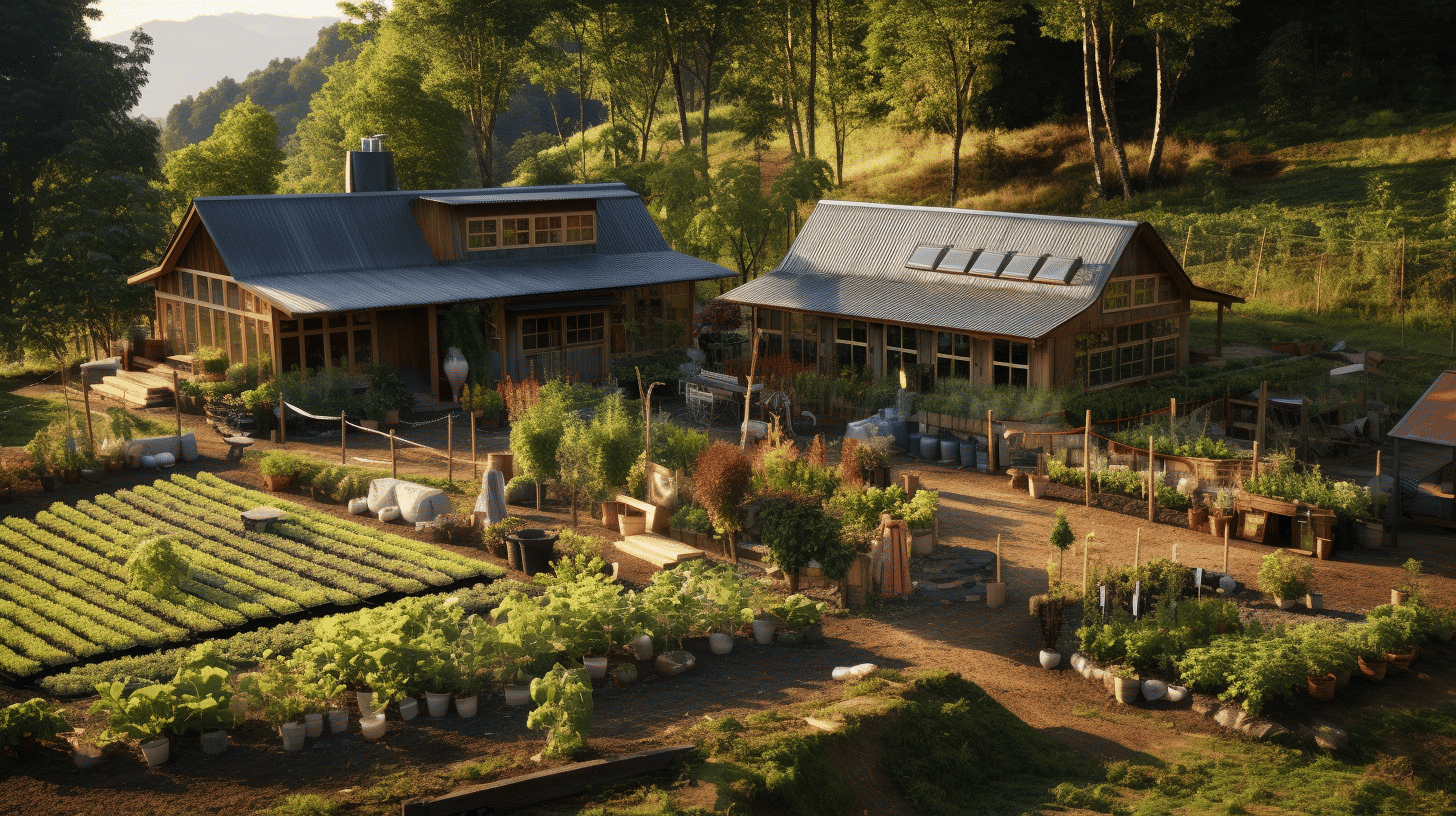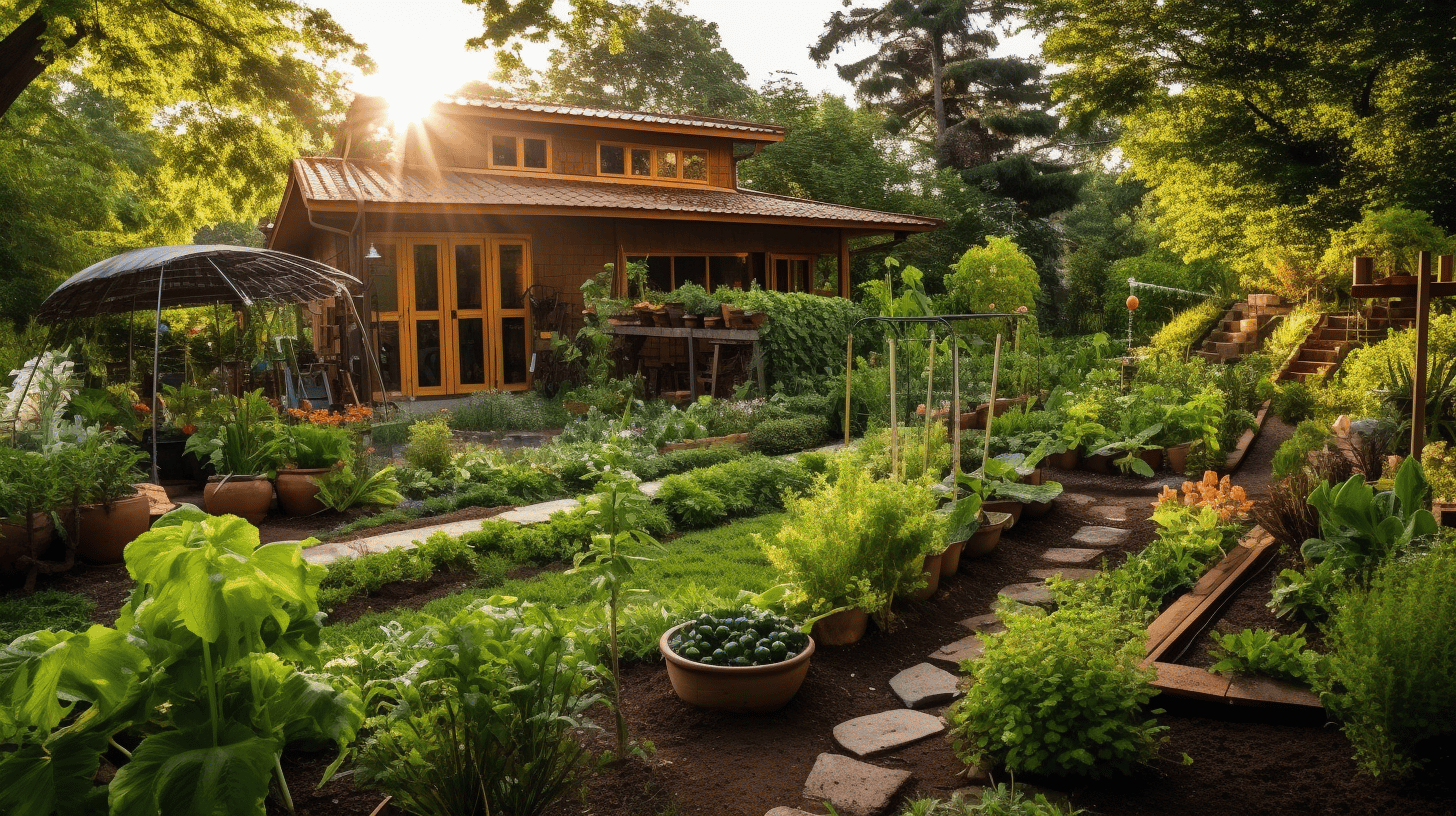
Permaculture is a holistic approach to sustainable farming and living that aims to create thriving ecosystems while minimizing our impact on the environment. By mimicking the patterns and processes found in nature, permaculture techniques help us cultivate abundance, promote biodiversity, and build resilient communities.
Whether you’re a farmer looking to improve soil health and crop yields, or an individual seeking to live in harmony with nature, permaculture offers a wide range of techniques and practices that can be implemented in both rural and urban settings.
In this article, we will explore the principles, techniques, and goals of permaculture, as well as its applications in both farming and everyday life. We’ll delve into concepts such as regenerative farming, vertical farming, companion planting, and more. So, whether you have acres of land or just a small balcony, there’s something for everyone in the fascinating world of permaculture.
So, let’s get started on this journey towards sustainable farming and living!
Permaculture: A Holistic Approach
Permaculture, a term coined by Bill Mollison and David Holmgren in the 1970s, is a holistic approach to designing sustainable and regenerative systems. It encompasses not just gardening or agriculture, but a whole range of practices that promote resilience, self-sufficiency, and harmony with nature.
Philosophy of Permaculture
At the heart of permaculture is the belief that humans can work with nature rather than against it. It sees nature as a teacher and seeks to mimic its patterns and processes in order to create systems that are truly sustainable. By observing and understanding the interconnectedness of all living things, permaculture aims to create systems that provide for human needs while also nurturing and regenerating the natural environment.
Ecological Principles
Permaculture is built on a set of ecological principles that guide its design and implementation. Some of these principles include:
- Observation: Taking the time to observe and learn from nature before making any design decisions.
- Integration: Designing systems that work together and support each other, rather than isolated elements.
- Diversity: Embracing diversity in plant and animal species to create a more resilient and productive ecosystem.
- Energy Efficiency: Designing systems that make the most efficient use of energy and resources.
- Resource Stewardship: Using resources wisely and minimizing waste.
- Regeneration: Restoring degraded land and ecosystems, and working towards their regeneration over time.
Ethics of Permaculture
Permaculture is not just about design principles; it is also grounded in a set of ethics. These ethics form the foundation of permaculture practices and guide decision-making. The three main ethics of permaculture are:
- Care for the Earth: Recognizing and respecting the intrinsic value of all living things and taking responsibility for their care and protection.
- Care for People: Ensuring that everyone has access to the resources they need to live a fulfilling and dignified life.
- Reinvestment of Surplus: Using any surplus resources, whether it be time, energy, or materials, to reinvest in the care of the earth and the support of people.
These ethics serve as a compass for permaculturists, helping them make choices that align with their core values and contribute to a more sustainable and equitable world.
In conclusion, permaculture offers a holistic approach to creating sustainable and regenerative systems. By embracing the philosophy, ecological principles, and ethics of permaculture, individuals can contribute to a more harmonious relationship with nature and foster resilience and self-sufficiency in their own lives and communities.
Permaculture Institute records the history, principles, and ethics of permaculture.
Permaculture Techniques in Farming
Farming practices have evolved over the years, with a growing emphasis on sustainable and environmentally friendly methods. One such approach that has gained popularity is permaculture. Permaculture combines the principles of ecological design, sustainable agriculture, and regenerative practices to create resilient and self-sustaining farming systems. Let’s explore some of the key permaculture techniques that farmers are adopting to cultivate their land more sustainably and productively.
‘No Till’ Method: Preserving Soil Health
One fundamental principle of permaculture is the implementation of the “no till” method. This technique involves minimizing or completely eliminating mechanical tilling or plowing of the soil. By avoiding excessive disturbance of the soil, farmers can preserve its structure and biology, including beneficial microorganisms and earthworms. This results in increased water retention, improved soil fertility, and reduced erosion.
Sheet Composting: Building Healthy Soil
Another technique frequently used in permaculture gardening is sheet composting, also known as “lasagna gardening.” This method involves layering organic materials like leaves, grass clippings, kitchen scraps, and straw directly onto the soil. Over time, these materials break down, enriching the soil and providing a fertile environment for plant growth. This technique not only helps improve soil structure but also reduces the need for synthetic fertilizers.
Hugelkultur: Maximizing Resources
Hugelkultur is a permaculture technique that involves creating raised beds by burying logs, branches, and other organic materials under a layer of topsoil. As the organic material decomposes, it provides a constant source of nutrients for plants. Hugelkultur beds retain moisture efficiently, allowing for better drought tolerance and reduced irrigation needs. This technique is especially useful for areas with limited water availability.
Regenerative Farming: Restoring Ecosystems
Regenerative farming focuses on restoring and enhancing the ecosystems on the farm. It involves practices such as cover cropping, crop rotation, and the use of natural fertilizers and pest control methods. By adopting regenerative farming techniques, farmers can promote biodiversity, increase soil carbon sequestration, and improve the overall health of their farm’s ecosystem.
Data-powered Decision-making: Increasing Efficiency
In today’s technology-driven world, data plays a crucial role in making informed decisions. By leveraging data collection and analysis tools, farmers can optimize their farming practices. For example, by monitoring weather patterns, soil moisture levels, and crop growth, farmers can make precise irrigation decisions, conserve water, reduce waste, and increase yield.
Precision Farming: Targeting Inputs
Precision farming utilizes technology such as GPS, sensors, and drones to apply inputs like fertilizers and pesticides in a targeted and precise manner. By optimizing the use of resources, farmers can reduce costs, minimize environmental impact, and increase crop productivity. Precision farming also enables farmers to create site-specific management plans, tailoring their approach to the unique characteristics of different areas within their farm.
Vertical Farming: Maximizing Space
Vertical farming is a growing trend in urban agriculture and limited space farming. By utilizing stacked growing systems, such as vertical towers or hydroponics, farmers can maximize their growing area. This method is particularly helpful in urban environments where land is scarce. Vertical farming allows for year-round cultivation, reduces transportation costs, and minimizes water usage.
Micro Farming: Efficient Small-scale Farming
Micro farming refers to small-scale agricultural operations that focus on maximizing efficiency and productivity on limited land. Techniques such as intensive planting, intercropping, and companion planting are commonly employed by micro farmers. By making the most of their space, micro farmers can produce a diverse range of crops, promote biodiversity, and establish successful business models on smaller plots of land.
Keyline Ripping, Swales, Dam Building: Water Management
For larger properties and farms, permaculture techniques like keyline ripping, swales, and dam building are commonly used for water management. These techniques aim to capture and store water on the property, preventing runoff and erosion. By directing the flow of water, farmers can hydrate their crops more effectively, conserve water resources, and improve the overall health of their land.
Holistic Grazing: Sustainable Livestock Management
Holistic grazing is a regenerative livestock management approach that focuses on mimicking natural grazing patterns. By carefully controlling the movement of livestock and rotational grazing, farmers can improve soil fertility, increase biodiversity, and enhance pasture quality. Holistic grazing systems promote healthy grass growth and reduce the impact of livestock on the environment.
Alley Cropping: Diverse Crop Systems
Alley cropping is a permaculture technique where rows of wide-spaced trees or shrubs are planted alongside alleys of crops. This system offers multiple benefits. The trees provide shade, windbreaks, and habitat for beneficial insects, while the crops benefit from the nutrients provided through leaf fall and root decay. Alley cropping systems are particularly useful in areas with fluctuating climates or where soil erosion is a concern.
Permaculture techniques offer a holistic and sustainable approach to farming that promotes long-term ecological resilience and productivity. By implementing these practices, farmers can create vibrant and thriving agricultural systems while respecting the natural environment. Whether it’s through preserving soil health, maximizing resource utilization, or adopting data-driven decision-making, permaculture techniques are revolutionizing the way we farm. So let’s embrace these techniques and contribute towards a more sustainable and regenerative future for agriculture.
Permaculture Practices for Sustainability and Ecological Relationships
As more people seek sustainable farming methods, permaculture practices have gained popularity for their holistic approach to agriculture. Permaculture is a design system that aims to create self-sustaining ecosystems that work in harmony with nature. Three key practices commonly utilized in permaculture farming are companion planting, agroforestry, and natural pest control methods. Let’s explore each of these practices and discover how they contribute to sustainability and ecological relationships.
Companion Planting
Companion planting is the practice of growing different plants together that have mutually beneficial relationships. By pairing specific plants, we can create a balanced ecosystem that supports biodiversity and minimizes pests and diseases. Here are some examples of companion planting:
- Tomatoes and basil: When planted together, basil acts as a natural repellent for tomato pests like aphids and whiteflies.
- Corn, beans, and squash: Known as the “Three Sisters,” these plants have a symbiotic relationship. Corn provides a structure for the beans to climb, while the beans fix nitrogen in the soil, benefiting both the corn and squash. The squash acts as ground cover, reducing weed growth and conserving soil moisture.
Companion planting not only enhances biodiversity but also maximizes the use of space and resources, resulting in a more sustainable and productive garden.
Agroforestry
Agroforestry is a practice that combines agriculture and forestry, integrating trees or shrubs into farming systems. This approach offers numerous benefits, both for the environment and the farmer:
- Improved soil health: Tree roots help improve soil structure and fertility, preventing erosion and nutrient runoff.
- Increased biodiversity: Trees provide habitat for beneficial insects, birds, and other wildlife, creating a more balanced ecosystem.
- Shade and microclimate regulation: Trees provide shade, reducing heat stress on crops and livestock. They also create microclimates that can protect crops from extreme weather conditions such as strong winds or frost.
Agroforestry systems can be customized to suit different farming methods, such as alley cropping, silvopasture, or windbreaks. This versatile practice not only enhances sustainability but also provides additional sources of income from timber, fruits, or nuts.
Natural Pest Control
In permaculture farming, the focus is on preventing and managing pests using natural, environmentally friendly methods. While chemical pesticides often harm beneficial insects and disrupt ecological balance, natural pest control methods work with nature rather than against it. Here are some examples:
- Biological control: Introducing beneficial insects like ladybugs or lacewings that feed on pests can help control their populations naturally.
- Crop rotation: Rotating crops helps break pest lifecycles and reduces the build-up of pests and diseases in the soil.
- Mulching: Mulching with organic materials like straw or wood chips creates a barrier that deters pests and conserves soil moisture.
By utilizing these natural pest control methods, permaculture farmers can maintain a healthy balance between pests and beneficial organisms while minimizing the use of harmful chemicals.
Practices like companion planting, agroforestry, and natural pest control are just a few examples of the many sustainable techniques utilized in permaculture farming. By employing these practices, farmers can create resilient and regenerative systems that not only produce abundant harvests but also restore and conserve the health of our planet’s ecosystems.
Permaculture Goals
Permaculture, a sustainable and regenerative approach to gardening and farming, has gained significant popularity in recent years. Its main objective is to create resilient and self-sustaining ecosystems that mimic the patterns found in nature. But what are some specific goals of permaculture? Let’s take a closer look.
Soil Restoration
One of the primary goals of permaculture is to restore and improve the health of the soil. Healthy soil is the foundation for thriving plants and abundant harvests. Through various techniques such as composting, mulching, cover cropping, and minimal tillage, permaculturists aim to:
- Increase organic matter content in the soil, which improves nutrient availability and moisture retention.
- Enhance soil structure, allowing for better root penetration and water infiltration.
- Promote beneficial microbial activity that aids in nutrient cycling and disease suppression.
By prioritizing soil restoration, permaculture practitioners create an environment that supports the long-term health and productivity of their gardens and farms.
Water Conservation
In a world facing increasing water scarcity, permaculture recognizes the importance of water conservation. Efforts are made to capture, store, and utilize water efficiently, thereby minimizing waste and the need for external sources. Some common water conservation practices in permaculture include:
- Installing rainwater harvesting systems to capture and store rainwater for later use.
- Implementing swales and contouring techniques to prevent water runoff and encourage infiltration.
- Using mulch and cover crops to prevent evaporation and retain soil moisture.
- Employing drip irrigation systems that deliver water directly to plant roots, reducing water lost to evaporation.
By prioritizing water conservation, permaculturists minimize their reliance on unsustainable water sources and demonstrate the potential for sustainable water management in agricultural practices.
Waste Stream Redirection
Permaculture aims to close the loop on waste by redirecting and repurposing organic materials that would otherwise end up in landfills. By following the principle of “waste = resource,” permaculture practitioners:
- Compost kitchen scraps and garden waste to create nutrient-rich soil amendments.
- Utilize vermiculture (worm composting) systems to process organic waste quickly.
- Implement gray water recycling systems to reuse household wastewater for irrigation purposes.
- Incorporate livestock and poultry into the system to convert food scraps into valuable manure.
By redirecting waste streams, permaculture not only reduces landfill waste but also creates valuable resources that can be used to nourish the soil and contribute to a more sustainable food production system.
In summary, permaculture aims to restore soil fertility, conserve water, and redirect waste streams through various practices and techniques. By focusing on these goals, permaculturists create thriving ecosystems that benefit both the environment and the people who depend on them.
Learn more about permaculture and its goals here.
Implementing Permaculture in Daily Living
Introduction
Permaculture principles can be applied in various areas of life, not just farming, and can contribute to sustainability and ecological design. By adopting permaculture practices in our daily lives, we can make a significant impact on our environment and create a more sustainable future. From the food we eat to the energy we consume, permaculture offers practical solutions that can benefit both us and the planet we inhabit.
Creating a Permaculture Garden
One of the most accessible ways to implement permaculture in our daily lives is by creating a permaculture garden. This approach to gardening focuses on designing and maintaining an ecosystem that mimics the natural environment, resulting in a self-sustaining and resilient garden.
A permaculture garden can include:
- Polyculture planting: By growing a variety of plants together, we can mimic the diversity found in natural ecosystems and create a more resilient garden that is less susceptible to pests and diseases.
- Companion planting: Certain plants have symbiotic relationships, where one benefits the other. By strategically planting companion plants, we can naturally control pests, improve soil fertility, and increase yields.
- Rainwater harvesting: Collecting rainwater in barrels or tanks allows us to have a sustainable source of water for our garden, reducing reliance on municipal water supplies.
- Composting: Recycling kitchen scraps, yard waste, and other organic materials into compost not only reduces waste but also provides nutrient-rich soil amendments for our garden.
- Perennial plants: Incorporating perennial plants into our garden design ensures that we have a constant supply of food year after year, reducing the need for replanting and maximizing the use of space.
- Wildlife habitats: By creating spaces for wildlife, such as birdhouses, bee boxes, and butterfly gardens, we can encourage pollinators and beneficial insects to visit our garden, promoting natural pest control and biodiversity.
Applying Permaculture to Energy Consumption
In addition to gardening, permaculture principles can be applied to our energy consumption habits. By making conscious choices and adopting sustainable practices, we can reduce our environmental impact and contribute to a more resilient energy system.
Here are some ways to apply permaculture to energy consumption:
- Energy-efficient appliances: Investing in energy-efficient appliances, such as LED light bulbs, smart thermostats, and low-flow showerheads, can significantly reduce our energy consumption without compromising comfort.
- Renewable energy sources: Installing solar panels or wind turbines allows us to generate clean, renewable energy for our homes. Not only does this reduce our reliance on fossil fuels, but it also lowers our electricity bills in the long run.
- Passive design: Designing our homes and buildings to take advantage of natural light, heat, and ventilation can reduce the need for artificial lighting, heating, and cooling systems. This approach not only saves energy but also creates a more comfortable living environment.
- Energy conservation: Conserving energy by turning off lights when not in use, unplugging electronics, and using energy-saving modes on devices can make a significant difference in our overall energy consumption.
Adopting Sustainable Food Practices
Permaculture principles can also guide our choices when it comes to food. By supporting sustainable food practices, we can contribute to a healthier planet and a more resilient food system.
Ways to adopt sustainable food practices include:
- Local and seasonal eating: Choosing locally grown and seasonal produce reduces food miles, supports local farmers, and ensures our food is fresher and more nutritious.
- Reducing food waste: Planning meals, using leftovers creatively, and composting food scraps can help minimize food waste, which in turn reduces methane emissions from landfills.
- Growing our own food: Whether it’s growing herbs on a windowsill or having a backyard vegetable garden, growing some of our own food allows us to take control of our food supply, reduce packaging waste, and connect with nature.
- Supporting regenerative agriculture: Opting for products from regenerative farming practices helps reduce soil degradation, supports biodiversity, and promotes carbon sequestration, contributing to a healthier planet.
Conclusion
Implementing permaculture principles in our daily lives goes beyond just gardening. By taking a holistic approach and applying permaculture principles to energy consumption and food practices, we can create a more sustainable and regenerative future for ourselves and the planet. By making conscious choices and adopting permaculture practices, we can make a positive impact and inspire others to join in creating a more sustainable world. So, let’s start implementing permaculture in our daily lives and be part of the solution!
Conclusion
In conclusion, permaculture techniques offer a holistic approach to sustainable farming and living. By embracing the philosophy, principles, and ethics of permaculture, individuals can create regenerative farming systems that promote soil health, conserve water, and minimize waste. Through practices like companion planting, agroforestry, and natural pest control, permaculture fosters ecological relationships that benefit both crops and the environment. Whether you’re a seasoned farmer, an environmentalist, or simply someone curious about sustainable living, incorporating permaculture into your daily life can contribute to a future where agriculture and ecology thrive in harmony.
At Regenerative Agriculture Wiki, we’re passionate about sharing knowledge and empowering individuals to adopt regenerative practices. Explore our extensive content on permaculture, soil health, and more to discover the potential of regenerative agriculture. Together, let’s create a sustainable and thriving world. Check out our comprehensive guides and resources here.
Frequently Asked Questions
- What is permaculture?
Permaculture is a design system that aims to create sustainable and resilient ecosystems by working with nature and utilizing principles such as observation, integration, and diversity.
- What are some basic permaculture techniques for sustainable farming?
Some basic permaculture techniques for sustainable farming include using organic and regenerative farming practices, implementing water conservation and harvesting methods, utilizing companion planting and polyculture, and creating natural pest control systems.
- How can permaculture techniques be applied to sustainable living?
Permaculture techniques can be applied to sustainable living by designing and maintaining eco-friendly homes and gardens, practicing waste reduction and recycling, conserving energy and water, and prioritizing self-sufficiency and community resilience.
- What are the benefits of using permaculture techniques?
The benefits of using permaculture techniques include increased biodiversity, improved soil health and fertility, reduced water usage, enhanced resilience to climate change, and the ability to produce nutrient-rich food in a sustainable manner.
- Are permaculture techniques suitable for all types of climates?
Yes, permaculture techniques can be adapted to various climates and geographical locations. The principles remain the same, but the specific techniques and plant choices may vary to suit the local conditions and climate.