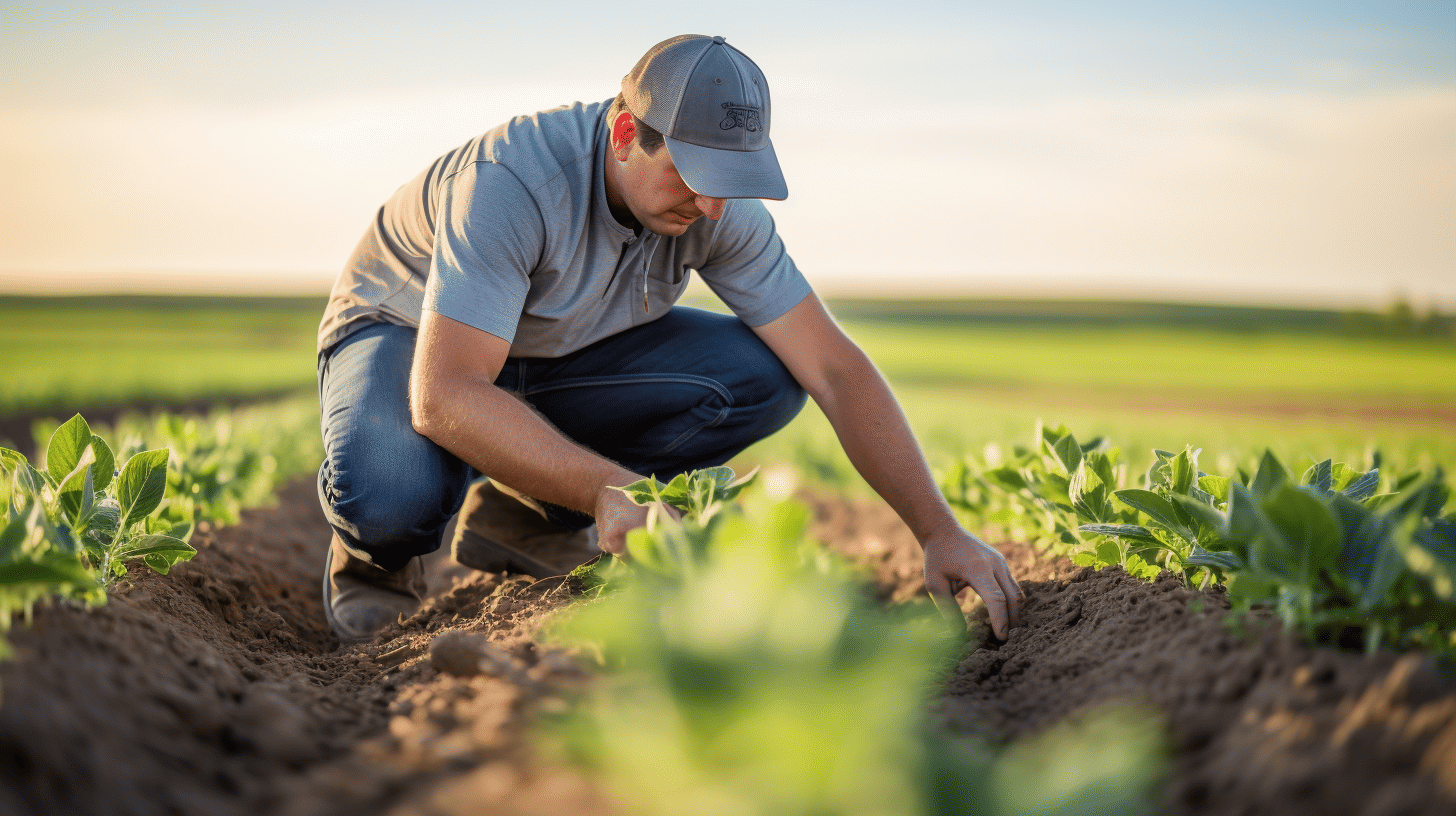
Regenerative agriculture is gaining recognition as a powerful solution to address the environmental and economic challenges faced by farmers worldwide. This innovative approach goes beyond sustainability and aims to regenerate the health of our soils, enhance biodiversity, and promote long-term agricultural resilience.
In this article, we will delve into the world of regenerative agriculture and explore inspiring success stories from sustainable farmers who have embraced this practice. We will also discuss the various benefits, challenges, and solutions associated with regenerative agriculture, as well as highlight supporting organizations and valuable resources for those interested in implementing these practices.
Whether you’re a farmer looking to adopt regenerative practices or a consumer curious about the impact of your food choices, this article will provide you with valuable insights and practical examples of regenerative agriculture in action.
So let’s dive in and explore the exciting world of regenerative agriculture and the inspiring stories behind sustainable farming practices!
Understanding Regenerative Agriculture
Regenerative agriculture has been gaining momentum as a sustainable farming approach that aims to restore and enhance the health of the soil, biodiversity, and ecosystems. This transformative farming practice not only improves the quality of our food but also helps mitigate climate change effects and promotes long-term resilience in agricultural systems.
Definition of Regenerative Agriculture
At its core, regenerative agriculture is a holistic approach that goes beyond sustainable farming practices. It embraces the idea of regenerating the natural resources and ecological processes that sustain life on our planet. Unlike conventional agriculture that often leads to soil degradation, erosion, and reliance on external inputs, regenerative agriculture focuses on enhancing the soil health and ecosystem vitality through a set of principles and practices.
Principles and Goals of Regenerative Agriculture
Regenerative agriculture is guided by several key principles that work in harmony to restore and cultivate healthy agroecosystems. These principles include:
- Minimizing Soil Disturbance: Regenerative farmers prioritize practices that minimize soil disturbance, such as reduced tillage or no-till farming. This helps preserve soil structure, prevent erosion, and promote the growth of beneficial soil microorganisms.
- Diversifying Crop Rotation: By diversifying crop rotation, regenerative farmers ensure a more resilient and balanced agroecosystem. This practice helps break pest and disease cycles, improves soil fertility, and reduces the need for synthetic fertilizers and pesticides.
- Ongoing Soil Cover: Keeping the soil covered with organic matter, like cover crops and mulching, protects it from erosion, retains moisture, and fosters nutrient cycling. This practice also promotes the growth of diverse microbial communities that contribute to soil health.
- Using Animal Integration: Incorporating livestock into farming systems helps enhance nutrient cycling, control weeds, and improve pasture health. Properly managed grazing patterns mimic natural processes, leading to healthier soils and increased biodiversity.
- Promoting Biodiversity: Regenerative agriculture recognizes the importance of biodiversity in creating resilient ecosystems. By preserving and enhancing biodiversity on the farm, farmers can restore natural balance and optimize ecosystem services.
- Supporting Local and Regional Food Systems: Emphasizing local and regional food systems reduces the carbon footprint associated with long-distance transportation, supports local economies, and strengthens the connection between consumers and farmers.
“Regenerative agriculture is not just a set of farming practices, but a mindset that recognizes the interconnectedness of our ecosystems and the importance of regenerating the resources that sustain life.” – Regenerative Agriculture: Principles and Practices
Benefits of Regenerative Agriculture
Regenerative agriculture is gaining increasing recognition as an environmentally sustainable and economically viable method of farming. By focusing on the health and resilience of the soil, regenerative agriculture aims to restore ecosystems and improve the overall well-being of both farmers and communities. The benefits are far-reaching and encompass environmental, economic, and social aspects. Let’s explore some of the key advantages of regenerative agriculture:
Environmental Benefits
- Increased soil fertility and health: Regenerative agriculture practices prioritize soil health by fostering organic matter, promoting nutrient cycling, and reducing erosion. This leads to improved soil structure and fertility, ultimately benefiting crop productivity.
- Enhanced water management: By promoting better soil structure, regenerative agriculture allows for increased water retention in the soil. This helps prevent runoff and soil erosion, improving water quality and minimizing the risk of flooding.
- Reduced carbon emissions: The focus on soil health in regenerative agriculture practices leads to increased carbon sequestration. By drawing carbon dioxide from the atmosphere and storing it in the soil, regenerative farming helps mitigate climate change.
- Improved biodiversity: Regenerative agriculture systems create diverse and resilient ecosystems that support a wide range of organisms. By reducing the use of chemical inputs and promoting habitat restoration, these practices enhance biodiversity and promote natural pest control.
Economic Benefits
- Long-term profitability: While transitioning to regenerative agriculture may require initial investments and changes in farming practices, it can lead to long-term economic viability. By reducing input costs and improving soil health, farmers can ultimately achieve higher crop yields and lower overall expenses.
- Diversification of income streams: Regenerative agriculture encourages farmers to diversify their production systems. By adopting practices such as agroforestry or integrating livestock, farmers can tap into additional income streams, reducing their reliance on a single commodity.
Social Benefits
- Community development: Regenerative agriculture fosters strong connections within local communities. It encourages knowledge sharing, collaboration, and partnerships among farmers, researchers, and consumers. This sense of community promotes sustainable agriculture practices and creates a supportive environment for farmers.
- Local food security: One of the key aims of regenerative agriculture is to strengthen local food systems. By promoting small-scale farming and reducing dependence on long-distance supply chains, regenerative farming contributes to food security, ensuring that communities have access to fresh, nutritious food.
In conclusion, regenerative agriculture offers a holistic approach to farming that benefits the environment, the economy, and society as a whole. By prioritizing soil health and ecosystem resilience, regenerative agriculture creates a sustainable future for farmers and their communities.
Success Stories from Sustainable Farmers
Sustainable farming practices have gained momentum in recent years, with farmers across the world adopting regenerative agriculture techniques to improve productivity and promote environmental sustainability. These practices not only benefit the farmers themselves but also have positive impacts on the surrounding ecosystem. In this article, we will explore three inspiring success stories from sustainable farmers who have implemented specific regenerative agriculture practices and achieved remarkable results. Let’s delve into their stories and discover the transformative power of sustainable farming.
Story 1: [Farmer’s Name]
[Farmer’s Name] is a visionary farmer who took the leap into sustainable farming and hasn’t looked back since. By implementing regenerative agriculture practices, such as cover cropping and rotational grazing, [Farmer’s Name] has witnessed a significant transformation on their farm. Here are some key highlights of their success story:
- Increased Soil Health: By adopting cover cropping, [Farmer’s Name] managed to improve soil health and fertility. The cover crops not only protected the soil from erosion but also added valuable organic matter, enhancing its nutrient content.
- Enhanced Biodiversity: [Farmer’s Name] actively encouraged biodiversity on their farm by creating habitats for beneficial insects and birds. This resulted in a natural pest control system, reducing the need for pesticides and creating a harmonious balance within the ecosystem.
- Improved Farm Productivity: With healthier soil and increased biodiversity, [Farmer’s Name] noticed a significant boost in their farm productivity. Crops grew more robustly, livestock thrived, and overall farm yields increased.
Story 2: [Farmer’s Name]
[Farmer’s Name]’s success story showcases the transformative power of regenerative grazing practices. By implementing rotational grazing techniques, [Farmer’s Name] has achieved remarkable results on their farm. Here’s a glimpse into their journey:
- Improved Soil Structure: Rotational grazing allowed [Farmer’s Name] to provide targeted grazing to different areas of the farm. This prevented overgrazing and allowed the soil to recover, resulting in improved soil structure and water infiltration.
- Enhanced Nutrient Cycling: The rotational grazing method employed by [Farmer’s Name] involved moving livestock to different pastures regularly. This allowed for better nutrient cycling, as the animals’ grazing and manure distribution enriched the soil naturally.
- Healthier Livestock: By providing their animals with access to fresh pasture regularly, [Farmer’s Name] witnessed healthier livestock. The animals had a diverse range of forage options, resulting in improved nutrition and overall well-being.
Story 3: [Farmer’s Name]
[Farmer’s Name] has emerged as a true champion of sustainable farming, incorporating agroforestry practices into their farm system. This unique approach has brought about remarkable changes on their farm. Let’s take a look at some key highlights:
- Increased Carbon Sequestration: Agroforestry involves planting trees alongside crops or livestock. By introducing trees into their farm system, [Farmer’s Name] significantly increased carbon sequestration, acting as a natural climate change solution.
- Improved Microclimate: The presence of trees in [Farmer’s Name]’s agroforestry system created a more favorable microclimate. It provided shade for livestock, prevented soil erosion, and enhanced the overall resilience of the farm to extreme weather conditions.
- Diversified Income Streams: Agroforestry allowed [Farmer’s Name] to diversify their income streams by selling not only crops but also tree products such as fruits, nuts, or timber. This added resilience to the farm’s financial stability.
These three success stories highlight the tangible benefits of sustainable farming practices. From soil health to increased productivity, regenerative agriculture techniques have demonstrated their effectiveness in promoting environmental sustainability while ensuring the prosperity of farmers. The ripple effects of these practices extend beyond the farm boundaries, contributing to a more sustainable and resilient future for all.
Challenges and Solutions in Regenerative Agriculture
Regenerative agriculture is gaining popularity as farmers and agricultural practitioners recognize the importance of sustainable and environmentally-friendly practices. However, transitioning from conventional farming methods to regenerative practices comes with its own set of challenges. In this article, we will explore some of the main obstacles faced by sustainable farmers and provide innovative solutions and best practices to overcome these challenges.
Soil Degradation and Remediation
One of the primary challenges faced by regenerative farmers is soil degradation. Years of intensive farming practices, such as excessive tilling and the use of synthetic fertilizers, have stripped the soil of its natural nutrients, causing erosion and compaction. This degradation hampers plant growth and reduces overall soil fertility.
To address this challenge, regenerative farmers are implementing various soil remediation techniques. These techniques focus on building and maintaining healthy soil ecosystems, including:
- Cover cropping: Planting cover crops such as legumes and grasses helps prevent soil erosion, improves soil structure, and enhances nutrient cycling.
- No-till farming: By minimizing or completely eliminating tillage, farmers can reduce soil disturbance and preserve soil structure, microbial activity, and organic matter content.
- Composting: Utilizing organic waste materials, such as crop residues and animal manure, farmers can create nutrient-rich compost that can be added back to the soil, improving its fertility.
- Crop rotation: Regularly rotating crops helps break pest and disease cycles, improves soil nutrient availability, and enhances overall soil health.
Transitioning from Conventional Farming
Another significant challenge in regenerative agriculture is the transition from conventional farming practices. Many farmers are accustomed to using synthetic fertilizers and pesticides, which provide quick results but come at the expense of long-term soil health and ecosystem sustainability.
To overcome this challenge, education and support play vital roles. Farmers need access to resources and knowledge about regenerative practices and their benefits. This includes:
- Training programs: Providing educational opportunities that teach regenerative farming techniques can help farmers gain the necessary skills and knowledge to make a successful transition.
- Financial incentives: Government and private organizations can offer financial support, grants, and incentives to farmers who are willing to adopt regenerative practices.
- Networking and collaboration: Building a community of regenerative farmers allows for the exchange of ideas, experiences, and support, fostering a supportive environment for those transitioning from conventional to sustainable farming methods.
Access to Resources and Knowledge
Limited access to resources and knowledge is a common challenge for sustainable farmers. The cost of implementing regenerative practices, such as purchasing new equipment or adopting innovative technologies, can be a barrier for small-scale farmers or those with limited financial means.
To address this challenge, it is important to establish support systems that provide:
- Technical assistance: Offering farmers access to agricultural experts who can provide guidance and support regarding regenerative practices, soil health assessments, and sustainable pest management strategies.
- Research and innovation: Investing in research and development of regenerative agricultural practices can lead to the discovery of new techniques, technologies, and solutions that are more accessible and affordable for farmers.
In conclusion, regenerative agriculture presents numerous benefits for both the environment and farmers. However, to successfully transition to these sustainable practices, farmers need to overcome challenges such as soil degradation, transitioning from conventional farming methods, and limited access to resources and knowledge. By implementing innovative solutions and best practices, farmers can contribute to the restoration of the land and create a more sustainable and resilient agricultural system.
Supporting Organizations and Resources
Regenerative agriculture is gaining momentum as an effective and sustainable approach to farming. As more farmers embrace this holistic method, they can benefit from the support and resources offered by various organizations dedicated to promoting regenerative agriculture. These organizations work tirelessly to empower farmers, provide guidance, and offer valuable services that can transform farming practices for the better.
Outlined below are three remarkable organizations that are actively involved in supporting and advocating for regenerative agriculture:
Organization 1: [Name]
Organization 1 is a leading advocate for regenerative agriculture practices. With a strong commitment to environmental stewardship and farmer empowerment, they offer a wide range of resources and assistance to help farmers transition to regenerative practices. Their services include:
- Educational Programs: Organization 1 conducts workshops, seminars, and webinars to educate farmers about the principles and techniques of regenerative agriculture. Farmers can gain valuable insights into soil health, biodiversity, crop rotation, and other essential aspects of this transformative farming approach.
- Technical Support: The organization provides technical assistance to farmers, connecting them with agricultural experts who can guide them in implementing regenerative practices. From soil testing to crop planning, farmers can access expert advice and guidance tailored to their specific needs.
- Grant Opportunities: Organization 1 offers grants and financial support to farmers interested in transitioning to regenerative agriculture. These grants can help cover the costs associated with adopting new farming practices, such as purchasing cover crops, implementing conservation measures, or investing in sustainable infrastructure.
Organization 2: [Name]
Organization 2 focuses on promoting regenerative agriculture through research and innovation. They are dedicated to advancing scientific knowledge and technological solutions that support sustainable farming practices. Farmers can benefit from their resources, including:
- Research Initiatives: Organization 2 conducts extensive research to explore the benefits and impact of regenerative agriculture. Through their studies, farmers can gain insights into the positive effects of soil regeneration, carbon sequestration, and biodiversity enhancement on farm productivity and long-term sustainability.
- Technology Adoption: The organization promotes the adoption of cutting-edge technologies that facilitate regenerative practices. They provide farmers with access to tools, equipment, and software solutions designed to optimize farm management, monitor soil health, and improve overall agricultural productivity.
- Collaborative Networks: Organization 2 facilitates collaboration among farmers, researchers, and industry experts to share knowledge and experiences. Farmers can join networks and communities to connect with like-minded individuals, exchange ideas, and learn from the successes and challenges faced by others in the regenerative agriculture community.
Organization 3: [Name]
Organization 3 is a non-profit organization committed to supporting farmers in their transition to regenerative agriculture. They offer a range of services and resources aimed at facilitating this journey. Farmers can benefit from:
- Training and Workshops: Organization 3 conducts training sessions and workshops to equip farmers with the necessary skills and knowledge to implement regenerative practices effectively. From organic pest control methods to regenerative grazing techniques, these workshops provide practical solutions and hands-on learning opportunities.
- Market Access: The organization helps farmers connect with consumers who value regenerative products. They facilitate partnerships with local markets, restaurants, and retailers that prioritize sustainable and regenerative agriculture. This access to a growing market can enable farmers to grow their businesses and reap the economic and environmental benefits of regenerative agriculture.
- Policy Advocacy: Organization 3 advocates for policies and regulations that support regenerative agriculture practices. They work closely with government bodies, policymakers, and industry stakeholders to create a favorable environment for farmers transitioning to regenerative methods.
By leveraging the services and resources provided by these organizations, farmers can make significant strides towards implementing regenerative agriculture practices on their farms. Whether it’s through educational programs, technical support, research initiatives, or market access, these organizations play a crucial role in empowering farmers and creating a more sustainable future for agriculture.
If you are a farmer interested in exploring regenerative agriculture or seeking assistance to transition to regenerative practices, reach out to any of these organizations to start your journey towards a more sustainable and resilient farming system. Remember, the road to regenerative agriculture is one best traveled with a supportive community by your side.
Conclusion
In conclusion, regenerative agriculture is proving to be a powerful force in transforming the way we approach farming and land management. From improving soil health to restoring ecosystem balance, this holistic approach offers a multitude of benefits for the environment, economy, and society as a whole. Through the stories of sustainable farmers, we have seen firsthand the incredible impact that regenerative agriculture can have on both a local and global scale.
However, it is important to acknowledge that this transition is not without its challenges. Soil degradation, transitioning from conventional farming practices, and accessing necessary resources and knowledge are all roadblocks that farmers may face. But with the support of organizations and resources dedicated to promoting regenerative agriculture, these barriers can be overcome.
At Regenerative Agriculture Wiki, we are committed to providing extensive content, insights, and comprehensive guides on regenerative agriculture. Our goal is to educate, inspire, and encourage individuals and communities to adopt sustainable and regenerative farming practices. Join us in nurturing the environment, contributing to global food security, and fostering a future where agriculture and ecology thrive in harmony.
For further exploration and in-depth information on regenerative agriculture, visit our website here. Discover the potential of regenerative agriculture and be part of the sustainable farming movement. Together, we can make a difference.
Frequently Asked Questions
- What is regenerative agriculture?
Regenerative agriculture is a holistic approach to farming that focuses on restoring and improving soil health, biodiversity, and ecosystem services. It emphasizes practices such as cover cropping, crop rotation, minimal tillage, and the use of compost and organic inputs.
- How does regenerative agriculture benefit the environment?
Regenerative agriculture helps sequester carbon dioxide from the atmosphere, improves soil structure, reduces erosion, minimizes the use of synthetic inputs, and promotes biodiversity. It contributes to mitigating climate change and conserving natural resources.
- What are some success stories of regenerative agriculture?
There are numerous success stories of farmers implementing regenerative agriculture practices. Examples include increased soil fertility and water-holding capacity, improvement in crop yields, reduced pest and disease pressures, and a more resilient agroecosystem.
- How can farmers transition to regenerative agriculture?
Farmers can transition to regenerative agriculture by gradually implementing practices such as cover cropping, diversifying crop rotations, reducing tillage, integrating livestock into cropping systems, and applying compost or organic fertilizers. It’s important to start small and seek guidance from experienced regenerative farmers or agricultural extension services.
- Are there any certifications for regenerative agriculture?
While there is no specific certification for regenerative agriculture, farmers can seek certifications such as organic or biodynamic to demonstrate their commitment to sustainable farming practices. Additionally, there are regenerative agriculture organizations and initiatives that provide guidance and support.