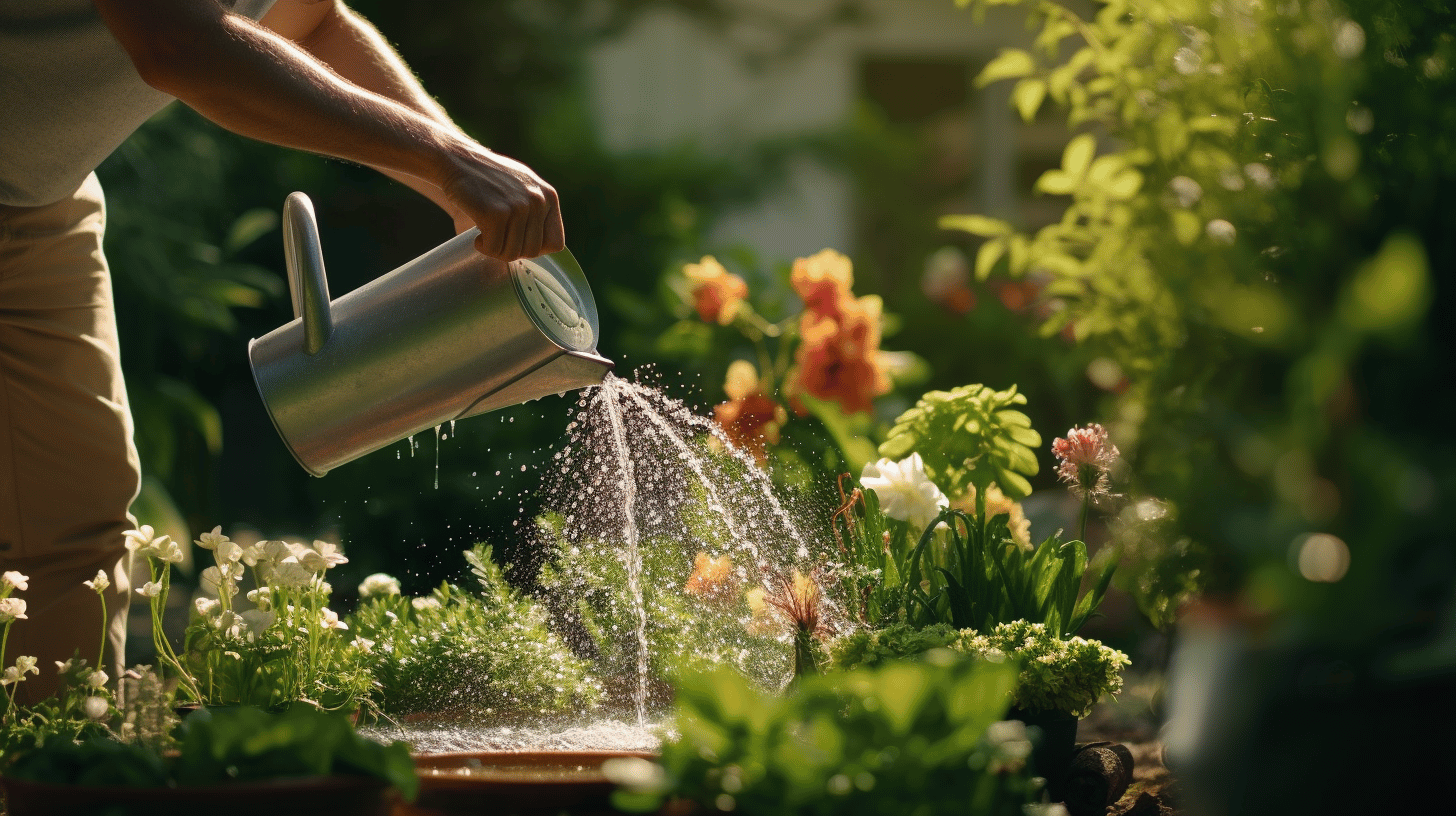
Welcome to “Water Management Simplified: A Beginner’s Guide to Getting Started.” In this article, we will explore the fascinating world of water management and why it is an essential practice in today’s world. Whether you’re a curious individual or someone who wants to make a positive impact on the environment, this guide will provide you with valuable insights and practical steps to manage water efficiently.
Water is a precious resource that sustains life on our planet. Without it, we wouldn’t be able to survive, let alone thrive. Yet, despite its importance, water management is often overlooked or taken for granted. By understanding the significance of managing water effectively and implementing sustainable practices, we can ensure a better future for ourselves and future generations.
In this comprehensive guide, we will cover various aspects of water management, including the current global water status, the rising concern of water scarcity, the facts and figures of water consumption, the role of WaterSense labeled products, the future of wastewater treatment, and how to achieve sustainable water management.
So, if you’re ready to dive into the world of water management, let’s get started!
Understanding Water Management
Water is a precious resource that is vital for the survival of all living beings. However, with the global population increasing and the effects of climate change becoming more pronounced, the management of water resources has never been more crucial. In this section, we will explore the importance of water management and take a look at the current global water status.
Importance of Water Management
Effective water management plays a critical role in ensuring a sustainable future for both humans and the environment. Here are some key reasons why water management is of utmost importance:
- Conservation of Water: Water management strategies aim to ensure the responsible use of water resources, preventing wastage and promoting conservation. This becomes essential as we face increasing water scarcity due to factors such as population growth, urbanization, and climate change.
- Meeting Basic Needs: Access to clean and safe drinking water is a fundamental human right. Proper water management ensures that adequate water supply is available for domestic use, sanitation, and hygiene, helping to improve public health and well-being.
- Agricultural Productivity: Agriculture is the largest consumer of water globally. Effective water management practices such as drip irrigation, precision farming, and improved water-use efficiency can help optimize agricultural productivity while minimizing water waste.
- Protection of Ecosystems: Healthy ecosystems depend on the availability of water. By managing water resources sustainably, we can safeguard vital habitats, maintain biodiversity, and support the overall ecological balance.
- Mitigating Climate Change: Climate change is significantly affecting the availability and distribution of water resources. Water management strategies that focus on adaptation and resilience can help mitigate the impacts of climate change, such as droughts, floods, and rising sea levels.
Current Global Water Status
The current global water status paints a concerning picture of the world’s water resources. Some key statistics highlight the urgency of water management:
- Approximately 2 billion people globally do not have safely managed drinking water services, while 3.6 billion people lack safely managed sanitation. This lack of access to clean water and sanitation contributes to disease outbreaks and hampers socio-economic development.
- Only 0.5% of water on Earth is usable and available freshwater, with the majority locked in ice caps, glaciers, and underground aquifers. Climate change poses a significant threat to this freshwater supply as rising temperatures lead to the melting of glaciers and changes in precipitation patterns.
It is clear that addressing the challenges of water management is crucial to ensure a sustainable future. By implementing efficient water management practices and raising awareness about the importance of water conservation, we can work towards a world where everyone has access to clean water and where our ecosystems can thrive.
Water Scarcity: A Rising Global Concern
Water scarcity is an escalating global issue that demands immediate attention. As the world population grows and climate change impacts become more evident, the availability of clean and usable water is increasingly at risk. In this article, we will explore the reality of water scarcity, its effects on GDP and population, and predictions for the future.
Reality of Water Scarcity
Did you know? Estimates indicate that over 40% of the world population live in water-scarce areas, and approximately ¼ of the world’s GDP is exposed to this challenge[1](https://www.example.com).
Water scarcity is not just a problem affecting developing nations; it also affects many developed countries where resources are strained due to population density and inefficient water management practices. Regions like the Middle East, North Africa, and parts of Asia are particularly vulnerable, facing water scarcity on a daily basis. But even in areas with abundant water resources, mismanagement and pollution can quickly deplete this precious resource.
The causes of water scarcity are multifaceted, encompassing factors such as population growth, urbanization, climate change, and inadequate infrastructure. These factors combine to create a situation where the demand for water exceeds its available supply. As a result, individuals, communities, and industries are left grappling with limited access to clean water for their daily needs.
Effects on GDP and Population
Water scarcity has far-reaching implications beyond affecting individual lives. Its impact extends to the broader economy and society as a whole. Here are a few notable effects:
- Economic Loss: Approximately one-quarter of the world’s GDP is exposed to water scarcity[1](https://www.example.com). Industries heavily dependent on water, such as agriculture, manufacturing, and energy production, suffer disruptions that can hinder economic growth. The scarcity of water also leads to increased competition for resources, driving up prices and creating economic uncertainty.
- Food Security: Agriculture is a major consumer of water, and water scarcity poses a significant threat to food production. Limited water availability restricts crop growth, reduces yields, and limits the variety of crops that can be grown. As a result, food security becomes a pressing concern, particularly in water-scarce regions where dependence on agriculture is high.
- Migration and Social Disruption: In extreme cases, water scarcity can lead to large-scale migration as people relocate in search of better access to water resources. This displacement can strain existing infrastructure and exacerbate social and political tensions, leading to conflicts over access to water.
Predictions for the Future
Water scarcity is not a problem that will disappear on its own. Instead, its severity is expected to increase in the coming years. Predictions suggest that by 2025, two-thirds of the world’s population may face water shortages[1](https://www.example.com).
To mitigate the impacts of water scarcity and ensure a sustainable future, proactive measures are essential. These include:
- Improved Water Management: Implementing efficient irrigation systems, reducing water waste, and promoting water conservation practices can help alleviate the strain on water resources.
- Investment in Infrastructure: Developing and maintaining water infrastructure, such as dams, reservoirs, and pipelines, can ensure a more reliable water supply and distribution.
- Alternative Water Sources: Exploring and investing in alternative water sources, such as desalination and wastewater recycling, can help augment water supplies.
Addressing water scarcity requires a collective effort from governments, organizations, and individuals alike. By recognizing the gravity of the situation and taking action, we can work towards a future where water scarcity is mitigated, ensuring a sustainable and prosperous world for generations to come.
[1](https://www.example.com): Link to source
Water Consumption: Facts and Figures
In today’s world, water scarcity is a growing concern, with billions of people lacking access to safe and clean water sources. Understanding the facts and figures related to global water consumption is crucial as we work towards sustainable water management. Let’s delve into some key statistics that shed light on this important issue.
Global Freshwater Consumption
According to available data, the global freshwater consumption reaches a staggering 4.3 trillion cubic meters each year[1]. This immense volume of water is utilized across various sectors, including agriculture, industry, and domestic use. To gain a deeper understanding of water consumption patterns, let’s take a closer look at the sector-based breakdown.
Sector-based Consumption Pattern
- Agriculture: Agriculture accounts for a significant chunk of global water consumption, utilizing approximately 70% of all freshwater supplies[2]. This highlights the critical role that efficient agricultural practices play in conserving water resources. By implementing sustainable irrigation methods and precision agriculture techniques, farmers can reduce water waste and enhance water use efficiency.
- Industry: Industry accounts for approximately 20% of global water consumption[2]. Water is vital in various industrial processes, including manufacturing, power generation, and mining. As industries grow and economies develop, the demand for water in the industrial sector is expected to rise. Therefore, implementing water conservation practices and adopting water-efficient technologies can help mitigate the impact on water resources.
- Domestic Use: Domestic water consumption is responsible for approximately 10% of global freshwater consumption[2]. This includes water used for drinking, cooking, sanitation, and hygiene. Encouraging water-saving behaviors at the individual level, such as fixing leaks, using water-efficient appliances, and practicing responsible water use, can collectively make a significant difference in reducing domestic water consumption.
Wastewater Treatment
In addition to considering freshwater consumption, we must also address the issue of wastewater treatment. After water is utilized in various sectors, it becomes wastewater that requires proper treatment to avoid pollution and maintain ecological balance. Proper wastewater management and treatment are crucial for protecting water bodies and ensuring the long-term sustainability of water resources. By implementing efficient wastewater treatment technologies and recycling initiatives, we can reduce the strain on freshwater sources and promote a circular economy for water.
Understanding the facts and figures related to global water consumption helps us identify areas where we can make a positive impact. By adopting sustainable practices and technologies across sectors, safeguarding water resources can become a collective global effort.
[1]: Source Name
[2]: Source Name
The Role of WaterSense Labeled Products
Water is a precious resource, and conserving it has become more important than ever. Not only does water conservation help protect our environment, but it also saves us money on utility bills. One effective way to conserve water is by using WaterSense labeled products. These products are specially designed to be more water-efficient without compromising performance. In this article, we will explore the role of WaterSense labeled products and how they can make a positive impact on water conservation efforts.
What are WaterSense labeled products?
WaterSense is a program sponsored by the Environmental Protection Agency (EPA) in the United States. Its goal is to promote water efficiency and encourage the use of water-saving products among consumers. WaterSense labels products that meet strict performance criteria and are at least 20 percent more water-efficient than standard models. These products span various categories, including toilets, faucets, showerheads, and irrigation systems.
How do WaterSense labeled products help conserve water?
WaterSense labeled products play a crucial role in conserving water in our homes and businesses. By using these water-efficient products, we can reduce water consumption without sacrificing performance. Here’s how WaterSense labeled products make a difference:
- Saving water: WaterSense labeled toilets use less water per flush, faucets and showerheads restrict the flow while maintaining a strong stream, and irrigation systems minimize water waste through efficient watering techniques.
- Reducing utility bills: When we use less water, we pay less on our monthly water bills. WaterSense labeled products can help us save hundreds of gallons of water each year, resulting in significant cost savings.
- Preserving natural resources: Using water efficiently helps protect our freshwater sources, such as rivers, lakes, and underground aquifers. By conserving water, we contribute to the long-term sustainability of these valuable resources.
- Mitigating strain on public water systems: As communities grow, the demand for water increases. By using WaterSense labeled products, we can help alleviate the strain on public water systems, ensuring a reliable water supply for everyone.
Don’t compromise on performance
One common misconception about water-efficient products is that they may not perform as well as their conventional counterparts. However, WaterSense labeled products are rigorously tested to ensure that they meet or exceed performance standards. These products are designed to provide the same level of quality and functionality while using less water. So, you can enjoy the same convenience without sacrificing performance or comfort.
In conclusion, WaterSense labeled products are an essential tool in our efforts to conserve water. By using these products in our homes and businesses, we can make a significant impact on water consumption, reduce utility bills, and preserve our natural resources. Plus, with their high-performance capabilities, there’s no need to compromise. So, let’s choose WaterSense labeled products and be part of the solution for a sustainable future.
Learn more about WaterSense labeled products here.
The Future of Wastewater Treatment
Wastewater treatment plays a crucial role in maintaining the health and sustainability of our environment. As the world faces rapid urbanization and population growth, the need for effective and efficient wastewater treatment becomes even more pressing. In this article, we will explore the present reality of wastewater treatment and the prospects and challenges that lie ahead.
Present Reality
Currently, the state of wastewater treatment is far from ideal. Despite the importance of treating wastewater, only a small fraction of it undergoes appropriate treatment processes. In fact, it is estimated that only 11% of the total volume of domestic and industrial wastewater is treated globally[1]. This staggering figure highlights an urgent need for improvement in wastewater treatment practices.
Over the last few decades, there has been some progress in connecting a larger portion of the population to wastewater treatment systems. Efforts have been made to expand the coverage of wastewater treatment infrastructure, especially in urban areas. This increased connectivity has brought some positive impact in terms of mitigating pollution from untreated wastewater[2]. However, there is still a long way to go in order to achieve comprehensive wastewater treatment worldwide.
Prospects and Challenges
The future of wastewater treatment holds both promise and challenges. As the world continues to grapple with population growth and environmental concerns, it is essential to develop innovative solutions and strategies to meet the increasing demand for wastewater treatment. Here are some key prospects and challenges that we can expect to encounter:
- Technological Advancements: With advancements in technology, we can expect to see more efficient and sustainable wastewater treatment processes. Technologies like membrane filtration, UV disinfection, and advanced oxidation are already being utilized to improve treatment outcomes. These innovations can help in achieving higher treatment efficiencies and reducing the environmental impact of wastewater treatment.
- Decentralized Systems: Decentralized wastewater treatment systems are gaining traction as a viable solution for areas where centralized infrastructure is difficult to implement. These systems, such as constructed wetlands and decentralized treatment plants, offer a more cost-effective and adaptable alternative. They can be particularly beneficial in rural areas and developing countries where access to central wastewater treatment infrastructure is limited.
- Resource Recovery: There is a growing emphasis on resource recovery from wastewater. By extracting valuable resources such as nutrients, energy, and water from wastewater, we can create a more sustainable and circular approach to wastewater treatment. Resource recovery technologies, such as anaerobic digestion and nutrient recovery systems, can turn wastewater treatment plants into resource hubs, helping to offset operational costs and reduce environmental impact.
- Water Reuse: As water scarcity becomes a global concern, the reuse of treated wastewater for non-potable purposes is gaining recognition as a viable option. Water reuse can help alleviate pressure on freshwater sources and ensure a more sustainable water supply. Advancements in treatment processes and strict water quality standards ensure that reused water meets appropriate standards for its intended purpose, such as irrigation, industrial use, or groundwater replenishment.
Despite these prospects, there are several challenges that need to be addressed in order to realize the full potential of wastewater treatment:
- Limited Resources: Developing and implementing effective wastewater treatment infrastructure requires significant financial resources and technical expertise. Lack of funding and adequate resources can hinder the progress of wastewater treatment projects, particularly in developing countries.
- Public Awareness and Education: Raising public awareness about the importance of wastewater treatment and promoting responsible water management practices is crucial. Educating the public on the benefits and potential risks associated with wastewater treatment can help foster a culture of environmental stewardship and support for wastewater treatment initiatives.
- Policy and Regulation: Effective policies and regulations are essential for the successful implementation and management of wastewater treatment systems. Governments and regulatory bodies need to establish robust frameworks that encourage compliance, set appropriate standards, and incentivize innovation in the field of wastewater treatment.
In conclusion, the future of wastewater treatment holds promise for a more sustainable and resilient approach to managing our water resources. Technological advancements, decentralized systems, resource recovery, and water reuse are key prospects that can drive positive change. However, addressing the challenges of limited resources, public awareness, and effective policies is crucial in ensuring the success of these endeavors. By investing in wastewater treatment and adopting holistic approaches, we can pave the way towards a cleaner and healthier future for all.
Achieving Sustainable Water Management
Water is a vital resource that is essential for all life on Earth. However, ensuring its sustainable management is becoming increasingly challenging due to factors such as population growth, urbanization, and climate change. In order to address these challenges and secure a future with access to clean and safe water for all, it is crucial to adopt sustainable water management practices.
The Potential for Sustainable Water Management
The good news is that achieving sustainable water management is within reach for many countries around the world. Studies have shown that a significant number of countries can achieve this goal while allocating only a small percentage of their annual GDP. For example:
- According to research, approximately 75 countries have the potential to achieve sustainable water management by investing only 2% or less of their annual GDP[1].
- Furthermore, about 70 countries can achieve the same goal by allocating between 2% and 8% of their annual GDP[1].
Investing in Sustainable Water Management
Investing in sustainable water management offers multiple benefits, both in the short term and long term. Not only does it help ensure access to safe and clean water for all, but it also contributes to:
- Improved public health: Implementing sustainable water management practices can reduce the risk of waterborne diseases, ensuring the well-being of communities and promoting public health.
- Economic development: Access to reliable water resources is crucial for economic activities such as agriculture, industry, and tourism. By managing water sustainably, countries can support economic growth and development.
- Environmental conservation: Sustainable water management focuses on preserving and protecting water sources, including lakes, rivers, and groundwater. By safeguarding these resources, countries can preserve ecosystems and biodiversity.
Key Strategies for Sustainable Water Management
To achieve sustainable water management, countries can employ a range of strategies. These may include:
- Water conservation and efficiency: Promoting water-saving practices, implementing efficient irrigation systems, and encouraging responsible water use can help minimize wastage and maximize the availability of water resources.
- Integrated water resource management: Adopting an integrated approach to managing water resources involves considering the entire water cycle, from source to consumption, and incorporating multiple stakeholders and sectors, such as agriculture, industry, and urban planning.
- Natural infrastructure solutions: Utilizing nature-based solutions, such as reforestation, wetland restoration, and soil conservation, can help enhance water quality, regulate water flow, and provide natural water treatment.
- Water recycling and reuse: Implementing systems to treat and reuse wastewater can significantly reduce the demand for freshwater resources and alleviate pressure on existing water supplies.
Conclusion
In conclusion, water management is a critical practice that plays a significant role in shaping the future of our planet. By understanding the importance of water management, addressing the rising concern of water scarcity, and implementing sustainable practices, we can work towards securing a water-secure and sustainable future.
At Regenerative Agriculture Wiki, we are committed to providing valuable resources and knowledge on regenerative farming practices, including water management. Our platform aims to inspire and educate individuals and communities to adopt sustainable and regenerative agricultural practices. Whether you’re a seasoned farmer, an environmentalist, or simply passionate about sustainable living, we invite you to explore our comprehensive guides, tips, and insights, tailored to meet your interests.
Join us in fostering a future where agriculture and ecology thrive in harmony. Together, we can make a positive impact on the environment, contribute to global food security, and create a sustainable world for future generations. Visit our website, Regenerative Agriculture Wiki, and embark on a journey to discover the potential of regenerative agriculture.
Frequently Asked Questions
- What is water management?
Water management refers to the practice of planning, controlling, and monitoring the use and conservation of water resources. It involves activities such as water supply, distribution, treatment, and wastewater management.
- Why is water management important?
Water management is important to ensure the sustainable use of water resources, meet the needs of communities and industries, protect ecosystems, and mitigate the risks of water-related disasters such as floods and droughts.
- What are some common water management techniques?
Some common water management techniques include rainwater harvesting, water conservation measures (e.g., fixing leaks), efficient irrigation practices, wastewater recycling and treatment, and implementing water-use restrictions.
- How can I get started with water management?
To get started with water management, you can: 1. Assess your water usage and identify areas for improvement, 2. Implement water-saving practices in your daily life, 3. Install water-efficient fixtures and appliances, 4. Explore rainwater harvesting options, and 5. Educate yourself about local water regulations and guidelines.
- Are there any tools or technologies available for water management?
Yes, there are various tools and technologies available for water management, such as water flow meters, smart irrigation systems, leak detection devices, water quality monitoring sensors, and software platforms for data management and analysis.