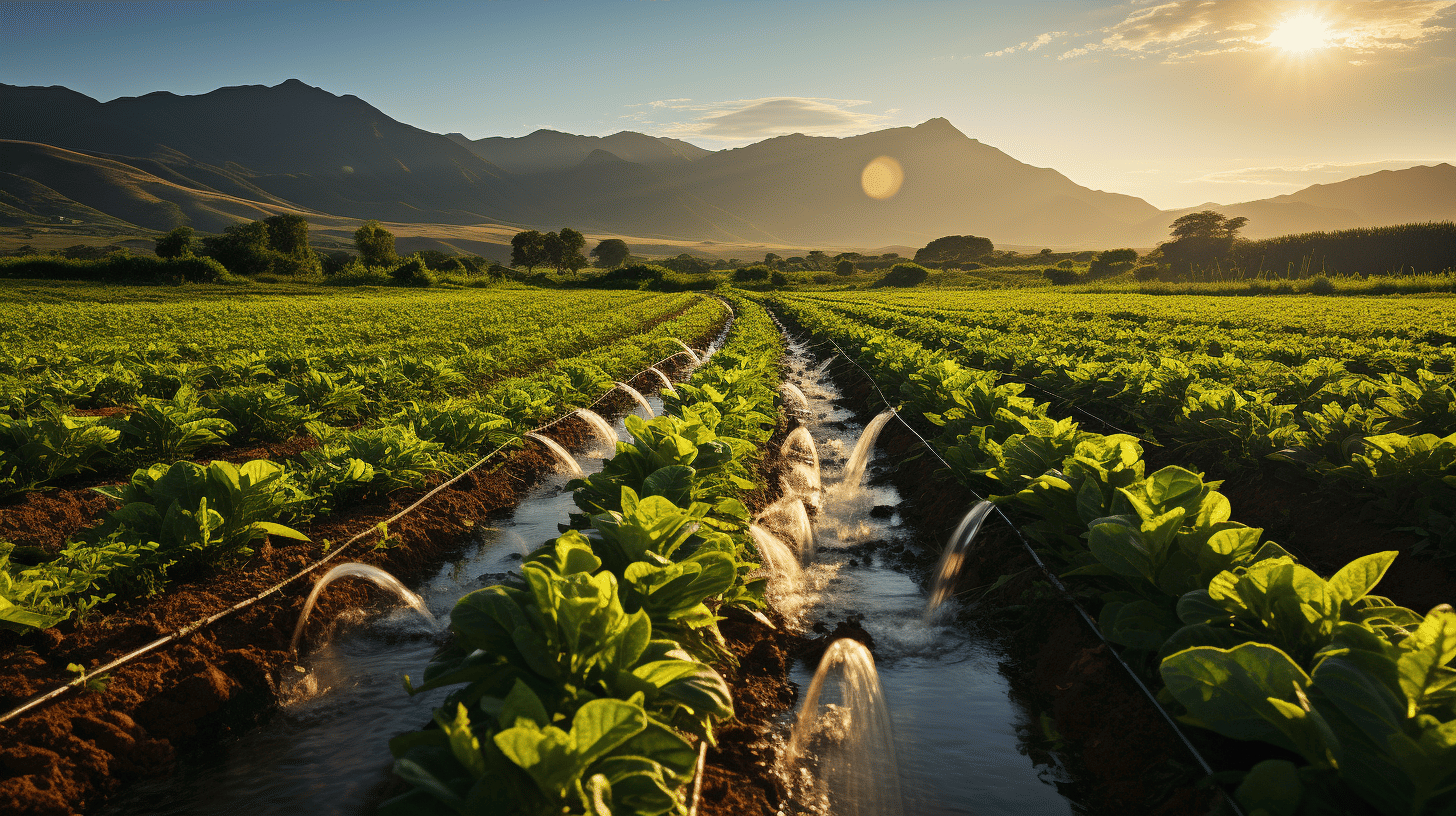
Welcome to the captivating world of water management in 2023! As we dive into the evolving landscape of this crucial sector, we’ll explore the core issues facing the water industry, the technological challenges it must address, key trends in water treatment, and the ever-pressing concerns of water scarcity and accessibility.
Water management plays a vital role in maintaining the quality and quantity of our water resources, ensuring the sustainability of our communities, and safeguarding our environment. With the growing global population and the increasing strain on water supplies, innovative approaches and technologies are needed now more than ever.
In this article, we will take a closer look at some of the key topics and trends shaping the future of water management. From aging infrastructure to the adoption of advanced technologies, from the market growth of smart water management systems to the significance of community collaboration and education, we will explore the challenges and opportunities that lie ahead.
So, let’s dive in and discover how water management is evolving to meet the needs of a changing world.
Core Issues Facing the Water Sector
The water sector is facing a number of core issues that require immediate attention and action. Two of the most pressing issues in this field are aging infrastructure and technology adoption. These issues are critical to ensuring the sustainability and efficiency of our water systems.
Aging Infrastructure
One of the major challenges faced by the water sector is the aging infrastructure. Many of the water treatment plants, distribution networks, and storage facilities in use today were built decades ago and are in desperate need of repair and modernization. This poses several problems:
- Increased risk of system failures: Aging infrastructure is more prone to breakdowns and malfunctions, leading to service disruptions and potential water quality issues.
- Water loss: Outdated pipelines and distribution networks are more likely to leak and result in significant water loss. In fact, it is estimated that utilities in the United States lose about 6 billion gallons of treated water every day.
- Inefficient water use: Aging infrastructure often lacks modern technology for water conservation and efficiency. This can result in unnecessary water waste, putting additional strain on already limited resources.
To address these challenges, water utilities and governments need to prioritize the rehabilitation and replacement of aging infrastructure. This includes proactive maintenance, upgrading distribution networks, and implementing smart technologies that can monitor and optimize water usage.
Technology Adoption
Another key issue facing the water sector is the slow adoption of technology. While advancements in technology have the potential to revolutionize the way we manage and use water, the water industry has been slower to adopt these innovations compared to other sectors. Here’s why technology adoption is crucial:
- Data-driven decision-making: Technology allows for the collection, analysis, and interpretation of vast amounts of data. This data can help water utilities identify patterns, predict demand, and make informed decisions to optimize resource allocation.
- Leak detection and monitoring: Advanced sensors and monitoring systems can detect leaks in real-time, allowing for prompt repairs and minimization of water loss.
- Water quality monitoring: Technology can automate the monitoring of water quality, ensuring that consumers have access to safe and clean drinking water.
To overcome the barriers to technology adoption, the water sector needs to embrace innovation and invest in research and development. This includes providing financial incentives, regulatory support, and fostering collaborations between researchers, technology developers, and water utilities.
In conclusion, addressing the challenges of aging infrastructure and technology adoption is essential for creating a sustainable and resilient water sector. By investing in the modernization of infrastructure and embracing technological innovations, we can ensure the availability and quality of water for generations to come.
Technological Challenges in Water Management
Water management is a critical issue that affects communities and industries worldwide. As the demand for clean and accessible water continues to rise, the need for effective solutions becomes even more pressing. Technological advancements have played a significant role in addressing these challenges, but they have also brought about a new set of hurdles to navigate. In this article, we will explore some of the key technological challenges in water management and discuss potential strategies to overcome them.
Pre-emption and Prevention
One of the primary challenges in water management is anticipating and preventing system failures before they occur. Proactive measures to address potential risks can help mitigate the impact on water supplies and infrastructure. Here are some strategies to consider:
- Regular monitoring: Implementing real-time monitoring systems can provide valuable data on water quality, quantity, and distribution. This data can be used to detect abnormalities and address issues before they escalate.
- Predictive analytics: Utilizing advanced analytics tools can help identify trends and patterns that may indicate potential problems. By analyzing historical data and predicting future scenarios, water managers can make informed decisions and take preventive action.
Security
Ensuring the security of water infrastructure and protecting against cyber threats is another critical challenge in water management. The interconnected nature of water systems makes them vulnerable to cyberattacks and unauthorized access. Here are some measures to enhance security:
- Robust cybersecurity protocols: Implementing strong security measures, such as encryption, firewalls, and intrusion detection systems, can help safeguard water infrastructure from cyber threats.
- Regular vulnerability assessments: Conducting regular assessments of the system’s vulnerabilities can help identify weak points and address them promptly.
Reuse
Water scarcity is a growing concern, making water reuse an important aspect of sustainable water management. However, implementing and scaling up water reuse systems present their own challenges. Here are some strategies to consider:
- Advanced treatment technologies: Utilize advanced treatment technologies, such as reverse osmosis and advanced oxidation, to remove contaminants and ensure the safety of reused water.
- Public acceptance and education: Educating the public about the benefits and safety of water reuse is crucial for widespread acceptance and implementation.
Process Automation
Automation of water management processes can improve efficiency and reliability. However, implementing automation systems comes with its own set of challenges. Here are some considerations:
- System integration: Ensure that different components of the water management system can communicate and interact seamlessly.
- Data management: Implement robust data management systems to collect, store, and analyze vast amounts of data generated by automation.
Optimization
Optimizing water management practices can lead to significant cost savings and resource efficiency. However, optimizing complex water systems is a challenging task. Here are some strategies to consider:
- Water network modeling: Utilize computer models to simulate and optimize water distribution networks, helping to identify areas of inefficiency and improve overall system performance.
- Demand-side management: Implement strategies to reduce water demand, such as water pricing mechanisms and public awareness campaigns.
Planning
Effective planning is crucial for long-term water management. However, uncertainties associated with climate change and population growth pose challenges in planning for future water needs. Here are some approaches to address this challenge:
- Scenario planning: Consider multiple future scenarios to identify potential water supply and demand gaps. This can help inform robust planning strategies.
- Climate change adaptation: Integrate climate change projections into water management plans to ensure resilience in the face of changing conditions.
In conclusion, while technology has revolutionized water management, it also brings forth challenges that need to be addressed. Pre-emptive measures, security enhancements, water reuse systems, process automation, optimization, and effective planning are crucial strategies to overcome these challenges. By leveraging technological advancements and implementing thoughtful solutions, we can ensure sustainable water management for generations to come.
Key Trends in the Water Treatment Industry
Water treatment is an essential process that ensures the safety and quality of our water supply. As technology continues to advance, the water treatment industry is constantly evolving to meet new challenges and demands. In this article, we will explore some of the key trends shaping the industry in 2023.
Membrane Technology: Revolutionizing Water Treatment
One of the most significant trends in the water treatment industry is the growing use of membrane technology. Membrane filtration systems are becoming increasingly popular due to their effectiveness in removing contaminants and providing high-quality water. Here are some key points about membrane technology:
- Membrane filtration uses a thin barrier, typically made of polymer or ceramic material, to separate impurities from water.
- This technology is highly effective in removing suspended solids, bacteria, viruses, and other pollutants, leading to cleaner and safer water.
- Membrane filtration can be used in various applications, including drinking water treatment, wastewater treatment, and industrial water purification.
- Reverse osmosis (RO), a type of membrane filtration, is particularly effective in removing salts and dissolved solids from water, making it suitable for desalination processes.
Carbon-Based Purification: A Sustainable Approach
Another noteworthy trend in the water treatment industry is the use of carbon-based purification systems. These systems utilize activated carbon, which has a high surface area and excellent adsorption properties. Here’s what you should know:
- Activated carbon effectively removes organic contaminants, such as pesticides, pharmaceuticals, and industrial chemicals, from water through adsorption.
- This method helps improve the taste, odor, and overall quality of water, making it more appealing for consumption.
- Carbon-based purification is considered a sustainable approach as activated carbon can be regenerated and reused, reducing waste and environmental impact.
- Additionally, carbon-based purification can be combined with other treatment technologies, such as membrane filtration, to achieve even better water quality.
Water Disinfection Solutions: Ensuring Water Safety
Ensuring water safety is of utmost importance in the water treatment industry, and water disinfection solutions play a vital role in achieving this goal. Here are the key points to consider:
- Water disinfection is the process of eliminating harmful microorganisms, such as bacteria, viruses, and parasites, from water.
- Chlorination, a widely used disinfection method, involves adding chlorine or chlorine-based compounds to water to kill pathogens.
- However, due to concerns about disinfection byproducts, alternative disinfection techniques like ultraviolet (UV) disinfection and ozone treatment are gaining popularity.
- UV disinfection utilizes ultraviolet light to inactivate microorganisms, while ozone treatment employs ozone gas to oxidize and destroy pathogens.
Advanced Filtration: Enhanced Water Treatment
Lastly, advanced filtration technologies are making waves in the water treatment industry. These systems go beyond traditional filtration methods and provide enhanced treatment capabilities. Here’s what you should know:
- Advanced filtration technologies, such as ceramic filtration and nanofiltration, offer improved removal of microscopic particles, fine sediments, and dissolved contaminants.
- These systems are more efficient at reducing turbidity, improving water clarity, and ensuring the removal of harmful substances.
- Advanced filtration can be combined with other treatment processes to achieve comprehensive water quality improvement.
In conclusion, the water treatment industry is witnessing significant advancements in technology and methods. Membrane technology, carbon-based purification, water disinfection solutions, and advanced filtration are among the key trends shaping the industry in 2023. By adopting these innovative approaches, we can continue to ensure the availability of safe and clean water for everyone.
Water Scarcity and Accessibility
Water scarcity and access to clean drinking water remain major challenges in Southeast Asia and other regions. Despite efforts to improve water management and infrastructure, millions of people still lack reliable access to safe and clean water sources. This section will delve into the major challenges faced in Southeast Asia regarding water scarcity and accessibility.
Major Challenges in Southeast Asia
Southeast Asia, with its growing population and rapid urbanization, faces several significant challenges in ensuring access to clean and safe water for its residents. Some of these challenges include:
1. Increasing Demand for Water
As urban areas expand and populations grow, the demand for water is increasing significantly. This rising demand puts pressure on existing water sources and infrastructure, leading to shortages and insufficient supply. Without proper management and planning, the gap between water demand and supply will continue to widen.
2. Water Pollution
Water pollution is another critical issue affecting water scarcity and accessibility in Southeast Asia. Industries, agriculture, and domestic waste contribute to the contamination of rivers, lakes, and groundwater sources. This pollution not only affects the quality of water but also reduces the available amount of safe and clean water for consumption.
3. Inadequate Infrastructure
Lack of adequate infrastructure is a significant challenge in ensuring access to clean water. Many regions struggle with insufficient water supply systems, including pipelines, storage facilities, and treatment plants. This inadequate infrastructure hinders the distribution of water to areas in need, exacerbating the problem of water scarcity.
4. Climate Change and Drought
Climate change poses a significant threat to water availability in Southeast Asia. Increasing temperatures, changing rainfall patterns, and more frequent droughts affect the replenishment of water sources and exacerbate water scarcity. As climate change continues to intensify, addressing water scarcity and access becomes even more critical.
5. Unequal Distribution
Water scarcity is often characterized by unequal distribution, with some areas having an excess while others suffer from shortages. This disparity is especially prevalent in rural areas, where access to clean water remains a challenge. Unequal distribution calls for equitable water management strategies that prioritize the needs of disadvantaged communities.
By addressing these major challenges, governments, organizations, and communities in Southeast Asia can work together to ensure improved water management, infrastructure development, and access to clean drinking water for all. Solving the water scarcity problem requires a multi-faceted approach that incorporates sustainable practices, innovative technologies, and community involvement.
As we move forward, it is crucial to prioritize water conservation and sustainability to mitigate the impact of water scarcity and promote equitable access to this vital resource. Together, we can strive towards a future where clean and safe water is accessible to all in Southeast Asia and beyond.
Increasing Popularity of Smart Water Management Systems and Analytics
Water is one of the most precious resources on our planet, and ensuring its efficient management has become a pressing concern in recent years. With the rise in global water scarcity and the need for sustainable water solutions, smart water management systems and analytics are gaining popularity. These innovative technologies offer a myriad of benefits that are reshaping the way we manage and conserve water resources.
Enhanced Water Efficiency
Smart water management systems leverage technology to provide real-time data on water consumption, leak detection, and overall system performance. By monitoring water usage patterns and detecting leaks or inefficiencies, these systems enable proactive measures to be taken, leading to significant improvements in water efficiency. With the help of analytics, water utilities, municipalities, and industries can optimize their water usage, reduce water losses, and make informed decisions for sustainable water management.
Precise and Timely Water Monitoring
Traditional water monitoring methods often rely on manual data collection and periodic meter reading, resulting in delayed responses to water-related issues. Smart water management systems, on the other hand, offer precise and timely monitoring of water infrastructure. Through the use of sensors and IoT-enabled devices, water flow, pressure, and quality can be accurately measured in real-time. This allows for immediate detection and response to leaks, bursts, or changes in water quality, ensuring proactive maintenance and minimizing water waste.
Data-Driven Decision Making
In the era of big data, smart water management systems provide invaluable insights through advanced analytics. By collecting and analyzing vast amounts of data, these systems generate comprehensive reports, identify patterns, and present actionable information to water managers and stakeholders. With access to real-time and historical data, decision-makers can make informed choices regarding water allocation, infrastructure investments, and conservation strategies. Data-driven decision making not only improves operational efficiency but also empowers sustainable water management practices.
Integration with Other Smart Systems
Smart water management systems are designed to integrate with other smart systems, such as smart cities or smart grids. This integration facilitates a holistic approach to resource management and enables optimization across various sectors. For example, by connecting water management systems with energy grids, it becomes possible to optimize the energy consumption of water pumps or treatment processes. The synergy between different smart systems creates opportunities for cost savings, resource optimization, and overall system resilience.
In conclusion, the increasing popularity of smart water management systems and analytics reflects the growing recognition of the importance of efficient water management. These technologies offer enhanced water efficiency, precise and timely monitoring, data-driven decision making, and integration with other smart systems. As we move forward, it is crucial to continue embracing these innovative solutions to ensure the sustainable use of water resources for future generations.
Decentralized Desalination and Wastewater Reuse
Decentralized desalination and wastewater reuse are innovative solutions that are gaining traction in the face of rising water costs and increasingly efficient treatment processes. As communities around the world grapple with water scarcity and the need for sustainable water management, these decentralized approaches offer great promise.
So, what exactly is decentralized desalination and wastewater reuse? In simple terms, it refers to the localization of water treatment facilities, enabling communities to produce fresh water from alternative sources and recycle wastewater in a more efficient and cost-effective manner. This approach reduces dependency on traditional centralized water treatment plants and promotes a more sustainable water management system.
Let’s delve deeper into the benefits of decentralized desalination and wastewater reuse:
- Cost-effectiveness: Decentralized systems can often be more cost-effective, especially for smaller communities or rural areas that may not have the resources or infrastructure for large-scale centralized plants. By minimizing the complexity and distance of water distribution networks, decentralized systems can significantly reduce operational costs in the long run.
- Water independence: With decentralized desalination, communities can tap into alternative water sources such as seawater or brackish water, reducing their reliance on freshwater supplies. Similarly, decentralized wastewater reuse systems allow treated water to be reused for various purposes, such as irrigation, industrial processes, or even replenishing groundwater sources. This promotes water independence and resilience in the face of water scarcity.
- Environmental sustainability: Decentralized approaches to water treatment and reuse can have a significant positive impact on the environment. By reducing the need for long-distance water transportation and the energy-intensive processes associated with centralized treatment plants, decentralized systems can help lower carbon emissions and decrease the overall ecological footprint.
- Flexibility and scalability: Decentralized systems offer greater flexibility and scalability, allowing communities to adapt to changing water demands more efficiently. These systems can be modular in nature, meaning they can be expanded or reduced based on the specific needs of the community. This flexibility also allows for localized solutions that are tailored to address specific water quality or quantity challenges.
While decentralized desalination and wastewater reuse present numerous benefits, it’s important to recognize that they are not a one-size-fits-all solution. Each community’s water needs and infrastructure capabilities must be carefully assessed to determine the most appropriate approach. In some cases, a combination of centralized and decentralized systems may be the optimal solution.
As water costs continue to rise and treatment technologies advance, decentralized desalination and wastewater reuse are likely to become increasingly mainstream. These innovative approaches offer a pathway to tackle water scarcity, promote sustainability, and build resilient communities in the face of future water challenges.
Sources:
- World Bank – Decentralized Wastewater Treatment Systems
- Water Research Foundation – Decentralized Desalination
Market Growth of Smart Water Management
The global smart water management market has demonstrated impressive growth in recent years, with projections showing continued expansion in the coming years. According to industry reports, this market is expected to grow from $16.08 billion in 2023 to $30.80 billion by 2028, representing a remarkable compound annual growth rate (CAGR) of 13.89%[1].
There are several key factors driving the growth of the smart water management market. These include increasing water scarcity, aging water infrastructure, regulatory pressures, and the need for efficient water conservation measures. As the demand for water rises and resources become limited, governments, water utilities, and municipalities are turning to smart water management solutions to address these challenges effectively.
Here are some noteworthy points highlighting the market growth of smart water management:
- Technological Advancements: The rapid advancements in technology, including Internet of Things (IoT), data analytics, and artificial intelligence (AI), have paved the way for innovative solutions in water management. These technologies enable real-time monitoring of water networks, leakage detection, predictive maintenance, and efficient allocation of water resources.
- Cost-Effectiveness: Smart water management solutions offer cost-effective alternatives to traditional water management practices. By leveraging IoT and automation, utilities can optimize water usage, reduce energy consumption, and minimize operational costs. These solutions provide accurate and timely data, enabling proactive decision-making and preventative maintenance, ultimately leading to cost savings.
- Environmental Benefits: Implementing smart water management systems can have significant environmental benefits. By reducing water wastage, detecting leaks promptly, and optimizing water distribution, these solutions contribute to water conservation and sustainable resource management. This, in turn, helps to preserve natural ecosystems, protect biodiversity, and minimize the carbon footprint associated with water treatment processes.
- Regulatory Push: Governments and regulatory bodies worldwide are imposing stringent policies and regulations to promote efficient water management practices. This regulatory landscape encourages the adoption of smart water management solutions by utilities and industries. Compliance with these regulations not only ensures sustainable water usage but also avoids penalties and reputational damage.
In conclusion, the global smart water management market is witnessing robust growth, driven by factors such as technological advancements, cost-effectiveness, environmental benefits, and regulatory pressures. As the world faces increasing water challenges, the adoption of smart water management solutions becomes paramount in enabling efficient and sustainable water resource management.
[1]: Source
Shift to Decentralized Solutions and Smaller-Scale Water Systems
Water scarcity and the need for sustainable water management practices have prompted a shift in the water sector towards decentralized solutions and smaller-scale water systems. This shift recognizes the limitations of traditional centralized water infrastructure and seeks to implement more efficient, cost-effective, and resilient approaches to meet the growing demand for clean water.
Why the Shift?
The traditional centralized water supply infrastructure, although effective in many cases, has its drawbacks. It requires extensive distribution networks, large treatment plants, and often long-distance conveyance of water. These systems can be expensive to build, maintain, and upgrade, not to mention vulnerable to disruptions caused by natural disasters or other unforeseen events.
The shift towards decentralized solutions and smaller-scale water systems offers several advantages:
- Increased Resilience: Decentralized water systems are designed to be more resilient and adaptable, reducing the risk of disruptions caused by localized events such as extreme weather or infrastructure failures. By distributing water production and treatment closer to the point of use, communities can ensure a reliable water supply even in challenging circumstances.
- Improved Efficiency: Smaller-scale systems can be more efficient in terms of water treatment and distribution. By minimizing the distance water needs to travel, these systems can reduce water losses, energy consumption, and operational costs. Furthermore, decentralized solutions often incorporate innovative technologies and approaches that optimize water management and resource utilization.
- Enhanced Water Quality: Centralized water treatment processes might struggle to effectively address certain contaminants, especially in regions with specific water quality challenges. Decentralized systems can be tailored to target specific water treatment requirements, ensuring safe and high-quality water for local communities.
- Flexibility and Customization: Decentralized solutions allow for greater flexibility and customization to meet the unique needs of different communities. Whether it’s a remote village, urban neighborhood, or industrial complex, smaller-scale systems can be adapted to the specific water demands and resources of the area, providing tailored solutions that optimize efficiency and effectiveness.
Examples of Decentralized Solutions
The shift towards decentralized solutions is already underway, with numerous successful implementations around the world. Here are some examples:
- Rainwater harvesting systems: These systems collect and store rainwater for local use, reducing reliance on centralized water sources.
- Community-scale wastewater treatment: Instead of relying solely on large wastewater treatment plants, some communities are implementing smaller-scale treatment systems to address their specific wastewater management needs.
- Water-efficient building design: Buildings that incorporate water-efficient technologies and practices, such as graywater recycling and low-flow fixtures, reduce water demand and enhance sustainability at a local level.
- Off-grid water purification: In areas with limited access to clean water, off-grid water purification systems, such as solar-powered desalination units or portable filtration systems, provide decentralized solutions for safe drinking water.
In summary, the shift to decentralized solutions and smaller-scale water systems offers a promising future for sustainable water management. By embracing these approaches, communities can achieve greater resilience, efficiency, and customization in their water supply, contributing to the broader goal of ensuring clean and accessible water for all.
Advances in Water Treatment Technologies
Water is a precious resource, and ensuring its quality and availability is essential for the well-being of both humans and the environment. As technology continues to advance, so do our capabilities to treat and purify water. In recent years, there have been significant developments in water treatment technologies, which offer more effective and sustainable solutions for water purification. Two areas that have gained prominence in the industry are Advanced Oxidation Processes (AOPs) and Electrochemical Disinfection.
Advanced Oxidation Processes
Advanced Oxidation Processes (AOPs) are innovative water treatment techniques that utilize powerful oxidizing agents to remove contaminants from water. These processes involve the generation of highly reactive radicals, such as hydroxyl radicals (OH·), which can efficiently degrade organic pollutants and destroy harmful microorganisms.
Key features and benefits of AOPs include:
- Broad-spectrum effectiveness: AOPs can effectively target a wide range of pollutants, including organic compounds, pesticides, pharmaceutical residues, and even emerging contaminants.
- Advanced removal of microorganisms: AOPs can efficiently disinfect water by destroying microorganisms like bacteria, viruses, and protozoa, making it a potential alternative to traditional disinfection methods.
- Environmental sustainability: AOPs use non-toxic and environmentally friendly oxidants, such as ozone, hydrogen peroxide, and ultraviolet (UV) light, reducing the need for chemical additives.
- Residual disinfection capability: AOPs can provide residual disinfection in water distribution systems, helping to prevent the regrowth of microorganisms and improving overall water quality.
Electrochemical Disinfection
Electrochemical disinfection is another groundbreaking water treatment technology that has gained attention in recent years. It utilizes electrochemical processes to inactivate or destroy harmful microorganisms, providing an effective and environmentally friendly method of water disinfection.
Notable features and advantages of electrochemical disinfection include:
- Effective microbial inactivation: Electrochemical disinfection can efficiently eliminate a wide range of microorganisms, including bacteria, viruses, and protozoa, ensuring the safety and purity of treated water.
- Low energy consumption: Compared to traditional disinfection methods, electrochemical disinfection systems typically consume less energy, resulting in cost savings and energy efficiency.
- Minimal chemical usage: Electrochemical disinfection requires minimal or no chemical additives, reducing the formation of disinfection byproducts (DBPs) and ensuring the production of clean and safe water.
- Scalability and flexibility: Electrochemical disinfection systems can be easily adjusted and scaled to suit various water treatment requirements, making them adaptable for different applications, from small-scale residential use to large-scale municipal water disinfection.
Advances in water treatment technologies, such as AOPs and electrochemical disinfection, offer promising solutions for addressing water quality and purification challenges. These innovative techniques not only provide efficient contaminant removal and microbial inactivation, but also contribute to sustainable water management practices. As we continue to explore and develop new technologies, the future of water treatment looks brighter, ensuring safe and clean water for generations to come.
Importance of Community Collaboration and Education
Water management is a complex and ever-evolving field, requiring innovative solutions to ensure the sustainable use and conservation of this vital resource. One often overlooked aspect of successful water management strategies is community collaboration and education. By involving local communities and educating them about water management, we can achieve more effective and sustainable outcomes.
Collaboration with Local Communities
Collaborating with local communities is crucial for implementing successful water management strategies. It allows for a deeper understanding of the unique challenges and needs of a particular region. Here are some key benefits of community collaboration:
- Local Knowledge: Local communities have valuable knowledge about the water sources, usage patterns, and cultural practices related to water. By tapping into this knowledge, we can gain insights that can inform our water management decisions.
- Ownership and Buy-In: When community members are actively involved in the decision-making process, they develop a sense of ownership and responsibility towards water resources. This engagement increases their willingness to adopt and support sustainable practices.
- Cultural Sensitivity: Collaboration ensures that water management strategies are culturally sensitive and respect the values and practices of the community. By incorporating local traditions and beliefs, we can design solutions that are more likely to be embraced by the community.
Education about Water Management
Educating communities about water management is equally important for achieving sustainable outcomes. Here’s why:
- Awareness: Many people are unaware of the importance of water conservation and sustainable practices. Education programs can raise awareness about the need to preserve water resources, the consequences of unsustainable water use, and the role individuals can play in making a difference.
- Behavior Change: Knowledge empowers individuals to make informed choices about water usage in their daily lives. Through education, communities can learn practical strategies for reducing their water footprint, such as efficient irrigation techniques, water-saving appliances, and responsible water consumption habits.
- Long-Term Impact: By instilling a deep understanding of water management principles, education programs create a lasting impact. The knowledge passed on to future generations ensures a culture of sustainable water practices, providing long-term benefits for both the community and the environment.
In conclusion, collaboration with local communities and education about water management are integral components of successful water management solutions. By working together and empowering communities with knowledge, we can foster sustainable practices, conserve water resources, and create a brighter future for all. Through collaboration and education, we can build a strong foundation for innovative water management strategies that meet the needs of both present and future generations.
Conclusion
In conclusion, the landscape of water management is rapidly evolving, driven by the need for sustainable and innovative solutions. From aging infrastructure to technological advancements, there are several core issues that the water sector must address. However, with these challenges come opportunities for growth and transformation.
Technological challenges in water management, such as pre-emption and prevention, security, reuse, process automation, optimization, and planning, are paving the way for more efficient and effective water treatment processes. Additionally, key trends in the water treatment industry, including membrane technology, carbon-based purification, water disinfection solutions, and advanced filtration, are making water treatment more sustainable and accessible than ever before.
Water scarcity and accessibility remain major challenges, particularly in regions like Southeast Asia. However, the increasing popularity of smart water management systems and analytics is helping to address these issues by enabling better monitoring, conservation, and management of water resources.
Furthermore, the shift towards decentralized desalination and wastewater reuse, coupled with the market growth of smart water management, highlights the importance of adopting smaller-scale water systems and community collaboration. Advances in water treatment technologies, such as advanced oxidation processes and electrochemical disinfection, are also contributing to the overall improvement of water quality and sustainability.
Ultimately, community collaboration and education play a crucial role in ensuring the success of water management strategies. By disseminating knowledge, raising awareness, and fostering a shared understanding of the importance of sustainable water practices, we can create a future where water resources are conserved and protected for generations to come.
To learn more about sustainable agriculture and its impact on the environment, visit Regenerative Agriculture Wiki. Explore our extensive content on regenerative agriculture, soil health, holistic management, permaculture, and agroecology, and join us in fostering a future where agriculture and ecology thrive in harmony.
Frequently Asked Questions
- What are the key trends in water management for 2023?
Some key trends in water management for 2023 include increased adoption of smart water technologies, growing emphasis on decentralized water systems, advancements in water recycling and reuse, and greater focus on sustainability and conservation.
- How are smart water technologies changing the water management landscape?
Smart water technologies, such as IoT sensors, data analytics, and AI-powered automation, are revolutionizing water management by enabling real-time monitoring, leak detection, predictive maintenance, and optimized water distribution, leading to more efficient and sustainable water use.
- What are the benefits of decentralized water systems?
Decentralized water systems, like rainwater harvesting and decentralized wastewater treatment, offer benefits such as reduced strain on centralized infrastructure, increased water resilience, cost savings, and opportunities for local water management and reuse.
- How is water recycling and reuse becoming more prominent?
Water recycling and reuse are gaining prominence due to water scarcity concerns and environmental sustainability. Technologies like advanced wastewater treatment and graywater recycling enable the reuse of treated water for various non-potable purposes, reducing reliance on freshwater sources.
- What actions can individuals take to contribute to water conservation?
Individuals can contribute to water conservation by adopting practices like reducing water consumption, fixing leaks promptly, harvesting rainwater, reusing graywater for irrigation, and supporting policies and initiatives aimed at promoting sustainable water management.