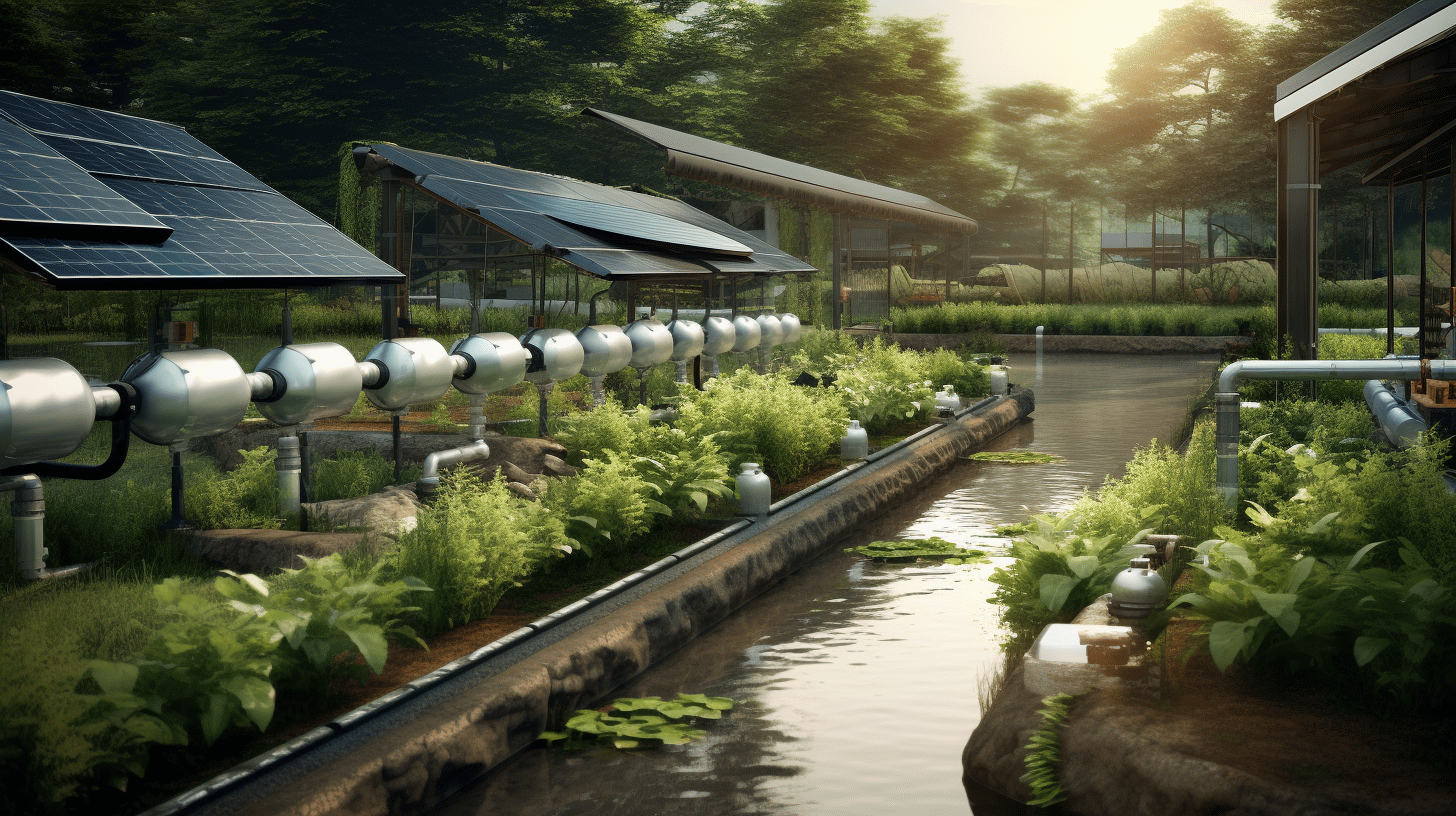
Water is a precious resource that we rely on for our daily needs, agriculture, and industrial processes. However, water scarcity and pollution have become pressing concerns in many parts of the world. As a result, there is a growing need for innovative and creative water management strategies that go beyond traditional approaches. These strategies consider the interconnectedness of water resources, circular economy principles, and advanced technologies to ensure sustainable water use and conservation.
In this article, we will explore various creative water management strategies that address these challenges and offer effective solutions. From on-farm irrigation techniques to innovative stormwater management approaches, we will dive into the different ways in which individuals, businesses, and communities can make a positive impact on water management.
So, if you’re ready to think outside the box and discover new ways to preserve our most valuable resource, keep reading. Let’s explore the exciting world of creative water management strategies and find inspiration to make a difference in our communities.
Challenges Faced in Water Management
Water management is a complex and vital aspect of ensuring the sustainability and availability of this precious resource. However, there are several challenges that hinder effective water management practices. In this section, we will explore two significant challenges: weak enforcement of groundwater licensing and the discharge of toxic substances into water bodies.
Weak Enforcement of Groundwater Licensing
One of the major challenges in water management is the weak enforcement of groundwater licensing. Groundwater is a critical source of freshwater, especially in regions where surface water is limited. However, unregulated extraction can lead to overexploitation and depletion of groundwater reserves.
The lack of strict enforcement mechanisms for groundwater licensing allows unauthorized extraction, leading to a range of issues, including:
- Depletion of groundwater levels, impacting water availability for communities, agriculture, and industries.
- Increased salinity intrusion, as overuse of groundwater can draw in seawater into coastal aquifers.
- Land subsidence due to excessive pumping, leading to infrastructure damage and increased flood risk.
To address this challenge, effective governance and implementation of groundwater management strategies are crucial. Governments and water authorities need to strengthen regulatory frameworks and monitoring mechanisms to ensure sustainable use of groundwater resources.
Discharge of Toxic Substances
Another significant challenge in water management is the discharge of toxic substances into water bodies. Industries, such as textile mills, often contribute to this issue by releasing wastewater containing pollutants into rivers and streams.
The discharge of toxic substances poses several environmental and health risks, including:
- Contamination of drinking water sources, which can lead to health problems for communities reliant on these water supplies.
- Ecological damage to aquatic ecosystems, including the loss of biodiversity and the disruption of natural habitats.
- Negative impacts on fishing and agriculture industries, as contaminated water affects the quality and productivity of crops and fish.
To tackle this challenge, strict regulations and monitoring of industrial wastewater discharge must be in place. Industries should be encouraged to adopt sustainable practices, such as implementing wastewater treatment facilities and reducing the use of hazardous substances in their processes.
In conclusion, weak enforcement of groundwater licensing and the discharge of toxic substances are two significant challenges that need to be addressed in water management. By implementing robust regulatory frameworks, enhancing monitoring mechanisms, and promoting sustainable practices, we can ensure the effective and responsible use of water resources for the benefit of present and future generations.
Effective Creative Water Management Strategies
Water scarcity is a global issue that affects both rural and urban communities. As the demand for water continues to rise, it becomes crucial to implement effective water management strategies. In this article, we will explore two key areas of creative water management: on-farm irrigation and secondary material recovery. By adopting these strategies, we can effectively conserve water and ensure its optimal use.
On-Farm Irrigation
On-farm irrigation plays a significant role in agricultural water management. It involves applying water to crops to sustain their growth and achieve maximum yield. Traditional irrigation methods often result in water wastage and inefficient water use. However, innovative techniques are now being employed to improve on-farm irrigation practices. Some of these strategies include:
- Drip Irrigation: This technique involves slowly releasing water directly to the plant roots, minimizing evaporation and ensuring that the water reaches the intended plant efficiently.
- Smart Irrigation Systems: With the advancements in technology, farmers can now utilize sensor-based systems that monitor soil moisture levels and weather conditions, adjusting irrigation accordingly.
- Precision Irrigation: By analyzing the specific water needs of different areas within a field, precision irrigation allows farmers to optimize water application, reducing waste and ensuring uniform crop growth.
These creative approaches to on-farm irrigation not only save water but also enhance crop productivity. Farmers can make informed decisions about when and how much water to apply, leading to significant water savings without compromising yields.
Secondary Material Recovery
Water management goes beyond agricultural practices; it also extends to industrial and municipal sectors. One effective strategy in these sectors is secondary material recovery. This process involves treating and reusing wastewater or other industrial byproducts, reducing the demand for freshwater and minimizing environmental pollution. Here are some notable examples of secondary material recovery:
- Water Reclamation: Treating and recycling wastewater for non-potable applications like industrial processes, irrigation, or toilet flushing can significantly reduce the need for freshwater resources.
- Anaerobic Digestion: This process involves breaking down organic waste to produce biogas, which can be utilized as an energy source. The remaining byproduct, known as digestate, can be used as a nutrient-rich fertilizer.
- Membrane Filtration: Technologies such as reverse osmosis and microfiltration enable the removal of impurities from wastewater, making it suitable for various purposes like industrial cooling or agricultural irrigation.
By implementing secondary material recovery systems, industries and municipalities can reduce their reliance on freshwater sources and contribute to a more sustainable water management framework.
Case studies across various sectors have demonstrated the effectiveness of these creative water management strategies. From improved crop yields to reduced water consumption and environmental impact, these approaches highlight the possibilities of a more sustainable water future.
In conclusion, innovative strategies such as on-farm irrigation and secondary material recovery present viable solutions to address water scarcity and ensure responsible water management. By embracing these techniques and employing them in diverse sectors, we can secure a resilient and sustainable water supply for generations to come.
Synergy between Circular Economy and Water Management
Introduction
In today’s world, where the limitations of our planet’s resources are becoming increasingly apparent, it is more important than ever to find sustainable solutions for managing our water resources. One approach that shows great promise is the synergy between circular economy principles and water management. By applying circular economy principles to the management of water resources, we can not only conserve and use water more efficiently but also recover valuable resources in the process. This article will explore two key aspects of this synergy: resource recovery and reclamation.
Resource Recovery
Circular economy principles offer innovative ways to recover valuable resources from wastewater. Instead of treating wastewater as a waste product to be disposed of, a circular economy approach looks at it as a potential source of valuable resources. By treating wastewater using advanced technologies, we can extract and recover valuable resources such as phosphorus, nitrogen, and even energy. These resources can then be reused or sold, contributing to both environmental sustainability and economic benefits.
Resource recovery from wastewater has the potential to address several key challenges:
- Phosphorus scarcity: Phosphorus is an essential nutrient for agricultural productivity, but it is a finite resource that is becoming increasingly scarce. By extracting phosphorus from wastewater, we can reduce our dependence on phosphate rock mining, which has significant environmental impacts.
- Energy production: Wastewater treatment processes have the potential to generate biogas, a renewable source of energy. By implementing anaerobic digestion technologies, we can harness the energy potential of organic matter in wastewater and produce electricity or heat.
- Water reuse: Through advanced treatment processes, we can recover water from wastewater and reuse it for non-potable applications such as irrigation or industrial processes. This reduces the demand for freshwater sources and ensures a more sustainable water supply.
Reclamation
Circular economy principles also offer opportunities for reclaiming water from various sources. Traditional water management often involves a linear process of extraction, use, and disposal. In contrast, a circular approach considers water as a valuable resource that can be recycled and reused repeatedly. Here are some examples of water reclamation practices that can contribute to sustainable water management:
- Rainwater harvesting: Collecting and storing rainwater can provide a sustainable source of water for irrigation, landscaping, and even toilet flushing. By capturing rainwater, we can reduce reliance on freshwater sources and relieve the burden on traditional water supply systems.
- Greywater recycling: Greywater, which comes from household activities like dishwashing and showering, can be treated and reused for non-potable purposes such as toilet flushing or irrigation. This reduces the demand for freshwater and eases the strain on wastewater treatment plants.
- Stormwater management: By implementing stormwater management techniques such as infiltration, retention ponds, or green infrastructure, we can capture and filter stormwater runoff. This not only helps to recharge groundwater reserves but also reduces the risk of urban flooding and minimizes pollution in water bodies.
Incorporating circular economy principles into water management practices can bring about a significant shift in how we view and manage our water resources. By recognizing the value of water and the potential for resource recovery and reclamation, we can move towards a more sustainable and efficient water management system.
To learn more about the principles of circular economy and their applications in sustainable water management, visit our page on Circular Economy and Water Management.
Innovations in Water Transfer and Pumping
Water transfer and pumping systems are crucial for various industries, including agriculture, construction, and mining. Over the years, there have been significant advancements in this field that have revolutionized the way water is transferred and pumped. These innovations have not only made the process more efficient but also contributed to reducing energy consumption and promoting sustainability.
One such groundbreaking innovation is the development of ultrahigh-head water transfer pumps. These pumps are specifically designed to handle complex projects that require water to be transferred over long distances and at high elevations. They offer numerous advantages over traditional pumping systems, making them a popular choice for many applications.
Here are some key features and benefits of ultrahigh-head water transfer pumps:
- Improved Efficiency: Ultrahigh-head pumps are engineered to maximize efficiency, ensuring that every drop of water is moved with minimum energy consumption. Compared to traditional pumps, these innovative solutions can reduce energy consumption by 15-20%.
- Enhanced Performance: These pumps are designed to deliver exceptional performance, even in challenging conditions. With their high-pressure capabilities and robust construction, they can handle heavy-duty tasks with ease.
- Cost Savings: By utilizing ultrahigh-head water transfer pumps, industries can achieve significant cost savings. The reduced energy consumption translates to lower electricity bills, resulting in long-term financial benefits.
- Environmentally Friendly: The emphasis on sustainability has driven the development of eco-friendly pumping solutions. Ultrahigh-head pumps contribute to environmental preservation by minimizing energy waste and reducing carbon emissions.
- Flexibility and Versatility: These pumps are available in a range of sizes and configurations, making them adaptable to various project requirements. Whether you need to transfer water for irrigation, firefighting, or mining operations, ultrahigh-head pumps can be tailored to meet your specific needs.
In conclusion, the advancements in water transfer and pumping systems, particularly the emergence of ultrahigh-head water transfer pumps, have significantly improved efficiency, reduced energy consumption, and promoted sustainability. These innovations offer a multitude of benefits to industries, including improved performance, cost savings, and environmental friendliness. By embracing these cutting-edge technologies, businesses can enhance their operations while minimizing their impact on the environment.
Innovative Stormwater Management Approaches
Managing stormwater effectively is a critical aspect of urban planning and development. In recent years, cities and municipalities have been exploring innovative approaches to stormwater management. These approaches aim not only to mitigate flooding but also to minimize pollution and promote sustainable practices. Two primary strategies that have gained traction are rainwater harvesting and green infrastructure. Let’s explore both of these approaches and their potential advantages.
Rainwater Harvesting
Rainwater harvesting involves collecting and storing rainwater for various purposes such as irrigation, toilet flushing, and even drinking water. Traditionally, stormwater was treated as a liability and directed straight into drainage systems, leading to runoff and contamination of natural water bodies. However, with rainwater harvesting, the focus shifts to treating stormwater as a valuable resource.
Here are some key benefits of rainwater harvesting:
- Water conservation: By capturing and reusing rainwater, communities can reduce their reliance on traditional water sources, such as groundwater and municipal supplies. This helps in conserving precious water resources, especially in regions prone to droughts.
- Flood mitigation: By capturing rainwater before it enters the drainage system, rainwater harvesting effectively reduces stormwater runoff and helps mitigate flooding. This becomes particularly important in urban areas with limited drainage capacity.
- Water quality improvement: Rainwater, when captured and stored properly, is free from the pollutants commonly found in stormwater runoff. This makes it a cleaner and safer alternative for several non-potable uses.
Green Infrastructure
Green infrastructure refers to a network of natural or semi-natural elements that mimic natural hydrological processes to manage stormwater. It involves the strategic integration of vegetation, soils, and pervious surfaces to capture, store, and treat stormwater. Examples of green infrastructure include green roofs, rain gardens, bioswales, and permeable pavements.
Let’s take a look at the advantages of green infrastructure:
- Improved water quality: Unlike traditional stormwater management methods, which often involve redirecting stormwater to treatment plants, green infrastructure uses vegetation and natural processes to filter and treat stormwater. It helps remove contaminants and pollutants, resulting in cleaner water that can be safely discharged into water bodies.
- Enhanced biodiversity: Green infrastructure elements like rain gardens and bioswales provide habitat for various plants and animals, thus promoting biodiversity in urban areas. This creates a more sustainable and ecologically balanced environment.
- Aesthetically pleasing: Incorporating green infrastructure elements into urban landscapes adds visual appeal and can enhance the overall ambiance of a neighborhood or city. It creates green spaces that improve the quality of life for residents and visitors alike.
In conclusion, rainwater harvesting and green infrastructure are innovative stormwater management approaches that offer several benefits. They help conserve water, reduce flooding, improve water quality, and enhance biodiversity. Implementing these strategies can lead to more sustainable and resilient communities, better equipped to address the challenges of urban stormwater management.
Additional Resource: To learn more about case studies highlighting innovative stormwater management approaches and practices, check out this link.
Business Guide to Circular Water Management
Water is a vital resource that plays a crucial role in the success and sustainability of businesses. However, the availability and quality of water are becoming major challenges in today’s world. To address these challenges, a comprehensive Business Guide to Circular Water Management has been developed to assist companies in adopting sustainable water management practices.
The guide provides valuable insights and strategies for businesses to effectively manage water resources, reduce water consumption, and minimize water-related risks. It offers practical tips and techniques that can be implemented across various industries and sectors.
Why is Circular Water Management important for businesses?
Circular Water Management is an innovative approach that aims to close the loop on water usage, emphasizing the conservation and reuse of water resources. This approach is becoming increasingly relevant for businesses due to several key reasons:
- Water scarcity: The availability of freshwater is dwindling, with approximately 2.1 billion people lacking access to safe drinking water globally. By implementing circular water management practices, companies can help alleviate water scarcity concerns and ensure the long-term availability of this precious resource.
- Risk mitigation: Businesses rely on water for their operations, and any disruptions in water supply can pose significant risks. Circular water management helps reduce dependence on external water sources, making businesses more resilient to water-related disruptions, such as droughts or water restrictions.
- Cost savings: Increasing water prices and stricter regulations can lead to higher operational costs for businesses. By adopting circular water management strategies, companies can reduce their water consumption, optimize water use efficiency, and ultimately save on water-related expenses.
Key strategies for Circular Water Management
The Business Guide to Circular Water Management outlines several key strategies that businesses can implement to improve their water management practices. These strategies include:
- Water Assessment: Conducting a comprehensive water assessment to understand water consumption patterns, identify areas of improvement, and set water management goals.
- Water Efficiency: Implementing water efficiency measures such as leak detection, water-efficient appliances, and technologies, and employee training on water-saving practices.
- Water Reuse: Exploring opportunities to reuse and recycle water within business operations. This can include technologies such as greywater systems or utilizing treated wastewater for non-potable purposes.
- Water Stewardship: Engaging in responsible water stewardship practices, such as watershed protection, supporting community water projects, and collaborating with stakeholders to address shared water challenges.
- Monitoring and Reporting: Establishing systems to monitor water usage and track progress towards water management goals. Regular reporting ensures transparency and accountability in water management efforts.
Benefits of Circular Water Management for businesses
Implementing Circular Water Management practices can bring numerous benefits to businesses, including:
- Resilience: Businesses that adopt circular water management strategies are better prepared to handle water-related challenges, such as scarcity or quality issues, ensuring operational continuity.
- Cost Savings: By reducing water consumption and optimizing water use efficiency, companies can experience significant cost savings in water bills and related expenses.
- Environmental Stewardship: Circular water management contributes to the conservation of water resources, reduces pollution, and minimizes the environmental impact of business operations.
- Corporate Responsibility: Embracing sustainable water management practices enhances a company’s reputation and demonstrates its commitment to environmental stewardship and social responsibility.
In summary, adopting Circular Water Management practices is not only essential for the long-term sustainability of businesses but also a responsible action towards conserving water resources and mitigating water-related risks. The Business Guide to Circular Water Management provides a roadmap for businesses to navigate the complex water landscape and implement effective and sustainable water management strategies.
Conservation Farming for Water Management
Conservation farming practices in developing countries show potential for harnessing rainfall and improving water management. With the increasing pressures on water resources due to population growth and climate change, it is crucial to find sustainable solutions to optimize water usage in agriculture.
One such practice is conservation tillage, which involves minimizing soil disturbance during planting and other farming activities. By leaving crop residues on the soil surface, conservation tillage helps to:
- Reduce water evaporation: Crop residues act as a protective layer, preventing excessive evaporation of moisture from the soil. This helps to retain water for longer periods and ensure its availability for plant uptake.
- Improve soil structure: The presence of crop residues enhances soil aggregation and increases organic matter content. These improvements lead to better water infiltration and retention, reducing runoff and erosion.
- Preserve soil moisture: Conservation tillage helps to maintain soil moisture levels by reducing moisture loss through evaporation and improving water-holding capacity. This practice is especially beneficial in regions with limited rainfall or frequent droughts.
Another effective water management strategy is agroforestry, which involves integrating trees into agricultural systems. Agroforestry provides a range of benefits for water management, including:
- Shade and windbreaks: Trees can be strategically planted to provide shade for crops, reducing water stress by lowering evapotranspiration rates. They can also serve as windbreaks, minimizing water loss through wind erosion.
- Deep-rooted trees: Certain tree species have deep root systems that can access water from lower soil layers. These deep roots help to draw up water that would otherwise be unavailable to shallow-rooted crops, improving overall water availability.
- Improved water infiltration: Trees can enhance water infiltration rates by creating channels through their root systems. This improves the soil’s water-holding capacity and reduces surface runoff, minimizing erosion and nutrient loss.
Integrating water-efficient irrigation methods is another essential aspect of conservation farming. Techniques such as drip irrigation and precision sprinklers can provide water directly to the plant roots, reducing water wastage through evaporation and runoff.
In conclusion, conservation farming practices offer promising solutions for water management in agriculture. By adopting conservation tillage, agroforestry, and water-efficient irrigation methods, farmers can optimize water usage, improve soil health, and contribute to sustainable agriculture. These practices can play a significant role in mitigating the challenges posed by water scarcity and climate change in developing countries.
We hope this article shed light on the potential of conservation farming for better water management. To learn more about water conservation in agriculture, check out this link.
Integration of Advanced Technologies
Integration of advanced technologies plays a crucial role in enhancing efficiency and optimizing various aspects of our lives. From IoT-based applications to smart water systems, these innovations offer solutions that not only streamline processes but also contribute to sustainability and conservation efforts.
IoT-Based Applications
IoT, or the Internet of Things, has revolutionized how we interact with the world around us. By connecting physical devices and systems to the internet, IoT has opened up a world of possibilities for improved efficiency, automation, and data-driven decision-making.
Here are some key applications of IoT that are transforming industries:
- Smart Home Automation: IoT enables homeowners to control and monitor various aspects of their homes remotely. From thermostats that adjust temperature based on occupancy patterns to security systems that send alerts to your smartphone, IoT-based home automation systems make our lives more convenient and secure.
- Industrial Automation: IoT plays a vital role in industrial settings, optimizing processes and increasing productivity. IoT sensors can collect real-time data on machine performance, temperature, and other critical factors, allowing businesses to identify issues before they escalate and efficiently manage resources.
- Smart Cities: IoT is a key enabler for creating smart cities by connecting public infrastructure and services. Intelligent traffic management systems, waste management solutions, and enhanced public safety measures are just a few examples of how IoT can improve the quality of life in urban areas.
Smart Water Systems
Water scarcity is a pressing global challenge, and the integration of advanced technologies can help address this issue. Smart water systems utilize IoT, data analytics, and automation to monitor, manage, and conserve water resources effectively.
Here are some benefits of smart water systems:
- Real-time Monitoring: Smart water systems enable the remote monitoring of water consumption, leaks, and water quality in real-time. This data can help identify areas of high usage, detect leaks, and ensure water quality meets regulatory standards.
- Efficient Water Management: By analyzing data on water usage patterns, smart water systems can optimize water distribution networks, reducing wastage and improving efficiency. These systems can also incorporate predictive analytics to anticipate demand and ensure the adequate supply of water.
- Conservation and Sustainability: Smart water systems allow for better water conservation practices by promoting awareness and alerting users to potential water leaks or excessive usage. This contributes to long-term sustainability by reducing water waste and preserving this valuable resource for future generations.
In conclusion, the integration of advanced technologies like IoT-based applications and smart water systems holds tremendous potential for improving efficiency and conservation efforts. By leveraging these innovations, we can create a more sustainable and connected world, where resources are optimized, and the quality of life is enhanced.
Techniques for Reducing Stormwater Runoff
Micro-Irrigation Systems
Micro-irrigation systems offer a solution to excessive stormwater runoff by providing controlled irrigation to plants in a precise and efficient manner. These systems distribute water directly to the root zones of plants, minimizing evaporation and runoff. Here are some key benefits of micro-irrigation systems:
- Water Conservation: By delivering water directly to plants, micro-irrigation systems minimize water waste and improve overall water efficiency. This can lead to significant water savings compared to traditional irrigation methods.
- Reduced Runoff: Micro-irrigation systems ensure that water reaches the plant roots without excess runoff. This helps prevent soil erosion and reduces the amount of stormwater flowing into drainage systems.
- Improved Plant Health: By providing consistent and targeted irrigation, micro-irrigation systems promote healthier plant growth. Plants receive the right amount of water they need, leading to stronger root systems and better overall health.
Green Roofs
Green roofs are another effective technique for controlling stormwater runoff and enhancing water conservation. A green roof is a vegetated surface that covers a building’s rooftop. Here are the benefits of implementing green roofs:
- Stormwater Retention: Green roofs have the ability to retain rainwater, reducing the volume of stormwater runoff. The vegetation on the roof absorbs and retains water, allowing it to slowly evaporate back into the atmosphere or be used by the plants.
- Reduced Heat Island Effect: Green roofs help mitigate the heat island effect, which refers to the increased temperatures in urban areas compared to surrounding rural areas. Vegetation on green roofs provides shade and evaporative cooling, reducing the overall heat absorption of buildings.
- Improved Air Quality: Plants on green roofs help filter pollutants from the air, improving air quality in urban areas. This has a positive impact on the health and well-being of inhabitants.
Incorporating micro-irrigation systems and green roofs into urban landscapes can significantly reduce stormwater runoff and improve water conservation. These techniques offer practical and eco-friendly solutions to minimize the adverse effects of excessive stormwater runoff. By implementing these techniques on a broader scale, we can create more sustainable cities with enhanced water management practices.
To learn more about micro-irrigation systems, visit our article on Micro-Irrigation Systems. If you’re interested in green roofs, check out our guide on Green Roofs.
Investment in Research and Development
Investment in research and development (R&D) is a crucial factor driving the adoption of innovative water management techniques across various sectors. Companies and organizations that invest in R&D are able to stay at the forefront of technological advancements in water management, leading to increased efficiency, sustainability, and cost-effectiveness.
Let’s take a closer look at how investment in R&D is shaping the future of water management:
1. Advancements in Water Treatment Technologies
Companies investing in R&D are driving significant advancements in water treatment technologies. Through continuous research and innovation, new and improved water treatment methods are being developed, resulting in more efficient removal of contaminants and pollutants. This not only ensures the availability of clean water for various applications but also helps in mitigating the impact of industrial activities on the environment.
2. Development of Smart Water Management Systems
R&D investments have paved the way for the development of smart water management systems. These systems leverage advanced data analytics, real-time monitoring, and remote sensing technologies to enable efficient water usage, accurate leak detection, and predictive maintenance. By utilizing these systems, companies can optimize water consumption, reduce wastage, and enhance overall operational efficiency.
3. Innovation in Water Conservation Techniques
Investment in R&D is driving innovation in water conservation techniques that are essential for sustainable water management. Through research, companies are developing new methods to promote water reuse, rainwater harvesting, and greywater recycling. These techniques help in reducing dependence on freshwater sources and ensure the availability of water even in water-stressed regions.
4. Addressing the Challenges of Water Scarcity and Climate Change
R&D investments play a vital role in addressing the challenges posed by water scarcity and climate change. Researchers are working on developing new technologies and strategies to tackle these issues, such as developing drought-resistant crops, implementing desalination technologies, and improving water resource management practices. These advancements are crucial in ensuring a sustainable and resilient water future.
In conclusion, investment in research and development is driving the adoption of innovative water management techniques across various sectors. Companies and organizations that prioritize R&D investments are leading the way in developing new technologies, systems, and techniques that promote efficient water usage, conservation, and address the challenges posed by water scarcity and climate change. By investing in R&D, we can create a sustainable and resilient future for water management.
Continue reading: The Importance of Investment in Research and Development
Conclusion
In conclusion, creative water management strategies play a crucial role in addressing the challenges faced in water management. By thinking outside the box and implementing innovative approaches, we can enhance water efficiency, conserve resources, and protect our environment. From on-farm irrigation techniques to the integration of advanced technologies, there are numerous opportunities to make a positive impact on water management.
At Regenerative Agriculture Wiki, we are committed to sharing valuable insights and practical tips on sustainable farming practices, including water management. Explore our platform to learn more about regenerative agriculture and how you can contribute to a future where agriculture and ecology thrive in harmony.
Join us in fostering a sustainable and regenerative approach to farming. Together, we can make a difference for the environment and ensure a brighter future for generations to come.
Discover the potential of regenerative agriculture and start your journey today.
Frequently Asked Questions
- What are some creative water management strategies?
Some creative water management strategies include rainwater harvesting, greywater recycling, xeriscaping, using permeable pavement, and implementing water-efficient irrigation systems.
- How does rainwater harvesting work?
Rainwater harvesting involves collecting and storing rainwater for later use. It is typically done by capturing rainwater from rooftops into storage tanks or barrels. This collected water can be used for various purposes such as irrigation, toilet flushing, and laundry.
- What is greywater recycling?
Greywater recycling is the process of reusing non-potable water from sources such as sinks, showers, and laundry. This water can be treated and used for irrigation or flushing toilets, reducing the dependency on freshwater sources.
- What is xeriscaping?
Xeriscaping is a landscaping technique that reduces or eliminates the need for supplemental irrigation. It involves choosing drought-tolerant plants, improving soil quality, and using mulch to retain moisture.
- What are the benefits of using permeable pavement?
Permeable pavement allows rainwater to penetrate through the surface, reducing runoff and allowing water to recharge the groundwater. It helps to prevent flooding, replenish water sources, and reduce the heat island effect.