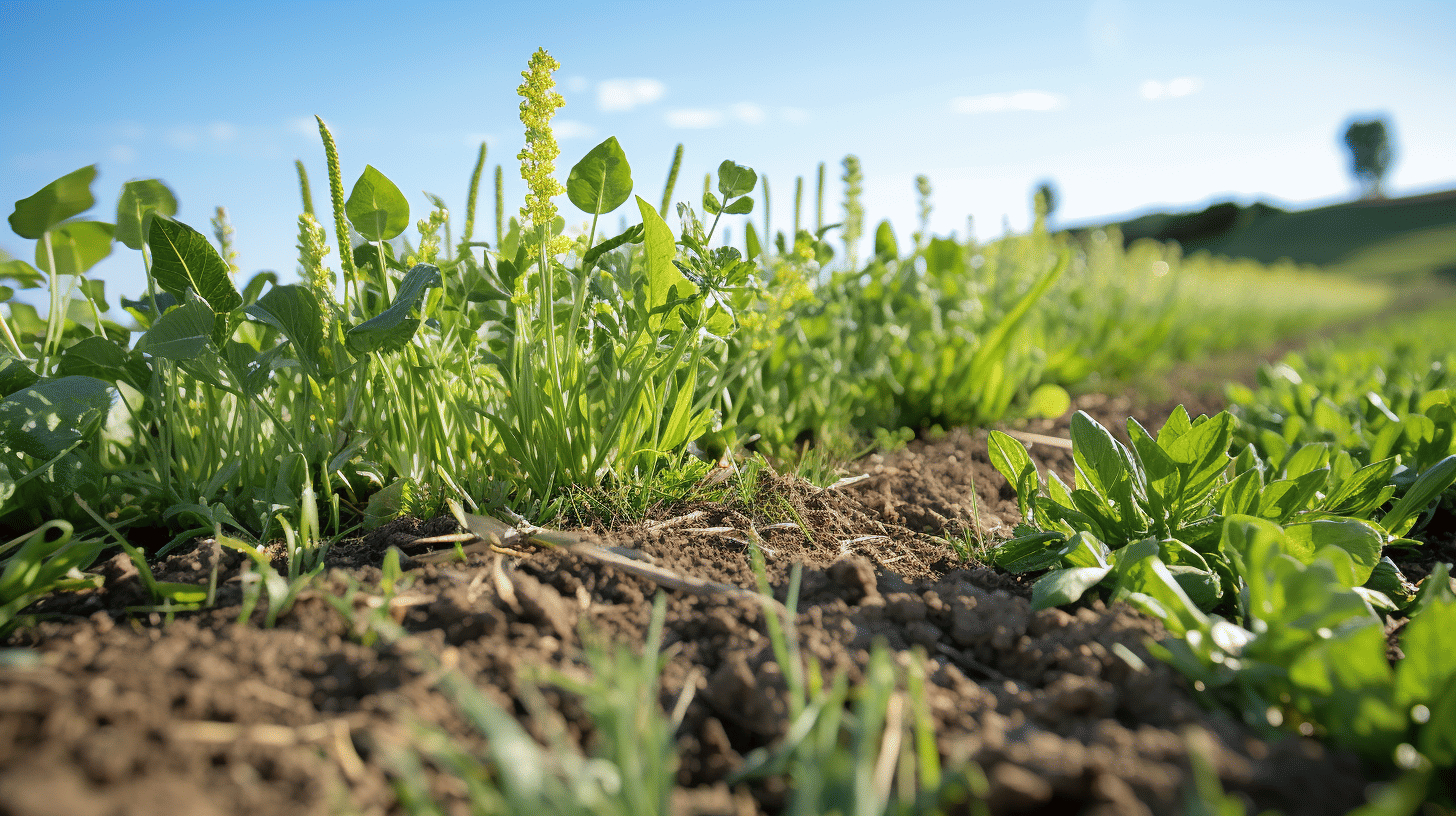
Farmers around the world are constantly seeking innovative strategies to improve their agricultural practices while maintaining environmental sustainability. One such strategy that has gained significant attention in recent years is the use of cover crops. Cover crops refer to a diverse range of plant species that are grown primarily to protect and enhance the soil during periods when cash crops are not planted. These crops are typically sown after harvest and before the next planting season, providing a plethora of benefits to both the soil and the overall farm ecosystem.
The adoption of cover crops has been on the rise, with more and more farmers recognizing their potential in promoting sustainable agriculture. By incorporating cover crops into their farming systems, growers can mitigate soil erosion, enhance soil fertility, suppress weeds, reduce nutrient leaching, and even sequester carbon. Additionally, cover crops contribute to increased farm resiliency, enabling farmers to better withstand unpredictable weather patterns and other environmental challenges.
In this article, we will delve into the various aspects of cover crop adoption and explore the multitude of benefits they offer. We will also discuss the factors that encourage farmers to incorporate cover crops into their practices, as well as the economic considerations that come into play. Furthermore, we will take a closer look at the usage of cover crops in organic farming and how they contribute to weed control, soil health, and erosion prevention.
Join us on this journey of uncovering the power of cover crops and discover the success strategies that sustainable farmers employ to unlock their full potential. As we delve into the world of cover crops, you will gain valuable insights on how these crops can transform your farming methods to be more sustainable, economically viable, and environmentally friendly. Buckle up, because we’re about to embark on a fascinating exploration that will revolutionize your approach to farming. Let’s get started!
The Rise of Cover Crop Adoption
Cover crops have been gaining significant attention and popularity among farmers in recent years. These crops, which are planted primarily to benefit the soil and ecosystem, have seen a remarkable increase in adoption rates. The growing recognition of their numerous advantages has fueled their widespread use across agricultural landscapes.
Growth in Use and Acreage
The adoption of cover crops has experienced a substantial upward trajectory. According to recent data, cover crop adoption reached an impressive 7.2% in 2021. This significant increase is even more remarkable when compared to the adoption rate of just 1.8% a decade prior[1]. It clearly demonstrates a growing interest and willingness among farmers to incorporate cover crops into their agricultural practices.
Moreover, the acreage dedicated to cover crops has also seen remarkable growth. The 2022 Census reported a staggering 18.0 million acres of land being utilized for cover crops. This represents a substantial increase of 17% from the acreage reported in 2017[2]. Such a significant expansion in acreage further highlights the increased recognition and acceptance of cover crops among the farming community.
Yield Impact of Cover Crop Use
One of the primary drivers behind the adoption of cover crops is the positive impact they have on crop yields. Research has consistently shown that cover crops can play a crucial role in improving overall productivity. By introducing cover crops into their farming systems, farmers can experience numerous benefits, including:
- Enhanced Soil Health: Cover crops help to promote soil structure, nutrient cycling, and microbial activity, leading to healthier and more fertile soils. This, in turn, contributes to increased nutrient availability for subsequent cash crops.
- Weed Suppression: The presence of cover crops helps to suppress weed growth, decreasing competition with cash crops and reducing reliance on herbicides.
- Reduced Erosion: Cover crops act as a protective blanket, preventing soil erosion caused by wind and water. This greatly contributes to soil conservation and long-term sustainability.
- Water Management: Cover crops can increase water infiltration and retention in the soil, reducing runoff and improving water-use efficiency.
- Pest and Disease Control: Certain cover crops can serve as natural pest and disease suppressants, reducing the need for synthetic chemical interventions.
Cover Crop Adoption Rates
The tremendous growth in cover crop adoption rates is indicative of the increasing recognition of their potential benefits. Farmers across the country are realizing the value these crops bring to their operations, not only in terms of environmental sustainability but also in terms of improved financial performance. The numerous advantages associated with cover crops, coupled with the growing body of scientific evidence supporting their efficacy, have accelerated their widespread adoption.
As we delve deeper into the world of cover crops and explore their myriad advantages, it becomes increasingly clear why their adoption rates have soared in recent years. From improved soil health to increased crop yields and enhanced resilience to climatic challenges, cover crops are revolutionizing modern agriculture. With a strong foundation in science and an ever-growing community of farmers embracing their benefits, the rise of cover crop adoption shows no signs of slowing down.
Click here to learn more about the importance of cover crops.
Benefits of Cover Crops
Cover crops have gained significant recognition for their numerous benefits in agriculture. They provide a range of advantages that contribute to sustainable farming practices and improve overall farm health. Let’s take a closer look at some of the key benefits of cover crops:
Soil Erosion Protection
One of the primary benefits of cover crops is their ability to protect the soil from erosion. By establishing a dense cover on the soil surface, they prevent the impact of raindrops and wind, reducing soil particle detachment and runoff. This protection is especially crucial in areas with sloping terrain, where erosion rates can be higher. Ultimately, this helps to maintain the integrity of the topsoil and prevent valuable nutrient loss.
Reduced Nutrient Leaching
Cover crops play a vital role in reducing nutrient leaching, which occurs when water carries nutrients away from the root zone and into groundwater or surface waters. The extensive root systems of cover crops capture excess nutrients, like nitrogen and phosphorus, and hold them in place. As a result, fewer nutrients are lost, leading to improved water quality and reduced contamination of nearby water bodies.
Carbon Sequestration
In the fight against climate change, cover crops contribute significantly to carbon sequestration. Through photosynthesis, plants absorb carbon dioxide from the atmosphere and convert it into organic matter. This process helps to remove carbon from the atmosphere and store it in the soil, reducing greenhouse gas emissions and mitigating global warming.
Weed Suppression
Cover crops act as a natural weed suppressant by outcompeting undesirable plant species for resources such as sunlight, water, and nutrients. The dense canopy of cover crops shades the soil, preventing weed growth. Additionally, certain cover crops release allelopathic compounds that inhibit the germination and growth of weed seeds, further reducing weed pressure in agricultural fields.
Soil Fertility Enhancement
Cover crops are known for their ability to enhance soil fertility and improve overall soil health. When cover crops decompose, they release nutrients back into the soil, making them available for the subsequent cash crops. Additionally, the root systems of cover crops help improve soil structure and increase water infiltration, leading to better nutrient and moisture retention. This creates a more favorable environment for plant growth and contributes to long-term soil fertility.
Increased Farm Resiliency
By incorporating cover crops into farm management practices, farmers can increase the resilience of their operations. Cover crops provide a buffer against extreme weather conditions, such as heavy rainfall or drought, by improving soil structure and water-holding capacity. They also promote a more diverse soil microbiome, which enhances nutrient cycling and supports overall plant health. This increased resilience helps farms adapt to changing climate patterns and ensures more stable crop yields.
In conclusion, cover crops offer a multitude of benefits to farmers and the environment alike. They provide soil erosion protection, reduce nutrient leaching, sequester carbon, suppress weeds, enhance soil fertility, and increase farm resiliency. By incorporating cover crops into their agricultural practices, farmers can improve sustainability, promote soil health, and contribute to a more sustainable future for agriculture.
Factors Encouraging Cover Crop Adoption
Cover crops are gaining popularity among farmers and for good reason. They offer numerous benefits to both the environment and the profitability of farming operations. But what are the factors that are encouraging more and more farmers to adopt cover crops? Let’s explore some of the key reasons why farmers are embracing this sustainable farming practice.
Incentive Payments
One major factor driving the adoption of cover crops is the availability of incentive payments. Governments at both the federal and state levels have recognized the environmental benefits of cover crops and have implemented programs to encourage their adoption. These programs often provide financial incentives to farmers who plant cover crops on their land.
- Incentive payments can offset some of the costs associated with cover crop establishment and maintenance.
- They provide an additional source of income for farmers.
- Government programs also often offer technical assistance to help farmers successfully implement cover crops on their land.
Tax Breaks
Another significant factor encouraging cover crop adoption is the availability of tax breaks. Tax incentives can provide valuable financial relief to farmers, making cover crop adoption a more economically viable option. By incorporating cover crops into their operations, farmers can potentially benefit from:
- Tax deductions for qualified cover crop expenses.
- Reduced property taxes for land used for cover crops.
- Income tax credits for adopting sustainable farming practices.
These tax benefits not only help farmers financially, but they also incentivize sustainable land management practices that improve soil health, reduce erosion, and protect water quality.
Crop Insurance Discounts
Farmers face various risks, including crop failures due to extreme weather events or pests. Crop insurance helps mitigate some of these risks, providing financial protection in the event of crop loss. What’s interesting is that some insurance providers are now offering discounts on crop insurance premiums to farmers who adopt cover crops.
- By planting cover crops, farmers can improve their soil health and reduce the risk of crop failure, leading to lower insurance premiums.
- Cover crops help to enhance soil moisture retention and nutrient cycling, making crops more resilient to drought and other weather-related challenges.
This incentive not only encourages farmers to adopt cover crops but also recognizes the benefits of sustainable farming practices in reducing risk and improving overall farm profitability.
Soil Carbon Benefits
Lastly, the significant environmental benefits of cover crops, particularly in terms of soil carbon sequestration, are spurring their adoption. Cover crops act as living mulch, protecting the soil from erosion and adding organic matter to the soil. This organic matter improves soil structure, enhances nutrient availability, and increases water-holding capacity.
- Cover crops capture and store carbon from the atmosphere in the form of organic matter, helping to mitigate climate change.
- Increased soil organic matter leads to healthier soils, which can result in higher crop yields and reduced dependency on synthetic fertilizers and pesticides.
The potential long-term benefits to soil health and carbon sequestration have become significant drivers for farmers to adopt cover cropping systems.
In conclusion, the factors encouraging cover crop adoption are diverse and multifaceted, encompassing financial incentives, tax breaks, crop insurance discounts, and environmental benefits. Together, these factors provide farmers with the motivation and support they need to incorporate cover crops into their farming practices. As more farmers recognize the advantages of cover crops, we can expect to see an increase in adoption rates and a brighter future for sustainable agriculture.
Economic Considerations of Cover Cropping
Cover cropping is not only beneficial for soil health and environmental sustainability but also carries important economic considerations. When deciding whether to implement cover cropping practices, farmers need to weigh the costs of establishment against the potential benefits and returns they can expect.
Here are some key economic factors to consider when evaluating the viability of cover cropping:
1. Cost of Establishment
The initial cost of establishing cover crops can vary depending on several factors, including the type of cover crop, seed costs, and the method of planting. While it may require some upfront investment, cover cropping can offer long-term benefits that can outweigh the initial costs.
2. Increased Soil Health and Fertility
One of the primary economic benefits of cover cropping is improved soil health and fertility. By planting cover crops, farmers can reap the following advantages:
- Reduced erosion: Cover crops protect the soil from erosion caused by wind and water, helping to maintain its nutrient-rich structure.
- Enhanced water retention: Cover crops can improve water infiltration and reduce water runoff, potentially lowering irrigation costs.
- Nutrient cycling: Some cover crops can scavenge excess nutrients in the soil and retain them, preventing leaching and reducing the need for synthetic fertilizers.
- Weed suppression: Dense cover crop canopies can suppress weed growth, reducing the need for herbicides and manual labor for weed control.
These benefits contribute to enhanced soil fertility and productivity, which can lead to higher yields and reduced input costs over time.
3. Reduced Input Costs
Implementing cover cropping practices can also lead to reduced input costs in the long run. Some examples include:
- Decreased fertilizer requirements: Cover crops can fix atmospheric nitrogen, reducing the amount of synthetic fertilizers needed.
- Reduced pesticide use: When cover crops suppress weed growth, farmers may require fewer herbicides, thereby saving on chemical inputs.
- Lower water usage: Cover crops help improve water retention in the soil, reducing the need for excessive irrigation and associated costs.
4. Potential Income Streams
While cover crops primarily serve as a soil conservation tool, they can also generate additional income for farmers through different means:
- Livestock grazing: Some cover crops, such as clover or ryegrass, can be utilized as forage for livestock, providing an additional source of income.
- Cover crop seed sales: Farmers can also consider selling cover crop seeds to other growers, contributing to additional revenue streams.
By diversifying income sources and exploring these potential opportunities, cover cropping can contribute to economic resilience on the farm.
To make informed decisions about cover cropping, farmers should carefully evaluate their individual circumstances, such as local climate, soil type, and market conditions. Consulting with agronomists or other experienced farmers can also provide valuable insights and guidance.
In summary, although the establishment costs need to be considered, the economic benefits of cover cropping, such as improved soil health, reduced input costs, and potential income streams, make it an attractive option for many farmers. Incorporating cover cropping practices can lead to long-term economic sustainability while also promoting soil health and environmental resilience.
Usage of Cover Crops in Organic Farming
Cover crops have become an integral part of organic farming systems, utilized for their numerous benefits in weed control, soil health, and erosion prevention. Organic farmers have recognized the value of incorporating cover crops into their practices, helping to build sustainable and resilient agricultural systems. Let’s dive into the ways in which cover crops contribute to these essential aspects of organic farming.
Weed Control
One of the biggest challenges that organic farmers face is weed control without the use of synthetic herbicides. Cover crops play a crucial role in suppressing weeds, reducing their competition with crops, and minimizing the need for manual or mechanical weed management techniques. Here’s how cover crops help in weed control:
- Competitive Exclusion: Cover crops compete with weeds for resources such as sunlight, water, and nutrients, effectively reducing weed growth and establishment.
- Allelopathy: Some cover crops release chemical compounds that inhibit weed germination and growth, further curbing the weed population.
- Physical Suppression: Dense cover crop growth shades the soil surface, preventing weed seeds from receiving sunlight, thus impeding their germination.
By using cover crops strategically in their fields, organic farmers can significantly reduce the need for herbicides while fostering the growth of their crops in a more sustainable manner.
Soil Health
Maintaining healthy soil is a cornerstone of organic farming, and cover crops play a vital role in achieving this goal. These are some of the ways in which cover crops contribute to soil health:
- Nutrient Cycling: Cover crops take up excess nutrients in the soil, preventing their leaching into groundwater and reducing the risk of nutrient pollution. When cover crops are incorporated into the soil, they release these nutrients back into the soil, making them available for subsequent crops.
- Improved Soil Structure: The roots of cover crops penetrate the soil, creating channels for air and water movement. This helps to improve soil structure, enhance water infiltration, and reduce erosion.
- Organic Matter Addition: As cover crops decompose, they add organic matter to the soil, increasing its fertility and enhancing its ability to hold moisture.
With their ability to improve nutrient cycling, enhance soil structure, and increase organic matter content, cover crops contribute significantly to the overall health and fertility of organic farming soils.
Erosion Prevention
Soil erosion poses a significant threat to agricultural land, leading to the loss of fertile topsoil and reduced crop productivity. Cover crops are powerful tools in preventing erosion and protecting the soil in the following ways:
- Surface Cover: Cover crops provide protective coverage to the soil surface, shielding it from the impact of heavy rains and wind, thereby reducing erosion caused by water runoff and wind erosion.
- Root System Anchoring: The extensive root systems of cover crops anchor the soil, holding it together and preventing erosion caused by water movement.
- Increased Infiltration: Cover crop residues on the soil surface promote better water infiltration, reducing water runoff and the risk of erosion.
By harnessing the protective attributes of cover crops, organic farmers can effectively mitigate soil erosion, safeguarding their soils and preventing the loss of valuable topsoil.
In conclusion, cover crops are essential tools in organic farming, offering multiple benefits in weed control, soil health, and erosion prevention. Organic farmers continue to rely on cover crops as a sustainable and eco-friendly means of cultivating their land. By harnessing the power of cover crops, they not only improve the health and productivity of their soils but also contribute to a more sustainable and resilient agricultural system.
Conclusion
In conclusion, the use of cover crops in sustainable farming practices is a game-changer. Farmers around the world are embracing cover crops for their myriad benefits, from soil erosion protection to increased farm resiliency. The rise in cover crop adoption is a testament to the positive impact they can have on agricultural systems and the environment.
With the ability to reduce nutrient leaching, sequester carbon, suppress weeds, enhance soil fertility, and prevent erosion, cover crops offer a holistic approach to farming that promotes soil health and sustainable food production.
Moreover, factors such as incentive payments, tax breaks, and crop insurance discounts are encouraging more farmers to incorporate cover crops into their operations. This, coupled with the economic considerations involved in cover cropping, makes it a viable and lucrative option for farmers looking to improve their bottom line while being environmentally conscious.
Furthermore, cover crops have proven to be valuable tools in organic farming, providing natural weed control, improving soil health, and preventing erosion. Their versatility and compatibility with organic practices make them a go-to solution for farmers who prioritize sustainability and regenerative agriculture.
At Regenerative Agriculture Wiki, we are committed to spreading awareness about the power of cover crops and empowering farmers to embrace regenerative practices. Through our extensive content and comprehensive guides, we aim to educate and inspire individuals and communities to adopt sustainable farming methods and foster a future where agriculture and ecology thrive in harmony.
Join us in unlocking the potential of cover crops and be part of the movement towards a more sustainable and resilient agricultural system. Visit Regenerative Agriculture Wiki today to learn more and start your journey towards regenerative farming practices. Together, we can make a positive impact on the planet and contribute to global food security.
Frequently Asked Questions
- What are cover crops and why are they important for sustainable farming?
Cover crops are crops grown primarily to protect and improve the soil rather than for direct harvest. They are important for sustainable farming as they help prevent soil erosion, suppress weeds, improve soil fertility, enhance biodiversity, and increase water retention.
- Which cover crops are best suited for different farming regions?
The choice of cover crops depends on various factors such as climate, soil type, and specific goals of the farmer. For example, legumes like clover and vetch are suitable for nitrogen fixation in soil, while grasses like ryegrass and oats provide excellent weed suppression.
- How do cover crops contribute to soil health?
Cover crops contribute to soil health in multiple ways. They add organic matter to the soil, improve its structure and fertility, enhance nutrient cycling, promote beneficial microbial activity, and increase soil water holding capacity.
- When should cover crops be planted and when should they be terminated?
Cover crops should be planted during the periods when the primary cash crop is not actively growing, such as after harvest or during the winter months. The termination of cover crops should ideally be done a few weeks before planting the cash crop to allow for decomposition and nutrient release.
- Are there any potential challenges or risks associated with using cover crops?
While cover crops offer numerous benefits, there can be challenges associated with their management. These include competition with cash crops, timing of planting and termination, selecting the right cover crop species, and potential pest or disease issues. It’s important for farmers to research and understand their specific growing conditions and consult local agricultural extension services for advice.