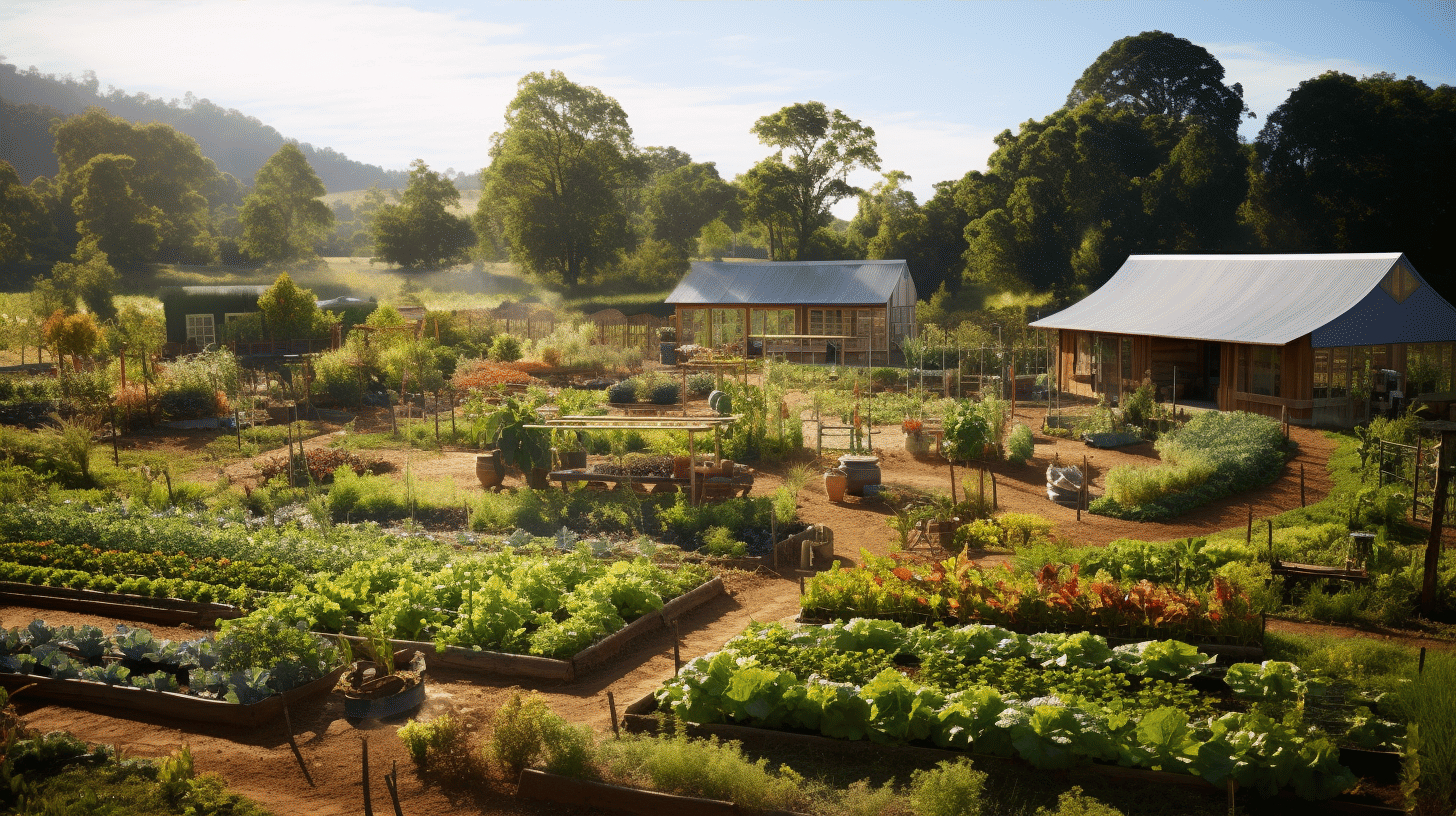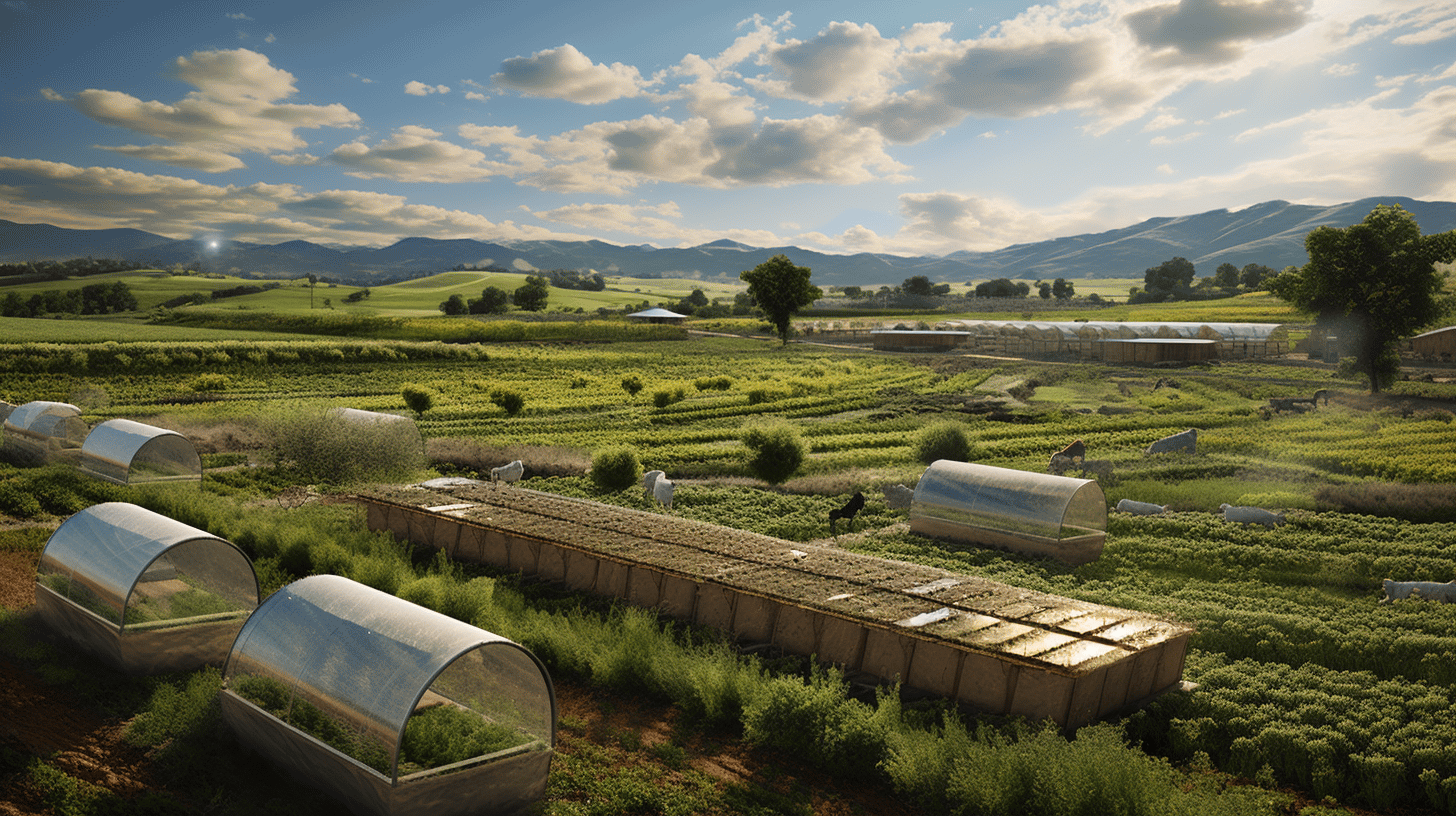
Regenerative farming is an innovative and sustainable farming practice that aims to restore and improve the health of the soil, enhance biodiversity, and mitigate climate change. This approach goes beyond traditional agricultural methods by adopting principles and techniques that prioritize the long-term health of ecosystems.
In recent years, regenerative farming has gained significant attention and support from farmers, environmentalists, and consumers alike. This increasing popularity is driven by the recognition of the detrimental impacts of traditional farming practices on soil health, water quality, and greenhouse gas emissions.
Through the use of regenerative farming techniques, sustainable farmers can not only produce high-quality crops and livestock but also contribute to the preservation of our environment. By adopting practices such as reduced or no-till farming, cover cropping, composting, and crop rotation, farmers can actively participate in the restoration of soil health, biodiversity, and overall ecosystem resilience.
In this article, we will delve into the world of regenerative farming, exploring its benefits, impact on soil health, role in reducing greenhouse gas emissions, and its significance in terms of biodiversity enhancement. We will also discuss the global market for regenerative agriculture and its promising future. So, whether you’re a seasoned farmer looking to transition to a more sustainable approach or someone interested in understanding the benefits of regenerative farming, this article will provide you with a comprehensive overview and inspire you to embrace regenerative practices. Let’s dive in!
Overview of Regenerative Farming
Regenerative farming is a holistic approach to agriculture that focuses on revitalizing and restoring the health of the soil, minimizing environmental impact, and enhancing ecosystem functions. Unlike traditional farming practices that can degrade the soil over time and rely heavily on chemical inputs, regenerative farming aims to work with nature to create a more sustainable and resilient system.
Comparison to Traditional Farming
When comparing regenerative farming to traditional farming, it’s clear that the former offers numerous benefits for both farmers and the environment. Here’s a breakdown of the key differences:
- Soil Health: Regenerative farming prioritizes soil health by emphasizing practices such as cover cropping, crop rotation, and minimal tillage. These methods help build organic matter, increase water infiltration, and foster beneficial microbial activity in the soil. In contrast, traditional farming often relies on synthetic fertilizers and pesticides, which can degrade soil quality over time.
- Environmental Impact: One of the main advantages of regenerative farming is its reduced environmental footprint. By avoiding chemical inputs and promoting biodiversity, regenerative farmers help protect water quality, enhance natural habitats, and reduce soil erosion. Traditional farming, on the other hand, can contribute to water pollution and habitat loss due to the use of pesticides and intensive cultivation practices.
- Resilience: Regenerative farming practices build resilience by creating healthier and more balanced ecosystems. By diversifying crops and implementing conservation practices, regenerative farmers are better equipped to withstand climate change impacts such as extreme weather events and pest outbreaks. Traditional farming, meanwhile, may be more vulnerable to these challenges due to its reliance on monocultures and chemical inputs.
Impact on Human Health
Regenerative farming not only benefits the environment, but it also has positive implications for human health. Studies have shown that food produced through regenerative farming practices can have higher levels of nutrients, including magnesium, calcium, potassium, zinc, and vitamins B1 and B12. These nutrient-rich foods can support overall health and well-being, contributing to a more nutritious and balanced diet.
Role in Reducing Greenhouse Gas Emissions
One crucial aspect of regenerative farming is its potential to mitigate climate change by reducing greenhouse gas emissions. Through techniques like carbon sequestration in the soil, agroforestry, and rotational grazing, regenerative farmers can help offset carbon dioxide in the atmosphere. This can contribute to slowing down global warming and building more resilient agricultural systems.
Biodiversity Enhancement
Regenerative farming practices also play a vital role in enhancing biodiversity on farmland. By promoting diverse crop rotations, preserving native habitats, and avoiding chemical inputs, regenerative farmers create thriving ecosystems that support a range of beneficial organisms such as pollinators, birds, and soil microorganisms. This biodiversity not only helps maintain ecological balance but also contributes to the resilience and productivity of the farm.
In conclusion, regenerative farming offers a holistic and sustainable alternative to traditional farming practices. Through its focus on soil health, reduced environmental impact, and enhanced biodiversity, regenerative farming holds great potential for addressing the challenges of food production, climate change, and human health in the years to come.
Regenerative Farming and Soil Health
Regenerative farming is not only good for the environment but also has numerous benefits for soil health. By adopting regenerative agricultural practices, farmers can significantly improve soil quality, reduce erosion, and ultimately enhance their livelihood. Let’s delve into two key advantages of regenerative farming: erosion reduction and improved farmer livelihood.
Erosion Reduction
Soil erosion is a major concern in conventional farming practices. When topsoil is eroded, vital nutrients are lost, water retention capacity decreases, and the overall health of the soil deteriorates. However, regenerative farming techniques offer a solution to combat erosion and promote healthier soils.
According to the Food and Agriculture Organization of the United Nations, regenerative agricultural practices can reduce soil erosion by up to 50%. By implementing strategies such as cover cropping, rotational grazing, and no-till farming, farmers can minimize soil disturbance and protect the topsoil from wind and water erosion.
Improved Farmer Livelihood
One of the key factors that affect farmer livelihood is the cost of inputs and the yield of crops. Regenerative farming practices have been shown to positively impact both of these factors, ultimately improving the financial well-being of farmers.
Through regenerative techniques like crop rotation and the use of organic fertilizers, the reliance on synthetic inputs and costly pesticides is reduced. This leads to a decrease in input costs for farmers, which can significantly improve their profitability.
Furthermore, regenerative farming has been proven to improve crop yield and quality. By nurturing and replenishing the soil with organic matter, beneficial microorganisms, and nutrients, farmers can create an environment that supports healthy and robust plant growth. As a result, crop yields are increased, and the quality of the produce is enhanced, leading to higher market value and increased income for farmers.
In addition to reduced costs and improved crop yield, regenerative farming practices also contribute to better overall soil health. The enhanced soil structure and increased organic matter content make the soil more resilient to external factors such as extreme weather events, pests, and diseases. This means that farmers are less likely to experience crop failures and can have more consistent and stable production.
In summary, regenerative farming practices offer a holistic approach to improving soil health and enhancing farmer livelihood. By reducing erosion and implementing sustainable techniques, farmers can protect their soils, increase crop productivity, and ultimately secure a more sustainable future for themselves and the environment.
Global Market and Future of Regenerative Agriculture
Regenerative agriculture is a rapidly growing practice that holds immense potential for the future of global agriculture. As the world faces increasing environmental challenges and the need for sustainable food production, regenerative agriculture offers a holistic and regenerative approach to farming.
According to market research, the global regenerative agriculture market is expected to grow at a compound annual growth rate (CAGR) of 15.7% from 2023 to 2030. This indicates the increasing interest and investment in this innovative agricultural practice.
So, what exactly is regenerative agriculture? It goes beyond sustainable farming by focusing on enhancing the health and vitality of the soil, water systems, and ecosystem as a whole. By implementing regenerative practices, farmers can improve soil structure, increase water retention, enhance biodiversity, and promote carbon sequestration.
The benefits of regenerative agriculture are profound, both for the environment and for farmers. By harnessing natural processes, regenerative practices can reduce reliance on synthetic inputs, minimize soil erosion, and increase resilience to drought and climate change. Not to mention, regenerative farming methods can lead to improved crop yields, higher nutrient density in food, and even lower production costs in the long run.
As consumer awareness and demand for sustainable and organic products continue to rise, the market for regenerative agriculture is poised to expand further. More and more consumers are prioritizing eco-friendly and socially responsible products, making regenerative agriculture a highly sought-after solution. In fact, several major food companies and retailers have already begun investing in regenerative agriculture initiatives and incorporating regenerative practices into their supply chains.
In addition to consumer demand, government policies and initiatives also play a crucial role in shaping the future of regenerative agriculture. Various countries have recognized the potential of regenerative practices in mitigating climate change, conserving natural resources, and ensuring food security. With supportive policies and incentives, the adoption of regenerative agriculture is expected to accelerate even more in the coming years.
In conclusion, the global market for regenerative agriculture is on a steady rise, driven by increased consumer demand for sustainable products and supportive government initiatives. As the world grapples with environmental challenges and the need for resilient food systems, regenerative agriculture offers a promising solution. By embracing regenerative practices, we can not only address pressing environmental concerns but also create a more sustainable and resilient future for agriculture.
Practices in Regenerative Agriculture
Regenerative agriculture is gaining popularity as a sustainable and environmentally-friendly approach to farming. This approach focuses on restoring and enhancing the health of the soil, using practices that promote biodiversity, reduce soil erosion, and build resilience to climate change. In this article, we will explore some key practices in regenerative agriculture that are making a positive impact on our environment.
Reduced or No-Till Farming
One of the practices commonly used in regenerative agriculture is reduced or no-till farming. Traditional farming practices involve tilling the soil to prepare it for planting, but this can disrupt the soil structure, leading to erosion and loss of valuable nutrients. In reduced or no-till farming, farmers minimize or eliminate tilling altogether, allowing the soil to retain its natural structure. This helps to preserve the soil’s organic matter, retain moisture, and promote the growth of beneficial microorganisms.
Cover Cropping
Cover cropping is another important practice in regenerative agriculture. It involves growing crops specifically for the purpose of covering the soil during the off-season or between cash crop rotations. These cover crops help to prevent erosion, improve soil structure, and suppress weeds. They also add organic matter to the soil when they are eventually incorporated back into the ground. This practice not only helps to protect the soil from degradation but also promotes nutrient cycling and supports beneficial organisms like earthworms.
Composting
Composting plays a crucial role in regenerative agriculture. It involves the decomposition of organic materials, such as crop residues and animal manure, into nutrient-rich compost. Compost improves soil fertility, structure, and water-holding capacity. By adding compost to the soil, farmers can replenish essential nutrients, enhance nutrient cycling, and promote the growth of healthy plants. Composting is a sustainable alternative to chemical fertilizers and helps reduce the need for synthetic inputs.
Increasing Plant Diversity
In regenerative agriculture, increasing plant diversity is key to building healthy and resilient ecosystems. Monoculture farming, where a single crop is grown year after year, can deplete the soil and make it more susceptible to pests and diseases. By diversifying crops and planting a variety of species, farmers can naturally suppress pests, improve soil structure, and enhance nutrient cycling. This practice also promotes biodiversity by providing habitats for beneficial insects, birds, and other wildlife.
Data-Driven Precision Farming
Data-driven precision farming is a part of regenerative agriculture, as farmers use digital tools for enhancements. By collecting and analyzing data on soil health, weather patterns, crop growth, and nutrient levels, farmers can make informed decisions about irrigation, fertilizer application, and pest control. This helps to reduce waste, optimize resource usage, and minimize the environmental impact of farming practices.
Crop Rotation
Crop rotation is an essential regenerative farming method for maintaining soil health and nutrient balance. It involves rotating different crops in a planned sequence over time. This practice helps break pest and disease cycles, reduces the dependence on synthetic fertilizers and pesticides, and improves soil fertility. By alternating crops with different nutrient needs, farmers can also prevent nutrient imbalances and optimize the use of available resources.
In conclusion, regenerative agriculture practices offer a sustainable and holistic approach to farming that benefits both the environment and the farmers. By adopting practices such as reduced or no-till farming, cover cropping, composting, increasing plant diversity, data-driven precision farming, and crop rotation, we can restore and enhance the health of our soils, promote biodiversity, and mitigate the effects of climate change. These practices not only protect our natural resources but also contribute to the production of healthy and nutritious food for generations to come.
Environmental Importance of Regenerative Farming
Regenerative farming practices have gained significant attention in recent years for their potential to address a range of environmental challenges. By focusing on soil health and ecosystem restoration, regenerative farming goes beyond traditional agriculture and aims to create a more sustainable and resilient food system. In this article, we will explore three key environmental benefits of regenerative farming: better water and air quality, increased carbon storage, and improved biodiversity.
Better Water and Air Quality
One of the most notable advantages of regenerative farming is its positive impact on water and air quality. Traditional farming methods often rely heavily on synthetic fertilizers, pesticides, and herbicides, which can contaminate water sources and contribute to air pollution. In contrast, regenerative farming minimizes the use of synthetic inputs and instead emphasizes natural and organic practices.
- Regenerative farmers prioritize soil health, which improves the soil’s ability to absorb and retain water. This helps to reduce water runoff and prevent soil erosion, which in turn protects water quality by minimizing the amount of sediment and pollutants that enter streams and rivers.
- By minimizing the use of chemical fertilizers and pesticides, regenerative farming reduces the risk of water contamination. This is particularly important for the health of aquatic ecosystems and the safety of drinking water supplies.
- Regenerative farming also benefits air quality by reducing greenhouse gas emissions. Synthetic fertilizers, particularly nitrogen-based fertilizers, contribute to the release of nitrous oxide, a potent greenhouse gas. By using organic fertilizers and adopting practices such as cover cropping and crop rotation, regenerative farming helps to mitigate these emissions.
Increased Carbon Storage
Another significant environmental benefit of regenerative farming is its potential to sequester carbon in the soil. Carbon sequestration is the process of capturing and storing atmospheric carbon dioxide, thereby reducing its concentration in the atmosphere and mitigating climate change.
- Under regenerative farming practices, healthy and well-maintained soils act as carbon sinks. The increased organic matter in the soil, derived from cover crops and the use of compost and manure, provides a substrate for carbon storage.
- By enhancing soil health, regenerative farming promotes the growth of beneficial soil microorganisms, which further contribute to carbon sequestration. These microorganisms help convert organic matter into stable forms of carbon that can remain in the soil for extended periods.
- Studies have shown that regenerative farming practices can significantly increase soil carbon levels, helping to offset greenhouse gas emissions. This makes regenerative agriculture an important tool in the fight against climate change.
Improved Biodiversity
Regenerative farming practices also play a crucial role in supporting and enhancing biodiversity. Traditional agricultural practices often lead to the destruction of natural habitats and a loss of biodiversity due to the use of pesticides, land conversion, and monoculture farming. In contrast, regenerative farming aims to restore ecological balance and create a more diverse and resilient agricultural landscape.
- Regenerative farmers prioritize biodiversity by diversifying their crops, using cover crops, and planting hedgerows and windbreaks. These practices create a more diverse habitat, which attracts beneficial insects, birds, and other wildlife.
- By promoting soil health and reducing reliance on chemical inputs, regenerative farming fosters a healthy and robust soil ecosystem. This, in turn, supports a diverse range of soil organisms, including earthworms, fungi, and bacteria, which contribute to nutrient cycling and overall ecosystem functioning.
- The preservation and restoration of biodiversity are particularly important for pollinator species, such as bees and butterflies, which are integral to agricultural productivity and ecosystem health. Regenerative farming provides habitat and food sources for these important pollinators, helping to ensure their survival.
In conclusion, regenerative farming practices offer numerous environmental benefits. By focusing on improving water and air quality, increasing carbon storage, and supporting biodiversity, regenerative farming can help mitigate climate change, protect the health of ecosystems, and build a more sustainable and resilient food system for the future.
Conclusion
In conclusion, regenerative agriculture is not just a farming practice; it’s a mindset and a movement that holds the key to a sustainable future. By rejuvenating the soil, protecting biodiversity, and reducing greenhouse gas emissions, regenerative farming offers a holistic approach to agricultural production that benefits both the environment and human health.
Through practices such as reduced or no-till farming, cover cropping, and composting, farmers can improve soil health, prevent erosion, and enhance farmer livelihoods. The global market for regenerative agriculture is growing, driven by increasing consumer demand for sustainable and ethically produced food.
As we look to the future, regenerative agriculture has the potential to shape the way we produce food and mitigate the impacts of climate change. By adopting regenerative farming practices, we can create a more resilient and biodiverse ecosystem, safeguarding against environmental challenges and ensuring the long-term viability of our food systems.
At Regenerative Agriculture Wiki, we are committed to spreading awareness about the benefits of regenerative agriculture and providing comprehensive resources for farmers, environmentalists, and food enthusiasts. Join us in exploring the potential of regenerative agriculture and be a part of the movement to foster a future where agriculture and ecology thrive in harmony.
Check out our platform to dive deeper into the world of regenerative agriculture, and discover the tools and knowledge to implement sustainable farming practices in your own community. Together, let’s create a better future through regenerative agriculture.
Frequently Asked Questions
- What is regenerative farming?
Regenerative farming is a holistic approach to agriculture that focuses on improving soil health, biodiversity, and ecosystem functioning. It involves practices such as cover cropping, crop rotation, minimal tillage, and composting to regenerate the soil and enhance long-term sustainability.
- Why is regenerative farming important for sustainable farmers?
Regenerative farming is important for sustainable farmers as it helps restore degraded soils, sequester carbon dioxide from the atmosphere, reduce reliance on chemical inputs, improve water quality, increase crop resilience, and promote biodiversity.
- What are some key practices of regenerative farming?
Some key practices of regenerative farming include: 1. Cover cropping to protect and improve soil health; 2. Crop rotation to break pest and disease cycles and improve nutrient cycling; 3. Minimal tillage to reduce soil erosion and disturbance; 4. Composting to enhance soil fertility and organic matter content.
- How can I get started with regenerative farming?
To get started with regenerative farming, assess your current farming practices and make gradual changes towards more sustainable practices. Educate yourself through workshops, courses, or consulting experienced regenerative farmers. Start small with a few acres and experiment with practices such as cover cropping and crop rotation.
- Are there any certifications for regenerative farmers?
While there are no specific certifications for regenerative farming, you can pursue certifications such as USDA Organic or certifications from organizations like Regenerative Organic Alliance or Savory Institute, which promote sustainable and regenerative practices.