Cover crops have become an increasingly popular topic in the realm of agriculture and environmental sustainability. With climate change posing significant challenges to our planet, it is more important than ever to explore innovative solutions to mitigate its impacts. In recent years, the adoption of cover crops has gained traction among farmers and researchers alike due to their potential to address some of the environmental challenges we face. This article will delve into the benefits of cover crops in mitigating climate change and reducing environmental impacts, showcasing their potential as a powerful tool in sustainable agriculture.
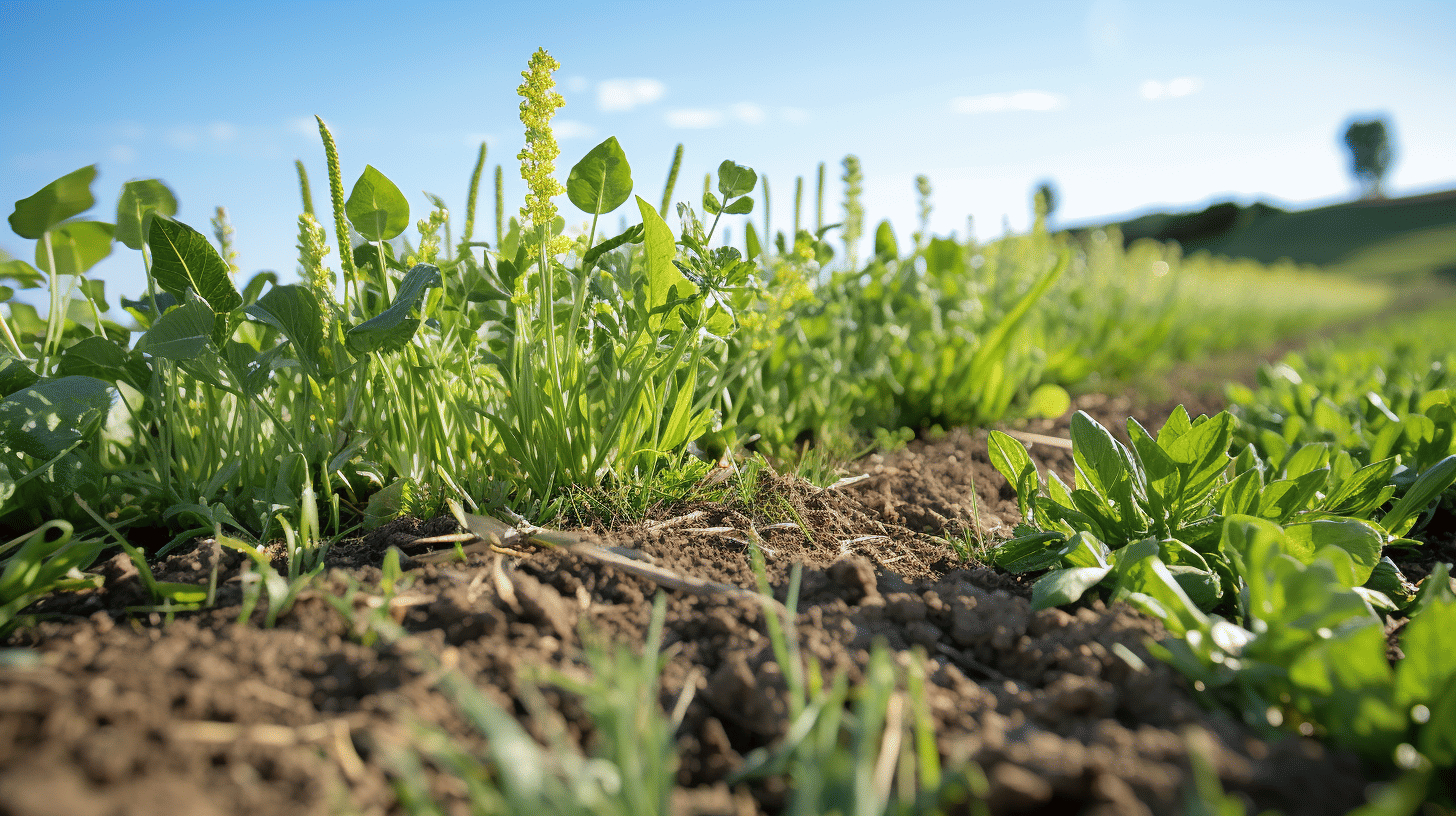
As awareness of the environmental consequences of conventional farming practices grows, farmers and researchers are seeking sustainable alternatives. One such solution that has gained attention in recent years is cover cropping. Popularity is increasing as more people recognize the positive role that cover crops can play in protecting the environment, reducing soil erosion, and improving soil health. Cover crops are a diverse group of plants, including legumes, grasses, and other species, that are intentionally grown to cover and protect the soil between cash crop seasons. They are typically grown during periods of the year when the main cash crop is not in the ground, such as fall or winter.
Adopting cover crops can bring a multitude of benefits beyond combatting climate change. These include improving soil quality and resilience, reducing soil erosion and nutrient leaching, sequestering carbon dioxide, and enhancing water quality. The effects of cover crops on climate change mitigation extend beyond the farm gate, with potential implications for greenhouse gas emissions and water conservation.
In the subsequent sections of this article, we will explore the specific environmental benefits that cover crops offer and how they contribute to mitigating climate change. By understanding the science behind cover crops and their environmental impacts, we can pave the way for sustainable agricultural practices that help address the global challenge of climate change.
Increasing Adoption of Cover Crops
Cover crops have been steadily gaining popularity and wider adoption in the agricultural industry. Farmers across the United States are recognizing the numerous benefits of incorporating cover crops into their farming practices. This growing trend can be attributed to several key factors that are driving farmers to embrace cover crops as an essential component of sustainable agriculture.
One of the significant drivers behind the increasing adoption of cover crops is the growing awareness of their environmental benefits. Farmers are increasingly conscious of the importance of soil health and the impact of traditional farming practices on the environment. By planting cover crops, farmers can help combat soil erosion, improve soil fertility, and reduce nutrient runoff into nearby water sources.
Moreover, cover crops play a crucial role in weed suppression. By crowding out weeds and competing for resources such as sunlight and water, they can naturally reduce the need for herbicides and decrease weed pressure on cash crops. This not only helps farmers save money on inputs but also promotes a more sustainable and ecologically balanced farming system.
In addition to their environmental benefits, cover crops also offer economic advantages for farmers. Research has shown that cover crops can increase crop yields, improve soil structure, and enhance nutrient cycling. These benefits translate into higher profits for farmers, making cover crops an attractive investment for many.
Furthermore, government programs and incentives have played a pivotal role in encouraging the adoption of cover crops. Programs such as the Conservation Stewardship Program (CSP) and the Environmental Quality Incentives Program (EQIP) provide financial assistance to farmers who adopt cover crops. These programs not only assist farmers in offsetting the costs associated with cover crop implementation but also provide technical support and valuable resources.
Despite the increasing adoption of cover crops, it is important to note that the adoption rates are still relatively low. In 2017, the adoption rate of cover crops in the US was only 5.1%, with the Midwest region slightly higher at 7.2%. However, it is encouraging to see that the adoption rate has increased fourfold over the past decade, reaching 7.2% in 2021.
Looking at county-level data, cover crop adoption has significantly increased in most counties from 2011 to 2021. This upward trend indicates that more farmers are recognizing the long-term benefits of cover crops and are willing to incorporate them into their farming systems.
In conclusion, the increasing adoption of cover crops is a positive trend in the agricultural industry. Farmers are gradually embracing cover crops due to their environmental, economic, and agronomic benefits. With ongoing research and continued support from government programs, we can expect to see even higher adoption rates in the coming years as more farmers recognize the value of integrating cover crops into their farming practices.
Additional Information:
- Cover crop adoption rates have been increasing over the past two decades at an average annual increase rate of around 0.20%.
- The adoption of cover crops has increased fourfold in the past decade.
- Cover crop adoption reached 7.2% in 2021, up from 1.8% a decade earlier.
- Cover crop adoption in most counties has significantly increased from 2011 to 2021.
Environmental Benefits of Cover Crops
Cover crops are not just beneficial for farmers; they also provide a multitude of advantages for the environment. By incorporating cover crops into agricultural practices, we can mitigate greenhouse gas emissions, improve soil quality, reduce soil erosion and nitrogen leaching, sequester carbon dioxide, and improve water quality. Let’s dive into each of these environmental benefits in more detail.
Mitigating Agricultural Greenhouse Gas Emissions
Greenhouse gas emissions from agriculture contribute significantly to climate change. However, cover crops have the potential to make a substantial impact in reducing these emissions. According to recent studies[1], widespread adoption of cover crops can help mitigate 10% of agricultural greenhouse gas emissions. By capturing carbon from the atmosphere and incorporating it into the soil, cover crops act as natural carbon sinks, effectively reducing the carbon footprint of agriculture.
Improving Soil Quality and Resilience
One of the most remarkable benefits of cover crops is their ability to improve soil quality and resilience. When cover crops are grown, their roots penetrate deep into the soil, breaking it up and enhancing its structure. This leads to improved water infiltration and retention, reduced soil compaction, and increased nutrient availability for plants[5]. Additionally, cover crops increase soil organic carbon levels, which help enhance soil fertility and microbial activity, ultimately leading to healthier and more productive soils[2].
Reducing Soil Erosion and Nitrogen Leaching
Soil erosion and nitrogen leaching are significant concerns in modern agriculture. These processes not only deplete essential nutrients from the soil but also pollute water sources. Fortunately, cover crops offer a natural solution to combat these problems. The dense foliage and extensive root systems of cover crops protect the soil from erosion, preventing the loss of valuable topsoil and reducing sedimentation in rivers and streams. At the same time, cover crops scavenge residual nitrogen, minimizing its leaching into groundwater and surface water[6].
Sequestering Carbon Dioxide
With the growing concern about climate change, finding effective ways to sequester carbon dioxide is crucial. Cover crops play a vital role in carbon sequestration by capturing atmospheric carbon dioxide through photosynthesis and storing it in the soil as organic matter. This not only helps combat climate change by reducing greenhouse gas concentrations in the atmosphere but also enhances soil health and fertility[4].
Improving Water Quality
Water quality is a pressing environmental issue, with pollution affecting both ecosystems and human health. Cover crops play a significant role in improving water quality by reducing nutrient runoff and filtering contaminants. The extensive root systems of cover crops capture and retain nutrients, preventing them from reaching bodies of water and causing harmful algal blooms. By acting as a natural water filter, cover crops help protect water sources and promote cleaner and healthier aquatic ecosystems[14].
In conclusion, cover crops offer a range of environmental benefits that go beyond their advantages for agriculture. By mitigating greenhouse gas emissions, improving soil quality and resilience, reducing soil erosion and nitrogen leaching, sequestering carbon dioxide, and improving water quality, cover crops contribute to more sustainable and ecologically-friendly farming practices. Embracing the use of cover crops can play a significant role in mitigating the effects of climate change, enhancing ecosystem health, and promoting a more sustainable future for agriculture.
[1]: Source
[2]: Source
[4]: Source
[5]: Source
[6]: Source
[14]: Source
Conclusion
In conclusion, cover crops play a crucial role in mitigating the environmental impacts of agriculture and addressing climate change. Through their widespread adoption, these plants offer a multitude of benefits that enhance soil health, reduce greenhouse gas emissions, prevent soil erosion, and improve water quality. By implementing regenerative practices like cover cropping, farmers and communities can make significant strides towards sustainable and resilient food systems.
To delve deeper into the realm of regenerative agriculture and explore comprehensive resources on cover crops and other sustainable farming practices, visit the Regenerative Agriculture Wiki. Join us in fostering a future where agriculture and ecology thrive in harmony, and contribute to global food security. Let’s embrace regenerative practices and pave the way for a more sustainable and resilient future.
Visit Regenerative Agriculture Wiki and uncover the potential of regenerative agriculture. Together, we can make a positive impact on the planet and empower individuals and communities to adopt sustainable farming practices.
Frequently Asked Questions
- What are cover crops and how do they mitigate environmental impacts?
Cover crops are crops that are grown specifically to protect and improve soil health, prevent erosion, increase soil organic matter, and improve water and nutrient retention. They help mitigate environmental impacts by reducing soil erosion, improving soil fertility, reducing water pollution from runoff, and sequestering carbon dioxide from the atmosphere.
- What are some popular cover crops for mitigating climate change?
Popular cover crops for mitigating climate change include legumes, such as clover and vetch, which fix nitrogen in the soil and enhance soil fertility. Other popular choices include rye grass, oats, and barley, which help improve soil structure and reduce erosion.
- How do cover crops help in reducing greenhouse gas emissions?
Cover crops help reduce greenhouse gas emissions by sequestering carbon dioxide from the atmosphere through photosynthesis. They convert atmospheric carbon dioxide into organic matter, which is stored in the soil. This process helps offset the amount of CO2 released during agricultural practices.
- Can cover crops be used in all types of farming systems?
Yes, cover crops can be used in various types of farming systems, including conventional, organic, and regenerative agriculture. They are versatile and can be adapted to different climates, soil types, and cropping systems to provide environmental benefits.
- Are cover crops economically beneficial for farmers?
Yes, cover crops can be economically beneficial for farmers. While there may be initial costs associated with planting cover crops, they can provide long-term benefits, such as improved soil health, reduced input costs for fertilizers and pesticides, increased crop yields, and potential income from carbon credit programs.