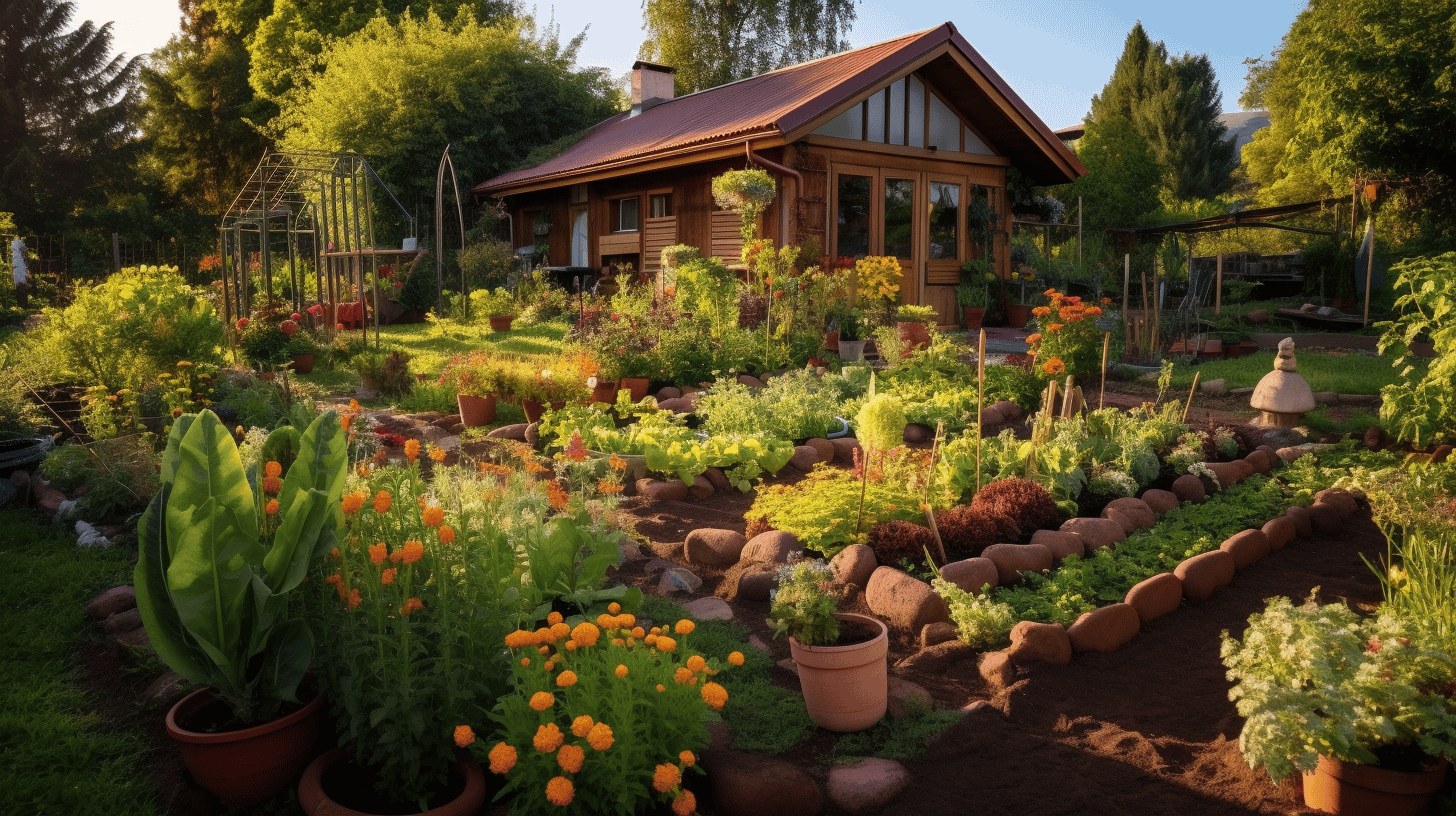
Sustainable farming practices have become increasingly important as farmers around the world seek ways to combat environmental degradation, protect biodiversity, and mitigate climate change. Regenerative techniques, in particular, have gained traction as viable solutions to address these pressing issues.
In this article, we will delve into the world of regenerative techniques and explore the various challenges that have hindered their widespread implementation. We will also discuss how sustainable farmers can overcome these challenges to achieve successful integration of regenerative practices on their farms.
Whether you are a farmer looking to make your operations more sustainable or someone interested in the future of farming, this article will provide valuable insights into the potential of regenerative techniques and the pathways to overcoming obstacles for sustainable agriculture. So, let’s jump right in!
Understanding Regenerative Techniques
Regenerative techniques have emerged as a cutting-edge field in medical science, offering hope for individuals suffering from a wide range of conditions. Leveraging the body’s own healing abilities, these techniques aim to restore and repair damaged tissues and organs, ultimately improving the quality of life for patients. Whether you’re a healthcare professional or simply curious about the latest advancements in medicine, it’s essential to grasp the basics of regenerative techniques and the impact they can have on patient outcomes.
Definition of Regenerative Techniques
Regenerative techniques encompass a variety of therapies that stimulate the body’s natural healing processes to promote tissue repair and regeneration. These techniques can involve the use of stem cells, growth factors, or other biomaterials to accelerate the healing of injured or diseased tissues. Rather than simply managing symptoms or providing temporary relief, regenerative techniques aim to address the underlying cause of the condition and facilitate long-term recovery.
Importance and Impact of Regenerative Techniques
The importance of regenerative techniques cannot be overstated. Traditionally, treatment options for many chronic conditions were limited to managing symptoms or using invasive procedures with significant risks and associated recovery time. Regenerative techniques offer a more targeted and holistic approach, providing the potential to restore function and alleviate pain at its source.
By harnessing the incredible potential of the body’s own regenerative capabilities, these techniques hold promise for treating a wide range of conditions, including:
- Orthopedic injuries: Regenerative techniques can aid in the repair of damaged cartilage, tendons, and ligaments, providing alternatives to invasive surgeries such as joint replacements.
- Neurological disorders: Stem cell therapy shows promise for conditions such as Parkinson’s disease and spinal cord injuries, promoting the regeneration of damaged nerve cells and potentially restoring function.
- Cardiovascular conditions: Regenerative techniques may help in repairing damaged heart tissue after a heart attack, enhancing cardiac function and reducing the risk of complications.
- Autoimmune disorders: By modulating the immune response, regenerative techniques have the potential to alleviate symptoms and slow disease progression in conditions such as multiple sclerosis and rheumatoid arthritis.
Popular Regenerative Techniques
Several regenerative techniques have gained prominence in the medical field due to their effectiveness and potential for patient outcomes. These techniques include:
- Stem cell therapy: Stem cells have the remarkable ability to differentiate into various cell types, making them invaluable for regenerating damaged tissues. They can be derived from various sources, including bone marrow, adipose tissue, or umbilical cord blood, and are being explored in various medical specialties.
- Platelet-rich plasma (PRP) therapy: PRP therapy involves the injection of concentrated platelets from the patient’s own blood into the injured area. These platelets contain growth factors and other bioactive proteins that promote tissue repair and regeneration.
- Exosome therapy: Exosomes are small vesicles that play a crucial role in cell-to-cell communication. They can be isolated from various sources, such as stem cells, and have shown promise in promoting tissue regeneration and modulating the immune response.
As research and clinical trials continue to expand our understanding of regenerative techniques, the future looks promising for patients seeking alternatives to conventional treatments. By harnessing the power of the body’s innate healing abilities, regenerative techniques offer new hope and potential for improved patient outcomes.
Challenges in Implementing Regenerative Techniques
Regenerative techniques hold immense promise in creating sustainable solutions for a variety of industries. However, their implementation is not without its fair share of challenges. Let’s explore some of the key obstacles faced in adopting regenerative techniques.
Economic Challenges
One of the primary challenges in implementing regenerative techniques is the economic aspect. While these techniques have the potential to generate long-term cost savings and improve overall efficiency, the initial investment required can be significant. Here are some economic challenges that organizations may encounter:
- High upfront costs: Adopting regenerative techniques often involves significant capital expenditure, such as investing in new technologies or retrofitting existing infrastructure.
- Uncertain return on investment: As regenerative techniques are still relatively new, there may be uncertainty regarding their long-term financial benefits. This uncertainty can make it difficult for organizations to justify the initial expenditure.
Technological Challenges
The successful implementation of regenerative techniques heavily relies on technological advancements. Here are some technological challenges that organizations often face:
- Lack of standardized technologies: Regenerative techniques encompass various approaches, such as renewable energy, waste management, and sustainable agriculture. The lack of standardized technologies across different sectors can create interoperability challenges and hinder widespread adoption.
- Limited scalability: Some regenerative techniques may be effective on a small scale but struggle to scale up to meet the demands of larger operations. This limitation can hinder the implementation of regenerative solutions on a broader, industrial level.
Cultural and Behavioral Challenges
Implementing regenerative techniques also requires a shift in cultural and behavioral practices. Here are some challenges related to cultural and behavioral change:
- Resistance to change: People are often resistant to change, especially when it disrupts established practices. Overcoming this resistance and fostering a culture of sustainability and regenerativeness can be a significant challenge.
- Lack of awareness and education: Many individuals and organizations may not be fully aware of the benefits and potential of regenerative techniques. Educating stakeholders and raising awareness about the importance of these practices is crucial for widespread adoption.
Environmental Challenges
While the ultimate goal of regenerative techniques is to have a positive impact on the environment, their implementation can still present environmental challenges. Here are a few of them:
- Limited natural resources: Some regenerative techniques rely on the availability of specific natural resources, such as land, water, or sunlight. The increasing global demand for these resources can pose challenges in their sustainable use.
- Potential unintended consequences: Introducing new technologies or practices can have unintended consequences on ecosystems. It is essential to carefully consider potential environmental impacts and mitigate any negative effects.
In conclusion, the implementation of regenerative techniques is not without its challenges. Overcoming economic, technological, cultural, and environmental barriers requires concerted effort from various stakeholders. However, addressing these challenges can pave the way for a more sustainable and regenerative future.
Sustainable Farming: A Beneficiary of Regenerative Techniques
Sustainable farming has gained significant attention in recent years as a means to promote environmentally-friendly agricultural practices. One approach that has emerged as particularly beneficial is regenerative farming techniques. This innovative method goes beyond traditional sustainable farming practices by actively working to restore and replenish ecosystems while simultaneously producing high-quality crops.
Biodiversity Improvement
Regenerative farming techniques prioritize biodiversity and work towards enhancing the overall health of ecosystems. By cultivating a diverse range of crops, farmers can create a habitat that attracts beneficial insects, birds, and other wildlife. This not only promotes a healthier ecosystem but also helps to naturally control pests, reducing the need for harmful pesticides.
In addition to attracting wildlife, regenerative farming practices also emphasize the importance of cover crops. These cover crops, such as legumes or grasses, are grown between main crops and help to prevent soil erosion, retain moisture, and promote nutrient cycling. Furthermore, they provide habitat and food sources for pollinators and other beneficial organisms, further boosting biodiversity on the farm.
Soil Health Enhancement
Healthy soil is the foundation of sustainable agriculture, and regenerative farming techniques place a strong emphasis on soil health enhancement. One of the key practices used in regenerative farming is no-till or reduced-till farming. This technique involves minimizing soil disturbance, such as plowing, which helps to preserve the soil structure and prevent erosion. Intact soil structure allows for better water infiltration, nutrient absorption, and root development, leading to healthier and more productive crops.
Another important aspect of regenerative farming is the use of organic matter to improve soil health. Farmers incorporate organic materials, such as compost or cover crops, into the soil to increase its fertility. This organic matter provides a food source for beneficial soil microbes and earthworms, which in turn break down nutrients and make them available to plants. By building up organic matter content, regenerative farming practices help to create nutrient-rich and resilient soils that can support sustainable crop production.
Carbon Sequestration
One of the most significant benefits of regenerative farming techniques is their potential to sequester carbon dioxide from the atmosphere. Through practices like cover cropping, rotational grazing, and agroforestry, regenerative farmers can enhance carbon storage in the soil and plants. As plants grow, they absorb carbon dioxide from the atmosphere and store it in their tissues and the soil. This process helps mitigate climate change by reducing greenhouse gas emissions and promoting carbon sinks in agricultural systems.
According to research, adopting regenerative farming techniques can lead to significant carbon sequestration. A study published in the journal Nature found that regenerative agriculture practices could sequester up to 20% more carbon than conventional farming methods. This makes regenerative farming a powerful tool in the fight against climate change while also promoting sustainable food production.
In conclusion, regenerative farming techniques offer a holistic and sustainable approach to agriculture. By focusing on biodiversity improvement, soil health enhancement, and carbon sequestration, these practices have the potential to not only improve farm productivity but also have a positive impact on the environment. Through the adoption of regenerative farming methods, we can foster a more sustainable and resilient agricultural system for future generations.
Overcoming Challenges: Strategies for Sustainable Farmers
Educational Resources and Training
One of the key challenges faced by sustainable farmers is the lack of access to educational resources and training. Without proper knowledge and skills, it can be difficult for farmers to implement sustainable farming practices effectively. However, there are a few strategies that can help farmers overcome this challenge:
- Online Courses and Webinars: Farmers can take advantage of online courses and webinars offered by agricultural organizations, universities, and government agencies. These resources provide valuable information on sustainable farming practices, soil management, pest control, and more.
- Local Workshops and Training Programs: Sustainable farming organizations and local agricultural extension offices often host workshops and training programs for farmers. These hands-on sessions allow farmers to learn from experienced professionals and gain practical knowledge about sustainable farming techniques.
- Farm Mentorship Programs: Joining a mentorship program can be highly beneficial for farmers, especially those who are new to sustainable farming. By working closely with experienced farmers, mentees can learn firsthand about sustainable farming practices and gain valuable insights into the challenges and opportunities in the industry.
By seeking out these educational resources and training opportunities, sustainable farmers can enhance their knowledge and skills, ultimately leading to more successful and sustainable farming practices.
Access to Technology
In today’s digital age, access to technology plays a crucial role in helping farmers overcome various challenges. Here are some strategies that can help sustainable farmers improve their access to technology:
- Funding and Grants: Governments and agricultural organizations often provide funding and grants to farmers for adopting technological solutions. These financial resources can be used to invest in equipment, software, and infrastructure that enhance sustainable farming practices.
- Collaboration and Information Sharing: Sustainable farmers can join online communities, forums, and social media groups to connect with other farmers and share information about technology solutions. This collaborative approach allows farmers to learn about new tools, equipment, and software that can improve their farming practices.
- Partnerships with Tech Companies: Sustainable farmers can explore partnerships with technology companies specializing in agriculture. These partnerships can offer farmers access to advanced farming technologies, such as precision agriculture tools and data analytics platforms, which can optimize farming operations and improve sustainability.
By leveraging technology, sustainable farmers can streamline their operations, optimize resource utilization, and improve productivity while minimizing environmental impact.
Government Subsidies and Policies
Government subsidies and policies play a crucial role in supporting and incentivizing sustainable farming practices. Here are some strategies for sustainable farmers to navigate government subsidies and policies effectively:
- Research and Stay Informed: It’s essential for farmers to stay up-to-date with the latest government subsidies and policies related to sustainable farming. This can be done through regularly checking government websites, attending relevant workshops, and engaging with industry associations that provide updates on policy changes.
- Build Relationships with Local Officials: Sustainable farmers can establish relationships with local government officials, such as agricultural advisors and policymakers. These connections can help farmers stay informed about upcoming policy changes and provide opportunities to advocate for policies that support sustainable farming practices.
- Collaborate with Agricultural Associations: Joining agricultural associations and cooperatives can provide farmers with a collective voice when advocating for government subsidies and policies that benefit sustainable farming. These associations often have established relationships with government officials and can help amplify farmers’ concerns and needs.
By proactively engaging with government subsidies and policies, sustainable farmers can ensure they are taking advantage of available support and contribute to shaping policies that promote sustainable agriculture.
Community Building and Collaborations
Building a strong community and fostering collaborations can be instrumental in overcoming the challenges faced by sustainable farmers. Here are some strategies that farmers can implement:
- Join Local Farmer Networks: Engaging with local farmer networks, such as community-supported agriculture (CSA) programs and farmers’ markets, allows farmers to connect with like-minded individuals who are also committed to sustainable practices. These networks provide opportunities for collaboration, knowledge sharing, and finding local markets for sustainable produce.
- Form Partnerships with Local Businesses: Sustainable farmers can partner with local businesses, such as restaurants, grocery stores, and food cooperatives, that prioritize sourcing from sustainable farmers. These partnerships can provide a consistent demand for sustainable produce and open up new market opportunities for farmers.
- Collaborate with Research Institutions: Farmers can collaborate with local universities and research institutions to participate in research projects and trials related to sustainable farming practices. These collaborations not only provide farmers with access to cutting-edge research but also allow them to contribute their practical knowledge and insights to the scientific community.
By working together and fostering collaborations, sustainable farmers can build a supportive community that shares resources, knowledge, and market opportunities, ultimately paving the way for long-term success in sustainable agriculture.
The Future of Regenerative Techniques
Scientific advancement has paved the way for revolutionary breakthroughs in the field of regenerative techniques. These cutting-edge therapies provide hope not only for patients with degenerative diseases and injuries but also for the future of medicine as a whole. With the potential to restore damaged tissue, regenerate organs, and even reverse the effects of aging, regenerative techniques have captured the attention and imagination of medical professionals and researchers worldwide.
Harnessing the Power of Stem Cells
At the forefront of regenerative medicine are stem cells, the versatile building blocks of the human body. Stem cells have the extraordinary ability to differentiate into specialized cells and tissues, making them a valuable tool in regenerative therapies. By harnessing the power of stem cells, scientists can engineer new tissues, repair damaged organs, and potentially even replace entire organs.
Stem cells can be derived from various sources, including embryonic tissue, adult tissue, and induced pluripotent stem cells (iPSCs), which are reprogrammed adult cells. These cells hold immense potential for regenerative therapies due to their ability to regenerate and repair damaged tissue.
Application and Benefits
Regenerative techniques have the potential to transform the treatment landscape across multiple fields, improving patient outcomes and quality of life. From regenerating bone and cartilage in orthopedics to restoring heart tissue after a heart attack, the applications of regenerative medicine are wide-ranging.
Here are some of the potential benefits that regenerative techniques offer:
- Reduced reliance on donor organs and tissues: As regenerative techniques advance, the need for organ transplantation from donors may decrease, alleviating the shortage of available organs for transplantation.
- Faster healing and recovery: Regenerative therapies can accelerate the body’s natural healing process, reducing recovery times and enabling patients to regain function faster.
- Minimized risk of rejection: By utilizing a patient’s cells to create new tissues or organs, the risk of rejection is significantly reduced, as the body recognizes these cells as its own.
- Potential to treat degenerative conditions and chronic diseases: Regenerative techniques may offer new treatment options for conditions such as Parkinson’s disease, Alzheimer’s disease, diabetes, and spinal cord injuries, which currently have limited therapeutic options.
Challenges and Ethical Considerations
While the future of regenerative techniques holds great promise, there are still challenges and ethical considerations that need to be addressed. Some of these include:
- Safety and efficacy: Ensuring the safety and efficacy of regenerative therapies is crucial before widespread adoption. Rigorous clinical trials and ongoing research are essential to establish the long-term benefits and potential risks associated with these techniques.
- Ethical use of embryonic stem cells: The use of embryonic stem cells raises ethical concerns for some individuals and communities. Ongoing research aims to discover and develop alternative sources of stem cells that do not raise such ethical considerations.
- Regulatory frameworks: Adequate regulatory frameworks need to be in place to govern the development, approval, and dissemination of regenerative techniques. Regulatory agencies play a vital role in ensuring patient safety and ethical standards.
In conclusion, the future of regenerative techniques is bright and holds tremendous potential for transforming medicine as we know it. With ongoing research and advancements, these techniques have the power to revolutionize healthcare by providing innovative and effective treatment options for a wide range of conditions. While challenges and ethical considerations lie ahead, the journey toward harnessing the full potential of regenerative techniques continues, offering hope and healing to patients around the world.
Related Links: To learn more about the current advancements in regenerative medicine, you can visit the Regenerative Medicine section on our website.
Conclusion
In conclusion, implementing regenerative techniques is crucial for sustainable farmers who aim to create a more resilient and environmentally friendly agricultural system. Though there are challenges to overcome, such as economic constraints and resistance to change, the benefits of regenerative farming far outweigh the difficulties. By improving biodiversity, enhancing soil health, and sequestering carbon, regenerative techniques not only benefit farmers but also contribute to a healthier planet.
For farmers looking to embrace regenerative practices, there are strategies and resources available to support their journey. Access to educational materials and training can provide valuable knowledge, while advancements in technology can streamline and optimize farming processes. Additionally, government subsidies and policies can provide monetary assistance and incentives for adopting regenerative practices, and community building and collaborations can foster a network of support and knowledge sharing.
At Regenerative Agriculture Wiki, we are dedicated to providing comprehensive and insightful content on regenerative farming. Our platform offers a wealth of information on diverse topics such as soil health, holistic management, permaculture, and agroecology. Whether you are a seasoned farmer, an environmentalist, or someone curious about sustainable living, our blog is tailored to meet your interests and empower you to make a positive impact.
Join us in fostering a future where agriculture and ecology thrive in harmony. Explore the potential of regenerative agriculture and discover how you can play a part in creating a sustainable and resilient food system. Together, we can make a difference.
Visit Regenerative Agriculture Wiki to learn more about regenerative techniques and their benefits for farmers and the environment.
Frequently Asked Questions
- What are regenerative techniques in farming?
Regenerative techniques in farming focus on restoring and improving soil health, promoting biodiversity, and enhancing ecosystem services. These techniques include practices like cover cropping, crop rotation, agroforestry, holistic grazing, and no-till farming.
- What are the benefits of implementing regenerative techniques in farming?
Implementing regenerative techniques in farming can lead to numerous benefits such as improved soil fertility, water conservation, reduced erosion, increased crop resilience, enhanced biodiversity, carbon sequestration, and improved long-term sustainability of agricultural systems.
- What are the main challenges faced by sustainable farmers when implementing regenerative techniques?
Some challenges faced by sustainable farmers when implementing regenerative techniques include initial financial investment, lack of knowledge and training, potential yield reduction during transition, market demand and access, and limited availability of resources and support.
- How can farmers overcome the challenges of implementing regenerative techniques?
Farmers can overcome the challenges of implementing regenerative techniques by seeking educational resources and training, accessing financial assistance and grants, joining farmer networks and support groups, diversifying their market channels, and gradually transitioning to regenerative practices.
- Are regenerative techniques suitable for all types of farming?
Yes, regenerative techniques can be adopted in various types of farming, including conventional, organic, and small-scale farming. The principles of soil health, biodiversity, and ecosystem functioning can be applied regardless of the farming system.