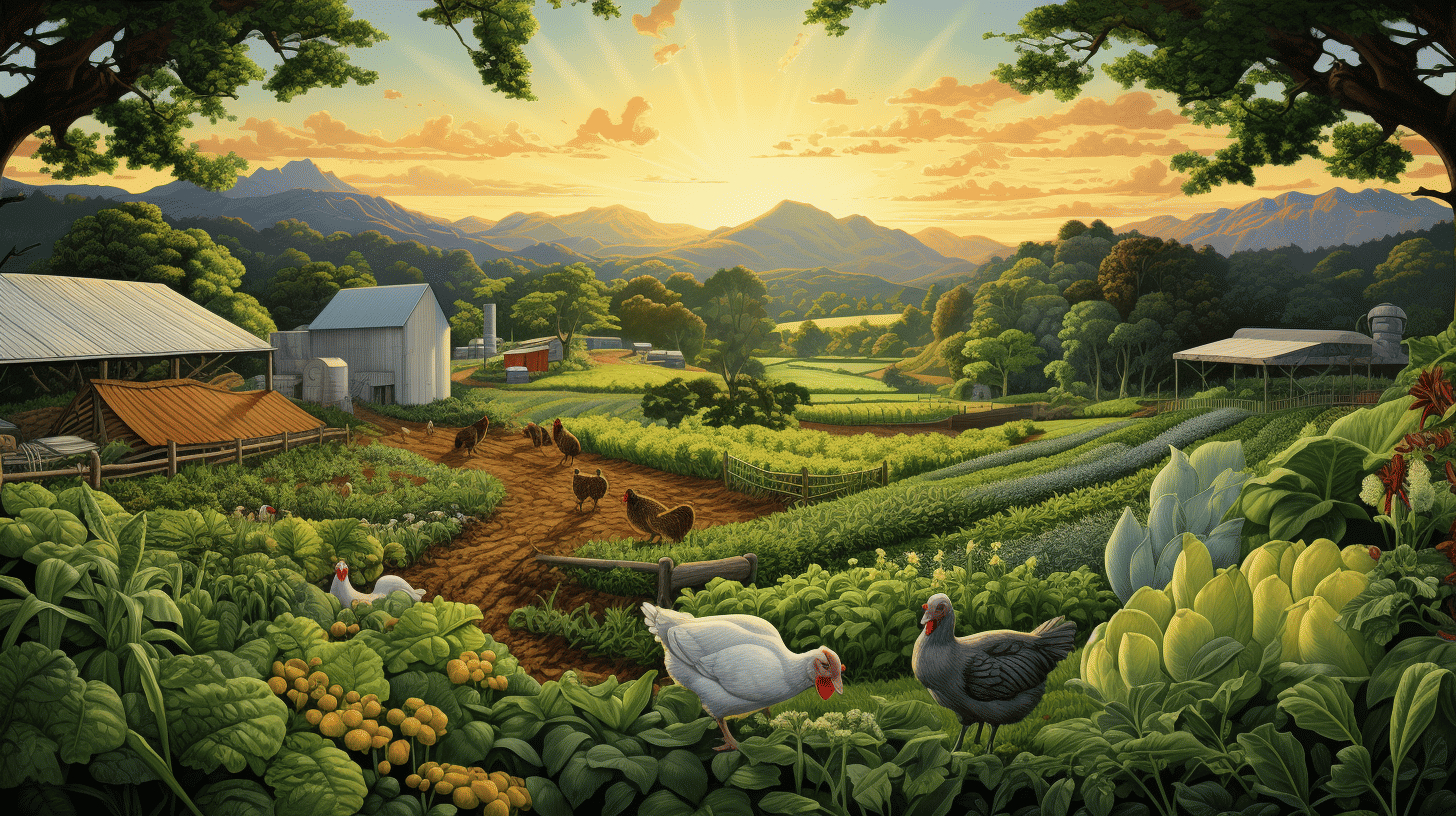
Regenerative agriculture is a groundbreaking approach to farming that holds the potential to transform our food systems and mitigate the effects of climate change. As farmers face mounting pressures from environmental degradation, declining yields, and resource scarcity, regenerative agriculture offers a sustainable alternative that focuses on nurturing and revitalizing the land. In this article, we will explore the success stories of farmers who have embraced regenerative practices and witnessed remarkable transformations on their land. From improving soil health to fostering community growth, these farmers are leading the way towards a regenerative revolution. So, grab a cup of coffee and join us as we delve into the inspiring tales of those who have embarked on this extraordinary journey.
Understanding Regenerative Agriculture
Regenerative agriculture is a sustainable approach to farming that aims to improve soil health, enhance biodiversity, and mitigate climate change. Unlike conventional farming methods that focus on increasing productivity through the use of synthetic inputs, regenerative agriculture takes a holistic approach that embraces natural processes and works in harmony with the environment.
Defining Regenerative Agriculture
Regenerative agriculture is not just about producing food; it’s about transforming the way we farm and interact with the land. It is a systems-based approach that seeks to regenerate ecosystems, rather than deplete them. Through the adoption of regenerative practices, farmers can create a healthy and resilient agroecosystem that benefits both the environment and their bottom line.
So, what sets regenerative agriculture apart from traditional farming methods? Here are some key principles that define regenerative agriculture:
- Building Soil Health: Regenerative agriculture recognizes that healthy soil is the foundation of a thriving ecosystem. It focuses on practices that enhance soil fertility, such as cover cropping, crop rotation, and the use of compost or organic matter. By improving soil health, farmers can increase nutrient availability, water retention, and carbon sequestration.
- Biodiversity Conservation: Regenerative agriculture emphasizes the importance of biodiversity in maintaining ecological balance. Farmers adopt practices that promote habitat diversity, such as planting hedgerows, creating pollinator-friendly habitats, and integrating livestock into crop rotations. This not only supports beneficial insects and wildlife but also enhances natural pest control and nutrient cycling.
- Water Management: Efficient water use is a key aspect of regenerative agriculture. Farmers employ techniques such as contour plowing, mulching, and water catchment systems to reduce water runoff and increase water infiltration. This helps to conserve water resources, improve soil moisture retention, and minimize erosion.
- Carbon Sequestration: One of the most significant benefits of regenerative agriculture is its ability to sequester carbon from the atmosphere and store it in the soil. Through practices like agroforestry, cover cropping, and rotational grazing, farmers can increase organic matter content in the soil, which leads to the long-term storage of carbon dioxide.
- Resilience to Climate Change: Regenerative agriculture is designed to enhance the resilience of farming systems to climate variability. By improving soil health, promoting biodiversity, and increasing water-holding capacity, regenerative farmers are better equipped to withstand extreme weather events like droughts and floods.
Practices in Regenerative Agriculture
Regenerative agriculture encompasses a wide range of practices that can be tailored to different farming systems and environments. Here are some common practices that regenerative farmers may adopt:
- Cover cropping: Planting cover crops helps to protect the soil from erosion, improves soil structure, and increases organic matter content.
- Crop rotation: Rotating crops helps break pest and disease cycles, improves soil fertility, and reduces the need for synthetic inputs.
- Conservation tillage: Minimizing soil disturbance through reduced or no-till practices helps to preserve soil structure and microbial activity.
- Managed grazing: Rotational grazing of livestock promotes healthier pastures, reduces soil compaction, and improves nutrient cycling.
- Agroforestry: Incorporating trees into farming systems offers numerous benefits, including enhanced biodiversity, soil erosion control, and carbon sequestration.
- Compost and organic matter: Adding compost or organic matter to the soil increases nutrient availability, improves soil structure, and enhances microbial activity.
Regenerative agriculture is not a one-size-fits-all approach, and it requires a shift in mindset and practices. However, its potential to restore and regenerate the land, improve farmer livelihoods, and combat climate change makes it a compelling solution for a more sustainable future.
Impact of Regenerative Agriculture
Regenerative agriculture is a holistic approach to farming that focuses on restoring and enhancing the health of the soil. By implementing practices such as cover cropping, crop rotation, and the reduction of chemical inputs, regenerative agriculture aims to improve soil health, increase biodiversity, and promote sustainable farming systems.
Benefits to the Environment
Regenerative agriculture has numerous benefits for the environment. Here are some of the key ways in which it positively impacts our planet:
- Soil health: Regenerative agriculture practices help to build healthier soils by increasing organic matter content, enhancing nutrient cycling, and improving soil structure. Healthy soils not only support better crop growth, but they also have the ability to sequester carbon from the atmosphere, mitigating climate change.
- Water conservation: By using practices like conservation tillage and cover cropping, regenerative agriculture helps to reduce water runoff and soil erosion. This means that more water can be retained in the soil, reducing the need for irrigation and ensuring a more sustainable water supply.
- Biodiversity: Regenerative agriculture promotes biodiversity by creating habitat for beneficial insects, birds, and wildlife. By reducing the use of synthetic fertilizers and pesticides, regenerative farmers create a more favorable environment for pollinators and other beneficial organisms, which in turn contributes to a more balanced and resilient ecosystem.
- Climate resilience: Through practices like agroforestry and rotational grazing, regenerative agriculture helps to increase the resilience of agricultural systems to the impacts of climate change. By diversifying crops and incorporating perennial plants, farmers can better withstand extreme weather events and adapt to changing climate conditions.
Benefits to the Economy and Community
In addition to its environmental benefits, regenerative agriculture also has a positive impact on the economy and local communities. Here are a few ways in which regenerative agriculture can benefit these aspects:
- Economic viability: By implementing regenerative practices, farmers can reduce input costs such as synthetic fertilizers and pesticides. This, in turn, can lead to increased profitability and long-term economic viability for farmers. Additionally, regenerative agriculture often involves diversifying crops, which can provide farmers with additional income streams.
- Job creation: Regenerative agriculture requires more labor-intensive practices, such as manual weeding and cover cropping, which can create local employment opportunities. This can be particularly beneficial in rural communities, where job opportunities may be limited.
- Improved local food systems: Regenerative agriculture promotes local food production and consumption, which can help to strengthen local food systems. By reducing the distance food needs to travel, regenerative agriculture reduces carbon emissions associated with transportation and creates a market for local farmers, thus supporting the local economy.
- Community resilience: By promoting sustainable and local food production, regenerative agriculture contributes to community resilience. Local communities become less dependent on external sources of food, reducing their vulnerability to disruptions in the global food supply chain.
In conclusion, regenerative agriculture has a profound impact on both the environment and the economy. By focusing on soil health and adopting sustainable farming practices, regenerative agriculture not only helps to restore ecosystems and mitigate climate change but also supports local economies and promotes community resilience. It’s a win-win approach that holds great promise for the future of farming.
Farmer Success Stories
Farmer success stories are not only inspiring but also provide valuable insights into the agricultural industry. These stories shed light on the challenges farmers face, the strategies they employ, and the positive outcomes they achieve. By sharing these narratives, we can learn from their experiences, celebrate their achievements, and encourage others to pursue sustainable practices in farming.
Transition from Traditional to Sustainable Practices
One of the most impactful farmer success stories involves the transition from traditional farming methods to sustainable practices. In the face of climate change and increasing environmental concerns, many farmers have embraced sustainable agriculture as a way to protect the land and ensure long-term productivity.
These success stories often highlight the following key aspects:
- Adoption of organic farming: Farmers have switched from conventional farming methods to organic practices, reducing the use of synthetic fertilizers and pesticides. This change not only benefits the environment but also improves the quality of the produce.
- Crop diversification: By diversifying their crops, farmers can improve soil health, manage pests naturally, and enhance resilience to climate fluctuations. This shift helps reduce dependence on a single crop, mitigating the risks associated with market fluctuations.
- Conservation practices: Farmers who implement conservation practices such as cover cropping, crop rotation, and precision irrigation significantly reduce soil erosion, improve water management, and boost overall farm sustainability.
Improvements and Innovations
Innovative approaches have also been instrumental in the success stories of farmers. By adopting new technologies and techniques, they enhance productivity, reduce costs, and improve overall efficiency. Some remarkable innovations include:
- Precision agriculture: Farmers have embraced technologies such as drones, GPS systems, and soil sensors to manage their crops more effectively. By collecting data on soil moisture levels, nutrient deficiencies, and plant health, farmers can make informed decisions, leading to optimized resource allocation and improved yields.
- Vertical farming: In urban areas with limited space, vertical farming has emerged as a viable solution. This innovative technique involves growing crops in vertically stacked layers, often indoors and using artificial lighting. Vertical farming minimizes land use, reduces water consumption, and maximizes crop production throughout the year.
- Mobile applications: Many farmers now use mobile applications to access real-time weather forecasts, market prices, and farming tips. These apps provide instant information and guidance, enabling farmers to make timely decisions, increase profitability, and minimize risks.
Role in Fostering Community Growth
Farmer success stories go beyond individual achievements. They also contribute to the growth and development of the communities they operate in. By adopting sustainable practices and implementing innovative solutions, farmers positively impact their local communities in several ways:
- Job creation: As farmers expand their operations and adopt new technologies, they often create employment opportunities for local residents. This contributes to the economic well-being of the community, improves livelihoods, and reduces rural-urban migration.
- Food security: Sustainable farming practices help ensure food security by producing nutritious, high-quality crops. By prioritizing soil health and biodiversity conservation, farmers contribute to a robust local food system that can withstand external shocks and disruptions.
- Educational outreach: Successful farmers often share their knowledge and experience with others in the agricultural community. This educational outreach helps build capacity, encourages the adoption of sustainable practices, and fosters a culture of continuous learning and improvement.
Farmer success stories remind us that sustainable and innovative farming practices can not only lead to individual prosperity but also have far-reaching positive impacts on the environment, local communities, and the agricultural industry as a whole. By celebrating these stories and learning from them, we can inspire future generations of farmers and drive the adoption of sustainable practices worldwide.
Challenges Posed by Regenerative Agriculture
Introduction
Regenerative agriculture offers a promising approach to cultivating crops and raising livestock sustainably, but it also brings its fair share of challenges. While its benefits are undeniable, it’s essential to acknowledge the obstacles that farmers, policymakers, and consumers may face when embracing this holistic farming system. From initial investment and implementation to weather and crop risks, as well as market and policy limitations, regenerative agriculture requires thoughtful consideration and proactive solutions.
1. Initial Investment and Implementation
One of the primary challenges of transitioning to regenerative agriculture is the initial investment required. Adopting regenerative practices often entails significant changes in infrastructure, equipment, and production methods. Farmers may need to invest in new tools, machinery, and training programs to ensure a smooth transition. This financial burden can make it difficult for farmers, particularly small-scale operations, to make the leap into regenerative farming.
Moreover, implementing regenerative agriculture practices requires a shift in mindset and a willingness to experiment and learn. Farmers need to understand the principles of soil health, crop rotation, and biodiversity enhancement. They must be ready to adapt their management techniques and be patient while waiting for the long-term benefits to manifest.
2. Weather and Crop Risks
Weather fluctuations and crop risks pose ongoing challenges in regenerative agriculture. While regenerative practices aim to build resilience and mitigate the impact of extreme weather events, no farming system is entirely immune to the vagaries of nature. Climate change can exacerbate these challenges, leading to more frequent and severe weather events such as droughts, floods, and storms.
In regenerative agriculture, a diversified system that includes multiple crops, cover crops, and agroforestry can help mitigate some of these risks. However, unpredictable weather patterns may still impact yields and profitability. Farmers must remain vigilant and adaptable, employing strategies such as crop rotations, integrating livestock, and implementing water management techniques to minimize weather-related risks.
3. Market and Policy Limitations
The success of regenerative agriculture relies on supportive markets and policies. However, the lack of awareness and demand for regeneratively produced products can be a significant barrier. Consumers may be unaware of the benefits of regenerative practices and may not prioritize these products in their purchasing decisions.
Additionally, existing policy frameworks may not adequately support regenerative agriculture or may favor conventional farming practices. Farmers face challenges accessing financial incentives, subsidies, and technical assistance to transition to regenerative systems. Policymakers must recognize the importance of regenerative agriculture and create a supportive environment through incentives, market access, and research funding.
Conclusion
Embracing regenerative agriculture is a transformative journey that comes with its fair share of challenges. From the initial investment needed for infrastructure and training to weather-related risks and market and policy limitations, regenerative farming requires perseverance and creative solutions. By addressing these challenges head-on and fostering a supportive ecosystem, we can unlock the full potential of regenerative agriculture and reap its myriad benefits for our planet and future generations.
The Future of Regenerative Agriculture
Regenerative agriculture is not just a passing trend; it’s a transformative approach to farming that holds promise for the future. As society becomes increasingly aware of the need for sustainable practices, regenerative agriculture offers a solution that addresses not only environmental concerns but also the future of food security.
Potential for Expansion and Improvement
The concept of regenerative agriculture is continuously evolving, with advancements being made in techniques and technologies. This opens up possibilities for further expansion and improvement in the future. Farmers and researchers are constantly exploring new methods to enhance soil health, increase biodiversity, and reduce the use of synthetic inputs.
One area where regenerative agriculture has shown great potential for expansion is in its ability to restore degraded land. By employing practices such as cover cropping, crop rotation, and holistic grazing, farmers can regenerate soil health and productivity in areas that were previously considered unsuitable for farming. This not only increases the land available for agricultural production but also contributes to the restoration of ecosystems and biodiversity.
Role in Mitigating Climate Change
Climate change poses a significant threat to our planet, and agriculture is both a contributor to and a victim of this global crisis. However, regenerative agriculture has the potential to play a crucial role in mitigating climate change.
Through practices like carbon sequestration, regenerative agriculture can remove carbon dioxide from the atmosphere and store it in the soil. This not only helps reduce greenhouse gas emissions but also enhances soil fertility and resilience to extreme weather events. This means that regenerative agriculture has the potential to not only reduce agriculture’s carbon footprint but also make it more resilient to the impacts of climate change.
Implication on Food Security
Food security is a pressing global issue, with a rapidly growing population and limited resources. Regenerative agriculture offers a sustainable solution to ensure food security in the future.
By improving soil health and fertility, regenerative agriculture enables farmers to produce higher yields with fewer external inputs. This helps to reduce production costs and dependence on chemical fertilizers and pesticides. Additionally, regenerative practices promote crop and genetic diversity, reducing the risk of crop failure due to pests or diseases. This means a more resilient and secure food system, capable of feeding a growing population while minimizing environmental impacts.
In conclusion, the future of regenerative agriculture looks promising. Its potential for expansion and improvement, along with its role in mitigating climate change and ensuring food security, makes it a sustainable and valuable approach to farming. As more farmers adopt regenerative practices and as research in this field continues to advance, we can expect to see even greater benefits for both the environment and society as a whole.
Conclusion
In conclusion, regenerative agriculture is not just a buzzword but a transformative approach to farming that holds immense potential for our future. Through this article, we have explored the principles and practices of regenerative agriculture and the remarkable impact it can have on the environment, economy, and communities. The success stories of farmers who have embraced regenerative practices serve as a testament to its effectiveness and the positive changes it brings.
However, it is important to acknowledge the challenges that come with transitioning to regenerative agriculture, such as the initial investment and implementation costs, weather and crop risks, as well as market and policy limitations. Despite these hurdles, the future of regenerative agriculture looks promising. It has the potential to expand and improve, playing a crucial role in mitigating climate change, securing food security, and fostering community growth.
At Regenerative Agriculture Wiki, we are committed to sharing knowledge, insights, and resources to empower individuals and communities on their regenerative agriculture journey. Join us in discovering the potential of regenerative agriculture and together, let’s nurture the environment, enhance soil health, and contribute to global food security. Visit our website to access comprehensive guides, tips, and inspiring content on regenerative agriculture. Together, we can cultivate a future where agriculture and ecology thrive in harmony.
Frequently Asked Questions
- What is sustainable agriculture?
Sustainable agriculture refers to the practice of farming in a way that preserves and enhances the natural resources, promotes biodiversity, and ensures the long-term viability of agricultural systems.
- What are some examples of sustainable farming practices?
Some examples of sustainable farming practices include organic farming, crop rotation, agroforestry, use of cover crops, water conservation techniques, and integrated pest management.
- How does sustainable agriculture benefit farmers?
Sustainable agriculture brings several benefits to farmers such as improved soil health, reduced reliance on synthetic inputs, increased profitability, resilience to climate change, and the opportunity to tap into niche markets that value sustainable products.
- Can you give some examples of successful regenerative agriculture projects?
Yes, there are several successful regenerative agriculture projects around the world. Some examples include the Singing Frogs Farm in California, Polyface Farms in Virginia, and the Chenchu tribe’s millet cultivation in India.
- How can farmers transition to sustainable agriculture?
Farmers can transition to sustainable agriculture by adopting practices such as soil conservation, reducing chemical inputs, diversifying crops, implementing agroecological principles, and integrating livestock into their farming systems.