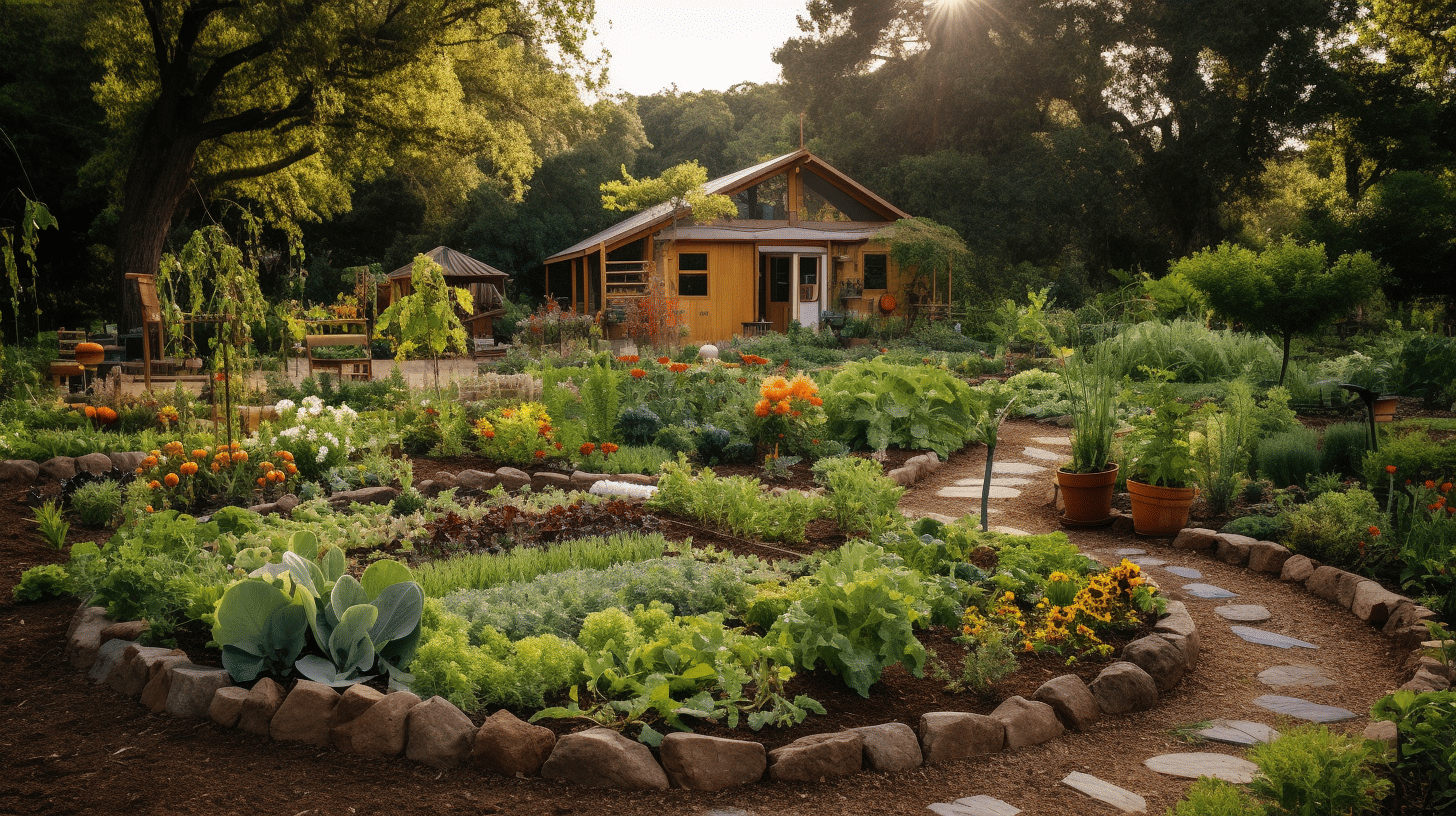
Regenerative agriculture is a holistic approach to farming that has gained traction in recent years. By focusing on enhancing and restoring the health of the soil, regenerative agriculture aims to create sustainable and resilient farming systems. One key aspect of regenerative agriculture is biodiversity, which plays a crucial role in promoting ecosystem health and productivity.
In this article, we will explore the concept of polycultures and their significance in regenerative agriculture. Polycultures involve growing multiple crops together in the same field, creating a diverse and interconnected system. We will delve into the benefits of using polycultures in agriculture and how they contribute to regenerative practices.
So, grab a cup of coffee and join us as we dive into the fascinating world of regenerative agriculture and the role of polycultures in fostering biodiversity.
Understanding Regenerative Agriculture
Regenerative agriculture has gained significant attention in recent years due to its potential to address environmental challenges and improve the sustainability of food production systems. This approach to farming goes beyond sustainable agriculture by actively restoring and revitalizing the health of the soil, ecosystems, and communities. Let’s explore the definition and key principles of regenerative agriculture in more detail.
Definition of Regenerative Agriculture
Regenerative agriculture can be seen as a holistic and proactive approach to farming that aims to rejuvenate and regenerate the natural resources that farms depend on. It involves implementing practices that restore soil health, enhance biodiversity, improve water quality, and mitigate climate change impacts. Unlike conventional farming methods, which often focus on maximizing yields at the expense of environmental health, regenerative agriculture prioritizes the long-term sustainability of both the land and the entire ecosystem.
While there is no universally accepted definition, regenerative agriculture commonly encompasses the following elements:
- Soil regeneration: Regenerative farmers prioritize building and maintaining healthy soils. They avoid tillage whenever possible, as it can disrupt soil structure and lead to erosion. Instead, they use techniques like cover cropping, crop rotation, and composting to improve soil fertility, increase organic matter content, and enhance microbial activity.
- Biodiversity enhancement: By creating diverse and balanced ecosystems on their farms, regenerative farmers promote biodiversity. They encourage the presence of beneficial insects, birds, and other wildlife that contribute to natural pest control and pollination. Planting hedgerows, establishing wildlife corridors, and preserving natural habitats are common strategies employed to support biodiversity.
- Water management: Efficient water management is central to regenerative agriculture. Farmers implement practices such as rainwater harvesting, drip irrigation, and contour plowing to minimize water runoff and maximize water retention in the soil. This helps mitigate the effects of drought, improve water quality, and reduce the risk of erosion.
- Carbon sequestration: Regenerative agriculture recognizes the crucial role of soils in capturing and storing atmospheric carbon dioxide, a major driver of climate change. By using practices that increase soil organic matter, such as cover cropping and agroforestry, regenerative farmers actively contribute to carbon sequestration. This helps to mitigate climate change by reducing greenhouse gas emissions and enhancing carbon sinks.
- Community engagement: Regenerative agriculture emphasizes the importance of strong and resilient communities. It fosters collaboration and knowledge-sharing among farmers, scientists, policymakers, and consumers to create a sustainable food system that benefits everyone. In addition, regenerative farmers often prioritize local food networks, direct sales, and fair trade practices to support local economies and strengthen community connections.
Key Principles of Regenerative Agriculture
While regenerative agriculture is a flexible and adaptive approach, several guiding principles underpin its practices. These principles provide a framework for farmers to achieve their sustainability goals:
- Minimize disturbance: Regenerative farmers aim to minimize soil disturbance to preserve soil structure, prevent erosion, and protect beneficial soil organisms. Reduced or no-till practices are commonly used to achieve this.
- Maximize diversity: By promoting biodiversity, regenerative farmers create resilient ecosystems that can better withstand natural disturbances. This includes diversifying crop rotations, incorporating cover crops, and integrating livestock into the farming system.
- Keep the soil covered: Regenerative farmers prioritize soil cover to protect it from erosion, increase water infiltration, and promote biological activity. This can be achieved through the use of cover crops, mulching, or maintaining vegetative growth throughout the year.
- Promote biological interactions: Regenerative agriculture emphasizes the importance of nurturing beneficial interactions between plants, animals, and microorganisms. This helps to enhance nutrient cycling, improve soil health, and maintain a balanced ecosystem.
Check out No-Till Farming to learn more about this method of minimizing soil disturbance.
For more information on the benefits of cover crops, refer to the article on Cover Crop Benefits.
Learn more about the importance of soil cover in the article on Soil Erosion Prevention.
Find out more about the role of beneficial microorganisms in soil health in the article on Soil Microbiology.
By understanding the definition and principles of regenerative agriculture, we can appreciate its potential to transform our food systems and contribute to a more sustainable and resilient future. Through regenerative farming practices, we can restore the health of the land, support biodiversity, mitigate climate change, and foster thriving communities.
The Importance of Biodiversity in Agriculture
Biodiversity plays a crucial role in agriculture, ensuring the health and resilience of our food systems. It encompasses the variety of plant and animal species, genetic diversity within species, and the intricate web of ecological interactions that support the productivity and sustainability of agricultural ecosystems.
Benefits of Biodiversity in Agriculture
Biodiversity in agriculture offers a multitude of benefits, contributing to the overall well-being of farmers, consumers, and the environment. Here are some reasons why biodiversity is essential in agriculture:
- Increased Crop Productivity: Biodiverse agricultural systems tend to be more productive. Multiple studies have shown that diverse crop rotations, intercropping, and agroforestry can enhance soil fertility, reduce pest and disease pressure, and increase overall crop yields.
- Improved Resilience: Diverse agricultural systems are better equipped to withstand challenges posed by climate change and pests. The presence of a variety of crops and plant species ensures that even if one crop fails or is attacked by pests, others can still thrive. This resilience reduces the risk of food shortages and provides a buffer against unexpected disruptions.
- Enhanced Nutrition and Food Security: Biodiversity in agriculture contributes to a diverse and nutritious diet. By cultivating a range of crops, farmers can provide a variety of essential nutrients, reducing the risk of nutrient deficiencies and improving overall food security.
- Pest and Disease Management: Biodiversity can act as a natural pest control mechanism. Encouraging beneficial insects, birds, and other wildlife in and around agricultural fields helps control pests by preying on them or disrupting their life cycles. This reduces the reliance on synthetic pesticides, promoting environmentally friendly and sustainable farming practices.
- Pollination Services: Many crops depend on pollinators like bees, butterflies, and birds for effective pollination. Biodiverse habitats surrounding agricultural fields provide a refuge for pollinators, ensuring their presence and promoting robust pollination services. This leads to higher crop yields and quality.
Biodiversity Loss and its Impact on Agriculture
Unfortunately, biodiversity loss poses a significant threat to agriculture globally. Human activities such as deforestation, habitat conversion, monoculture farming, and excessive use of agrochemicals have contributed to the decline in biodiversity. The consequences of this loss are far-reaching:
- Reduced Resilience: Declines in biodiversity decrease the ability of agricultural systems to adapt to changing environmental conditions, making them more susceptible to pests, diseases, and extreme weather events.
- Increased Vulnerability: Monoculture farming, with its focus on growing a limited range of crops, heightens the vulnerability of agriculture to pests and diseases. Lack of genetic diversity within cultivated plants leaves them defenseless against emerging threats.
- Loss of Ecosystem Services: Biodiversity loss affects crucial ecosystem services that support agriculture, including soil fertility, water filtration, and nutrient cycling. These services, provided by diverse flora and fauna, are essential for maintaining healthy and productive agricultural landscapes.
Preserving and promoting biodiversity in agriculture is of paramount importance. Governments, farmers, and consumers must work together to adopt sustainable land-use practices, implement conservation strategies, and support regenerative farming methods. By recognizing the significance of biodiversity in agriculture, we can cultivate a resilient and sustainable food system for generations to come.
The Concept of Polycultures
Definition of Polycultures
Polycultures, in the realm of agriculture, refer to the practice of growing multiple plant species together in the same area. Unlike monocultures, which involve growing a single crop on a large scale, polycultures embrace biodiversity and mimic the natural diversity found in ecosystems.
In a polyculture, various plants are carefully selected and interplanted, creating a harmonious and mutually beneficial environment. This means that instead of a vast expanse of a single crop, you’ll find a vibrant blend of vegetables, fruits, herbs, and flowers.
Benefits of Using Polycultures in Agriculture
Now that we understand what polycultures are, let’s explore the benefits that come with adopting this agricultural practice:
- Improved Pest and Disease Resistance: The diversity of plants in a polyculture helps to naturally repel pests and diseases. By interplanting different species, you disrupt the life cycles of harmful insects and fungi that may target a specific crop, reducing the risk of outbreaks. This can lead to decreased reliance on chemical pesticides and a healthier, more sustainable farming system.
- Enhanced Soil Health: Polycultures promote soil health through the cultivation of plants with different root structures. Some plants have deep taproots that break up compacted soil, while others have shallow roots that help retain moisture. These varying root structures enhance soil aggregation, nutrient cycling, and overall soil fertility.
- Increased Pollinator Habitat: By growing a diverse range of flowering plants in a polyculture, you create a haven for pollinators such as bees, butterflies, and birds. As they move from plant to plant, pollinators ensure the fertilization and reproduction of crops, leading to higher yields and better quality produce.
- Water Conservation: Polycultures are known for their ability to reduce water usage compared to monocultures. The variety of plant sizes, shapes, and canopies in a polyculture creates microclimates that help retain moisture, reduce evaporation, and minimize water runoff. This can be particularly beneficial in regions prone to drought.
- Weed Suppression: An advantage of polycultures is that dense planting and shading can help suppress the growth of weeds. By crowding out unwanted plants with a diversity of cultivated crops, the need for chemical herbicides or extensive manual weeding can be significantly reduced, saving time and resources.
Polycultures offer numerous advantages over monocultures in agriculture, ranging from increased resilience against pests and diseases to improved soil health and water conservation. By embracing biodiversity and blending different plant species together, farmers can cultivate a more sustainable and ecologically balanced agricultural system. So, next time you step into a garden or visit a farm, keep an eye out for the mesmerizing beauty and benefits of polycultures.
The Role of Polycultures in Regenerative Agriculture
Polycultures, a farming practice that involves planting a diverse range of crops together in the same field, play a pivotal role in regenerative agriculture. This approach stands in stark contrast to monocultures, where a single crop is grown over vast expanses of land. By promoting biodiversity and enhancing soil health, polycultures offer numerous benefits for both the environment and farmers. Let’s explore how polycultures contribute to regenerative agriculture in three important ways.
How Polycultures Enhance Biodiversity
One of the primary advantages of polycultures is their ability to enhance biodiversity on farms. By planting multiple crops together, farmers create a thriving ecosystem that attracts a diverse array of beneficial insects, birds, and pollinators. This increased biodiversity has numerous positive effects on the overall health of the farm:
- Natural pest control: The presence of diverse plant species in a polyculture acts as a natural repellent for pests. Unlike monocultures, where pests can wreak havoc on a single crop, polycultures confuse and deter pests, reducing the need for harmful pesticides.
- Promotion of beneficial organisms: Polycultures serve as a haven for beneficial insects and organisms that prey on pests. Ladybugs, lacewings, and predatory mites are just a few examples of these natural allies. Their presence helps maintain a balanced ecosystem by keeping pest populations in check.
- Protection against diseases: Planting a variety of crops in a polyculture minimizes the risk of disease outbreaks. Some plants may be naturally resistant to certain diseases, while others can suppress the spread of pathogens through their root systems. This reduces the reliance on synthetic fungicides and promotes a healthier farm environment.
Promoting Soil Health Through Polycultures
In addition to fostering biodiversity, polycultures are excellent tools for promoting soil health. Monocultures often deplete soil nutrients and degrade its structure over time. However, polycultures offer several advantages that can revitalize the soil:
- Enhanced nutrient cycling: Different crops have varying nutrient requirements and uptake patterns. Planting a diverse range of crops together improves nutrient cycling in the soil, as each crop contributes a unique set of nutrients. This reduces the need for synthetic fertilizers and improves the long-term fertility of the soil.
- Improved soil structure: The roots of different plants in a polyculture have varying depths and structures. This diversity helps improve soil aggregation and prevents compaction. Improved soil structure enhances water infiltration, reduces erosion, and provides a better environment for beneficial soil organisms.
- Reduced soil erosion: The dense root systems in a polyculture help bind the soil together, reducing the risk of erosion caused by wind and water. This is especially important in areas prone to heavy rainfall or strong winds.
Polycultures and Carbon Sequestration
Polycultures also play an essential role in mitigating climate change by sequestering carbon dioxide from the atmosphere. The diverse root systems of various crops in a polyculture enhance carbon storage in the soil through a process known as carbon sequestration. When plants photosynthesize, they utilize carbon dioxide and store carbon in their roots and organic matter. The benefits of polycultures for carbon sequestration include:
- Increased organic matter: The presence of multiple crops in a polyculture leads to a greater accumulation of organic matter in the soil. This organic matter serves as a carbon sink, trapping atmospheric carbon dioxide and reducing greenhouse gas emissions.
- Enhanced soil microbial activity: The diverse range of plant species in a polyculture provides a constant supply of organic matter for soil microbes. These microbes help break down plant residues and convert them into stable forms of carbon that persist in the soil for longer periods.
- Long-term carbon storage: Unlike monocultures, where carbon is often lost due to intensive tillage and frequent disturbance, polycultures promote a more sustainable farming system. By minimizing soil disruption and improving soil structure, polycultures allow for long-term carbon storage in the soil.
By embracing the practice of polycultures, farmers can contribute to the regeneration of their agricultural landscapes. The enhanced biodiversity, improved soil health, and carbon sequestration potential of polycultures make them valuable tools in the pursuit of sustainable and regenerative agriculture.
Examples of Successful Polyculture Farming Methods
Polyculture farming is a sustainable agricultural practice that involves growing multiple crops or raising multiple livestock species together on the same piece of land. This approach offers numerous benefits, such as increased biodiversity, improved soil health, and natural pest control. In this section, we will explore some real-life examples of successful polyculture farming methods that have been implemented around the world.
1. Three Sisters Farming
One well-known example of polyculture farming is the ancient agricultural practice called “Three Sisters Farming.” This method was developed by Native American tribes and involves planting corn, beans, and squash together in one plot. Each of these crops provides specific benefits to the others:
- Corn provides a natural trellis for the climbing beans.
- Beans fix nitrogen in the soil, benefiting the nutrient-hungry corn.
- Squash spreads its large leaves, suppressing weeds and conserving soil moisture.
This intercropping technique maximizes the use of space, increases biological interactions, and promotes sustainable farming.
2. Integrated Fish-Poultry Farming
In integrated fish-poultry farming systems, fish and poultry coexist in a mutually beneficial manner. The poultry waste provides nutrients for the fish, while the fish waste acts as fertilizer for vegetation. This method can be implemented in small ponds or tanks, where fish are reared alongside free-ranging poultry.
- Poultry feed on insects and weed seeds, reducing the need for chemical pest control.
- Fish eat leftover poultry feed, further minimizing waste.
This symbiotic relationship between fish and poultry creates a more productive and ecologically balanced farm system.
3. Alley Cropping
Alley cropping is a form of agroforestry that involves planting rows of trees or shrubs in between rows of crops. This method provides multiple advantages:
- The trees provide shade and windbreak, reducing evaporation and soil erosion.
- The deep-rooted trees bring nutrients from the subsoil to the surface, benefiting the cash crops.
- The pruned branches can be used as organic mulch or livestock feed.
Alley cropping is widely practiced in regions where arable land is limited and can be seen in successful polyculture farms around the world.
4. Permaculture Gardens
Permaculture gardens are designed to mimic the patterns and relationships found in natural ecosystems. These gardens incorporate a wide variety of plant species, focusing on creating a diverse and self-sustaining ecosystem.
- Different plant species perform complementary functions, such as nitrogen-fixing plants enriching the soil.
- Companion planting is utilized, where plants with mutually beneficial relationships are grown together.
- Wildlife habitats are encouraged, promoting natural pest control and biodiversity.
Permaculture gardens can be found in both rural and urban settings, showcasing the potential for sustainable polyculture farming even in limited spaces.
As we can see from these examples, polyculture farming offers endless possibilities for sustainable and productive agricultural systems. By harnessing the power of ecological relationships, farmers worldwide are demonstrating that it is possible to cultivate multiple crops or raise different species together, promoting biodiversity, resilience, and food security. These successful polyculture farming practices serve as inspiration for future agricultural developments and a blueprint for a more sustainable future.
Challenges and Solutions in Implementing Polycultures
Polycultures offer numerous benefits, including increased biodiversity, improved soil health, and greater resilience to pests and diseases. However, like any agricultural practice, implementing polycultures comes with its fair share of challenges. In this section, we will explore some of the common impediments faced during the establishment and maintenance of polycultures, as well as potential solutions to overcome them.
Overcoming Initial Establishment Challenges
The initial establishment phase of a polyculture can be particularly challenging, as it involves setting up a diverse system of plants that may have different growth requirements. Here are some hurdles that farmers may encounter and how to address them:
- Weed competition: When transitioning from a monoculture system, the sudden introduction of multiple plant species can create an ideal environment for weeds. These unwanted plants can compete with the desired crops for resources and hinder their growth. To address this issue, farmers can employ the following strategies:
- Mulching: Applying organic mulch, such as straw or wood chips, can smother weed growth and provide additional benefits like moisture retention and nutrient cycling.
- Mechanical cultivation: Regularly tilling the soil or using specialized tools, like hoes or cultivators, can help control weeds manually.
- Cover cropping: Planting cover crops alongside the main crops can suppress weed growth by outcompeting them for resources.
- Imbalanced nutrient availability: Different plant species have varying nutrient requirements. Ensuring that each species has access to the appropriate nutrients can be a challenge. Farmers can address this challenge by:
- Conducting a soil test: Understanding the nutrient levels and imbalances in the soil can help farmers make informed decisions about nutrient supplementation.
- Incorporating organic matter: Adding compost or aged manure can enhance soil fertility and provide a slow-release source of nutrients.
- Intercropping complementary plants: Pairing plants that have mutually beneficial relationships, such as nitrogen-fixing legumes with nutrient-hungry crops, can help improve nutrient availability.
Maintaining Diversity and Productivity in Polycultures
Once a polyculture system is established, the focus shifts to maintaining diversity while maximizing productivity. Here are some common challenges faced during this phase and potential solutions:
- Competition for resources: In a polyculture, different plant species compete for sunlight, water, and nutrients. Balancing these resource demands can be a challenge. To mitigate competition and maintain productivity, farmers can:
- Implement proper plant spacing: Providing adequate spacing between plants reduces resource competition and improves air circulation, which can reduce the risk of disease.
- Regular monitoring and timely interventions: Regularly observing the polyculture system for signs of resource imbalances, nutrient deficiencies, or pest infestations allows farmers to intervene promptly and address any issues that may arise.
- Disease and pest management: The diverse nature of polycultures can help mitigate the risk of large-scale pest or disease outbreaks. However, it’s still important to monitor for potential issues and employ appropriate management strategies. Some approaches include:
- Crop rotation: Rotating crops within the polyculture system can disrupt pest life cycles and reduce the buildup of disease-causing pathogens in the soil.
- Natural pest control methods: Encouraging beneficial insects, such as ladybugs or lacewings, or using biological controls like nematodes can help keep pest populations in check.
- Disease-resistant varieties: Choosing plant varieties that are naturally resistant to common diseases in the local area can minimize the risk of crop loss.
By understanding and addressing the challenges faced during the establishment and maintenance of polycultures, farmers can optimize their systems for productivity and sustainability. Overcoming initial establishment challenges and maintaining diversity and productivity in polycultures requires a combination of proactive management practices, thoughtful planning, and continuous observation. With the right approach, polycultures can thrive and contribute to a more resilient and sustainable agricultural landscape.
Conclusion
In conclusion, regenerative agriculture offers a promising solution for the challenges facing modern agriculture and biodiversity loss. By implementing practices that focus on enhancing soil health, promoting biodiversity, and sequestering carbon, regenerative agriculture has the potential to restore ecosystems and create a sustainable future for farming.
Polycultures, in particular, play a vital role in regenerative agriculture by maximizing biodiversity and improving overall ecological balance. By cultivating a diverse range of crops and plant species, polycultures create a more resilient and productive system that mimics natural ecosystems. This approach not only enhances biodiversity but also improves soil health and contributes to carbon sequestration.
Implementing polycultures may come with challenges, but with proper planning, education, and support, farmers can overcome these obstacles. It requires a shift in mindset and a commitment to sustainable practices, but the benefits far outweigh the initial difficulties.
At Regenerative Agriculture Wiki, we are dedicated to providing comprehensive resources and information on regenerative agriculture. Visit our platform to learn more about the benefits of polycultures and other sustainable farming practices. Join us in fostering a future where agriculture and ecology thrive in harmony.
Explore the potential of regenerative agriculture at Regenerative Agriculture Wiki
Frequently Asked Questions
- What is regenerative agriculture?
Regenerative agriculture is a farming practice that focuses on improving soil health, enhancing biodiversity, and reducing the use of synthetic inputs. It aims to create a sustainable and resilient ecosystem that can restore and regenerate the land.
- What are polycultures in agriculture?
Polycultures in agriculture refer to the practice of growing multiple crops together in the same field. Unlike monocultures, which grow only one crop, polycultures promote biodiversity, reduce pest and disease risks, improve soil fertility, and enhance ecosystem resilience.
- How do polycultures contribute to biodiversity?
Polycultures contribute to biodiversity by providing a variety of habitats and food sources for different species. The diverse mix of crops and plants in polycultures attracts beneficial insects, birds, and other organisms, creating a more balanced and thriving ecosystem.
- How do polycultures help in regenerative agriculture?
Polycultures play a crucial role in regenerative agriculture by enhancing soil health through biological interactions, reducing the need for chemical inputs, promoting natural pest control, minimizing soil erosion, and increasing the overall resilience and productivity of the farming system.
- Are there any challenges in implementing polycultures in agriculture?
While polycultures offer numerous benefits, there are challenges in implementing them. These include increased complexity in managing crop combinations, potential competition for resources among different plant species, and the need for specific knowledge and skills to optimize the system.