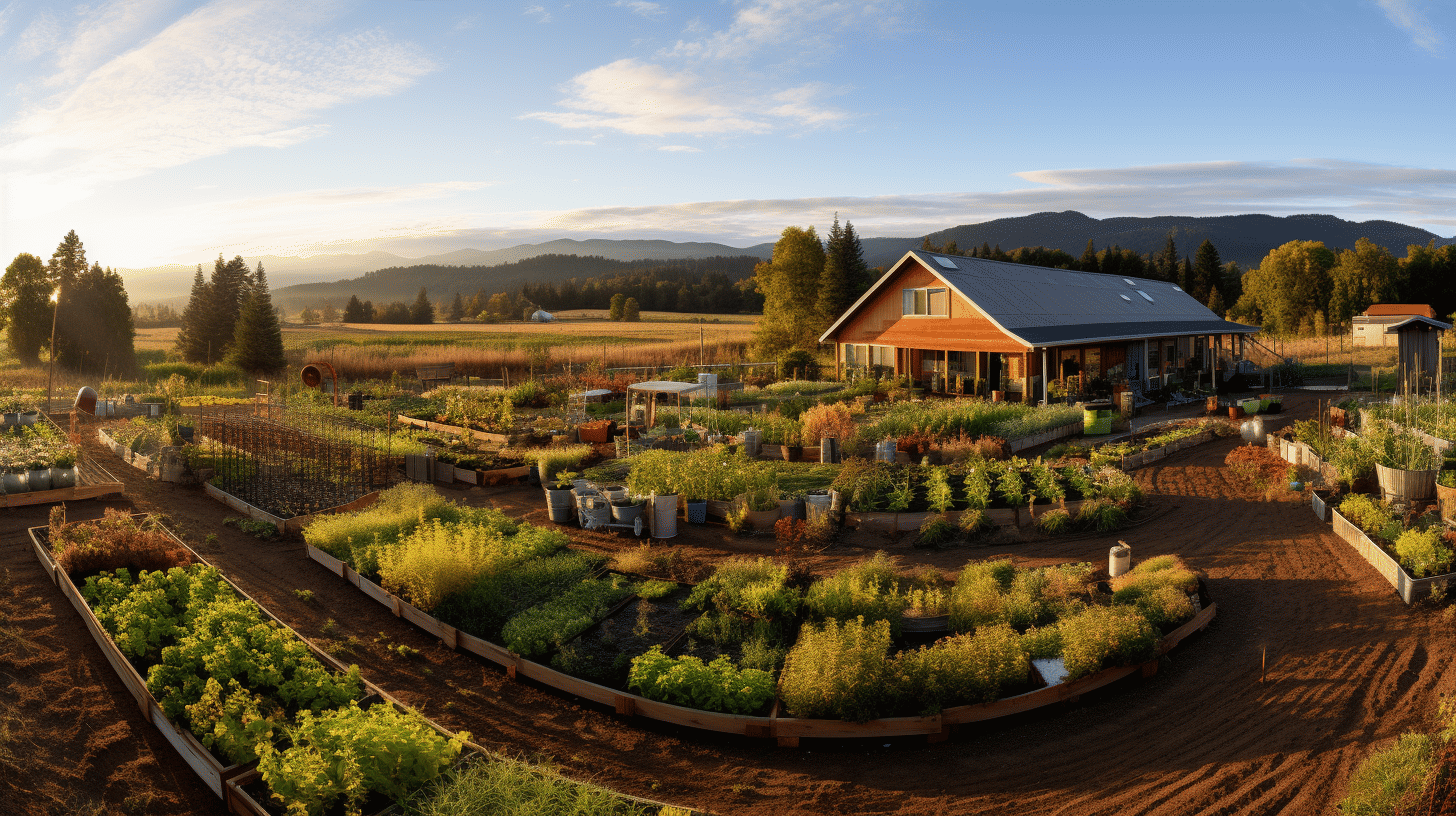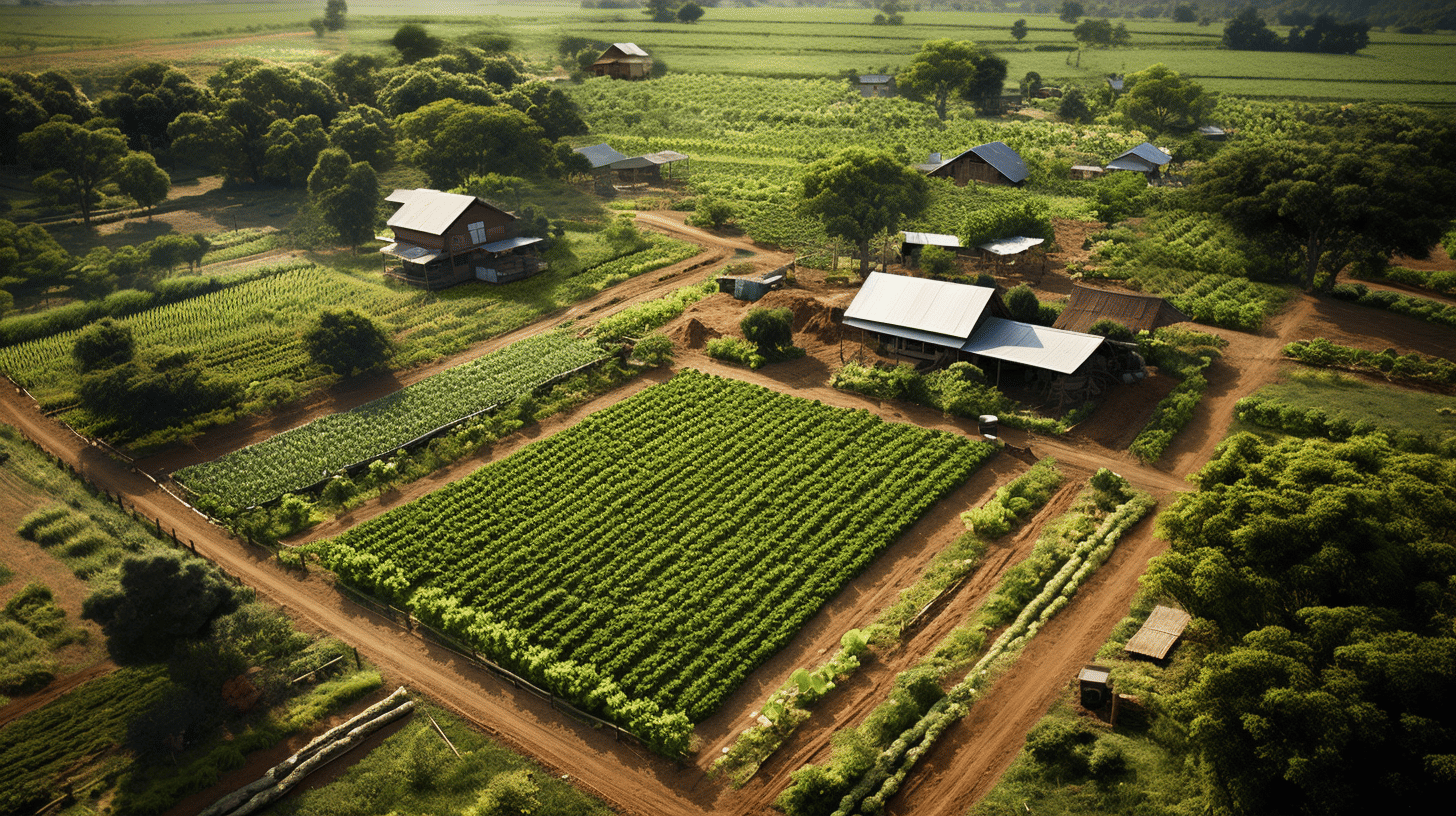
Agroforestry is a sustainable agricultural practice that combines the cultivation of trees with the production of crops on the same plot of land. This innovative approach to farming offers numerous environmental and economic benefits. By integrating trees into agricultural systems, farmers can enhance biodiversity, improve soil health, reduce water usage, and increase crop yields.
In recent years, there has been a growing recognition of the importance of agroforestry in maintaining long-term food security and mitigating the effects of climate change. As the global population continues to expand, the demand for food will increase. However, traditional farming methods are often detrimental to the environment, leading to deforestation, soil degradation, and greenhouse gas emissions.
Agroforestry presents an alternative solution that promotes sustainable crop production while preserving natural resources. By planting trees alongside cash crops or integrating them into perennial systems, farmers can create a more resilient and productive agricultural landscape.
This article will provide an overview of expected crop production, projected farming expenses, and the role of the 2023 Farm Bill in supporting farmers. Furthermore, it will delve into the benefits of agroforestry, including its potential to improve crop yields, mitigate climate change, and impact farmer economies positively. By exploring these topics, readers will gain a comprehensive understanding of how agroforestry can be a game-changer in sustainable agriculture.
So, let’s dig deeper into the world of agroforestry and discover the exciting strategies farmers can adopt to enhance crop production, protect the environment, and ensure a brighter, more sustainable future for agriculture.
Overview of Expected Crop Production
The coming year holds great promise for crop production, with various sectors poised for growth and increased yields. In this article, we will delve into some key areas of crop production that are expected to see significant advancements. From corn and orange production to rice cultivation, we’ll explore the forecasted figures and factors influencing these trends. Additionally, we’ll consider the rising global food consumption and focus on Argentina’s anticipated crop harvests.
Let’s dive into some remarkable insights and projections in the world of agriculture.
Corn Production
Corn, the versatile and widely-used grain, is expected to experience a significant boost in production. According to forecasts, corn production for grain is projected to reach 15.1 billion bushels in the upcoming year. This forecast represents an impressive 10 percent increase compared to the previous year. This rise in corn production can be attributed to several factors, including favorable weather conditions, technological advancements in farming practices, and increased demand for corn-based products such as ethanol and animal feed.
Orange Production
California, known for its delicious and vibrant oranges, is gearing up for a productive season. The forecast for the 2023-2024 season predicts an orange production of 37.0 million boxes in the state. This positive outlook can be attributed to factors such as favorable weather conditions, improvements in cultivation techniques, and the implementation of efficient pest control measures. With these developments, consumers can look forward to enjoying an abundance of juicy and flavorful California Navel oranges in the coming year.
Rice Production
Rice, a staple crop in many parts of the world, is expected to maintain its significance in the global agricultural landscape. China, one of the major rice producers, is estimated to witness growth in milled rice production for the marketing year 2023/24. Although specific figures are not provided, this estimated increase indicates the country’s commitment to enhancing rice cultivation and meeting the growing demand for this essential food staple.
Expected Increase in Food Consumption
As the global population continues to grow, so does the need for food to sustain it. Total food consumption is projected to rise by 1.3 percent per annum until 2032. This increase can be attributed to several factors, including population growth, changing dietary preferences, and urbanization. It is important for agricultural sectors to adapt to this rising demand by implementing sustainable farming practices, improving productivity, and seeking innovative solutions to enhance food production efficiency.
Argentina’s Crop Harvests
Argentina, a key player in the agricultural industry, is expected to make significant strides in crop production. In the upcoming year, Argentina is projected to harvest 19.5 million metric tons (mt) of crops. This forecast represents a remarkable 55.4 percent increase compared to the previous year. With fertile land, favorable climate conditions, and advancements in agricultural technologies, Argentina continues to solidify its position as a major contributor to global crop production.
As we explore these remarkable advancements and projections in expected crop production, it becomes clear that various factors such as technological advancements, favorable weather conditions, and increasing demand play crucial roles in shaping the future of agriculture. With sustainable practices and continued innovation, the agricultural sector is well-equipped to meet the challenges and seize the opportunities that lie ahead.
Projected Farming Expenses
Farming is an essential industry that not only feeds the world but also contributes significantly to the global economy. However, running a farm is not without its challenges, including the ever-increasing expenses involved in the process. According to projections, total farm production expenses are expected to reach nearly $460 billion in 2023, representing a $29 billion increase from the previous year[1](#footnote1). This significant rise in expenses has implications for farmers, policymakers, and consumers alike.
Factors Driving Farming Expenses
Several factors contribute to the increase in farming expenses. It’s important to understand their implications in order to navigate the challenges ahead. Some key factors include:
- Input Costs: Input costs, such as fertilizers, seeds, pesticides, and fuel, have been on the rise. Climate change, market fluctuations, and increasing demand for agricultural products all play a role in driving up the costs of these essential inputs.
- Technology and Innovation: While technology and innovation have undoubtedly improved farming practices, they also come with a price tag. Investments in advanced machinery, precision agriculture tools, and digital solutions can significantly add to a farm’s expenses.
- Labor Costs: Labor is a crucial component of farming, and the cost of hiring skilled workers and seasonal laborers continues to increase. Factors such as changes in labor laws, availability of labor, and competition for workers all impact labor costs for farmers.
- Regulatory Compliance: Compliance with environmental regulations, food safety standards, and other regulations imposed by authorities can add to a farmer’s expenses. Keeping up with evolving regulations and investing in infrastructure and systems to meet compliance requirements can be costly.
The Impact on Farmers and Consumers
The projected increase in farming expenses has implications for both farmers and consumers. Here’s a closer look at how these rising costs can affect each group:
- Farmers: The increased expenses put pressure on farmers’ profitability and farm viability. It becomes more challenging for farmers to maintain or increase their yields while managing the rising input costs. This may result in lower profits, making it harder for farmers to invest in their operations, expand their businesses, or adopt new technologies.
- Consumers: Rising farming expenses can impact consumers’ wallets as well. Increased production costs for farmers may lead to higher prices for agricultural products, which eventually trickle down to consumers. The cost of food and other agricultural commodities may increase, affecting household budgets and potentially leading to changes in consumption patterns.
As the farming industry moves into the future, it’s crucial to address the challenges associated with rising expenses. This requires a collaborative effort from farmers, policymakers, and other stakeholders to find innovative solutions and support sustainable agricultural practices. By working together, we can ensure the continued success and resilience of the farming industry for generations to come.
In Summary
Farming expenses are projected to increase by $29 billion in 2023, reaching nearly $460 billion. Rising input costs, technology investments, labor expenses, and regulatory compliance are all contributing factors. These increased expenses have implications for both farmers and consumers, putting pressure on profitability and potentially leading to higher prices for agricultural products. Finding solutions and supporting sustainable practices will be crucial in navigating these challenges and ensuring the future success of the farming industry.
Read More about the projected farming expenses and their implications on the industry.
[1] Total farm production expenses are projected to be nearly $460 billion in 2023, up $29 billion from the previous year.
Role of 2023 Farm Bill in Supporting Farmers
The 2023 Farm Bill is poised to play a critical role in supporting farmers across the country. As our agricultural industry continues to face myriad challenges, it is essential that the next Farm Bill focuses on bolstering existing incentive programs to provide much-needed assistance to our hardworking farmers.
1. Enhancing Agricultural Conservation Programs
One area where the 2023 Farm Bill can make a significant impact is in enhancing agricultural conservation programs. These programs are designed to help farmers protect soil and water resources, reduce erosion, and promote sustainable farming practices. By increasing funding for these programs and streamlining the application process, the Farm Bill can empower more farmers to adopt conservation practices that benefit both their operations and the environment.
2. Investing in Rural Infrastructure
Another crucial aspect of supporting farmers is investing in rural infrastructure. A strong and efficient infrastructure network is vital for farmers to transport their products to market efficiently. By allocating funds towards improving roads, bridges, and broadband connectivity in rural areas, the 2023 Farm Bill can help farmers overcome logistical hurdles and expand their access to consumers.
3. Strengthening Risk Management Tools
Farmers face numerous risks, from unpredictable weather patterns to fluctuating market prices. To mitigate these risks, the 2023 Farm Bill should focus on strengthening risk management tools. By enhancing crop insurance programs and providing support for innovative risk management strategies, the Farm Bill can provide farmers with the stability and security they need to weather unforeseen challenges.
4. Supporting Beginning and Minority Farmers
The 2023 Farm Bill should also prioritize supporting beginning and minority farmers. Starting a farm business can be an expensive endeavor, and access to capital and resources is often limited for individuals from underrepresented communities. By providing targeted financial assistance, technical training, and mentorship programs, the Farm Bill can help emerging farmers overcome barriers and establish successful and sustainable enterprises.
5. Promoting Local and Regional Food Systems
In recent years, there has been a growing interest in local and regional food systems. These systems provide consumers with fresher, healthier produce while supporting local economies. The 2023 Farm Bill should allocate resources to promote and expand these food systems, including investing in farmers’ markets, farm-to-school programs, and infrastructure for local food distribution. By doing so, the Farm Bill can improve access to nutritious food options and create new market opportunities for farmers.
The 2023 Farm Bill has the potential to be a transformative piece of legislation for our farmers. By focusing on enhancing conservation programs, investing in rural infrastructure, strengthening risk management tools, supporting beginning and minority farmers, and promoting local and regional food systems, the Farm Bill can provide the necessary resources and support for our agricultural industry to thrive. Let’s work together to ensure that our farmers receive the assistance they need to continue feeding our nation and beyond.
Agroforestry: An Effective Strategy for Sustainable Crop Production
Agroforestry is a sustainable and innovative approach to crop production that combines the benefits of agriculture and forestry. By integrating trees into farming systems, agroforestry offers numerous advantages that can contribute to increased crop yields, climate change mitigation, and improved farmer livelihoods. Let’s explore how agroforestry practices can revolutionize sustainable crop production.
Improving Crop Yields
One of the key benefits of agroforestry is its ability to enhance crop yields. By incorporating trees into farming systems, agroforestry provides a range of advantages that contribute to improved productivity. Here are some ways in which agroforestry can boost crop yields:
- Nutrient cycling: The presence of trees in agroforestry systems facilitates nutrient cycling by increasing organic matter content in the soil. This promotes nutrient availability to crops, resulting in improved growth and higher yields.
- Soil erosion control: Trees act as natural barriers that help reduce soil erosion caused by wind or water. By preventing soil erosion, agroforestry systems protect the topsoil where essential nutrients reside, ensuring that crops have access to the resources they need for optimal growth.
- Shade and microclimate regulation: The presence of trees in agroforestry systems can create microclimates that provide shade and mitigate temperature extremes. This can be particularly beneficial for crops that are sensitive to heat stress, allowing them to thrive in more favorable conditions and ultimately increase their yields.
Mitigating Climate Change
Agroforestry also plays a crucial role in mitigating climate change by sequestering carbon dioxide (CO2) and reducing greenhouse gas emissions. Here’s how agroforestry practices contribute to climate change mitigation:
- Carbon sequestration: Trees are excellent carbon sinks, absorbing CO2 from the atmosphere and storing it in their biomass and soil. Agroforestry systems, with their tree components, have the potential to sequester significant amounts of carbon, helping to offset greenhouse gas emissions and mitigate climate change.
- Windbreaks and shelterbelts: Agroforestry systems often include windbreaks and shelterbelts, which are rows of trees strategically planted to protect crops from strong winds. By reducing wind speed, these tree barriers minimize soil erosion and evaporation, thereby conserving moisture and reducing water stress on crops.
- Biodiverse habitats: Agroforestry systems support diverse ecological communities, including birds, insects, and soil organisms. This biodiversity helps enhance ecosystem resilience and contributes to overall climate resilience, making agroforestry systems more adaptable to the impacts of climate change.
Impacts on Farmer Economies
Agroforestry not only benefits the environment but also has significant impacts on farmer economies. Here are some ways in which agroforestry can improve the economic situation of farmers:
- Diversified income streams: Agroforestry allows farmers to diversify their income sources by integrating tree products such as timber, fruits, nuts, or medicinal plants into their farming systems. This diversification reduces farmers’ dependence on a single crop and provides additional revenue streams.
- Long-term investment: Trees incorporated in agroforestry systems can be considered as long-term investments. As they mature, trees increase in value, offering potential income opportunities through timber sales or non-timber forest products.
- Reduced input costs: Agroforestry practices often lead to reduced input costs for farmers. For example, the presence of trees can provide natural pest control services, reducing the need for synthetic pesticides. Moreover, trees can fix atmospheric nitrogen, reducing the reliance on synthetic fertilizers.
Agroforestry is a versatile and sustainable strategy that holds immense potential for transforming crop production systems. By promoting improved crop yields, mitigating climate change, and enhancing farmer livelihoods, agroforestry can contribute to a more sustainable and resilient agricultural future.
Conclusion
In conclusion, agroforestry emerges as a promising strategy for sustainable crop production. By integrating trees and crops on the same farmland, farmers can enhance their yields, adapt to changing weather patterns, and contribute to mitigating climate change. Agroforestry provides numerous benefits for both the environment and farmer economies, making it a valuable approach in agriculture.
At Regenerative Agriculture Wiki, we are passionate about promoting sustainable farming practices like agroforestry. Our platform offers extensive content, insights, and comprehensive guides to help farmers and individuals embrace regenerative agriculture. Join us in fostering a future where agriculture and ecology thrive in harmony. Explore our website to learn more about regenerative agriculture and its potential for transforming our food systems.
Visit Regenerative Agriculture Wiki and embark on a journey towards sustainable farming practices and a healthier planet. Together, we can create a more resilient and regenerative future.
Frequently Asked Questions
- What is agroforestry and how does it relate to sustainable crop production?
Agroforestry is a land management system that combines trees or woody shrubs with agricultural crops or livestock. It relates to sustainable crop production by promoting biodiversity, improving soil fertility, reducing soil erosion, conserving water, and enhancing overall ecosystem health.
- What are some common agroforestry strategies used for sustainable crop production?
Some common agroforestry strategies used for sustainable crop production are alley cropping, windbreaks, silvopasture, and forest farming. Each strategy integrates trees into agricultural landscapes to provide multiple benefits and enhance sustainability.
- What are the advantages of using agroforestry strategies for crop production?
Agroforestry strategies offer numerous advantages for crop production, including improved nutrient cycling, increased soil organic matter, reduced pest and disease pressures, enhanced pollination, increased resilience to climate change, and additional income streams from tree products.
- Is agroforestry suitable for all types of crops and farming systems?
Yes, agroforestry can be adapted to suit a variety of crops and farming systems. The specific design and implementation of agroforestry practices may vary depending on factors such as climate, soil conditions, crop types, and local farming traditions.
- Where can I get more information and guidance on implementing agroforestry strategies for sustainable crop production?
You can get more information and guidance on implementing agroforestry strategies for sustainable crop production from agricultural extension services, research institutions, agroforestry organizations, and online resources dedicated to agroforestry practices and techniques.