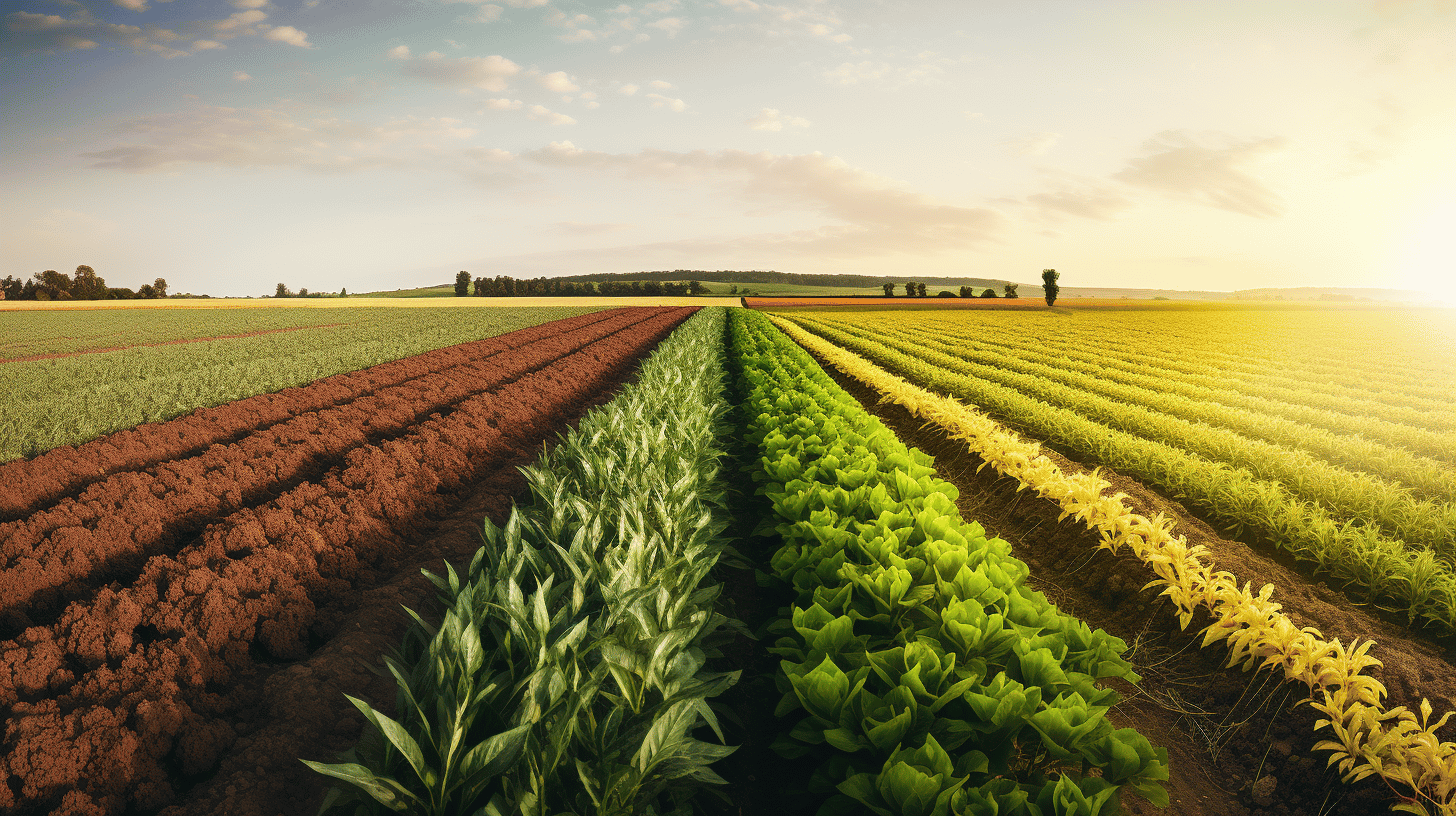
Regenerative agriculture is not just a passing trend; it’s a transformative approach that has the potential to revolutionize our food systems and repair our environment. While the concept of regenerative agriculture has been around for many years, it is gaining momentum as farmers and consumers recognize its wide-ranging benefits.
At its core, regenerative agriculture is a holistic farming practice that aims to restore and improve ecosystems, rather than deplete them. Unlike conventional agriculture, which often relies on chemical inputs and unsustainable practices, regenerative agriculture focuses on building and nurturing healthy soils, promoting biodiversity, and mitigating climate change.
Through a combination of innovative techniques and a deep understanding of natural systems, regenerative farmers are able to not only sustainably produce food but also enhance the overall health of their land. This approach represents a shift away from the industrialized model of agriculture and towards a more regenerative and sustainable future.
In this article, we will explore the state of regenerative agriculture, the benefits it provides, the techniques used, and its implementation in livestock operations. We will also delve into the role of regenerative practices in improving water efficiency, mitigating climate change, and supporting biodiversity. Finally, we will discuss the use of technology in regenerative agriculture and its potential for advancing these practices even further.
Join us as we dive into the world of regenerative farming and discover how these essential techniques are helping to build a stronger foundation for a more sustainable and resilient future.
State of Regenerative Agriculture
Regenerative agriculture has gained significant momentum in recent years as a sustainable solution to improve soil health, sequester carbon, and promote biodiversity. This holistic approach to farming goes beyond traditional sustainable practices by actively working to restore and regenerate the land.
Current Implementation of Regenerative Agriculture
Regenerative agricultural practices are rapidly gaining popularity around the world, with farms in North America leading the way. According to a study conducted by Sustainalytics, approximately 63% of farms in North America have already implemented regenerative practices[1]. This encouraging statistic highlights the widespread recognition and adoption of regenerative agriculture as a viable pathway towards a more sustainable and resilient food system.
One of the primary principles of regenerative agriculture is the use of cover crops. These crops are planted in-between cash crops to protect the soil from erosion, improve soil structure, and enhance nutrient cycling. By incorporating cover crops into their rotation, farmers can effectively build organic matter, increase water holding capacity, and reduce the need for synthetic inputs.
In addition to cover cropping, regenerative farmers also prioritize practices such as minimal tillage, diverse crop rotations, and the integration of livestock. These strategies help to increase soil biodiversity, enhance carbon sequestration, and improve overall ecosystem health. Together, these practices work synergistically to create a more resilient and sustainable agricultural system.
Projected Market Value
The global regenerative agriculture market is set to experience substantial growth in the coming years. With the increasing demand for sustainable and organic products, combined with the environmental benefits associated with regenerative practices, the market value is projected to reach $16.8 billion by the end of 2027[2].
This significant growth highlights the growing recognition and support for regenerative agriculture as a viable solution to address pressing issues such as climate change, food security, and environmental degradation. As consumers become more conscious about the origins of their food and the impact of their consumption choices, regenerative agriculture presents a compelling solution that not only produces nutritious and high-quality food but also contributes to a healthier planet.
In conclusion, the state of regenerative agriculture is one of progress and promise. With significant implementation on farms across North America and a projected market value that reflects growing consumer demands, regenerative agriculture is poised to play a pivotal role in shaping a more sustainable and resilient future for agriculture.
Benefits of Regenerative Agriculture
Regenerative agriculture is an innovative approach to farming that goes beyond just sustainable practices. It aims to restore and enhance the health of the soil, increase biodiversity, and improve the overall ecosystem. Not only does regenerative agriculture have a positive impact on the environment, but it also has several benefits for farmers and consumers alike. Let’s delve into some of these benefits:
CO2 Sequestration Potential
By adopting regenerative farming practices, farmers have the potential to play a significant role in mitigating climate change. Switching to regenerative agriculture has the potential to sequester more than 100% of current annual CO2 emissions. This means that not only can regenerative agriculture help reduce greenhouse gases, but it can also actively remove CO2 from the atmosphere and store it in the soil for the long term. The increased carbon storage in the soil helps combat global warming while simultaneously improving soil health and fertility.
Increased Profitability
One of the most enticing benefits of regenerative agriculture is that it can lead to increased profitability for farmers. According to a study, farms using regenerative agriculture practices generated 78% more profit than those using conventional methods. By reducing input costs, such as chemical fertilizers and pesticides, regenerative practices help lower expenses. Additionally, improved soil health and biodiversity lead to increased crop yields and decreased vulnerability to extreme weather events. All of these factors contribute to higher profits for farmers.
Improvements to Land and Soil Health
Regenerative agriculture focuses on rejuvenating and restoring the health of the soil. Through practices like cover cropping, crop rotation, and conservation tillage, farmers can improve the health, nutrition, biodiversity, and carbon storage of degraded soil and land. By regenerating the soil, farmers create a robust and resilient foundation for their crops, leading to healthier plants and better production. This approach ensures long-term agricultural sustainability by nurturing the very foundation of farming itself – the soil.
Reduced Erosion
Conventional farming practices, such as intensive tillage, leave the soil vulnerable to erosion. This leads to the loss of valuable topsoil, which takes years to be replenished naturally. Regenerative practices, on the other hand, help reduce erosion by promoting healthy soil structure and organic matter. The increased soil organic matter acts as a binding agent, preventing soil particles from being washed away by wind or water. Not only does this help in conserving valuable topsoil, but it also reduces the risk of nutrient runoff and water pollution.
Increased Nutritional Content
Food grown using regenerative agriculture practices has been found to have higher nutritional content. A study conducted by the University of Washington found that fruits and vegetables grown using regenerative practices had higher levels of certain vitamins, minerals, and antioxidants compared to those grown using conventional methods. This can have a significant impact on human health, as it means that consumers can enjoy more nutrient-rich produce that supports their overall well-being.
In conclusion, regenerative agriculture offers a host of benefits that go beyond traditional farming practices. The potential to sequester CO2, increase profitability, improve soil health, reduce erosion, and enhance nutritional content are just a few reasons why farmers and consumers are embracing regenerative agriculture. By adopting these practices, we can create a sustainable and thriving food system that benefits both people and the planet.
Techniques Used in Regenerative Agriculture
Regenerative agriculture is gaining popularity as a sustainable farming approach that aims to restore and improve soil health, biodiversity, and ecosystem functions. It involves implementing various techniques that work in harmony with nature to achieve long-term benefits for both the environment and the farmers. In this article, we will explore some of the key techniques used in regenerative agriculture and how they contribute to a more sustainable and resilient farming system.
Crop Rotations
One of the fundamental techniques employed in regenerative agriculture is crop rotation. Crop rotation involves the systematic sequencing of different crops on a piece of land over time. Instead of continuously growing the same crop, farmers rotate between different crops with diverse nutrient demands, growth habits, and root structures.
Why is crop rotation important? Here are a few reasons:
- Nutrient management: Different crops have varying nutrient requirements and uptake abilities. By rotating crops, farmers can ensure that essential nutrients are used efficiently and replenished in the soil.
- Pest and disease control: Crop rotation disrupts the lifecycle of pests and diseases, reducing their build-up in the soil and minimizing the reliance on chemical pesticides.
- Weed suppression: Rotating crops can effectively manage weeds by breaking their life cycles and reducing their overall presence in the field.
Planting Multiple Species of Cover Crops
Another technique commonly used in regenerative agriculture is the planting of multiple species of cover crops. Cover crops are non-commercial plants grown primarily for the ecological benefits they offer. They are often planted between cash crop seasons or in fallow periods to protect and enrich the soil.
Here are some advantages of planting multiple species of cover crops:
- Soil protection: Cover crops act as a living mulch, protecting the soil from erosion caused by wind and water. They also help to moderate soil temperature and conserve moisture.
- Nutrient cycling: Certain cover crops, such as legumes, have the ability to fix atmospheric nitrogen and make it available for subsequent crops, reducing the need for synthetic fertilizers.
- Biodiversity promotion: Planting multiple species of cover crops increases plant diversity, which fosters a range of beneficial organisms, including beneficial insects and soil microorganisms.
Growing Diverse Forage in Pastures
Regenerative farmers often prioritize the cultivation of diverse forage species in their pastures. Unlike monoculture pastures dominated by a single species, diverse forage pastures consist of a mix of grasses, legumes, and other plants. This approach offers several benefits:
- Improved soil health: Diverse forage pastures enhance soil structure, promote nutrient cycling, and increase organic matter content, leading to healthier, more productive soils.
- Nutritional benefits for livestock: A broader range of forage species provides a more balanced diet for grazing animals, resulting in improved livestock health and performance.
- Enhanced biodiversity: Diverse pastures support a greater diversity of insects, birds, and other wildlife, creating a more resilient and ecologically vibrant ecosystem.
Maintaining Permanent Vegetation
In addition to diversifying the crops and forage species, regenerative agriculture also emphasizes the preservation of permanent vegetation, such as hedgerows, riparian buffers, and windbreaks. Maintaining permanent vegetation offers numerous advantages:
- Soil erosion prevention: Permanent vegetation acts as a natural barrier against soil erosion caused by wind and water, helping to retain precious topsoil and preventing sediment runoff into water bodies.
- Habitat creation: Hedgerows and other permanent vegetation serve as important wildlife habitats, providing food, shelter, and nesting sites for birds, pollinators, and other beneficial organisms.
- Climate change mitigation: Permanent vegetation plays a crucial role in carbon sequestration, helping to mitigate climate change by capturing and storing atmospheric carbon dioxide.
Overall, these techniques used in regenerative agriculture contribute to building resilient and sustainable farming systems. By harnessing the power of nature and working with ecological processes, regenerative farmers are taking important steps towards ensuring a healthier planet for future generations.
Implementing Regenerative Practices in Livestock Operations
Industrialized agriculture has had a significant impact on our environment, particularly in the realm of livestock operations. The conventional methods used in these operations often result in soil degradation, water pollution, and greenhouse gas emissions. However, there is a growing movement towards regenerative practices that aim to restore and improve the health of our land. In this article, we will explore how implementing regenerative practices in livestock operations can bring about positive change.
Conversion of Land to Pasture
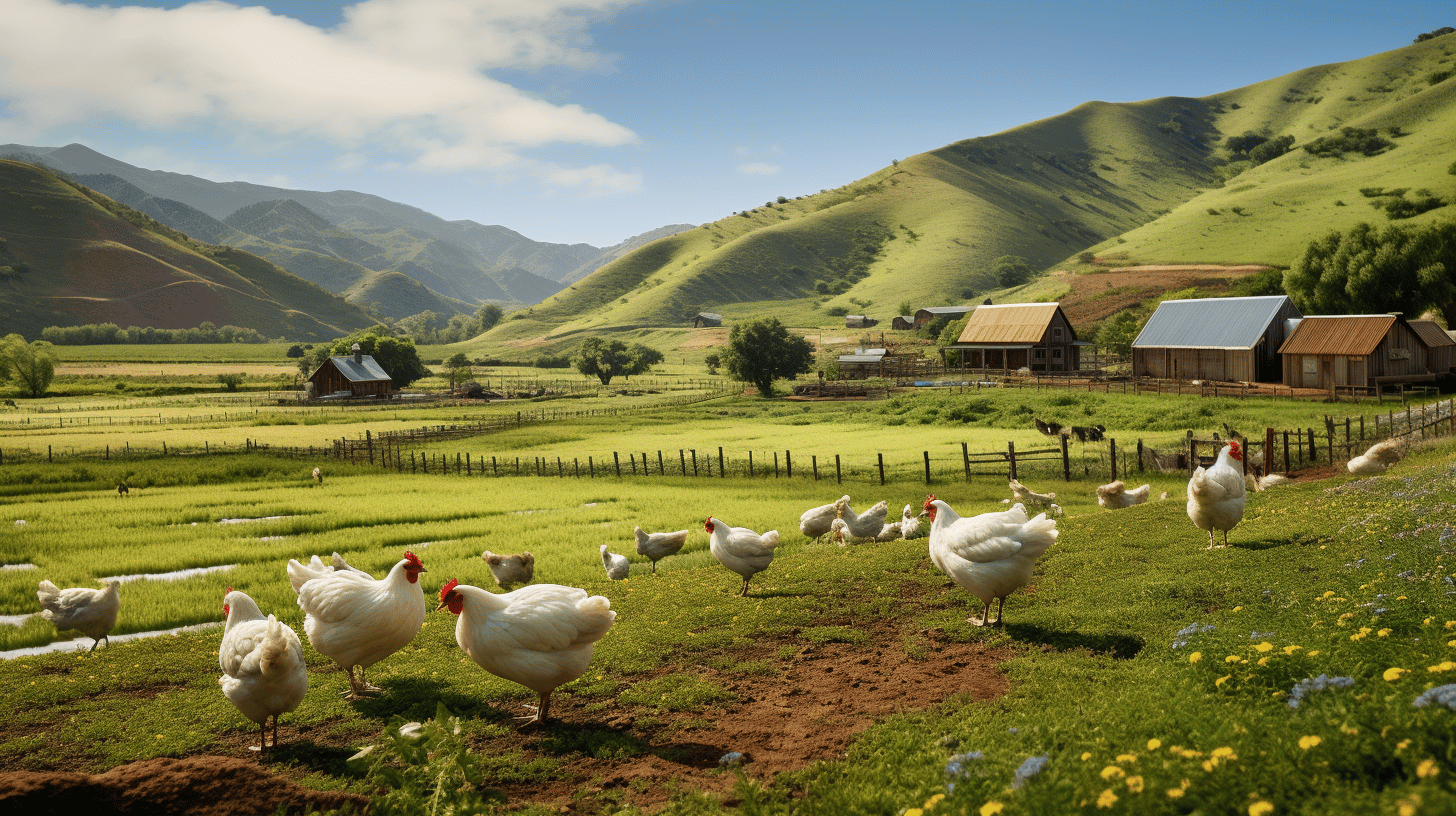
One of the key aspects of regenerative practices in livestock operations is the conversion of land to pasture. This involves allowing animals to graze on natural grasslands instead of confining them to feedlots. Let’s take a closer look at why this shift is beneficial:
- Improved Animal Welfare: Livestock that graze on pasture have access to a varied diet of grasses, legumes, and forages, resulting in healthier animals.
- Environmental Restoration: Converting land to pasture helps restore degraded areas, improves biodiversity, and revitalizes ecosystems.
- Carbon Sequestration: Pasture-based systems promote the sequestration of carbon dioxide from the atmosphere, mitigating climate change.
Improving Soil Health
Another crucial component of regenerative practices in livestock operations is improving soil health. Healthy soil is the foundation for sustainable agriculture and has a range of benefits. Here’s why focusing on soil health is essential:
- Enhanced Nutrient Cycling: Regenerative practices such as rotational grazing and cover cropping improve soil’s ability to cycle nutrients efficiently, reducing the need for synthetic fertilizers.
- Water Retention: Healthy soil has better water-holding capacity, reducing the risk of drought and erosion.
- Weed and Pest Management: Healthy soil supports beneficial microorganisms that can suppress weeds and pests naturally, minimizing the need for chemical interventions.
- Increased Resilience: Improving soil health enhances the resilience of livestock operations to climate change impacts, such as extreme weather events.
Creating a Sustainable Food System
Implementing regenerative practices in livestock operations contributes to the creation of a more sustainable food system. By focusing on holistic management strategies, these practices offer multiple benefits:
- Improved Water Quality: Regenerative practices minimize water pollution by reducing the runoff of nutrients, sediment, and chemicals into water bodies.
- Local Food Production: Small-scale regenerative livestock operations often prioritize local markets, providing consumers with fresh, high-quality products while supporting local economies.
- Ecosystem Services: Well-managed pasture systems provide habitats for native wildlife, enhance pollination, and improve overall ecosystem health.
Regenerative practices in livestock operations offer a positive alternative to conventional industrial agriculture. By converting land to pasture, improving soil health, and creating a sustainable food system, these practices can help us move towards a more sustainable and resilient future. It’s time to embrace regenerative practices and make a positive impact on our environment and our food system.
Further Reading:
To learn more about the benefits of regenerative practices in livestock operations, check out this comprehensive guide that dives deeper into the topic.
Improving Water Efficiency with Regenerative Practices
Water is a precious resource, and with increasing concerns about water scarcity, it is crucial to explore methods for improving water efficiency in various industries. One such practice that holds great potential is regenerative agriculture. By implementing regenerative practices, farmers can not only enhance soil health and biodiversity but also optimize water use.
Regenerative agriculture involves a holistic approach to farming that focuses on restoring and regenerating the natural ecosystems within agricultural systems. When it comes to water efficiency, regenerative practices offer several benefits:
- Enhanced Soil Health: Healthy soil is a key component of water efficiency. Regenerative practices, such as cover cropping and reduced tillage, help improve soil structure and increase its water-holding capacity. This means that the soil can retain more water, reducing the need for frequent irrigation.
- Water Infiltration: Regenerative practices can enhance the ability of soil to absorb and retain water. By promoting the growth of deep-rooted plants and incorporating organic matter into the soil, water infiltration rates are increased, reducing the risk of runoff and soil erosion. This allows the soil to retain more water, making it available for plant uptake.
- Precision Irrigation: Farmers can use advanced technologies like sensors and soil probes to gather real-time data on soil moisture levels. This information enables them to irrigate only when necessary, avoiding overwatering and reducing water waste. Precision irrigation practices make water use more efficient and minimize the environmental impact of irrigation systems.
- Managing Water Runoff: Regenerative practices help to minimize water runoff from fields, which can carry pollutants and sediment into nearby water bodies. By implementing techniques like contour plowing and buffer strips, farmers can prevent excessive runoff and reduce the amount of water that is wasted.
By adopting regenerative practices, farmers can make significant strides in improving water efficiency on their farms. These practices not only help conserve water but also contribute to other positive outcomes such as soil health, biodiversity, and overall ecosystem resilience.
Incorporating regenerative agriculture practices requires a shift in mindset and a commitment to long-term sustainability. However, the benefits both for farmers and the environment make it a worthwhile investment. Through the effective use of regenerative practices, we can make a positive impact on water resources and create a more sustainable future for agricultural systems.
“Regenerative agriculture offers a holistic approach to farming that promotes water efficiency and overall ecosystem health. By adopting practices such as enhanced soil health, precision irrigation, and managing water runoff, farmers can reduce water waste and make significant strides in sustainable agriculture.”
Mitigating Climate Change and Supporting Biodiversity
Climate change is one of the most pressing issues of our time, and finding ways to mitigate its effects has become critical. Fortunately, regenerative agriculture offers a promising solution. Not only does it have the potential to reduce greenhouse gas emissions and store carbon, but it also supports biodiversity, creating a win-win situation for both the environment and agricultural practices.
Carbon Storage and Sequestration
Regenerative agriculture practices such as cover cropping, crop rotation, and no-till farming have been proven to increase carbon storage and sequestration in agricultural soils. These practices promote the growth of soil organic matter, which acts as a sink for carbon dioxide, helping to combat its accumulation in the atmosphere.
The following practices contribute to carbon storage and sequestration:
- Cover cropping: Planting cover crops during the off-season helps protect the soil from erosion and adds organic matter to the soil when they decompose.
- Crop rotation: Rotating crops in a systematic manner helps prevent nutrient depletion and enhances soil health, leading to increased carbon sequestration.
- No-till farming: By avoiding plowing or tilling the soil, farmers can minimize soil disturbance and preserve the carbon stored in the soil, thereby reducing carbon emissions.
Reduced Grain Production but Increased Profitability
While it is true that regenerative agriculture practices might lead to a reduction in grain production, studies have shown that this is offset by increased profitability. A study conducted by the Rodale Institute found that regenerative agriculture can decrease grain production by 29%, but at the same time, it increases profitability by a staggering 78%.
This increase in profitability can be attributed to several factors:
- Lower input costs: Regenerative agriculture relies on natural processes and reduces the need for expensive synthetic inputs such as fertilizers and pesticides.
- Improved soil health: Implementing regenerative practices improves soil health and fertility, resulting in higher crop yields over the long term.
- Premium prices: Consumers are increasingly willing to pay a premium for products produced using regenerative agricultural practices, creating a market advantage for farmers adopting these methods.
Building Soil Health and Fertility
One of the key benefits of regenerative agriculture is its ability to build and improve soil health and fertility. By implementing practices such as cover cropping, crop rotation, and the use of organic fertilizers, regenerative farmers can enhance the soil’s capacity to support plant growth and nutrient cycling.
Some of the ways regenerative agriculture improves soil health include:
- Increased organic matter: Practices like cover cropping and the incorporation of crop residues into the soil increase the amount of organic matter in the soil, improving its structure and water-holding capacity.
- Enhanced microbial diversity: Regenerative practices promote the growth of beneficial soil microorganisms, which play a crucial role in nutrient cycling and plant health.
- Reduced soil erosion: By keeping the soil covered with vegetation year-round, regenerative agriculture helps prevent erosion and the loss of valuable topsoil.
In conclusion, regenerative agriculture offers a holistic approach to mitigating climate change and supporting biodiversity. By employing practices that promote carbon storage and sequestration, reduce grain production while increasing profitability, and build soil health and fertility, farmers can contribute to a more sustainable and resilient agricultural system.
Use of Technology in Regenerative Agriculture
Regenerative agriculture is a holistic approach to farming that focuses on improving soil health, biodiversity, and ecosystem resilience. It aims to restore and replenish the natural resources used in agriculture while also mitigating climate change impacts. While regenerative agriculture often involves traditional practices such as crop rotation and cover cropping, technology has also emerged as a crucial tool in achieving these goals. By integrating various technological advancements, farmers can optimize their operations, enhance water efficiency, and reduce yield losses, leading to more sustainable and productive agricultural systems.
Improving Water Efficiency
Water scarcity is a significant challenge in many agricultural regions around the world. With changing weather patterns and increased demand for water, farmers need innovative solutions to optimize water use in their fields. One way technology is aiding in this aspect is through the use of sensors and soil probes.
By placing sensors in the soil, farmers can gather data on moisture levels, temperature, and other soil characteristics in real-time. This allows for precise irrigation practices, ensuring that crops receive the ideal amount of water they need at any given time. This not only conserves water but also prevents over- or under-watering, which can lead to crop stress and reduced yields. With the help of technology, farmers can make informed decisions about irrigation scheduling, reducing water wastage and improving overall water efficiency on their farms.
Reducing Yield Losses
Severe weather events, such as droughts, floods, and extreme temperatures, can have a devastating impact on agricultural productivity. In regenerative agriculture, minimizing yield losses during such events is crucial for farm profitability and food security. Technology offers several solutions to effectively address this challenge.
One example is the use of remote sensing and satellite imagery. These tools provide valuable insights into crop health and growth patterns, allowing farmers to identify and respond to stress factors promptly. By monitoring crop conditions from above, farmers can take proactive measures to protect their crops during extreme weather events. For instance, they can adjust irrigation or apply protective measures, such as covering crops to prevent frost damage.
Additionally, with the advent of predictive analytics, farmers can anticipate weather conditions in advance. By utilizing weather forecasts and historical data, farmers can make informed decisions regarding planting dates, crop selection, and other agricultural practices. This proactive approach can significantly reduce yield losses and increase the resilience of agricultural systems in the face of climate uncertainty.
As regenerative agriculture continues to gain momentum, technology will play a vital role in supporting its implementation and success. By leveraging innovative tools and data-driven approaches, farmers can optimize their operations, conserve resources, and mitigate the impacts of climate change. The integration of technology and regenerative agriculture is a powerful combination that offers promising solutions for a more sustainable and resilient future in farming.
Learn more about regenerative agriculture practices and its benefits by visiting this guide.
Conclusion
In conclusion, regenerative agriculture offers a multitude of benefits for farmers, the environment, and the global food system. By implementing techniques such as crop rotations, planting cover crops, and maintaining permanent vegetation, farmers can improve soil health, reduce erosion, and increase profitability. Livestock operations can also play a significant role in regenerative agriculture by converting land to pasture, improving soil health, and creating a sustainable food system.
Furthermore, regenerative agriculture has the potential to mitigate climate change and support biodiversity through carbon sequestration, reduced grain production but increased profitability, and building soil health and fertility. The use of technology in regenerative agriculture can further enhance water efficiency and reduce yield losses.
At Regenerative Agriculture Wiki, we are passionate about educating and inspiring individuals and communities to adopt sustainable and regenerative farming practices. Through our comprehensive guides and insightful content, we aim to foster a future where agriculture and ecology thrive in harmony.
Discover the potential of regenerative agriculture and join us in cultivating a sustainable and resilient world. Visit Regenerative Agriculture Wiki today to explore the extensive content on regenerative agriculture and learn how you can make a positive impact.
Explore more about regenerative agriculture on our website.
Frequently Asked Questions
- What is regenerative farming?
Regenerative farming is an approach to agriculture that focuses on restoring soil health and enhancing ecosystem functions. It involves practices such as cover cropping, crop rotation, minimal tillage, and the use of organic fertilizers to improve soil quality and biodiversity.
- What are the benefits of regenerative farming?
Regenerative farming offers several benefits, including improved soil fertility, increased water retention, reduced erosion, enhanced biodiversity, decreased reliance on synthetic inputs, and improved overall farm resilience.
- What are some essential regenerative farming techniques?
Some essential regenerative farming techniques include cover cropping, agroforestry, rotational grazing, composting, no-till farming, and the use of organic and natural fertilizers and pest management strategies.
- How does regenerative farming contribute to sustainability?
Regenerative farming promotes sustainability by focusing on practices that improve soil health, conserve water, reduce greenhouse gas emissions, protect biodiversity, and minimize the use of synthetic fertilizers and pesticides, thus creating a more resilient and environmentally friendly farming system.
- Can regenerative farming be implemented on all types of farms?
Yes, regenerative farming techniques can be implemented in various types of farms, including small-scale organic farms, large commercial farms, and even livestock operations. The principles of regenerative farming can be adapted to different contexts and scales.