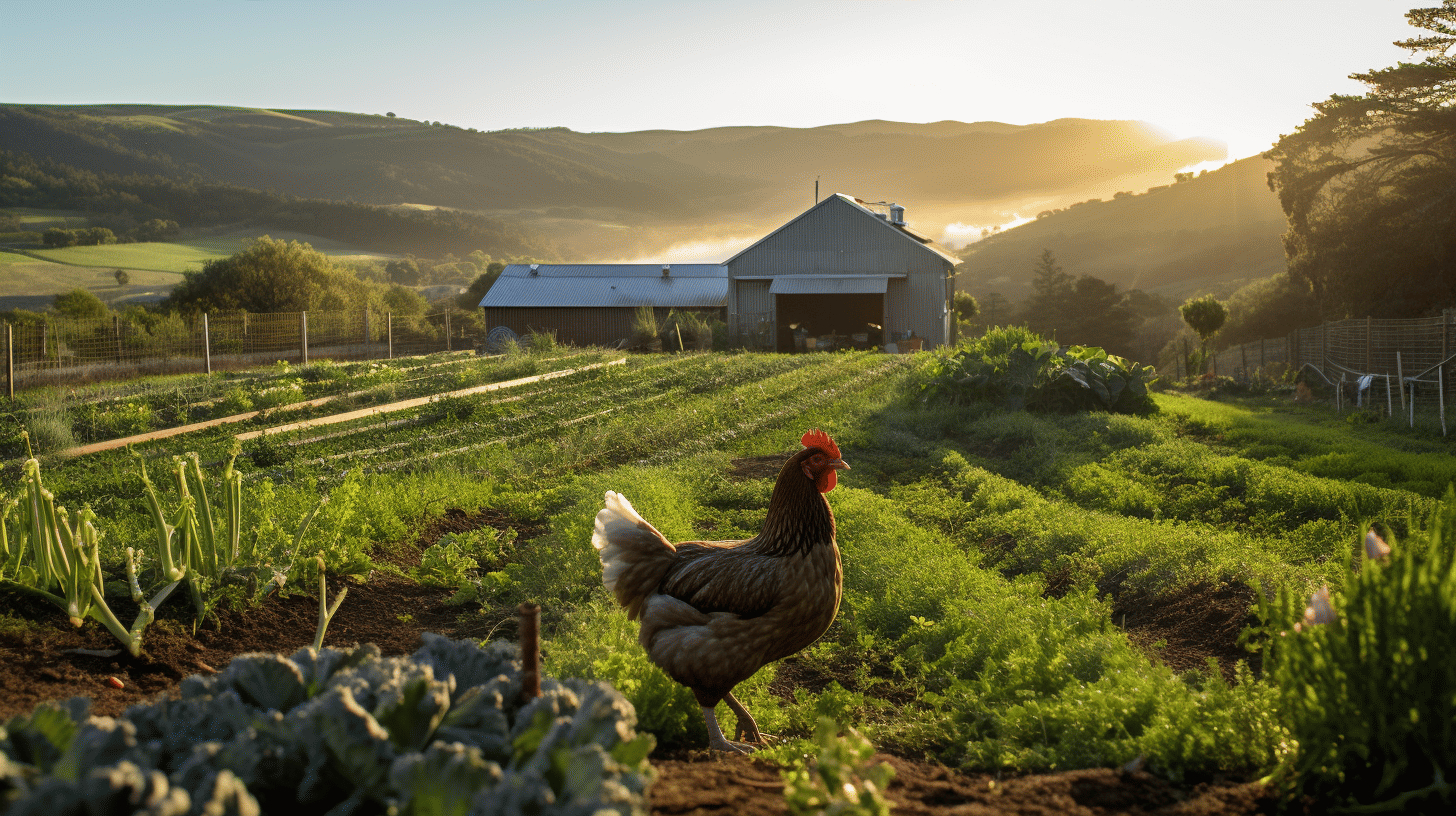
Regenerative agriculture is a transformative approach to farming that aims to not only sustain but enhance the health of our soil, ecosystems, and communities. By adopting regenerative practices, farmers can restore biodiversity, improve water infiltration, sequester carbon, and create more resilient landscapes that are better equipped to withstand the impacts of climate change.
In a world where traditional agricultural practices have often degraded the environment and depleted natural resources, regenerative agriculture stands out as a beacon of hope. It offers a solution that goes beyond the conventional mindset of “extracting from the land” and embraces a more holistic and sustainable approach to farming.
But what does regenerative agriculture look like in action? How are farmers implementing regenerative practices and what benefits are they experiencing? In this article, we will explore inspiring success stories of regenerative agriculture from around the world. We will delve into the specific examples, learn about the farmers who have embarked on this journey, and uncover the positive impacts it has had on their communities and the environment.
From large-scale companies like General Mills in the US to small-scale operations like the forest-gardens at Bec-Hellouin, we will discover how regenerative agriculture is being implemented across different contexts and its impact at various scales. We will also look at the transition stories of farmers who have shifted from conventional practices to regenerative agriculture, and how they have benefited from this change. Through these stories, we will gain insights into the challenges faced, the lessons learned, and the promising results achieved.
By the end of this article, you will have a deeper understanding of the power and potential of regenerative agriculture. You will see the concrete ways in which regenerative practices can restore ecosystems, improve food security, and provide economic benefits for farmers. So let’s embark on this inspiring journey and explore the success stories that illuminate the path toward a more sustainable and regenerative future.
Successful Examples of Regenerative Agriculture
Regenerative agriculture is gaining traction worldwide as a sustainable farming practice that aims to restore and improve the health of our soils, water, and ecosystems. In this article, we will explore two successful examples of regenerative agriculture: General Mills in the US and the forest-gardens at Bec-Hellouin.
General Mills in the US
General Mills, the renowned food company, has taken significant steps towards implementing regenerative agriculture practices in its supply chain. By partnering with farmers and investing in research and development, General Mills has been able to make a positive impact on the environment while maintaining the quality of its food products.
Here are a few key points about General Mills’ successful implementation of regenerative agriculture:
- General Mills encourages farmers to adopt regenerative practices, such as cover cropping, crop rotation, and reduced tillage. These practices not only improve soil health but also help sequester carbon dioxide from the atmosphere.
- The company provides financial incentives to farmers who adopt regenerative agriculture practices. This motivates more farmers to transition to sustainable farming methods and contributes to the scalability of regenerative agriculture.
- General Mills actively supports research and innovation in regenerative agriculture. By collaborating with experts and institutions, they aim to continuously develop and refine sustainable farming techniques.
“General Mills has been a leader in promoting regenerative agriculture practices. By working closely with farmers and providing incentives, the company has successfully implemented sustainable farming methods that benefit both the environment and the quality of their food products.”
Forest-gardens at Bec-Hellouin
The forest-gardens at Bec-Hellouin in France serve as an inspiring case study of regenerative agriculture. Led by Charles and Perrine Hervé-Gruyer, these intensive small-scale gardens blend principles of agroforestry, organic farming, and permaculture to create diverse and productive ecosystems.
Here’s what makes the forest-gardens at Bec-Hellouin a successful example of regenerative agriculture:
- The gardens mimic natural ecosystems, integrating trees, shrubs, perennial crops, and livestock. This multi-layered approach creates a sustainable and self-regulating system that maximizes productivity while minimizing environmental impact.
- By avoiding synthetic inputs and pesticides, the Hervé-Gruyers have created a thriving ecosystem that supports biodiversity and protects the health of the soil.
- The gardens utilize techniques such as polycultures, companion planting, and crop rotation, which help to enhance soil fertility, reduce pests, and promote overall ecosystem resilience.
- The Hervé-Gruyers have also prioritized sharing knowledge and education about regenerative agriculture. They offer workshops, training programs, and farm visits to inspire others to adopt sustainable farming practices.
“The forest-gardens at Bec-Hellouin showcase the incredible potential of regenerative agriculture on a smaller scale. By implementing diverse and innovative farming techniques, the Hervé-Gruyers have created a harmonious ecosystem that produces bountiful crops while protecting the environment.”
These examples highlight the positive impact that regenerative agriculture can have on our food systems and the environment. Both General Mills in the US and the forest-gardens at Bec-Hellouin exemplify successful implementation of regenerative agriculture practices. By learning from these examples and implementing sustainable farming methods, we can contribute to a more resilient and sustainable future.
Farmers’ Inspiring Transition Stories to Regenerative Agriculture
Regenerative agriculture has gained significant attention in recent years for its sustainable and holistic approach to farming. It focuses on restoring the health of the soil, enhancing biodiversity, and improving the overall ecosystem. One organization that has been documenting and sharing inspiring transition stories to regenerative agriculture is Soils for Life.
Soils for Life Case Studies
For over a decade, Soils for Life has been producing case studies that highlight the success and transformation of farmers who have adopted regenerative agricultural practices. These case studies offer real-life examples of how farmers have transitioned from conventional methods to regenerative practices and the positive impact it has had on their farms.
The case studies delve into the personal journeys of these farmers, capturing their challenges, breakthroughs, and the overall transformation their farms have undergone. They showcase the diverse range of regenerative techniques used by these farmers, including practices such as cover cropping, composting, rotational grazing, and agroforestry.
Each case study provides valuable insights into the benefits of regenerative agriculture, highlighting the improvements in soil health, water management, biodiversity, and farm profitability. By sharing these stories, Soils for Life aims to inspire and educate farmers on the potential of regenerative agriculture to create a more sustainable and resilient farming system.
Benefits for Small Farmers
Regenerative agriculture is not limited to large-scale farms; it is equally beneficial for small farmers. In fact, more than 15 million small farmers around the world are already reaping the rewards of adopting regenerative practices. Here are some key benefits that small farmers can expect:
- Improved Soil Health: Regenerative practices promote soil regeneration by increasing organic matter content, improving soil structure, and enhancing microbial activity. This leads to enhanced soil fertility, better nutrient cycling, and reduced soil erosion.
- Increased Biodiversity: Regenerative agriculture focuses on creating a diverse and thriving ecosystem on the farm. By implementing practices such as intercropping, crop rotation, and providing habitat for beneficial insects and wildlife, small farmers can support a rich biodiversity, contributing to ecosystem resilience and natural pest control.
- Enhanced Water Management: With regenerative practices, small farmers can improve water infiltration and retention in the soil, reducing runoff and enhancing water availability for crops. This is particularly crucial in areas prone to drought or limited water resources.
- Economic Viability: Regenerative agriculture can bring economic benefits to small farmers. By reducing input costs, improving yields, and creating additional income streams through diversified practices, farmers can enhance their profitability and long-term financial stability.
The inspiring transition stories documented by Soils for Life serve as a testament to the transformative power of regenerative agriculture. They provide small farmers with practical examples and inspiration to take steps towards adopting regenerative practices and reap the benefits for themselves and their farms.
So, whether you are a large-scale farmer looking to make a shift towards sustainable farming or a small farmer seeking ways to improve your farm’s resilience and profitability, exploring these inspiring transition stories to regenerative agriculture can be a valuable resource. Take a deep dive into the experiences and successes of these farmers and discover how regenerative practices can bring positive change to your own farm and the larger agricultural community.
Positive Impacts of Regenerative Agriculture
Regenerative agriculture practices are not only beneficial for the environment but also have positive impacts on food production, animal welfare, and profits for farmers. Moreover, these practices play a crucial role in landscape restoration and protection. Let’s delve deeper into these positive impacts:
Food, Animals, and Profits
Regenerative agriculture focuses on sustainable and regenerative farming techniques that promote soil health and biodiversity. As a result, it leads to several positive outcomes:
- Enhanced Nutritional Value: By prioritizing soil health and biodiversity, regenerative agriculture practices contribute to the production of nutrient-rich crops. This leads to more nutritious food for consumers, which is essential for promoting public health and well-being.
- Improved Animal Welfare: Regenerative agriculture emphasizes the integration of livestock into farming systems. Animals are allowed to graze on diverse forage and are kept in conditions that mimic natural ecosystems. This approach not only enhances the well-being of animals but also improves the quality of animal-based products such as meat and dairy.
- Increased Farm Profits: While transitioning to regenerative practices may require initial investments, it can result in long-term financial benefits for farmers. The improved soil health and biodiversity lead to higher crop yields, reduced input costs, and decreased reliance on expensive chemical inputs. In addition, regenerative farmers often see increased profitability through the adoption of diversified farming systems and the sale of value-added products.
Landscape Restoration and Protection
Regenerative agriculture practices go beyond the farm level and extend to the broader landscapes:
- Soil Conservation: One of the key aspects of regenerative agriculture is soil conservation. Through practices such as cover cropping, crop rotation, and reduced tillage, regenerative farmers protect valuable topsoil from erosion and degradation. This not only ensures the long-term viability of agricultural land but also prevents sediment runoff into waterways, improving water quality and aquatic ecosystems.
- Biodiversity Conservation: Regenerative agriculture prioritizes the protection and enhancement of biodiversity. By providing habitat for beneficial insects, birds, and other wildlife, regenerative farms support natural predators of pests, reducing the need for chemical pesticides. This, in turn, contributes to a healthier ecosystem with a balanced insect population and promotes the pollination of crops.
In essence, regenerative agriculture practices have far-reaching positive impacts on food production, animal welfare, profits for farmers, and the restoration and protection of landscapes. By adopting these practices, we can ensure a more sustainable and resilient agricultural system for generations to come.
Implementation and Support of Regenerative Agriculture
Regenerative agriculture is a hot topic in the agricultural industry, gaining momentum as a sustainable and environmentally-friendly approach to farming and ranching. But implementing and supporting regenerative practices requires more than just awareness; it requires a collective effort from various stakeholders. In this section, we will explore some initiatives and platforms that are empowering regenerative agriculture and the role of local farmers and ranchers in driving this global movement.
Regrow: Empowering Regenerative Agriculture
One platform that is making waves in the world of regenerative agriculture is Regrow. This innovative platform is designed to empower farmers, ranchers, and other stakeholders across the agrifood supply chain to adopt regenerative practices and track their progress. With its user-friendly interface and comprehensive tools, Regrow helps farmers and ranchers monitor soil health, manage inputs, and optimize resource utilization.
Not only does Regrow provide actionable insights and data-driven recommendations tailored to each farmer’s unique needs, but it also fosters collaboration and knowledge-sharing within the farming community. This collaborative approach is crucial for accelerating the adoption of regenerative practices and driving sustainable change on a larger scale.
Local Farmers and Ranchers
While platforms like Regrow play a significant role in supporting regenerative agriculture, it is ultimately the local farmers and ranchers who bring these practices to life. Many farmers and ranchers have already embraced regenerative agriculture and are reaping the benefits of improved soil health, increased biodiversity, and enhanced resilience to extreme weather events.
By shifting away from chemical-centric practices, these farmers and ranchers are not only improving the quality of their land but also producing healthier and more nutritious crops and livestock. Regenerative agriculture focuses on building healthy soils that act as natural carbon sinks, reducing greenhouse gas emissions and contributing to climate change mitigation.
Global Movement Away from Chemical-Centric Practices
Regenerative agriculture is not just a passing trend; it is part of a global movement away from chemical-centric practices and towards a more sustainable and resilient food system. Across the world, governments, organizations, and consumers are recognizing the importance of regenerative practices in addressing the challenges of climate change, food security, and biodiversity loss.
From the policy level, initiatives like the United Nations’ Sustainable Development Goals (SDGs) and the Paris Agreement are driving the adoption of regenerative practices at a global scale. Additionally, consumer demand for sustainably produced food and transparency in the supply chain is pushing companies to prioritize regenerative agriculture in their sourcing strategies.
By implementing and supporting regenerative agriculture, we can create a more resilient and sustainable agricultural system that benefits not only farmers and ranchers but also the planet as a whole. Let’s continue to champion these practices and work together towards a greener future.
To learn more about the benefits of regenerative agriculture and how it is transforming the agrifood supply chain, check out the article on Regrow: Empowering Regenerative Agriculture.
Regenerative Agriculture Initiatives and Evidence of Effectiveness
Regenerative agriculture has gained significant traction in recent years as a sustainable farming practice that not only aims to improve soil health and biodiversity but also contributes to mitigating climate change. As more farmers and organizations recognize the potential of regenerative agriculture, comprehensive case studies and research articles have emerged to provide evidence of its effectiveness.
Comprehensive Case Studies
Regenerative agriculture initiatives have been implemented around the world, and these projects have generated compelling case studies that highlight the positive outcomes of adopting regenerative practices. These case studies demonstrate the transformative impact of regenerative agriculture on various aspects of farming, including soil health, water conservation, and biodiversity. Some notable examples include:
- The Indigo Carbon program: This initiative focuses on promoting regenerative agriculture practices, such as cover cropping and reduced tillage, to sequester carbon in agricultural soils. Farmers participating in the program have reported increased soil organic matter, improved water retention, and enhanced crop yields.
- The Rodale Institute’s Farming Systems Trial: This long-term research project compares conventional farming methods with regenerative farming practices. The trial, which has been ongoing since 1981, has revealed that regenerative agriculture systems consistently outperform conventional systems in terms of soil health, nutrient cycling, and yield stability.
- The Land Institute’s perennial grain research: By developing perennial crops that mimic the structure and function of natural ecosystems, the Land Institute aims to address soil erosion and decrease reliance on annual crops. Research conducted by the Land Institute has shown promising results, indicating that perennial grains can improve soil health, reduce the need for chemical inputs, and enhance ecosystem resilience.
These case studies present tangible evidence of the positive outcomes associated with regenerative agriculture practices, bolstering the argument for widespread adoption and supporting the claims of its effectiveness.
Research Articles
In addition to case studies, research articles play a vital role in providing rigorous scientific evidence of the effectiveness of regenerative agriculture practices. These articles often employ experimental designs and statistical analyses to measure the impact of regenerative practices on various agricultural metrics. Some key findings from research articles include:
- Increased soil organic carbon: Multiple studies have found that regenerative agriculture practices, such as cover cropping and crop rotation, significantly increase soil organic carbon levels. This not only improves soil fertility but also contributes to carbon sequestration, mitigating the effects of climate change.
- Enhanced soil health: Research has shown that regenerative agriculture practices lead to improved soil structure and greater microbial diversity, resulting in increased nutrient availability and water-holding capacity. These improvements enhance agricultural productivity and resilience.
- Biodiversity conservation: Studies indicate that regenerative agriculture practices support higher levels of biodiversity, including beneficial insects, birds, and soil organisms. This biodiversity contributes to natural pest control, pollination, and nutrient cycling, reducing the need for synthetic inputs.
By synthesizing the findings from multiple research articles, a robust body of evidence has emerged, supporting the effectiveness of regenerative agriculture in addressing ecological and production challenges within the agricultural sector.
In conclusion, regenerative agriculture initiatives have comprehensive case studies from around the world, which showcase the positive impact of adopting regenerative practices. Research articles further strengthen this evidence base, providing scientific rigor and validation to the claims made about the effectiveness of regenerative agriculture practices. Together, these case studies and research articles serve as a compelling argument for the widespread adoption of regenerative agriculture to promote sustainable and resilient farming systems.
Expanding Reach and Impact of Regenerative Agriculture
Regenerative agriculture has been gaining momentum as a sustainable approach to farming that goes beyond just minimizing harm to the environment. It aims to restore and regenerate the health of the soil, improve water quality, enhance biodiversity, and contribute to the overall wellbeing of farmers and communities. This holistic approach has garnered attention from both farmers and corporations looking to make a positive impact.
Success Stories: Laureano and Green Meadows Farm
One success story that exemplifies the power of regenerative agriculture is Laureano and his farm, Green Meadows Farm. Laureano’s journey began with a realization that conventional farming practices were harming his land and depleting its resources. He decided to shift to regenerative practices and saw remarkable transformations on his farm.
By implementing regenerative agriculture techniques such as cover cropping, rotational grazing, and composting, Laureano not only improved the health of his soil but also witnessed an increase in crop yields and a reduction in input costs. As a result, his farm became more profitable and sustainable in the long run.
Laureano’s story is a compelling example of how regenerative agriculture can improve livelihoods while restoring the health of the environment. It demonstrates that farmers have the power to be agents of change, creating a positive impact on their communities and the planet.
Market Developments and Corporate Partnerships
In recent years, there has been a surge in market developments and corporate partnerships that support and promote regenerative agriculture. This trend is a testament to the growing recognition of the importance of sustainable farming practices and the desire to align business objectives with environmental and social values.
For example, Nestle, one of the world’s largest food and beverage companies, has invested in regenerative agriculture practices. Through their partnership with farmers, they are working to implement regenerative farming methods on their supply chains, focusing on soil health, carbon sequestration, and water management. This investment showcases how corporations can play a crucial role in driving positive change in the agricultural sector.
Similarly, General Mills, a global leader in the food industry, has partnered with the American Farmland Trust to further their commitment to regenerative agriculture. This partnership aims to support farmers transitioning to regenerative practices, enhance soil health, and promote biodiversity. By collaborating with organizations like the American Farmland Trust, General Mills is taking proactive steps to address the challenges faced by farmers and integrate sustainable practices into their supply chain.
These market developments and corporate partnerships not only provide financial support to farmers but also create a ripple effect by raising awareness about the benefits of regenerative agriculture. They serve as a catalyst for change and encourage other businesses to adopt sustainable practices, ultimately leading to a broader impact on the agricultural industry as a whole.
Regenerative agriculture is expanding its reach and impact, thanks to success stories like Laureano and corporate partnerships that advocate for sustainable farming practices. As more farmers and businesses embrace this holistic approach, we can look forward to a future where regenerative agriculture becomes the norm, ensuring a healthier planet and thriving communities.
Technological Advancements and Innovative Approaches
In the realm of regenerative agriculture, farmers and researchers are constantly seeking ways to optimize their practices and achieve sustainability goals. Technological advancements have played a crucial role in this pursuit, enabling farmers to implement innovative approaches that promote soil health, biodiversity, and carbon sequestration. Two key areas where technology has made significant strides in regenerative agriculture include digital farm management tools and soil carbon measurement.
Digital Farm Management Tools
Digital farm management tools have revolutionized the way farmers plan, monitor, and optimize their farming practices. These tools provide farmers with a comprehensive view of their farm operations, allowing them to make data-driven decisions for better outcomes. Here are some key benefits of using digital farm management tools:
- Remote Monitoring: Farmers can monitor their fields and livestock remotely, saving time and effort. They can access real-time data about soil moisture levels, crop health, and weather conditions, enabling them to take timely action and prevent potential issues.
- Precision Agriculture: Digital tools enable farmers to apply inputs, such as fertilizers, pesticides, and water, with precision. By using data-driven insights and technologies like GPS and drone imaging, farmers can optimize the use of resources, reducing waste and environmental impact.
- Data Analytics: These tools offer advanced analytics capabilities, allowing farmers to analyze historical data, identify trends, and make informed decisions. By leveraging data analytics, farmers can optimize crop rotations, determine optimal planting dates, and manage resources effectively.
Soil Carbon Measurement
Understanding the level of soil organic carbon is crucial for assessing the health and productivity of agricultural land. Soil carbon measurement has been a game-changer in regenerative agriculture, enabling farmers to quantify the impact of their practices and adopt new business models. Here’s why soil carbon measurement is so significant:
- Carbon Sequestration: By measuring soil carbon levels, farmers can assess the amount of carbon their land can sequester. Regenerative practices like cover cropping, crop rotation, and reduced tillage are known to increase soil organic carbon, leading to carbon sequestration and mitigating climate change.
- Verification and Certification: Soil carbon measurement allows farmers to verify their regenerative practices and obtain certifications such as carbon credits. This opens up new revenue streams for farmers, incentivizing them to invest in sustainable practices and contribute to environmental stewardship.
- Improving Soil Health: Soil organic carbon is a key indicator of soil health. The measurement provides insights into the nutrient-holding capacity, water retention, and microbial activity of the soil. With this information, farmers can make informed decisions about soil amendments and management practices, leading to improved crop yields and long-term sustainability.
The combined effect of digital farm management tools and soil carbon measurement is transforming the regenerative agriculture landscape. These technological advancements empower farmers to implement innovative approaches and achieve their sustainability goals. By leveraging these tools and monitoring soil carbon levels, farmers can make data-driven decisions, improve productivity, and contribute to a more sustainable and resilient agricultural system.
“Technology can never replace the creativity and wisdom of a farmer, but it can surely enhance their abilities and provide valuable insights for sustainable farming.”
Environmental and Social Benefits of Regenerative Agriculture
Regenerative agriculture is not only a sustainable farming approach but also one that brings a host of environmental and social benefits. This practice goes beyond traditional farming methods by focusing on improving soil health, biodiversity, and water conservation. In this section, we will explore two key benefits of regenerative agriculture: greenhouse gas mitigation and its impact on food security, with a particular emphasis on indigenous knowledge.
Greenhouse Gas Mitigation
One of the primary environmental benefits of regenerative agriculture is its potential for greenhouse gas mitigation. With the current climate crisis, finding ways to reduce emissions and sequester carbon is vital. Here’s how regenerative agriculture contributes to this important goal:
- Carbon sequestration: Regenerative farming practices, such as cover cropping, crop rotation, and reduced tillage, promote the capture and storage of carbon in the soil. Healthy soils act as a natural carbon sink, helping to reduce atmospheric greenhouse gas concentrations.
- Reduced synthetic inputs: By minimizing the use of synthetic fertilizers and pesticides, regenerative agriculture helps to reduce the carbon footprint associated with the production and application of these inputs. By adopting organic and natural alternatives, farmers can decrease their reliance on fossil fuel-based products.
- Enhanced biodiversity: Regenerative agriculture practices encourage the development of diverse ecosystems on farms, supporting the presence of beneficial insects, birds, and other wildlife. This biodiversity not only contributes to soil health but also helps in carbon sequestration and the overall balance of the farm ecosystem.
Food Security and Indigenous Knowledge
In addition to its environmental benefits, regenerative agriculture also plays a crucial role in ensuring food security, particularly when it comes to preserving indigenous knowledge and practices. Here’s how regenerative agriculture promotes food security:
- Sustainable farming methods: Regenerative agriculture prioritizes long-term sustainability, focusing on farming practices that preserve soil fertility and minimize the need for external inputs. By adopting these methods, farmers can produce food in a way that supports long-term food security and helps to address challenges such as soil degradation and water scarcity.
- Indigenous knowledge: Indigenous communities have long practiced regenerative agriculture, relying on their deep understanding of nature and sustainable farming techniques. This ancestral wisdom and knowledge play a vital role in preserving biodiversity, adapting to climate change, and ensuring food security. By valuing and integrating indigenous knowledge, regenerative agriculture can help empower and uplift indigenous communities.
In conclusion, regenerative agriculture not only contributes to reducing greenhouse gas emissions but also plays a crucial role in ensuring food security for future generations. By adopting sustainable farming practices and valuing indigenous knowledge, we can create a more resilient and sustainable agricultural system that benefits both the environment and society as a whole.
Corporate Support and Trends in Regenerative Agriculture
Regenerative agriculture is gaining momentum globally, and corporate support plays a crucial role in advancing this sustainable farming practice. Companies like Kering and Unilever have emerged as champions of regenerative agriculture, recognizing its potential to address pressing environmental challenges and build resilient food systems.
Champions and Projects
Kering, a leading luxury fashion group, has been actively promoting regenerative agriculture through its sustainability strategy. The company recognizes that agriculture plays a significant role in the fashion industry’s supply chain, and sustainable farming practices are essential for ensuring long-term viability.
To support regenerative agriculture, Kering has implemented several commendable projects, including:
- The Kering for Nature Fund: This initiative focuses on investing in innovative conservation projects, including regenerative agriculture practices, that restore biodiversity and ecosystem health.
- Partnerships with farmers: Kering engages directly with farmers, collaborating to implement regenerative practices on their lands. By establishing long-term partnerships, Kering supports farmers in transitioning to more sustainable agricultural methods.
- Supply chain transparency: Kering strives to establish full traceability in its supply chain, ensuring that raw materials, including those sourced through regenerative agriculture, are sustainably produced.
Unilever, a multinational consumer goods company, has also embraced the potential of regenerative agriculture in driving positive environmental and social impacts. Unilever recognizes that adopting regenerative practices can enhance soil health, mitigate climate change, and improve livelihoods for farmers.
Unilever’s initiatives in regenerative agriculture include:
- The Regenerative Agriculture Code: Unilever has developed a comprehensive code that outlines sustainable farming practices for its agricultural suppliers. By working closely with farmers, Unilever promotes the adoption of regenerative techniques and provides support throughout the transition.
- Investing in research: Unilever invests in research and development to advance the understanding and implementation of regenerative agriculture. They collaborate with scientific institutions and experts to generate knowledge that can guide sustainable farming practices.
- Training and capacity-building: Unilever believes in empowering farmers to adopt regenerative practices. Through training programs and capacity-building initiatives, the company helps farmers develop the necessary skills and knowledge to transition to regenerative agriculture successfully.
Driving Trends
Regenerative agriculture is not just gaining support from individual companies; it is also driven by broader trends shaping the agricultural and corporate landscape. Some of the key trends fuelling the growth of regenerative agriculture include:
- Corporate funding: Increasingly, companies are allocating funds to support regenerative agriculture initiatives. By investing in regenerative farming practices, corporations are demonstrating their commitment to sustainability and driving positive change across their supply chains.
- Climate-smart measures: Regenerative agriculture aligns with climate-smart measures that aim to mitigate climate change and build resilience in farming systems. As companies prioritize climate action, regenerative agriculture provides a practical solution to reduce carbon emissions and adapt to a changing climate.
- Improved equipment and technology: Advancements in agricultural technology and equipment have made regenerative practices more accessible and efficient. From precision agriculture tools to smart irrigation systems, these innovations enable farmers to implement regenerative techniques on a larger scale.
Regenerative agriculture is a promising approach to transform the way we produce food, and with corporate support and emerging trends, its impact can be magnified. As more companies join the movement and invest in regenerative practices, we move closer toward building a more sustainable and resilient agricultural future.
Holistic Approach to Farming for a Sustainable Future
Introduction
In an era marked by environmental challenges and concerns about the long-term sustainability of our food systems, regenerative agriculture has emerged as a ray of hope. It offers a holistic approach to farming that not only promotes soil health and biodiversity but also mitigates climate change and ensures a more sustainable future for generations to come.
Regenerative agriculture goes beyond traditional farming practices by placing a strong emphasis on the interconnectedness of all living organisms in an ecosystem. By adopting regenerative practices, farmers can work in harmony with nature rather than against it, creating a mutually beneficial relationship between the land, crops, livestock, and surrounding environment.
Soil Health and Biodiversity
One of the core principles of regenerative agriculture is the focus on soil health. Healthy soil acts as a natural carbon sink, effectively sequestering carbon from the atmosphere and reducing greenhouse gas emissions. By implementing regenerative practices such as cover cropping, crop rotation, and minimal tillage, farmers can enhance soil fertility, structure, and biodiversity.
Healthy soils not only store carbon but also promote the growth of beneficial microorganisms and improve water retention capabilities. This, in turn, leads to better nutrient availability for plants, increased crop resilience to pests and diseases, and reduced reliance on synthetic fertilizers and pesticides.
Climate Change Mitigation
Regenerative agriculture has shown promising potential in mitigating climate change by reducing greenhouse gas emissions and promoting carbon sequestration. A study published in the journal Nature found that the adoption of regenerative practices on a global scale could offset up to 20% of current global emissions.
By improving soil health and increasing carbon sequestration, regenerative agriculture helps to break the vicious cycle of carbon emissions and climate change. It offers a natural and sustainable solution to combat climate change while also providing numerous co-benefits, such as improved water quality and reduced soil erosion.
Conclusion
As the world faces the complex challenges of climate change, declining soil fertility, and biodiversity loss, adopting a holistic approach to farming like regenerative agriculture becomes paramount. By prioritizing soil health and biodiversity, regenerative farmers contribute to the restoration and long-term sustainability of our food systems.
Regenerative agriculture presents an opportunity to transition from conventional farming practices that rely heavily on synthetic inputs and chemical-centric approaches. Instead, it encourages a more symbiotic relationship with nature where farmers work with the land, not against it.
By embracing regenerative agriculture, we pave the way for a more sustainable future, ensuring the resilience and vitality of our ecosystems, safeguarding food security, and mitigating the impacts of climate change. Through collective efforts and the widespread adoption of regenerative practices, we can create a lasting positive impact on our planet and future generations.
Frequently Asked Questions
- What is regenerative agriculture?
Regenerative agriculture is a farming and land management approach that focuses on restoring and improving the health of the soil, biodiversity, ecosystem, and water cycle. It aims to create a sustainable and resilient food production system.
- What are some examples of regenerative agriculture practices?
Some examples of regenerative agriculture practices include cover cropping, crop rotation, no-till farming, agroforestry, holistic grazing, composting, and the use of natural fertilizers. These practices help build organic matter, improve soil structure, increase water retention, and enhance biodiversity.
- What are the benefits of regenerative agriculture?
Regenerative agriculture offers several benefits such as enhanced soil health, increased nutrient availability, improved water quality, reduced greenhouse gas emissions, increased resilience to climate change, and the potential to sequester carbon from the atmosphere.
- Are there any success stories of regenerative agriculture in action?
Yes, there are numerous success stories of regenerative agriculture from around the world. For example, the Gabe Brown farm in North Dakota has successfully implemented regenerative practices, increasing soil organic matter and profitability. The Singing Frogs Farm in California has also achieved impressive yields while improving soil health through regenerative methods.
- How can I support regenerative agriculture?
You can support regenerative agriculture by consuming organic and regeneratively produced food, supporting local farmers who practice regenerative methods, advocating for policies that promote regenerative practices, and educating yourself and others about the benefits of regenerative agriculture.