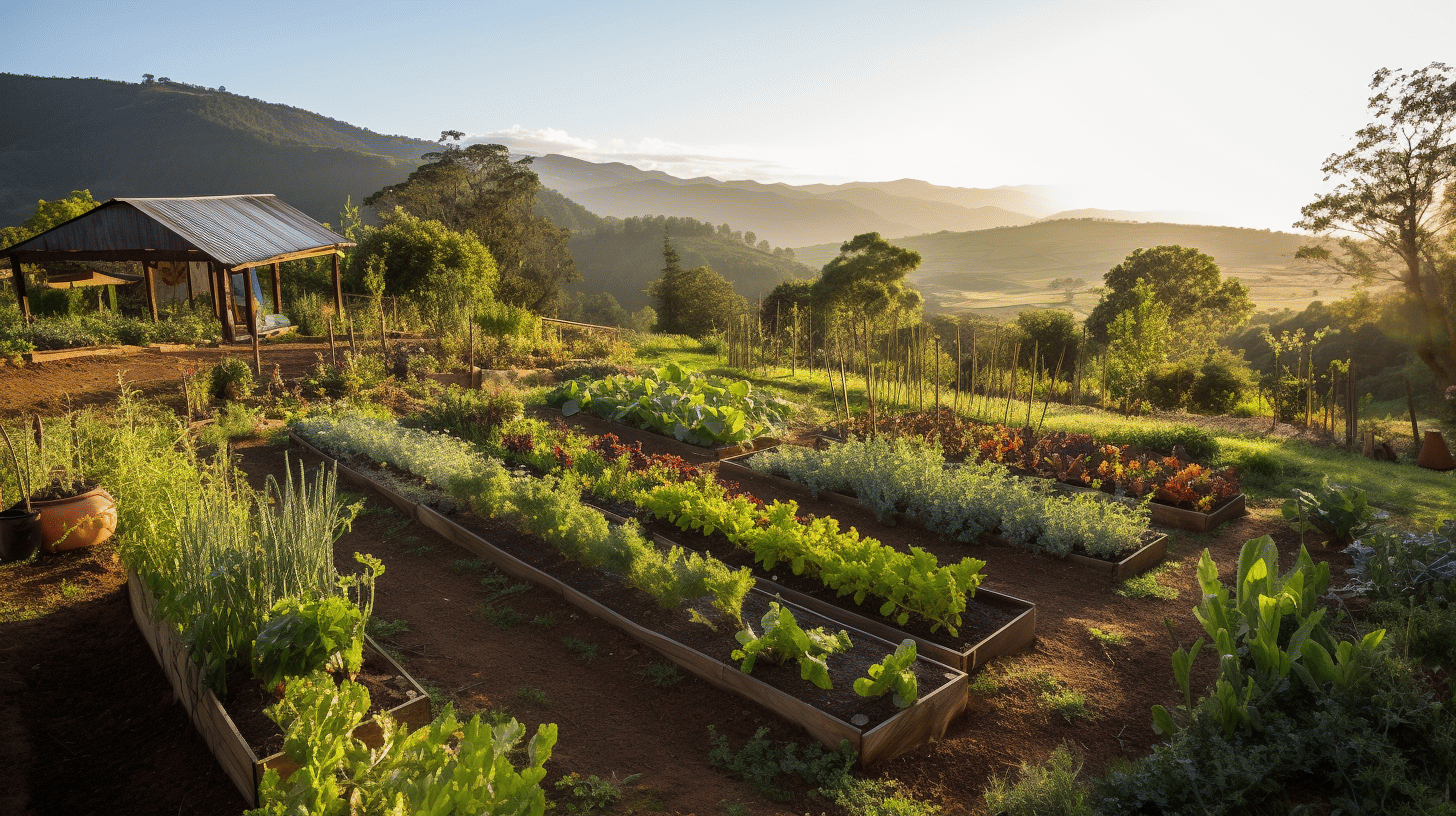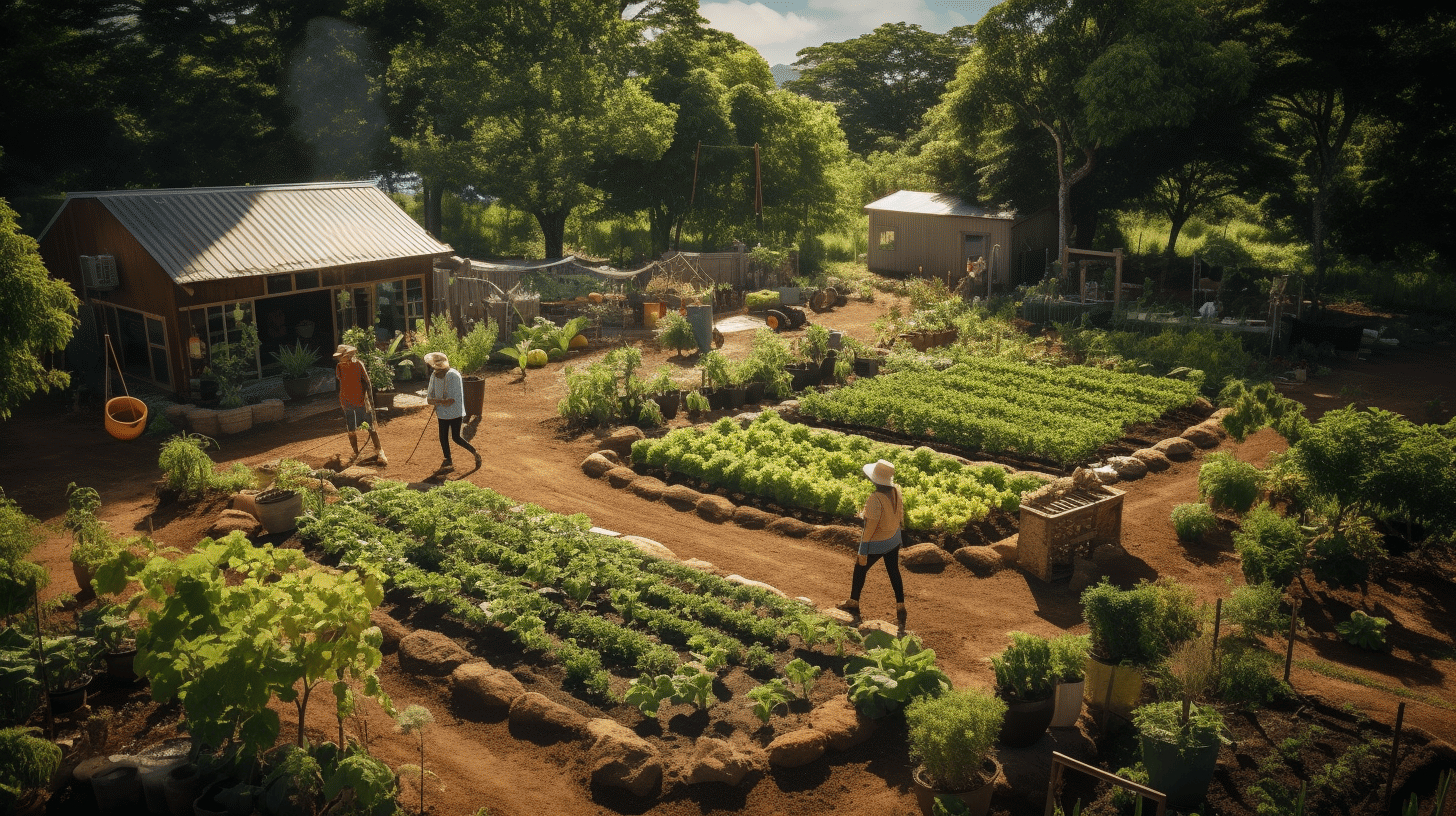
Permaculture farming is not just a method of sustainable agriculture; it’s a holistic approach to designing and cultivating ecosystems that mimic the patterns and resilience of nature. By combining principles of permaculture with community engagement, farmers can transform their land into productive and self-sustaining systems while fostering a sense of connectedness within their local communities.
Permaculture principles emphasize the importance of working with, rather than against, nature. By observing natural patterns and processes, permaculture farmers are able to create diverse and abundant ecosystems that require minimal inputs of water, energy, and other resources. This approach not only benefits the environment but also provides numerous social and economic advantages.
In this article, we will explore the various aspects of permaculture farming methods and the role of community engagement in its success. We will examine how permaculture can increase food production, conserve water, promote gender diversity, meet the growing demand for organic and sustainable farming, and even thrive in urban areas. Additionally, we will delve into the use of remote sensing technology, solar dryers, and other innovative methods that foster self-sufficiency for farmers.
Moreover, we will discuss the importance of community engagement in permaculture farming. By involving local residents in the design, implementation, and maintenance of permaculture projects, farmers can foster a sense of ownership, collaboration, and shared responsibility. This not only strengthens the local community’s connection to the land but also ensures the long-term sustainability of the farming practices.
Throughout the article, we will highlight case studies, practical examples, and success stories that illustrate the impact of permaculture farming and community engagement. So, whether you’re a farmer looking to adopt more sustainable practices, a community member interested in supporting local agriculture, or simply someone curious about the future of food production, this article has something for you.
Let’s dive into the world of permaculture farming and community engagement, where sustainable agriculture and community resilience go hand in hand.
Permaculture Farming and Increased Food Production
Introduction
When it comes to sustainable and efficient agricultural practices, permaculture farming has been gaining recognition for its ability to increase food production while minimizing negative impacts on the environment. By implementing innovative techniques and principles, permaculture farming methods have shown promising results in yielding higher crop outputs compared to conventional agriculture. In fact, studies have indicated that permaculture farming can produce 3 to 4 times more food in small areas like a hectare. This article will delve into the key aspects of permaculture farming that contribute to its increased food production capabilities.
Holistic Design Approach
At the core of permaculture farming lies a holistic design approach that emulates the patterns and relationships found in natural ecosystems. This approach recognizes the interconnectedness of various components within the farm, such as soil, water, plants, animals, and microorganisms. By leveraging these relationships, permaculture practitioners optimize the farm’s productivity, leading to increased food production.
Integration of Various Farming Techniques
Permaculture farming combines a diverse range of agricultural techniques to create a self-sustaining system. By integrating the following methods, permaculture farmers can maximize their food production:
- Agroforestry: Combining trees with crops and livestock provides multiple benefits, including improved soil fertility, shade for delicate plants, and the production of fruits, nuts, and timber.
- Companion planting: Strategically planting complementary species together maximizes space efficiency and resource utilization while mitigating pests and diseases.
- Polyculture: Growing a variety of crops in the same area increases biodiversity, enhances soil health, and minimizes the risk of crop failure.
- Water management: Implementing efficient irrigation systems, such as swales and rainwater harvesting, allows permaculture farmers to optimize water usage and reduce irrigation costs.
Soil Regeneration and Fertility Enhancement
Permaculture farming places a significant focus on soil health and fertility, which are vital for sustainable food production. By implementing practices such as composting, cover cropping, and mulching, permaculture farmers aim to improve soil structure, increase organic matter content, and enhance nutrient availability. These regenerative practices not only support plant growth but also foster a diverse and thriving soil ecosystem, leading to higher crop yields.
Closing Statement
Permaculture farming offers a promising alternative to conventional agricultural practices by providing a holistic and sustainable approach to food production. Through its innovative techniques and principles, permaculture farming has demonstrated the capacity to achieve significantly higher crop outputs. By adopting these methods on a larger scale, we can work towards a future where increased food production is achieved while preserving our precious natural resources and promoting ecological harmony.
Gender Diversity in Permaculture Farming
Permaculture farming is an innovative and sustainable approach to agricultural practices that focuses on creating ecological harmony and supporting biodiversity. It aims to mimic natural ecosystems and maximize resource efficiency. While permaculture farming has gained popularity in recent years, there is an important aspect that needs attention – gender diversity.
A study conducted in the field of permaculture farming indicated an imbalance in gender diversity, with a ratio of 17 women to 32 men (source). This statistic raises questions about the representation and opportunities available to women in permaculture farming. It also highlights the need to address the gender gap and create a more inclusive and diverse community within this field.
To fully grasp the significance of gender diversity in permaculture farming, let’s delve into the implications it has on the community, the environment, and the effective implementation of sustainable practices.
The Importance of Gender Diversity in Permaculture Farming
- Equal Representation: Gender diversity contributes to a balanced and inclusive representation of perspectives, experiences, and knowledge within the permaculture farming community. By ensuring equal opportunities for women, we can tap into a broader range of skills, expertise, and innovation.
- Enhanced Collaboration: Diverse teams foster collaboration and creativity. When individuals from different genders work together, they bring unique insights and approaches to problem-solving, leading to more effective and holistic solutions for ecological challenges.
- Addressing Global Issues: Gender-inclusive permaculture farming is crucial for tackling global issues such as climate change, food security, and biodiversity loss. Women play a significant role in food production, resource management, and environmental stewardship. Their inclusion and empowerment are vital for achieving sustainable and resilient agricultural systems.
- Inspiring Future Generations: In a male-dominated sector like agriculture, visibility and representation matter. By promoting gender diversity in permaculture farming, we can inspire and encourage more women and girls to pursue careers in sustainable agriculture. This can lead to a positive ripple effect, empowering future generations to contribute to a more sustainable and equitable world.
Taking Steps Towards Gender Diversity in Permaculture Farming
Creating a more gender-diverse permaculture farming community requires collective effort and intentional action. Here are some steps that individuals, organizations, and communities can take:
- Education and Training: Provide accessible and inclusive training programs that empower women with the knowledge and skills needed to engage in permaculture farming. This includes technical training, leadership development, and mentorship opportunities.
- Networking and Collaboration: Facilitate networking opportunities for women in permaculture farming, both locally and globally. This can be achieved through conferences, workshops, online platforms, and mentorship programs. Creating spaces for collaboration and knowledge-sharing is essential for building a supportive community.
- Recognition and Representation: Highlight the contributions of women in permaculture farming through storytelling, media, and public recognition. Celebrating the achievements and experiences of women in agriculture can inspire others and challenge gender stereotypes.
- Policy and Advocacy: Advocate for policies and initiatives that promote gender equality and inclusivity in agriculture. This includes advocating for equal access to land, resources, and funding for women farmers. By working together, we can create an environment that supports gender diversity.
In conclusion, gender diversity in permaculture farming is a vital aspect that needs attention and action. By promoting equal representation, collaboration, and recognition, we can create a more inclusive and sustainable future for agriculture. It’s time to bridge the gender gap and cultivate a diverse community in permaculture farming.
Conserving Water through Permaculture Farming
Permaculture farming is an innovative and sustainable approach to agriculture that focuses on creating harmonious and resilient ecosystems. One of the many benefits of permaculture farming is its ability to conserve water, making it an excellent choice for regions facing water scarcity or drought conditions.
Water-wise Design Strategies
Permaculture farms utilize various design strategies to minimize water use while maximizing efficiency. These strategies include:
- Rainwater Harvesting: Permaculture farms actively collect and store rainwater, using it to irrigate crops and replenish groundwater reserves. This reduces the reliance on external water sources and ensures a sustainable water supply throughout the year.
- Water Catchment and Storage: By implementing water catchment systems, such as ponds, tanks, and swales, permaculture farms capture rainfall runoff and store it for later use. This stored water can be accessed during dry spells, reducing the need for additional irrigation.
- Mulching: Mulching is a common practice in permaculture farming that involves covering the soil surface with organic materials like straw, leaves, or wood chips. This layer of mulch acts as a natural barrier, preventing water evaporation from the soil and maintaining moisture levels for plant roots.
- Drip Irrigation: Unlike traditional overhead sprinkler systems, permaculture farms often use drip irrigation. This method delivers water directly to the plant’s root zone, minimizing water loss due to evaporation and ensuring efficient water distribution.
- Companion Planting and Guilds: Permaculture farms employ companion planting techniques and guild systems, where plants with different water requirements are strategically grouped together. This practice allows plants to support and shade each other, reducing overall water needs and creating a more water-efficient ecosystem.
Case Study
One inspiring example of water conservation through permaculture farming can be found in Practical Permaculture Farm. This farm, located in a semi-arid region, has implemented various water-wise strategies to ensure its sustainability. By integrating swales, rainwater harvesting systems, and native drought-tolerant plants, the farm has significantly reduced its reliance on external water sources, while still producing abundant food yields.
Conclusion
Permaculture farming offers a sustainable and effective solution for conserving water in agricultural practices. By implementing innovative design strategies and adopting water-wise techniques, permaculture farms can minimize water consumption while maintaining healthy ecosystems. As the need for water conservation becomes increasingly crucial, permaculture farming stands out as a promising approach to address this global challenge.
Agricultural sector consumes about 69% of the planet’s fresh water, highlighting the need for conservation in sustainable agricultural practices – (3)
Growing Demand for Organic and Sustainable Farming
Organic and sustainable farming practices have been gaining significant traction in recent years, driven by an increasing demand for healthier and more environmentally friendly food options. Consumers are becoming more conscious of the impact of conventional farming methods on the environment and are seeking alternatives that promote sustainable agriculture. This shift in consumer behavior has fueled the growth of the organic farming industry, which has seen a remarkable 31% increase in overall sales since 2016[4](https://www.organic-systems.org/journal/Vol_12(1)/Togetheres+etal.html).
There are several factors contributing to the growing demand for organic and sustainable farming:
- Health-conscious consumers: People are becoming more aware of the potential health risks associated with exposure to synthetic pesticides, herbicides, and genetically modified organisms (GMOs) commonly used in conventional farming. As a result, they are turning to organically grown produce, which is free from these potentially harmful substances.
- Environmental concerns: The detrimental effects of conventional farming practices on the environment, such as soil degradation, water pollution, and greenhouse gas emissions, have prompted consumers to seek out more sustainable alternatives. Organic farming adopts methods that prioritize the protection of soil health, water resources, and biodiversity, making it a more environmentally friendly choice.
- Animal welfare: Increasing awareness of the harsh conditions in which animals are often raised in conventional farming systems has led to a rise in demand for organic and sustainably sourced animal products. Consumers are seeking animal products from farms that prioritize animal welfare and provide livestock with access to open spaces and natural diets.
- Support for local economies: Organic and sustainable farming often occurs on smaller, local farms. By purchasing organic and locally produced goods, consumers can support their local communities and contribute to the growth of a more sustainable agricultural sector.
The demand for organic and sustainable farming practices shows no signs of slowing down. As consumers continue to place a premium on health, environmental sustainability, and ethical considerations, the organic farming industry will continue to thrive and evolve to meet their needs.
Remote Sensing Technology and Sustainable Farming
In recent years, remote sensing technology has emerged as a powerful tool in the realm of sustainable farming. By harnessing the capabilities of satellites, drones, and other aerial platforms, farmers are now able to gather valuable information about their land, crops, and overall farm management. This technology not only assists in making accurate and informed decisions but also plays a pivotal role in promoting sustainable farming practices. Let’s explore how remote sensing technology is revolutionizing the agricultural landscape.
Benefits of Remote Sensing in Farm Management
Remote sensing technology provides farmers with a wealth of data that can be used to optimize their farming operations. Some of the key benefits include:
- Accurate crop monitoring: With the help of remote sensing technology, farmers can obtain detailed information about the health and growth of their crops. By analyzing data such as vegetation indices, chlorophyll content, and crop biomass, farmers can identify areas that may require additional attention, such as irrigation or fertilizer application.
- Early detection of pest and disease outbreaks: Remote sensing enables farmers to detect early signs of pests and diseases in their crops. By using multispectral and hyperspectral imagery, farmers can identify subtle changes in plant color and reflectance, which can indicate the presence of pests or diseases. Early detection allows farmers to take prompt action, minimizing crop damage and reducing the need for extensive pesticide use.
- Optimized resource management: Remote sensing helps farmers optimize the use of resources such as water, fertilizers, and pesticides. By analyzing data on soil moisture levels, nutrient content, and pest infestation, farmers can apply inputs only where they are needed, reducing wastage and environmental impact.
Promoting Sustainable Farming Practices
Remote sensing technology plays a significant role in promoting sustainable farming practices by:
- Minimizing environmental impact: By using remote sensing to monitor soil moisture levels and weather patterns, farmers can optimize irrigation practices, reducing water consumption and minimizing the strain on water resources. Furthermore, by accurately monitoring nutrient levels in the soil, farmers can apply fertilizers in a targeted manner, reducing the risk of nutrient runoff into water bodies.
- Preserving biodiversity: Remote sensing technology helps farmers identify areas with high biodiversity value within their land. By mapping out these areas, farmers can implement measures to protect and preserve wildlife habitats, contributing to the overall conservation of biodiversity.
- Reducing chemical usage: With the early detection capabilities of remote sensing, farmers can intervene at the early stages of pest and disease outbreaks. This allows for targeted application of pesticides, minimizing the overall use of chemicals in farming operations.
In conclusion, remote sensing technology is transforming the way farmers manage their land and crops. By providing valuable insights into crop health, detecting pests and diseases early, and optimizing resource management, this technology empowers farmers to make informed decisions that enhance both productivity and sustainability. By incorporating remote sensing into their farming practices, farmers can embrace a more sustainable approach, minimizing environmental impact and promoting biodiversity conservation.
Connecting Consumers and Farmers through Permaculture Farming
Permaculture farming is more than just a method of sustainable agriculture; it is a philosophy that promotes community involvement in agriculture, fostering meaningful connections between consumers and farmers. Through the principles of permaculture farming, individuals are not just passive recipients of food but active participants in the food production process. This article explores how permaculture farming creates a direct link between consumers and farmers, bringing communities together for a more sustainable and mutually beneficial food system.
The Benefits of Community Involvement in Agriculture
Permaculture farming encourages consumers to engage with the food they eat, providing a range of benefits for both individuals and communities. Some of these benefits include:
- Building Food Literacy: By getting involved in the production process, consumers gain a deeper understanding of where their food comes from, how it is grown, and the effort required to bring it to their plates. This increased knowledge promotes food literacy and empowers individuals to make more informed choices about the foods they consume.
- Healthier Food Choices: With a greater understanding of food production, consumers are more likely to choose healthier and more sustainably sourced options. They can prioritize fresh, organic, and local produce, leading to improved overall health and well-being.
- Supporting Local Economies: Participating in permaculture farming creates a direct connection between consumers and local farmers. By purchasing directly from farmers or participating in community-supported agriculture (CSA) programs, consumers contribute to the local economy, supporting small-scale farmers and promoting local food systems.
Bridging the Gap: Community Gardens and Farmers’ Markets
One way permaculture farming facilitates the connection between consumers and farmers is through the establishment of community gardens and farmers’ markets. These spaces serve as vibrant hubs where individuals can come together, interact, and exchange not only food but also knowledge and experiences. Here’s how they foster community involvement:
- Community Gardens: Community gardens provide a space for individuals to grow their own food, fostering a sense of ownership and empowerment. These gardens often function as a gathering place, where gardeners can share tips, resources, and surplus produce with others. The camaraderie that develops in community gardens strengthens social bonds and encourages a spirit of collaboration and cooperation.
- Farmers’ Markets: Farmers’ markets offer a direct platform for farmers to sell their produce and connect directly with consumers. Here, consumers have the opportunity to meet the people who grow their food, ask questions about farming practices, and establish a relationship based on trust and transparency. Farmers’ markets not only strengthen the local food economy but also promote a sense of community and connection.
Going Beyond: Farm-to-Table Restaurants and CSAs
While community gardens and farmers’ markets are powerful examples of community involvement in agriculture, permaculture farming extends beyond these spaces. Other initiatives that bridge the gap between consumers and farmers include farm-to-table restaurants and community-supported agriculture (CSA) programs:
- Farm-to-Table Restaurants: These dining establishments prioritize sourcing their ingredients directly from local farmers. By partnering with farmers and featuring their produce prominently on their menus, farm-to-table restaurants create a direct link between consumers and the people who grow their food. This connection strengthens local food systems and supports a more sustainable approach to dining.
- Community-Supported Agriculture (CSA): CSA programs allow consumers to become shareholders in a farm, receiving a weekly or biweekly share of the farm’s produce. By joining a CSA, consumers become active participants in the farming process, sharing the risks and rewards of agriculture with their local farmers. This model strengthens the connection between consumers and farmers, fostering a sense of community and providing a reliable source of income for farmers.
By embracing permaculture farming and getting involved in these various initiatives, individuals have the power to transform the way we think about food. They can forge meaningful connections with the farmers who produce their food, make more informed choices, and support a more sustainable, community-centered food system. Through permaculture farming, consumers and farmers come together as partners in creating a healthier, more resilient, and interconnected world.
Solar Dryers and Self-Sufficiency for Farmers
Imagine a scenario where farmers, even in remote areas, can efficiently dry and preserve their crops without relying on costly and unreliable conventional methods. This is made possible through the use of solar dryers, an innovative technology that harnesses the power of the sun to dry agricultural produce. Solar dryers are not only environmentally friendly but also contribute to increased self-sufficiency and enhanced farming productivity for farmers.
Solar dryers offer several advantages over traditional drying methods, such as sun drying or using fossil fuel-powered dryers. Let’s take a closer look at how solar dryers can help farmers achieve self-sufficiency and boost their agricultural output:
1. Energy Efficiency
Solar dryers utilize renewable energy from the sun, which is abundant and freely available. Farmers can harness this clean energy source to dry their crops without relying on electricity or fossil fuels. By utilizing solar dryers, farmers can reduce their energy costs significantly and, in turn, improve their economic viability.
2. Improved Drying Efficiency
Traditional drying methods like sun drying are highly dependent on weather conditions, making the process unpredictable and time-consuming. Solar dryers, on the other hand, offer superior control over the drying process. Farmers can regulate temperature, humidity, and airflow within the solar dryer, ensuring optimal drying conditions for their specific crops. This not only speeds up the drying process but also maintains the quality and nutritional value of the produce.
3. Preservation of Nutritional Value
One of the significant advantages of solar dryers is their ability to retain the nutritional content of the dried crops. Conventional drying methods often lead to nutrient loss due to prolonged exposure to high temperatures or direct sunlight. Solar dryers, with their controlled heat and ventilation systems, help preserve the essential vitamins, minerals, and enzymes in the crops, ensuring a healthier and more nutritious end product.
4. Increased Crop Value and Market Opportunities
By using solar dryers, farmers can extend the shelf life of their crops, making them less susceptible to spoilage and wastage. This increased shelf life opens up new market opportunities for farmers as they can store and transport their dried produce to distant markets without the fear of quality deterioration. Additionally, solar drying allows farmers to diversify their product offerings by venturing into value-added products like dried fruits, vegetables, herbs, or spices, further increasing their marketability and profitability.
5. Climate Resilience
Climate change poses significant challenges for agriculture, including irregular rainfall patterns and extreme weather events. Solar dryers offer farmers a climate-resilient solution to drying their crops. Regardless of the weather conditions outside, solar dryers provide a controlled and consistent environment for drying, minimizing the risk of spoilage and crop loss due to adverse weather.
In conclusion, solar dryers play a crucial role in empowering farmers to become self-sufficient and enhance their farming productivity. With energy-efficient operations, improved drying efficiency, preservation of nutritional value, increased market opportunities, and climate resilience, solar dryers provide a sustainable and cost-effective solution for drying agricultural produce. By adopting this innovative technology, farmers can take a significant step towards transforming their livelihoods and contributing to a more sustainable agricultural sector.
Permaculture Farming in Urban Areas
Permaculture farming is a sustainable and ecological approach to agriculture that can be applied in urban areas, contributing to local economic development and poverty alleviation (source: 30). With the growing population and limited space in cities, urban farming is gaining popularity as a way to produce fresh and nutritious food while reducing the carbon footprint.
Urban permaculture farming involves designing and creating food systems that mimic natural ecosystems, maximizing the use of limited space and resources. By implementing permaculture principles, such as circular systems, companion planting, and water management techniques, urban farmers can create thriving and productive gardens in even the smallest of spaces.
Benefits of Permaculture Farming in Urban Areas
Urban permaculture farming offers numerous benefits for both individuals and the community as a whole. Here are some of the key advantages:
1. Food Security and Self-Sufficiency
By growing their own food, urban dwellers can increase their food security and decrease their reliance on external food sources. Permaculture farming encourages the cultivation of a wide variety of crops and the integration of livestock, providing a diverse and sustainable source of nutrition.
2. Environmental Sustainability
Urban permaculture farming focuses on regenerative agricultural practices that work with nature rather than against it. By using organic methods, avoiding synthetic chemicals, and promoting biodiversity, permaculture farming reduces the environmental impact associated with conventional agriculture. It also helps in sequestering carbon, preserving soil health, and conserving water resources.
3. Community Building
Urban permaculture farms can serve as community hubs, bringing people together and fostering a sense of belonging. These farms often involve local volunteers and residents, creating opportunities for skill-sharing, cultural exchange, and social cohesion. Additionally, the surplus produce can be shared or sold locally, strengthening the local economy.
4. Beautification and Green Spaces
Permaculture farms in urban areas not only provide fresh produce but also contribute to the aesthetics of the surroundings. Transforming vacant lots or unused spaces into lush gardens adds greenery to the concrete jungle, improving air quality and creating visually appealing landscapes.
5. Education and Skill Development
Urban permaculture farms offer valuable educational opportunities for residents, especially children and young adults. These farms can serve as outdoor classrooms, teaching sustainable farming practices, ecological literacy, and promoting hands-on learning. By engaging with nature and the food production process, individuals can develop important life skills and a deeper appreciation for the environment.
Conclusion
Permaculture farming in urban areas presents a promising solution to the challenges of food security, environmental sustainability, community engagement, and skill development. By embracing permaculture principles, urban farmers can create productive and resilient food systems, contributing to the well-being of individuals and the overall livability of cities.
Community Engagement for Long-Term Sustainability
Community involvement plays a vital role in the success of permaculture farming projects, leading to long-term sustainability. When community members actively participate in the planning, implementation, and ongoing maintenance of these projects, the benefits are far-reaching. Not only does it promote a sense of ownership and pride within the community, but it also allows for a more holistic and inclusive approach to sustainable farming practices.
So, what does community engagement in permaculture farming look like? Let’s delve deeper into some key aspects:
- Education and Awareness: Engaging the community begins with educating and raising awareness about permaculture principles and practices. By hosting workshops, seminars, and community events, individuals can learn about the benefits of sustainable agriculture and become passionate advocates for change.
- Collaborative Planning: Including community members in the planning process is essential for ensuring that the permaculture farm aligns with their needs and aspirations. Through brainstorming sessions and open discussions, ideas can be shared, and the project can be tailored to suit the unique characteristics and resources of the community.
- Hands-On Participation: Encouraging community members to actively participate in the physical work on the farm fosters a sense of ownership and empowerment. From planting seeds to tending to crops, everyone has a role to play in the success of the farm. This hands-on involvement also provides valuable learning opportunities and skill development for individuals of all ages.
- Sharing Resources: Permaculture farming often emphasizes resource-sharing and collaboration. Community members can contribute by sharing tools, seeds, and knowledge, creating a network of support that strengthens the overall resilience of the project. This collective effort not only benefits the farm but also deepens the bond within the community.
- Engaging Youth: Involving young people in permaculture farming initiatives is crucial for sustainable long-term impact. By including schools, youth organizations, and educational institutions, the project can foster a sense of environmental stewardship among the next generation. This engagement can take the form of school gardens, internships, or educational programs aimed at inspiring a love for nature and sustainable living.
“In the words of Margaret Mead, ‘Never doubt that a small group of thoughtful, committed citizens can change the world; indeed, it’s the only thing that ever has.’ When communities come together to engage in permaculture farming, they harness the power of collective action, creating a sustainable future that benefits both people and the planet.”
By prioritizing community engagement in permaculture farming projects, we can pave the way for long-term sustainability and build thriving, resilient communities. So, let’s cultivate a culture of collaboration and inclusivity, ensuring that our efforts today have a positive impact on generations to come.
Diverse Farming Practices and Community Collaboration
When it comes to permaculture farming, diversity is key. Implementing diverse farming practices not only leads to more sustainable and resilient agricultural systems but also fosters community collaboration and engagement. By incorporating diverse practices, both farmers and community members can benefit in numerous ways. Let’s explore some of the reasons why diverse farming practices and community collaboration go hand in hand.
Enhancing Ecosystem Health and Resilience
Diverse farming practices promote ecological balance and improve the health and resilience of ecosystems. By implementing techniques such as companion planting, crop rotation, and agroforestry, farmers can create diverse habitats that support a wide range of beneficial organisms. This, in turn, helps control pests and diseases naturally, reducing the need for synthetic pesticides and fertilizers.
Improving Soil Health and Nutrient Cycling
One of the primary goals of permaculture farming is to build and maintain healthy soil. Cultivating different crops together enhances nutrient cycling and reduces soil erosion. For example, leguminous plants like beans and peas help fix nitrogen in the soil, benefiting neighboring plants that require this essential nutrient. Additionally, cover cropping and mulching contribute to soil moisture retention, weed suppression, and soil structure improvement.
Promoting Biodiversity and Genetic Diversity
Diverse farming practices encourage biodiversity and genetic diversity in agricultural landscapes. Planting a variety of crops and preserving traditional crop varieties helps protect genetic resources and prevent the loss of valuable plant traits. Furthermore, diverse farms attract and support a wide range of pollinators and beneficial insects, contributing to overall ecosystem health.
Strengthening Local Food Systems
Community collaboration plays a significant role in diverse farming practices. By working together, farmers can diversify their product offerings, share knowledge and resources, and collectively market their produce. This collaboration often leads to the establishment of local food systems, where consumers have direct access to fresh, locally grown, and seasonal food. Such systems strengthen community ties, support local economies, and reduce reliance on long-distance food transportation.
Fostering Knowledge Exchange and Learning
Diverse farming practices rely on continuous learning and knowledge exchange. Farmers who engage in community collaboration have the opportunity to share their experiences, techniques, and challenges with others. This not only expands their own knowledge but also contributes to the collective wisdom of the farming community. Additionally, community-led workshops, farm tours, and mentorship programs enable aspiring farmers to learn from experienced practitioners and gain valuable hands-on experience.
By embracing diverse farming practices and fostering community collaboration, farmers can build resilient, sustainable, and interconnected food systems. These practices not only benefit the environment but also contribute to the social and economic well-being of communities. Through collaboration and shared knowledge, the future of farming can be transformed into a vibrant and diverse landscape that nourishes both people and the planet.
Frequently Asked Questions
- What is permaculture farming?
Permaculture farming is a sustainable agricultural approach based on mimicking natural ecosystems and using holistic design principles. It aims to create self-sufficient, regenerative farming systems that maximize biodiversity, conserve water, and minimize waste.
- What are the benefits of permaculture farming methods?
Permaculture farming methods offer numerous benefits, including increased soil fertility, improved water management, reduced reliance on synthetic chemicals, enhanced biodiversity, and the potential for higher yields in the long run.
- How does community engagement play a role in permaculture farming?
Community engagement is essential in permaculture farming as it promotes knowledge sharing, collaboration, and the development of sustainable food systems. Engaging the community helps create a sense of ownership, fosters local support, and encourages the adoption of permaculture practices on a larger scale.
- Are permaculture farming methods applicable to all environments?
While permaculture principles can be applied to various environments, the specific techniques and strategies used may vary depending on factors such as climate, soil type, and available resources. Permaculture design is adaptable and can be customized to suit different regions and conditions.
- How can I start implementing permaculture farming methods in my own garden or farm?
To start implementing permaculture farming methods, educate yourself about permaculture principles and design techniques. Analyze your site’s characteristics, such as sunlight, soil, and water availability. Utilize techniques such as companion planting, rainwater harvesting, and composting. Consider taking a permaculture course or seeking guidance from experienced permaculturists.