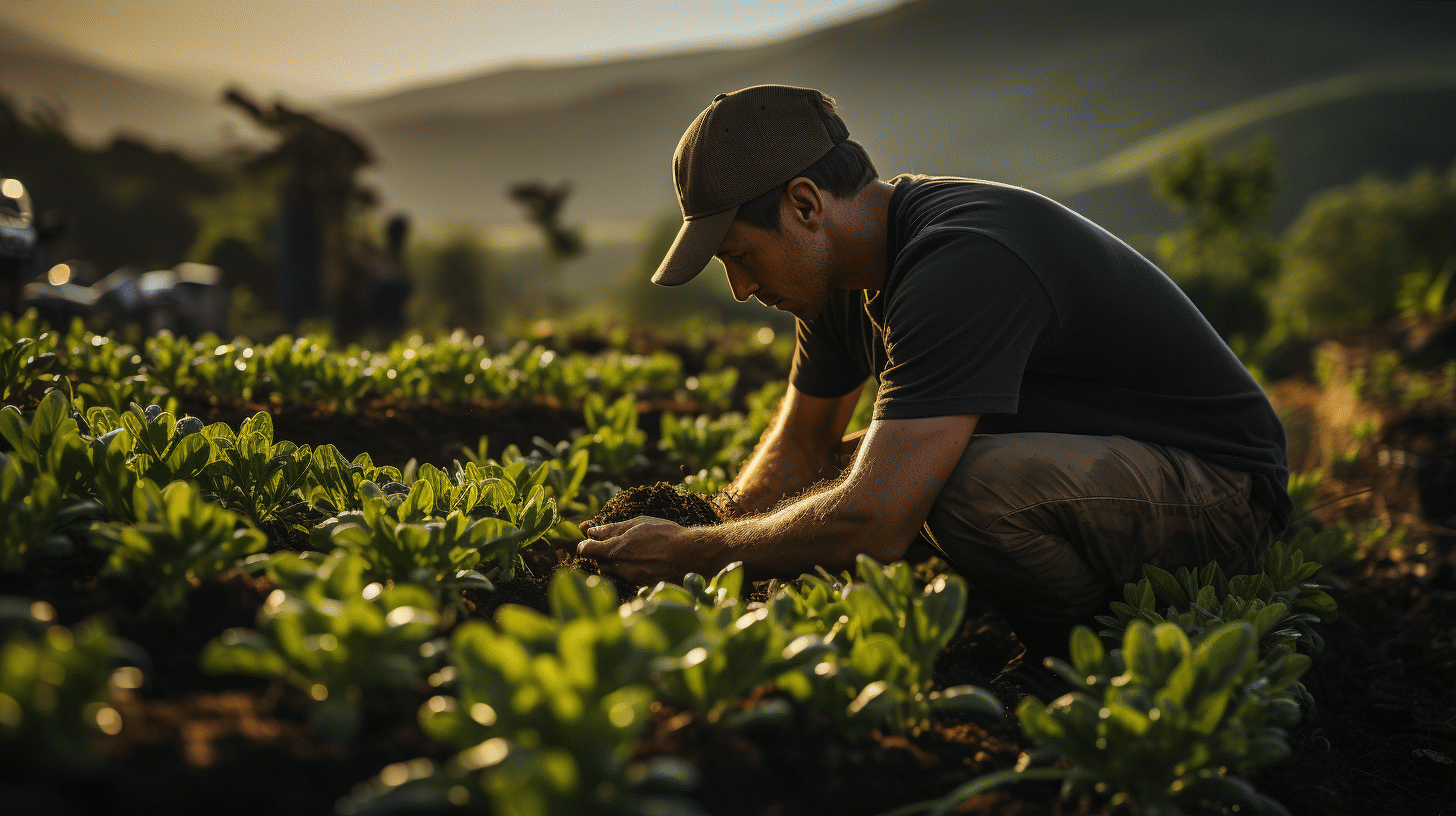
Regenerative agriculture has emerged as a powerful solution to the environmental challenges faced by our modern food system. By implementing regenerative practices, farmers can restore and improve the health of their land, while also producing high-quality and nutrient-dense food. The impact of regenerative agriculture extends far beyond the farm, contributing to climate resilience, enhancing biodiversity, and even benefiting human health and well-being.
In this article, we will explore the various benefits and impacts of regenerative agriculture, delving into the positive effects it has on nutrient content in food, soil health and increased yields, decarbonizing the food system, environmental impact and biodiversity, economic outlook, and more.
By understanding the power of regenerative agriculture, we can begin to appreciate the transformative role it can play in creating a more sustainable and resilient food system.
Now, let’s dive into the fascinating world of regenerative agriculture and uncover the multitude of benefits it offers.
Improved Nutrient Content in Regeneratively Grown Food
Have you ever wondered if the way our food is grown affects its nutritional value? Well, emerging research suggests that regeneratively grown food may actually offer some exciting benefits in terms of nutrient content. This article will delve into the topic, focusing specifically on the increased nutrient and vitamin levels found in regeneratively grown food.
Increased Nutrients and Vitamins
When it comes to regenerative agriculture, the benefits go beyond just soil health and carbon sequestration. Recent studies have shown that food produced under regenerative practices can have significantly higher levels of essential nutrients and vitamins compared to conventionally grown counterparts. Here are a few key findings:
- Magnesium: Regeneratively grown food has been found to contain higher levels of magnesium. This essential mineral plays a crucial role in various bodily functions, including energy production, muscle function, and maintaining a healthy nervous system.
- Calcium: Calcium is essential for healthy bones and teeth, and regeneratively grown food has been found to have increased calcium levels. Incorporating these foods into your diet may help support bone health and reduce the risk of osteoporosis.
- Potassium: Regenerative practices seem to enhance the potassium content of crops. Potassium is vital for maintaining proper heart and muscle function, regulating blood pressure, and balancing fluids in the body.
- Zinc: Zinc is an essential mineral that supports a healthy immune system, wound healing, and DNA synthesis. Regeneratively grown food has been shown to have higher levels of zinc, making it a valuable addition to your diet.
- Vitamins B1 and B12: Studies have indicated that regeneratively grown food contains higher levels of vitamins B1 (thiamine) and B12. These vitamins are crucial for energy production, nerve function, and the metabolism of carbohydrates, proteins, and fats.
With these increased nutrient and vitamin levels, incorporating regeneratively grown food into your diet may offer additional health benefits. By choosing these foods, you not only support your own well-being but also contribute to regenerative farming practices that have positive impacts on the environment.
“Regenerative agriculture offers not only ecological benefits but also the potential for improving the nutrient density of our food.” – Sustainable Food Trust
Decarbonizing the Food System and Climate Resilience
Combatting Climate Change
Climate change is one of the most pressing issues of our time, and it poses significant challenges to our food system. The increasing greenhouse gas emissions from agriculture, deforestation, and food waste contribute to the acceleration of global warming and its devastating consequences. However, there is hope in tackling this crisis through decarbonizing the food system and promoting climate resilience.
One effective approach to address climate change in the food system is through regenerative agriculture practices. Regenerative agriculture is a holistic approach to farming that focuses on improving soil health, enhancing biodiversity, and sequestering carbon in the soil. By adopting regenerative agriculture practices, farmers can reduce their reliance on synthetic inputs, decrease greenhouse gas emissions, and improve overall resilience to climate shocks.
Here are some key benefits of regenerative agriculture in combatting climate change and building climate resilience:
- Carbon Sequestration: Regenerative agriculture practices, such as cover cropping and rotational grazing, help store more carbon in the soil through the process of photosynthesis. This not only helps mitigate greenhouse gas emissions but also enhances soil fertility and water retention.
- Improved Soil Health: Healthy soils play a crucial role in climate resilience. Regenerative practices, such as reducing tillage and adding organic matter, contribute to improved soil structure, nutrient cycling, and water infiltration. These factors enable soils to better withstand extreme weather events, such as droughts and floods.
- Biodiversity Conservation: Regenerative agriculture promotes biodiversity by providing habitat for a wide range of plants, animals, and beneficial insects. Diverse ecosystems are more resilient to climate change and can help mitigate the impacts of pests and diseases, reducing the need for chemical inputs.
- Water Management: Climate change is expected to bring more frequent and intense rainfall events, leading to soil erosion and water runoff. Regenerative agriculture practices, such as contour plowing and the use of cover crops, help prevent soil erosion and improve water infiltration, reducing the risks of flooding and water pollution.
- Sustainable Food Production: Decarbonizing the food system requires a shift towards more sustainable and resilient production methods. Regenerative agriculture not only helps reduce greenhouse gas emissions but also improves the overall sustainability of farming practices, ensuring the long-term viability of food production.
As we continue our efforts to combat climate change and build a more resilient food system, the adoption of regenerative agriculture practices is a crucial step in the right direction. By restoring our soils, enhancing biodiversity, and sequestering carbon, we can contribute to a more sustainable future for both our planet and our food supply.
References:
Improved Soil Health and Increased Yields
Introduction:
When it comes to agriculture, one of the key factors that determine the success of a crop is the health of the soil. Healthy soil promotes nutrient availability, enhances water retention, and reduces the risk of pests and diseases. In recent years, there has been a growing focus on regenerative farming practices that aim to improve soil health and fertility. The positive impact of these practices goes beyond just soil quality; it extends to the overall yield of the crops as well.
Healthy Crops and Higher Yields:
Regenerative farming techniques have shown remarkable results in terms of both soil health and crop yield. By prioritizing soil regeneration through methods like cover cropping, crop rotation, and reduced tillage, farmers have been able to create a fertile and balanced growing environment for their crops. Here’s how these practices contribute to increased yields:
- Improved nutrient availability: Regenerative farming practices focus on replenishing and maintaining the nutrient content in the soil. By using cover crops and crop rotation, farmers can naturally fix nitrogen in the soil, enhance organic matter decomposition, and release nutrients that were previously locked away. This increased nutrient availability translates to healthier plants and improved crop yields.
- Enhanced water retention: Healthy soil has the ability to hold water more effectively, reducing water stress on crops. Regenerative farming practices, such as the use of cover crops, help to improve soil structure, allowing it to retain water more efficiently. This means that even during dry periods, crops have a better chance of accessing the water they need, resulting in higher yields.
- Reduced pest and disease pressure: Unhealthy soil lacking in diversity can be a breeding ground for pests and diseases. Regenerative farming practices aim to promote a diverse and balanced soil ecosystem that helps naturally control pests and diseases. By restoring and maintaining the natural balance, farmers can reduce the need for chemical interventions, resulting in healthier crops with higher yields.
Additional Benefits:
It’s not just the crops that benefit from improved soil health; farmers also experience a range of positive outcomes. With regenerative farming, they have observed not only increased yields but also a notable boost in profitability. In fact, studies have shown that regenerative farming has led to a 78% increase in profits for farmers, showcasing that healthy soils can have a direct impact on the financial success of agricultural operations.
Conclusion:
In the quest for improved soil health and increased yields, regenerative farming practices have undoubtedly proven to be a valuable approach. By focusing on soil regeneration techniques, farmers are able to create a sustainable and productive system that benefits both their crops and their bottom line. The positive impact of adopting regenerative farming practices extends far beyond the farm, contributing to a more sustainable and resilient agricultural system as a whole. So let’s nurture our soils and reap the rewards of healthier crops and increased yields.
Benefits to Human Health and Well-being
Regenerative farming practices not only have a positive impact on the environment and biodiversity, but they also bring numerous benefits to human health and well-being. By focusing on holistic and sustainable agricultural methods, regenerative farming has the potential to enhance our overall quality of life. Let’s explore some of the ways in which regenerative farming practices can positively impact human health:
Improved Soil Health:
One of the key principles of regenerative farming is soil health. Healthy soil acts as a foundation for nutritious crops, which in turn, provide essential nutrients to support human health. Here’s how improved soil health can benefit us:
- Nutrient-rich produce: Regenerative farming practices focus on building nutrient-dense soil, resulting in higher-quality fruits and vegetables that are rich in vitamins, minerals, and antioxidants.
- Reduced chemical exposure: By adopting natural methods to nourish and protect the soil, regenerative farmers minimize the use of synthetic fertilizers, pesticides, and herbicides. This reduces our exposure to potentially harmful chemicals that can impact human health.
Enhanced Nutritional Value:
The nutritional value of our food directly affects our health and well-being. Regenerative farming practices promote healthier food options in the following ways:
- Increased biodiversity: Regenerative farmers encourage diverse plant species, which can lead to a wider range of nutrients in our diet.
- Reduced reliance on GMOs: GMOs (genetically modified organisms) have raised concerns about their long-term effects on human health. Regenerative farming practices prioritize heirloom varieties and traditional seed saving, reducing our dependence on genetically modified crops.
Connection to Nature and Community:
Engaging with nature and building strong community bonds are vital for our mental and emotional well-being. Regenerative farming practices foster these connections:
- Access to green spaces: Regenerative farms often prioritize agroforestry and incorporating natural habitats, providing opportunities for people to connect with nature and enjoy outdoor activities.
- Local food systems: Regenerative farming encourages the growth of local food systems, fostering relationships between farmers and consumers. This promotes a sense of community and strengthens local economies.
Stress Reduction:
The farming environment itself can play a role in reducing stress and promoting mental well-being. Regenerative farming practices offer these benefits:
- Therapeutic benefits of nature: Spending time in green spaces and engaging in activities like gardening has been linked to reduced stress levels and improved mental health.
- Sustainable livelihoods: Regenerative farming practices emphasize fair trade and sustainable livelihoods for farmers. This helps create more equitable food systems and supports the overall well-being of farming communities.
By adopting regenerative farming practices, we can truly reap the benefits not only for our environment, but also for our own health and well-being. So, let’s embrace this sustainable approach to farming and nurture a healthier future for ourselves and the planet.
Additional Information:
The adoption of regenerative farming practices can provide benefits to human health by improving soil health, enhancing nutritional value, fostering a connection to nature and community, and reducing stress. Regenerative farming practices prioritize soil health, resulting in nutrient-rich produce and reduced chemical exposure. These practices also promote biodiversity and reduce reliance on GMOs, leading to healthier food options. Engaging with nature and participating in local food systems foster mental and emotional well-being. Additionally, regenerative farming offers therapeutic benefits and sustainable livelihoods, contributing to reduced stress levels and supporting farming communities.
Economic Outlook of Regenerative Agriculture
Market Worth and Profitability
Regenerative agriculture has gained significant attention in recent years, and for good reason. Not only does it offer a sustainable solution to conventional farming practices, but it also presents a promising economic outlook for farmers. With the global regenerative agriculture market estimated to be worth $8.7 billion in 2022 and projected to reach $16.8 billion by the end of 2027, it’s clear that this industry is on a path towards remarkable growth[1].
The profitability of regenerative farming practices has been a key driver in its adoption. By focusing on soil health and biodiversity, regenerative farmers have experienced increased yields and reduced reliance on costly inputs. By implementing techniques like cover cropping, rotational grazing, and agroforestry, farmers are able to replenish soil nutrients, mitigate pests, and enhance water retention capabilities. These practices not only lead to more sustainable farming but also positively impact the bottom line.
The financial benefits of regenerative agriculture extend beyond increased crop yields. According to studies, regenerative farming has proven to be more profitable compared to conventional practices[2]. By reducing input costs, such as fertilizers and pesticides, and minimizing the risk of crop failure, regenerative farmers are able to improve their profit margins.
Furthermore, the market demand for regenerative products continues to grow as consumers become more conscious of the environmental impact of their food choices. People are increasingly seeking out products that are produced using sustainable and regenerative practices. The demand for organic, pasture-raised, and regenerative-certified products has seen a surge in recent years, creating new market opportunities for farmers who adopt regenerative practices.
In conclusion, regenerative agriculture offers not only environmental benefits but also a promising economic outlook. With a rapidly growing market worth and increased profitability for farmers, the adoption of regenerative practices is a win-win situation for both the planet and its stewards.
Environmental Impact and Biodiversity
When it comes to environmental impact and biodiversity, regenerative agriculture stands out as a game-changer. This innovative approach to farming not only yields nutritious crops but also has a positive influence on the surrounding ecosystem. Let’s take a closer look at how regenerative agriculture enhances water and air quality, as well as ecosystem biodiversity.
Water and Air Quality
One of the key benefits of regenerative agriculture is its ability to improve water and air quality. Traditional farming practices often involve heavy use of chemical fertilizers and pesticides, which can seep into the soil and contaminate nearby water sources. This poses a threat to aquatic life and human health.
On the other hand, regenerative agriculture focuses on building healthy, fertile soil through natural processes like cover cropping, crop rotation, and composting. These practices help to retain moisture in the soil and prevent erosion, reducing the risk of water pollution. By avoiding the use of harmful chemicals, regenerative farmers contribute to cleaner water systems and promote the health of aquatic ecosystems.
Additionally, regenerative farming methods enhance air quality by sequestering carbon dioxide from the atmosphere. By adopting practices such as agroforestry and conservation tillage, regenerative farmers can increase carbon storage in the soil. This not only helps to mitigate climate change but also improves air quality by reducing the release of greenhouse gases into the atmosphere. As a result, regenerative agriculture plays a vital role in mitigating climate change and promoting sustainable farming practices.
Ecosystem Biodiversity
Regenerative agriculture also plays a crucial role in preserving and enhancing ecosystem biodiversity. Traditional agricultural practices often lead to the destruction of natural habitats and the loss of biodiversity. The excessive use of pesticides and herbicides can harm beneficial insects, birds, and other wildlife that are essential for maintaining a balanced ecosystem.
In contrast, regenerative agricultural methods prioritize biodiversity conservation. By implementing practices such as agroforestry, habitat restoration, and rotational grazing, regenerative farmers create habitats for a wide variety of plants and animals. These diverse ecosystems support pollinators, beneficial insects, and other wildlife, which in turn contribute to crop pollination, pest control, and soil health.
Studies have shown that regenerative rotational grazing systems can significantly improve grass production, topsoil carbon storage, and overall biodiversity. By allowing livestock to graze in a managed rotational pattern, regenerative farmers mimic the natural grazing habits of wild herbivores. This not only improves the health of grasslands but also enhances wildlife habitat and promotes the return of native plant species.
In conclusion, regenerative agriculture is a promising approach to farming that offers numerous benefits for the environment and biodiversity. Through its focus on water and air quality improvement, as well as the enhancement of ecosystem biodiversity, regenerative agriculture has the potential to create a sustainable and resilient food system for future generations.
Soil Health and Carbon Sequestration
One of the key solutions to combating climate change lies beneath our feet: soil health and carbon sequestration. Building soil carbon and sequestering carbon from the atmosphere are essential practices that not only help mitigate the impacts of climate change but also enhance soil and ecosystem health.
Building Soil Carbon
Regenerative agriculture is a holistic approach that focuses on improving soil health by nurturing the soil microbiome and increasing organic matter content. By implementing regenerative practices, farmers can actively build soil carbon. Here are some ways to achieve this:
- Cover cropping: Planting cover crops between main cash crops helps protect the soil from erosion, improves water infiltration, and increases carbon input through the addition of plant residues.
- Crop rotation: Rotating crops diversifies the root exudates and enhances biological activity in the soil, leading to increased carbon sequestration.
- Reduced tillage: Minimizing or eliminating tillage helps preserve soil structure, reduces soil erosion, and minimizes disturbance to soil carbon stocks.
- Manure and compost application: Adding organic amendments such as manure and compost improves soil fertility and increases organic matter content, thereby boosting carbon sequestration.
Sequestering Carbon from the Atmosphere
Not only can regenerative agriculture help build soil carbon, but it also plays a critical role in sequestering carbon from the atmosphere. The ability of agricultural soils to store carbon is a valuable asset in mitigating climate change. Here’s how it works:
- Photosynthesis: Plants utilize carbon dioxide (CO2) from the atmosphere during photosynthesis to produce organic compounds. A significant portion of the carbon captured through photosynthesis is allocated to the roots and deposited into the soil as organic matter.
- Microbial activity: Soil microorganisms transform plant residues and organic matter into stable forms of carbon, known as humus. This humus acts as a long-term carbon sink, keeping carbon out of the atmosphere for an extended period.
- Carbon sequestration potential: Switching to regenerative farming practices could have a profound impact on carbon sequestration. In fact, some studies suggest that by implementing these practices, we could sequester more than 100% of current annual CO2 emissions.
By focusing on building soil carbon and actively sequestering carbon from the atmosphere, regenerative agriculture offers a sustainable solution to combat climate change while simultaneously improving soil health and overall ecosystem resilience.
Did you know? Switching to regenerative farming practices could sequester more than 100% of current annual CO2 emissions. The potential of regenerative agriculture in combating climate change is tremendous.
Economic and Socio-Ecological Benefits
Regenerative agriculture offers a multitude of benefits that extend beyond the farm gates. Not only does it support the well-being of the environment and the production of healthy food, but it also plays a vital role in boosting economies and fostering socio-economic development. From generating employment opportunities to enhancing the resilience of communities, regenerative agriculture proves to be a powerful driver for economic and socio-ecological progress. Let’s explore some of the key benefits it offers:
Economic Value
Regenerative agriculture has the potential to create significant economic value for both farmers and local communities. By adopting regenerative practices, farmers can improve their yields, reduce input costs, and increase profitability. The diverse cropping systems and integrated approaches used in regenerative agriculture contribute to the production of a variety of crops, boosting market opportunities. This, in turn, leads to increased earnings for farmers and stimulates economic growth in rural areas.
Furthermore, regenerative agriculture promotes local and regional food systems, reducing reliance on imported commodities. This localization of food production helps to retain money within the local economy, supporting small-scale farmers and enhancing food security. As consumers increasingly demand sustainably produced food, regenerative agriculture provides a market advantage for farmers, allowing them to command premium prices for their products.
Resilience and Biodiversity
Building resilience is a central tenet of regenerative agriculture. By focusing on soil health and biodiversity conservation, regenerative practices enable farms to withstand and rebound from environmental and economic shocks. This resilience extends beyond the farm level and has broader socio-ecological implications.
Regenerative agriculture strengthens soil structure and fertility, enhancing its ability to retain water and nutrients. This reduces the risk of erosion and drought, making agriculture systems more resilient to climate change impacts. Additionally, regenerative practices minimize the use of synthetic inputs, such as pesticides and fertilizers, reducing the risk of water pollution and contamination.
Moreover, regenerative agriculture serves as a powerful tool for conserving biodiversity. By integrating diverse vegetation, planting cover crops, and implementing agroforestry practices, regenerative farms create habitats for wildlife and foster the preservation of native plant species. This, in turn, supports the pollination of crops, enhances natural pest control, and contributes to the overall health and resilience of ecosystems.
In conclusion, the economic and socio-ecological benefits of regenerative agriculture are interconnected and far-reaching. By adopting regenerative practices, farmers not only boost their own livelihoods but also contribute to the overall well-being of communities and the environment. The economic value generated by regenerative agriculture, coupled with its ability to build resilience and conserve biodiversity, underscores its significance as a sustainable and impactful approach to farming. In the next section, we will delve deeper into the environmental benefits of regenerative agriculture.
Conclusion
Regenerative agriculture is not just a trend; it’s a proven solution with numerous benefits and a positive impact on our food system, the environment, and human health. By adopting regenerative practices, we can enhance the nutrient content of our food, combat climate change, improve soil health, and increase yields. Additionally, regenerative agriculture offers economic opportunities and contributes to the well-being of both the economy and ecosystems.
To explore more about regenerative agriculture and learn how it can transform our world, visit Regenerative Agriculture Wiki. Join us in embracing sustainable farming practices and creating a future where agriculture and ecology thrive in harmony. Together, we can make a difference.
Frequently Asked Questions
- What is regenerative agriculture?
Regenerative agriculture is a holistic approach to farming that focuses on improving the health of the soil, restoring ecosystems, and enhancing biodiversity. It aims to create a sustainable food system that benefits both farmers and the environment.
- What are the benefits of regenerative agriculture?
The benefits of regenerative agriculture include improved soil health, increased water retention, reduced erosion, enhanced biodiversity, higher crop yields, and carbon sequestration. It also promotes resilience to climate change and helps mitigate environmental challenges.
- How does regenerative agriculture impact the environment?
Regenerative agriculture has a positive impact on the environment by reducing the use of synthetic inputs, minimizing chemical runoff, sequestering carbon in the soil, promoting water conservation, and preserving natural habitats. It helps combat climate change and supports ecosystem restoration.
- Is regenerative agriculture economically viable for farmers?
Yes, regenerative agriculture can be economically viable for farmers in the long run. Though the transition may require initial investments and changes in farming practices, it can lead to cost savings, increased productivity, and better market opportunities due to the growing demand for sustainably produced food.
- How can consumers support regenerative agriculture?
Consumers can support regenerative agriculture by choosing to buy products from farmers who follow regenerative practices. They can also support local and organic food systems, reduce food waste, and advocate for policies that promote sustainable farming practices.