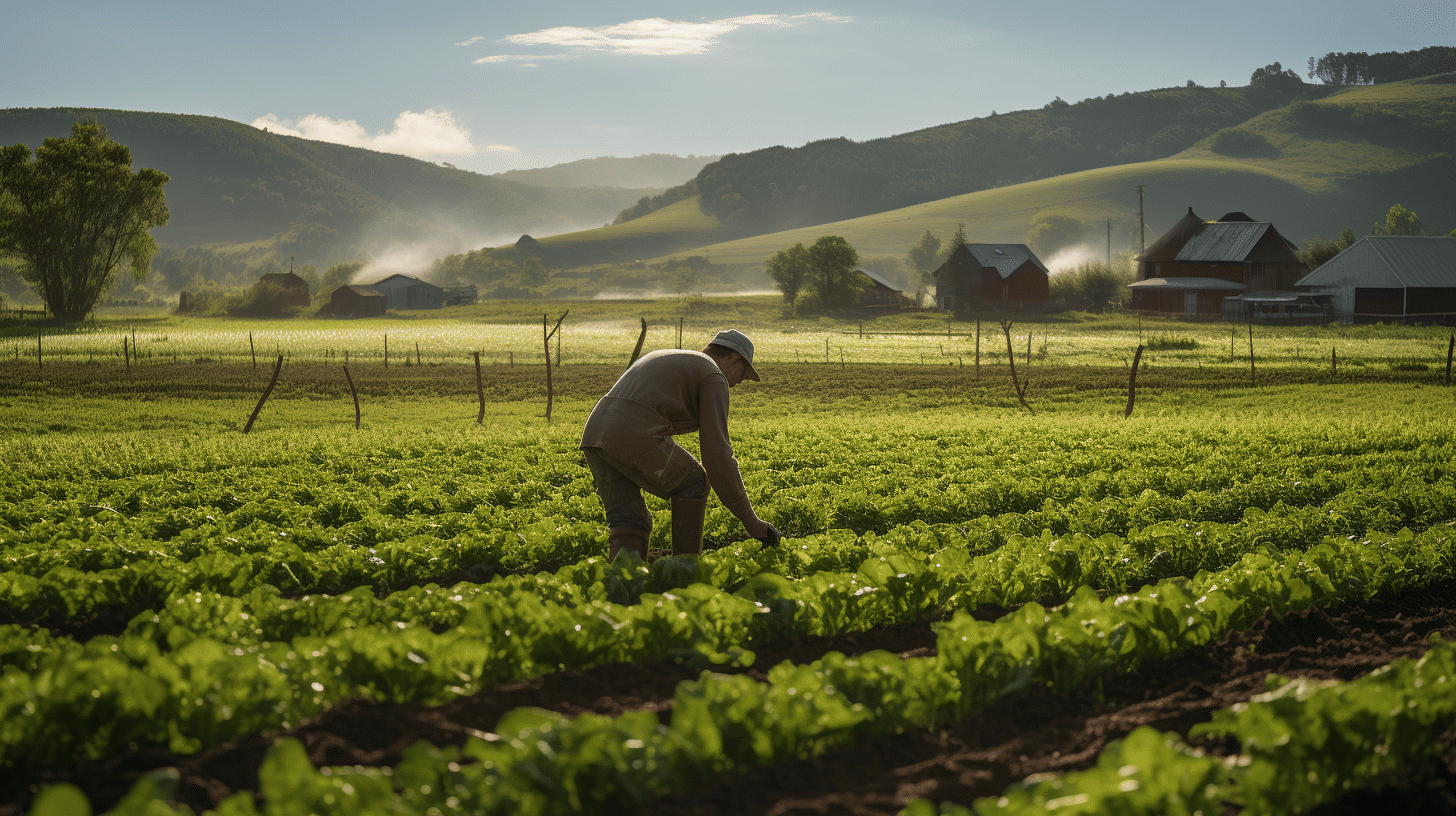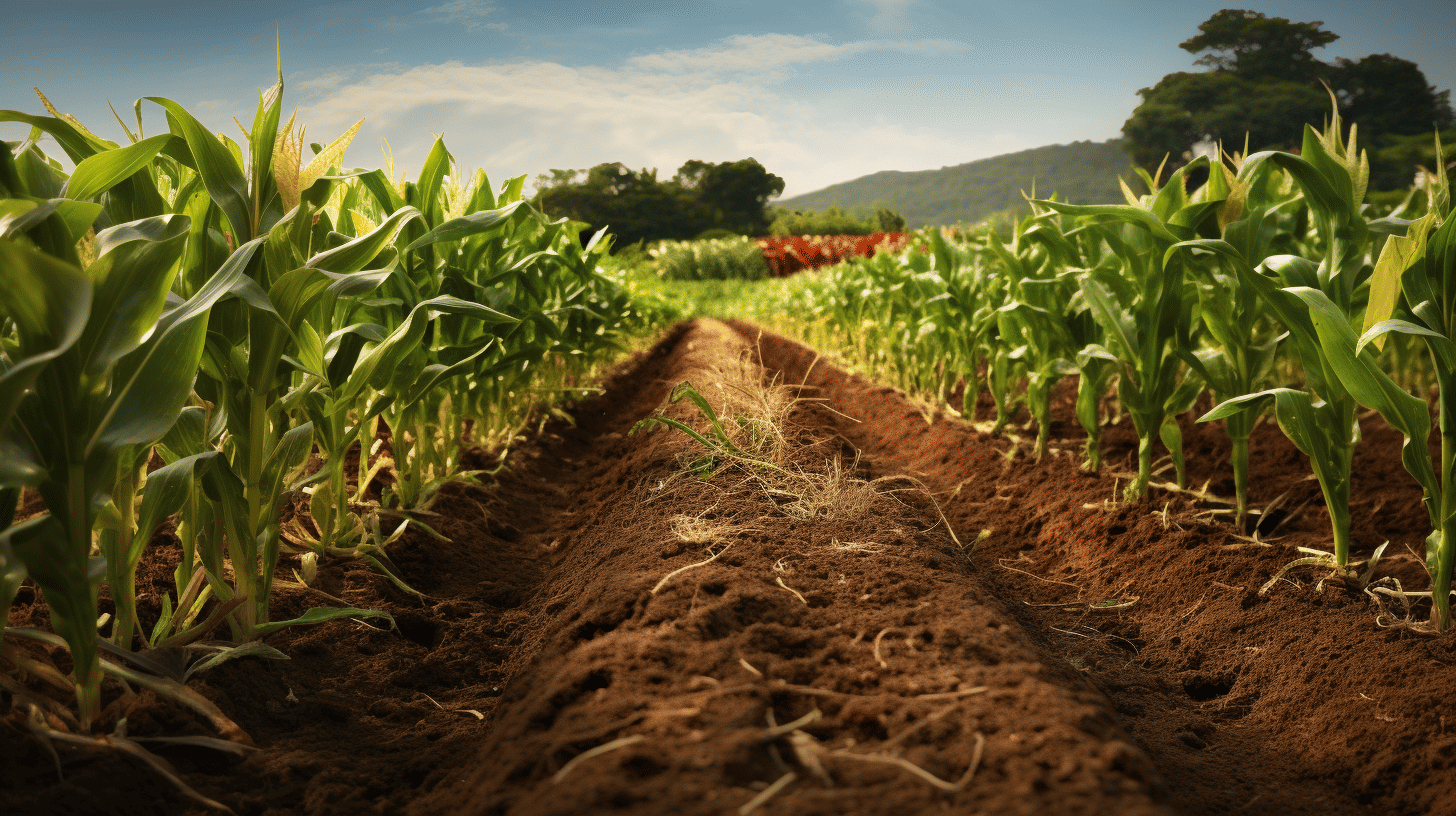
Regenerative agriculture is an innovative and sustainable farming approach that prioritizes soil health and the efficient cycling of nutrients. With its focus on restoring and enhancing natural ecosystems, regenerative agriculture offers numerous benefits that go beyond traditional farming methods.
Regenerative agriculture aims to mimic natural systems by implementing practices that promote biodiversity, improve soil health, and conserve water resources. These practices not only benefit the environment but also contribute to the profitability and resilience of farming operations. By focusing on nutrient cycling and circular flow, regenerative agriculture offers a promising solution to address pressing challenges such as climate change, soil degradation, and food insecurity.
In this article, we will explore the advantages of regenerative agriculture and delve into the specific practices that contribute to its success. We will also examine the increasing adoption of regenerative agriculture and its potential to have a transformative impact on our food systems, human health, and natural resource conservation. Throughout, we will emphasize the crucial role that nutrient cycling plays in regenerative agriculture and the benefits it brings to farmers, consumers, and the planet as a whole. So, let’s dive into the incredible world of regenerative agriculture and nutrient cycling!
Advantages of Regenerative Agriculture
Regenerative agriculture is gaining recognition as a sustainable farming practice that offers numerous benefits for farmers, the environment, and society as a whole. From economic advantages to improved soil health and climate change mitigation, regenerative agriculture is proving to be a game-changer in the agricultural industry. Let’s explore some of its key advantages:
Profitability and Economic Growth
Regenerative agriculture has proven to be a profitable choice for farmers in the long run. Studies have shown that regenerative fields have 78% higher profits compared to traditional corn production systems[1]. By implementing regenerative practices, farmers can reduce input costs, improve soil fertility, and ultimately increase crop yields while lowering production expenses[1][4]. This not only enhances the economic viability of farming operations but also contributes to overall economic growth in the agricultural sector.
Health, Nutrition, and Biodiversity Benefits
One of the significant advantages of regenerative agriculture is its positive impact on human health, nutrition, and biodiversity. By avoiding the use of synthetic pesticides and fertilizers, regenerative techniques promote healthier, nutrient-dense crops that provide essential vitamins and minerals to consumers[3]. Additionally, regenerative practices focus on promoting biodiversity and protecting habitats, which leads to the preservation of a wide range of plant and animal species[3].
Climate Change Mitigation
As the world faces the urgent need to address climate change, regenerative agriculture offers a viable solution. This farming approach helps to mitigate climate change by increasing carbon storage in the soil, reducing greenhouse gas emissions, and improving overall soil health and biodiversity[3]. In fact, regenerative agriculture has the potential to sequester more than 100% of current annual CO2 emissions[4]. By implementing regenerative practices on a large scale, we can make a significant impact in combating climate change.
Improved Soil Health and Nutrient Cycling
Regenerative farming techniques focus on building up organic matter and improving nutrient cycling in the soil. This leads to improved soil health, increased water retention, and reduced erosion, all of which contribute to higher crop yields and long-term soil fertility[4]. By minimizing physical disturbances, such as tilling, regenerative agriculture keeps the soil structure intact and allows for better nutrient absorption by plants[10].
Circular Nutrient Flow and Conservation
Regenerative agriculture emphasizes the importance of closing nutrient and carbon cycles to conserve resources and minimize waste. By adopting practices such as cover cropping, crop rotation, and the use of animal manure, regenerative farmers maintain a circular nutrient flow, ensuring that nutrients are recycled back into the system rather than lost through runoff or leaching[11]. This not only reduces the need for synthetic fertilizers but also helps to protect water resources from nutrient pollution.
Water Resources and Filtration
Properly managed regenerative agriculture plays a crucial role in water resource management. By improving soil structure and increasing organic matter content, regenerative practices enhance water infiltration and retention, reducing the risk of erosion and water runoff[10]. Additionally, healthy soils act as natural filters, removing pollutants and contaminants from water as it passes through the soil profile[10]. This results in cleaner waterways and improved water quality for both humans and aquatic ecosystems.
Regenerative agriculture offers a holistic approach to farming that not only benefits farmers and consumers but also contributes to environmental sustainability. With its positive impact on profitability, soil health, climate change mitigation, and biodiversity preservation, it’s no wonder that regenerative agriculture has gained popularity among policymakers, food companies, and farmers worldwide[7]. As this practice continues to evolve and gain recognition, we can expect to see significant growth and positive transformation in the agricultural sector in the coming years[9].
Regenerative Agricultural Practices
Regenerative farming practices have gained significant attention in recent years due to their ability to improve soil health, sequester carbon, and enhance overall agricultural sustainability. These practices not only have environmental benefits but also contribute to increased productivity and profitability for farmers. In this section, we will explore some key regenerative agricultural practices and their positive impacts.
No-till and Reduced Tillage
One of the fundamental principles of regenerative agriculture is minimizing soil disturbance. Traditional farming methods often involve intensive tilling, which can lead to soil erosion, loss of organic matter, and disruption of soil structure. However, regenerative farms may implement practices like no-till and reduced tillage to minimize these negative effects.
By avoiding or reducing tilling, farmers can:
- Preserve soil structure and improve water infiltration.
- Retain valuable organic matter that provides essential nutrients for crops.
- Enhance soil microbial activity, promoting healthy nutrient cycling.
Cover Crops
The use of cover crops is another vital regenerative practice that improves soil health. Cover crops are planted in between main cash crops and serve multiple purposes. These crops can be legumes, grasses, or a mixture, depending on the specific needs of the farm.
Benefits of cover crops include:
- Organic carbon sequestration: Cover crops absorb carbon dioxide from the atmosphere, mitigating climate change.
- Nutrient cycling: Cover crops take up excess nutrients from the soil, preventing nutrient runoff and improving overall nutrient availability.
- Weed suppression: Cover crops compete with weeds for resources, reducing the need for synthetic herbicides.
Crop Rotation
Crop rotation is a time-tested agricultural practice that involves growing different crops in sequence on the same land. This technique provides several benefits that contribute to regenerative agriculture:
- Nutritional benefits: Different crops have varying nutrient requirements. By rotating crops, farmers ensure balanced nutrient utilization and reduce the risk of nutrient depletion.
- Pest control: Some pests and diseases have specific host preferences. Crop rotation breaks pest cycles, reducing the reliance on chemical pesticides and promoting natural pest control.
- Increased yield and profit: By diversifying crops, farmers can optimize their resources and potentially increase overall crop yields and profitability.
Recycling Farm Waste
Regenerative farms prioritize minimizing waste and maximizing resource utilization. Recycling farm waste is a key component of this approach. Instead of discarding waste materials, farmers find ways to repurpose them into valuable resources.
Benefits of recycling farm waste include:
- Nutrient cycling: Animal manure, crop residues, and other organic waste can be composted or used as organic fertilizers, replenishing soil nutrients in a sustainable manner.
- Reduced environmental impact: By recycling waste, farmers minimize the need for synthetic fertilizers and reduce the risk of nutrient runoff, which can contaminate water bodies.
- Cost savings: Recycling farm waste can reduce input costs associated with synthetic fertilizers and waste disposal.
Data-Driven Improvement and Innovation
Regenerative agriculture is not a static practice but rather a continuously evolving approach. The investment and support for regenerative agriculture focus on data-driven improvement and constant innovation. By utilizing technology and collecting data, farmers can make informed decisions and fine-tune their practices for optimal results.
Some ways data-driven improvement and innovation are implemented in regenerative agriculture include:
- Precision agriculture: Using sensors, drones, and GPS technology to monitor crop health, soil moisture, and nutrient levels, allowing farmers to target specific areas with the necessary inputs.
- Experimentation and research: Farmers and researchers collaborate to test new techniques and practices that can enhance regenerative farming systems.
- Knowledge sharing: Farmers, organizations, and academia regularly exchange information and experiences to drive innovation and accelerate the adoption of regenerative practices.
Implementing a combination of these regenerative agricultural practices can lead to long-term benefits for farmers, ecosystems, and society as a whole. It’s an exciting and promising approach to agriculture that promotes sustainability, resilience, and profitability.
Increasing Adoption and Impact
Regenerative agriculture has seen a significant increase in adoption and is making a substantial impact on the agricultural industry. This sustainable farming practice has gained traction in recent years due to its numerous benefits for both farmers and the environment. Let’s explore why regenerative agriculture is on the rise and its implications for a healthier and more sustainable future.
Rise in Adopting Regenerative Agriculture Practices
The number of companies embracing regenerative agriculture has surged by nearly 130% in recent years[1]. This remarkable increase signals a growing recognition of the importance of sustainable farming practices and the potential positive impact they can have on the environment. Farmers and agricultural organizations are actively seeking ways to improve the health of their soils and create a more sustainable food production system.
Addressing Soil Degradation
Approximately 52% of agricultural soils worldwide are degraded, highlighting the urgent need for regenerative agriculture[2]. Conventional agriculture practices, such as excessive tillage and the use of synthetic fertilizers, have led to soil degradation, nutrient depletion, and increased erosion. Regenerative agriculture focuses on rebuilding soil health, restoring soil structure, and preserving its vital nutrients.
Improving Food Systems and Human Health
Regenerative agriculture goes beyond environmental benefits; it also has a significant impact on improving food systems and human health. By using climate-smart practices, regenerative farming helps mitigate the effects of climate change and promotes biodiversity. This leads to healthier and more resilient food systems that can provide nutritious and sustainably grown produce.
Positive Feedback Loop and Nutrient Cycling
One of the core principles of regenerative agriculture is creating a positive feedback loop that sustains nutrient cycling and eliminates nutrient loss[4]. By implementing practices such as cover cropping, crop rotation, and integrating livestock into farming systems, nutrients are efficiently recycled, reducing the need for external inputs. This not only enhances soil fertility but also minimizes the environmental impact of agricultural activities.
Profitability and Economic Resilience
Contrary to popular belief, regenerative agriculture can increase farm profitability and economic resilience over time[5]. By reducing input costs, improving soil health, and minimizing the reliance on expensive external inputs, regenerative practices offer long-term economic benefits for farmers. Additionally, as consumers increasingly prioritize sustainable and regeneratively grown products, farmers adopting these practices can tap into a growing market demand.
Importance of Soil Health and Nutrient Cycling
Healthy soils with effective nutrient cycling play a crucial role in maintaining agricultural productivity and sustainability[6]. Regenerative agriculture nurtures soil health by promoting beneficial microbial activity, improving soil structure, and increasing organic matter content. These practices result in increased nutrient availability, enhanced water retention, and overall improved soil fertility.
Role of Regenerative Agriculture in Natural Resource Conservation
Regenerative agriculture practices have far-reaching benefits beyond soil health. They contribute to the conservation of natural resources such as water and wildlife biodiversity. By promoting practices like agroforestry, water filtration and retention are enhanced, reducing runoff and pollution. Additionally, regenerative practices provide habitats for beneficial insects, birds, and other wildlife, preserving biodiversity on agricultural lands[7].
Improving Nutrient Content of Crops and Livestock
Research shows that regenerative farming can lead to improved nutrient content in crops and livestock[8]. By prioritizing soil health and nutrient cycling, regenerative agriculture results in higher nutrient availability in the soil. This, in turn, translates into nutrient-dense crops and livestock, providing consumers with more nutritious food options.
Research and Evidence on Regenerative Agriculture
The numerous benefits of regenerative agriculture are backed by research and evidence. Studies consistently show improvements in soil health, nutrient cycling, and crop yields with the adoption of regenerative farming practices[9]. This robust body of knowledge continues to grow, providing valuable insights into how regenerative agriculture can revolutionize our approach to sustainable food production.
In conclusion, regenerative agriculture is experiencing a surge in adoption as more farmers and agricultural organizations recognize its tremendous potential. By addressing soil degradation, improving food systems and human health, and creating a positive feedback loop through efficient nutrient cycling, regenerative agriculture offers a path towards a more sustainable and profitable future for farmers and a healthier planet for all.
Conclusion
In conclusion, regenerative agriculture plays a crucial role in promoting sustainable farming practices and environmental stewardship. By implementing regenerative agricultural practices, farmers can enjoy numerous benefits, including increased profitability, improved soil health, and climate change mitigation. Additionally, regenerative agriculture contributes to the conservation of water resources, biodiversity, and nutrient cycling.
The adoption of regenerative agriculture is on the rise, with more farmers recognizing its positive impact on soil degradation, food systems, and human health. As the circular nutrient flow is established, it creates a positive feedback loop that further enhances the nutrient cycling process. This, in turn, leads to economic resilience and the improvement of nutrient content in crops and livestock.
Regenerative agriculture also plays a crucial role in natural resource conservation, protecting the environment and contributing to global food security. Research and evidence on regenerative agriculture continue to provide valuable insights and support its widespread adoption.
Discover the potential of regenerative agriculture and join us at Regenerative Agriculture Wiki in fostering a future where agriculture and ecology thrive in harmony. Our platform offers comprehensive guides, insightful articles, and a community of like-minded individuals dedicated to sustainability and regenerative practices.
Explore our extensive content on regenerative agriculture here and be part of the movement towards a more resilient and sustainable farming future.
Frequently Asked Questions
- What is regenerative agriculture?
Regenerative agriculture is a holistic approach to farming that focuses on renewing and revitalizing the soil, ecology, and biodiversity. It aims to enhance soil health, sequester carbon, increase water infiltration, and improve the overall sustainability of agriculture.
- What is nutrient cycling?
Nutrient cycling is the process by which nutrients within an ecosystem are continuously recycled and reused. It involves the uptake of nutrients by plants, their incorporation into organic matter, decomposition by microorganisms, and release back into the soil for plant uptake again.
- How does regenerative agriculture promote nutrient cycling?
Regenerative agriculture promotes nutrient cycling by prioritizing practices such as cover cropping, crop rotation, and the use of organic matter like compost. These practices help to build soil organic matter, enhance microbial activity, and improve nutrient availability for plants.
- What are the benefits of nutrient cycling in regenerative agriculture?
Nutrient cycling in regenerative agriculture has several benefits, including improved soil fertility, increased nutrient availability for plants, reduced reliance on synthetic fertilizers, enhanced water retention in the soil, and reduced nutrient runoff and pollution in water bodies.
- Are there any challenges or limitations to nutrient cycling in regenerative agriculture?
While nutrient cycling is a sustainable practice, it can present challenges in terms of maintaining nutrient balance, managing nutrient losses, and ensuring optimal nutrient availability for crops. Monitoring nutrient levels, proper crop rotation, and careful management of organic inputs are important for overcoming these challenges.