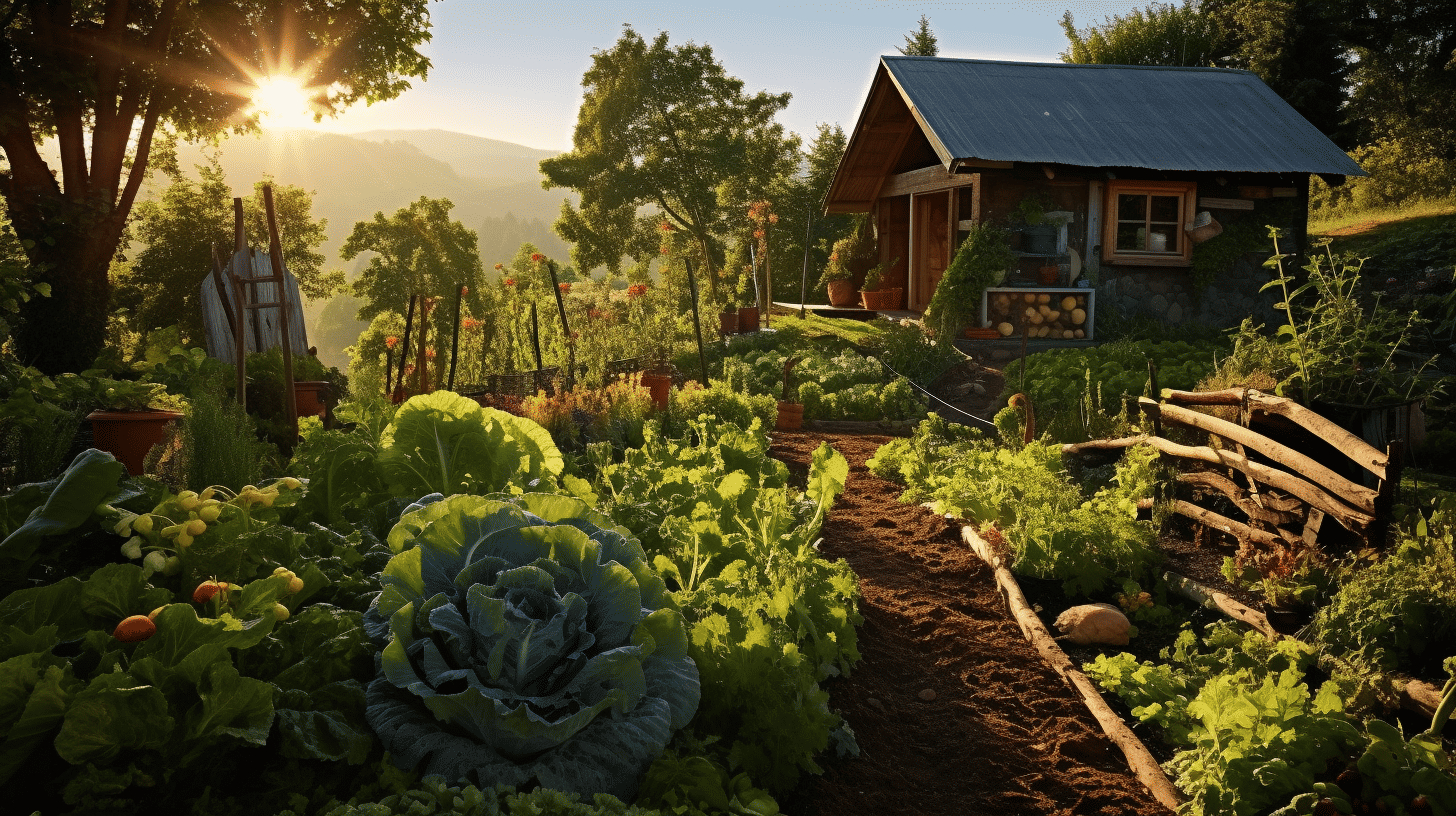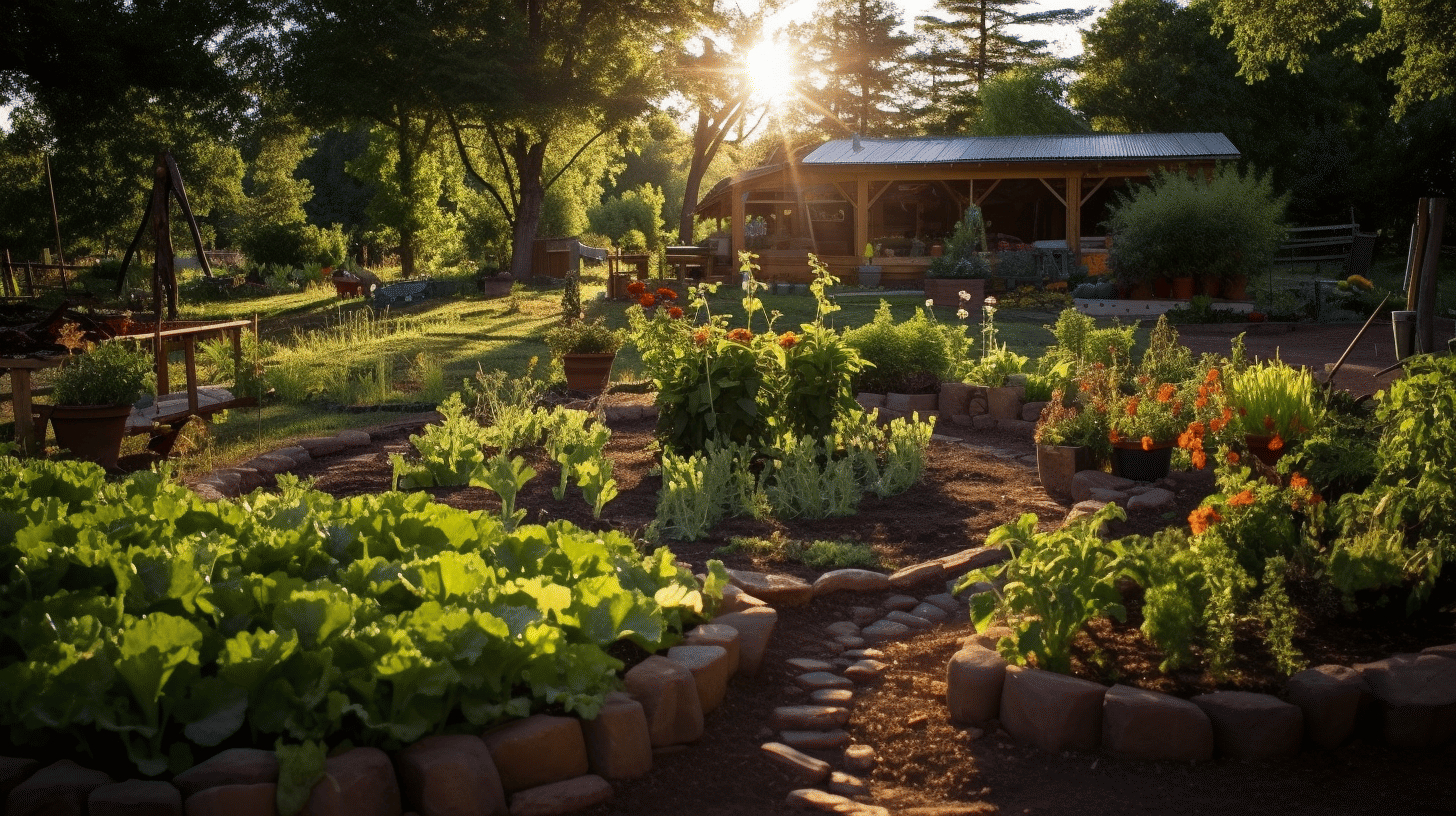
Permaculture is a holistic and sustainable approach to farming and land management that aims to create resilient and regenerative systems that work harmoniously with nature. By integrating principles and practices from various disciplines, permaculture offers a way to build farming systems that are not only productive but also environmentally friendly and socially responsible.
In recent years, there has been a growing interest in permaculture as people recognize the importance of finding alternatives to conventional farming practices that deplete natural resources and harm the environment. The principles of permaculture provide a framework for designing and implementing farming systems that are not only ecologically sound but also economically viable and socially just.
Through the use of permaculture practices, farmers can create resilient ecosystems that are more resistant to climate change, pest outbreaks, and other environmental challenges. By understanding and working with natural processes, permaculture systems can enhance biodiversity, conserve water, improve soil health, and reduce the need for chemical inputs.
But what exactly is permaculture, and how can it benefit farmers and the environment? In the following sections, we will explore the core principles of permaculture and delve into its various benefits and implementation strategies. Whether you’re a small-scale farmer, a gardener, or simply someone interested in sustainable agriculture, permaculture has something to offer for everyone. So let’s dig in and discover the world of permaculture together!
What is Permaculture?
Permaculture is a design methodology for sustainable agriculture systems. It aims to create ecological, regenerative, and self-sufficient ecosystems that provide sufficient yield and supply humans with food, energy, and resources[1][8]. Permaculture draws on principles of whole-system thinking and ecological design to mimic nature and produce a yield[6][15]. This approach can be applied in various fields, including regenerative agriculture, town planning, and community resilience[5].
The practice of permaculture focuses on small-scale intensive systems that incorporate perennial crops and native species for long-term sustainability[2]. By utilizing water conservation practices and organic fertilizers, permaculture aims to mitigate the impacts of conventional agriculture and promote sustainable farming techniques[3][11]. It encourages a connected approach and is a philosophy of working with nature, rather than against it[10].
One of the key principles of permaculture is the adoption of sustainable farming techniques like agroforestry, swales, and contour plantings[11]. These techniques help increase agricultural biodiversity, improve soil organic matter and fertility, and create resilient farming systems that can better withstand the impacts of climate change[16][19]. Additionally, cover crops are often incorporated in permaculture systems to increase soil health and fertility[18].
Permaculture is not limited to small-scale applications; it can also be applied at a larger scale. There are numerous examples of permaculture adoption in various contexts, showcasing its potential for creating sustainable and self-sufficient food systems[20]. However, the resilience of farming systems studied in case studies was perceived to be low to moderate, indicating the challenges and limitations that need to be addressed[21].
In summary, permaculture is a holistic approach to agriculture that aims to develop resilient and sustainable food systems by working with nature and utilizing ecological principles. It offers an effective way to mitigate the impacts of conventional agriculture while promoting self-sufficiency and environmental stewardship. Whether on a small or large scale, permaculture has the potential to transform our relationship with agriculture and create a positive impact in the world.
Benefits of Permaculture Practices
Permaculture practices offer a multitude of benefits for both the environment and those who practice them. By adopting these sustainable techniques, individuals and communities can create resilient ecosystems that contribute to a healthier planet. Let’s explore some of the key advantages of permaculture:
Long-term Sustainability
One of the primary benefits of permaculture practices is their focus on long-term sustainability. By incorporating perennial crops and native species into their designs, permaculturists reduce the need for excessive inputs such as pesticides and fertilizers. This approach promotes biodiversity and fosters self-sufficiency by creating food forests, edible landscapes, and sustainable farming systems that can thrive for generations to come[1].
Enhancing Ecosystem Resilience
In an ever-changing world, the ability to adapt and respond to disturbances is crucial for the survival of ecosystems. Permaculture practices excel in enhancing ecosystem resilience. By implementing diverse planting schemes, regenerative techniques, and tight nutrient cycling, permaculture systems create farming systems that are better equipped to withstand disruptions and adapt to changing conditions[2]. This resilience ensures the continued productivity and stability of the land, even in the face of environmental challenges.
Mitigating Climate Change Impacts
Permaculture practices also play a vital role in mitigating the impacts of climate change. Through techniques such as carbon sequestration, water management, and agroforestry, permaculturists help reduce greenhouse gas emissions and promote a more sustainable future. These practices not only minimize the carbon footprint but also restore degraded landscapes, enhance soil fertility, and increase biodiversity, making them powerful tools in the fight against climate change[3].
Promoting Environmental Stewardship
By embracing permaculture principles, individuals actively engage in environmental stewardship and cultivate a deeper connection with nature. Permaculture encourages a holistic approach to land management, inspiring people to work in harmony with natural systems rather than against them. This mindset fosters a sense of responsibility and care for the environment, leading to a more sustainable and ecologically conscious society[4].
Permaculture practices offer a range of benefits that extend beyond sustainable agriculture and land management. By promoting long-term sustainability, enhancing ecosystem resilience, mitigating climate change impacts, and encouraging environmental stewardship, permaculture has the potential to shape a future where humans and nature coexist harmoniously.
Want to learn more about permaculture and the principles behind it? Check out our article on Understanding the Core Principles of Permaculture.
Implementing Permaculture Strategies
Permaculture is an innovative approach to sustainable agriculture that aims to create harmonious and productive ecosystems by working with nature rather than against it. By implementing permaculture strategies, farmers and gardeners can create resilient and regenerative systems that contribute to environmental conservation while producing abundant yields.
In this article, we will explore five key permaculture strategies and their benefits. These strategies include water conservation and management, soil building and organic fertilizers, agroforestry and contour plantings, cover crops and crop rotation, and integrated pest management.
Each strategy plays a crucial role in building a self-sustaining system that minimizes resource inputs, fosters biodiversity, and enhances soil health. Let’s dive deeper into each of these strategies to understand their significance in permaculture implementation.
Water Conservation and Management
Water is a precious resource, especially in arid regions or during dry seasons. Implementing water conservation and management techniques can help optimize water usage and reduce reliance on external water sources. Some effective techniques include:
- Rainwater harvesting: Capturing rainwater from rooftops and directing it to storage tanks or underground reservoirs for future use.
- Mulching: Applying a layer of organic mulch around plants helps retain soil moisture by preventing evaporation.
- Drip irrigation: Using drip irrigation systems delivers water directly to plant roots, minimizing wastage and ensuring efficient water distribution.
Implementing these techniques not only conserves water but also helps sustain plant growth during periods of drought or water scarcity.
Soil Building and Organic Fertilizers
Healthy soil is the foundation of a successful permaculture system. Soil building practices focus on improving soil health and fertility through organic matter inputs and composting. Some effective practices include:
- Composting: Turning food scraps, yard waste, and other organic materials into nutrient-rich compost that can be used as a natural fertilizer.
- Crop rotation: Alternating plant species each growing season helps prevent soil nutrient depletion and inhibits the buildup of pests and diseases.
- Green manure cover crops: Planting cover crops like legumes or grasses helps add organic matter to the soil, improves soil structure, and fixes nitrogen.
By enriching the soil with organic matter and avoiding the use of synthetic fertilizers, permaculturists can create a thriving ecosystem that supports healthy plant growth and reduces environmental pollution.
Agroforestry and Contour Plantings
Agroforestry and contour plantings are techniques that maximize land utilization and enhance biodiversity while preventing soil erosion. Here’s how these techniques work:
- Agroforestry: Integrating trees, shrubs, and crops in a coordinated manner provides multiple benefits such as shade, windbreaks, and increased wildlife habitat.
- Contour planting: By planting crops and trees along the contours of slopes, water runoff is slowed down, reducing erosion and allowing more water to infiltrate the soil.
These strategies help create microclimates that support a wide range of plants, increase pollinator activity, and contribute to the overall resilience of the permaculture system.
Cover Crops and Crop Rotation
Cover crops and crop rotation are essential strategies for maintaining soil health, suppressing weeds, and promoting nutrient cycling. Here’s how they work:
- Cover crops: Planting cover crops like clover or rye between main crop seasons helps prevent weed growth, adds organic matter to the soil, and improves nutrient availability.
- Crop rotation: Alternating the types of crops grown in a specific area from season to season helps break pest and disease cycles, reduces soil erosion, and improves soil structure.
These practices contribute to the overall vitality of the permaculture system by improving soil health, preventing weed competition, and optimizing nutrient availability for crops.
Integrated Pest Management
Integrated pest management (IPM) is a holistic approach to pest control that minimizes the use of harmful pesticides and promotes natural pest control methods. Here’s how IPM works:
- Biological control: Encouraging beneficial insects, birds, or other predators that naturally control pests by preying on them.
- Crop diversification: Planting a variety of crops helps reduce the spread of pests by disrupting their reproduction cycles and limiting their food sources.
- Cultural practices: Implementing practices like proper sanitation, crop spacing, and removing diseased plants helps limit the spread of pests and diseases.
By implementing IPM strategies, permaculturists can maintain a balance between pest management and ecosystem preservation, reducing the reliance on synthetic chemical pesticides.
In conclusion, implementing permaculture strategies is vital for creating sustainable and regenerative farming and gardening systems. By adopting water conservation and management techniques, building healthy soil, integrating agroforestry and contour plantings, practicing cover cropping and crop rotation, and implementing integrated pest management, individuals can foster ecological harmony while enjoying bountiful harvests. Stay tuned for more in-depth exploration of each strategy!
Case Studies and Success Stories
Permaculture is not just a theory or a set of principles. It is a practical approach to sustainable farming that has yielded impressive results for farmers around the world. Looking at real-life case studies and success stories can provide valuable insights into the ways permaculture strategies can be implemented and the outcomes that can be achieved.
Learn from the Experiences of Others
Exploring case studies allows farmers to learn from the experiences of those who have successfully implemented permaculture techniques. These stories offer a wealth of knowledge and inspiration, showing the potential of permaculture in diverse farming contexts. By studying successful permaculture projects, farmers can gain valuable insights and ideas for their own operations.
Real-life Examples of Permaculture in Action
Case studies provide tangible evidence of the benefits that permaculture brings to different farming systems. They showcase the transformative power of sustainable agriculture and its positive impact on the environment, economy, and livelihoods. By delving into these examples, farmers can see how permaculture principles have been applied and the results that have been achieved.
Inspiring Success Stories
Success stories highlight the achievements of farmers who have embraced permaculture and reaped the rewards. These stories serve as a testament to the potential of permaculture to create thriving and resilient farming systems. They inspire others to adopt sustainable practices and demonstrate that regenerative agriculture is not only feasible but also profitable.
Table: Benefits of Studying Case Studies and Success Stories
| Benefits |
|---|
| Gain practical insights and ideas for implementation |
| See the transformative power of permaculture |
| Learn from the experiences of successful farmers |
| Discover the potential for profitability |
| Find inspiration for sustainable farming practices |
As farmers seek to adopt more sustainable and regenerative practices, it is crucial to learn from those who have walked the path before. Case studies and success stories provide valuable guidance and inspiration for incorporating permaculture into farming operations. In the next section, we will explore specific case studies and success stories that showcase the application of permaculture principles in various contexts.
Conclusion
In conclusion, permaculture principles offer a holistic and sustainable approach to farming that can revolutionize our agricultural systems. By implementing permaculture strategies such as water conservation and management, soil building, agroforestry, and integrated pest management, farmers can create resilient farming systems that benefit both the environment and their communities. The benefits of permaculture practices include long-term sustainability, enhanced ecosystem resilience, mitigation of climate change impacts, and promotion of environmental stewardship.
At Regenerative Agriculture Wiki, we are passionate advocates for regenerative agriculture and permaculture. We believe in the power of these practices to transform the way we farm and interact with our environment. Visit our website to explore the extensive content we offer on regenerative agriculture, including in-depth articles, informative guides, and inspiring case studies. Join us in fostering a future where agriculture and ecology thrive in harmony, and together, let’s create a sustainable and regenerative world.
Explore more about permaculture and regenerative agriculture on our website.
Frequently Asked Questions
- What are the core principles of permaculture?
The core principles of permaculture include observing and interacting, catching and storing energy, obtaining a yield, applying self-regulation and accepting feedback, using and valuing renewable resources, producing no waste, designing from patterns to details, integrating rather than segregating, using small and slow solutions, and valuing diversity.
- How can permaculture principles help in building resilient farming systems?
Permaculture principles provide a holistic approach to farming systems, enabling farmers to design and implement sustainable practices that mimic nature. These principles help in enhancing soil fertility, conserving water, maximizing energy efficiency, promoting biodiversity, reducing waste, and creating self-regulating and resilient farming systems.
- Are permaculture principles only applicable to organic farming?
No, permaculture principles can be applied to both organic and conventional farming systems. The principles focus on sustainable and regenerative practices, regardless of the farming methods used. Permaculture encourages farmers to work with nature, minimize inputs, and create resilient and productive agriculture systems.
- What are some key practices that align with permaculture principles in farming?
Some key practices that align with permaculture principles in farming include agroforestry, using cover crops and green manure, creating food forests, implementing companion planting and intercropping, practicing water conservation and harvesting techniques, employing natural pest control methods, and adopting organic and regenerative soil management practices.
- Can permaculture principles be implemented in small-scale farming?
Absolutely, permaculture principles can be implemented in both small-scale and large-scale farming. In fact, permaculture’s focus on small and slow solutions makes it particularly suitable for small-scale farming, enabling farmers to maximize productivity, sustainability, and resilience in limited spaces.